


Table of Contents
- Why Decaf Behaves Differently Than Regular Coffee
- The Four Main Reasons Your Decaf Tastes Off
- 1. The Decaffeination Method
- 2. Bean Quality and Freshness
- 3. Over-Extraction During Brewing
- 4. Expecting It to Taste Like Regular Coffee
- Myth vs. Reality: Decaf Edition
- How to Fix Your Decaf: A Troubleshooting Guide
- Brewing Adjustments for Better Decaf
- Finding Better Decaf
- Key Takeaways
That flat, cardboard-y, or vaguely chemical taste in your decaf isn’t inevitable—it’s usually a sign something went wrong before the coffee hit your cup. The good news: most causes are fixable without switching brands.
When decaf tastes weird, the culprit is typically one of three things: the decaffeination method stripped too much flavor, the beans were stale before you bought them, or your brewing parameters need adjustment. Decaf behaves differently than regular coffee, and treating it the same way often leads to disappointing results.
Why Decaf Behaves Differently Than Regular Coffee
Decaffeination isn’t just about removing caffeine—it fundamentally changes the bean’s structure. During the process, beans are steamed, soaked, or pressurized, which opens up their cellular structure. This makes decaf more porous and soluble than regular coffee.
What does that mean for your cup? Decaf extracts faster. The same grind size and brew time that works for regular coffee can over-extract decaf, pulling out bitter compounds and muting the brighter notes.
There’s also the roasting factor. Because decaf beans are already somewhat “cooked” during decaffeination, roasters often apply less heat or shorter roast times. This can leave underdeveloped flavors if not done carefully—resulting in that grassy, sour, or hollow taste some people notice.
The Four Main Reasons Your Decaf Tastes Off
1. The Decaffeination Method
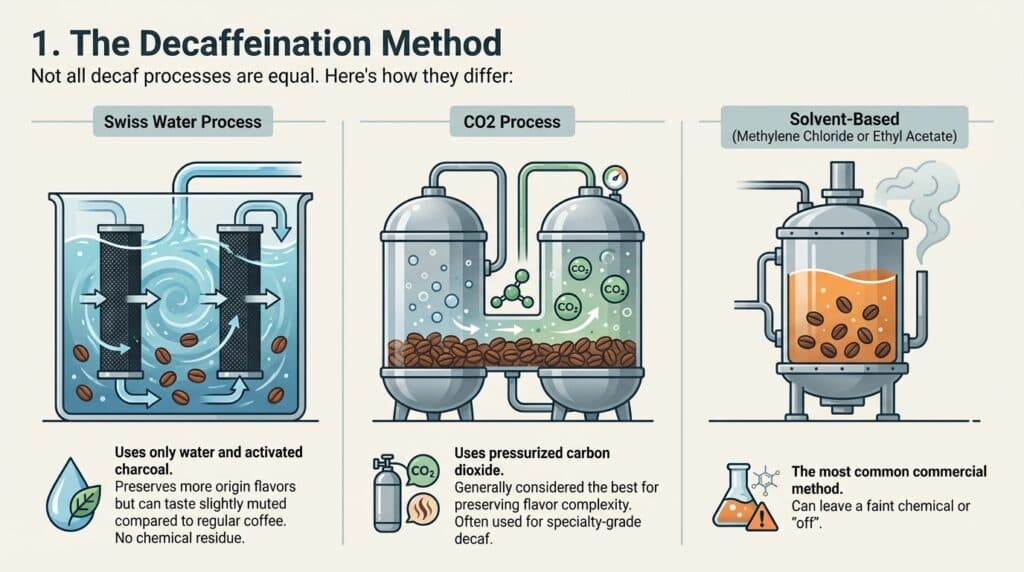
Not all decaf processes are equal. Here’s how they differ:
- Swiss Water Process: Uses only water and activated charcoal. Preserves more origin flavors but can taste slightly muted compared to regular coffee. No chemical residue.
- CO2 Process: Uses pressurized carbon dioxide. Generally considered the best for preserving flavor complexity. Often used for specialty-grade decaf.
- Solvent-Based (Methylene Chloride or Ethyl Acetate): The most common commercial method. Can leave a faint chemical or “off” taste if not thoroughly rinsed. Ethyl acetate is sometimes marketed as “naturally decaffeinated” since it can be derived from fruit.
If your decaf has a vaguely medicinal or solvent-like aftertaste, the processing method is likely the issue. Look for bags labeled “Swiss Water” or “CO2 Processed” as alternatives.
2. Bean Quality and Freshness
Here’s an uncomfortable truth: many roasters use lower-grade beans for decaf because demand is lower and margins are tighter. Commodity-grade decaf often tastes flat or generic because the beans weren’t exceptional to begin with.
Freshness compounds this problem. Decaf’s more porous structure means it goes stale faster than regular coffee—sometimes 20-30% faster. A bag of decaf that’s been sitting on a shelf for three months will taste noticeably worse than the same beans at two weeks post-roast.
Barista Tip: Check the roast date, not the “best by” date. For decaf, aim to use beans within 4-6 weeks of roasting, and grind immediately before brewing.
3. Over-Extraction During Brewing
Because decaf is more soluble, it’s easy to over-extract. Symptoms of over-extracted decaf include:
- Bitter, harsh finish
- Astringent or drying mouthfeel
- Hollow, empty flavor with no sweetness
The fix is straightforward: coarsen your grind by 1-2 settings, reduce brew time by 15-20 seconds, or lower your water temperature to 88°C-92°C (190°F-198°F) instead of the usual 93°C-96°C.
4. Expecting It to Taste Like Regular Coffee
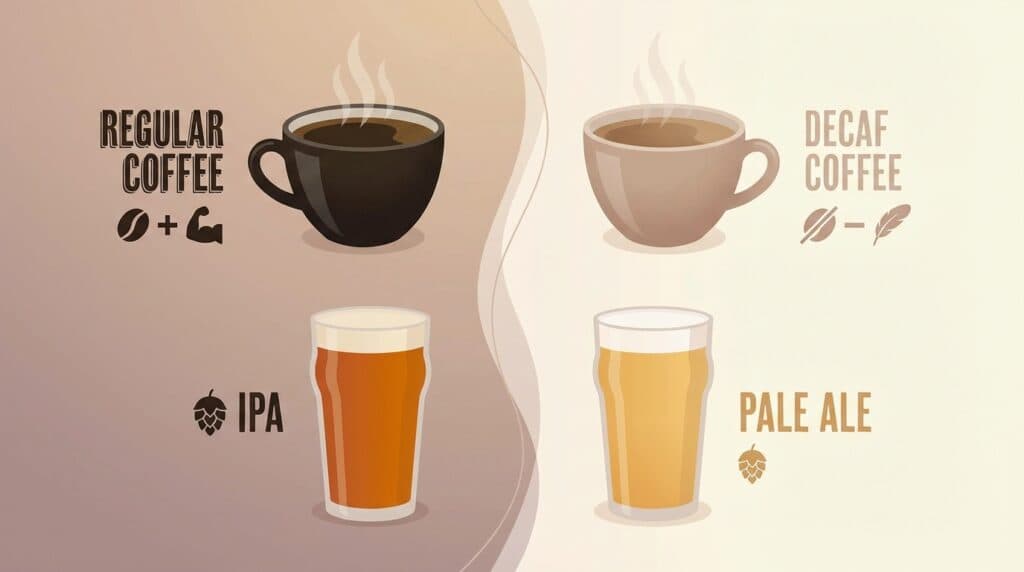
Even perfectly prepared decaf won’t taste identical to its caffeinated counterpart. Caffeine itself contributes to perceived bitterness and body. Without it, decaf often tastes lighter, softer, and less punchy—which isn’t a flaw, just a difference.
Adjusting expectations helps. Think of decaf as a related but distinct beverage, like comparing a pale ale to an IPA.
Myth vs. Reality: Decaf Edition
- Myth: All decaf tastes bad because the process ruins the beans.
Reality: High-quality decaf processed with Swiss Water or CO2 methods can taste excellent. The issue is usually bean quality or freshness, not the decaffeination itself. - Myth: Decaf is completely caffeine-free.
Reality: Decaf contains 2-15mg of caffeine per cup (compared to 80-100mg in regular coffee). If you’re extremely caffeine-sensitive, this small amount might still affect you. - Myth: Chemical decaffeination is dangerous.
Reality: Regulatory agencies consider solvent-processed decaf safe. Residual solvent levels are typically below 10 parts per million—far below any threshold of concern. However, if the taste bothers you, water-processed options exist. - Myth: You should brew decaf exactly like regular coffee.
Reality: Decaf benefits from slightly coarser grinds, lower temperatures, or shorter extraction times due to its increased solubility.
How to Fix Your Decaf: A Troubleshooting Guide
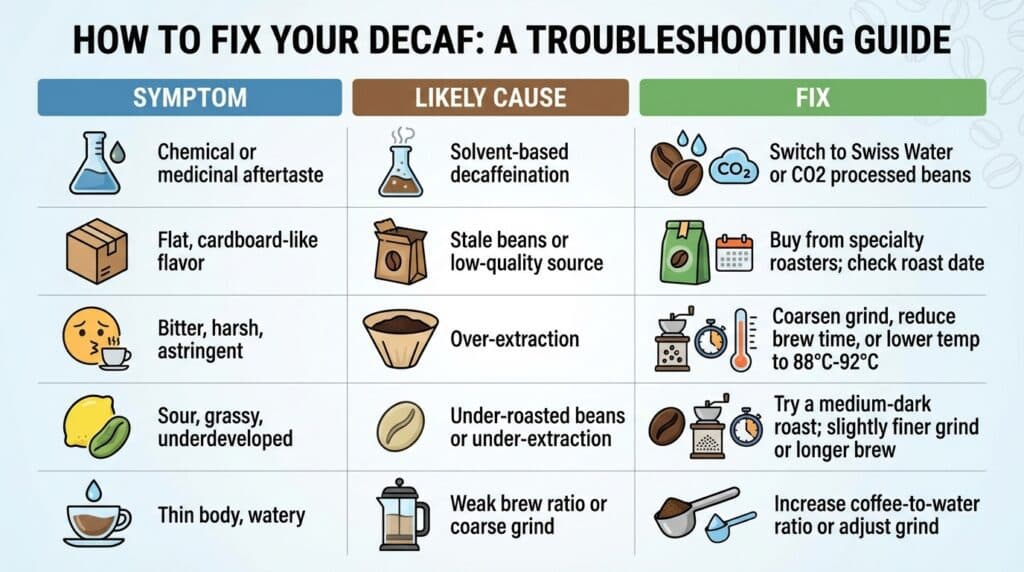
| Symptom | Likely Cause | Fix |
|---|---|---|
| Chemical or medicinal aftertaste | Solvent-based decaffeination | Switch to Swiss Water or CO2 processed beans |
| Flat, cardboard-like flavor | Stale beans or low-quality source | Buy from specialty roasters; check roast date |
| Bitter, harsh, astringent | Over-extraction | Coarsen grind, reduce brew time, or lower temp to 88°C-92°C |
| Sour, grassy, underdeveloped | Under-roasted beans or under-extraction | Try a medium-dark roast; slightly finer grind or longer brew |
| Thin body, watery mouthfeel | Insufficient dose or fast extraction | Increase coffee dose by 1-2g; use 1:15 ratio instead of 1:16 |
Brewing Adjustments for Better Decaf
Start with these baseline changes and adjust to taste:
- Grind coarser: One to two clicks coarser than your regular coffee setting.
- Lower your water temperature: Aim for 88°C-92°C (190°F-198°F).
- Increase your dose slightly: Try a 1:15 coffee-to-water ratio instead of 1:16 or 1:17 to compensate for decaf’s lighter body.
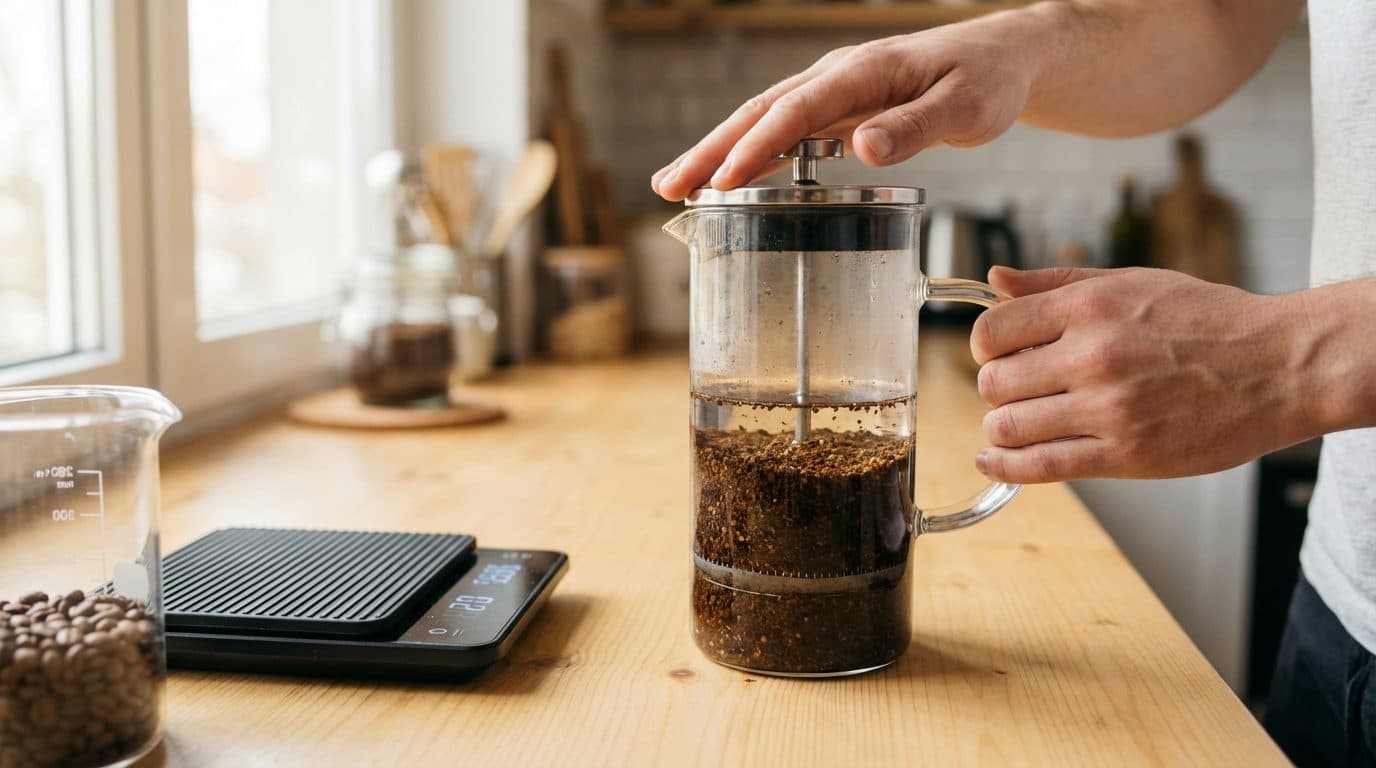
- Reduce contact time: For pour-over, aim for a total brew time 15-20 seconds shorter than usual. For immersion methods like French press, try 3:30-4:00 instead of 4:00-4:30.
Finding Better Decaf
If adjusting your brewing doesn’t help, the beans themselves might be the problem. When shopping for decaf:
- Look for single-origin decaf from specialty roasters—these typically use higher-quality green beans.
- Check for processing method on the label. No mention usually means solvent-based.
- Prioritize roast dates within the last month.
- Consider medium roasts, which often balance decaf’s inherent softness with enough development to avoid grassy notes.
Key Takeaways
- Decaf extracts faster than regular coffee—adjust your grind coarser and brew time shorter.
- Processing method matters: Swiss Water and CO2 processes generally preserve more flavor than solvent-based methods.
- Freshness is even more critical for decaf; use beans within 4-6 weeks of roasting.
- Lower your water temperature to 88°C-92°C to avoid over-extraction.
- If your decaf tastes flat regardless of brewing changes, the bean quality or freshness is likely the issue—not your technique.
Tomorrow morning, try one change: coarsen your grind by one setting and taste the difference. Small adjustments often transform mediocre decaf into something genuinely enjoyable.

Comments