


Table of Contents
- Quick Verdict: BWT Bestcup Filter
- What Is the BWT Bestcup Filter?
- Available Sizes and Compatibility
- Performance and Taste: Does It Actually Work?
- Scale Prevention
- Taste Improvement
- Filter Lifespan
- Pros and Cons
- Pros
- Cons
- Who Is This For?
- Who Is This NOT For?
- BWT Bestcup vs. Alternatives: How Does It Compare?
- Tips for Getting the Most from Your BWT Bestcup Filter
- Conclusion: Is the BWT Bestcup Filter Worth It?
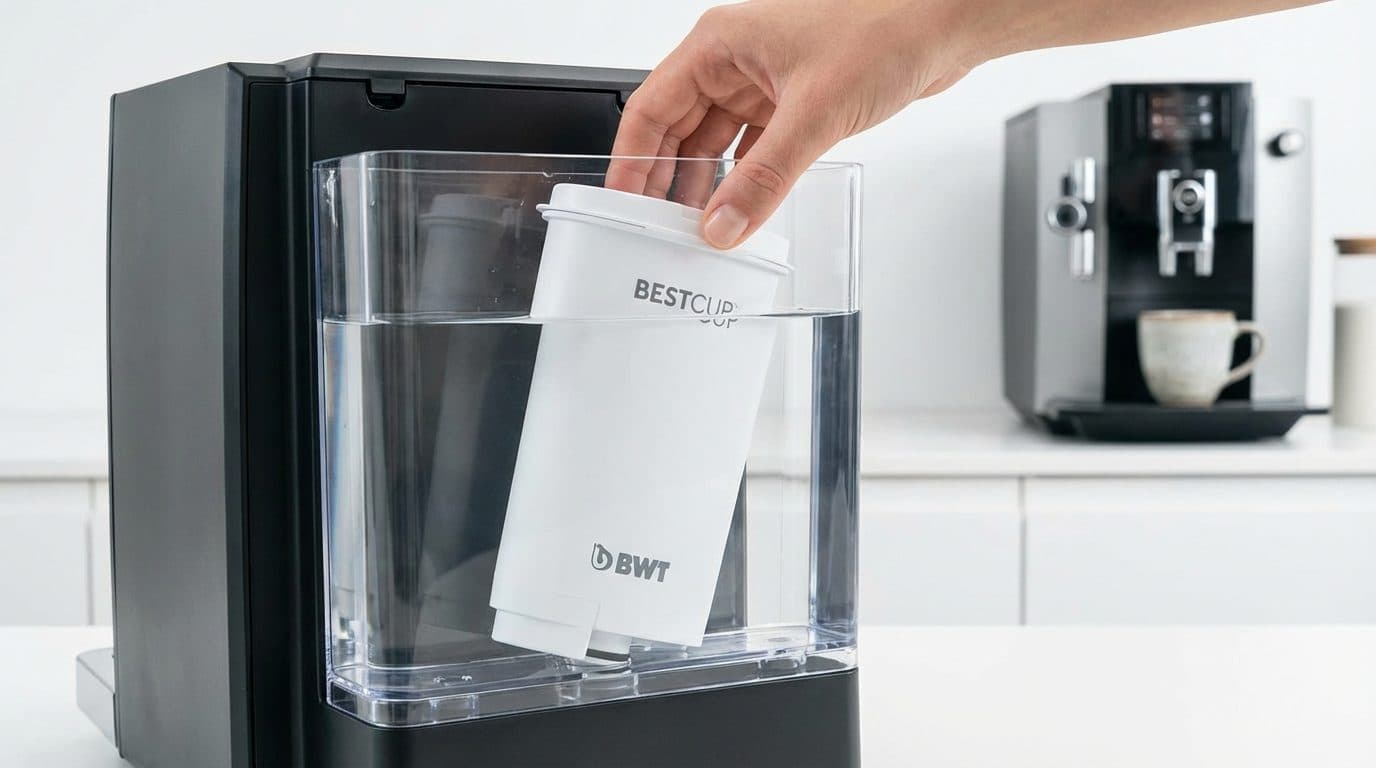
Ever pulled a shot of espresso that tasted flat, chalky, or just… off? Before you blame your beans or technique, consider this: water makes up over 98% of your coffee. If your water quality is poor, no amount of skill can save your brew. That’s where in-tank water filters like the BWT Bestcup Filter come into play. These compact filtration solutions sit directly inside your espresso machine’s reservoir, quietly improving water quality and protecting your equipment from scale buildup.
In this review, I’ll break down everything you need to know about BWT Bestcup filters—how they perform, what makes them different, and whether they’re the right choice for your home coffee setup. If you’ve been searching for a hassle-free way to upgrade your water without plumbing modifications, keep reading.
Quick Verdict: BWT Bestcup Filter
After testing the BWT Bestcup filter in my own espresso machine for several months, I can confidently say it delivers on its promises. The filter effectively reduces limescale, improves taste, and requires minimal maintenance. For home baristas using tank-fed machines, it’s one of the most convenient water treatment options available.
Rating: 4.5/5 — A reliable, easy-to-use in-tank filter that balances performance with convenience. It’s not the cheapest option, but the quality justifies the investment for serious coffee lovers.
What Is the BWT Bestcup Filter?
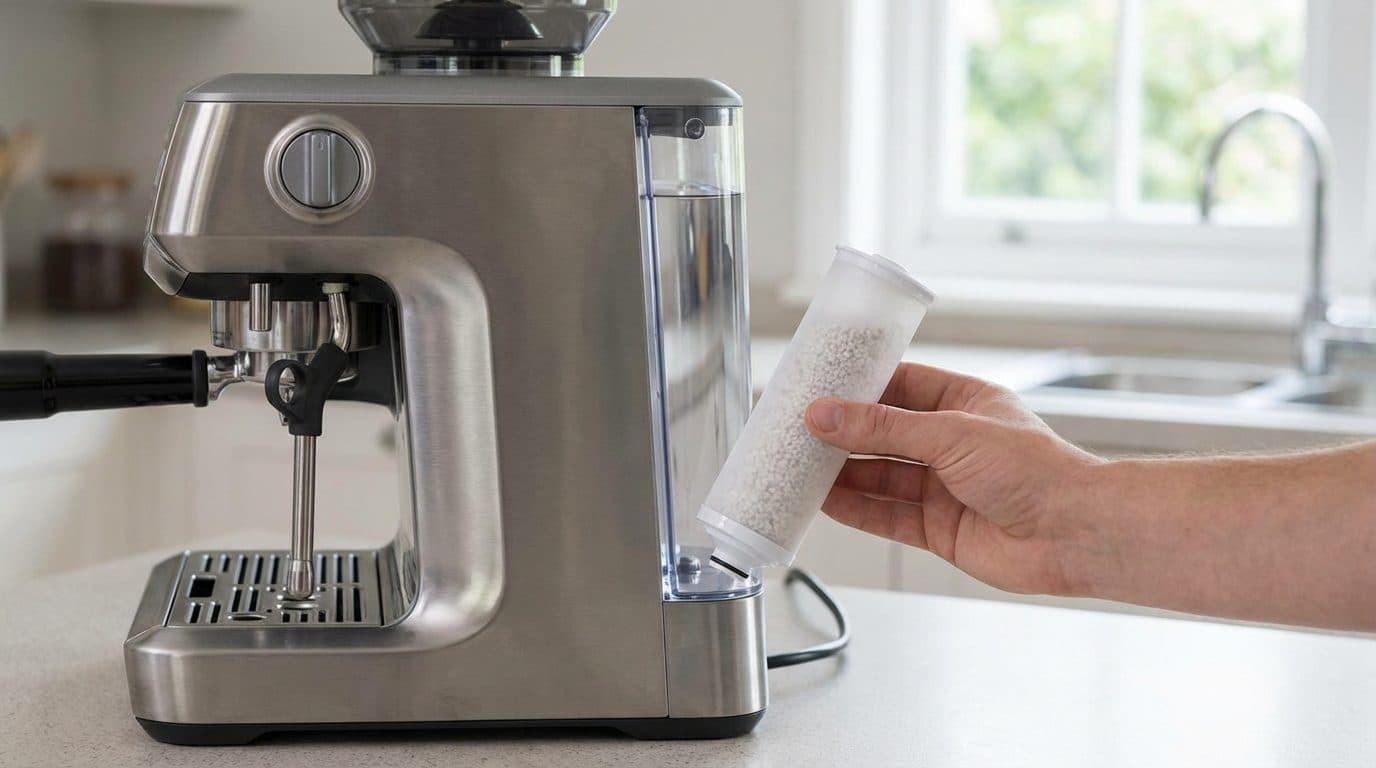
BWT (Best Water Technology) is an Austrian company specializing in water treatment solutions. Their Bestcup line is designed specifically for coffee and espresso machines, targeting the unique needs of brewing equipment. Unlike inline filters that require installation into your water line, Bestcup filters drop directly into your machine’s water tank.
The filter uses a combination of ion-exchange resin and activated carbon to:
- Reduce calcium and magnesium (the minerals that cause limescale)
- Remove chlorine and other taste-affecting compounds
- Maintain optimal mineral content for coffee extraction
In short, it’s not just about making water “softer”—it’s about creating water that’s ideal for brewing while protecting your machine’s boiler and heating elements.
Available Sizes and Compatibility
BWT offers Bestcup filters in different sizes to fit various tank capacities. The most common options include:
- Bestcup S: For smaller tanks (up to 2.5 liters)
- Bestcup M: For medium tanks (up to 4 liters)
- Bestcup L: For larger reservoirs
Most home espresso machines from brands like Breville, Gaggia, Rancilio, and Lelit can accommodate these filters. I’ve found that the Bestcup M fits perfectly in my Rancilio Silvia’s tank with room to spare.
Performance and Taste: Does It Actually Work?
Let’s get to what matters most—does the BWT Bestcup filter improve your coffee? In my experience, the answer is yes, though the difference depends on your starting water quality.
Scale Prevention
I live in an area with moderately hard water (around 180 ppm). Before using the Bestcup filter, I had to descale my machine every 4-6 weeks. After switching to filtered water, I’ve gone over four months without any visible scale buildup. When I finally did a maintenance check, the boiler looked remarkably clean.
This alone makes the filter worth it. Descaling is tedious, and scale damage to heating elements can be expensive to repair.
Taste Improvement
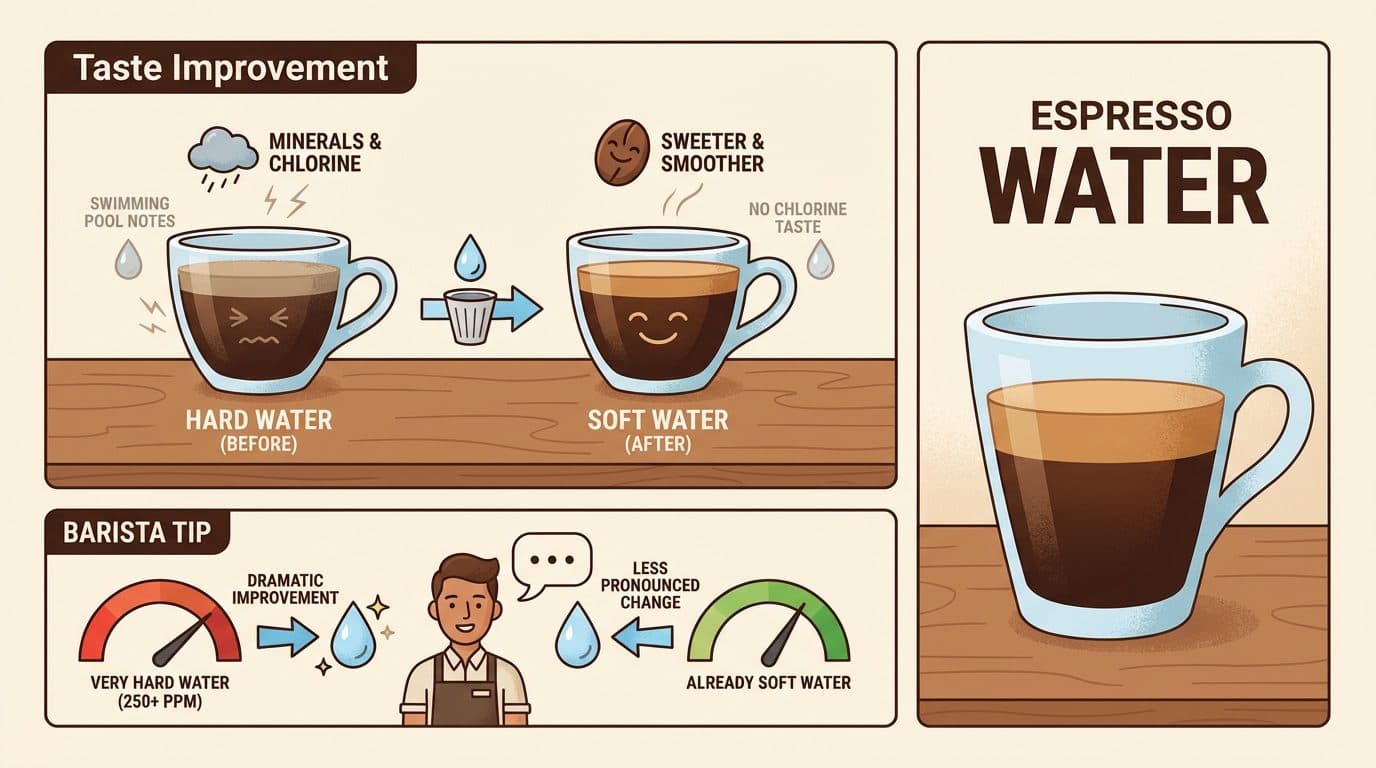
The taste difference was noticeable but subtle. My espresso shots became slightly sweeter with less of that mineral “hardness” I’d grown accustomed to. The chlorine removal was more obvious—no more faint swimming pool notes in lighter roasts.
Barista Tip: If you’re coming from very hard water (250+ ppm), you’ll likely notice a more dramatic improvement. If your tap water is already soft, the change will be less pronounced.
Filter Lifespan
BWT rates the Bestcup filters for approximately 200 liters of water, though this varies based on your water hardness. For a typical home user making 3-4 drinks daily, expect to replace the filter every 2-3 months. I mark my calendar when I install a new one to stay on track.
Pros and Cons
Here’s my honest assessment after extended use:
Pros
- Easy installation: Just drop it in the tank—no tools or plumbing required
- Effective scale reduction: Significantly extends time between descaling
- Improved taste: Removes chlorine and balances mineral content
- Compact design: Fits most standard water reservoirs
- Reputable brand: BWT has decades of water treatment expertise
- Magnesium technology: Some models add beneficial magnesium for enhanced flavor
Cons
- Ongoing cost: Replacement filters add up over time (roughly $15-25 per filter)
- Not a complete solution: Very hard water may still require additional treatment
- Tank space: The filter takes up some reservoir capacity
- Availability: Can be harder to find than generic alternatives in some regions
Who Is This For?
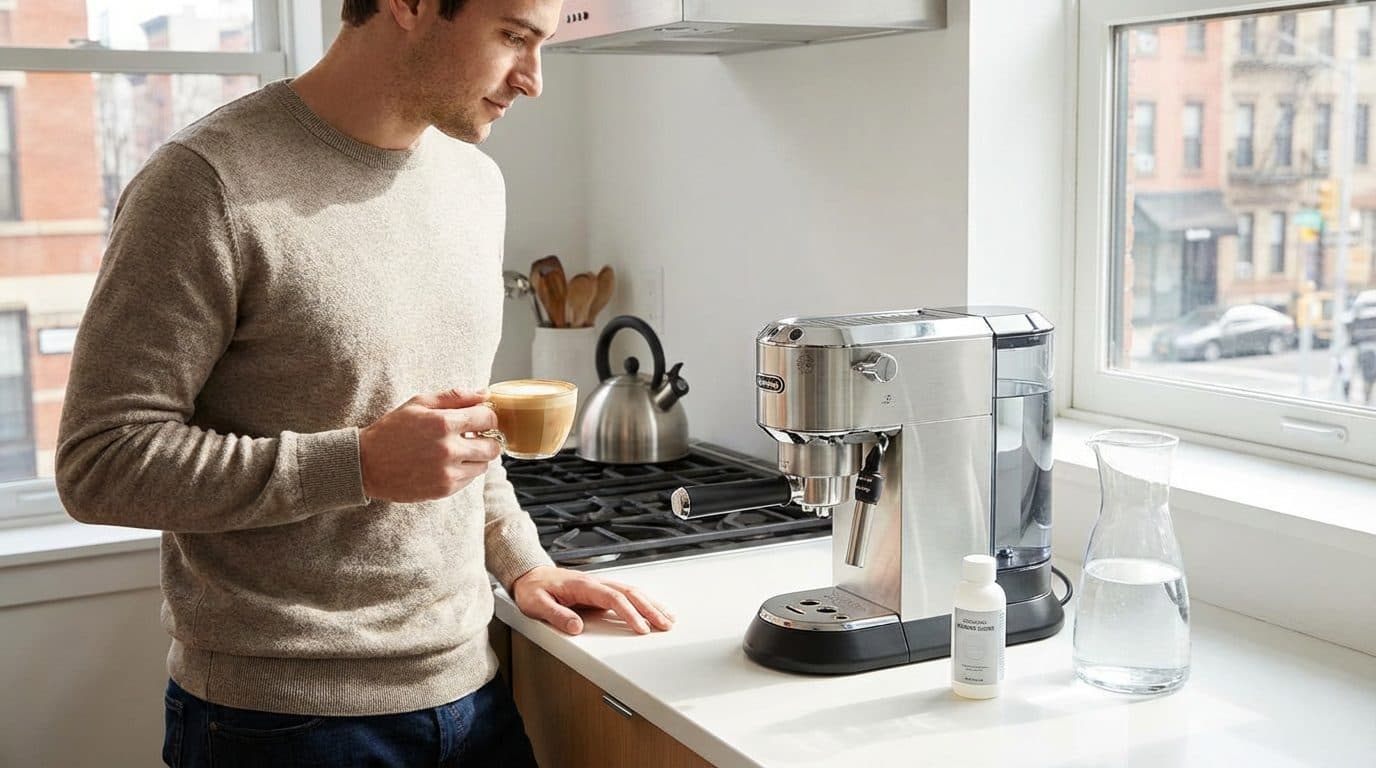
The BWT Bestcup filter is ideal for:
- Home espresso enthusiasts with tank-fed machines who want better water without complex setups
- Renters who can’t install inline filtration systems
- Anyone in moderate to hard water areas tired of constant descaling
- Coffee lovers who notice off-flavors from chlorine or mineral content
- Machine owners who want to protect their investment and extend equipment life
Who Is This NOT For?
This filter might not be your best choice if:
- You have extremely hard water (300+ ppm): You may need a more robust solution like an inline filter or reverse osmosis system
- You’re on a tight budget: The recurring filter costs can add up; pitcher filters are cheaper (though less convenient)
- You use a plumbed-in machine: Inline filters make more sense for direct water line connections
- You already have soft water: If your tap water is under 50 ppm, you may not need additional filtration
BWT Bestcup vs. Alternatives: How Does It Compare?
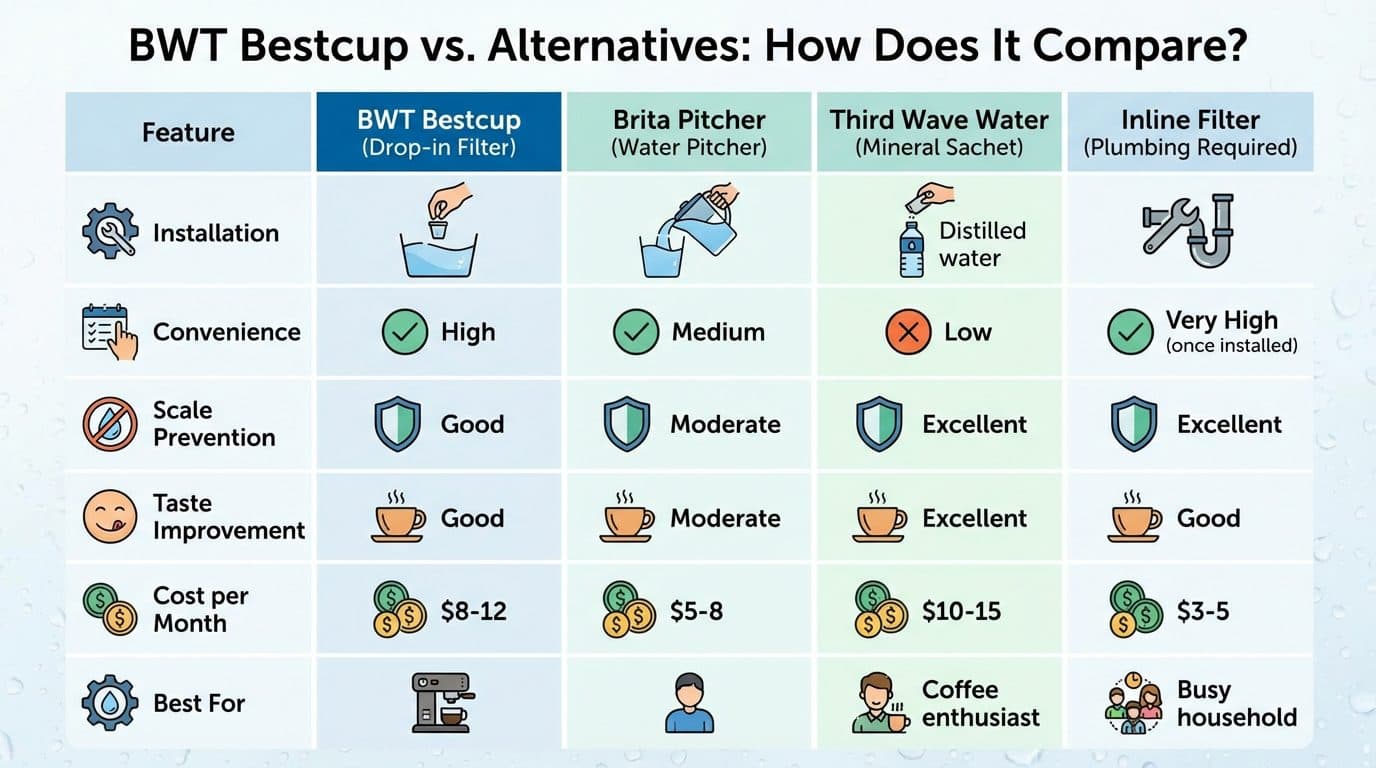
To give you a clearer picture, here’s how the BWT Bestcup stacks up against other popular water treatment options for home coffee setups:
| Feature | BWT Bestcup | Brita Pitcher | Third Wave Water | Inline Filter |
|---|---|---|---|---|
| Installation | Drop in tank | Pour into tank | Add to distilled water | Plumbing required |
| Convenience | High | Medium | Low | Very High (once installed) |
| Scale Prevention | Good | Moderate | Excellent | Excellent |
| Taste Improvement | Good | Moderate | Excellent | Good |
| Cost per Month | $8-12 | $5-8 | $10-15 | $3-5 |
| Best For | Tank-fed machines | Budget users | Flavor perfectionists | Plumbed machines |
In my experience, the BWT Bestcup hits a sweet spot between convenience and performance. Third Wave Water packets give you more control over mineral content, but the process of mixing them with distilled water gets old quickly. Brita pitchers work in a pinch, but they’re not designed specifically for coffee brewing.
Tips for Getting the Most from Your BWT Bestcup Filter
After using these filters for a while, I’ve picked up a few tricks:
- Soak before first use: Submerge the filter in water for 5-10 minutes before placing it in your tank. This activates the filtration media.
- Track your usage: Set a reminder to replace the filter based on your consumption, not just time elapsed.
- Rinse your tank regularly: Even with filtration, give your reservoir a quick rinse every week or two.
- Test your water: A simple TDS meter (around $10-15) helps you monitor filter effectiveness over time.
Barista Tip: If you notice your espresso starting to taste slightly off or see any scale forming, it’s probably time for a new filter—even if you haven’t hit the rated capacity yet.
Conclusion: Is the BWT Bestcup Filter Worth It?
For home baristas using tank-fed espresso machines, the BWT Bestcup filter offers an excellent balance of convenience, performance, and value. It won’t transform terrible tap water into competition-grade brewing water, but it will meaningfully improve taste, protect your equipment, and save you from the hassle of frequent descaling.
Life is too short for bad coffee—and it’s definitely too short for dealing with scale-damaged machines. If you’ve been putting off water treatment because it seemed complicated, the Bestcup filter is a simple first step that delivers real results. Pick up a filter that fits your tank size, drop it in, and taste the difference for yourself.
Check the latest prices on Amazon or your local coffee equipment retailer to get started.


Comments