


Table of Contents
- What Makes Ethiopian Yirgacheffe Coffee So Special?
- The Terroir Factor
- Ethiopian Yirgacheffe Flavor Profile: What to Expect
- Washed Yirgacheffe Tasting Notes
- Natural-Processed Yirgacheffe Tasting Notes
- Best Brewing Methods for Ethiopian Yirgacheffe
- Pour-Over: The Gold Standard
- AeroPress: Quick and Clean
- French Press: Proceed with Caution
- What About Espresso?
- Tips for Buying and Storing Ethiopian Yirgacheffe
- What to Look for When Buying
- Storage Best Practices
- Common Mistakes When Brewing Yirgacheffe
- Frequently Asked Questions
- Why does Ethiopian Yirgacheffe taste so different from other coffees?
- Is Yirgacheffe coffee strong?
- What roast level is best for Ethiopian Yirgacheffe?
- Should I add milk to Ethiopian Yirgacheffe?
- How does washed Yirgacheffe differ from natural-processed?
- Conclusion: Your Next Steps with Ethiopian Yirgacheffe
Have you ever taken a sip of coffee and felt like you were tasting something closer to tea or fruit juice than your typical morning brew? That’s the magic of Ethiopian Yirgacheffe coffee. Widely considered one of the most distinctive and prized coffees on the planet, Yirgacheffe offers a flavor experience that can genuinely surprise even seasoned coffee lovers. In my years of brewing at home, few beans have made me stop mid-sip and think, “Wait, what *is* that?” quite like a well-roasted Yirgacheffe.
In this guide, you’ll discover exactly what makes Ethiopian Yirgacheffe so special, from its unique flavor profile to the best brewing methods that bring out its delicate characteristics. Whether you’re new to specialty coffee or looking to refine your technique with these exceptional beans, I’ve got you covered with practical tips straight from my home barista experience.
What Makes Ethiopian Yirgacheffe Coffee So Special?
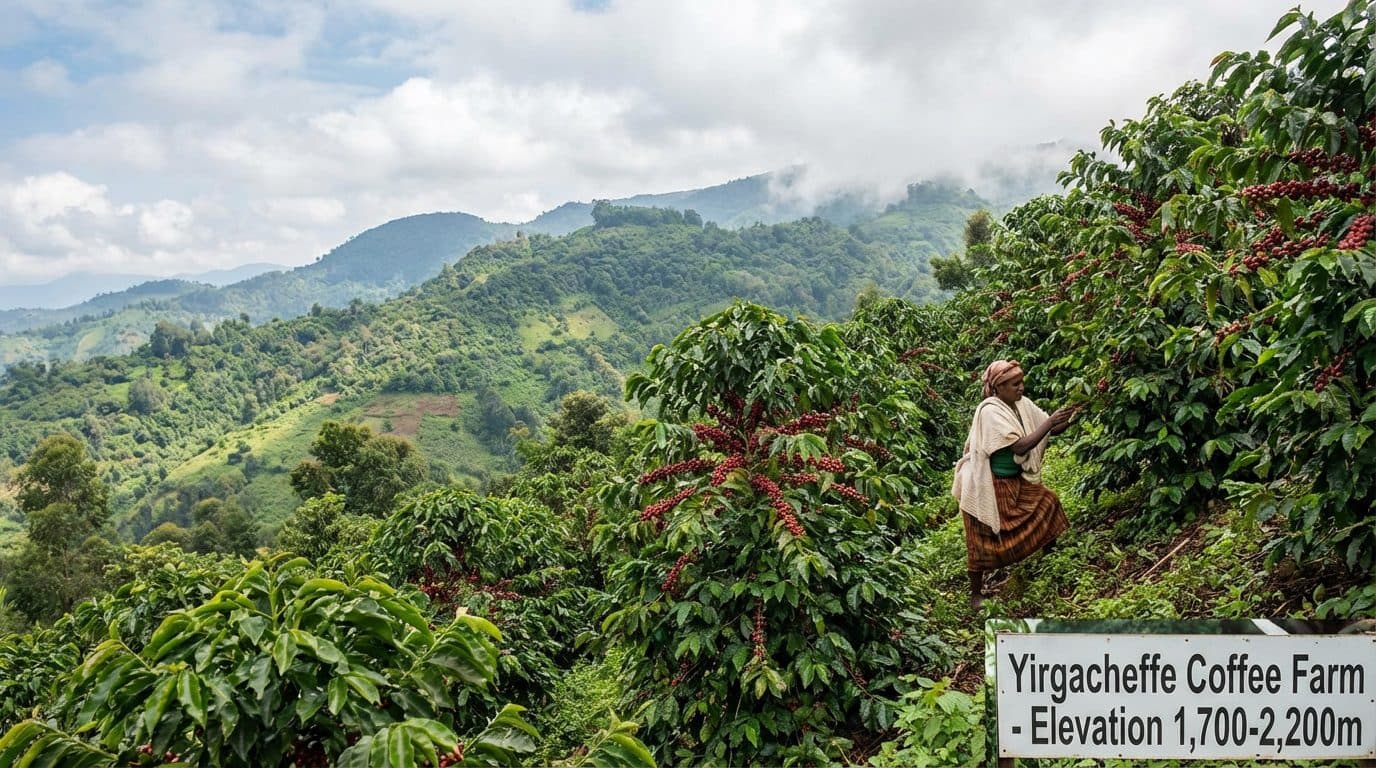
Ethiopian Yirgacheffe hails from the Gedeo Zone in southern Ethiopia, a region often called the birthplace of coffee itself. The name “Yirgacheffe” has become synonymous with exceptional quality, and for good reason. These beans are grown at elevations between 1,700 and 2,200 meters above sea level, where cooler temperatures slow down the coffee cherry’s maturation process. This slower development allows for more complex sugars and acids to form within the beans.
What truly sets Yirgacheffe apart is its processing method. Many producers in the region use the traditional washed (wet) process, which strips away the fruit before drying. This results in a remarkably clean cup that lets the bean’s inherent flavors shine through without the heavier, fruitier notes you’d get from natural processing. That said, natural-processed Yirgacheffe is also available and offers a completely different—and equally delicious—experience.
In short, the combination of high altitude, heirloom Ethiopian varietals, and meticulous processing creates a coffee unlike anything else you’ll find.
The Terroir Factor
Like wine, coffee is deeply influenced by its growing environment. The mineral-rich soil of the Yirgacheffe region, combined with the misty climate and abundant rainfall, imparts distinctive characteristics you simply can’t replicate elsewhere. Many small-holder farmers tend tiny plots of land using traditional methods passed down through generations, which contributes to the artisanal quality of these beans.
Ethiopian Yirgacheffe Flavor Profile: What to Expect
If you’re used to drinking bold, earthy coffees, your first cup of Yirgacheffe might genuinely surprise you. I remember my initial experience with these beans—I actually checked the bag twice because I couldn’t believe what I was tasting came from coffee.
Washed Yirgacheffe Tasting Notes
A well-prepared washed Yirgacheffe typically presents:
- Bright, wine-like acidity that’s lively but not harsh
- Floral aromatics reminiscent of jasmine, bergamot, or honeysuckle
- Stone fruit notes like peach, apricot, or nectarine
- Citrus undertones ranging from lemon zest to sweet orange
- Light, tea-like body with a silky, clean mouthfeel
- Sweet, lingering finish often described as honey-like
Taste Profile: Delicate, floral, and fruity with bright acidity and a clean finish. Think of it as the champagne of the coffee world.
Natural-Processed Yirgacheffe Tasting Notes
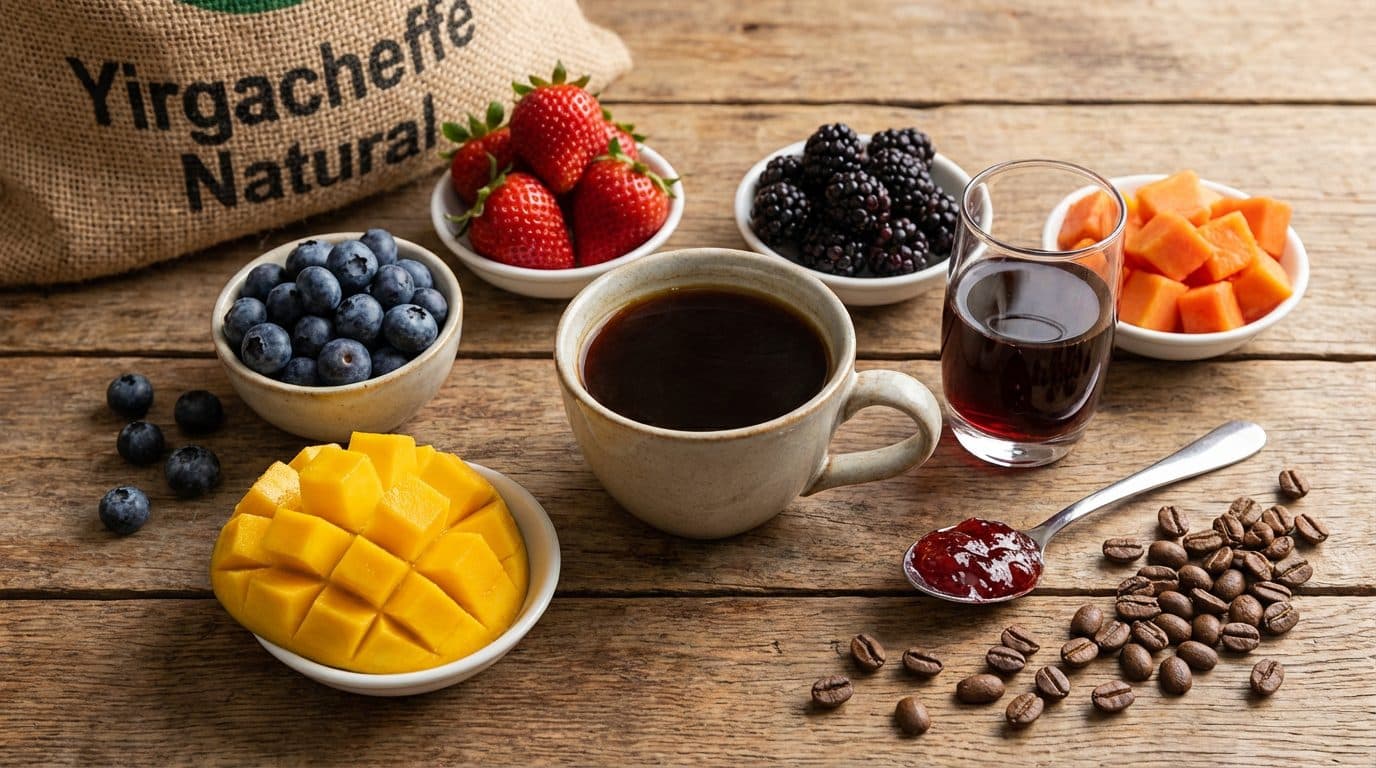
Natural (dry) processed beans from the same region offer a bolder fruit-forward experience:
- Intense berry notes like blueberry, strawberry, or blackberry
- Tropical fruit flavors including mango and papaya
- Wine-like fermentation characteristics
- Fuller body compared to washed versions
- Sweet, jammy finish
In my experience, natural Yirgacheffes are fantastic for people who want something fruit-forward and slightly wild. Washed versions appeal more to those seeking elegance and clarity.
Best Brewing Methods for Ethiopian Yirgacheffe
Here’s where things get fun. Yirgacheffe’s delicate flavor profile means your brewing method matters significantly. The wrong approach can mute those beautiful floral notes or turn that pleasant acidity into something harsh. I’ve experimented extensively with these beans, and here’s what I’ve found works best.
Pour-Over: The Gold Standard
Pour-over methods like the Hario V60, Chemex, or Kalita Wave are ideal for Yirgacheffe. The paper filter removes oils and sediment, resulting in a crystal-clear cup that highlights the coffee’s complexity.
What You’ll Need:
- Pour-over dripper of your choice
- Paper filters (pre-rinsed)
- Gooseneck kettle
- Scale and timer
- Fresh Yirgacheffe beans (light to medium roast)
- Filtered water
Recommended Parameters:
| Parameter | Recommendation |
|---|---|
| Coffee-to-Water Ratio | 1:16 (e.g., 20g coffee to 320g water) |
| Grind Size | Medium-fine (like table salt) |
| Water Temperature | 92-96°C (197-205°F) |
| Total Brew Time | 2:30 – 3:30 minutes |
Barista Tip: Start with a 45-second bloom using twice the weight of your coffee dose in water. This allows CO2 to escape and promotes even extraction. I’ve found that Yirgacheffe beans often bloom dramatically when fresh—it’s quite satisfying to watch.
AeroPress: Quick and Clean

The AeroPress is another excellent choice, especially if you want a slightly fuller body while maintaining those bright, fruity notes. I typically use the inverted method with these beans.
- Use a medium-fine grind
- Water at 90-93°C (194-199°F)—slightly cooler than pour-over
- Steep for 1:30 to 2:00 minutes before pressing
- Press gently over 20-30 seconds
The result? A clean cup with slightly more body than pour-over but still showcasing those delicate florals.
French Press: Proceed with Caution
While you *can* use French press for Yirgacheffe, I generally don’t recommend it as your first choice. The metal mesh filter allows oils and fine particles through, which can muddy the clean characteristics that make these beans special. If you insist on French press, use a coarser grind and reduce your steep time to 3 minutes maximum.
What About Espresso?
Yirgacheffe can make a fascinating espresso—bright, fruity, and unconventional. However, it requires skill and the right expectations. Light-roasted Yirgacheffe pulls very differently from traditional espresso blends. You’ll need to grind finer than usual and may need to increase your dose. The result is a vibrant, almost juice-like shot that works beautifully in milk drinks or as a unique single origin espresso.
A small scenario: I once served a Yirgacheffe espresso to a friend who only drank dark-roast Italian blends. His reaction? “This doesn’t taste like coffee.” He meant it as a criticism, but honestly, he wasn’t wrong—and that’s part of the appeal.
Tips for Buying and Storing Ethiopian Yirgacheffe
Getting the best results starts before you even brew. Here’s how to ensure you’re working with quality beans.
What to Look for When Buying
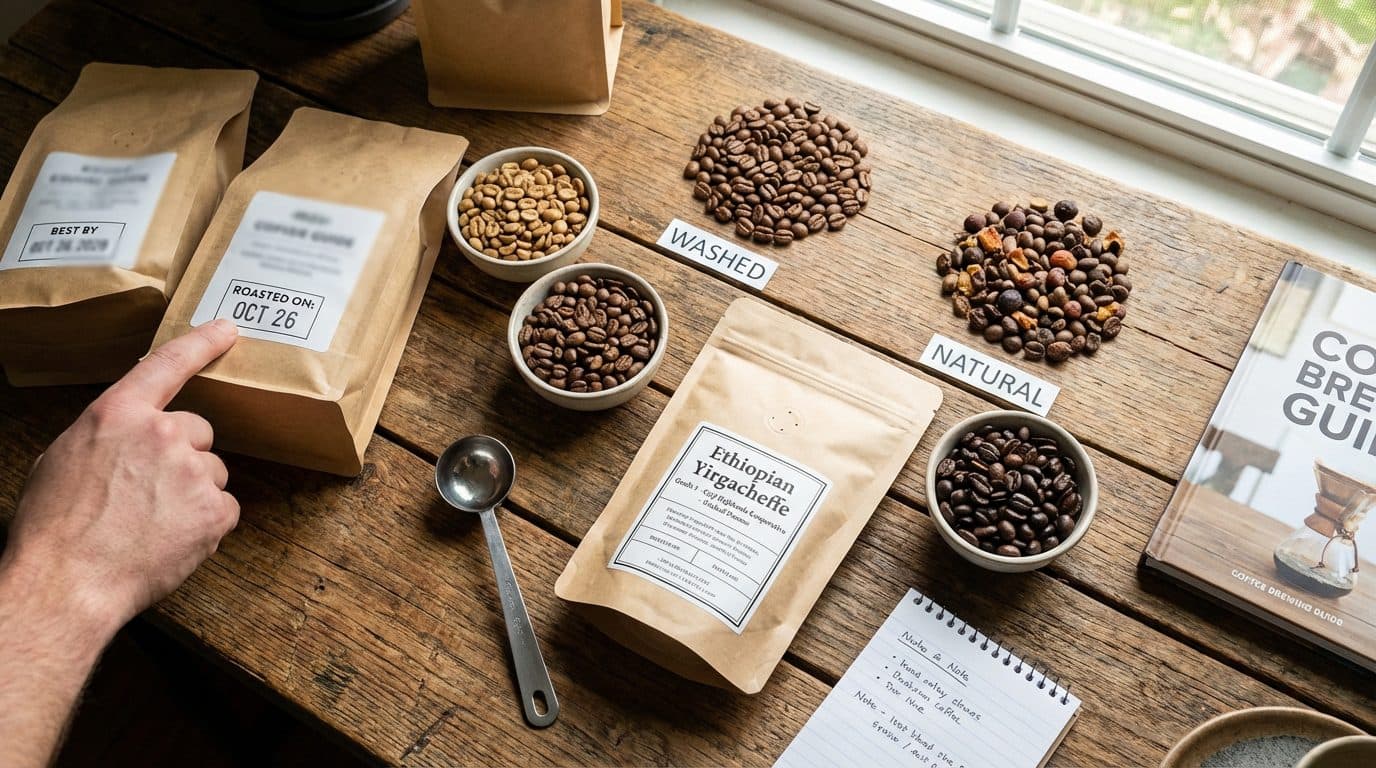
- Roast date: Always check for a roasted-on date, not a best-by date. Aim for beans roasted within the last 2-4 weeks.
- Roast level: Light to medium roast preserves the delicate flavors. Dark roast Yirgacheffe exists, but you lose much of what makes these beans special.
- Processing method: Decide if you want washed (clean, floral) or natural (fruity, bold).
- Traceability: Look for specific cooperative or farm names. “Ethiopian Yirgacheffe Grade 1” is a good baseline quality indicator.
Storage Best Practices
Light-roasted specialty beans are more delicate than darker roasts. Store your Yirgacheffe in an airtight container away from light, heat, and moisture. Avoid the refrigerator—it introduces moisture and absorbs odors. A cool, dark pantry is perfect.
Grind just before brewing whenever possible. Pre-ground Yirgacheffe loses its aromatic complexity within hours, and those floral notes are the first to disappear.
Common Mistakes When Brewing Yirgacheffe
I’ve made plenty of mistakes with these beans over the years. Learn from my errors:
- Using boiling water: Water that’s too hot scorches the delicate compounds and creates bitterness. Let your kettle rest for 30 seconds after boiling.
- Grinding too coarse: Under-extracted Yirgacheffe tastes sour and thin. Aim finer than you might for other light roasts.
- Using unfiltered water: Tap water with high mineral content or chlorine can mask subtle flavors. Filtered water makes a noticeable difference with these beans.
- Brewing stale beans: Yirgacheffe’s aromatics fade quickly. Those floral notes you’re chasing? They’re largely gone after 4-6 weeks post-roast.
Key Takeaway: Treat Yirgacheffe gently. Lower temperatures, fresher beans, and clean water let the bean’s natural character shine through.
Frequently Asked Questions
Why does Ethiopian Yirgacheffe taste so different from other coffees?
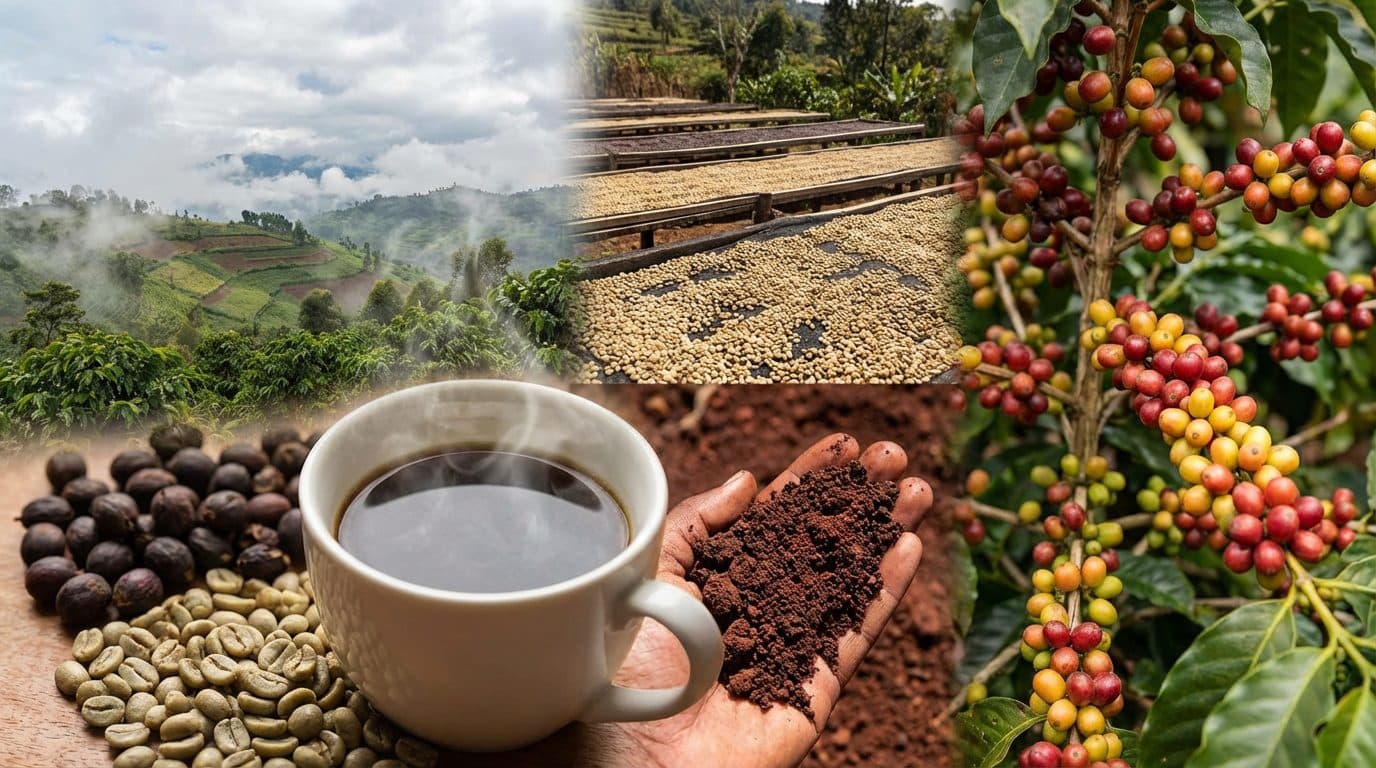
The unique taste comes from a combination of factors: high-altitude growing conditions, heirloom Ethiopian coffee varietals that have evolved over centuries, distinctive processing methods, and nutrient-rich soil. These elements create flavor compounds rarely found in coffees from other regions.
Is Yirgacheffe coffee strong?
If you mean caffeine content, Yirgacheffe has similar caffeine levels to other arabica coffees. If you mean flavor intensity, it’s actually lighter-bodied than many coffees but highly complex in terms of aromatics and acidity. “Delicate” describes it better than “strong.”
What roast level is best for Ethiopian Yirgacheffe?
Light to medium roast is ideal. Darker roasts burn off the volatile aromatic compounds responsible for those signature floral and fruity notes. If your Yirgacheffe looks oily and dark, much of what makes it special has already been roasted away.
Should I add milk to Ethiopian Yirgacheffe?
I’d recommend trying it black first to appreciate the full flavor profile. Milk tends to mute the delicate acidity and floral notes. That said, a small splash of milk won’t ruin the experience—coffee should be enjoyed however you prefer it.
How does washed Yirgacheffe differ from natural-processed?
Washed Yirgacheffe is cleaner, brighter, and more tea-like with pronounced floral notes. Natural-processed versions are fruitier, fuller-bodied, and often have intense berry flavors. Both are delicious but offer distinctly different drinking experiences.
Conclusion: Your Next Steps with Ethiopian Yirgacheffe
Ethiopian Yirgacheffe represents something truly special in the coffee world—a cup that challenges expectations and rewards attention. Its floral aromatics, bright acidity, and complex fruit notes make it a must-try for any home barista looking to explore what specialty coffee can offer. Understanding this coffee’s unique flavor profile and treating it with the appropriate brewing care will help you experience it at its best.
Start with a fresh bag from a reputable roaster, dial in your pour-over technique, and give yourself permission to taste something genuinely different. Life is too short for bad coffee, and Yirgacheffe proves that sometimes the most rewarding cups are the ones that surprise you. Pick up a bag, experiment with the brewing tips above, and discover why this Ethiopian treasure has earned its legendary reputation among coffee lovers worldwide.



Comments