


Table of Contents
- What Is a Bottomless Portafilter?
- How It Differs from a Spouted Portafilter
- Why a Bottomless Portafilter Is Essential for Diagnostics
- Detecting Channeling
- Evaluating Puck Prep
- Identifying Grind Size Problems
- What to Look for During Extraction
- The First Few Seconds
- Mid-Extraction
- The End of the Shot
- Budget-Friendly Bottomless Portafilter Options
- Can You Make Your Own?
- How to Improve Your Shots Using What You Learn
- Step 1: Establish a Baseline
- Step 2: Adjust One Variable at a Time
- Step 3: Focus on Puck Prep Fundamentals
- Step 4: Dial in Your Grind
- Frequently Asked Questions
- Is a bottomless portafilter only for advanced baristas?
- Will a bottomless portafilter make a mess?
- Does using a bottomless portafilter change the taste of espresso?
- Can I use a bottomless portafilter for everyday shots?
- Do I need any other accessories with a bottomless portafilter?
- Conclusion: Your Best Investment in Better Espresso
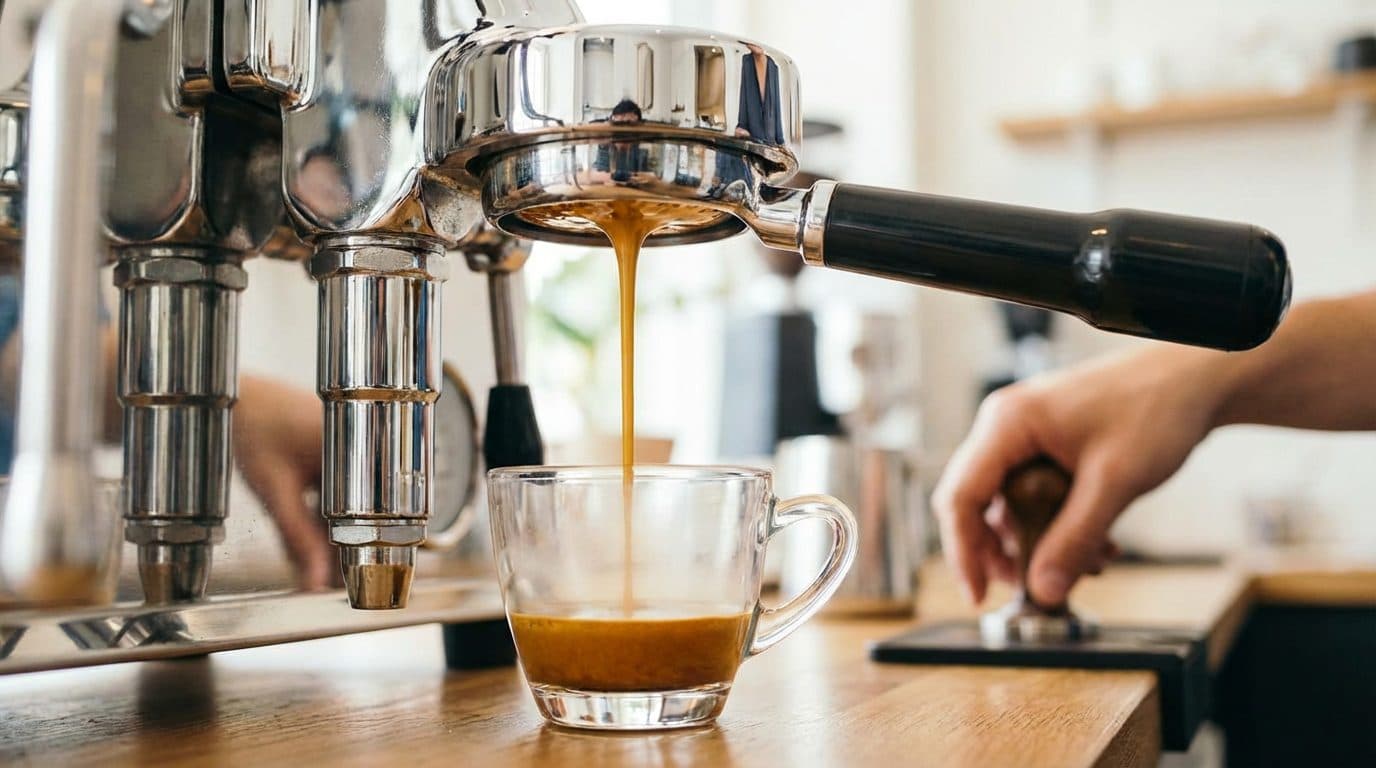
Ever pulled what you thought was a perfect shot, only to taste something bitter, sour, or just… off? You’re not alone. The frustrating part is that a regular portafilter hides what’s really happening inside your puck. That’s where a bottomless portafilter becomes your secret weapon. It strips away the mystery and shows you exactly what’s going wrong (or right) with your extraction in real time.
If you’re serious about improving your espresso game at home, a bottomless portafilter is one of the most affordable and eye-opening upgrades you can make. In this guide, I’ll walk you through what a bottomless portafilter actually does, why it’s essential for diagnosing extraction problems, and how to use it to pull consistently better shots.
What Is a Bottomless Portafilter?
A bottomless portafilter—also called a naked portafilter—is simply a standard portafilter with the bottom and spouts removed. Instead of espresso flowing through one or two spouts into your cup, you see the entire underside of the filter basket exposed. The coffee drips directly from the basket into your cup, giving you an unobstructed view of the extraction.
Think of it like this: a regular portafilter is like watching a movie through a keyhole. A bottomless portafilter opens the entire door. You see every stream, every drip, and every sign of trouble that would otherwise stay hidden.
How It Differs from a Spouted Portafilter
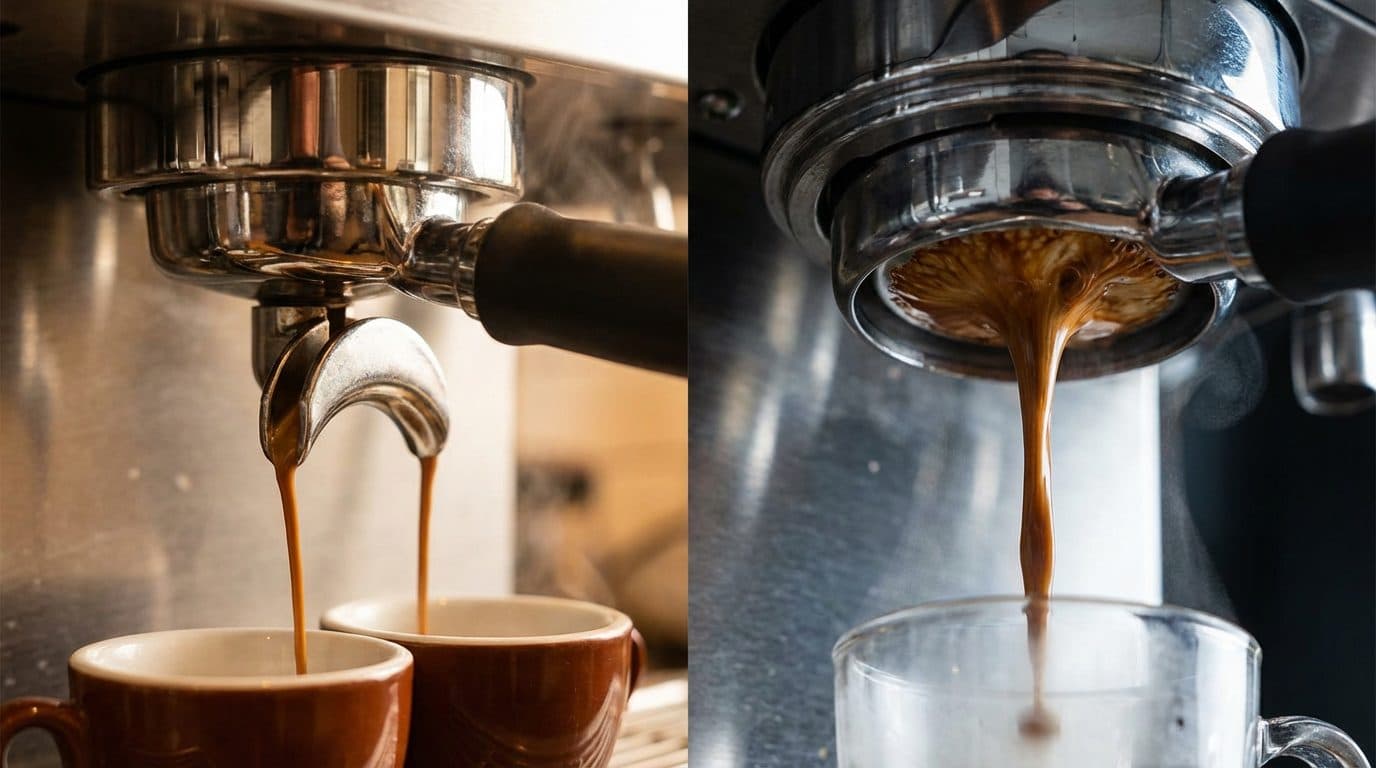
A traditional spouted portafilter channels espresso through one or two metal spouts. This design splits the shot neatly into cups, which is handy for making two drinks at once. However, it also masks problems. Channeling, uneven extraction, and puck prep issues all get hidden as the coffee merges into a single stream through the spout.
With a bottomless portafilter, there’s nowhere for flaws to hide. You’ll see exactly where the espresso emerges from the basket, how evenly it flows, and whether you’re getting the kind of extraction that leads to great-tasting coffee.
Why a Bottomless Portafilter Is Essential for Diagnostics
Here’s the truth I’ve learned after years of home espresso tinkering: you can’t fix what you can’t see. A bottomless portafilter transforms you from a guessing home barista into someone who actually understands what’s happening during extraction.
Detecting Channeling
Channeling is the enemy of good espresso. It happens when water finds the path of least resistance through your puck, rushing through weak spots instead of extracting evenly. The result? Some grounds get over-extracted (bitter), others under-extracted (sour), and your shot tastes like a confusing mess.
With a spouted portafilter, you might notice channeling as a blonde, watery stream—but only if it’s severe. A bottomless portafilter reveals the truth immediately. You’ll see:
- Spurting or spraying from specific areas of the basket
- Uneven streams that favor one side over the other
- Thin, fast jets shooting out at odd angles
In my experience, the first time you pull a shot through a naked portafilter and see coffee spraying sideways like a broken sprinkler, it’s a revelation. Suddenly, you understand why your shots have been tasting off.
Evaluating Puck Prep
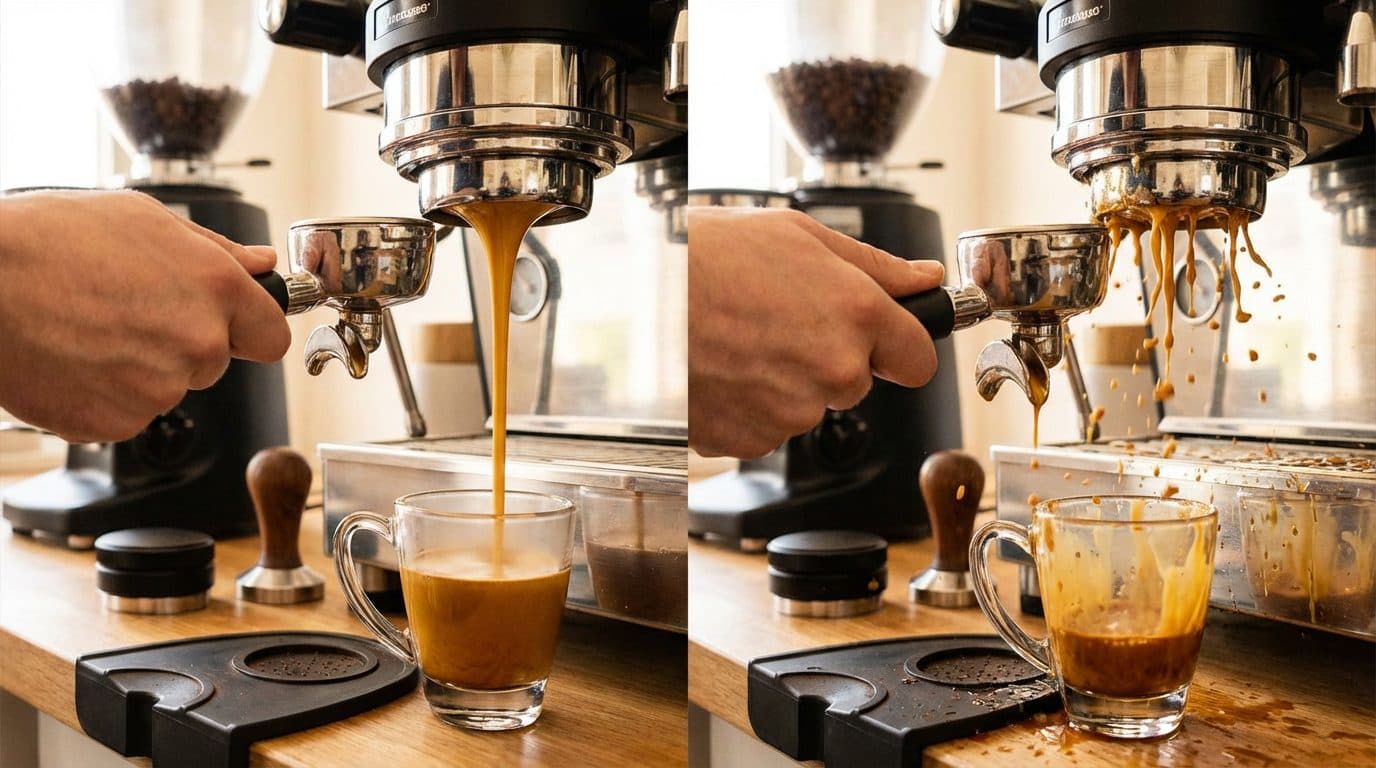
Your distribution and tamping technique directly impact extraction quality. A bottomless portafilter shows you whether your puck prep is working or needs improvement. If espresso emerges in a single, centered stream that slowly spreads into a cohesive cone, your prep is solid. If it spurts, splits, or flows unevenly, you’ve got work to do.
Barista Tip: Before you blame your grinder or beans, use a bottomless portafilter to check your technique. Nine times out of ten, inconsistent shots come down to puck prep issues that are easy to fix once you can actually see them.
Identifying Grind Size Problems
Grind size is one of the trickiest variables in espresso. Too fine, and your shot chokes. Too coarse, and it gushes through in seconds. A bottomless portafilter helps you dial in faster by showing you what’s happening:
- Too coarse: The shot starts fast, flows thin and blonde, and finishes quickly. You’ll see multiple uncontrolled streams.
- Too fine: The shot drips painfully slowly or not at all. When it does flow, it might spurt from weak points.
- Just right: A few seconds of pre-infusion, then a slow, honey-like stream that forms a beautiful “mouse tail” before widening.
Watching this process in real time beats any timer or scale measurement. You develop an intuition for what good extraction looks like.
What to Look for During Extraction
So you’ve got your bottomless portafilter and you’re ready to diagnose. Here’s what to watch for during each phase of extraction.
The First Few Seconds
After you start your shot, watch the bottom of the basket closely. With good puck prep and correct grind size, you should see:
- A brief pause (pre-infusion) before anything emerges
- Small droplets forming evenly across the basket surface
- These droplets merging into a single stream near the center
If you see coffee immediately spurting from one corner or side, that’s channeling. It means water found a crack or weak spot in your puck and is rushing through it.
Mid-Extraction
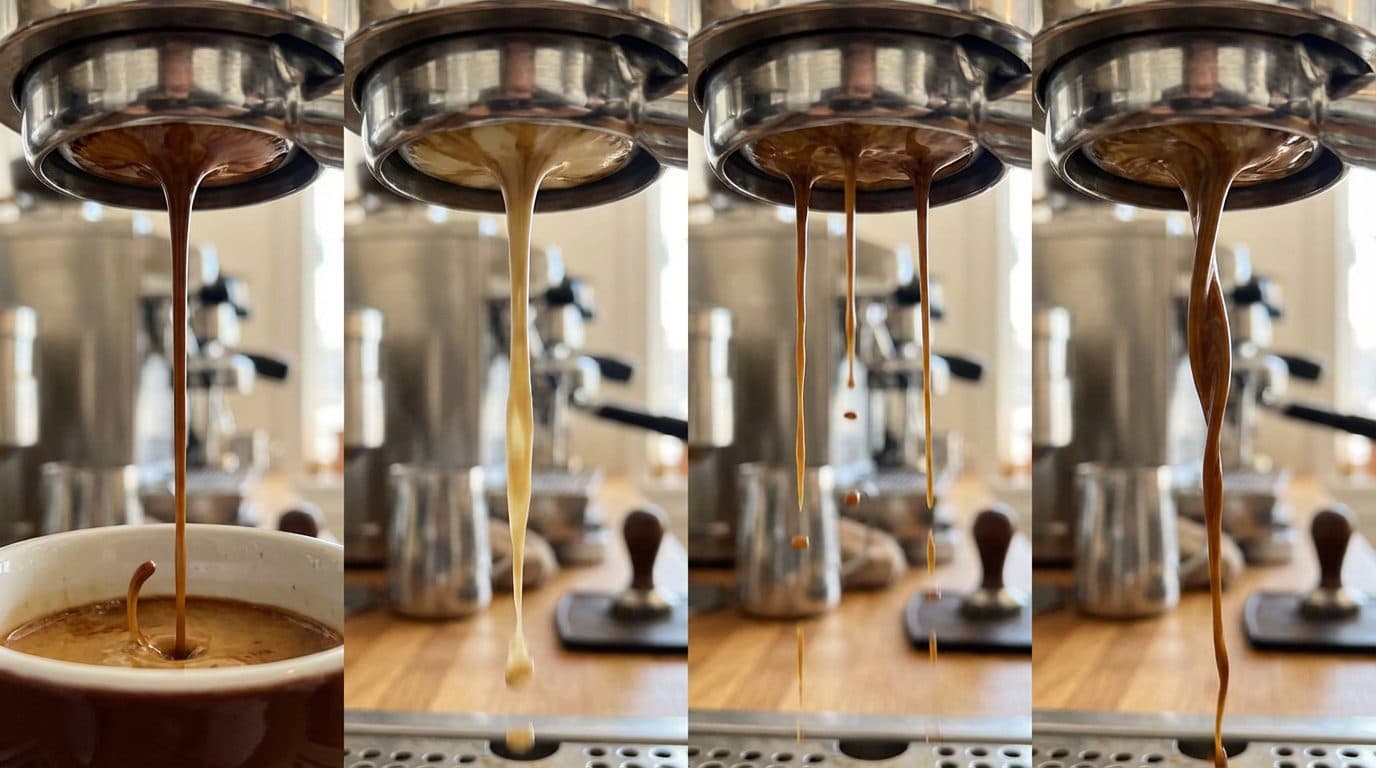
A healthy extraction looks almost mesmerizing. The stream should be dark, syrupy, and flow steadily. It often forms what baristas call a “mouse tail”—a thin, curved stream that resembles, well, a mouse’s tail.
Watch for these warning signs:
- Blonde spots or patches: Under-extraction happening in certain areas
- Multiple separate streams: Uneven puck density or channeling
- Spiraling or twisting: Often indicates an uneven tamp
The End of the Shot
As extraction finishes, the stream naturally lightens and becomes thinner. This is normal. However, if your shot goes blonde and watery very quickly (before 20-25 seconds), your grind is likely too coarse or your dose too low.
In short: a bottomless portafilter turns extraction into a visual language. Once you learn to read it, you’ll diagnose problems in seconds that used to take you dozens of wasted shots to figure out.
Budget-Friendly Bottomless Portafilter Options
Here’s the great news: bottomless portafilters are genuinely affordable. You don’t need to spend a fortune to get this diagnostic tool in your home setup.
| Option | Price Range | Best For |
|---|---|---|
| Generic/Third-Party (Amazon, AliExpress) | $15–$35 | Most home machines (54mm, 58mm) |
| Brand-Specific (Breville, Gaggia) | $25–$50 | Guaranteed fit for your machine |
| DIY Conversion | $0 (plus elbow grease) | Adventurous home baristas |
I’ve personally used a $25 third-party bottomless portafilter for years, and it works perfectly. Just make sure you know your machine’s basket size—58mm is standard for many prosumer machines, while 54mm is common for Breville/Sage machines.
Can You Make Your Own?
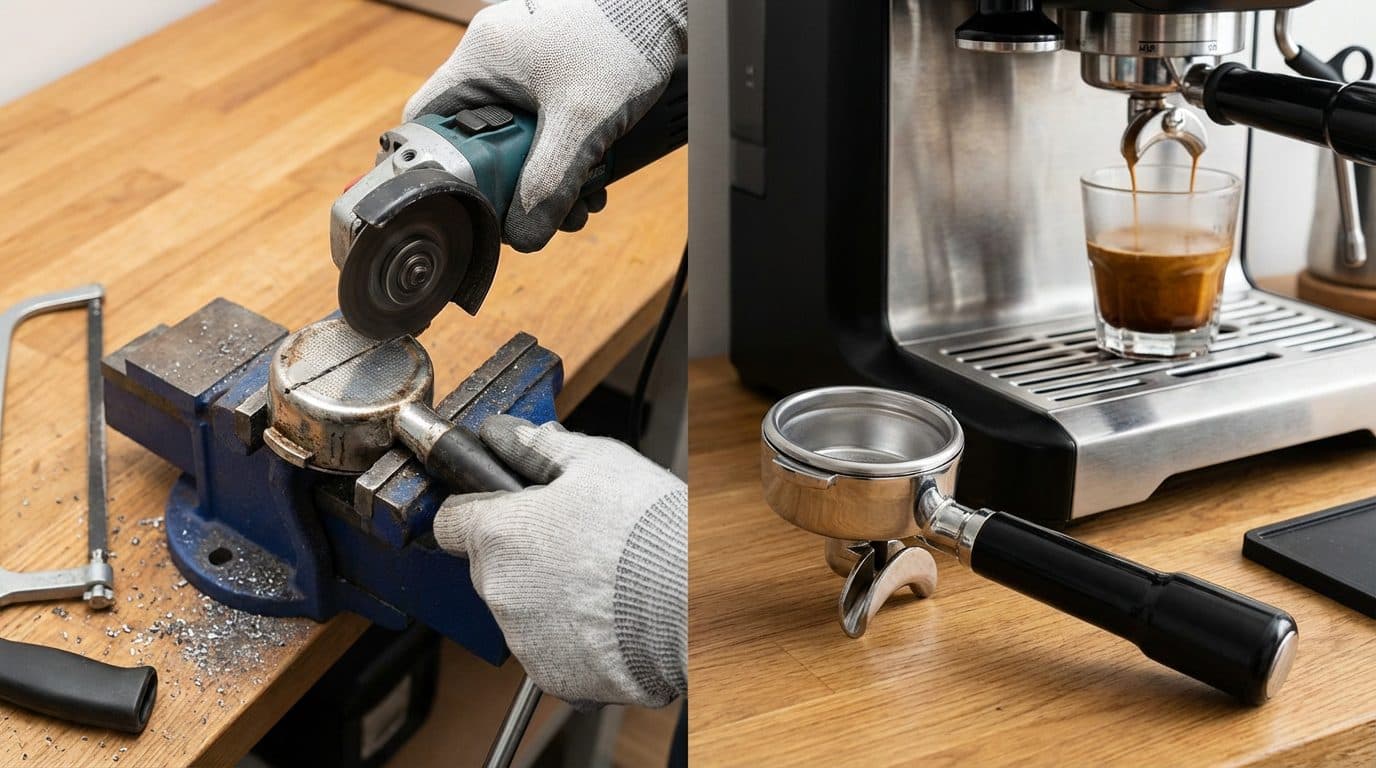
Technically, yes. Some home baristas cut the bottom off their existing spouted portafilter using a hacksaw or angle grinder. It’s messy, requires some metalworking skills, and voids any warranty. But if you’ve got an old portafilter lying around and enjoy DIY projects, it’s a viable (if time-consuming) option.
For most people, buying a dedicated bottomless portafilter is the smarter choice. The cost is low enough that it’s not worth the hassle of DIY unless you genuinely enjoy the project.
How to Improve Your Shots Using What You Learn
A bottomless portafilter is only useful if you act on what it shows you. Here’s a practical workflow for turning visual feedback into better espresso.
Step 1: Establish a Baseline
Pull a shot using your current technique and grind setting. Don’t change anything—just observe. Note where the coffee emerges, how quickly, and whether you see any obvious problems like spraying or uneven flow.
Step 2: Adjust One Variable at a Time
Resist the urge to change everything at once. If you see channeling, first check your distribution and tamp. Pull another shot. Still channeling? Adjust your grind slightly finer. Keep notes on what you changed and what improved.
Step 3: Focus on Puck Prep Fundamentals
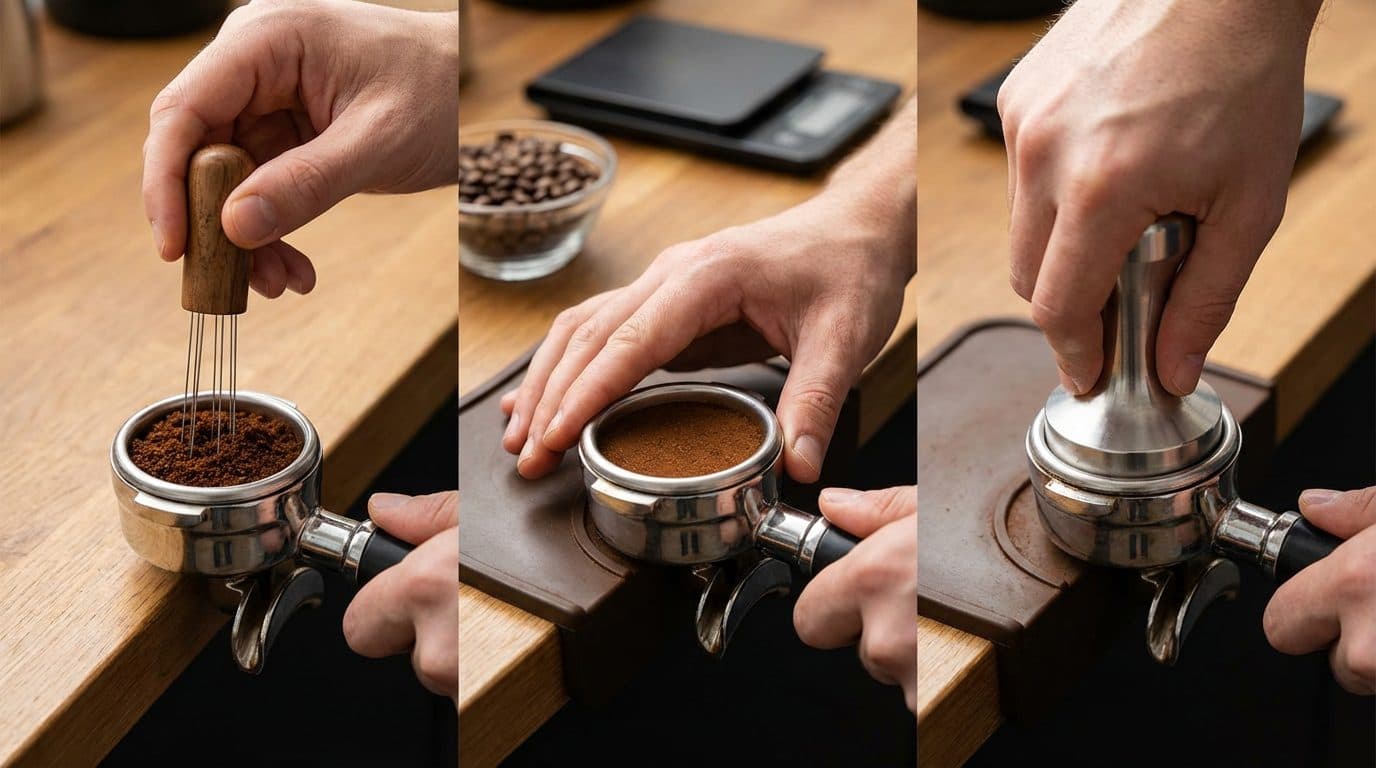
Most extraction problems trace back to puck prep. Use a WDT tool (Weiss Distribution Technique—basically a few thin needles) to break up clumps before tamping. Tap the portafilter gently to settle grounds. Tamp evenly with consistent pressure.
- WDT tools: Available for $10–$20, or DIY with a cork and acupuncture needles
- Distribution tools: Helpful but not essential; good technique matters more than fancy tools
- Tamper: Make sure it fits your basket properly; a too-small tamper causes edge channeling
Step 4: Dial in Your Grind
Once your puck prep is solid, fine-tune your grind size. You’re aiming for a shot time of roughly 25–35 seconds for a standard double (including pre-infusion). The bottomless portafilter helps you see if the grind is too coarse (fast, thin, uncontrolled flow) or too fine (choking, spurting).
Key Takeaway: The bottomless portafilter doesn’t fix problems—it reveals them. Your job is to watch, learn, and adjust. Over time, you’ll develop a sense for what works and what doesn’t, and your consistency will improve dramatically.
Frequently Asked Questions
Is a bottomless portafilter only for advanced baristas?
Not at all. In fact, beginners benefit the most because it accelerates learning. Instead of guessing why your shots taste bad, you can see exactly what’s going wrong. It’s like having a teacher watching over your shoulder, pointing out mistakes in real time.
Will a bottomless portafilter make a mess?
It can, especially when you’re still learning. Channeling and uneven extraction sometimes cause spraying or splattering. Keep a towel handy and consider practicing over a drip tray until your technique improves. The mess is temporary—and honestly, it’s useful feedback telling you something needs fixing.
Does using a bottomless portafilter change the taste of espresso?
Not directly. The coffee flows through the same basket either way. However, because it forces you to improve your technique, you’ll likely end up pulling better-tasting shots than before. The portafilter doesn’t change taste—your improved skills do.
Can I use a bottomless portafilter for everyday shots?
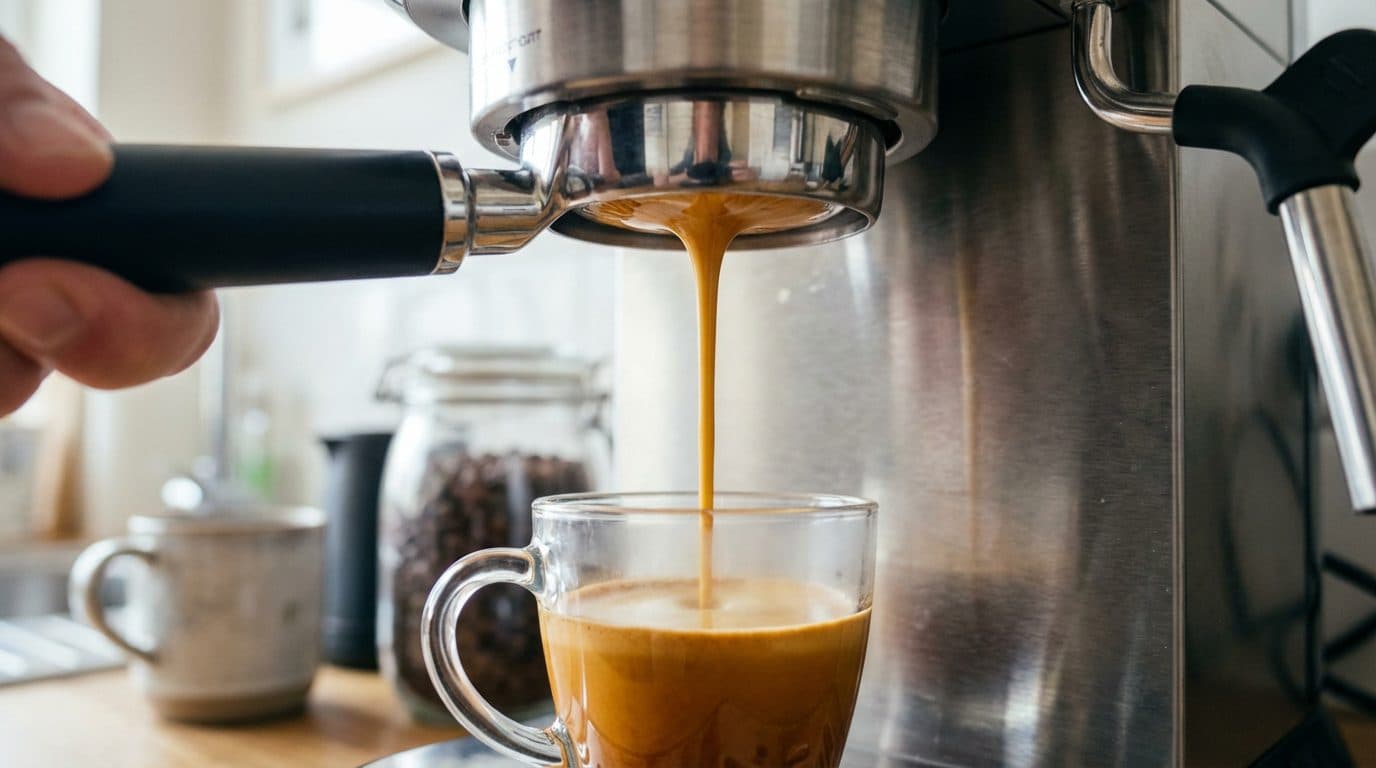
Absolutely. Many home baristas use them exclusively. Once your technique is dialed in, you’ll get consistent, beautiful extractions every time. Plus, watching that perfect stream form never gets old. It’s genuinely satisfying.
Do I need any other accessories with a bottomless portafilter?
Not necessarily, but a few tools help you get the most from it. A WDT tool improves distribution, a quality tamper ensures even pressure, and a scale helps you dose consistently. None of these are expensive, and together they form a budget-friendly setup that punches way above its weight.
Conclusion: Your Best Investment in Better Espresso
Life is too short for bad coffee—and definitely too short to keep guessing why your shots taste off. A bottomless portafilter is one of the smartest, most affordable upgrades you can make to your home espresso setup. It transforms extraction from a hidden mystery into a visible, learnable process.
For under $30, you get a diagnostic tool that professional baristas rely on every day. You’ll spot channeling, fix puck prep mistakes, dial in your grind faster, and ultimately pull shots you’re genuinely proud of. The feedback loop is immediate and visual, which means your skills improve faster than they ever could with a spouted portafilter hiding the truth.
If you’re ready to stop guessing and start understanding your espresso, pick up a bottomless portafilter that fits your machine. Your next shot might be a messy learning experience—but the one after that will be even better. And before long, you’ll be pulling extractions that look and taste like they came from your favorite café.


Comments