


Table of Contents
- What Is Specialty Coffee? The Official Definition
- The Grading Scale Explained
- Key Takeaway
- Regular Coffee vs Specialty Coffee: The Core Differences
- The Journey From Farm to Cup
- Processing and Roasting Standards
- Why Specialty Coffee Tastes So Different
- Terroir Matters
- Freshness Is Everything
- Roast Profiles That Enhance, Not Mask
- Is Specialty Coffee Worth the Higher Price?
- Where Your Money Goes
- The Cost Per Cup Perspective
- Did You Know?
- How to Start Exploring Specialty Coffee
- Finding Good Specialty Beans
- What to Look For on the Bag
- Brewing Specialty Coffee Right
- Frequently Asked Questions
- Does specialty coffee have more caffeine than regular coffee?
- Is all single-origin coffee considered specialty coffee?
- Can I use specialty coffee in my automatic drip machine?
- Why does some specialty coffee taste sour?
- How should I store specialty coffee to keep it fresh?
- Final Thoughts: Making the Switch to Specialty Coffee
Have you ever wondered why that cup of coffee from a local roaster tasted completely different from your usual supermarket brew? You’re not alone. The term “specialty coffee” gets thrown around a lot these days, but what does it actually mean? And more importantly, is it worth the extra money you’re paying for it?
In this guide, I’ll break down exactly what specialty coffee is, how it’s graded, and the real differences between specialty beans and the regular coffee sitting on grocery store shelves. By the end, you’ll know exactly what you’re buying and whether specialty coffee deserves a spot in your daily routine.
What Is Specialty Coffee? The Official Definition
Specialty coffee isn’t just a marketing buzzword. It’s a term with an actual definition backed by professional standards. The Specialty Coffee Association (SCA) defines specialty coffee as beans that score 80 points or above on a 100-point scale during professional cupping evaluations.
In short, specialty coffee means beans that have been graded by certified Q Graders (think of them as sommeliers for coffee) and have earned a score that reflects exceptional quality. These professionals evaluate beans based on aroma, flavor, aftertaste, acidity, body, balance, sweetness, and the absence of defects.
The Grading Scale Explained
- Below 80 points: Commercial or commodity-grade coffee (what you typically find in supermarkets)
- 80-84.99 points: Very good specialty coffee
- 85-89.99 points: Excellent specialty coffee
- 90+ points: Outstanding, competition-level coffee (rare and often expensive)
I’ve found that once you understand this scoring system, shopping for coffee becomes much easier. You’re no longer guessing about quality because there’s an objective measure behind what you’re buying.
Key Takeaway
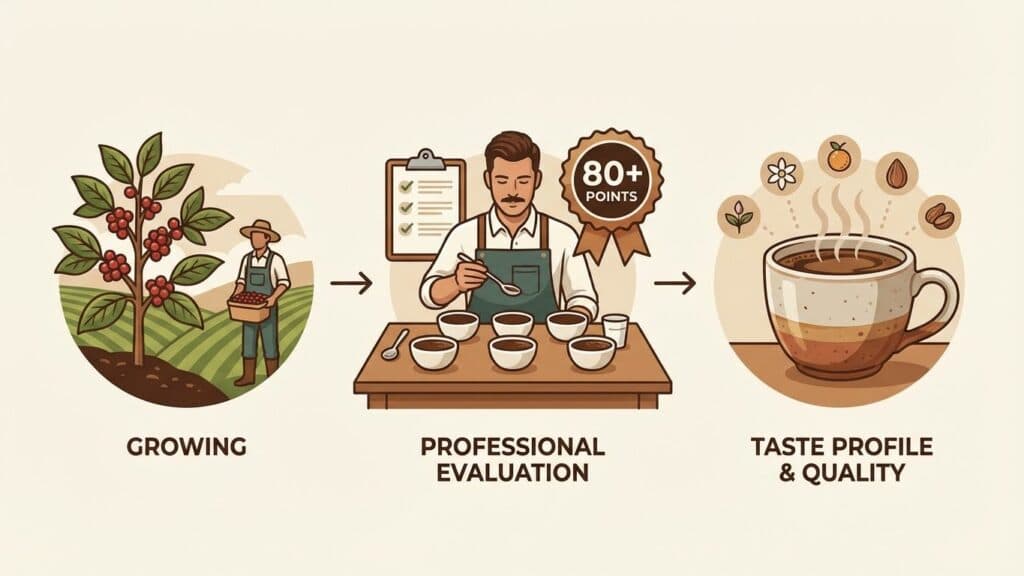
Specialty coffee isn’t just “fancy” coffee. It’s coffee that has been professionally evaluated and scored 80+ points based on strict quality standards. This score reflects everything from how the beans were grown to how they taste in your cup.
Regular Coffee vs Specialty Coffee: The Core Differences
Now that you know what specialty coffee is, let’s talk about how it actually differs from the regular beans you’ve been drinking for years. The differences start at the farm and follow the beans all the way to your cup.
| Factor | Specialty Coffee | Regular/Commercial Coffee |
|---|---|---|
| Bean Quality | Top 3-5% of global production | Remaining 95-97% |
| Grading Score | 80+ points (SCA scale) | Below 80 points |
| Traceability | Single origin, often single farm | Often blended from multiple sources |
| Roast Date | Usually within weeks | Often months old |
| Flavor Profile | Complex, distinct notes | Generic, often bitter or flat |
| Defects Allowed | Minimal to none | Higher tolerance for defects |
The Journey From Farm to Cup
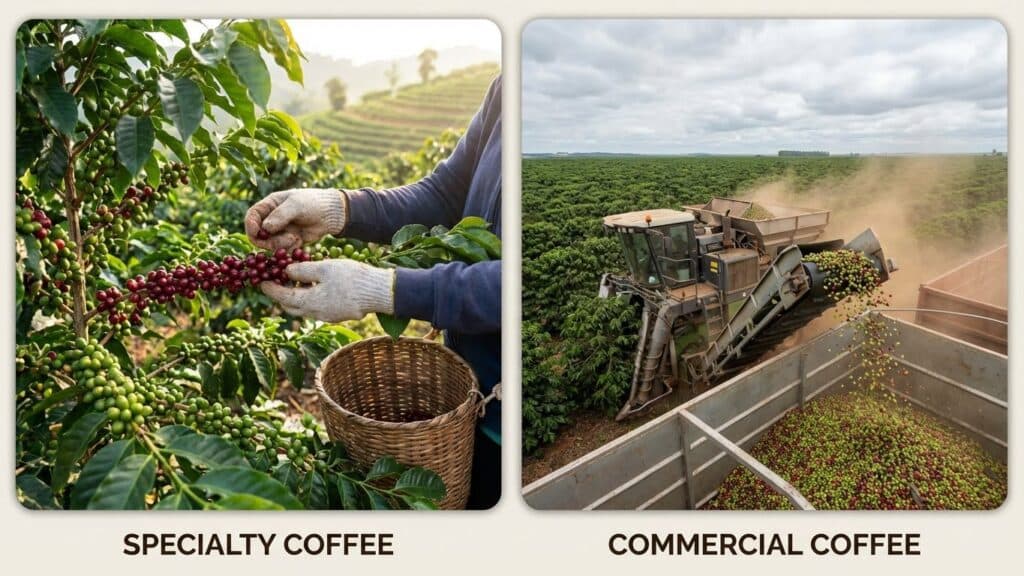
Specialty coffee prioritizes quality at every stage. Farmers growing specialty-grade beans often hand-pick only ripe cherries instead of strip-harvesting entire branches at once. This selective picking means more labor, but it also means no unripe or overripe cherries end up in your bag.
Regular commercial coffee, on the other hand, often gets harvested mechanically. The goal is efficiency and volume rather than perfection. This approach isn’t necessarily bad, but it does mean you’re getting a mix of quality levels in every scoop.
Here’s a small example: Imagine buying a bag of apples. Specialty coffee is like handpicking only the perfectly ripe ones from the tree. Regular coffee is like shaking the entire tree and bagging whatever falls, bruises and all.
Processing and Roasting Standards
After harvest, specialty beans undergo careful processing. Whether it’s washed, natural, or honey-processed, each method is executed with precision to bring out specific flavor characteristics.
Roasters working with specialty coffee typically roast in smaller batches and pay close attention to developing the beans’ unique flavors. They’re not trying to hide flaws with dark roasts. Instead, they’re trying to highlight what makes each origin special.
In my experience, this is where you really taste the difference. Specialty coffee often surprises people with notes they never knew coffee could have: blueberry, jasmine, honey, even tomato in some Ethiopian naturals. Regular coffee tends to taste like, well, just coffee.
Why Specialty Coffee Tastes So Different
If you’ve ever taken a sip of specialty coffee and thought “this doesn’t taste like the coffee I grew up with,” you’re onto something. The flavor difference between specialty and regular coffee can be striking, and there are real reasons behind it.
Terroir Matters
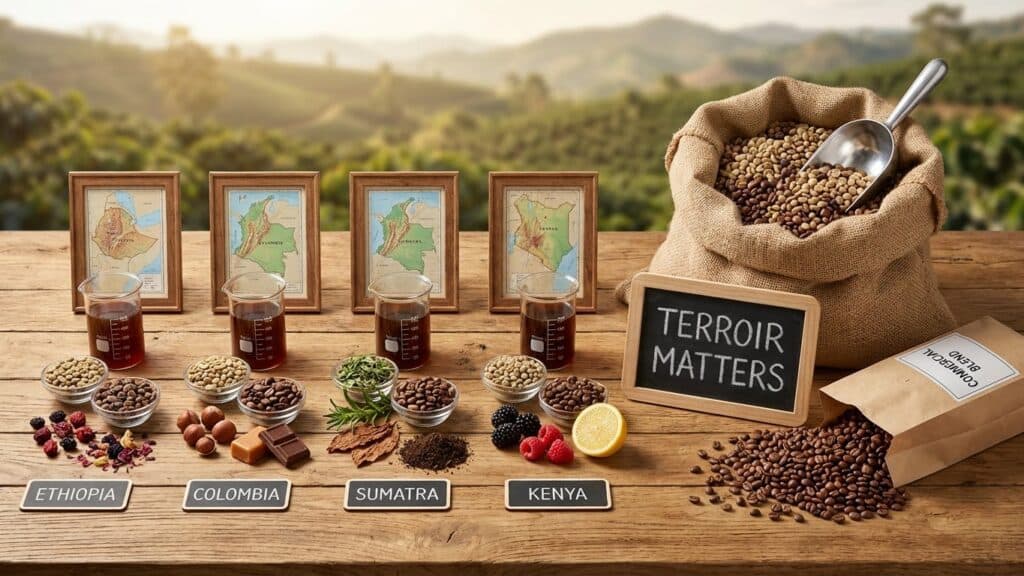
Just like wine, coffee is affected by where it’s grown. Altitude, soil composition, rainfall, and climate all influence flavor. Specialty coffee celebrates these differences rather than blending them away.
- Ethiopian beans often taste fruity and floral
- Colombian beans tend toward nutty and caramel notes
- Sumatran beans frequently have earthy, herbal characteristics
- Kenyan beans are known for bright acidity and berry flavors
Regular commercial coffee typically blends beans from multiple origins to create a consistent, uniform taste year-round. That consistency comes at the cost of the unique characteristics that make each origin interesting.
Freshness Is Everything
Specialty coffee is usually sold with a roast date printed on the bag. Most roasters recommend consuming it within 2-4 weeks of that date for optimal flavor. Coffee is a perishable product, and those complex flavors fade over time.
Commercial coffee often sits on shelves for months. By the time you brew it, many of the volatile compounds responsible for aroma and flavor have already degraded. This is why regular coffee often tastes flat or one-dimensional compared to a freshly roasted specialty bag.
Barista Tip: Always check for a roast date, not just a “best by” date. If there’s no roast date on the bag, that’s usually a sign you’re not dealing with specialty-grade coffee.
Roast Profiles That Enhance, Not Mask
Many commercial roasters use dark roasts to create a consistent flavor and hide defects in lower-quality beans. When you char coffee enough, everything starts to taste the same: smoky, bitter, and intense.
Specialty roasters typically use lighter to medium roasts that allow the bean’s natural flavors to shine through. This doesn’t mean specialty coffee can’t be dark-roasted. It just means the roast level is chosen intentionally to complement the bean rather than cover up problems.
Is Specialty Coffee Worth the Higher Price?
Let’s address the elephant in the room. Specialty coffee costs more. A bag might run you $15-25 compared to $8-12 for regular grocery store coffee. Is that premium justified?
Where Your Money Goes
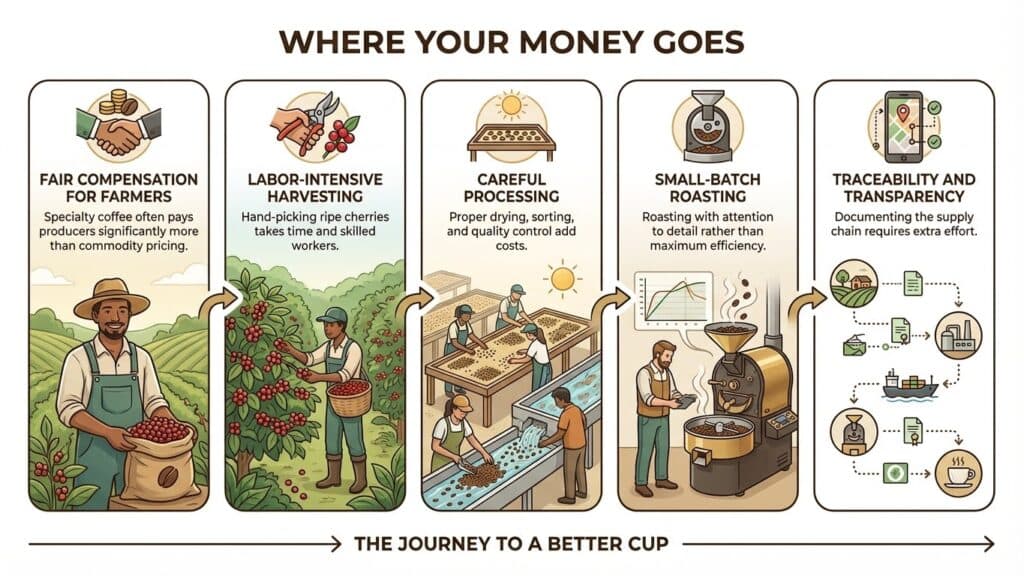
The higher price of specialty coffee reflects several factors:
- Fair compensation for farmers: Specialty coffee often pays producers significantly more than commodity pricing
- Labor-intensive harvesting: Hand-picking ripe cherries takes time and skilled workers
- Careful processing: Proper drying, sorting, and quality control add costs
- Small-batch roasting: Roasting with attention to detail rather than maximum efficiency
- Traceability and transparency: Documenting the supply chain requires extra effort
When you buy specialty coffee, you’re supporting a system that values quality over quantity. Farmers have incentive to produce better beans because they get paid more for them. It creates a positive cycle that benefits everyone involved.
The Cost Per Cup Perspective
Here’s something I always remind people: even expensive specialty coffee is cheap compared to buying coffee out. A $20 bag might give you 30-40 cups at home. That’s around 50-65 cents per cup versus $4-6 at a café.
If you’re spending money on coffee anyway, upgrading to specialty beans is one of the most cost-effective ways to dramatically improve your daily cup.
Did You Know?
Only about 3-5% of all coffee produced globally qualifies as specialty grade. Most coffee farms struggle to meet the strict quality standards required, which is part of why specialty beans command premium prices. You’re literally drinking the top few percent of the world’s coffee.
How to Start Exploring Specialty Coffee
Ready to make the switch? Here’s how to begin your specialty coffee journey without getting overwhelmed.
Finding Good Specialty Beans
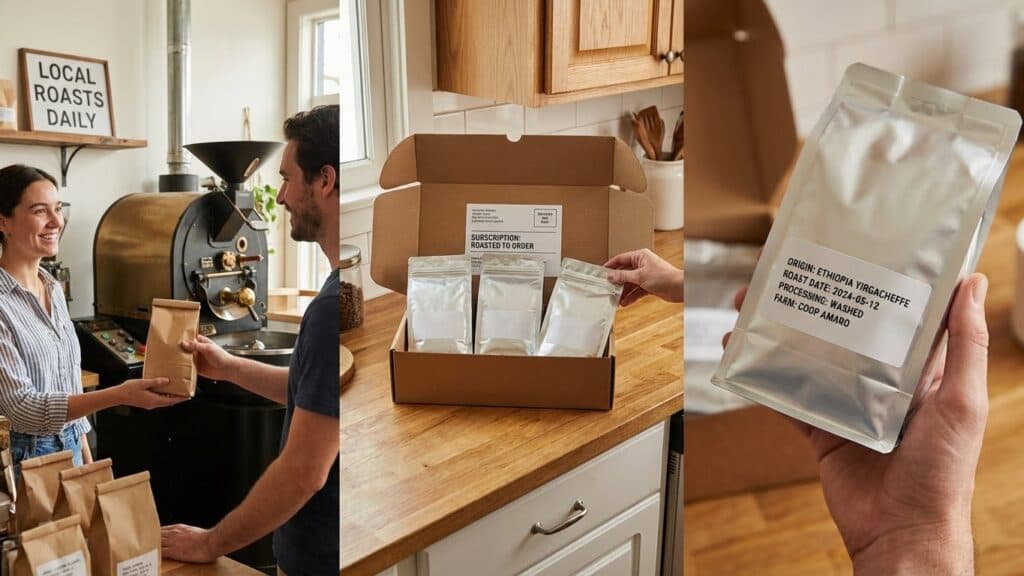
- Local roasters: Check if there’s a specialty roaster in your area. They’ll often have the freshest options
- Online subscriptions: Many excellent roasters ship nationwide with beans roasted to order
- Look for details: Bags should list origin, roast date, processing method, and ideally the farm or cooperative name
What to Look For on the Bag
A specialty coffee bag should tell you a story. Look for:
- Specific country and region of origin
- Roast date (not just “best by”)
- Processing method (washed, natural, honey)
- Tasting notes
- Altitude at which beans were grown
- Farm or cooperative name
The more information provided, the more likely you’re dealing with genuine specialty-grade coffee. Vague descriptions like “premium blend” without details are often a red flag.
Brewing Specialty Coffee Right
To get the most from specialty beans, pay attention to a few basics:
- Use filtered water (coffee is 98% water, so it matters)
- Grind beans fresh just before brewing
- Use the right water temperature (195-205°F)
- Experiment with brew ratios to find your sweet spot
You don’t need expensive equipment to enjoy specialty coffee. A simple pour-over or French press works beautifully. Just focus on freshness and basic technique.
Frequently Asked Questions
Does specialty coffee have more caffeine than regular coffee?
Not necessarily. Caffeine content depends more on the coffee species (Arabica vs Robusta), roast level, and how you brew it than whether it’s specialty grade. Specialty coffee is almost always 100% Arabica, which actually contains less caffeine than the Robusta often found in commercial blends.
Is all single-origin coffee considered specialty coffee?
No. Single-origin simply means the beans come from one geographic location. While many specialty coffees are single-origin, not all single-origin coffees meet the 80+ point threshold required for specialty designation. Single-origin is about traceability; specialty is about quality.
Can I use specialty coffee in my automatic drip machine?
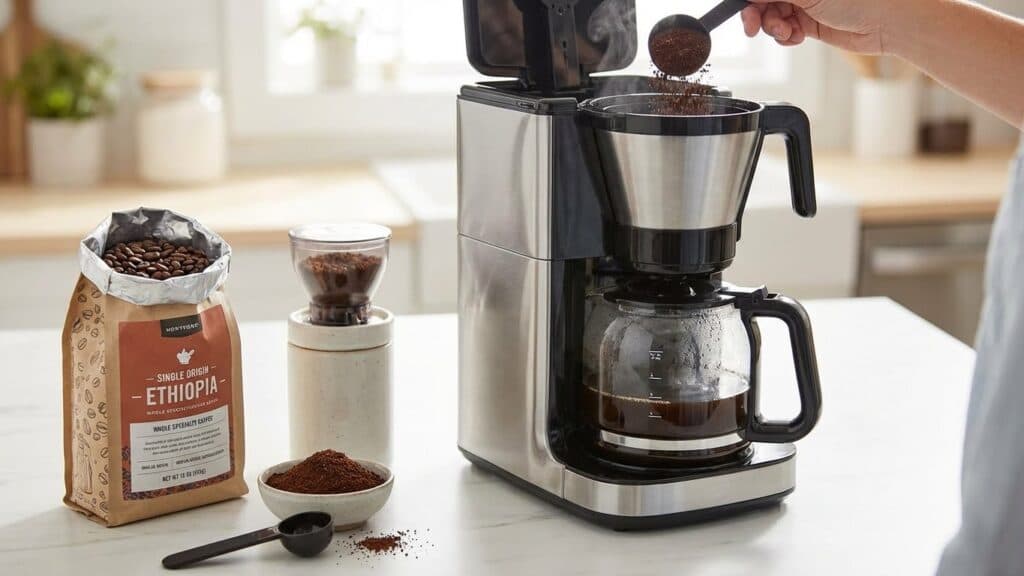
You can use specialty coffee in any brewing method you prefer. However, to get the most from your beans, make sure to grind them fresh and use the correct grind size for your machine. A basic burr grinder will make a noticeable difference.
Why does some specialty coffee taste sour?
What you might perceive as sourness is often bright acidity, which is actually a valued characteristic in specialty coffee. If it’s unpleasantly sour, the coffee may be under-extracted. Try grinding finer, using hotter water, or extending your brew time.
How should I store specialty coffee to keep it fresh?
Store your beans in an airtight container at room temperature, away from light and heat. Avoid the refrigerator or freezer for daily use, as temperature fluctuations cause condensation that damages the beans. Buy in quantities you’ll use within 3-4 weeks.
Final Thoughts: Making the Switch to Specialty Coffee
The difference between specialty coffee and regular beans isn’t just marketing hype. It’s a real distinction backed by professional evaluation, transparent sourcing, and a commitment to quality at every step from farm to cup. Specialty coffee offers flavors you simply won’t find in commodity-grade beans.
That said, coffee is personal. If you’re happy with your current brew, there’s nothing wrong with sticking to it. But if you’ve ever been curious about why some coffee tastes so much better than others, exploring specialty coffee is the answer. Life is too short for bad coffee, and once you experience what the top few percent of the world’s beans taste like, your morning cup will never be the same.
Start with one bag from a local roaster or reputable online source. Pay attention to what you taste. You might just discover a whole new appreciation for what coffee can be.

Comments