


Table of Contents
- What Is Low-Acid Coffee, Really?
- How Is Low-Acid Coffee Made?
- The Science: Why Regular Coffee Causes Problems
- Did You Know?
- Common Myths About Coffee Acidity
- Who Should Drink Low-Acid Coffee?
- People with Digestive Conditions
- Those with Dental Concerns
- Pregnant Women
- Older Adults
- Who Might NOT Need Low-Acid Coffee?
- How to Find and Brew the Best Low-Acid Coffee
- What to Look for When Buying
- Brewing Methods That Reduce Acidity
- Barista Tip
- What Does Low-Acid Coffee Taste Like?
- Frequently Asked Questions
- Is low-acid coffee completely acid-free?
- Does low-acid coffee have less caffeine?
- Can I make my regular coffee less acidic at home?
- Is low-acid coffee more expensive?
- Will low-acid coffee help with coffee-related anxiety or jitters?
- Conclusion: Is Low-Acid Coffee Right for You?
Ever taken a sip of your morning coffee only to feel that familiar burning sensation creeping up your chest? You’re not alone. For millions of coffee lovers, the ritual they cherish comes with an unwelcome side effect: acid reflux, stomach discomfort, or digestive issues. This is where low-acid coffee enters the picture, offering a gentler way to enjoy your daily brew without the painful aftermath.
But what exactly makes coffee “low-acid,” and is it just marketing hype or a genuine solution? In this guide, I’ll break down the science behind low-acid coffee, explain who benefits most from making the switch, and share practical tips for finding the right low-acid brew for your needs. Whether you’re dealing with GERD, sensitive teeth, or simply curious about this growing coffee trend, you’ll find answers here.
What Is Low-Acid Coffee, Really?
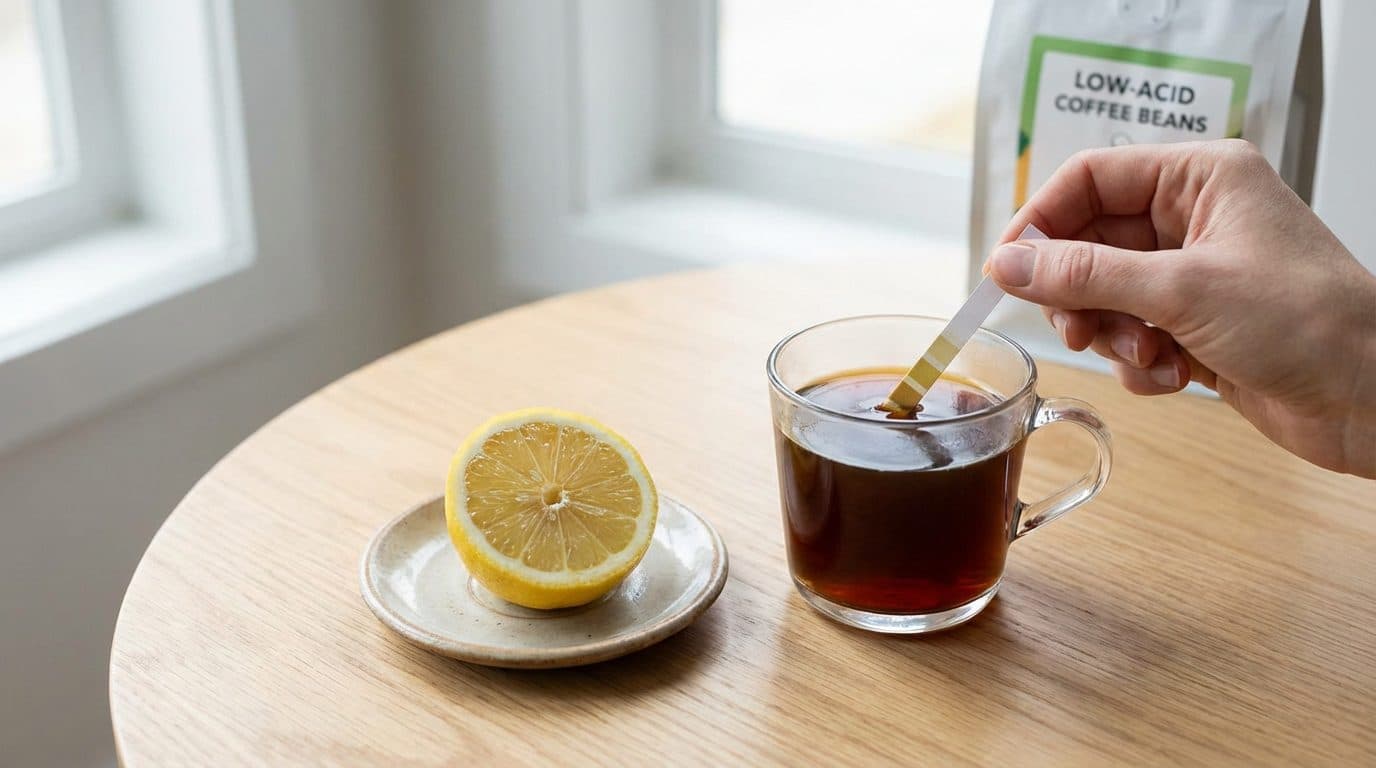
Low-acid coffee refers to coffee that has a higher pH level than regular coffee, making it less acidic and easier on your digestive system. Standard coffee typically falls between 4.85 and 5.10 on the pH scale (where 7 is neutral). Low-acid varieties aim for a pH closer to 6 or even slightly higher.
But here’s something important to understand: when we talk about “acidity” in coffee, we’re actually dealing with two different concepts:
- Perceived acidity: This is the bright, tangy flavor note that coffee professionals often celebrate. It’s what gives certain coffees their lively, fruity character.
- Actual acid content: This refers to the organic acids present in coffee (like chlorogenic acid, citric acid, and quinic acid) that can trigger digestive discomfort in sensitive individuals.
Low-acid coffee primarily addresses the second type—reducing the compounds that cause physical discomfort while often maintaining some of those desirable flavor characteristics. In my experience, the best low-acid coffees manage to strike this balance beautifully.
How Is Low-Acid Coffee Made?
There are several methods producers use to create low-acid coffee, and understanding these can help you choose the right option:
- Slow roasting: Roasting beans at lower temperatures for longer periods breaks down more acid-causing compounds. This is why darker roasts tend to be easier on the stomach.
- Steam treatment: Some producers use steam to remove the waxy outer layer of the bean before roasting, which reduces acid content.
- Special bean selection: Certain coffee-growing regions naturally produce lower-acid beans. Brazilian and Sumatran coffees, for instance, are known for their naturally lower acidity.
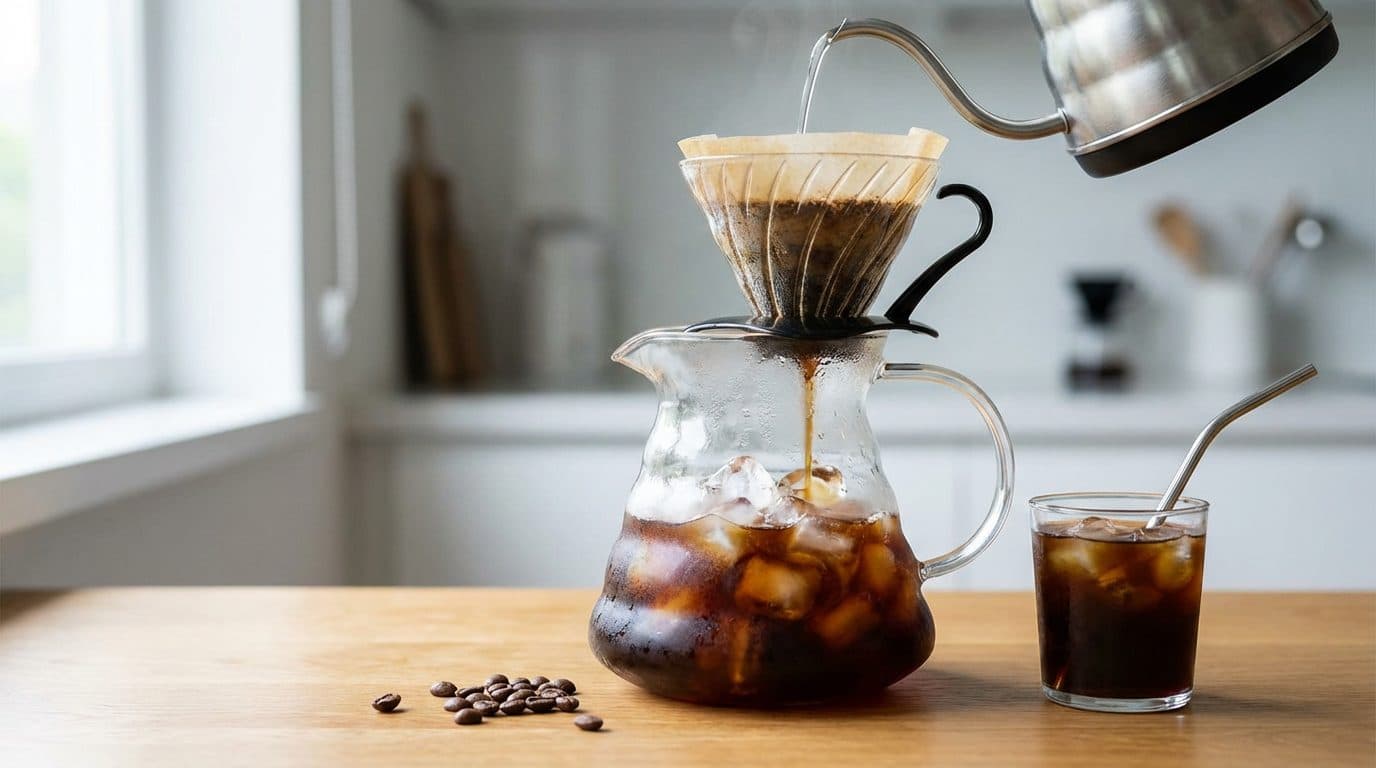
- Cold brewing: While not technically “low-acid coffee,” the cold brew process extracts significantly fewer acids than hot brewing methods.
The Science: Why Regular Coffee Causes Problems
To understand why low-acid coffee helps, let’s look at what regular coffee does to your body. Coffee contains several compounds that can trigger digestive issues:
Chlorogenic acids are the primary culprits. When these acids hit your stomach, they stimulate the production of gastric acid. For most people, this isn’t a problem. But if you already have conditions like gastritis, GERD, or peptic ulcers, that extra acid can spell trouble.
Coffee also contains N-alkanoyl-5-hydroxytryptamides (try saying that three times fast), which stimulate stomach acid secretion. Additionally, caffeine itself relaxes the lower esophageal sphincter—the muscle that keeps stomach acid from flowing back up into your esophagus.
Did You Know?

A study published in the journal Molecular Nutrition & Food Research found that dark-roasted coffee produces less stomach acid than light or medium roasts. The researchers discovered that dark roasting creates a compound called N-methylpyridinium (NMP), which actually tells your stomach to produce less acid. This is why many low-acid coffees are darker roasts.
Common Myths About Coffee Acidity
Let me bust a few misconceptions I encounter regularly:
- Myth: Decaf is automatically lower in acid. Not true. The decaffeination process doesn’t significantly change the acid content. You can find high-acid decaf and low-acid regular coffee.
- Myth: Adding milk neutralizes coffee acid. While milk can slightly buffer acidity, it doesn’t address the compounds that stimulate stomach acid production. If coffee bothers you, adding milk alone won’t solve the problem.
- Myth: All dark roasts are low-acid. While darker roasts tend to be lower in acid, the bean origin, processing method, and brewing technique all play significant roles.
Who Should Drink Low-Acid Coffee?
Low-acid coffee isn’t just for people with obvious digestive issues. Here’s a breakdown of who benefits most from making the switch:
People with Digestive Conditions
If you’ve been diagnosed with any of the following, low-acid coffee might be a game-changer:
- GERD (Gastroesophageal Reflux Disease): That burning sensation after coffee? Low-acid options can significantly reduce or eliminate this.
- Gastritis: When your stomach lining is inflamed, the last thing you need is more acid irritation.
- Peptic ulcers: While coffee doesn’t cause ulcers, high-acid coffee can aggravate existing ones.
- IBS (Irritable Bowel Syndrome): Some IBS sufferers find that low-acid coffee triggers fewer symptoms.
In short, if your doctor has ever told you to reduce acidic foods, low-acid coffee deserves consideration.
Those with Dental Concerns

This one surprises many people. Regular coffee’s acidity can erode tooth enamel over time, contributing to sensitivity and staining. If you’re dealing with sensitive teeth, enamel erosion, or recent dental work, low-acid coffee is gentler on your teeth.
Pregnant Women
Many pregnant women experience increased acid reflux, especially in later trimesters. While caffeine intake should be limited during pregnancy, switching to low-acid coffee (or low-acid decaf) can make those allowed cups more comfortable.
Older Adults
As we age, our digestive systems often become more sensitive. I’ve heard from countless home baristas in their 50s, 60s, and beyond who thought they’d have to give up coffee entirely until they discovered low-acid options.
Who Might NOT Need Low-Acid Coffee?
Let’s be honest: if you drink regular coffee without any discomfort, there’s no health reason to switch. Low-acid coffee isn’t “healthier” for everyone—it’s a solution for a specific problem. Some people actually miss the bright, tangy notes that acidity provides. If that’s you and your stomach is happy, keep enjoying your regular brew.
How to Find and Brew the Best Low-Acid Coffee
Ready to try low-acid coffee? Here’s how to set yourself up for success.
What to Look for When Buying

When shopping for low-acid coffee, keep these factors in mind:
- Origin matters: Look for beans from Brazil, Sumatra, India, or the Caribbean. These regions naturally produce lower-acid coffees due to soil composition and altitude.
- Roast level: Opt for medium-dark to dark roasts. Avoid light roasts if acid is your concern.
- Processing method: “Treated” or “processed for low acid” indicates the producer has taken extra steps to reduce acidity.
- Check the pH: Some brands list the pH level. Look for anything above 5.5, with 6.0+ being ideal for sensitive stomachs.
Brewing Methods That Reduce Acidity
Even with regular coffee, your brewing method affects acidity:
| Brewing Method | Acidity Level | Why? |
|---|---|---|
| Cold Brew | Lowest | Cold water extracts fewer acids; up to 67% less acidic |
| French Press | Low-Medium | Metal filter allows oils through, which buffer acid |
| Espresso | Medium | Quick extraction time limits acid release |
| Drip/Pour-Over | Medium-High | Longer water contact extracts more acids |
| AeroPress | Variable | Can be low if using shorter steep times and lower temperatures |
Barista Tip
Try this: brew your low-acid coffee as a cold brew concentrate, then heat it up. You’ll get a warm cup with the reduced acidity of cold brewing. I’ve found this method works wonderfully for those who can’t give up their hot morning coffee but need the gentleness of cold brew.
What Does Low-Acid Coffee Taste Like?
Here’s the honest truth: low-acid coffee tastes different from regular coffee. Whether that’s good or bad depends on your preferences.
Most low-acid coffees have a smoother, more mellow flavor profile. You’ll notice:
- Less brightness or “zing” on your tongue
- Often more chocolatey, nutty, or earthy notes
- A fuller body that feels heavier in your mouth
- Reduced bitterness in many cases
Some coffee purists find low-acid coffee “flat” because they miss those tangy, fruity notes that acidity provides. But for many people—especially those who’ve been drinking their coffee with lots of cream and sugar to mask the bite—low-acid coffee is a revelation. You might find you actually enjoy the taste of coffee more when it’s not causing you pain.
Frequently Asked Questions
Is low-acid coffee completely acid-free?
No, low-acid coffee still contains some acid—just significantly less than regular coffee. The goal is reduction, not elimination. If you’re on a strict zero-acid diet for medical reasons, consult your doctor before adding any coffee to your routine.
Does low-acid coffee have less caffeine?
Not necessarily. Acidity and caffeine content are separate characteristics. You can find low-acid coffee with regular caffeine levels, and many brands offer both caffeinated and decaffeinated low-acid options.
Can I make my regular coffee less acidic at home?
Yes! Try cold brewing, adding a tiny pinch of baking soda to your grounds before brewing, using a darker roast, or switching to a coarser grind. These adjustments can reduce acidity without buying specialty low-acid beans.
Is low-acid coffee more expensive?
Generally, yes. The special processing and careful bean selection typically result in higher prices. Expect to pay 20-50% more than comparable regular coffee. However, if it means you can enjoy coffee without discomfort or medication, many people find the extra cost worthwhile.
Will low-acid coffee help with coffee-related anxiety or jitters?
Probably not. Jitters and anxiety are typically caused by caffeine, not acidity. If those are your concerns, look for low-acid decaf or simply reduce your overall coffee consumption.
Conclusion: Is Low-Acid Coffee Right for You?
Low-acid coffee isn’t a miracle product, and it isn’t for everyone. But for those who’ve been suffering through their daily brew or—worse—have given up coffee entirely because of digestive issues, it can genuinely improve quality of life.
If you experience heartburn, acid reflux, stomach pain, or dental sensitivity from regular coffee, I’d encourage you to give low-acid coffee a fair try. Experiment with different brands, origins, and brewing methods to find what works for your body and your taste preferences.
Remember that this information is general in nature. If you have persistent digestive issues, it’s always wise to consult with a healthcare professional to rule out underlying conditions that need proper treatment.
Life really is too short for bad coffee—and it’s definitely too short to spend in discomfort after every cup. With low-acid coffee, you might just find that you can have your coffee and drink it too, without paying the price later.


Comments