


Table of Contents
- Quick Verdict: Urnex Dezcal Wins for Most Home Baristas
- Understanding Limescale and Why Descaling Matters
- What Limescale Does to Your Machine
- Urnex Dezcal: The Professional's Choice
- What Makes Dezcal Different
- Pros of Urnex Dezcal
- Cons of Urnex Dezcal
- White Vinegar: The Budget-Friendly Alternative
- How Vinegar Works as a Descaler
- Pros of Vinegar
- Cons of Vinegar
- Head-to-Head Comparison: Dezcal vs. Vinegar
- Which Descaler Should You Use? A Practical Guide
- Use Urnex Dezcal If:
- Vinegar Works Fine If:
- Descaling Best Practices
- Before You Start
- During Descaling
- After Descaling
- Key Takeaway
- Frequently Asked Questions
- Can I use apple cider vinegar instead of white vinegar?
- How do I know when my machine needs descaling?
- Is it safe to use Dezcal in a Keurig or Nespresso machine?
- Can I descale too often?
- Why does my coffee still taste off after descaling with vinegar?
- Final Thoughts and Recommendations
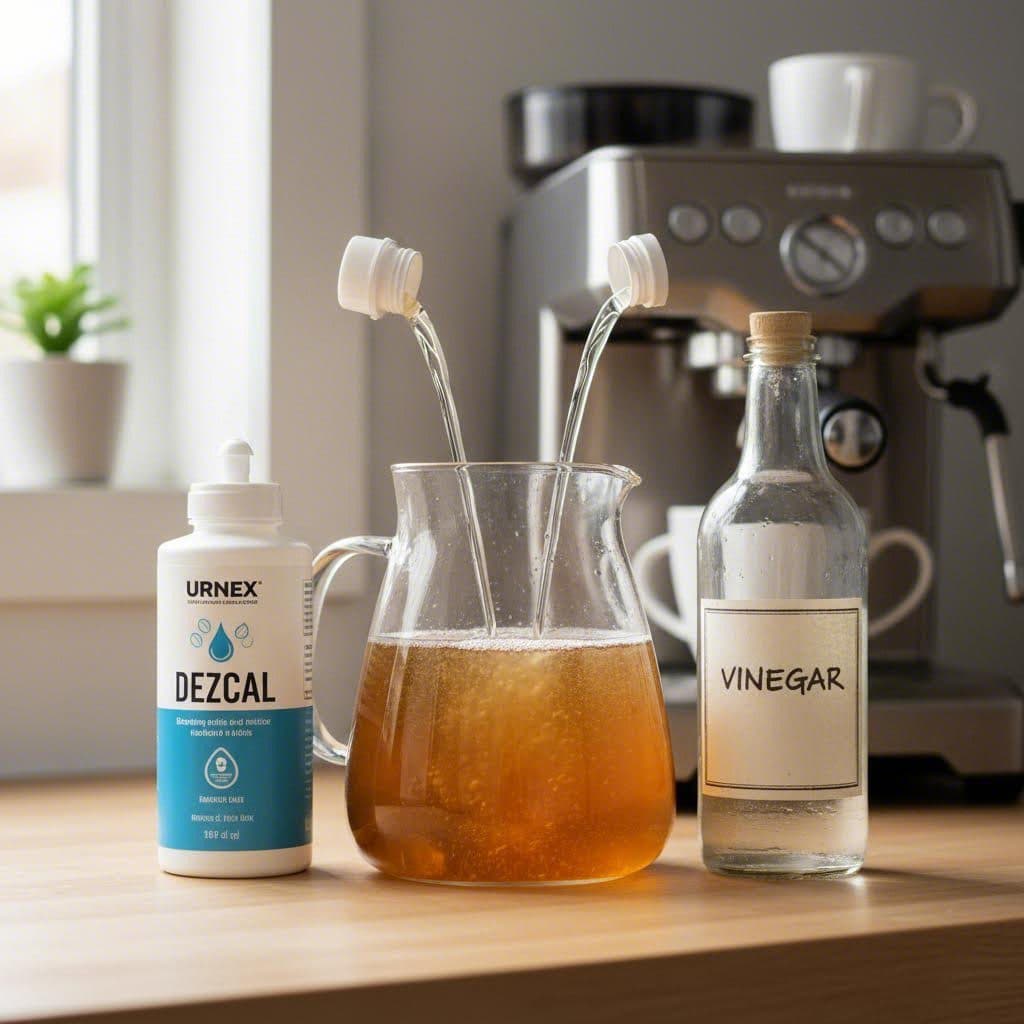
Have you ever noticed your coffee machine taking longer to brew, making strange gurgling noises, or producing lukewarm coffee? If so, you’re likely dealing with limescale buildup. This chalky mineral deposit accumulates inside your machine over time, and removing it is essential for great-tasting coffee and equipment longevity. But here’s the question every home barista eventually faces: should you reach for a bottle of Urnex Dezcal or simply use the white vinegar sitting in your kitchen cabinet?
In my experience, this debate sparks surprisingly passionate opinions in the coffee community. Some swear by commercial descalers, while others insist vinegar works just as well for a fraction of the price. I’ve tested both extensively across multiple machines, and the truth is a bit more nuanced than either camp admits. Let’s break down exactly what each option offers so you can make the right choice for your setup.
Quick Verdict: Urnex Dezcal Wins for Most Home Baristas
If you want the short answer before we dive deep, here it is: Urnex Dezcal is the better choice for most coffee enthusiasts, especially if you own an espresso machine, have a machine with a boiler, or care deeply about flavor purity. It’s formulated specifically for coffee equipment, rinses cleanly, and won’t leave any lingering taste or smell.
That said, vinegar absolutely has its place. It’s cheap, readily available, and works perfectly fine for basic drip coffee makers when used correctly. The key is understanding which solution matches your specific situation.
Understanding Limescale and Why Descaling Matters
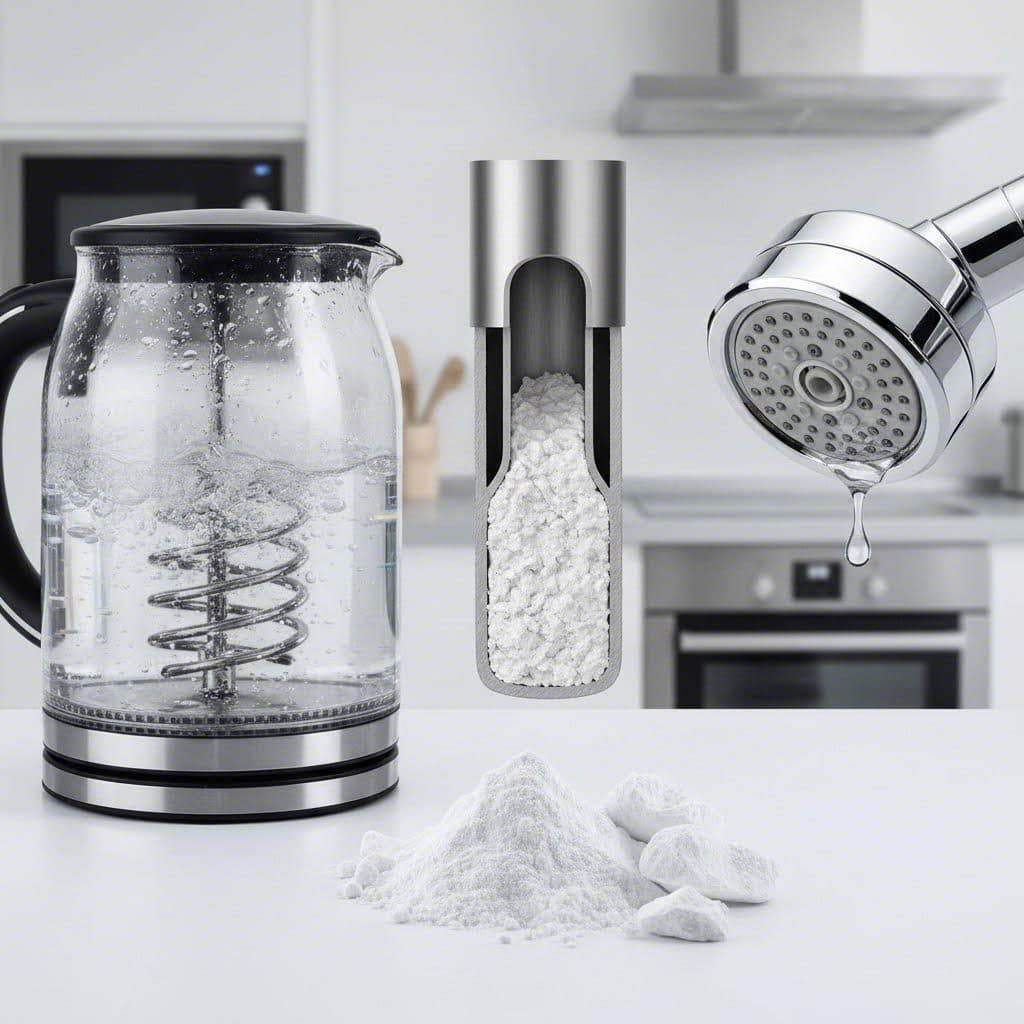
Before comparing our two contenders, let’s quickly cover what we’re actually fighting against. Limescale is a hard, chalky deposit composed primarily of calcium carbonate. It forms when hard water is heated, leaving mineral residue on heating elements, water lines, and internal components.
What Limescale Does to Your Machine
- Reduces heating efficiency: Scale acts as an insulator, forcing your machine to work harder and use more energy
- Clogs water pathways: Restricted flow means slower brewing and inconsistent extraction
- Damages components: Over time, buildup can permanently harm boilers, pumps, and valves
- Affects taste: Mineral deposits can alter the flavor profile of your coffee
In short, regular descaling isn’t just about maintenance—it directly impacts your coffee quality. Most manufacturers recommend descaling every one to three months, depending on your water hardness and usage frequency.
Urnex Dezcal: The Professional’s Choice
Urnex has been a trusted name in commercial coffee equipment cleaning for decades. Their Dezcal descaler uses citric acid as its primary active ingredient, formulated specifically for the materials and components found in coffee machines.
What Makes Dezcal Different
The citric acid formula in Dezcal is gentler on machine internals than other acids while still being highly effective at dissolving mineral deposits. I’ve found it particularly impressive on heavily scaled machines where other solutions struggled. The powder format also means you can adjust concentration based on your needs.
- Specifically designed for coffee equipment
- Rinses cleanly without residue
- Odorless and leaves no taste
- Safe for various materials including aluminum, stainless steel, and brass
- Available in powder or liquid form
Pros of Urnex Dezcal
- No lingering smell or aftertaste
- Manufacturer-approved for many espresso machine brands
- Highly effective on stubborn scale
- Requires fewer rinse cycles than vinegar
- Won’t void most machine warranties
Cons of Urnex Dezcal
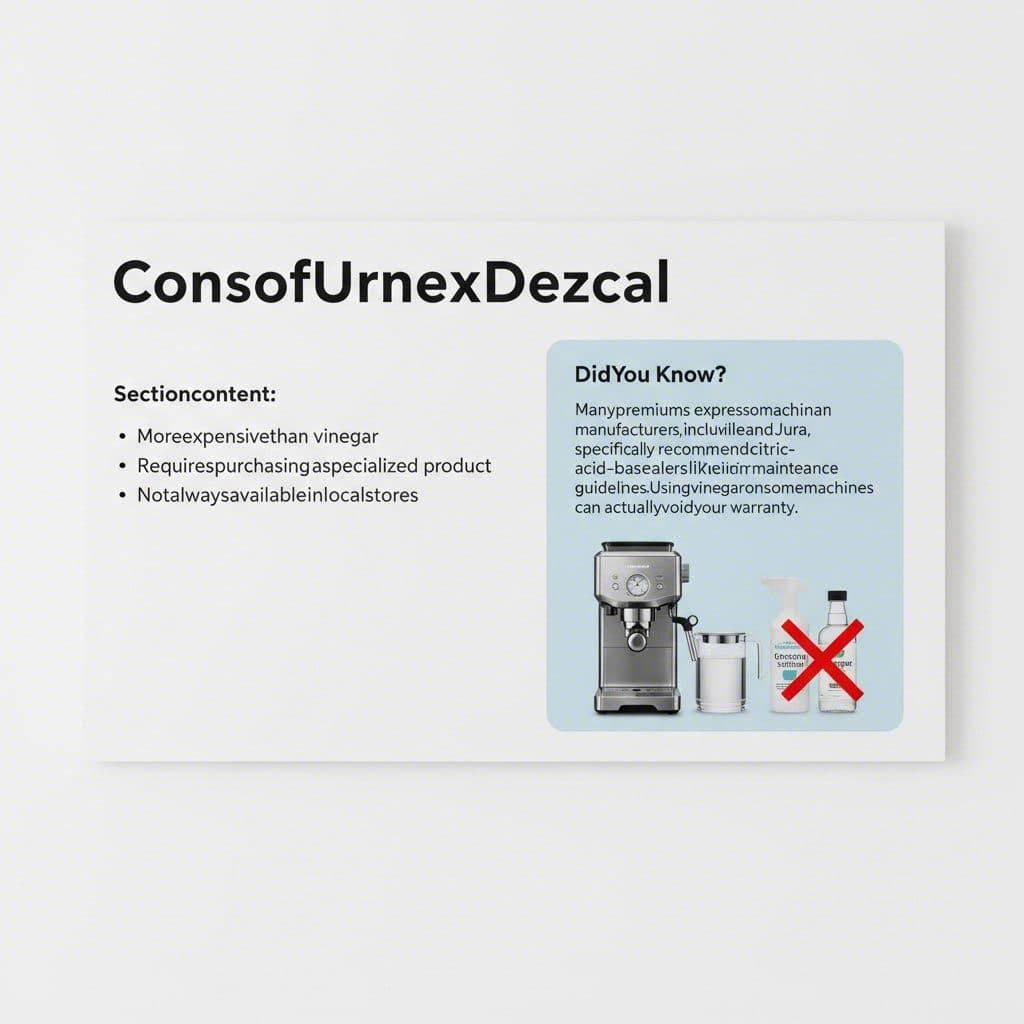
- More expensive than vinegar
- Requires purchasing a specialized product
- Not always available in local stores
Did You Know? Many premium espresso machine manufacturers, including Breville and Jura, specifically recommend citric acid-based descalers like Dezcal in their maintenance guidelines. Using vinegar on some machines can actually void your warranty.
White Vinegar: The Budget-Friendly Alternative
Vinegar has been a household cleaning staple for generations, and its acidic properties do make it effective at dissolving mineral deposits. The acetic acid in standard white vinegar typically runs about 5% concentration, which is strong enough to tackle limescale.
How Vinegar Works as a Descaler
When acetic acid meets calcium carbonate, it breaks down the mineral structure, allowing you to flush the deposits out of your machine. For a basic drip coffee maker, this process works reasonably well. The typical ratio is equal parts water and white vinegar.
- Extremely affordable: A gallon of vinegar costs just a few dollars
- Always available: Found in any grocery store
- Multi-purpose: Useful for cleaning throughout your home
- Natural and food-safe
Pros of Vinegar
- Very inexpensive
- Readily available everywhere
- Works adequately for simple drip machines
- No special ordering required
Cons of Vinegar
- Strong, lingering odor that’s difficult to eliminate
- Can leave taste residue even after multiple rinses
- Less effective on heavy scale buildup
- May damage rubber seals and gaskets over time
- Not recommended for most espresso machines
- Requires more rinse cycles (typically 3-5)
Head-to-Head Comparison: Dezcal vs. Vinegar
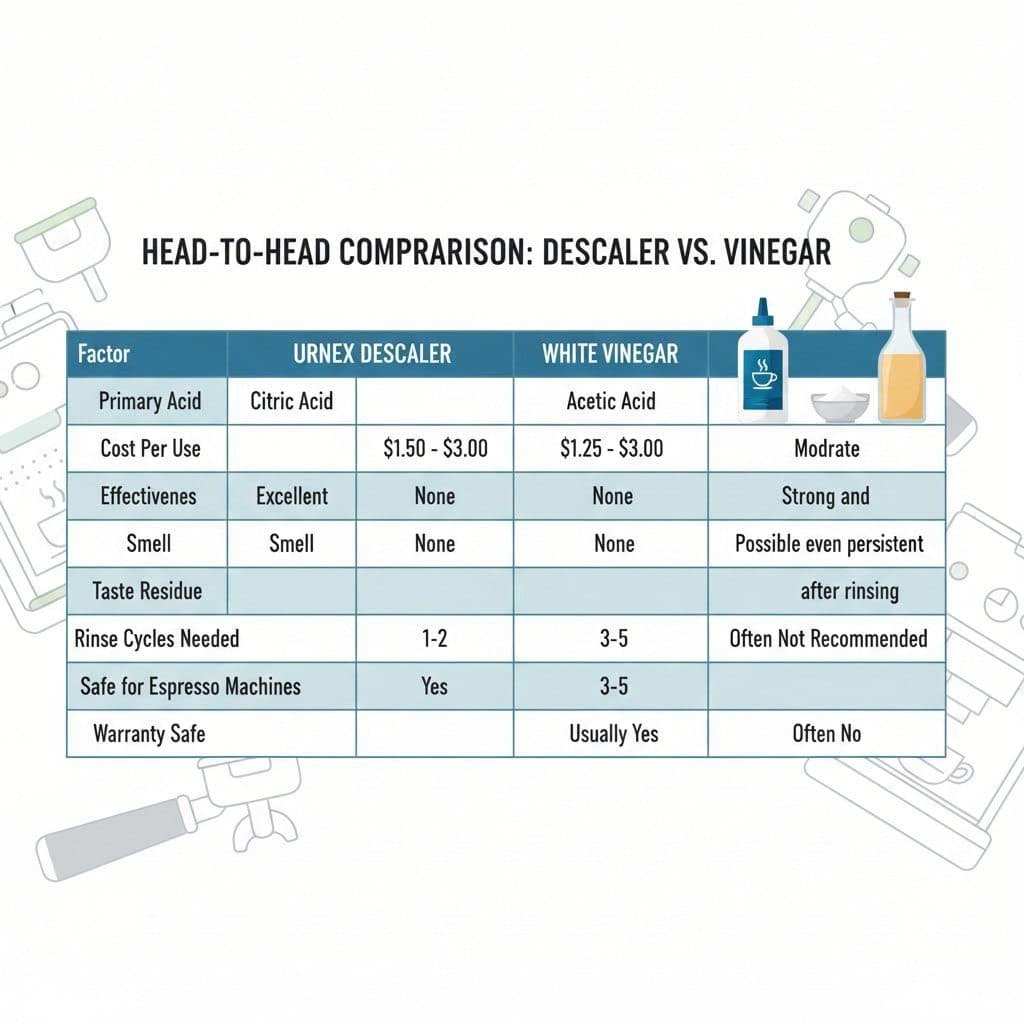
| Factor | Urnex Dezcal | White Vinegar |
|---|---|---|
| Primary Acid | Citric Acid | Acetic Acid |
| Cost Per Use | $1.50-$3.00 | $0.25-$0.50 |
| Effectiveness | Excellent | Moderate |
| Smell | None | Strong and persistent |
| Taste Residue | None | Possible even after rinsing |
| Rinse Cycles Needed | 1-2 | 3-5 |
| Safe for Espresso Machines | Yes | Often Not Recommended |
| Warranty Safe | Usually Yes | Often No |
Which Descaler Should You Use? A Practical Guide
Now for the practical advice. Your choice should depend on your specific equipment and priorities. Here’s my honest recommendation based on years of testing and many conversations with fellow coffee enthusiasts.
Use Urnex Dezcal If:
- You own an espresso machine with a boiler
- Your machine has a built-in grinder or milk system
- You’re sensitive to smells or tastes
- Your manufacturer recommends citric acid-based descalers
- You want to protect your warranty
- You’re dealing with heavy scale buildup
Real-world example: I once helped a friend troubleshoot her Breville Barista Express, which had been running poorly for months. She’d been using vinegar, and even after numerous rinse cycles, her shots tasted off. One Dezcal treatment and two rinses later, her espresso tasted normal again. The difference was night and day.
Vinegar Works Fine If:
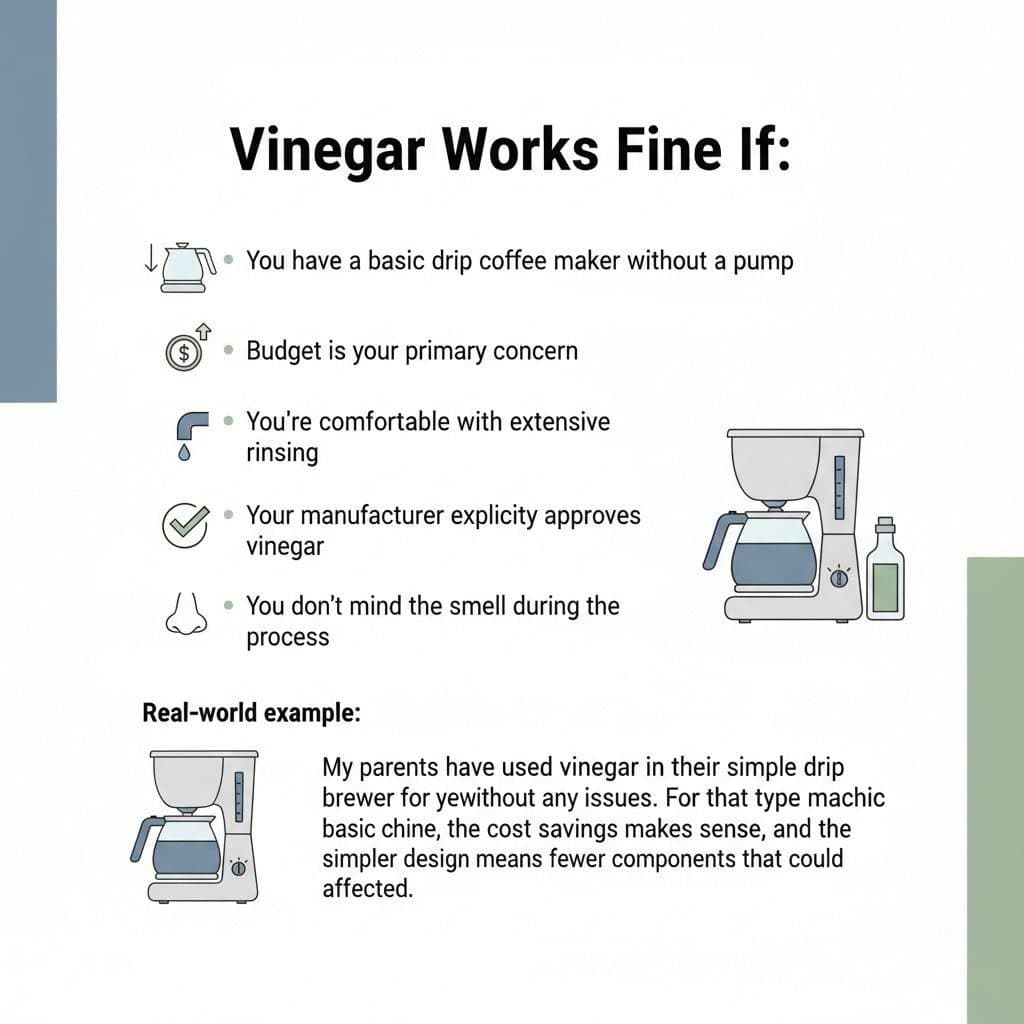
- You have a basic drip coffee maker without a pump
- Budget is your primary concern
- You’re comfortable with extensive rinsing
- Your manufacturer explicitly approves vinegar
- You don’t mind the smell during the process
Real-world example: My parents have used vinegar in their simple Mr. Coffee drip brewer for years without any issues. For that type of basic machine, the cost savings make sense, and the simpler design means fewer components that could be affected.
Descaling Best Practices
Whichever descaler you choose, following proper technique makes a significant difference. Here are the steps I recommend for best results.
Before You Start
- Check your machine’s manual for specific instructions
- Remove any coffee grounds, water filters, or pods
- Use fresh, room-temperature water
- Set aside 30-45 minutes for the complete process
During Descaling
- Follow the concentration ratios on the package (or 1:1 for vinegar)
- Run the solution through all water pathways, including the steam wand if applicable
- Let the solution sit for 15-20 minutes to work on stubborn deposits
- For espresso machines, run some solution through the group head as well
After Descaling
- Rinse with fresh water until no smell or taste remains
- For Dezcal, 1-2 full water tank cycles usually suffice
- For vinegar, plan on 3-5 rinse cycles minimum
- Make a test cup and discard it before drinking your next brew
Barista Tip: If you’re using vinegar and struggling to eliminate the smell, try adding a tablespoon of baking soda to your final rinse water. This helps neutralize any remaining acetic acid. Just be sure to rinse once more with plain water afterward.
Key Takeaway
The common misconception that “all descalers work the same” simply isn’t true. Different acids interact differently with machine components, and the rinse-ability of a descaling solution directly affects your coffee’s taste. While vinegar will remove scale, its tendency to linger and its potential to harm certain materials makes it a poor choice for quality coffee equipment.
Frequently Asked Questions
Can I use apple cider vinegar instead of white vinegar?
I don’t recommend it. Apple cider vinegar contains additional organic compounds and sugars that can leave residue inside your machine. If you’re going the vinegar route, stick with plain white distilled vinegar for the cleanest results.
How do I know when my machine needs descaling?
Watch for these warning signs: slower brewing times, weaker coffee despite using the same dose, unusual noises during heating, lukewarm water temperature, or visible white deposits around the water reservoir or spout. Most machines also have indicator lights that remind you when it’s time.
Is it safe to use Dezcal in a Keurig or Nespresso machine?
Yes, Urnex Dezcal is safe for both Keurig and Nespresso machines. In fact, Nespresso sells their own citric acid-based descaler that works similarly. Just follow the specific descaling mode instructions for your machine model.
Can I descale too often?
While descaling too frequently is unlikely to harm your machine, it’s unnecessary and wastes product. If you have soft water, every three to four months is usually sufficient. With hard water, monthly descaling may be appropriate. Test strips that measure water hardness can help you determine the right schedule.
Why does my coffee still taste off after descaling with vinegar?
This is one of the most common complaints about vinegar descaling. Acetic acid has a very low odor threshold, meaning tiny amounts are still detectable. You likely need more rinse cycles. If the taste persists after five or six rinses, consider switching to a citric acid-based descaler for your next treatment.
Final Thoughts and Recommendations
Life is too short for bad coffee, and that includes coffee affected by scale buildup or descaler residue. While I understand the appeal of using something you already have at home, investing a few dollars in proper descaler pays off in flavor quality and equipment longevity.
For most home baristas, especially those with espresso machines or any equipment with pumps and boilers, Urnex Dezcal or a similar citric acid-based descaler is the smarter choice. The slightly higher cost is offset by better performance, fewer rinse cycles, and zero taste impact. Save the vinegar for your salad dressing.
If you’ve been putting off descaling because you weren’t sure which product to use, now you have your answer. Pick up a packet of Dezcal, set aside half an hour this weekend, and give your machine the maintenance it deserves. Your future cups of coffee will thank you.



Comments