


Table of Contents
- Quick Verdict: Lifeboost Coffee
- Why Regular Coffee Can Trigger GERD and Acid Reflux
- Best Low-Acid Coffee Brands Compared
- Lifeboost Coffee – Premium Pick for Sensitive Stomachs
- Puroast Low Acid Coffee – Best Value Option
- Trucup Low Acid Coffee – Science-Backed Option
- Mommee Coffee – Gentle Caffeine Options
- Lucy Jo's Mellow Belly – Organic Dark Roast
- Tieman's Fusion Coffee – Added Digestive Support
- How to Choose the Right Low-Acid Coffee for Your Needs
- Consider Your Symptom Severity
- Think About Caffeine
- Brewing Methods That Reduce Acidity Further
- Additional Tips for Managing Coffee and GERD
- Conclusion: Finding Your Perfect Low-Acid Match
Quick Verdict: Lifeboost Coffee
After testing dozens of low-acid options and hearing from countless readers with sensitive stomachs, Lifeboost Coffee consistently comes out on top. It’s certified low-acid, single-origin, and shade-grown without pesticides. The taste is smooth and surprisingly complex for a stomach-friendly brew. If you’ve been avoiding coffee because of GERD symptoms, this is the brand that’s most likely to let you enjoy your morning cup again without the burn.
Runner-up: Puroast Low Acid Coffee offers excellent value if you’re watching your budget while still needing genuine acid reduction.
Why Regular Coffee Can Trigger GERD and Acid Reflux
If you’ve ever felt that familiar burning sensation creeping up your chest after your morning brew, you’re not imagining things. Coffee naturally contains acids—chlorogenic acid, quinic acid, and citric acid among others—that can irritate the stomach lining and relax the lower esophageal sphincter. When that sphincter relaxes, stomach acid can travel upward, causing heartburn and discomfort.
But here’s what many people don’t realize: it’s not just the acid content that matters. Caffeine itself can increase stomach acid production and trigger reflux symptoms. The roasting process, bean origin, and brewing method all play significant roles too.
Key Takeaway: Low-acid coffee isn’t just a marketing gimmick. Certain processing methods and bean selections can reduce acidity by up to 70%, making coffee genuinely more tolerable for sensitive digestive systems.
In my experience helping readers find stomach-friendly options, I’ve noticed that switching to a properly processed low-acid brand often makes the difference between giving up coffee entirely and enjoying it daily. Let’s look at which brands actually deliver on their promises.
Best Low-Acid Coffee Brands Compared
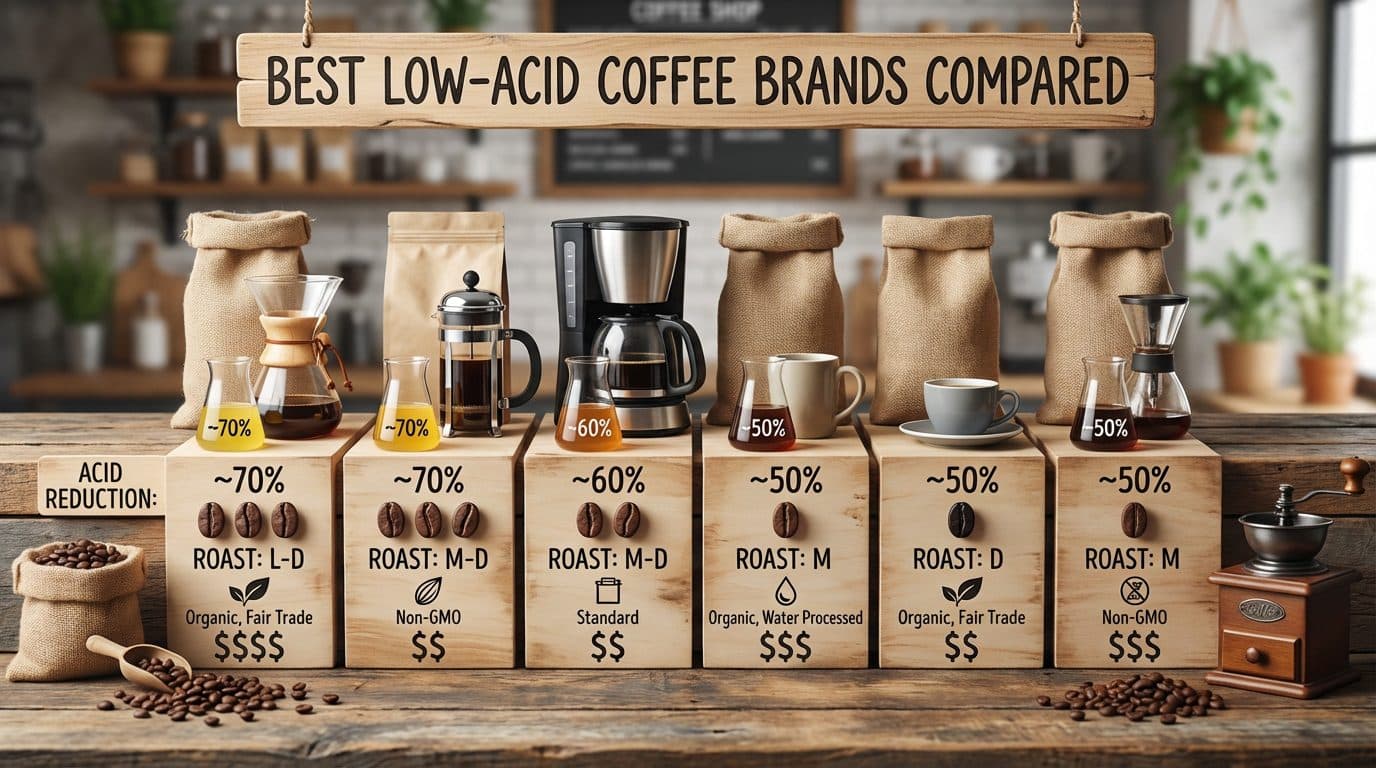
| Brand | Acid Reduction | Roast Options | Organic/Certified | Price Range |
|---|---|---|---|---|
| Lifeboost | ~70% | Light to Dark | Organic, Fair Trade | $$$$ |
| Puroast | ~70% | Medium to Dark | Non-GMO | $$ |
| Trucup | ~60% | Medium to Dark | Standard | $$ |
| Mommee Coffee | ~50% | Medium | Organic, Water Processed | $$$ |
| Lucy Jo’s | ~50% | Dark | Organic, Fair Trade | $$ |
| Tieman’s Fusion | ~50% | Medium | Non-GMO | $$$ |
Lifeboost Coffee – Premium Pick for Sensitive Stomachs
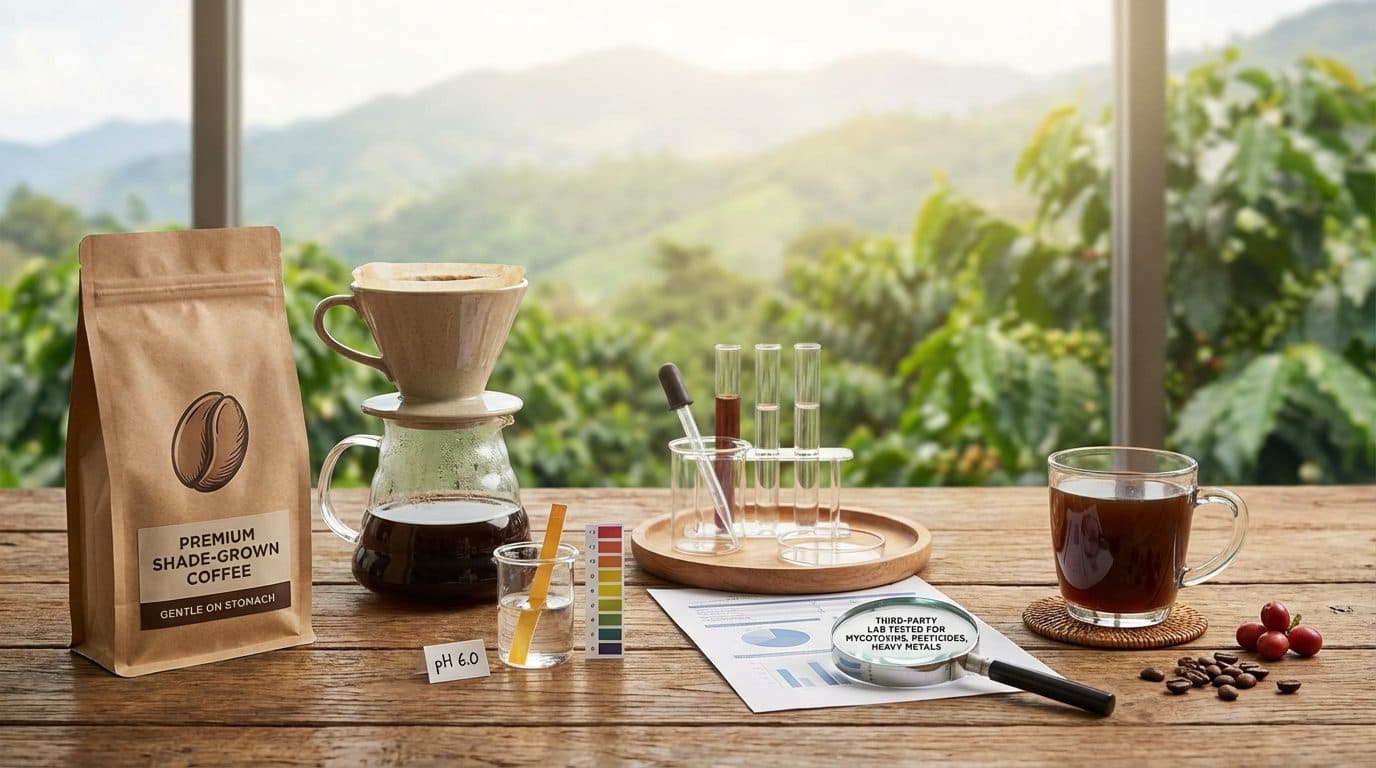
Lifeboost has built its entire brand around being gentle on the stomach while delivering exceptional flavor. Their beans are grown in the mountains of Nicaragua, shade-grown at high altitude, and processed using spring water. The result is a coffee that tests at a pH of around 6—significantly less acidic than typical coffee’s pH of 4.5 to 5.
What sets Lifeboost apart is their obsessive quality control. Every batch is third-party tested for mycotoxins, pesticides, and heavy metals. For GERD sufferers who are already dealing with inflammation, avoiding these contaminants is a genuine benefit.
Pros:
- Highest acid reduction among tested brands
- Excellent, smooth taste that doesn’t sacrifice flavor
- Certified organic and fair trade
- Multiple roast levels available including decaf
- Third-party tested for purity
Cons:
- Premium price point (roughly $30-40 per bag)
- Only available online
- Limited variety compared to mainstream brands
Who is this for? Coffee lovers with moderate to severe GERD who want the best possible experience and don’t mind paying for quality. Also ideal for anyone wanting organic, ethically sourced beans.
Who is this NOT for? Budget-conscious shoppers or those who need instant availability at local stores.
Check the latest price on Amazon or the Lifeboost website for current deals.
Puroast Low Acid Coffee – Best Value Option
Puroast uses a proprietary roasting method that claims to reduce acid by 70% while actually increasing antioxidant levels. I’ve found their claims hold up in practice—readers consistently report fewer symptoms compared to regular coffee.
The flavor profile leans toward smooth and nutty without the bitter edge that some low-acid coffees develop. Their Venezuelan-style roasting process creates a surprisingly rich taste for such a stomach-friendly option.
Pros:
- Significantly cheaper than premium low-acid brands
- Available at many grocery stores and Amazon
- Good variety including K-cups and ground options
- Genuinely effective acid reduction
Cons:
- Not organic or fair trade certified
- Some users find the flavor slightly less complex
- Dark roasts can taste a bit over-roasted
Who is this for? Daily coffee drinkers who need affordable, accessible low-acid coffee without the premium price tag.
Who is this NOT for? Coffee purists seeking single-origin complexity or those requiring organic certification.
Trucup Low Acid Coffee – Science-Backed Option
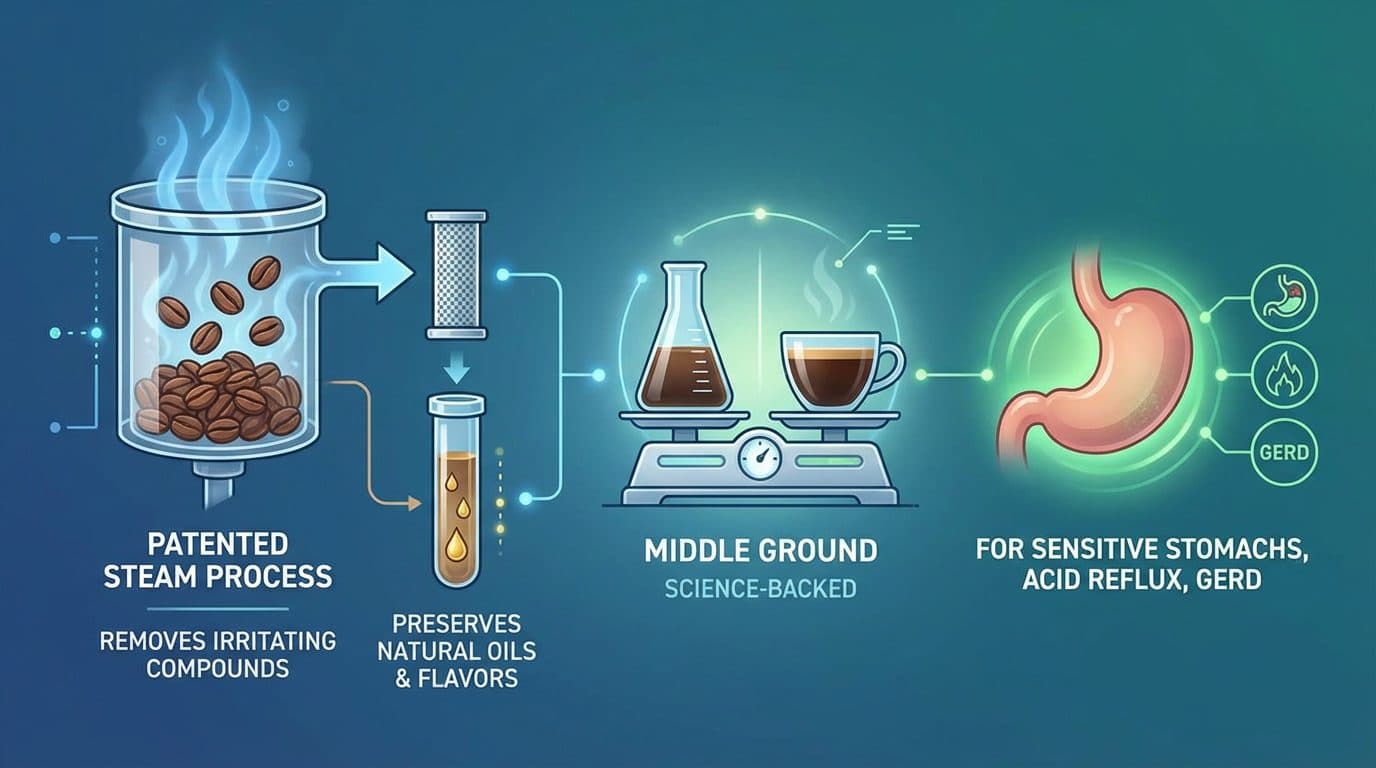
Trucup takes a different approach. Instead of relying solely on roasting techniques, they use a patented steam process that removes irritating compounds while preserving the coffee’s natural oils and flavors. Their coffee is marketed specifically for people with acid reflux, GERD, and sensitive stomachs.
In my experience, Trucup lands in the middle ground—more affordable than Lifeboost but with more scientific backing than some competitors. The taste is clean and smooth, though some coffee enthusiasts might find it a bit mild.
Pros:
- Patented acid-reduction process with research backing
- Reasonable price point
- Consistent quality across batches
- Available in multiple formats
Cons:
- Flavor can be slightly muted compared to regular coffee
- Limited roast options
- Not as widely available in stores
Mommee Coffee – Gentle Caffeine Options
Originally designed for pregnant and nursing mothers, Mommee Coffee has become a favorite among GERD sufferers because it offers something unique: quarter-caf and half-caf options with low acid. Since caffeine itself can trigger reflux, having precise caffeine control is incredibly valuable.
Their beans are organic, water-processed for decaffeination, and specifically selected for low acidity. The result is a coffee that’s gentle in multiple ways.
Pros:
- Precise caffeine level options (full, half, quarter, decaf)
- Organic and chemical-free processing
- Smooth, approachable flavor
Cons:
- Higher price for specialty options
- Limited roast variety
- May be too mild for those who like bold coffee
Who is this for? Anyone who suspects caffeine is contributing to their reflux symptoms and wants to gradually reduce intake while staying low-acid.
Lucy Jo’s Mellow Belly – Organic Dark Roast
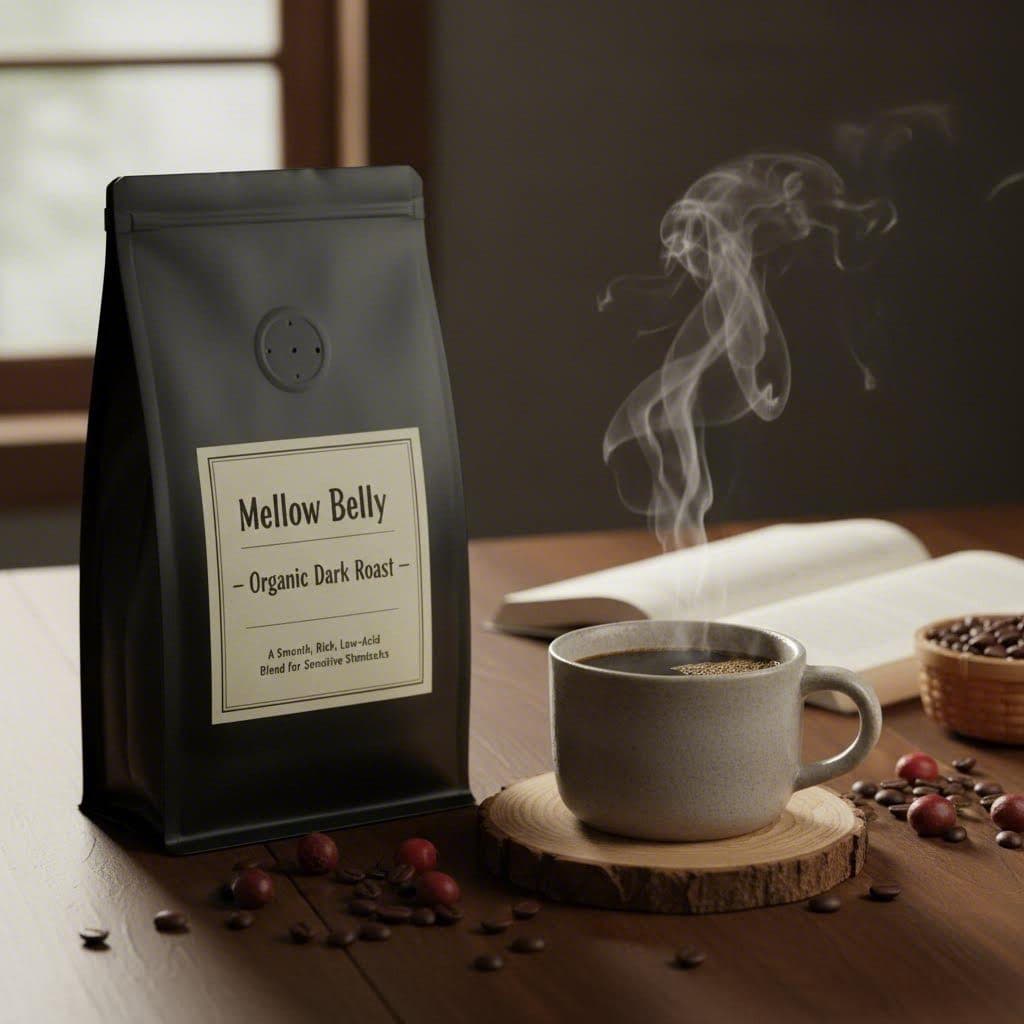
Lucy Jo’s Mellow Belly blend combines Indonesian beans naturally low in acid with a dark roasting process that further reduces acidity. The result is a smooth, rich cup that won’t aggravate sensitive stomachs.
What I appreciate about this brand is their transparency—they’re clear about using naturally low-acid beans rather than relying on post-processing techniques alone.
Pros:
- Certified organic and fair trade
- Uses naturally low-acid bean varieties
- Rich, full-bodied flavor for a low-acid option
- Reasonable price for organic coffee
Cons:
- Only dark roast available in the low-acid line
- Acid reduction less dramatic than processed alternatives
Tieman’s Fusion Coffee – Added Digestive Support
Tieman’s takes a unique approach by adding Matcha green tea, Rooibos red tea, and Goji berry powder to their coffee blend. These additions not only reduce acidity but also add antioxidants that may help soothe the digestive system.
The taste is distinctive—you can detect subtle earthy notes from the added ingredients. Some people love it; others find it strays too far from traditional coffee.
Pros:
- Added antioxidants and digestive benefits
- Smooth, low-acid profile
- Unique flavor experience
Cons:
- Doesn’t taste like traditional coffee
- More expensive than standard low-acid options
- Added ingredients may not suit everyone
How to Choose the Right Low-Acid Coffee for Your Needs
Selecting the best low-acid coffee for GERD isn’t just about buying whatever claims the lowest acidity. Your individual triggers, taste preferences, and budget all matter. Here’s how to narrow down your choice.
Consider Your Symptom Severity
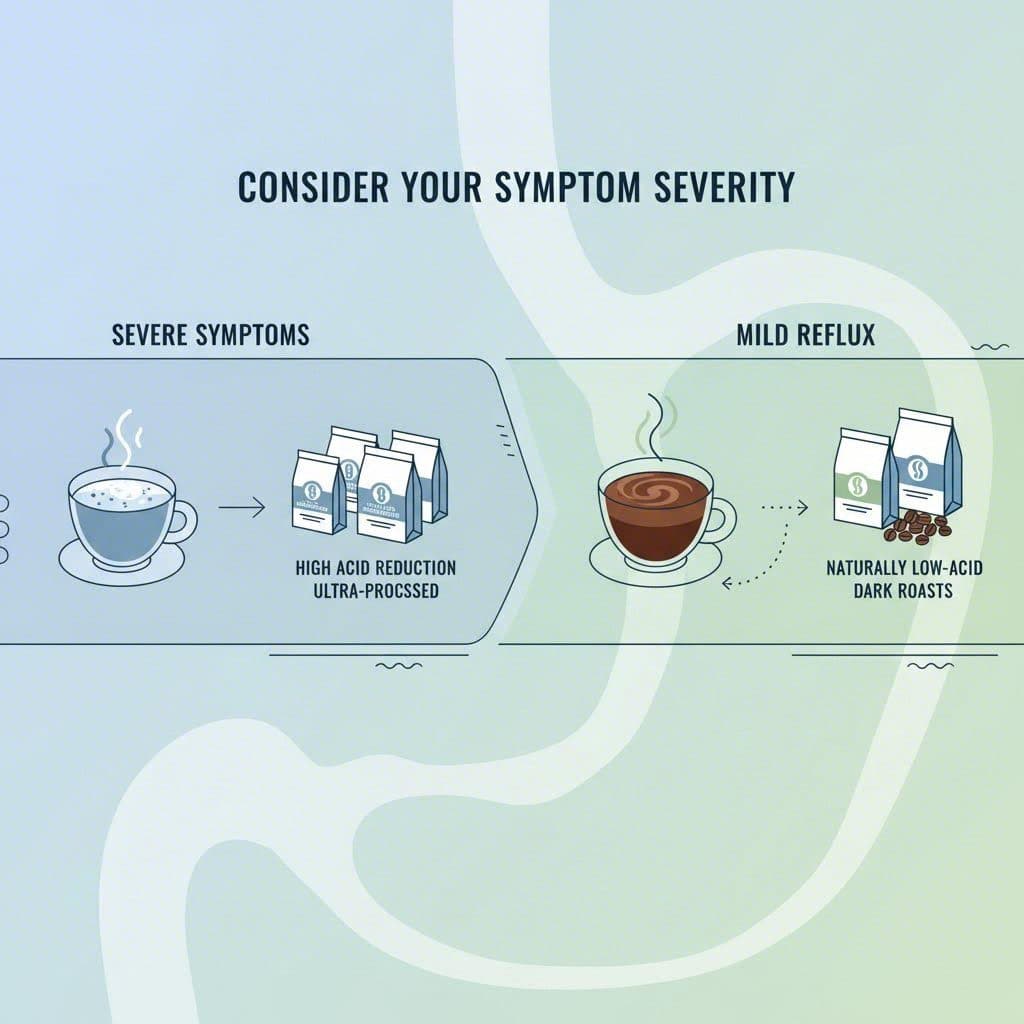
If you experience severe GERD symptoms, start with the most aggressively processed low-acid options like Lifeboost or Puroast. These offer the highest acid reduction and give you the best chance of tolerating coffee without symptoms.
For mild reflux, naturally low-acid options like Lucy Jo’s or dark roasts from any quality brand might be sufficient. You can always move to more processed options if needed.
Think About Caffeine
Here’s something many people overlook: caffeine can be just as problematic as acid for GERD sufferers. If you notice symptoms even with low-acid coffee, try switching to a decaf version of your favorite low-acid brand. Mommee Coffee’s gradual caffeine reduction options are perfect for testing this theory.
Barista Tip: Cold brewing any low-acid coffee reduces acidity by an additional 50-60%. If hot coffee still bothers you, try cold brewing your low-acid beans for the gentlest possible cup.
Brewing Methods That Reduce Acidity Further
Your brewing method matters almost as much as your beans. Some approaches extract fewer acids than others:
- Cold brew: Produces the lowest-acid coffee possible
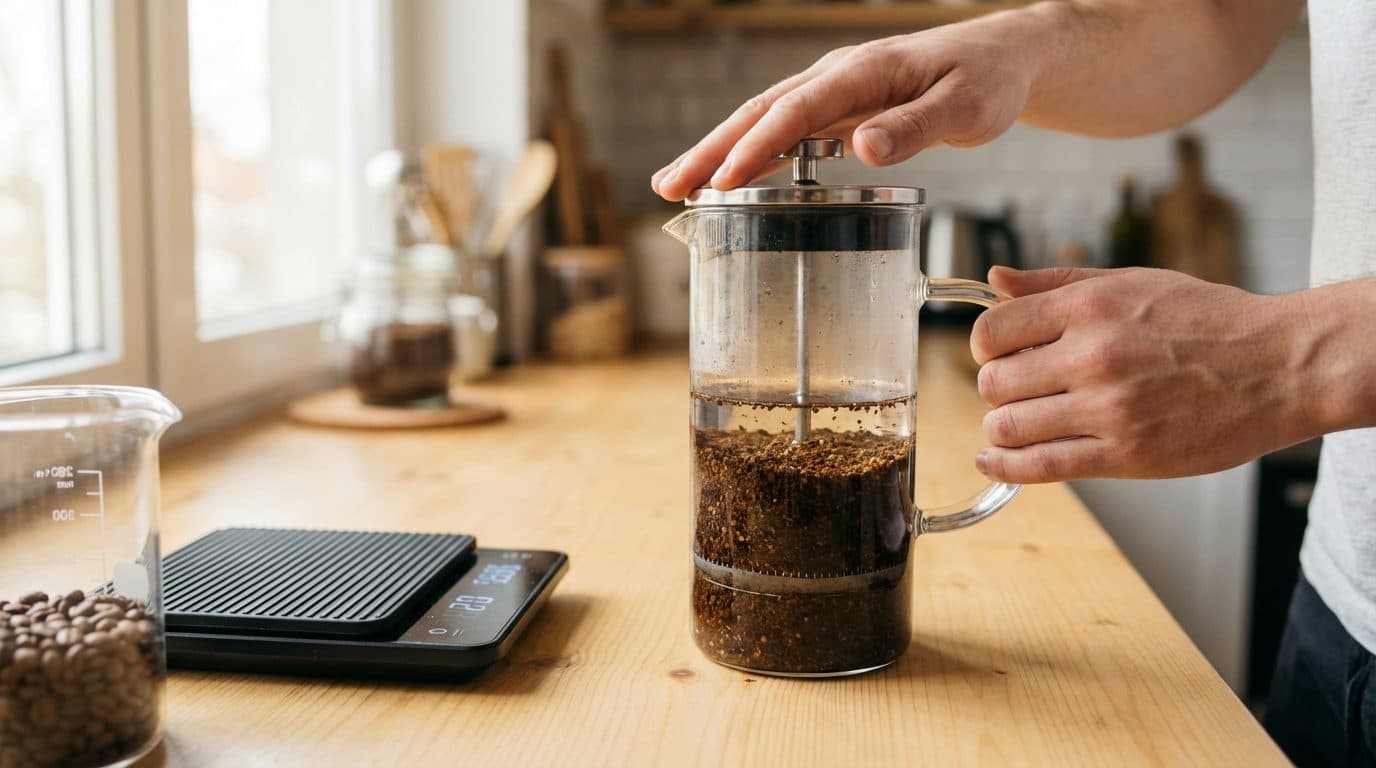
- French press: Medium acid extraction with a fuller body
- Pour over: Can be adjusted for lower acid with coarser grind and shorter brew time
- Espresso: Shorter contact time means less acid extraction despite concentration
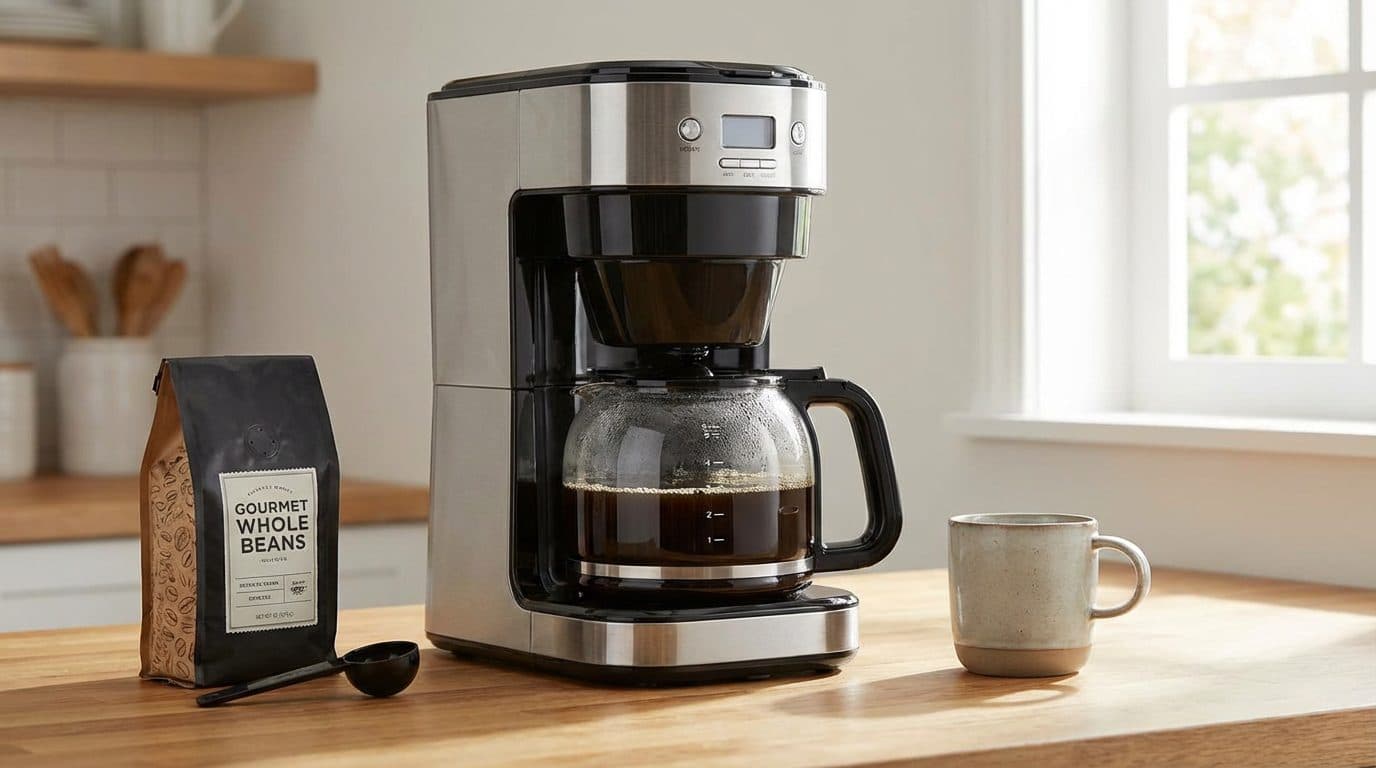
Avoid percolators and automatic drip machines that keep coffee warming on a hot plate—the prolonged heat increases acidity over time.
Additional Tips for Managing Coffee and GERD
Even with the best low-acid coffee brand, a few additional strategies can help minimize symptoms:
- Never drink coffee on an empty stomach. Food acts as a buffer and reduces irritation
- Avoid drinking coffee within 3 hours of bedtime. Lying down makes reflux worse
- Add a splash of milk or non-dairy creamer. The calcium and fats help neutralize acid
- Skip the sugar. It can increase acid production in the stomach
- Limit yourself to 1-2 cups daily. Even low-acid coffee can cause problems in large quantities
Life is too short for bad coffee, but it’s also too short to spend in discomfort. Finding your personal balance between enjoyment and tolerance is worth the effort.
Important note: This information is general in nature. If you experience persistent GERD symptoms, consult with a gastroenterologist. Chronic acid reflux can lead to serious complications, and dietary changes alone may not be sufficient treatment.
Conclusion: Finding Your Perfect Low-Acid Match
For most GERD sufferers, Lifeboost Coffee offers the best combination of genuine acid reduction, excellent taste, and quality ingredients. Yes, it’s a premium option, but when you’re dealing with a condition that affects your daily comfort, investing in the best makes sense.
If budget is a primary concern, Puroast delivers impressive acid reduction at a fraction of the price and is widely available. Start here if you’re new to low-acid coffee and want to test the waters.
For caffeine-sensitive individuals, Mommee Coffee provides unique flexibility that no other brand matches. And if you prefer organic, naturally low-acid options, Lucy Jo’s Mellow Belly offers excellent value.
The key is experimentation. I’d suggest ordering small quantities of 2-3 brands from this list and tracking your symptoms over a week or two with each. Your body will tell you which one works best. Many readers have successfully returned to enjoying their morning ritual after finding the right low-acid coffee—and there’s no reason you can’t do the same.
See current deals on these low-acid coffee brands at Amazon, or visit each brand’s website for subscription discounts that can make premium options more affordable.

Comments