


Table of Contents
- Quick Verdict: The Best Coffee for Aeropress
- Why the Right Coffee Beans Matter for Aeropress Brewing
- What Makes Coffee Beans "Aeropress-Friendly"
- Best Coffee for Aeropress by Roast Level
- Light Roast Coffee for Aeropress
- Medium Roast Coffee for Aeropress
- Dark Roast Coffee for Aeropress
- Aeropress Coffee Comparison: Origins and Flavor Profiles
- Who Is Each Coffee Type For?
- Ethiopian or Kenyan Light Roasts Are For You If:
- Ethiopian or Kenyan Light Roasts Are NOT For You If:
- Colombian or Guatemalan Medium Roasts Are For You If:
- Brazilian or Sumatran Dark Roasts Are For You If:
- Tips for Getting the Most From Your Aeropress Coffee
- Frequently Asked Questions
- Can I use pre-ground coffee in my Aeropress?
- How fine should I grind coffee for Aeropress?
- Is expensive coffee worth it for Aeropress?
- Should I use single-origin or blends in my Aeropress?
- What's the best coffee for Aeropress espresso-style brewing?
- Conclusion: Finding Your Perfect Aeropress Coffee
Have you ever made an Aeropress brew that tasted absolutely magical, only to struggle recreating it with a different bag of beans? You’re not alone. The Aeropress is one of the most versatile brewing devices out there, but choosing the best coffee for Aeropress can make or break your morning cup. I’ve spent years experimenting with countless origins, roasts, and processing methods through my trusty Aeropress, and I’m here to share what actually works.
In this guide, you’ll discover which coffee beans bring out the best flavors in your Aeropress, why roast level matters more than you might think, and my top recommendations for different taste preferences. Whether you prefer bright, fruity notes or deep, chocolatey richness, there’s a perfect match waiting for you.
Quick Verdict: The Best Coffee for Aeropress
Winner: Ethiopian Yirgacheffe (Light to Medium Roast)
If I had to pick just one coffee to brew in my Aeropress for the rest of my life, it would be a quality Ethiopian Yirgacheffe. The Aeropress’s clean extraction and full immersion method highlight the complex floral and fruity notes that Ethiopian beans are famous for. The result is a bright, tea-like cup with stunning clarity that showcases everything the Aeropress does best.
That said, the “best” coffee depends entirely on your taste preferences. Keep reading for recommendations across every flavor profile.
Why the Right Coffee Beans Matter for Aeropress Brewing
The Aeropress is unique among brewing methods. It combines immersion brewing (like a French press) with pressure extraction (like espresso, though much gentler). This hybrid approach creates a remarkably clean cup while extracting rich, full flavors. In short, the Aeropress is incredibly forgiving but also has the potential to produce exceptional results with the right beans.
What Makes Coffee Beans “Aeropress-Friendly”
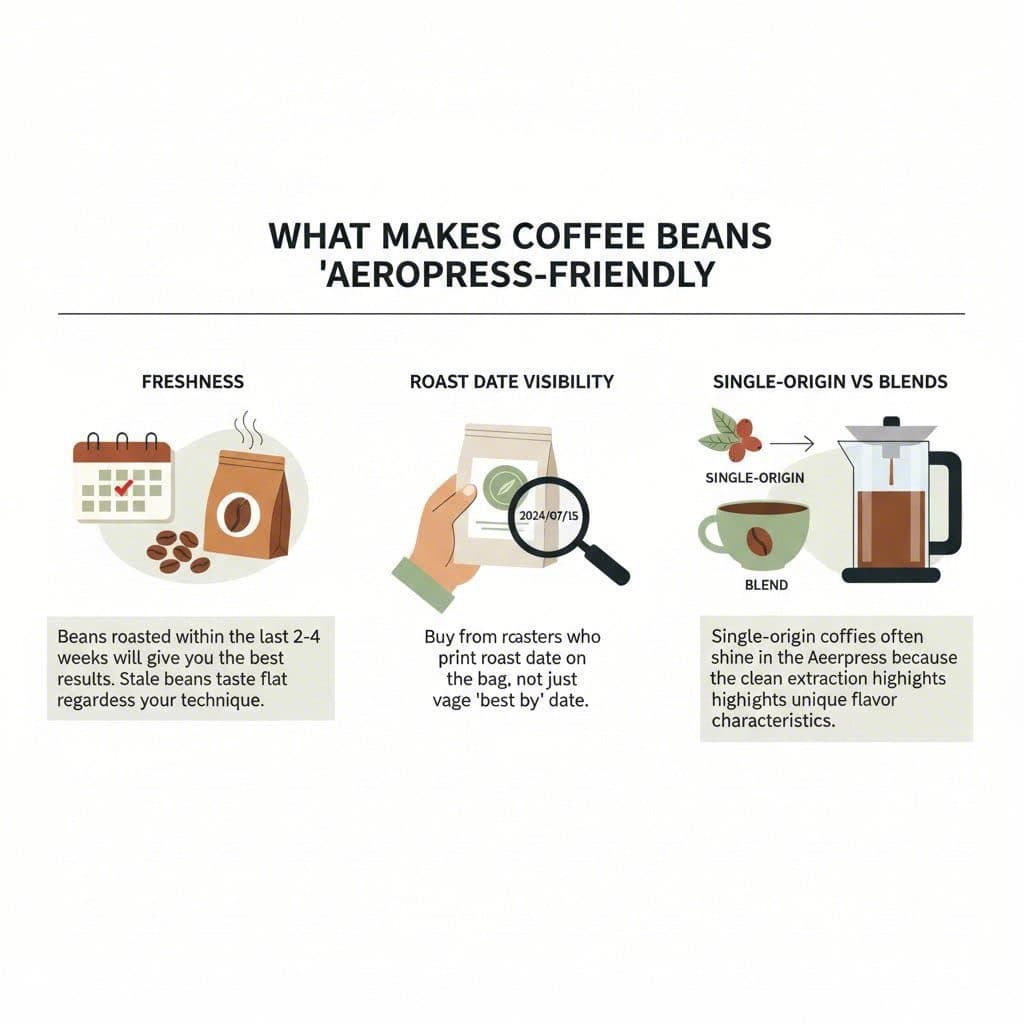
Not all beans perform equally in an Aeropress. Here’s what to look for:
- Freshness: Beans roasted within the last 2-4 weeks will give you the best results. Stale beans taste flat regardless of your technique.
- Roast date visibility: Buy from roasters who print the roast date on the bag, not just a vague “best by” date.
- Single-origin vs. blends: Single-origin coffees often shine in the Aeropress because the clean extraction highlights unique flavor characteristics.
- Processing method: Washed coffees tend to produce cleaner, brighter cups, while natural-processed beans offer fruitier, more complex flavors.
I’ve found that medium-fine ground coffee works best for most Aeropress recipes. However, don’t be afraid to experiment. That’s half the fun of owning this device.
Best Coffee for Aeropress by Roast Level
Your preferred roast level will significantly impact which beans work best for you. Let me break down each category with specific recommendations.
Light Roast Coffee for Aeropress
Light roasts are where the Aeropress truly shines. The brewing method’s clean extraction allows delicate floral, fruity, and tea-like notes to come through without the bitterness that can occur with other methods.
Top picks for light roast lovers:
- Ethiopian Yirgacheffe: Blueberry, jasmine, and citrus notes with a silky body.
- Kenyan AA: Bright acidity with blackcurrant and tomato-like savory notes.
- Panama Geisha: Expensive but extraordinary—expect tropical fruit and floral complexity.
Barista Tip: When brewing light roasts, use water at around 90-92°C (194-198°F) and extend your brew time slightly to ensure proper extraction.
Medium Roast Coffee for Aeropress
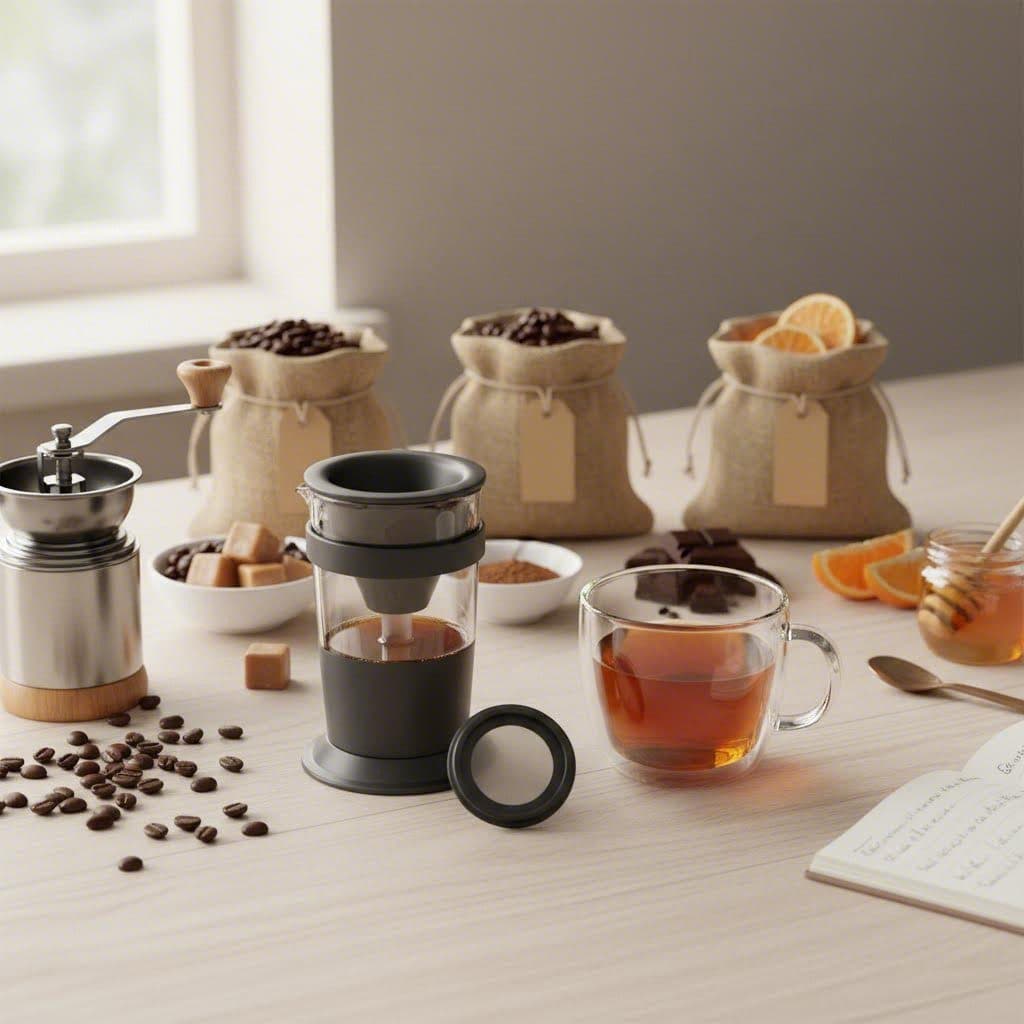
Medium roasts offer the best of both worlds: you get origin characteristics plus some caramelization sweetness from the roasting process. These are often the crowd-pleasers.
Top picks for medium roast lovers:
- Colombian Supremo: Balanced with caramel sweetness, nutty undertones, and mild citrus acidity.
- Guatemalan Antigua: Chocolate, spice, and subtle smokiness with medium body.
- Costa Rican Tarrazú: Clean, bright, with honey sweetness and citrus notes.
In my experience, medium roasts are perfect for Aeropress beginners. They’re forgiving and produce consistently enjoyable cups without requiring precise technique adjustments.
Dark Roast Coffee for Aeropress
While I personally prefer lighter roasts in my Aeropress, dark roasts can work wonderfully—especially if you’re after that bold, intense flavor profile reminiscent of espresso.
Top picks for dark roast lovers:
- Sumatra Mandheling: Earthy, herbal, with low acidity and heavy body.
- Brazilian Santos: Nutty, chocolatey, with a smooth, creamy finish.
- Italian or French Roast Blends: Smoky, bold, and intense—great for Aeropress “espresso-style” recipes.
Barista Tip: For dark roasts, lower your water temperature to around 85-88°C (185-190°F) to avoid over-extraction and bitterness.
Aeropress Coffee Comparison: Origins and Flavor Profiles
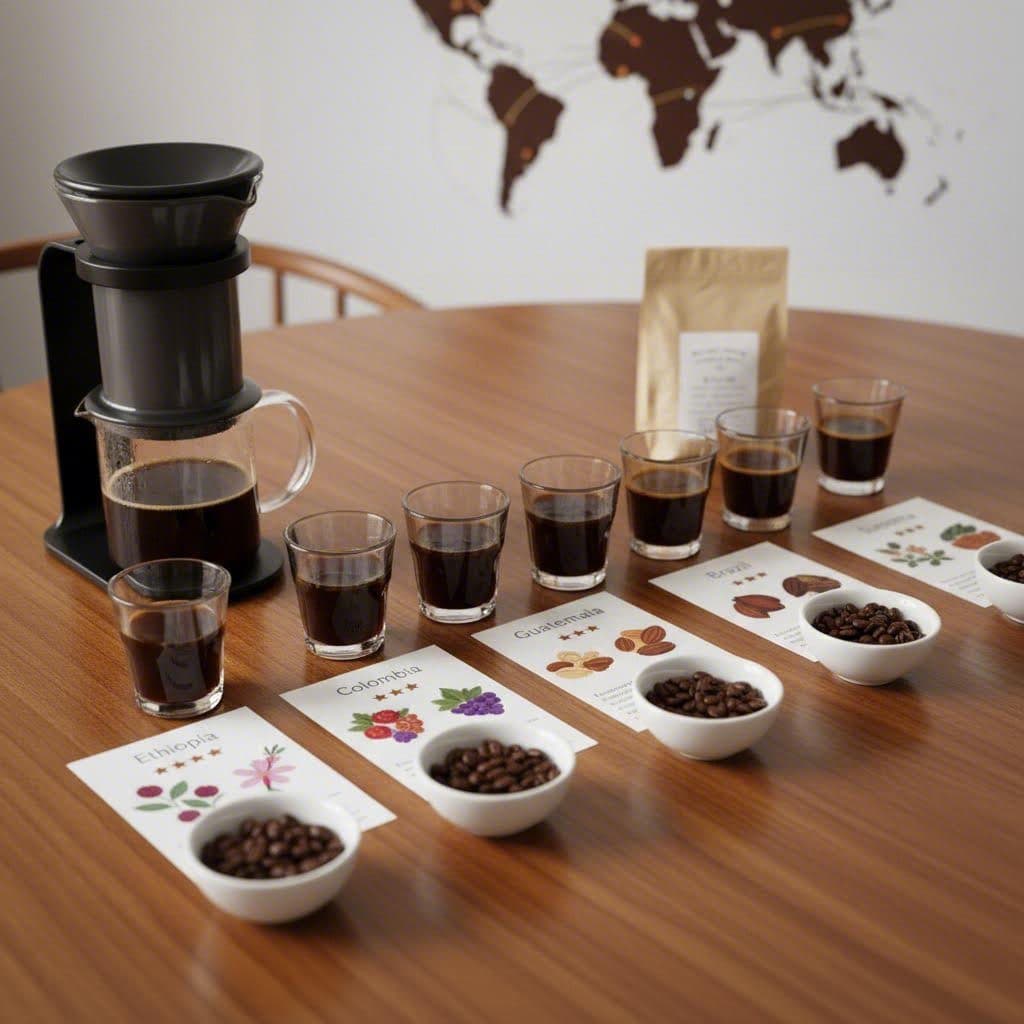
To help you choose, here’s a quick comparison of popular coffee origins and how they perform in an Aeropress:
| Origin | Flavor Profile | Best Roast Level | Aeropress Rating |
|---|---|---|---|
| Ethiopia | Floral, fruity, tea-like | Light to Medium | ★★★★★ |
| Kenya | Bright, berry, wine-like | Light to Medium | ★★★★★ |
| Colombia | Balanced, nutty, caramel | Medium | ★★★★☆ |
| Guatemala | Chocolate, spice, smoky | Medium to Dark | ★★★★☆ |
| Brazil | Nutty, chocolate, low acidity | Medium to Dark | ★★★★☆ |
| Sumatra | Earthy, herbal, heavy body | Dark | ★★★☆☆ |
Who Is Each Coffee Type For?
Choosing the best coffee for Aeropress depends on your personal preferences. Here’s a quick guide to help you decide.
Ethiopian or Kenyan Light Roasts Are For You If:
- You enjoy tea-like, delicate cups
- Fruity and floral notes excite you
- You appreciate complexity and nuance
- You drink your coffee black
Ethiopian or Kenyan Light Roasts Are NOT For You If:
- You prefer bold, smoky, or bitter flavors
- You always add milk or cream to your coffee
- Bright acidity bothers your stomach
Colombian or Guatemalan Medium Roasts Are For You If:
- You want a balanced, approachable cup
- You’re new to specialty coffee
- You enjoy both black coffee and coffee with milk
- You prefer sweeter, nutty, or chocolatey flavors
Brazilian or Sumatran Dark Roasts Are For You If:
- You love bold, intense coffee
- You use the Aeropress to make espresso-style drinks
- You prefer low acidity and heavy body
- You’re making lattes or adding milk regularly
Tips for Getting the Most From Your Aeropress Coffee

Even the best coffee for Aeropress won’t taste great if your technique is off. Here are some practical tips I’ve learned over years of brewing:
- Grind fresh: Invest in a quality burr grinder. Pre-ground coffee loses flavor within days of grinding.
- Dial in your grind size: Start with medium-fine (slightly finer than table salt) and adjust based on taste.
- Use good water: Filtered water makes a noticeable difference. Avoid distilled water—it tastes flat.
- Experiment with ratios: Start with 15g of coffee to 200ml of water and adjust to your preference.
- Try the inverted method: Many Aeropress enthusiasts (myself included) prefer brewing inverted for better control over steep time.
Key Takeaway: The Aeropress rewards experimentation. Don’t be afraid to try different beans, grind sizes, and brew times until you find your perfect cup.
Frequently Asked Questions
Can I use pre-ground coffee in my Aeropress?
You can, but freshly ground coffee will always produce better results. If you must use pre-ground, look for bags specifically labeled for drip or filter brewing. Espresso grind is too fine and will result in over-extraction and bitterness.
How fine should I grind coffee for Aeropress?
Medium-fine is the general recommendation—somewhere between espresso and pour-over grind. If your coffee tastes sour and weak, grind finer. If it’s bitter and harsh, grind coarser. Your taste buds are the best guide.
Is expensive coffee worth it for Aeropress?
The Aeropress is excellent at highlighting quality differences between beans. If you’ve never tried specialty-grade coffee, the Aeropress is the perfect device to experience what you’ve been missing. That said, there are many affordable specialty coffees that taste fantastic.
Should I use single-origin or blends in my Aeropress?
Both work well, but single-origin coffees often shine brighter because the clean extraction showcases unique characteristics. Blends can be great for consistency and balanced flavor profiles, especially if you prefer milk-based drinks.
What’s the best coffee for Aeropress espresso-style brewing?
For concentrated, espresso-like shots, choose medium to dark roasted Brazilian or Colombian beans. Use a finer grind, less water, and a shorter brew time to create that intense, syrupy texture.
Conclusion: Finding Your Perfect Aeropress Coffee
The best coffee for Aeropress ultimately comes down to your personal taste preferences. Light roasted Ethiopian or Kenyan beans showcase the Aeropress’s ability to produce clean, complex cups with stunning clarity. Medium roasts from Colombia or Guatemala offer approachable balance that works for almost everyone. And dark roasts from Brazil or Sumatra deliver the bold, intense flavors that espresso lovers crave.
My advice? Start with a quality single-origin coffee in a roast level you typically enjoy. Pay attention to freshness—buy from roasters who display roast dates. And most importantly, experiment. The Aeropress is one of the most forgiving and versatile brewers available, so use that to your advantage.
Life is too short for bad coffee. With the right beans in your Aeropress, every morning can feel like a café experience. Check the latest prices on specialty coffee subscriptions or local roasters, and start exploring the incredible world of Aeropress brewing today.



Comments