



Table of Contents
- Quick Verdict: Flat White vs. Latte
- What's the Difference Between a Flat White and a Latte?
- Espresso Shots and Ratio
- Milk Texture and Foam
- Size Matters
- Who Is Each Drink For?
- The Flat White Is For You If:
- The Flat White Is NOT For You If:
- The Latte Is For You If:
- The Latte Is NOT For You If:
- How to Replicate the Starbucks Flat White at Home
- What You'll Need
- Step-by-Step Instructions
- How to Replicate the Starbucks Latte at Home
- What You'll Need
- Step-by-Step Instructions
- Common Mistakes to Avoid
- Using the Wrong Milk
- Overheating the Milk
- Ignoring Espresso Quality
- Rushing the Process
- Frequently Asked Questions
- Does a flat white have more caffeine than a latte?
- Can I make a flat white or latte without an espresso machine?
- Is a flat white stronger than a latte?
- What milk alternative works best for these drinks?
- Why does my homemade version taste different from Starbucks?
- Conclusion: Which Should You Make at Home?
You’re standing in line at Starbucks, staring at the menu, and wondering: what’s the actual difference between a flat white and a latte? They both have espresso and milk, they look almost identical, and yet they taste surprisingly different. More importantly, can you make both at home without spending $6 every morning? The answer is a resounding yes—and I’m going to show you exactly how.
In this guide, we’ll break down the Starbucks flat white vs. latte debate once and for all. You’ll learn what makes each drink unique, which one suits your taste preferences, and how to replicate both in your own kitchen. Life is too short for bad coffee, so let’s get this right.
Quick Verdict: Flat White vs. Latte
The Flat White wins if you want a stronger, more espresso-forward drink with velvety microfoam. It’s smaller, bolder, and punches above its weight in terms of coffee flavor. The latte takes the crown if you prefer a milkier, mellower experience that’s perfect for sipping slowly.
In short: choose the flat white for intensity, choose the latte for smoothness and size. Now let’s dig into why.
What’s the Difference Between a Flat White and a Latte?
On the surface, these drinks seem almost identical. Both combine espresso with steamed milk. But the devil is in the details, and those details make all the difference in your cup.
Espresso Shots and Ratio
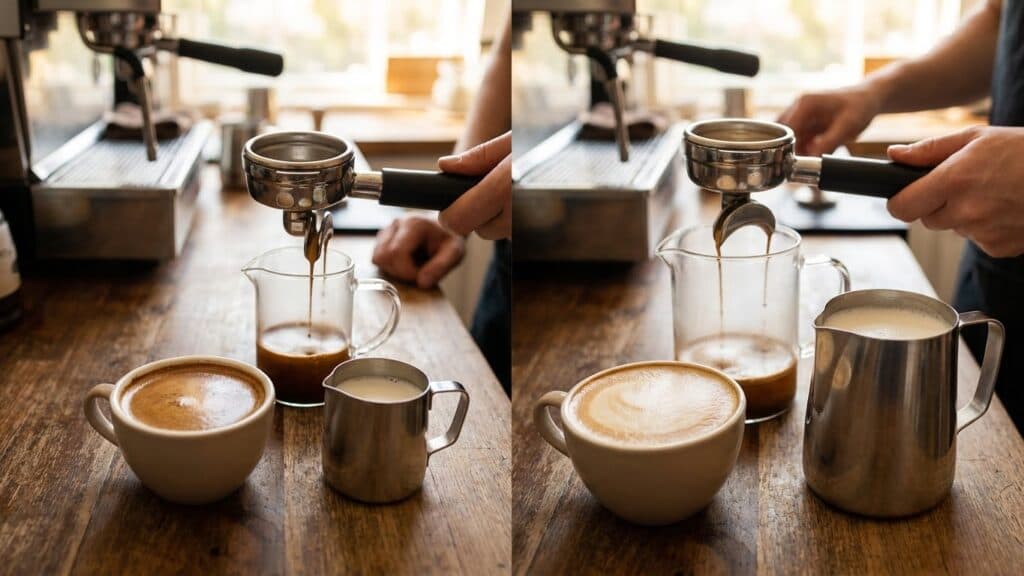
At Starbucks, a flat white is made with ristretto shots—a shorter, more concentrated extraction of espresso. This creates a sweeter, more intense coffee flavor. A latte uses standard espresso shots, which are slightly larger and have a more balanced bitterness.
The flat white also has a higher coffee-to-milk ratio. Even though it’s served in a smaller cup, the espresso really stands out. In a latte, the milk takes center stage, creating a gentler coffee experience.
Milk Texture and Foam
This is where the magic happens. A flat white features microfoam—milk steamed to a silky, velvety consistency with tiny, barely-visible bubbles. It blends seamlessly with the espresso, creating a smooth, unified drink.
A latte has more foam on top, usually about half an inch to an inch of airy, lighter froth. This gives you that classic layered look and a different mouthfeel with each sip.
Size Matters
Starbucks serves flat whites in smaller sizes (short and tall are most authentic), while lattes come in all sizes up to venti. This size difference directly impacts how strong the drink tastes. A tall flat white packs more punch than a tall latte simply because there’s less milk diluting the espresso.
| Feature | Flat White | Latte |
|---|---|---|
| Espresso Type | Ristretto (concentrated) | Standard espresso |
| Milk Texture | Velvety microfoam | Steamed milk + foam layer |
| Coffee-to-Milk Ratio | Higher (stronger) | Lower (milkier) |
| Typical Size | Smaller (8-12 oz) | Larger (12-20 oz) |
| Flavor Profile | Bold, sweet, espresso-forward | Smooth, mellow, milk-forward |
Who Is Each Drink For?
Choosing between a flat white and a latte isn’t about which drink is “better”—it’s about what you’re craving and what fits your coffee personality.
The Flat White Is For You If:

- You love tasting the espresso and don’t want it hidden by milk
- You prefer smaller, more concentrated drinks
- You appreciate a silky, smooth texture without too much foam
- You want something that feels like a “real” coffee experience
The Flat White Is NOT For You If:
- You find straight espresso too intense or bitter
- You like to nurse a large drink for an extended period
- You enjoy the contrast of foam and liquid in your cup
The Latte Is For You If:
- You prefer a gentler, more approachable coffee flavor
- You like customizing with syrups and flavors (vanilla, caramel, etc.)
- You want a larger drink to sip throughout your morning
- You enjoy the visual appeal of latte art and foam
The Latte Is NOT For You If:
- You feel like your coffee tastes too watered down
- You want maximum caffeine impact in minimal liquid
- You’re trying to reduce your milk intake
How to Replicate the Starbucks Flat White at Home
Ready to become your own barista? Let me walk you through exactly how to make a flat white that rivals Starbucks—and honestly, tastes even better because you made it yourself.
What You’ll Need
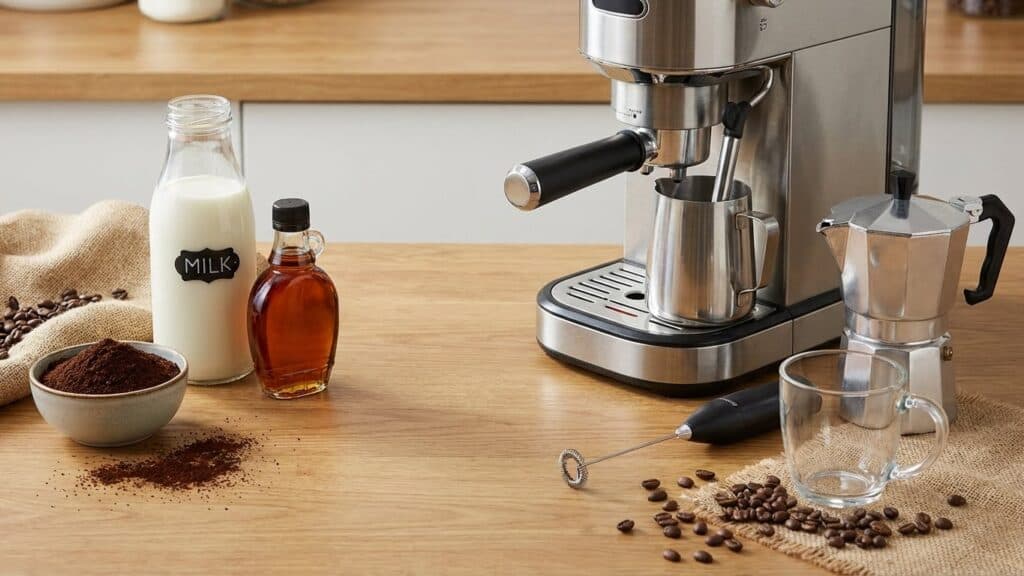
Ingredients:
- 18-20 grams of finely ground espresso beans (medium-dark roast works best)
- 6-8 oz whole milk (or oat milk for a dairy-free option)
Gear:
- Espresso machine with steam wand (or Moka pot + milk frother as budget alternative)
- Milk pitcher
- 6-8 oz cup or glass
- Kitchen thermometer (optional but helpful)
Step-by-Step Instructions
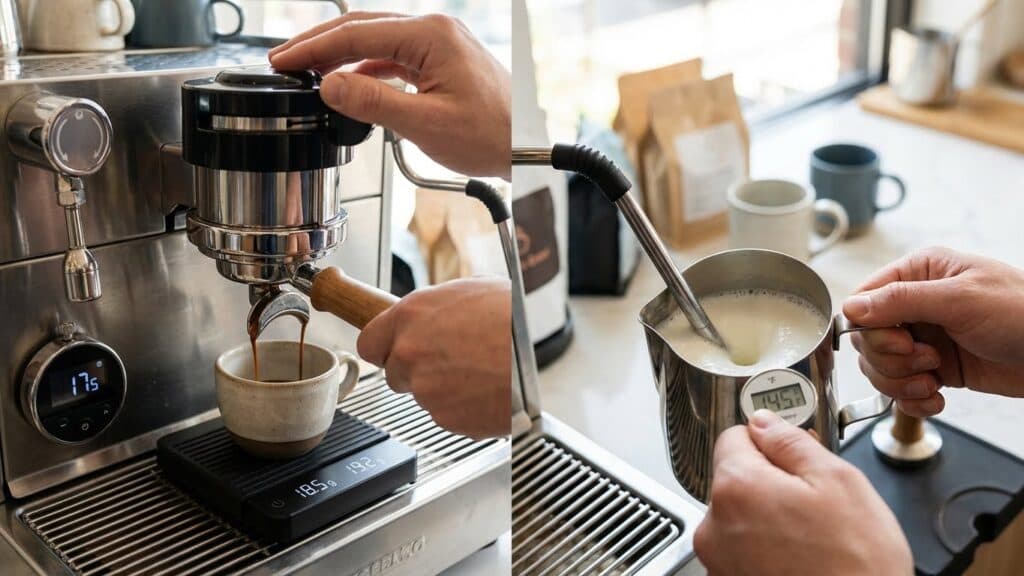
- Pull your ristretto shots. Use the same amount of coffee as a regular espresso (18-20g) but extract only about 15-20ml of liquid per shot. Stop the extraction early—around 15-20 seconds instead of 25-30. You’ll get a sweeter, more concentrated shot.
- Steam your milk to microfoam perfection. Submerge the steam wand just below the surface of the milk. You want to hear a gentle “paper tearing” sound, not loud screeching. Steam until the pitcher is uncomfortable to hold (around 140-150°F). The milk should look like wet paint—glossy and smooth with no visible bubbles.
- Swirl and tap. After steaming, swirl the pitcher gently and tap it on the counter once or twice. This breaks any larger bubbles and integrates the foam with the milk.
- Pour with intention. Start pouring slowly from a height, then bring the pitcher closer to the cup as you pour. This helps the microfoam blend with the espresso rather than sitting on top.
- Enjoy immediately. Flat whites are best consumed fresh when the temperature and texture are perfect.
Barista Tip: In my experience, the biggest mistake home baristas make is over-aerating the milk. For a flat white, less foam is more. You want that liquid silk, not a fluffy cloud.
Taste Profile: Expect a bold, sweet espresso flavor with hints of caramel and chocolate, balanced by creamy, velvety milk. The coffee should be the star, not a background player.
How to Replicate the Starbucks Latte at Home
The latte is slightly more forgiving than the flat white, making it a great starting point if you’re new to home espresso. Here’s how to nail it every time.
What You’ll Need
Ingredients:
- 18-20 grams of medium or medium-dark roast coffee, finely ground
- 10-12 oz whole milk (or your preferred milk alternative)
- Optional: flavored syrup of your choice
Gear:
- Espresso machine or Moka pot
- Steam wand or handheld milk frother
- Milk pitcher
- 12-16 oz mug or glass
Step-by-Step Instructions
- Pull a standard double espresso. Extract for about 25-30 seconds, yielding roughly 2 oz (60ml) of espresso. The shot should have a nice layer of crema on top.
- Add syrup now (if using). Pour any flavored syrup directly into the espresso before adding milk. This allows it to mix properly. One to two pumps is usually enough for a balanced sweetness.
- Steam your milk with more foam. This time, keep the steam wand tip at the surface a bit longer to incorporate more air. You want about half an inch of light, airy foam on top of your steamed milk. Aim for 150-160°F.
- Pour the milk over the espresso. Hold back the foam with a spoon at first, pouring the liquid milk to combine with the espresso. Then spoon the foam on top.
- Optional: Try latte art. If you’re feeling ambitious, pour the milk in a steady stream and wiggle the pitcher at the end to create a simple heart or rosetta.
Barista Tip: I’ve found that slightly overheating your milk for a latte (compared to a flat white) actually works well here. The extra warmth helps if you’re sipping slowly or adding cold syrup.
Taste Profile: Creamy, smooth, and comforting with a subtle coffee presence. The milk sweetness shines through, and the foam adds a light, airy finish.
Common Mistakes to Avoid
Even with the right technique, a few common errors can sabotage your homemade flat white or latte. Here’s what to watch out for.
Using the Wrong Milk
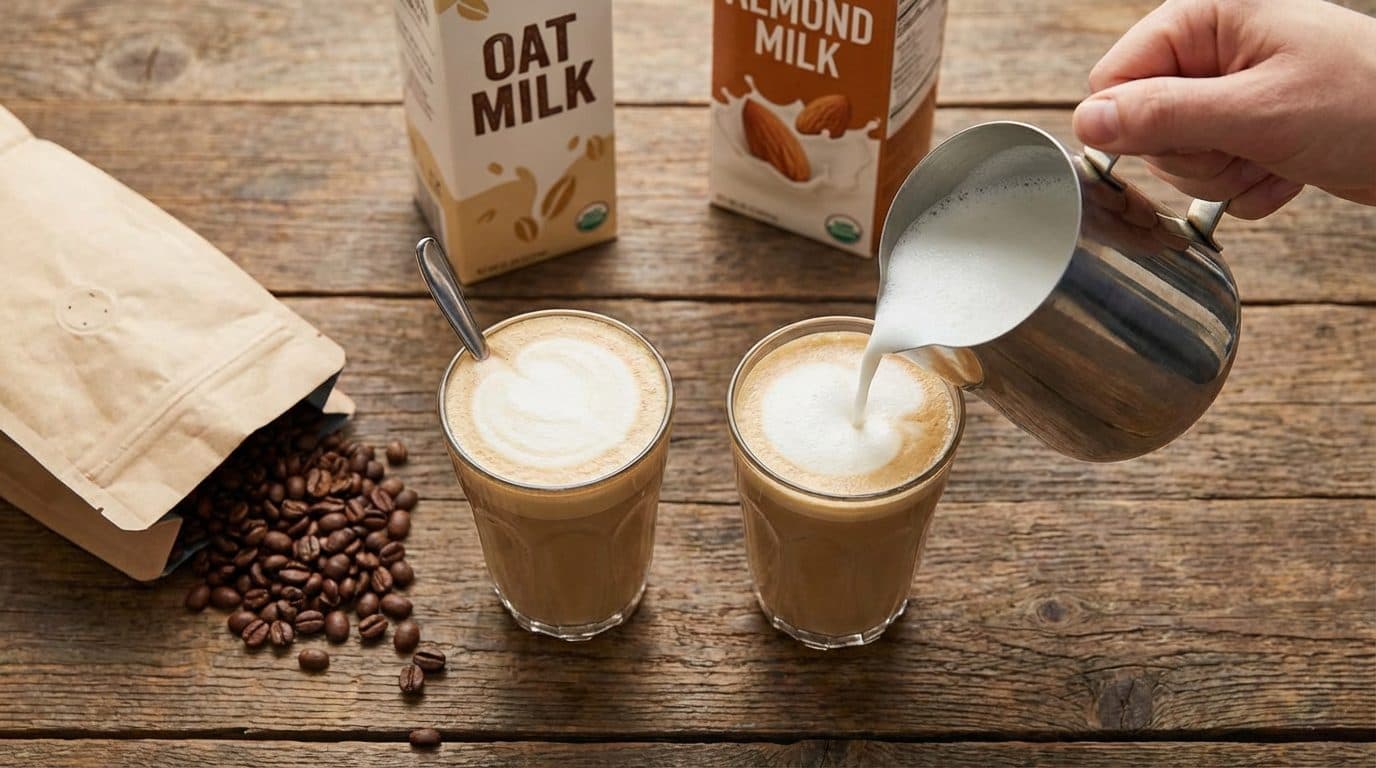
Whole milk steams best and creates the creamiest texture. Skim milk gets too foamy too quickly and lacks body. If you’re using plant-based milk, barista-blend oat milk is your best friend—it steams similarly to dairy and has a naturally sweet flavor.
Overheating the Milk
Milk that exceeds 160°F starts to taste scorched and loses its natural sweetness. Use a thermometer until you can judge temperature by touch. When the pitcher feels too hot to hold comfortably, you’re in the right zone.
Ignoring Espresso Quality
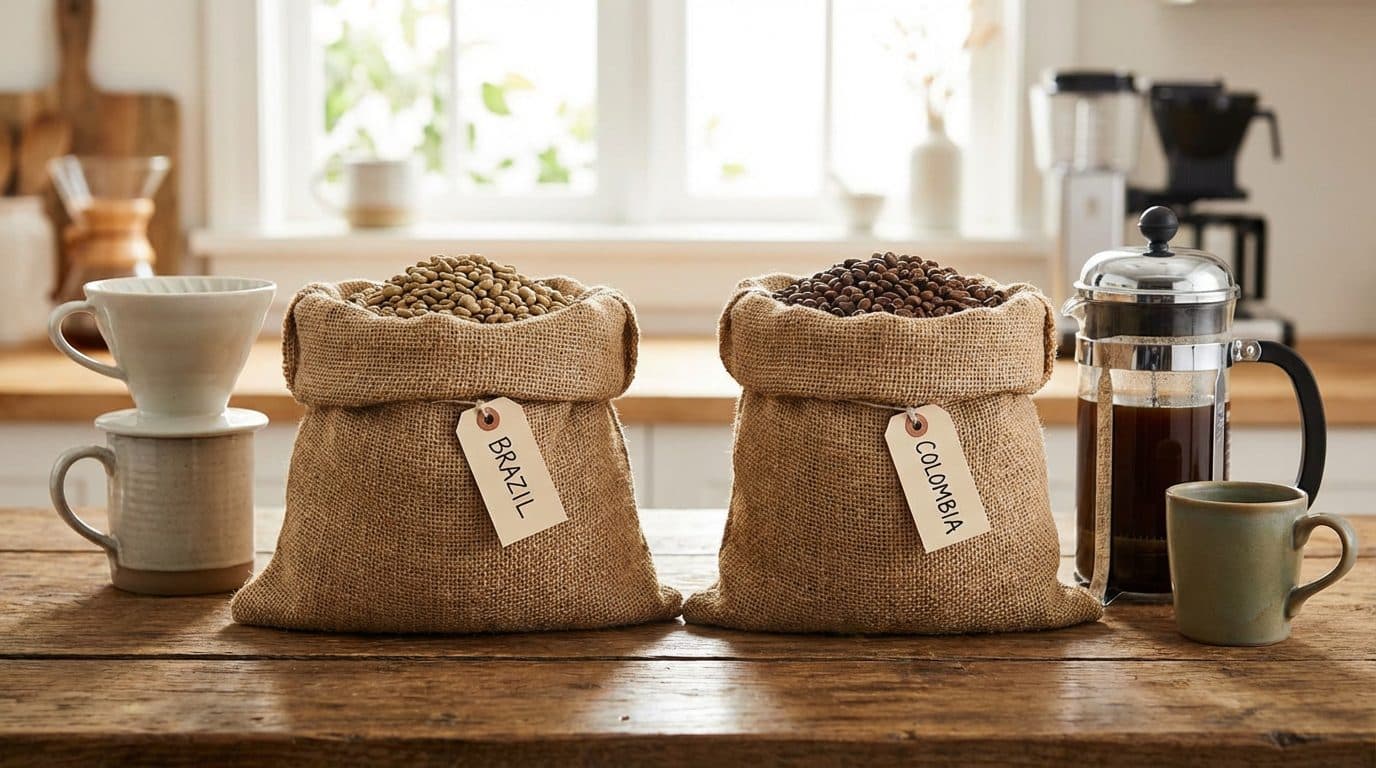
Your milk work can be flawless, but if your espresso is sour, bitter, or weak, the drink won’t taste right. Invest in fresh beans (roasted within the last 2-4 weeks), grind right before brewing, and dial in your extraction time.
Rushing the Process
Good coffee takes patience. Let your espresso machine warm up properly. Take your time steaming. Enjoy the ritual—that’s half the reason we love making coffee at home in the first place.
Frequently Asked Questions
Does a flat white have more caffeine than a latte?
Not necessarily. Both typically contain two shots of espresso at Starbucks. However, ristretto shots (used in the flat white) actually contain slightly less caffeine than standard espresso shots because of the shorter extraction time. The difference is minimal though—you’ll get a similar caffeine boost from either drink.
Can I make a flat white or latte without an espresso machine?
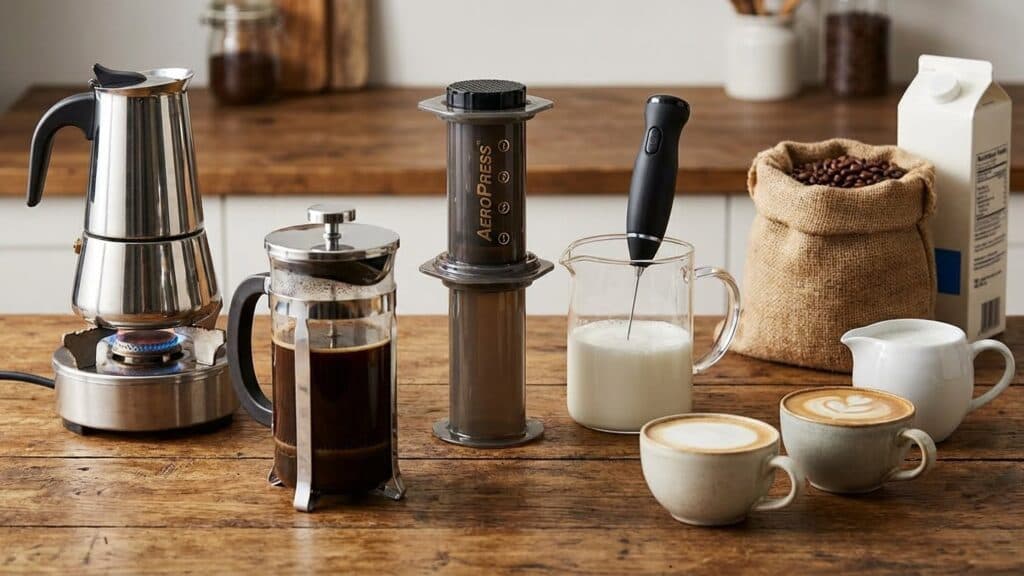
You can get close using a Moka pot or AeroPress for a strong coffee base. For milk, a handheld frother or French press can create decent foam. It won’t be identical to a true espresso-based drink, but it can still taste great.
Is a flat white stronger than a latte?
In terms of taste, yes—the flat white tastes stronger because it has less milk diluting the espresso. The ristretto shots also provide a more concentrated coffee flavor. Both drinks have similar caffeine content, but the flat white delivers a bolder experience.
What milk alternative works best for these drinks?
Oat milk (especially barista blends) steams beautifully and has a creamy, slightly sweet taste that complements espresso well. Almond milk can work but tends to be thinner and harder to foam. Coconut milk adds a unique flavor but doesn’t create great microfoam.
Why does my homemade version taste different from Starbucks?
Several factors could be at play: the roast profile of your beans, water quality, espresso extraction, and milk steaming technique all contribute. Starbucks uses a specific blend and calibrated equipment. Focus on dialing in your variables one at a time, and you’ll get there.
Conclusion: Which Should You Make at Home?
Both the flat white and latte have earned their place on the Starbucks menu—and in your home coffee rotation. The flat white offers an intense, espresso-forward experience wrapped in silky microfoam. The latte provides comfort, versatility, and a larger canvas for flavor customization.
In my experience, learning to make both drinks teaches you essential barista skills. Start with the latte if you’re a beginner—it’s more forgiving with milk texture. Once you’ve mastered that, challenge yourself with the flat white’s precise microfoam and ristretto shots.
By following the steps in this guide, you can enjoy café-quality drinks every morning without the wait or the price tag. So fire up that espresso machine, grab your milk pitcher, and start experimenting. Your perfect homemade flat white or latte is just a few practice sessions away. Check the latest prices on espresso equipment if you’re ready to upgrade your setup, and happy brewing!


Comments