


Table of Contents
- Quick Verdict: Traditional Brewer
- Pod Coffee Machine vs Traditional Brewer: Key Differences at a Glance
- Taste and Coffee Quality: Where Traditional Brewing Shines
- The Pod Machine Taste Trade-Off
- Cost Comparison: The Long-Term Math
- Hidden Costs to Consider
- Convenience and Speed: Where Pod Machines Win
- Traditional Brewing: A Small Time Investment
- Environmental Impact: A Growing Concern
- Who Is a Pod Coffee Machine For?
- Who Is a Pod Coffee Machine NOT For?
- Who Is a Traditional Brewer For?
- Who Is a Traditional Brewer NOT For?
- Pros and Cons Summary
- Pod Coffee Machine
- Traditional Brewer
- Conclusion: Which Makes Better Coffee at Home?
You’re standing in your kitchen, staring at your old coffee maker, wondering if it’s time for an upgrade. Or maybe you’re setting up your first home coffee station and can’t decide between the sleek simplicity of a pod machine or the classic charm of a traditional brewer. Life is too short for bad coffee, and this decision matters more than you might think. Let’s break down the pod coffee machine vs traditional brewer debate so you can finally brew with confidence.
In this comparison, I’ll walk you through taste differences, cost per cup, convenience factors, and help you figure out which brewing method actually fits your lifestyle. Spoiler alert: there’s no universal winner here—but there’s definitely a winner for you.
Quick Verdict: Traditional Brewer
If you prioritize taste quality and long-term savings, a traditional brewer wins this matchup. However, if your mornings are chaotic and you value speed above all else, a pod coffee machine might be your best friend. In my experience, most home baristas who care about their cup eventually gravitate toward traditional brewing—but pod machines have their place.
Pod Coffee Machine vs Traditional Brewer: Key Differences at a Glance
| Factor | Pod Coffee Machine | Traditional Brewer |
|---|---|---|
| Brew Time | 30 seconds – 1 minute | 4 – 10 minutes |
| Cost Per Cup | $0.40 – $1.10 | $0.10 – $0.30 |
| Taste Control | Limited | High |
| Coffee Freshness | Pre-ground, sealed | Fresh ground possible |
| Environmental Impact | Higher (plastic/aluminum pods) | Lower (paper filters, compostable) |
| Batch Size | Single cup | 1 – 12 cups |
Taste and Coffee Quality: Where Traditional Brewing Shines
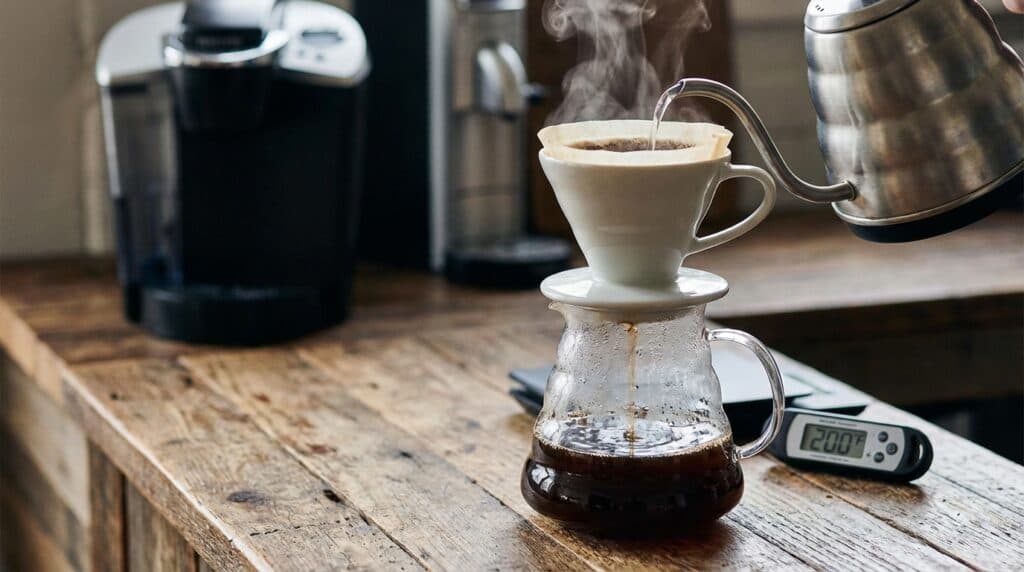
Here’s the truth I’ve learned after years of testing both methods: traditional brewers generally produce better-tasting coffee. The reason comes down to extraction science and freshness.
Traditional drip coffee makers heat water to the ideal brewing temperature of 195–205°F and allow it to flow through your grounds over several minutes. This slower extraction pulls out the complex flavors, oils, and aromatics that make coffee taste rich and satisfying. You also have complete control over your grind size, coffee-to-water ratio, and bean selection.
The Pod Machine Taste Trade-Off
Pod machines sacrifice some taste quality for convenience. The coffee inside pods is pre-ground, which means it starts losing freshness the moment it’s packaged—even in those sealed capsules. The brewing process is also faster and uses pressurized water, which can result in a thinner body compared to traditional drip coffee.
That said, premium pod systems have improved significantly. Many coffee enthusiasts report that higher-end pod machines produce a decent cup that beats poorly made drip coffee. In short: a pod machine with quality pods beats a traditional brewer with stale, pre-ground supermarket coffee.
Barista Tip: If you go traditional, invest in a burr grinder and grind your beans fresh each morning. This single upgrade transforms your coffee more than any expensive machine ever could.
Cost Comparison: The Long-Term Math
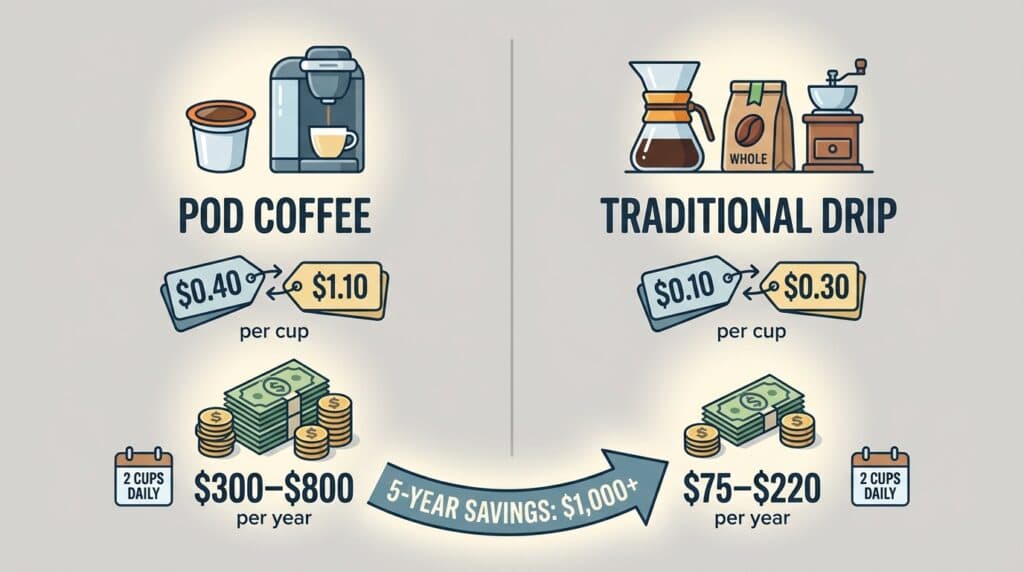
Let’s talk money, because this is where the pod coffee machine vs traditional brewer debate gets interesting. According to recent pricing data, here’s what you’re looking at:
- Pod coffee: $0.40 to $1.10 per cup, depending on brand and pod type
- Traditional drip coffee: $0.10 to $0.30 per cup with quality whole beans
If you drink two cups daily, that’s roughly $300–$800 per year on pods versus $75–$220 per year on traditional coffee. Over five years, you could save $1,000 or more by choosing a traditional brewer—even accounting for the cost of a decent grinder.
Hidden Costs to Consider
Pod machines often lock you into a specific brand’s ecosystem. Some systems use proprietary pods, limiting your options and keeping prices higher. Traditional brewers, on the other hand, let you buy beans from any roaster, shop sales, and experiment freely.
I’ve found that many people underestimate how quickly pod costs add up. That $0.70 pod doesn’t feel expensive until you realize you’ve spent $500 on coffee capsules in a single year.
Convenience and Speed: Where Pod Machines Win
Let’s be honest—pod machines exist because they’re incredibly convenient. Pop in a pod, press a button, and you have coffee in under a minute. No measuring, no grinding, no cleanup beyond tossing the used capsule.
For busy households, parents with young kids, or anyone who needs caffeine before they can function as a human being, this convenience is genuinely valuable. I’ve recommended pod machines to friends who were drinking gas station coffee every morning simply because they couldn’t handle the extra steps of traditional brewing before work.
Traditional Brewing: A Small Time Investment
A traditional drip coffee maker isn’t exactly complicated, but it does require more involvement:
- Grinding beans (1–2 minutes if using a grinder)
- Measuring coffee and water
- Waiting 5–10 minutes for brewing
- Cleaning the carafe and filter basket
Many traditional brewers now include programmable timers, so you can set everything up the night before and wake up to fresh coffee. This closes the convenience gap considerably.
Environmental Impact: A Growing Concern
If sustainability matters to you, traditional brewing is the clear winner. Most pod machines generate significant plastic or aluminum waste. While some brands offer recycling programs, the reality is that billions of pods end up in landfills each year.
Traditional brewers use paper filters (compostable) or reusable metal filters. Your coffee grounds can go straight into the compost bin. The environmental footprint is dramatically smaller.
Some pod users switch to reusable pod capsules that you fill with your own ground coffee. This reduces waste but also eliminates much of the convenience advantage that made pods attractive in the first place.
Who Is a Pod Coffee Machine For?
- Busy professionals who need coffee fast with zero fuss
- Households where different people prefer different coffee types
- Office environments or guest rooms
- Anyone who values convenience over cost and taste optimization
- Light coffee drinkers (1 cup per day or less)
Who Is a Pod Coffee Machine NOT For?
- Coffee enthusiasts who care about flavor nuances
- Heavy coffee drinkers (3+ cups daily)—costs add up fast
- Environmentally conscious consumers
- Anyone who enjoys the ritual of brewing
- Budget-conscious households looking at long-term savings
Who Is a Traditional Brewer For?
- Home baristas who want control over their brew
- Families or anyone brewing multiple cups at once
- Coffee lovers who appreciate fresh-ground beans
- Budget-minded drinkers focused on cost per cup
- Anyone who enjoys the morning coffee ritual
Who Is a Traditional Brewer NOT For?
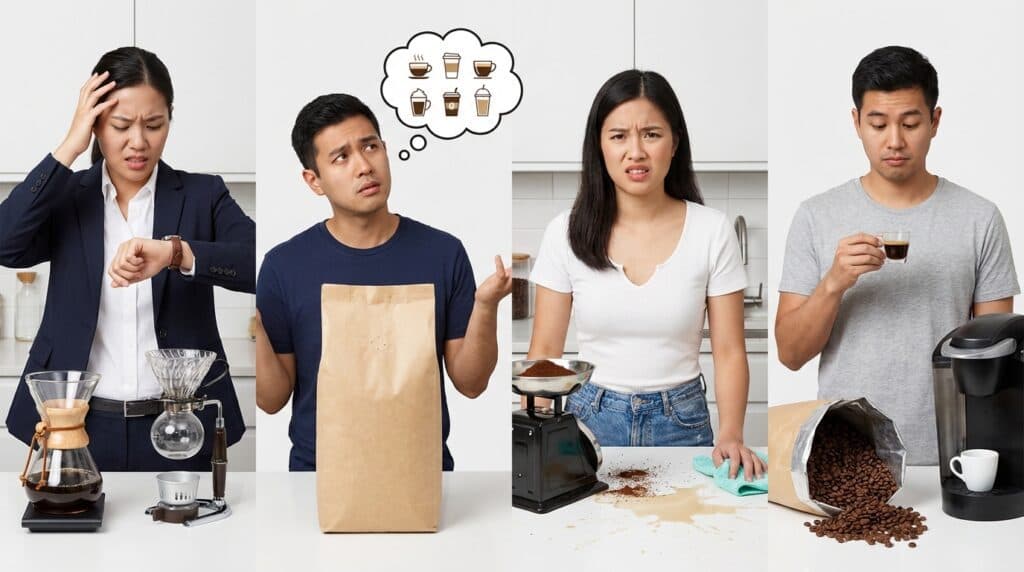
- People who genuinely cannot spare 5–10 minutes in the morning
- Those who want variety without buying multiple bags of beans
- Anyone who finds measuring and cleanup genuinely stressful
- Very light coffee drinkers who might waste beans before using them
Pros and Cons Summary
Pod Coffee Machine
Pros:
- Extremely fast and convenient
- Consistent results every time
- Wide variety of flavors and brands available
- Minimal cleanup required
- Great for single servings
Cons:
- Higher cost per cup over time
- Less control over taste and strength
- Environmental waste concerns
- Coffee freshness is limited
- Often locked into proprietary pod systems
Traditional Brewer
Pros:
- Better taste potential with fresh beans
- Significantly lower cost per cup
- Full control over brewing variables
- Environmentally friendly
- Can brew large batches for multiple people
Cons:
- Requires more time and attention
- Learning curve for optimal results
- More cleanup involved
- Need additional equipment (grinder) for best results
- Less convenient for quick single cups
Conclusion: Which Makes Better Coffee at Home?
The pod coffee machine vs traditional brewer debate ultimately comes down to your priorities. If you measure “better” purely by taste and value, traditional brewing wins. A quality drip coffee maker paired with freshly ground beans will outperform any pod system in a blind taste test—and save you hundreds of dollars annually.
However, if “better” means fitting seamlessly into your hectic lifestyle without sacrificing too much quality, a pod machine might genuinely be the right choice. There’s no shame in prioritizing convenience, especially if the alternative is skipping coffee altogether or settling for something worse.
My recommendation? If you’re serious about your home coffee journey, start with a solid traditional brewer and a basic burr grinder. Give yourself a few weeks to build the habit. You might discover that the ritual becomes something you look forward to—and your taste buds (and wallet) will thank you. But if after an honest try you find it’s not working for your lifestyle, a pod machine is a perfectly valid backup plan. The best coffee is the one you’ll actually make and enjoy.


Comments