


Table of Contents
- Quick Verdict: The 1:8 Ratio Wins for Strong but Smooth Cold Brew
- Why the Coffee-to-Water Ratio Matters for Cold Brew
- How Cold Extraction Changes Everything
- Understanding Cold Brew Ratios: A Simple Breakdown
- Concentrate vs. Ready-to-Drink: Which Are You Making?
- How to Nail the Perfect Cold Brew Ratio at Home
- What You'll Need
- Step-by-Step Brewing Instructions
- Taste Profile
- Adjusting the Ratio to Your Personal Taste
- Want It Stronger?
- Want It Smoother or Lighter?
- Does the Bean Origin Matter?
- Common Cold Brew Mistakes (And How to Avoid Them)
- Who Is This 1:8 Ratio For?
- Frequently Asked Questions
- Can I use pre-ground coffee for cold brew?
- Should I steep cold brew in the fridge or at room temperature?
- How long does homemade cold brew last?
- Why does my cold brew taste bitter?
- Can I heat up cold brew?
- Summary and Your Next Step
Quick Verdict: The 1:8 Ratio Wins for Strong but Smooth Cold Brew
After years of experimenting with countless batches in my own kitchen, I’ve found that a 1:8 coffee-to-water ratio (by weight) hits the sweet spot for cold brew that’s bold enough to stand up to ice and milk, yet smooth enough to sip straight. This means 1 gram of coffee for every 8 grams of water, or roughly 1 cup of coarsely ground coffee to 8 cups of water.
If you prefer something lighter, go 1:10. Want a concentrate for mixing? Try 1:5. But for that perfect balance of strength and smoothness that most home baristas crave, 1:8 is your golden ratio.
Why the Coffee-to-Water Ratio Matters for Cold Brew
Cold brew isn’t like your typical hot coffee. Because you’re steeping grounds in cold or room-temperature water for hours instead of minutes, the extraction process works completely differently. The ratio you choose directly impacts three things: strength, flavor profile, and how you’ll ultimately serve it.
Get the ratio wrong, and you’ll end up with watery disappointment or a bitter, over-extracted sludge. Neither is what we’re after here. The goal is a concentrate or ready-to-drink brew that tastes rich, naturally sweet, and incredibly smooth.
How Cold Extraction Changes Everything
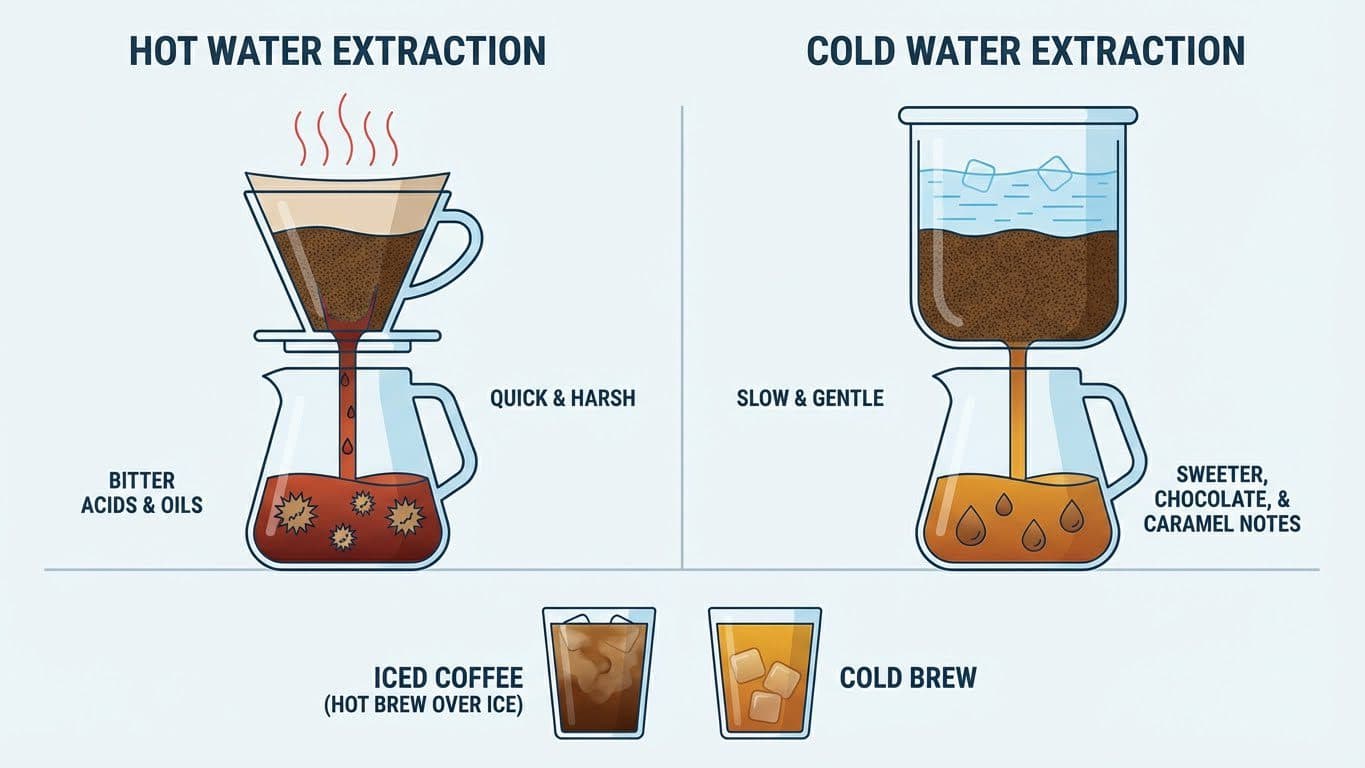
Hot water extracts flavors quickly—including the bitter acids and oils that can make coffee taste harsh. Cold water, on the other hand, extracts slowly and selectively. It pulls out the sweeter, chocolatey, and caramel notes while leaving much of the acidity behind.
This is exactly why cold brew tastes so different from iced coffee (which is just hot coffee poured over ice). In my experience, this gentler extraction means you can use a higher coffee-to-water ratio without the bitterness you’d get from hot brewing. That’s the secret to strong but smooth.
Understanding Cold Brew Ratios: A Simple Breakdown
Before we dive deeper, let’s clarify what these ratios actually mean in practical terms. When I say 1:8, I mean one part coffee to eight parts water by weight. Using a kitchen scale makes this foolproof, but I’ll give you volume measurements too since not everyone wants to weigh their coffee at 7 AM.
| Ratio | Coffee (Weight) | Water (Weight) | Approximate Volume | Result |
|---|---|---|---|---|
| 1:5 | 100g | 500g (500ml) | 1 cup coffee : 4 cups water | Strong concentrate (dilute before drinking) |
| 1:8 | 100g | 800g (800ml) | 1 cup coffee : 6-7 cups water | Bold ready-to-drink or light concentrate |
| 1:10 | 100g | 1000g (1L) | 1 cup coffee : 8 cups water | Medium-strength, sippable |
| 1:15 | 100g | 1500g (1.5L) | 1 cup coffee : 12 cups water | Light, tea-like cold brew |
Concentrate vs. Ready-to-Drink: Which Are You Making?
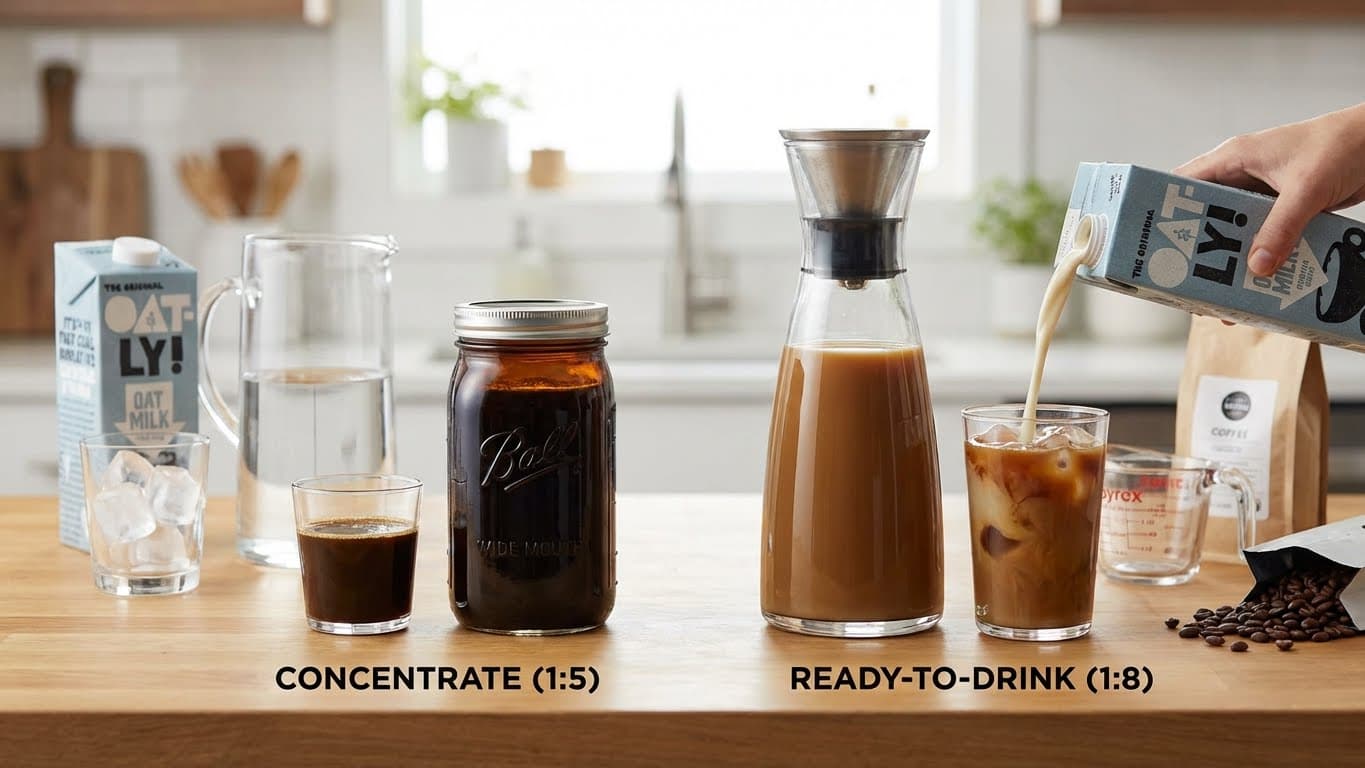
Here’s where a lot of home brewers get confused. A 1:5 ratio produces a concentrate that’s meant to be diluted with water, milk, or ice. Drinking it straight would be intense—and probably give you the jitters.
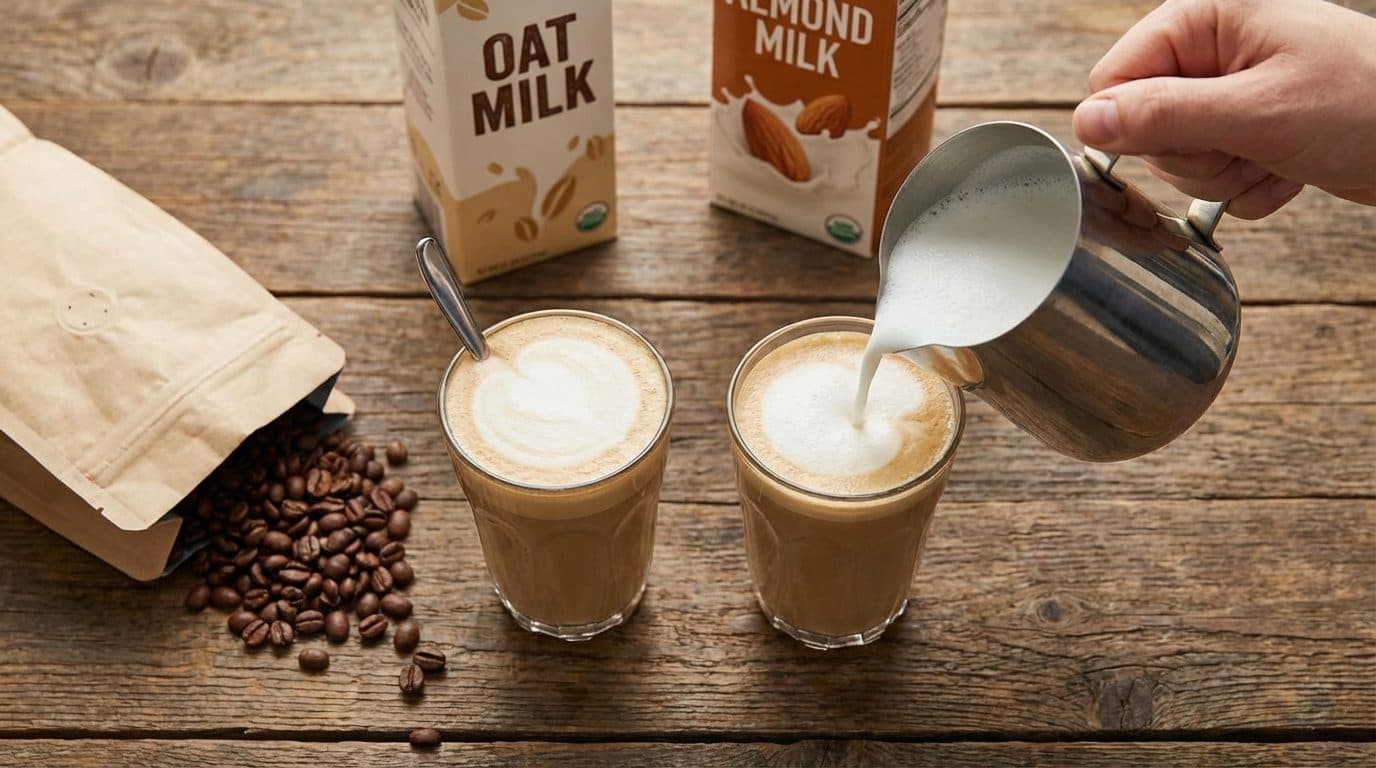
A 1:8 or 1:10 ratio, however, gives you something you can drink as-is. I personally prefer making my cold brew at 1:8 because it’s versatile. I can drink it straight over ice when I want something strong, or add a splash of oat milk when I’m in the mood for something creamier.
Barista Tip: If you’re unsure, start with 1:8. You can always dilute it later, but you can’t make weak cold brew stronger after it’s done steeping.
How to Nail the Perfect Cold Brew Ratio at Home
Let’s get into the actual process. I’ll walk you through my go-to method that consistently produces smooth, strong cold brew every single time.
What You’ll Need
Ingredients:
- 100g coarsely ground coffee (about 1 cup)
- 800g filtered water (about 3.5 cups)
Gear:
- Large mason jar or pitcher (at least 1-liter capacity)
- Fine-mesh strainer or cheesecloth
- Kitchen scale (optional but recommended)
- Coffee grinder (if grinding fresh)
Step-by-Step Brewing Instructions
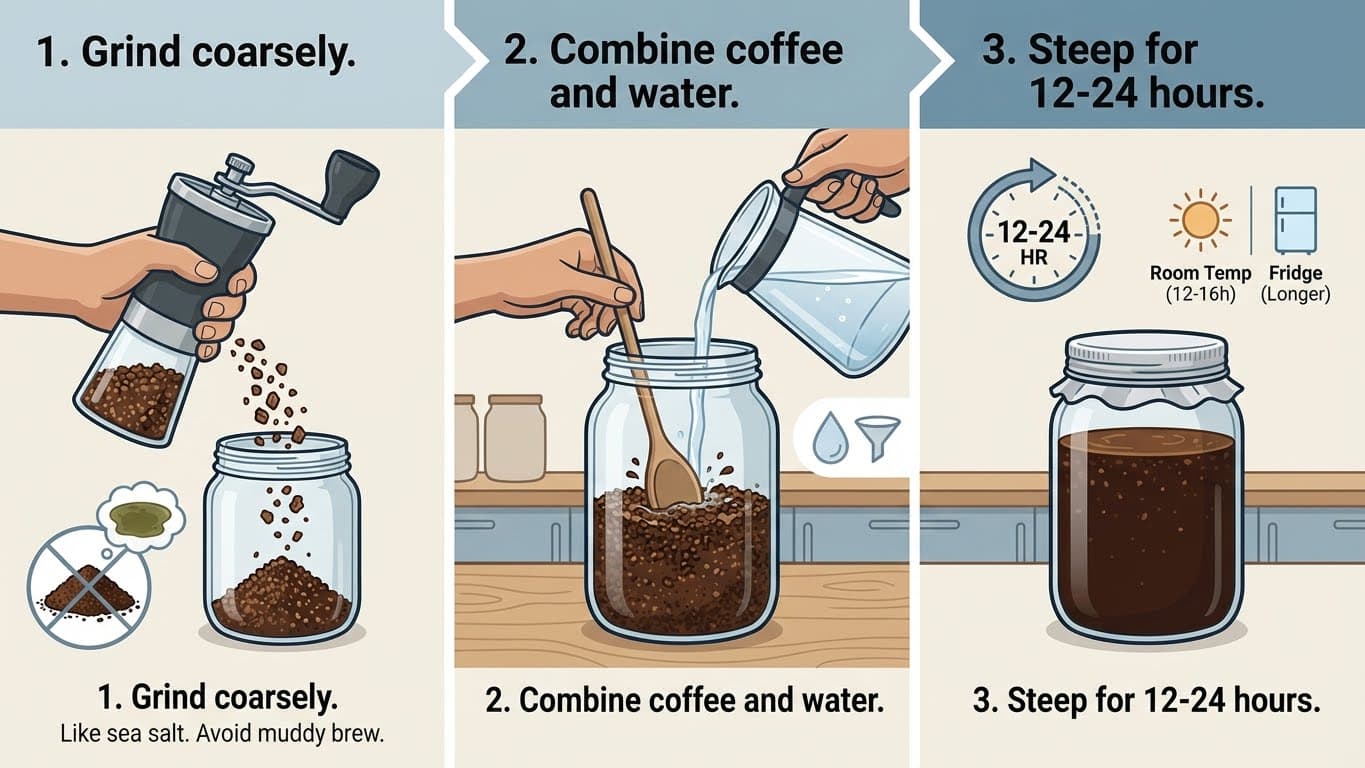
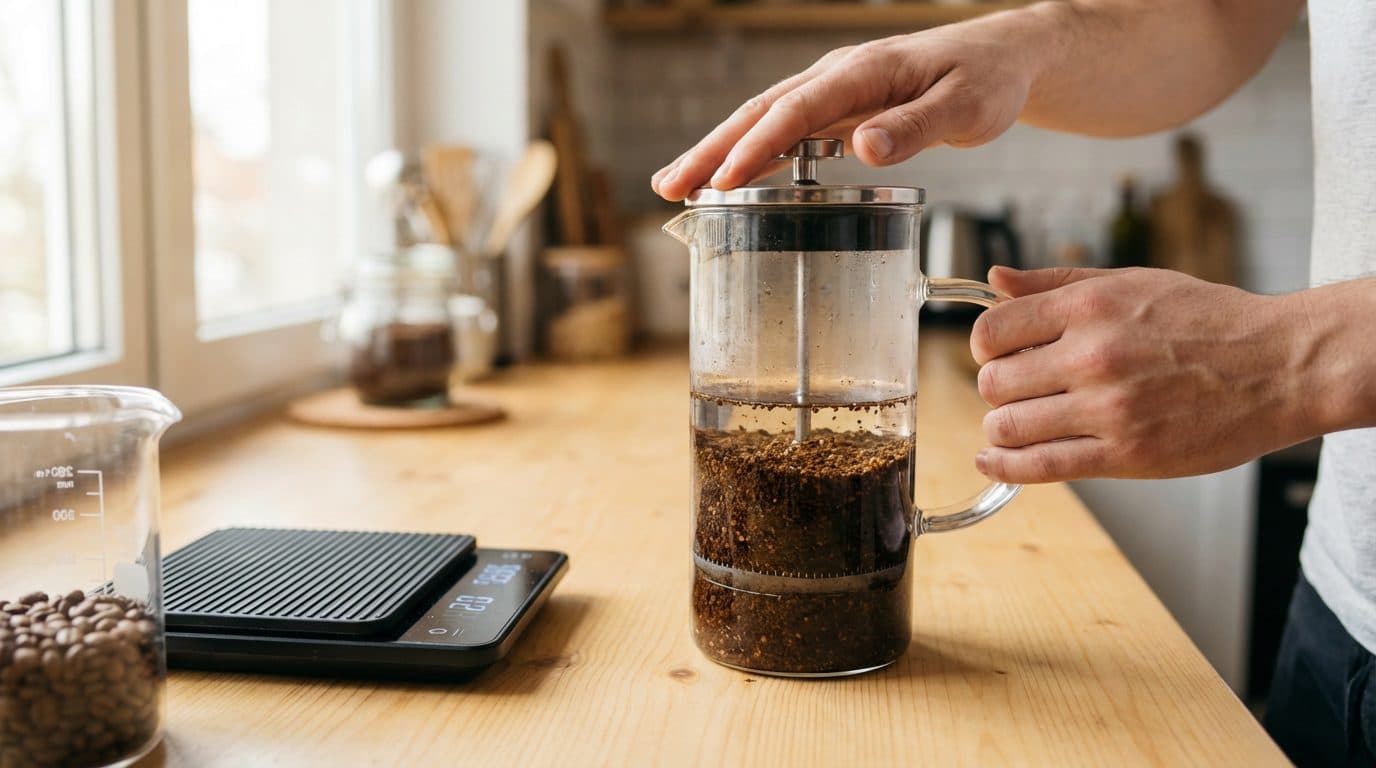
1. Grind your coffee coarsely. Think sea salt or raw sugar texture. Too fine and you’ll get a muddy, over-extracted brew. I learned this the hard way—my first batch looked like swamp water.
2. Combine coffee and water. Add your grounds to the jar, then pour the cold or room-temperature filtered water over them. Give it a gentle stir to make sure all the grounds are saturated.
3. Steep for 12-24 hours. Cover the jar and let it sit. Room temperature works faster (12-16 hours), while refrigerator steeping takes longer (18-24 hours) but produces a slightly brighter flavor.
4. Strain thoroughly. Pour through a fine-mesh strainer lined with cheesecloth or a paper filter. Strain twice if needed—nobody wants gritty cold brew.
5. Store and enjoy. Transfer to a clean container and refrigerate. Your cold brew will stay fresh for up to two weeks, though it’s usually gone much faster in my house.
Taste Profile
Expect a smooth, low-acid brew with notes of chocolate, caramel, and subtle nuttiness. The 1:8 ratio produces enough strength to punch through ice or milk without tasting diluted, but it won’t leave you with that harsh, bitter aftertaste that plagues so many homemade attempts.
Adjusting the Ratio to Your Personal Taste
The 1:8 ratio is my recommendation, but coffee is deeply personal. Here’s how to tweak things based on what you’re after.
Want It Stronger?
Move to a 1:6 or 1:5 ratio. This creates a true concentrate that you’ll want to dilute. I use 1:5 when I’m making cold brew specifically for espresso-style drinks or when I know I’ll be adding lots of ice and milk.
Keep in mind that going too strong can sometimes introduce unwanted bitterness. If that happens, try reducing your steep time by a few hours rather than adding more water after the fact.
Want It Smoother or Lighter?
A 1:10 or even 1:12 ratio produces a gentler, more tea-like cold brew. This works beautifully with lighter roast coffees that have fruity or floral notes you want to preserve.
I tried this approach with an Ethiopian natural process coffee last summer, and the result was almost like a cold, slightly sweet fruit tea. Refreshing in a completely different way.
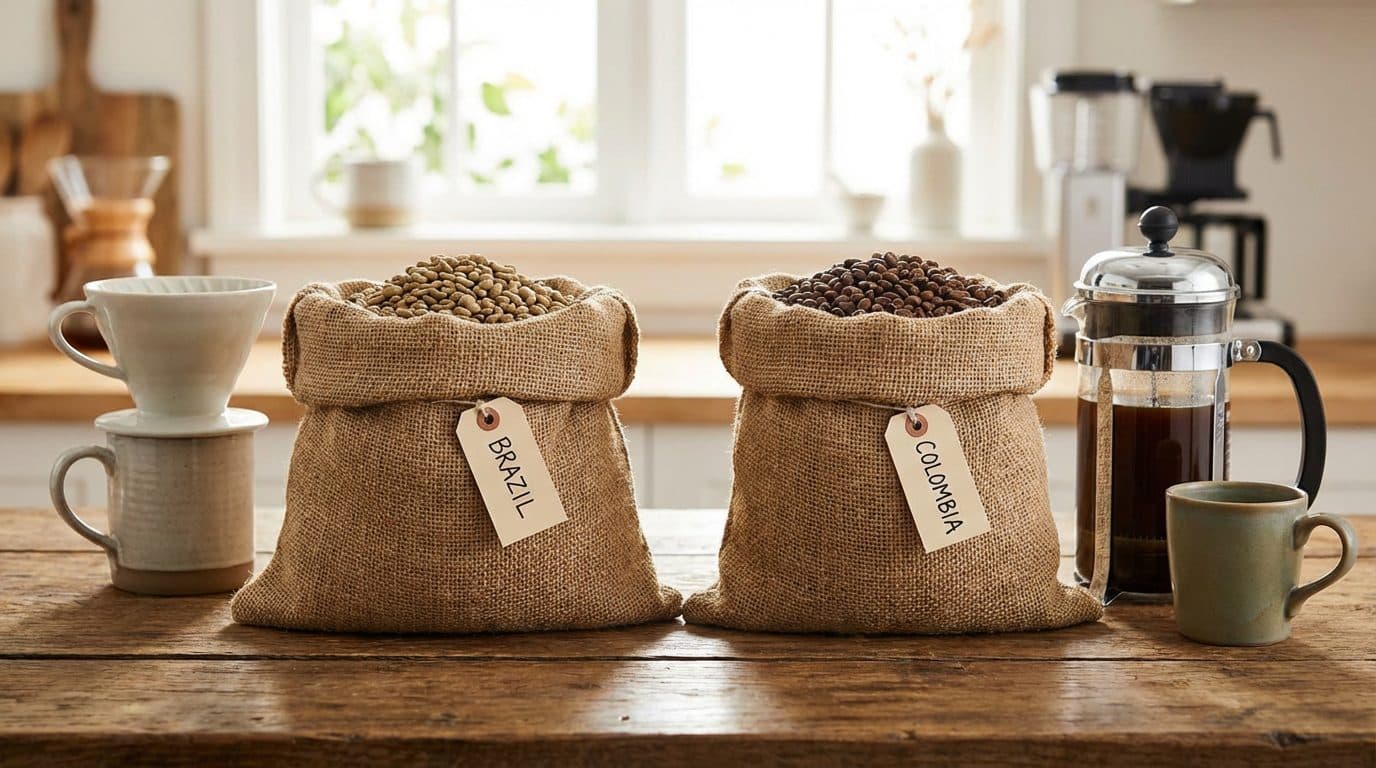
Does the Bean Origin Matter?
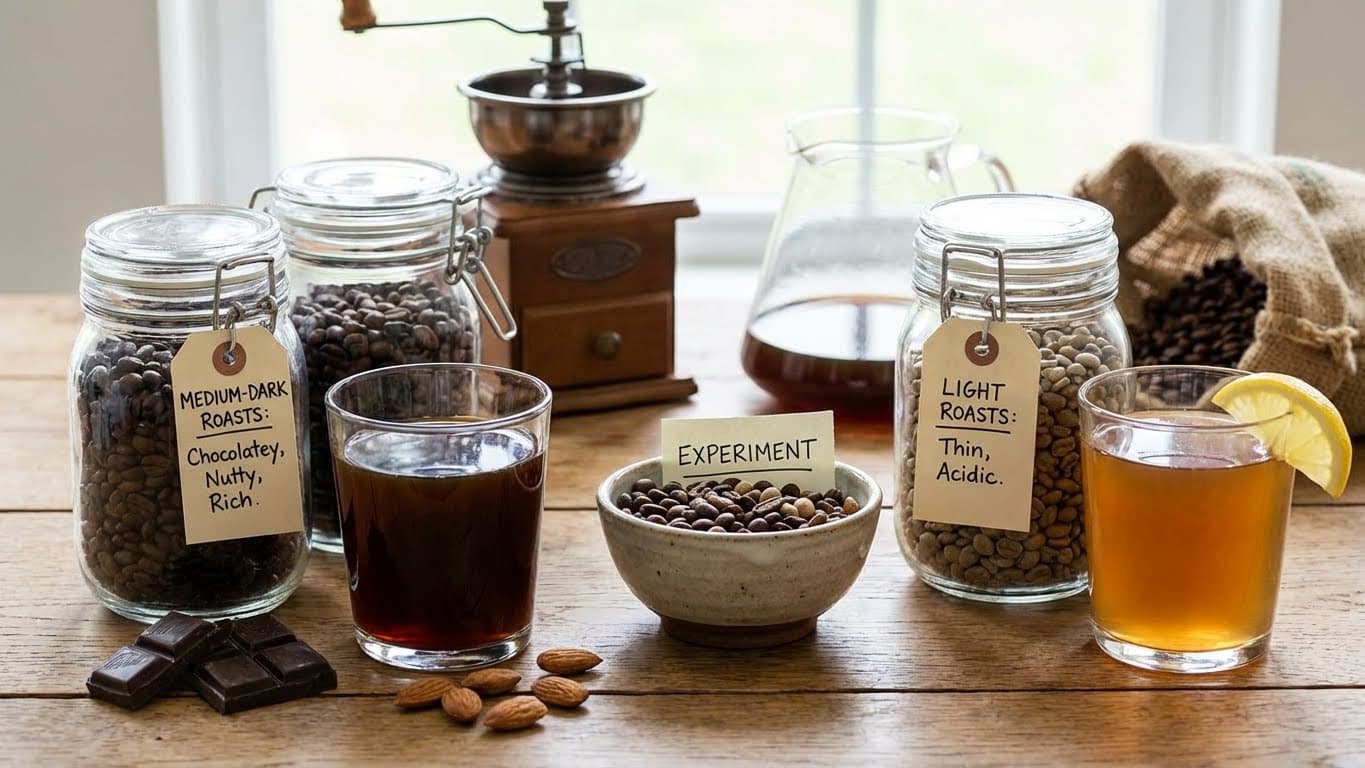
Absolutely. In my experience, medium to dark roasts work best for that classic cold brew flavor—chocolatey, nutty, rich. Light roasts can taste thin or overly acidic if you’re not careful with your ratio and steep time.
That said, don’t let anyone tell you there’s only one “right” way. Experiment with what you have. Some of my favorite batches came from beans I wouldn’t normally choose for cold brew.
Common Cold Brew Mistakes (And How to Avoid Them)
Even with the perfect ratio, a few things can derail your cold brew dreams. Here are the mistakes I see most often.
- Grinding too fine: This leads to over-extraction and a bitter, muddy result. Always go coarse—coarser than you think you need.
- Using tap water: Chlorine and minerals in tap water can create off-flavors. Filtered water makes a noticeable difference.
- Steeping too long: More than 24 hours and you risk bitterness. Set a reminder on your phone.
- Not straining properly: Sediment at the bottom of your glass is no fun. Double-strain if needed.
- Storing incorrectly: Keep your finished cold brew in a sealed container in the fridge. Oxidation is the enemy of freshness.
Did You Know? Cold brew contains roughly the same amount of caffeine as hot brewed coffee when you account for dilution. The myth that cold brew is significantly higher in caffeine comes from comparing undiluted concentrate to regular coffee—an unfair comparison.
Who Is This 1:8 Ratio For?
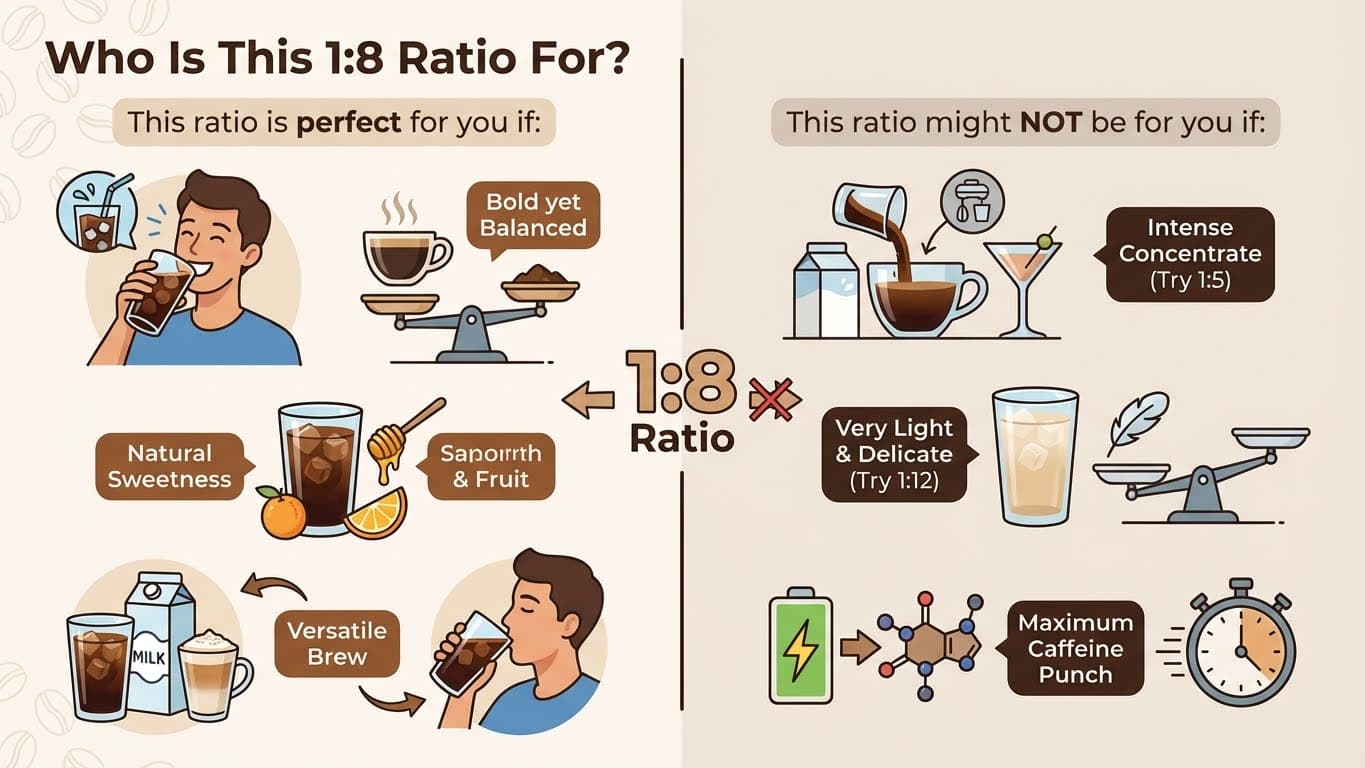
This ratio is perfect for you if:
- You want cold brew you can drink straight over ice
- You like your coffee bold but not overwhelming
- You prefer natural sweetness without adding sugar
- You’re looking for a versatile brew that works with milk or on its own
This ratio might NOT be for you if:
- You want an intense concentrate for mixing into lattes or cocktails (try 1:5 instead)
- You prefer very light, delicate cold brew (try 1:12)
- You’re looking for maximum caffeine punch (steep time matters more than ratio for this)
Frequently Asked Questions
Can I use pre-ground coffee for cold brew?
You can, but it’s not ideal. Pre-ground coffee is usually too fine for cold brew and can result in over-extraction and bitterness. If it’s all you have, reduce your steep time to 10-12 hours and strain very thoroughly.
Should I steep cold brew in the fridge or at room temperature?
Both work. Room temperature steeping is faster and produces a slightly richer, fuller flavor. Fridge steeping takes longer but can result in a cleaner, brighter taste. I personally do room temperature for 14-16 hours.
How long does homemade cold brew last?
Properly stored in a sealed container in the refrigerator, cold brew stays fresh for 10-14 days. After that, it doesn’t spoil immediately, but the flavor starts to go flat and stale.
Why does my cold brew taste bitter?
Bitterness usually comes from over-extraction. The most common culprits are grinding too fine, steeping too long (over 24 hours), or using water that’s too warm. Try adjusting one variable at a time until you find the sweet spot.
Can I heat up cold brew?
Absolutely. Cold brew heated up makes a wonderfully smooth hot coffee. Just warm it gently—don’t boil it, or you’ll lose some of that signature smoothness.
Summary and Your Next Step
The best coffee-to-water ratio for strong but smooth cold brew is 1:8 by weight. This produces a versatile brew that’s bold enough to handle ice and milk, yet smooth enough to enjoy on its own. Use coarsely ground coffee, filtered water, and steep for 12-18 hours for optimal results.
Life is too short for bad coffee—or watery cold brew. Start with the 1:8 ratio, taste it, and adjust from there based on your preferences. Within a batch or two, you’ll have dialed in your perfect home cold brew recipe. Grab your favorite beans, set that timer, and get brewing.

Comments