


Table of Contents
- Quick Verdict: Metal Filter Wins for Classic French Press Lovers
- Paper Filter vs. Metal Filter: The Key Differences
- Metal Filters: The Traditional Choice
- Paper Filters: The Clean Alternative
- Flavor Profile: What Does Each Filter Bring to Your Cup?
- The Metal Filter Experience
- The Paper Filter Experience
- Health Considerations: Do Coffee Oils Matter?
- Convenience and Cleanup: Daily Brewing Reality
- Metal Filter Maintenance
- Paper Filter Simplicity
- Pros and Cons: Metal Filter
- Pros and Cons: Paper Filter
- Who Is Each Filter For?
- Who Is the Metal Filter For?
- Who Is the Metal Filter NOT For?
- Who Is the Paper Filter For?
- Who Is the Paper Filter NOT For?
- Frequently Asked Questions
- Can I use both filters together in my French press?
- Do paper filters change brew time or technique?
- How often should I replace my metal filter?
- Are French press paper filters the same as pour-over filters?
- Does grinding finer help reduce sediment with a metal filter?
- Conclusion and Next Steps
Quick Verdict: Metal Filter Wins for Classic French Press Lovers
If you crave that bold, full-bodied cup with rich oils and deep flavor, the metal filter is your best friend. It’s what French press coffee is all about. However, if you prefer a cleaner, lighter cup without sediment at the bottom, a paper filter might be your secret weapon. In my experience, most home baristas stick with metal for authenticity, but paper has earned its place for those with sensitive stomachs or specific taste preferences.
So which filter belongs in your French press? Let’s break it down so you can brew with confidence.
Have you ever wondered why your French press coffee tastes so different from pour-over? A lot of that magic—or frustration—comes down to filtration. The paper filter vs. metal filter debate is one of the most common questions I hear from home baristas. Both have their place, and choosing the right one depends on your taste preferences, health considerations, and how much cleanup you’re willing to deal with. By the end of this guide, you’ll know exactly which filter suits your morning ritual.
Paper Filter vs. Metal Filter: The Key Differences
Before diving into pros and cons, let’s understand what makes these two filter types fundamentally different. The distinction goes beyond just material—it affects everything from flavor extraction to your daily brewing routine.
Metal Filters: The Traditional Choice
Metal filters (usually stainless steel mesh) come standard with almost every French press on the market. They allow coffee oils and fine particles to pass through into your cup. In short, metal filters give you the full, unfiltered experience that French press is famous for.
Paper Filters: The Clean Alternative
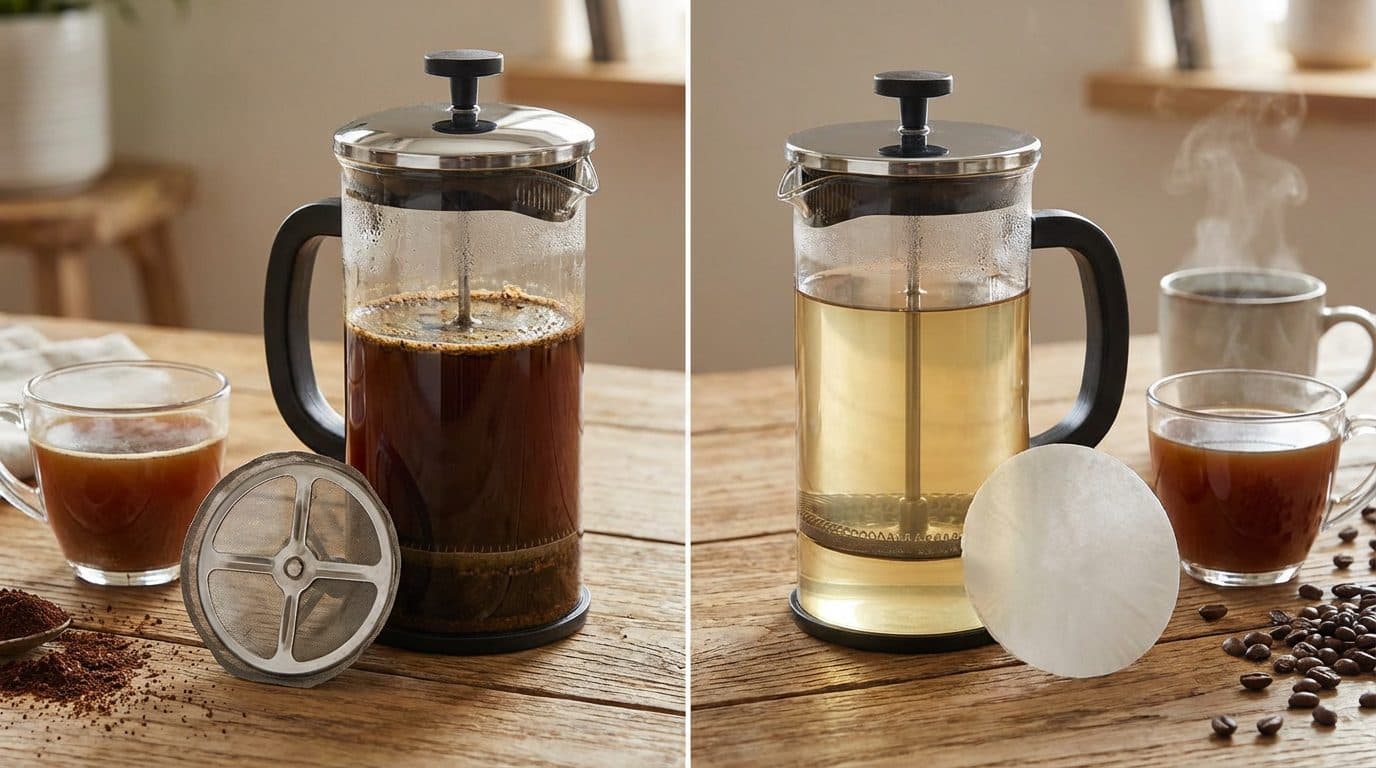
Paper filters for French press are relatively newer additions to the home barista toolkit. These thin, disposable filters trap oils, fines, and sediment. They produce a cup that’s closer to pour-over in terms of clarity and mouthfeel. Think of it as a hybrid between French press convenience and drip coffee cleanliness.
| Feature | Metal Filter | Paper Filter |
|---|---|---|
| Body/Texture | Heavy, rich, oily | Light, clean, smooth |
| Sediment | Some fines in cup | Almost none |
| Coffee Oils | Pass through fully | Mostly absorbed |
| Cleanup | Rinse and reuse | Dispose after use |
| Cost Over Time | One-time purchase | Ongoing expense |
| Environmental Impact | Minimal waste | Paper waste (compostable) |
Flavor Profile: What Does Each Filter Bring to Your Cup?
This is where things get interesting. I’ve brewed thousands of cups using both methods, and the taste difference is significant. Let me walk you through what you can expect from each filter type.
The Metal Filter Experience
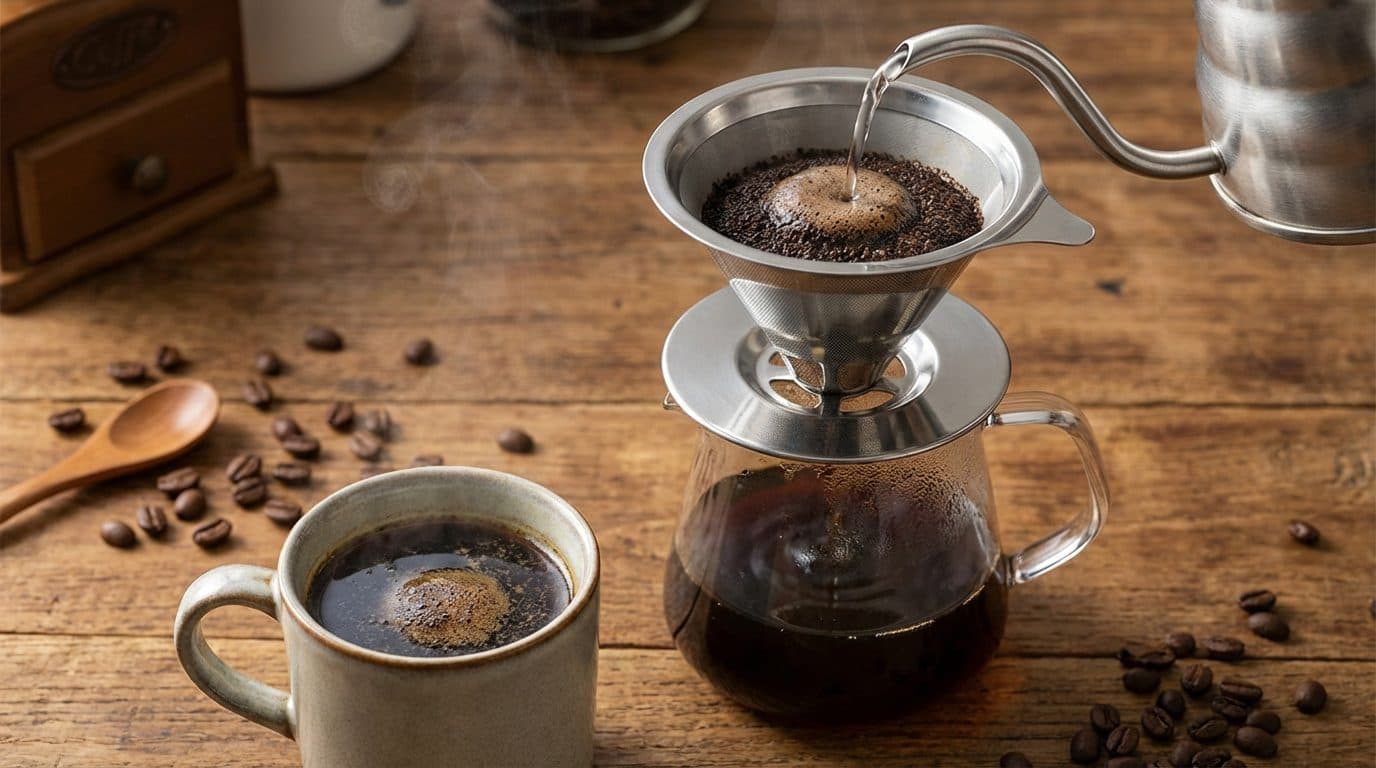
Brewing with a metal filter delivers what I call “coffee with personality.” Those oils that pass through? They carry aromatic compounds, natural sweetness, and a creamy mouthfeel that coats your tongue. If you love the difference between whole milk and skim milk, you’ll appreciate what oils do for coffee.
The sediment that settles at the bottom of your cup adds texture and contributes to that earthy, robust character. Dark roasts and medium-dark blends particularly shine with metal filtration. You get chocolate notes, nutty undertones, and a finish that lingers pleasantly.
- Best for: Bold coffee lovers who want maximum flavor extraction
- Pairs well with: Dark roasts, Indonesian coffees, and earthy blends
- Taste profile: Heavy body, oily, complex, slightly gritty finish
The Paper Filter Experience
Paper filters strip away the oils and fines, leaving you with a notably different cup. The result is brighter, cleaner, and more tea-like in texture. I’ve found that light roasts and fruity single-origin coffees actually taste better with paper filtration because their delicate flavors aren’t masked by heavy oils.
You’ll notice more acidity (the pleasant kind) and clearer tasting notes. That Ethiopian Yirgacheffe with its blueberry hints? Paper filtration lets those flavors pop. The tradeoff is a thinner body and less of that signature French press richness.
- Best for: Those who prefer cleaner, lighter coffee with distinct flavor notes
- Pairs well with: Light roasts, fruity single-origins, and floral coffees
- Taste profile: Clean, bright, tea-like body, no sediment
Barista Tip: Try brewing the same beans with both filters back-to-back. This side-by-side comparison is the fastest way to discover your personal preference. Life is too short for bad coffee—or coffee that doesn’t match your taste.
Health Considerations: Do Coffee Oils Matter?
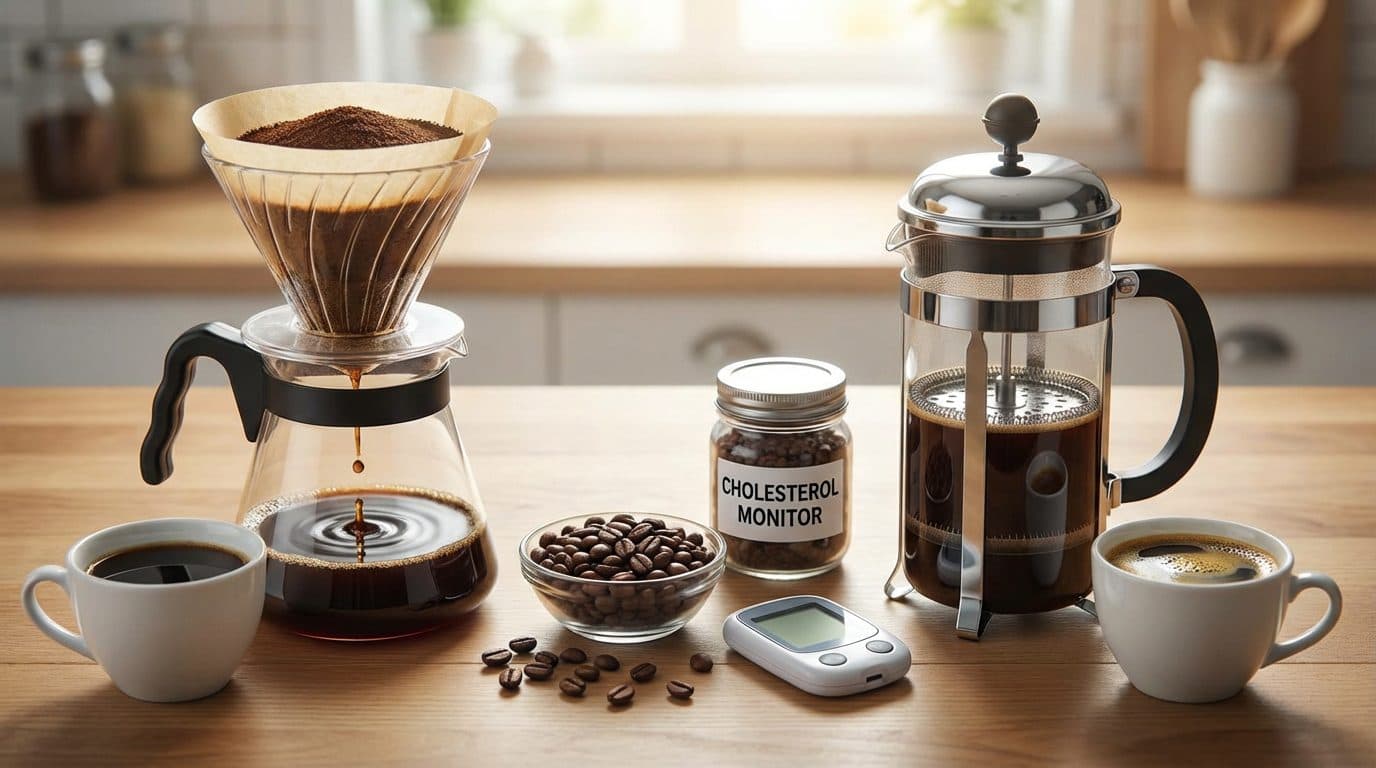
Here’s where the paper filter vs. metal filter debate gets more complex. Coffee oils contain compounds called cafestol and kahweol, which have been linked to raised LDL cholesterol levels in some studies. Should you be concerned?
For most healthy adults, moderate consumption of unfiltered coffee (2-4 cups daily) doesn’t pose significant risks. However, if you already have elevated cholesterol or cardiovascular concerns, paper filters might be worth considering. They remove the majority of these compounds.
In my experience, many people switch to paper filters for health reasons and end up appreciating the cleaner taste anyway. It’s a win-win situation if cholesterol is on your radar.
- Paper filters remove approximately 80-90% of cafestol and kahweol
- Metal filters let these compounds pass through completely
- Moderation matters regardless of filter choice
Key Takeaway: This information is general in nature. If you have specific health concerns about cholesterol or cardiovascular health, please consult your doctor for personalized advice.
Convenience and Cleanup: Daily Brewing Reality
Let’s talk about what actually happens in your kitchen at 7 AM when you’re barely awake. Both filter types have practical considerations that affect your daily brewing experience.
Metal Filter Maintenance
Metal filters are straightforward to maintain. After brewing, you rinse them under water, give them an occasional scrub, and you’re done. However, coffee oils build up over time. Without regular deep cleaning, your filter can develop rancid oils that taint future brews.
I recommend a monthly soak in a mixture of hot water and baking soda. Some brewers use specialized coffee equipment cleaners. The point is that “reusable” doesn’t mean “maintenance-free.”
Paper Filter Simplicity
Paper filters are the grab-and-throw option. Use once, compost or trash, done. No buildup, no deep cleaning, no worrying about rancid oils affecting your morning cup. The tradeoff is ongoing cost and having to keep filters stocked.
For French press, you have a couple of paper filter options. Dedicated French press paper filters sit at the bottom before brewing. Alternatively, some people use AeroPress filters or even pour their French press coffee through a paper filter into their mug—a bit unconventional, but it works.
Pros and Cons: Metal Filter
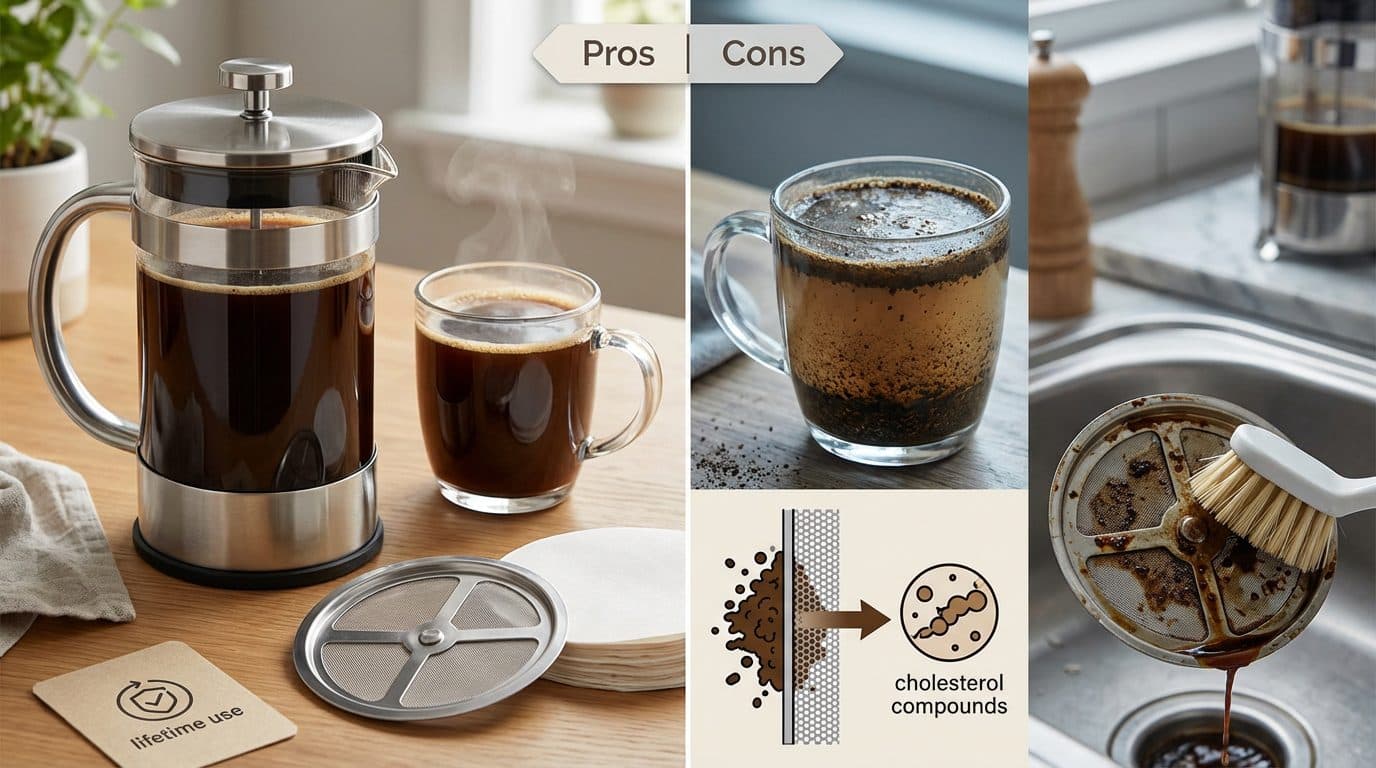
Pros:
- Included with your French press (no extra purchase needed)
- Reusable and environmentally friendly
- Delivers that classic, full-bodied French press taste
- No ongoing costs after initial purchase
- Durable and long-lasting with proper care
Cons:
- Sediment and fines in your cup
- Requires regular cleaning to prevent oil buildup
- Allows cholesterol-raising compounds to pass through
- Some find the texture too heavy or gritty
Pros and Cons: Paper Filter
Pros:
- Clean, sediment-free cup every time
- Removes most coffee oils and cholesterol-raising compounds
- No cleaning required—just dispose and forget
- Better for highlighting delicate, fruity coffee notes
- Compostable and biodegradable
Cons:
- Ongoing cost of purchasing filters
- Less body and richness compared to metal
- Not the “authentic” French press experience
- Must remember to keep filters stocked
- Adds another step to your brewing process
Who Is Each Filter For?
After years of brewing and helping fellow home baristas dial in their preferences, I’ve noticed clear patterns in who gravitates toward each filter type.
Who Is the Metal Filter For?
- Traditional French press enthusiasts who want the classic experience
- Lovers of bold, heavy-bodied coffee with rich mouthfeel
- People who prefer dark roasts and earthy flavor profiles
- Minimalists who want to avoid buying consumables
- Eco-conscious brewers focused on reducing waste
Who Is the Metal Filter NOT For?
- People who dislike sediment or gritty texture in their cup
- Those watching their cholesterol levels closely
- Fans of lighter, cleaner, more tea-like coffee
- Brewers who prefer minimal cleanup without deep-cleaning routines
Who Is the Paper Filter For?
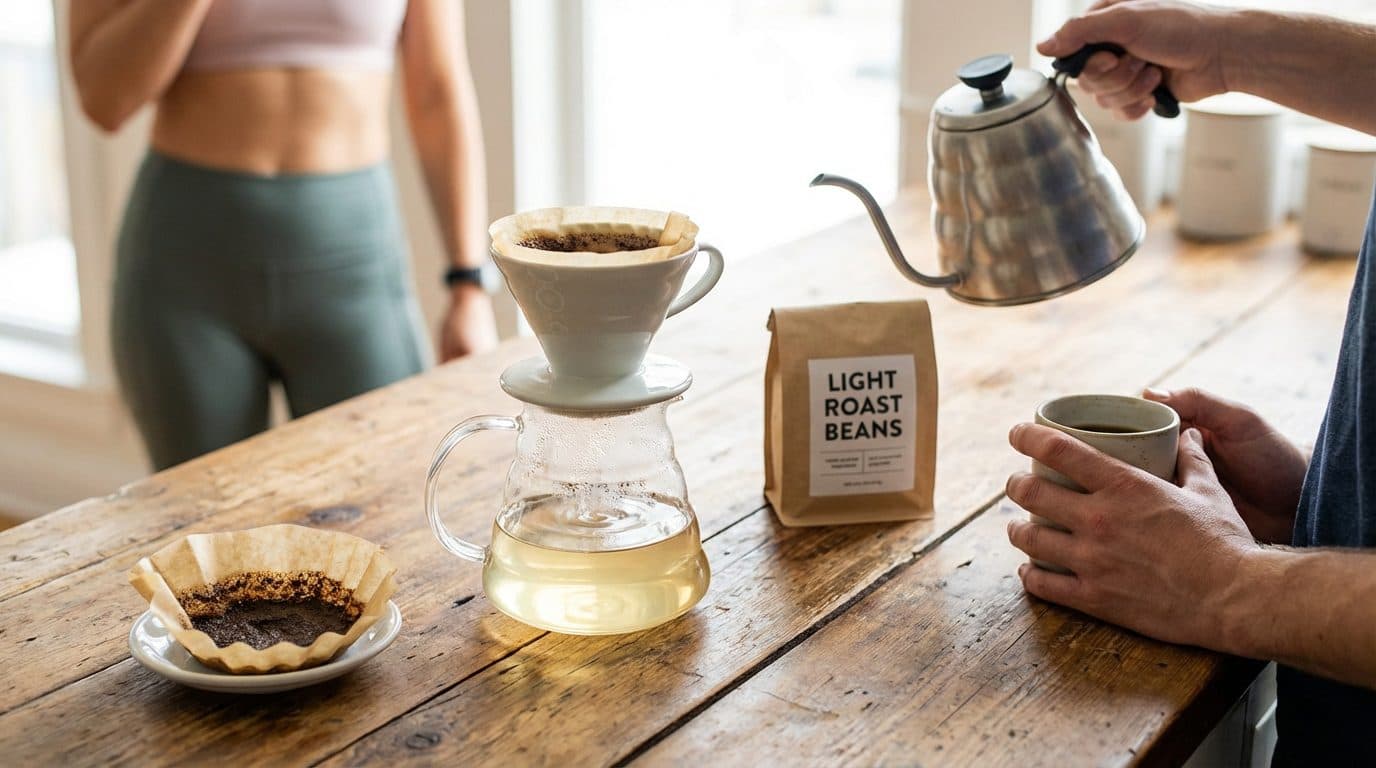
- Those who love pour-over clarity but want French press convenience
- Light roast enthusiasts who want delicate flavors to shine
- People with cholesterol or digestive concerns
- Anyone who finds sediment in coffee unpleasant
- Brewers who prioritize quick, easy cleanup
Who Is the Paper Filter NOT For?
- Purists who want the authentic French press experience
- Those who love heavy body and oily texture
- Eco-focused brewers trying to eliminate disposables
- Budget-conscious coffee drinkers avoiding ongoing costs
Frequently Asked Questions
Can I use both filters together in my French press?
Yes, some brewers actually layer a paper filter with the metal filter for extra sediment removal while keeping some brewing convenience. It’s a hybrid approach that works well if you want cleaner coffee but don’t want to pour through a separate filter. Experiment to see if you like the results.
Do paper filters change brew time or technique?
Not significantly. You’ll brew your French press the same way—coarse grind, hot water, four-minute steep. The paper filter just does its work during the plunge, trapping fines and oils. Some brewers notice a slightly slower plunge, but it’s minimal.
How often should I replace my metal filter?
With proper care, a quality metal filter lasts for years. Replace it if you notice permanent staining that affects taste, tears in the mesh, or bent/damaged frames. Most home baristas get five or more years from their original filter.
Are French press paper filters the same as pour-over filters?
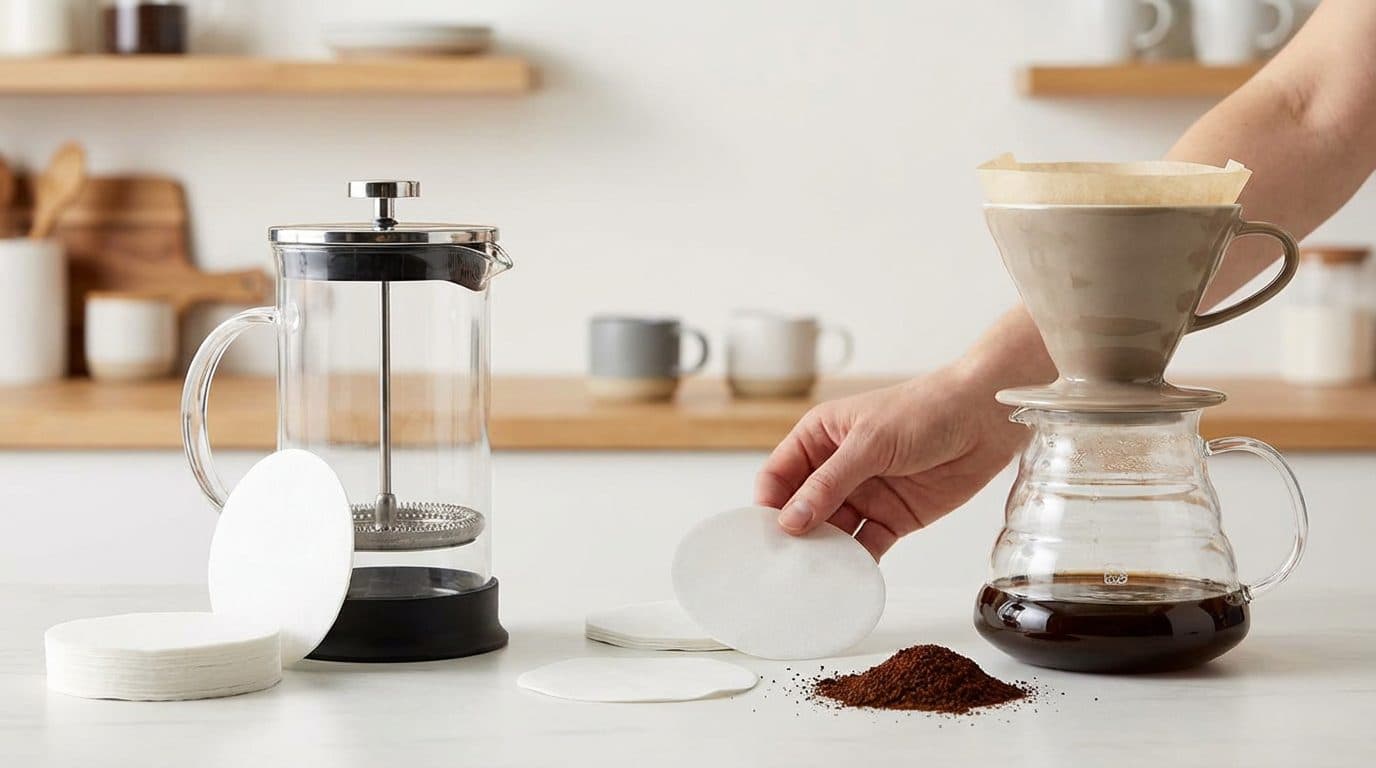
Not exactly. French press paper filters are designed to fit inside the press or work with the plunger. However, some people repurpose AeroPress filters or generic round filters. If you’re pouring through a separate filter after brewing, any paper filter works. Just match the size to your method.
Does grinding finer help reduce sediment with a metal filter?
Actually, it makes sediment worse. Finer grinds create more particles small enough to slip through the mesh. Stick with coarse grinds for metal filters. If you want less sediment, paper is the better solution than adjusting grind size.
Conclusion and Next Steps
The paper filter vs. metal filter choice ultimately comes down to your taste preferences and brewing priorities. Metal filters deliver the bold, oily, full-bodied French press experience that coffee lovers have enjoyed for decades. Paper filters offer a cleaner, lighter alternative that’s easier on cholesterol levels and highlights delicate flavor notes.
My recommendation? Start with the metal filter your French press came with. Master the technique and understand what traditional French press coffee tastes like. Then, grab a pack of paper filters and brew the same beans side by side. That comparison will tell you more than any article ever could.
Whichever filter you choose, focus on fresh beans, proper grind size, and good water. Those fundamentals matter more than any filter. Now go brew something delicious—you’ve got the knowledge to make an informed choice. Check the latest prices on French press paper filters if you want to explore that cleaner alternative.


Comments