


Table of Contents
- Why High Heat Ruins Your Moka Pot Coffee
- The Science Behind the Bitterness
- What Actually Happens Inside Your Moka Pot
- The Sputtering Problem
- The Burnt Rubber Gasket Issue
- The Right Way to Heat Your Moka Pot
- Step-by-Step Brewing Guide
- Finding Your Sweet Spot
- Signs You're Using Too Much Heat
- Troubleshooting: Fixing Bitter, Burnt Coffee
- Quick Fixes for Today's Brew
- Long-Term Solutions
- Frequently Asked Questions
- Can I use a Moka pot on an induction stove?
- How do I know when my Moka pot coffee is done?
- Why does my Moka pot coffee taste sour instead of bitter?
- Should I preheat the water before adding it to the Moka pot?
- How often should I replace my Moka pot gasket?
- Conclusion: Slow Down for Better Coffee
You finally invested in a Moka pot, excited to brew rich, espresso-style coffee at home. But every cup comes out bitter, burnt, and nothing like the smooth Italian coffee you imagined. Sound familiar? If you’re cranking up the heat to speed things along, you’ve just discovered one of the most common Moka pot mistakes out there. Life is too short for bad coffee, so let’s fix this together.
In this guide, you’ll learn exactly why high heat destroys your brew, what’s happening inside that little aluminum pot, and how to dial in the perfect temperature for café-quality results every single time.
Why High Heat Ruins Your Moka Pot Coffee
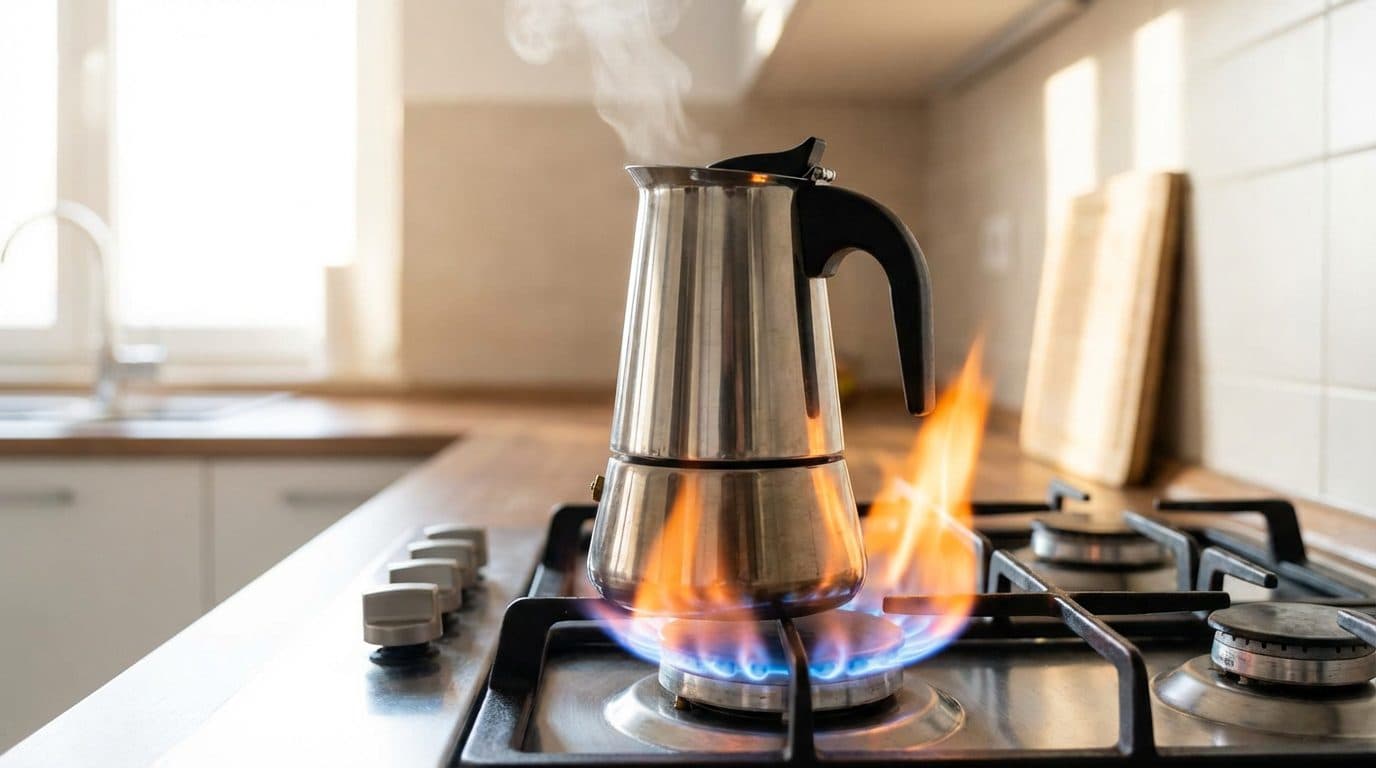
Here’s the thing: a Moka pot isn’t a race car. Turning up the burner doesn’t get you better coffee faster—it gets you a bitter, over-extracted mess. I’ve made this mistake more times than I’d like to admit, and the results were always the same: harsh, acrid coffee that made me question my life choices.
When you use high heat, the water in the bottom chamber boils too aggressively. This forces steam and water through the coffee grounds at an uncontrolled rate. The result? Your grounds get scorched, and you extract all the unpleasant, bitter compounds that should stay locked away.
Key Takeaway: The Moka pot was designed for gentle, gradual extraction. High heat bypasses this entirely and turns your coffee into liquid disappointment.
The Science Behind the Bitterness
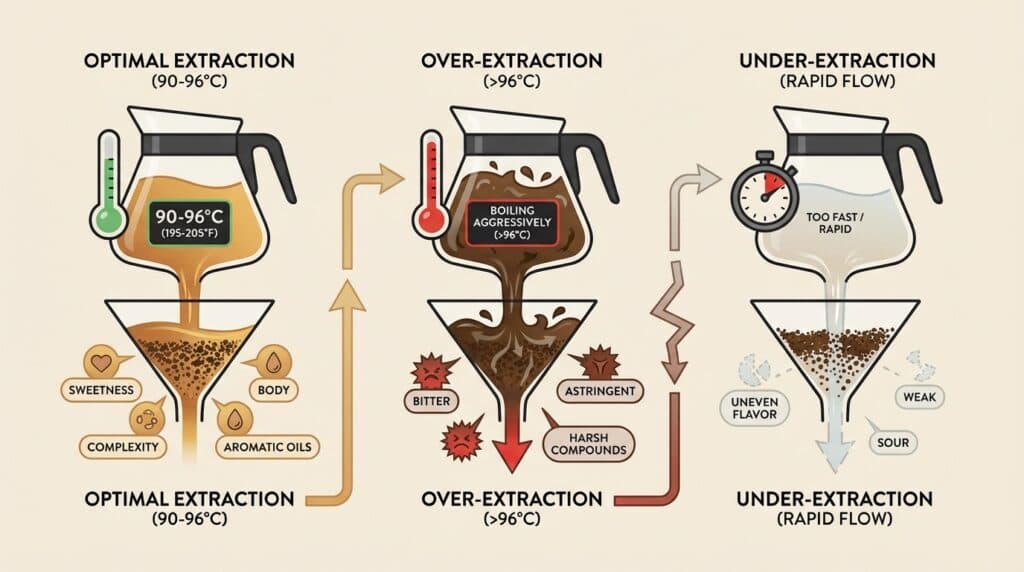
Coffee extraction is all about balance. You want to pull out the sweet, aromatic oils and leave behind the harsh, tannic compounds. Temperature plays a massive role in this process.
- Water between 90-96°C (195-205°F) extracts the good stuff: sweetness, body, and complexity.
- Water that’s too hot (boiling aggressively) over-extracts, pulling out bitter and astringent compounds.
- Rapid extraction doesn’t give the water enough contact time with the grounds, leading to uneven flavor.
In short, high heat creates a chaotic environment inside your Moka pot. The water shoots through too fast in some areas and lingers too long in others. You end up with coffee that’s simultaneously under-extracted (sour) and over-extracted (bitter). Not a great combo.
What Actually Happens Inside Your Moka Pot
Let me paint you a picture. When you place your Moka pot on a high flame, the water in the bottom chamber reaches a rolling boil almost immediately. Steam pressure builds rapidly—too rapidly. This pressure forces boiling water through the coffee grounds like a fire hose through a garden.
The Sputtering Problem
Ever notice your Moka pot sputtering and spitting coffee everywhere toward the end of the brew? That’s a telltale sign of excessive heat. Here’s what’s happening:
- The water runs out before the pressure does.
- Steam blasts through the dry grounds, burning them.
- The remaining coffee in the upper chamber gets superheated and oxidizes.
I’ve seen people accept this sputtering as normal. It’s not. A properly brewed Moka pot should produce a steady, honey-like stream of coffee—not an angry volcanic eruption.
The Burnt Rubber Gasket Issue
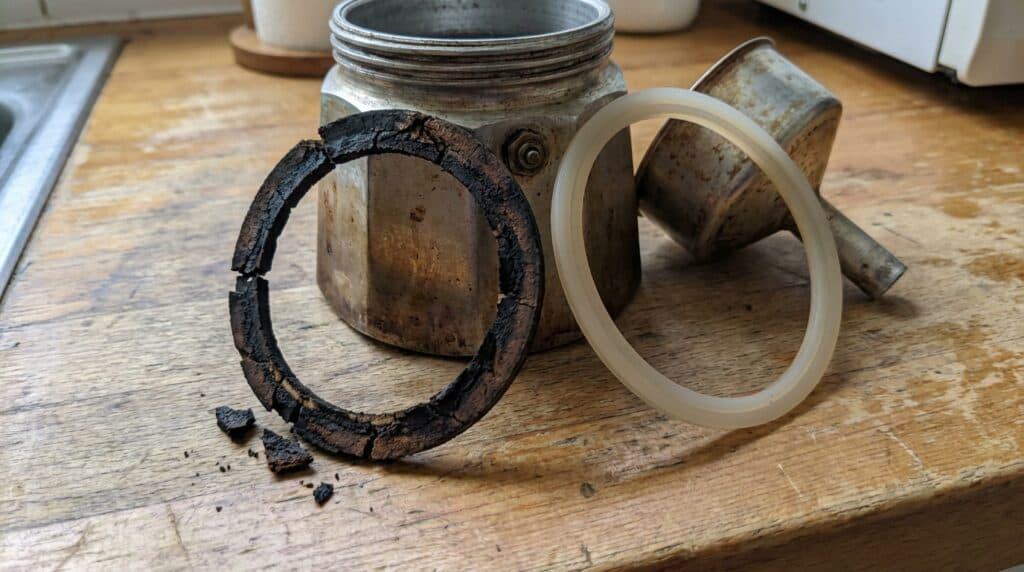
High heat doesn’t just ruin your coffee; it damages your equipment. The rubber gasket that seals your Moka pot degrades much faster under extreme temperatures. You’ll notice it becoming hard, cracked, and less effective at creating a proper seal. This means weaker pressure, inconsistent brews, and eventually, a gasket that needs replacing far sooner than it should.
Did You Know? A well-maintained Moka pot gasket can last 1-2 years with proper care. Using high heat consistently can cut that lifespan down to just a few months.
The Right Way to Heat Your Moka Pot
Now for the good news: fixing this mistake is simple. You just need patience and a willingness to slow down. Here’s my tried-and-true method for perfect Moka pot coffee.
Step-by-Step Brewing Guide
- Start with hot water: Fill the bottom chamber with pre-heated water (not boiling, just hot from the kettle). This reduces the time your pot sits on the stove and prevents the grounds from cooking before extraction begins.
- Use low to medium-low heat: Place your Moka pot on the smallest burner and set it to low or medium-low. Yes, it takes longer. Yes, it’s worth it.
- Keep the lid open: Watch the extraction happen. You want to see a slow, steady stream of coffee emerging—not a gushing torrent.
- Remove from heat early: As soon as you hear a gurgling or hissing sound, take the pot off the heat immediately. The residual heat will finish the job.
- Cool the base: Run the bottom of the pot under cold water or place it on a cold, wet towel. This stops the extraction and prevents that burnt, bitter finish.
Barista Tip: The entire brewing process should take about 4-5 minutes from the moment you place the pot on the stove. If it’s done in under 2 minutes, your heat is way too high.
Finding Your Sweet Spot
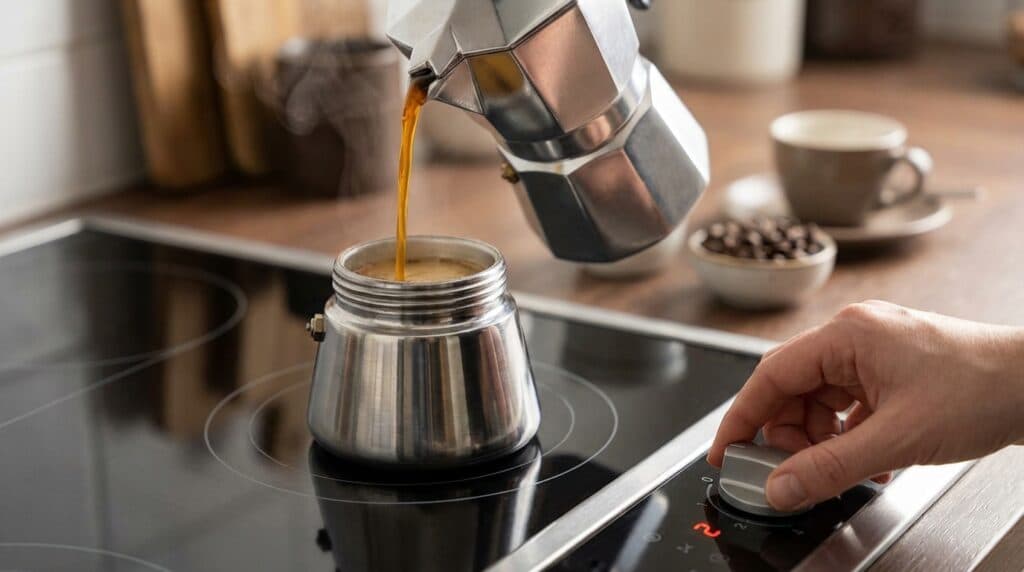
Every stove is different, so you’ll need to experiment a bit. In my experience, electric stoves often run hotter than gas, so you might need to go even lower than you think. Start at the lowest setting and work your way up until you find that perfect, gentle extraction.
A good visual cue: the coffee should flow out like warm honey, not like water from a tap. If it’s rushing out, reduce the heat next time. If nothing’s happening after 5-6 minutes, bump it up slightly.
Signs You’re Using Too Much Heat
Not sure if high heat is your problem? Here are the warning signs I look for:
- Bitter, burnt taste: The most obvious indicator. Your coffee tastes like it was brewed in an ashtray.
- Sputtering and spitting: The pot sounds angry and sprays coffee everywhere at the end.
- Coffee comes out too fast: The upper chamber fills in under 2 minutes.
- Metallic or harsh aftertaste: Over-extraction pulls out unpleasant metallic notes.
- Extremely dark, almost black coffee: Properly brewed Moka pot coffee should be dark brown, not black.
- Damaged gasket: Your rubber seal is cracking, hardening, or losing its shape.
If you’re experiencing two or more of these symptoms, high heat is almost certainly the culprit. The fix is simple: turn down the dial and give your coffee the gentle treatment it deserves.
Troubleshooting: Fixing Bitter, Burnt Coffee
Let’s say you’ve already made the high-heat mistake and you’re stuck with a pot of bitter brew. Can you salvage it? Sometimes.
Quick Fixes for Today’s Brew
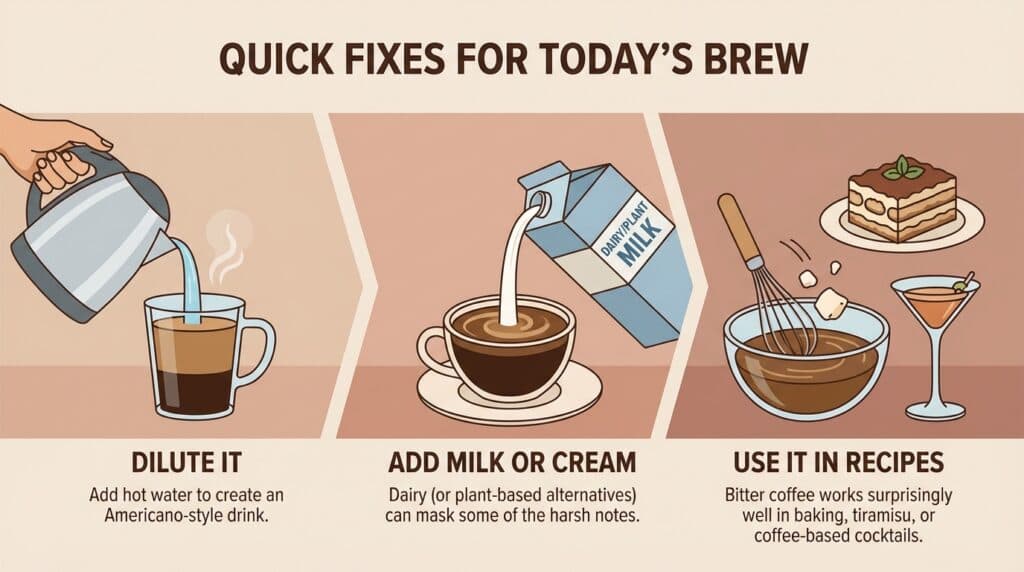
- Dilute it: Add hot water to create an Americano-style drink. This won’t remove the bitterness entirely, but it makes it more drinkable.
- Add milk or cream: Dairy (or plant-based alternatives) can mask some of the harsh notes.
- Use it in recipes: Bitter coffee works surprisingly well in baking, tiramisu, or coffee-based cocktails where other flavors balance it out.
Long-Term Solutions
For consistently great coffee, address the root cause:
- Commit to low heat every single time.
- Use freshly ground coffee (pre-ground goes stale and tastes more bitter).
- Don’t tamp the grounds—just level them off gently.
- Clean your Moka pot regularly to prevent old oil buildup.
- Replace your gasket if it’s showing signs of wear.
In my experience, most people see a dramatic improvement just by lowering the heat. It’s the single biggest lever you can pull for better Moka pot coffee.
Frequently Asked Questions
Can I use a Moka pot on an induction stove?
Traditional aluminum Moka pots don’t work on induction cooktops because they’re not magnetic. However, you can buy stainless steel Moka pots designed for induction, or use an induction adapter plate. If you go the adapter route, be extra careful with heat control—induction stoves can get very hot very quickly.
How do I know when my Moka pot coffee is done?
Listen for a gurgling, hissing sound. This indicates that most of the water has been pushed through and steam is starting to come up. Remove the pot from heat immediately when you hear this. Don’t wait for the upper chamber to fill completely—the last bit is usually bitter anyway.
Why does my Moka pot coffee taste sour instead of bitter?
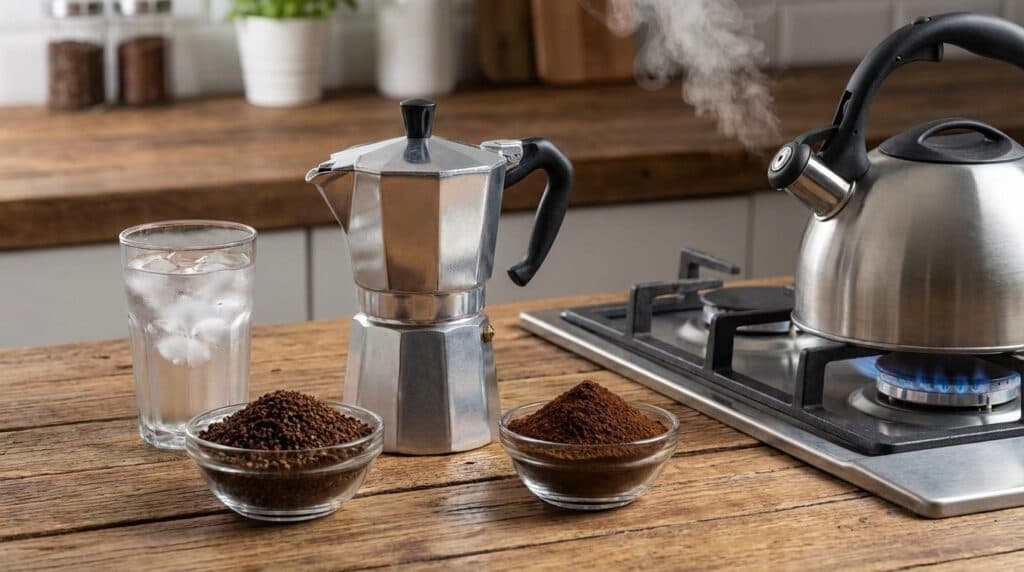
Sour coffee usually means under-extraction, which happens when the water passes through too quickly or isn’t hot enough. This can occur if your grind is too coarse or if you’re using water that’s too cold. Make sure you’re using a fine (but not espresso-fine) grind and pre-heated water.
Should I preheat the water before adding it to the Moka pot?
Yes, I highly recommend it. Using pre-heated water reduces the time your Moka pot sits on the stove, which means less chance of the grounds getting cooked before extraction begins. It’s a simple trick that makes a noticeable difference in flavor.
How often should I replace my Moka pot gasket?
With proper care (low heat, regular cleaning), a gasket can last 1-2 years. If you notice your pot isn’t building pressure properly, coffee is leaking from the sides, or the gasket looks cracked and hard, it’s time for a replacement. Keep a spare on hand—they’re inexpensive and easy to swap out.
Conclusion: Slow Down for Better Coffee
Using high heat on your Moka pot is one of those mistakes that’s easy to make and even easier to fix. The solution doesn’t require fancy equipment or barista-level skills—just a little patience and a willingness to turn down the dial.
Remember: low and slow is the way to go. Start with pre-heated water, use the lowest heat setting that still produces results, watch for that honey-like stream, and pull the pot off the heat at the first sign of sputtering. Your taste buds (and your gasket) will thank you.
Next time you brew, try these techniques and pay attention to the difference. I’m confident you’ll taste the improvement in your very first cup. Great Moka pot coffee is absolutely achievable at home—you just have to give it the gentle treatment it deserves.


Comments