


Table of Contents
- Quick Verdict: Metal Filter
- Understanding Coffee Oils and Body
- What Are Coffee Oils?
- What Is Coffee Body?
- Paper AeroPress Filters: The Clean Cup Champion
- How Paper Filters Work
- Pros of Paper Filters
- Cons of Paper Filters
- Metal AeroPress Filters: The Full-Body Experience
- How Metal Filters Work
- Pros of Metal Filters
- Cons of Metal Filters
- Side-by-Side Comparison
- Who Should Choose Paper Filters?
- Who Should Choose Metal Filters?
- Can You Use Both?
- Final Thoughts and Recommendations
You’ve mastered your AeroPress technique, dialed in your grind size, and nailed your water temperature. But there’s one variable that can completely transform your cup: the filter. The debate between metal vs. paper AeroPress filters comes down to one fundamental question—how much oil and body do you want in your coffee?
Life is too short for bad coffee, and choosing the wrong filter for your taste preferences can leave you wondering why your brew doesn’t hit the spot. In this guide, I’ll break down exactly how each filter type affects your cup, help you understand the science behind coffee oils and body, and give you a clear answer on which one deserves a spot in your brewing setup.
Quick Verdict: Metal Filter
If you love a rich, full-bodied cup with pronounced oils and don’t mind a bit of fine sediment, go with a metal AeroPress filter. It delivers a French press-like mouthfeel while keeping the AeroPress’s clean brewing process. However, if you prefer a crisp, tea-like clarity with zero grit, paper filters remain the classic choice.
Understanding Coffee Oils and Body
Before we dive into the filter showdown, let’s talk about what we actually mean by “oil” and “body” in coffee. These two elements dramatically shape your drinking experience.
What Are Coffee Oils?
Coffee beans contain natural oils called lipids, which carry a huge portion of the flavor compounds and aromatics. When hot water extracts these oils during brewing, they contribute to the coffee’s aroma, sweetness, and overall complexity. In short, oils equal flavor depth.
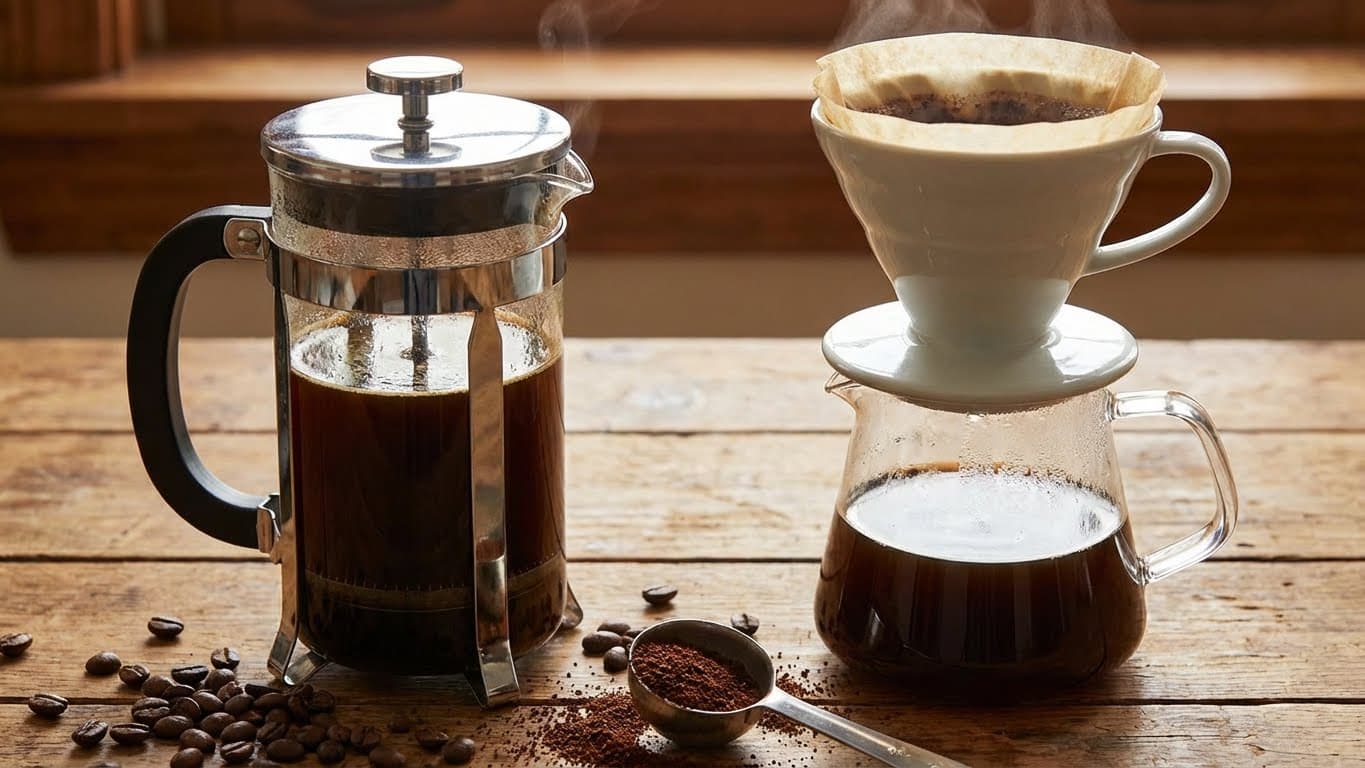
You’ve probably noticed that oily sheen on top of a French press brew. That’s those lipids at work. Some people love it; others find it too heavy. Your filter choice determines how much of that oil ends up in your cup.
What Is Coffee Body?
Body refers to the tactile sensation of coffee in your mouth—its weight and texture. A full-bodied coffee feels thick and syrupy, while a light-bodied coffee feels more like tea or water. Body comes from dissolved solids, suspended particles, and yes, those oils we just discussed.
Think of it this way: skim milk versus whole milk. Same liquid, completely different mouthfeel. That’s body in action.
Paper AeroPress Filters: The Clean Cup Champion
The standard paper filters that come with your AeroPress are designed to produce an exceptionally clean cup. In my experience, they’re perfect for highlighting delicate origin flavors and bright acidity.
How Paper Filters Work
Paper filters trap coffee oils and fine particles through absorption and physical filtration. The tiny pores in the paper allow water and dissolved flavor compounds through while blocking the heavier lipids and sediment. The result is a crystal-clear brew with zero grit at the bottom of your cup.
I’ve found that lighter roasts with fruity or floral notes really shine with paper filters. You taste the nuance without the oils masking those subtle flavors.
Pros of Paper Filters
- Produces a clean, sediment-free cup every time
- Highlights bright acidity and delicate flavor notes
- Lower in cafestol (a compound some link to cholesterol concerns)
- No cleaning required—just toss after use
- Inexpensive and widely available
- Consistent results with minimal technique adjustment
Cons of Paper Filters
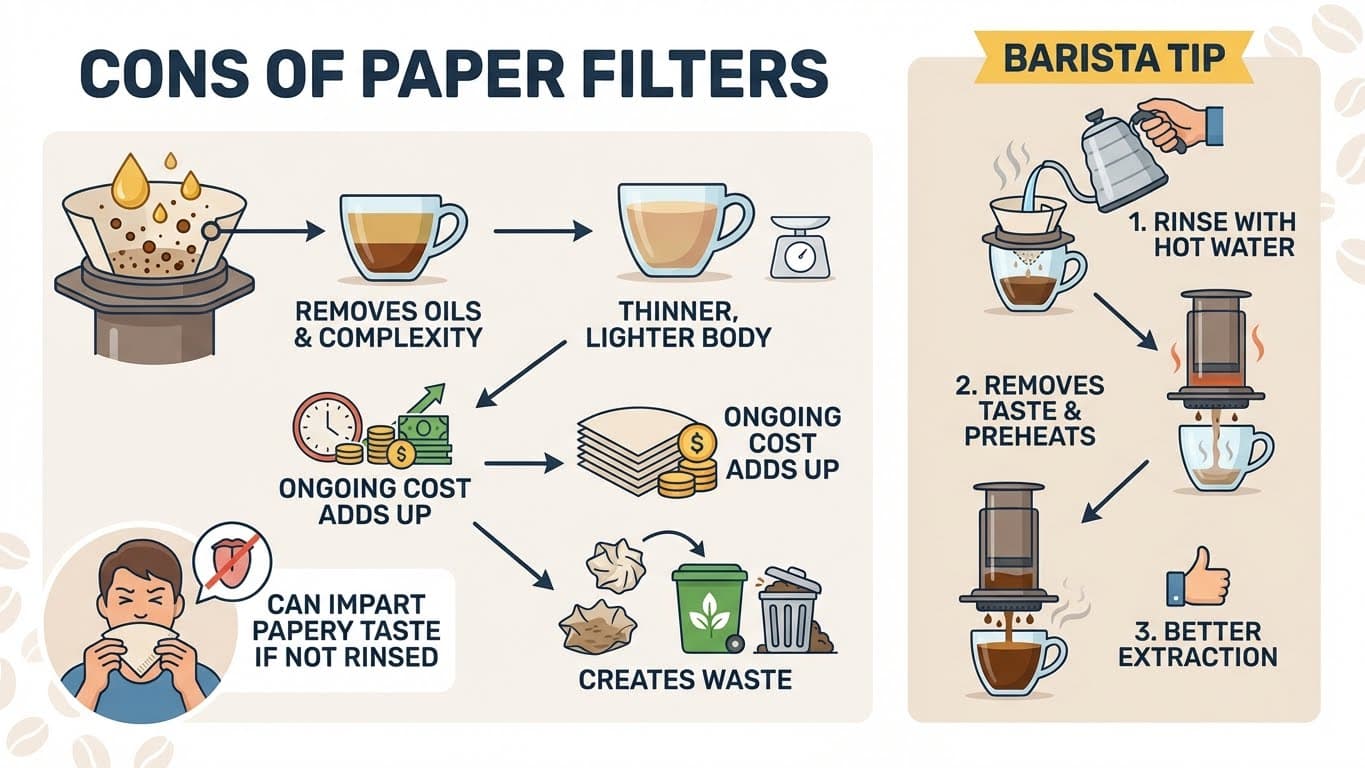
- Removes oils that carry flavor complexity and sweetness
- Produces a thinner, lighter body
- Ongoing cost adds up over time
- Creates waste (though they’re compostable)
- Can impart a slight papery taste if not rinsed
Barista Tip: Always rinse your paper filter with hot water before brewing. This removes any papery taste and preheats your AeroPress for better extraction.
Metal AeroPress Filters: The Full-Body Experience
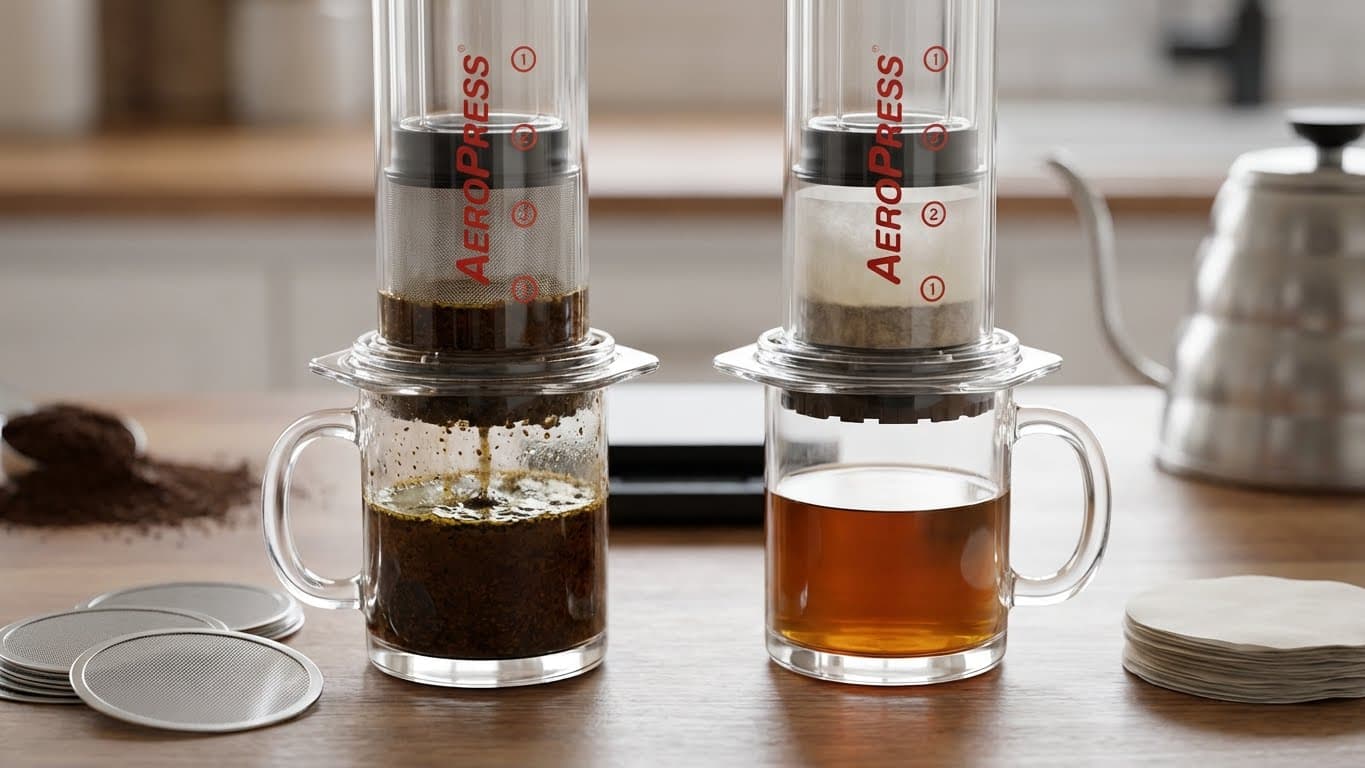
Metal filters, typically made from stainless steel with laser-cut or etched micro-holes, offer a completely different brewing philosophy. They let the oils through, giving you a richer, more robust cup.
How Metal Filters Work
Unlike paper, metal filters don’t absorb anything. They simply act as a physical barrier with holes small enough to block most coffee grounds but large enough to let oils and ultra-fine particles pass through. The result is closer to what you’d get from a French press, but with more control over extraction.
When I switched to a metal filter for my morning AeroPress routine, the difference was immediate. My medium-dark roasts suddenly had this velvety, almost chocolatey richness that paper filters had been stripping away.
Pros of Metal Filters
- Preserves natural coffee oils for fuller flavor
- Delivers a heavier, more satisfying body
- Reusable and environmentally friendly
- One-time purchase saves money long-term
- Enhances sweetness and depth in darker roasts
- No risk of papery off-flavors
Cons of Metal Filters
- Allows fine sediment into the cup (some find this unpleasant)
- Can mute bright, delicate flavor notes
- Requires cleaning after each use
- Higher upfront cost ($10-20 typically)
- May take experimentation to dial in your grind size
Barista Tip: If you’re getting too much sediment with a metal filter, try grinding slightly coarser. This reduces the amount of ultra-fine particles that slip through.
Side-by-Side Comparison
| Factor | Paper Filter | Metal Filter |
|---|---|---|
| Body | Light to medium | Medium to full |
| Oil Content | Very low | High |
| Clarity | Crystal clear | Slight sediment |
| Best For | Light roasts, fruity coffees | Medium-dark roasts, chocolatey coffees |
| Cleanup | Disposable | Rinse and dry |
| Cost Over Time | Ongoing (~$5-10/year) | One-time (~$10-20) |
| Environmental Impact | Compostable waste | Zero waste |
Who Should Choose Paper Filters?
Paper filters are your best bet if you fall into any of these categories:
- You prefer light roasts with bright, fruity, or floral notes
- You enjoy a clean, tea-like cup without any sediment
- You’re sensitive to the texture of fine particles in your coffee
- You want zero-maintenance brewing with no filter cleanup
- You’re monitoring cholesterol and want to minimize cafestol intake
In my experience, paper filters also work better for beginners. They’re more forgiving with grind size variations and produce consistent results without much technique adjustment.
Who Should Choose Metal Filters?
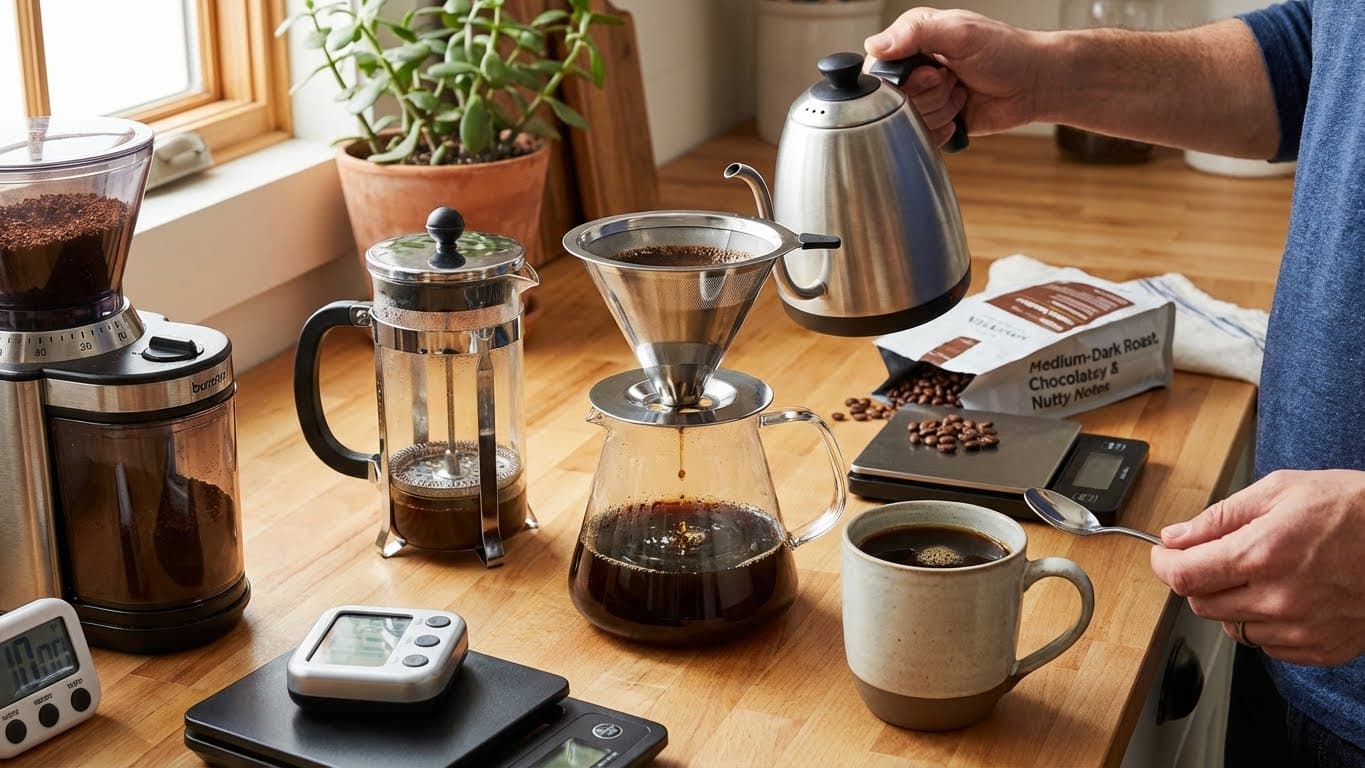
A metal filter makes more sense if this sounds like you:
- You love the rich, heavy body of French press coffee
- You prefer medium to dark roasts with chocolatey or nutty profiles
- You don’t mind a small amount of sediment at the bottom of your cup
- You want to reduce waste and avoid ongoing filter purchases
- You enjoy experimenting with your brewing variables
Metal filters reward those who like to tinker. Once you dial in your grind size and technique, the flavor payoff is substantial.
Can You Use Both?
Here’s a secret many home baristas discover: you don’t have to choose just one. I keep both paper and metal filters in my coffee station and switch based on what I’m brewing.
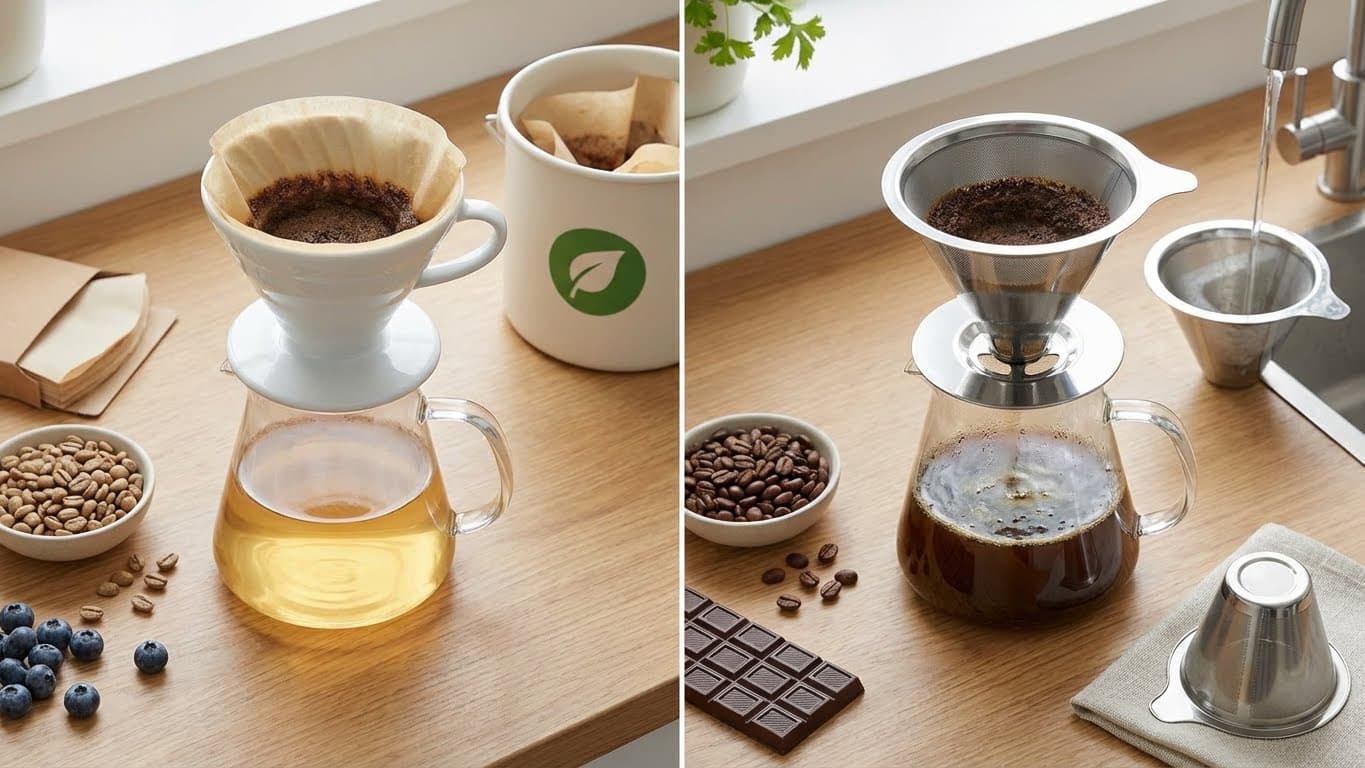
Got a bag of Ethiopian Yirgacheffe with delicate blueberry notes? Paper filter. Brewing a Sumatran dark roast on a lazy Sunday morning? Metal filter all the way. Some people even stack a metal filter under a paper filter for a hybrid approach—more body than paper alone, but cleaner than metal alone.
The beauty of the AeroPress is its versatility. Your filter choice is just another variable to play with.
Final Thoughts and Recommendations
The metal vs. paper AeroPress filter debate ultimately comes down to personal preference. Neither is objectively better—they simply produce different cups of coffee. Paper filters give you clarity and brightness; metal filters give you richness and body.
If you’ve only ever used the paper filters that came with your AeroPress, I’d encourage you to try a metal filter at least once. The difference in mouthfeel and flavor depth might surprise you. And if you’re already a metal filter convert, don’t dismiss paper entirely—it can reveal flavors in certain coffees that you’d otherwise miss.
Start by considering what you love most about coffee. Chase that, and let your filter choice follow. Your perfect cup is waiting.


Comments