



Table of Contents
- What Causes Coffee Headaches?
- Caffeine Withdrawal Headaches
- Caffeine-Induced Headaches
- Myth-Busting: Common Misconceptions About Coffee Headaches
- Myth 1: Dark Roast Has More Caffeine and Causes More Headaches
- Myth 2: Decaf Coffee Won't Cause Headaches
- Myth 3: Coffee Headaches Mean You Should Quit Completely
- How to Prevent Coffee Headaches
- Stay Consistent With Your Timing
- Monitor Your Total Intake
- Hydrate Properly
- Consider Low-Acid Coffee Options
- How to Fix Coffee Headaches When They Strike
- For Caffeine Withdrawal Headaches
- For Caffeine Overconsumption Headaches
- Special Considerations for Sensitive Individuals
- Genetic Caffeine Sensitivity
- Migraine Sufferers
- Frequently Asked Questions
- How long do caffeine withdrawal headaches last?
- Can I get coffee headaches from just one cup a day?
- Does the type of coffee matter for headaches?
- Are some people immune to caffeine headaches?
- Should I take pain medication for coffee headaches?
- Final Thoughts and Your Next Steps
You’re sipping your morning coffee, feeling great, when suddenly a throbbing headache creeps in. Or maybe you skipped your usual cup and now your temples are pounding relentlessly. Sound familiar? Coffee headaches affect millions of people, yet they remain one of the most misunderstood aspects of our daily caffeine ritual. Whether you’re experiencing pain from drinking coffee or suffering because you haven’t had any, understanding why coffee headaches happen is the first step toward fixing them for good.
In this guide, I’ll walk you through the science behind coffee headaches, bust some common myths, and share practical strategies that have helped countless home coffee lovers enjoy their brew without the unwanted side effects. Let’s get to the bottom of this so you can get back to enjoying your cup in peace.
What Causes Coffee Headaches?
Coffee headaches generally fall into two categories: headaches caused by caffeine consumption and headaches caused by caffeine withdrawal. Understanding which type you’re dealing with is essential for finding the right solution.
Caffeine Withdrawal Headaches
This is by far the most common type of coffee headache. When you consume caffeine regularly, your brain adapts by increasing the number of adenosine receptors. Adenosine is a neurotransmitter that promotes relaxation and sleepiness. Caffeine blocks these receptors, which is why you feel alert after your morning cup.
When you suddenly reduce or skip your caffeine intake, those extra receptors are left unblocked. Adenosine floods in, causing blood vessels in your brain to dilate. This dilation triggers that characteristic throbbing headache that caffeine-dependent folks know all too well.
Key Takeaway: Caffeine withdrawal headaches can start as early as 12-24 hours after your last cup and may last anywhere from two to nine days if you’re quitting cold turkey.
Caffeine-Induced Headaches
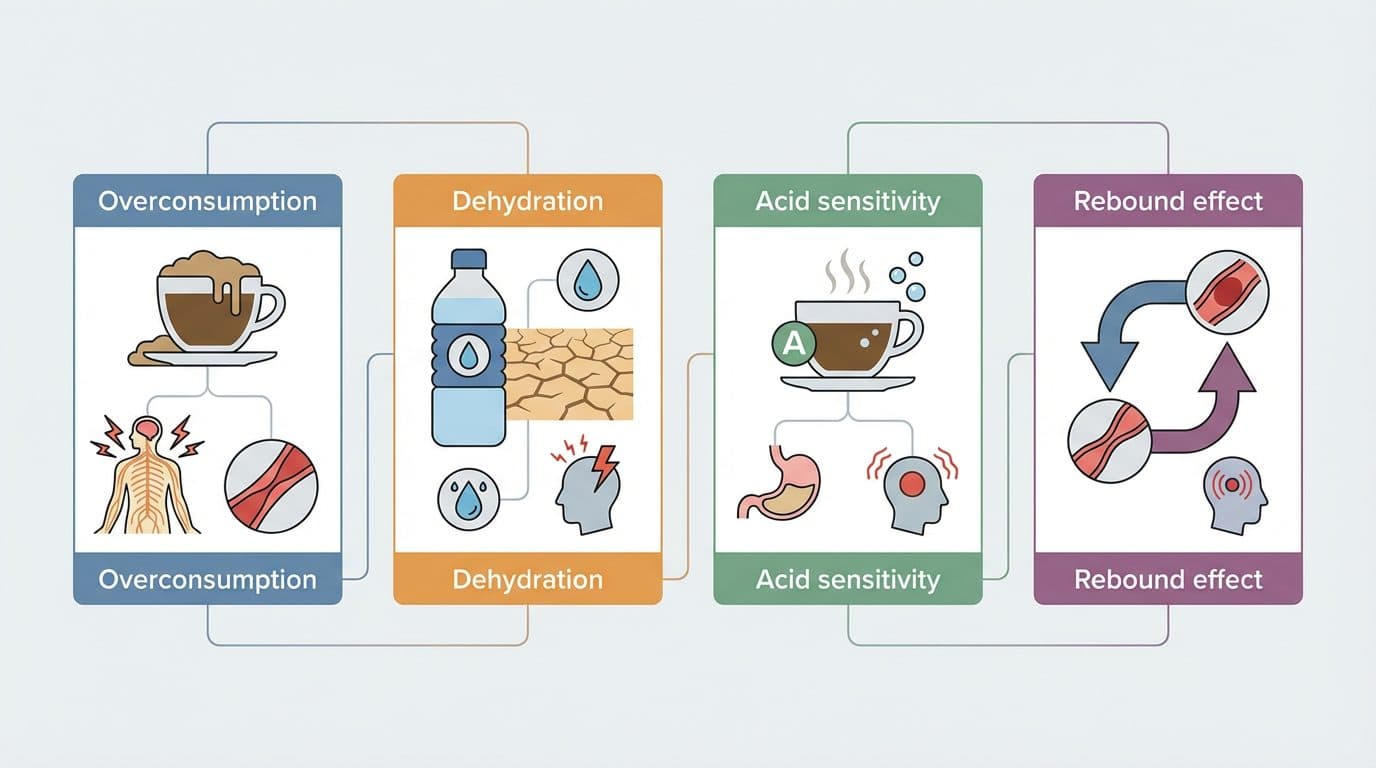
On the flip side, some people experience headaches from drinking coffee itself. This happens for several reasons:
- Overconsumption: Drinking too much caffeine can overstimulate your nervous system and constrict blood vessels excessively
- Dehydration: Caffeine is a mild diuretic, and if you’re not drinking enough water, headaches can follow
- Acid sensitivity: Some people react to the acids in coffee, which can trigger migraines or tension headaches
- Rebound effect: After the initial vasoconstriction wears off, blood vessels may dilate rapidly, causing pain
In my experience, most coffee lovers who complain about headaches after drinking are actually experiencing a combination of dehydration and overconsumption rather than a true sensitivity to caffeine itself.
Myth-Busting: Common Misconceptions About Coffee Headaches
There’s a lot of misinformation floating around about coffee and headaches. Let me clear up some of the biggest myths I encounter regularly.
Myth 1: Dark Roast Has More Caffeine and Causes More Headaches
Many people assume that bold, dark roast coffee packs more caffeine punch. Actually, the opposite is true. The roasting process breaks down caffeine molecules, so lighter roasts typically contain slightly more caffeine by volume. If you’re sensitive to caffeine, switching to dark roast won’t necessarily solve your headache problem.
Myth 2: Decaf Coffee Won’t Cause Headaches
Here’s something that surprises people: decaf isn’t completely caffeine-free. A typical cup of decaf still contains 2-15 mg of caffeine, compared to 95-200 mg in regular coffee. While this small amount usually won’t trigger headaches, heavy decaf drinkers can still develop a mild caffeine dependence.
Myth 3: Coffee Headaches Mean You Should Quit Completely
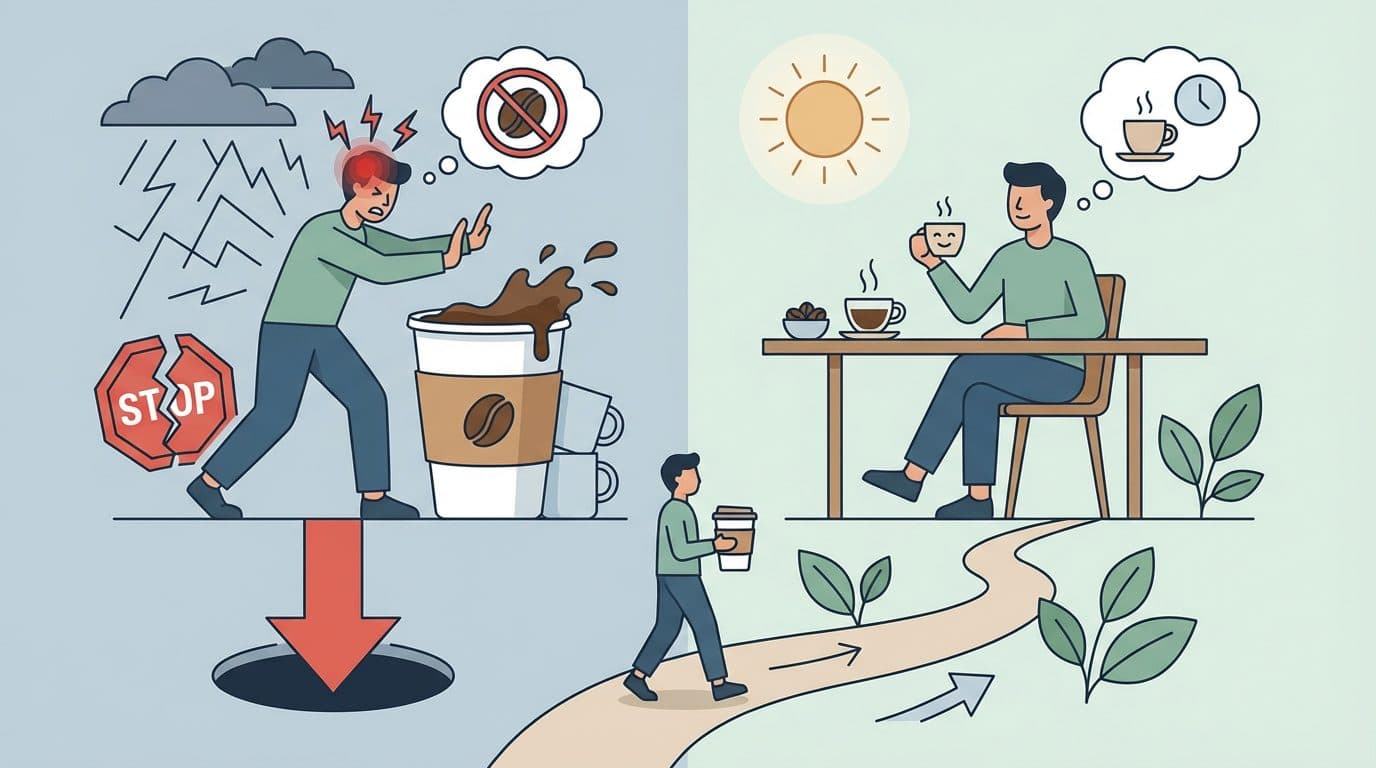
Unless you have a specific medical condition that requires avoiding caffeine, moderate coffee consumption is perfectly fine for most people. The key is consistency and moderation rather than total elimination. Abrupt cessation often causes more problems than gradual adjustment.
How to Prevent Coffee Headaches
Prevention is always better than cure. Here are strategies that I’ve found work exceptionally well for avoiding those dreaded caffeine-related headaches.
Stay Consistent With Your Timing
Your body loves routine. If you normally drink coffee at 7 AM, try to stick to that schedule even on weekends. Weekend warriors who sleep in and skip their usual morning cup often find themselves with pounding headaches by noon. Keep your caffeine timing as consistent as possible.
Monitor Your Total Intake
It’s easy to lose track of how much caffeine you’re actually consuming throughout the day. Consider this breakdown:
- Standard drip coffee (8 oz): 95-200 mg caffeine
- Espresso shot (1 oz): 63 mg caffeine
- Cold brew (8 oz): 100-200 mg caffeine
- Green tea (8 oz): 25-50 mg caffeine
Most health authorities suggest keeping your daily intake under 400 mg for healthy adults. That’s roughly four standard cups of coffee. If you’re regularly exceeding this, scaling back might help prevent headaches.
Hydrate Properly
For every cup of coffee you drink, try to consume an equal amount of water. This simple habit counteracts caffeine’s mild diuretic effect and keeps your brain properly hydrated. Dehydration headaches and caffeine headaches can feel remarkably similar, so staying hydrated helps you identify the true culprit.
Consider Low-Acid Coffee Options

If you suspect coffee’s acidity might be contributing to your headaches, exploring low-acid options could help. Cold brew naturally contains less acid than hot-brewed coffee. Some brands also offer specially processed low-acid beans that are gentler on sensitive systems.
Barista Tip: Adding a pinch of salt to your coffee grounds before brewing can neutralize some of the acidity without affecting flavor. I’ve recommended this trick to countless readers who report fewer stomach issues and headaches as a result.
How to Fix Coffee Headaches When They Strike
Despite your best prevention efforts, headaches happen. Here’s how to address them effectively depending on their cause.
For Caffeine Withdrawal Headaches
The quickest fix is to consume a small amount of caffeine. Even half a cup of coffee or a cup of green tea can provide enough caffeine to ease withdrawal symptoms. This isn’t giving in to addiction; it’s a practical way to relieve pain while you work on gradually reducing your intake.
If you’re intentionally cutting back on caffeine, these strategies help manage withdrawal headaches:
- Reduce intake gradually—cut by about 25% every few days rather than quitting suddenly
- Apply a cold compress to your forehead or neck
- Get some light exercise, which releases natural painkillers
- Stay well-hydrated
- Take an over-the-counter pain reliever if needed
For Caffeine Overconsumption Headaches
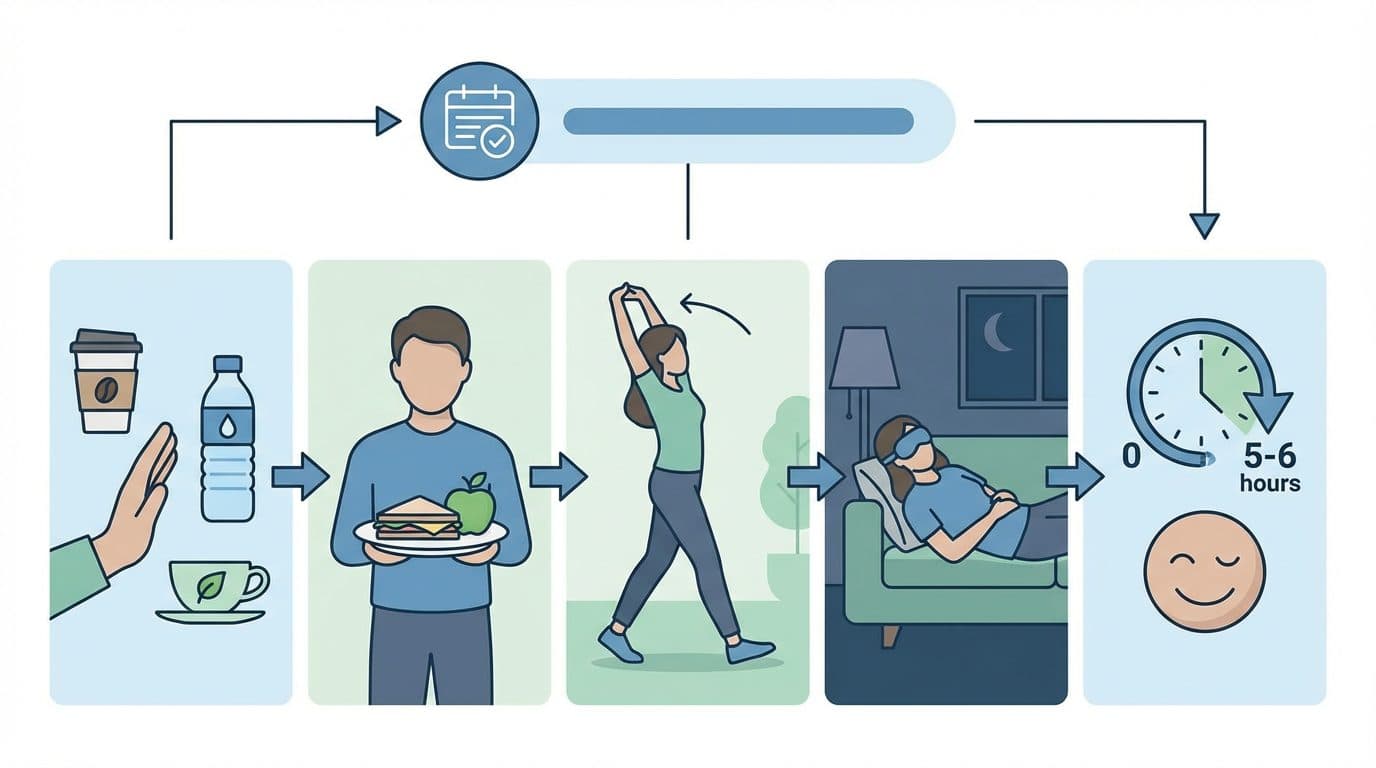
When you’ve had too much coffee, your body needs time to metabolize the excess caffeine. Here’s what helps:
- Stop consuming caffeine immediately and switch to water or herbal tea
- Eat something substantial—food helps slow caffeine absorption
- Move around gently; physical activity can speed up metabolism
- Rest in a quiet, dark room if the headache is severe
- Wait it out—caffeine’s half-life is about 5-6 hours, so relief will come
I remember overdoing it with cold brew one summer afternoon. Three large glasses later, my head was throbbing and my heart was racing. A big meal, lots of water, and a walk around the block helped tremendously. Lesson learned about respecting cold brew’s potency.
Special Considerations for Sensitive Individuals
Some people are naturally more sensitive to caffeine due to genetics, medications, or underlying health conditions. If you fall into this category, here are additional considerations.
Genetic Caffeine Sensitivity
Your ability to metabolize caffeine depends largely on your genes. Some people process caffeine quickly and can drink coffee late in the day without issues. Others are slow metabolizers who feel effects for many hours. If you’re in the latter group, you may need to limit yourself to one cup consumed early in the day.
Migraine Sufferers
Caffeine has a complicated relationship with migraines. Small amounts can actually help relieve migraine pain—that’s why caffeine is an ingredient in some headache medications. However, overuse or inconsistent consumption can trigger migraines. If you suffer from migraines, keeping a detailed caffeine and headache diary can help you identify your personal patterns and triggers.
Important note: If you experience severe or frequent headaches, please consult a healthcare professional. While coffee headaches are usually harmless, persistent headaches can sometimes indicate other health issues that need attention.
Frequently Asked Questions
How long do caffeine withdrawal headaches last?
For most people, caffeine withdrawal headaches peak around day two or three and gradually subside within a week. However, heavy coffee drinkers may experience symptoms for up to nine days. Tapering your intake gradually rather than quitting abruptly typically shortens this timeline considerably.
Can I get coffee headaches from just one cup a day?
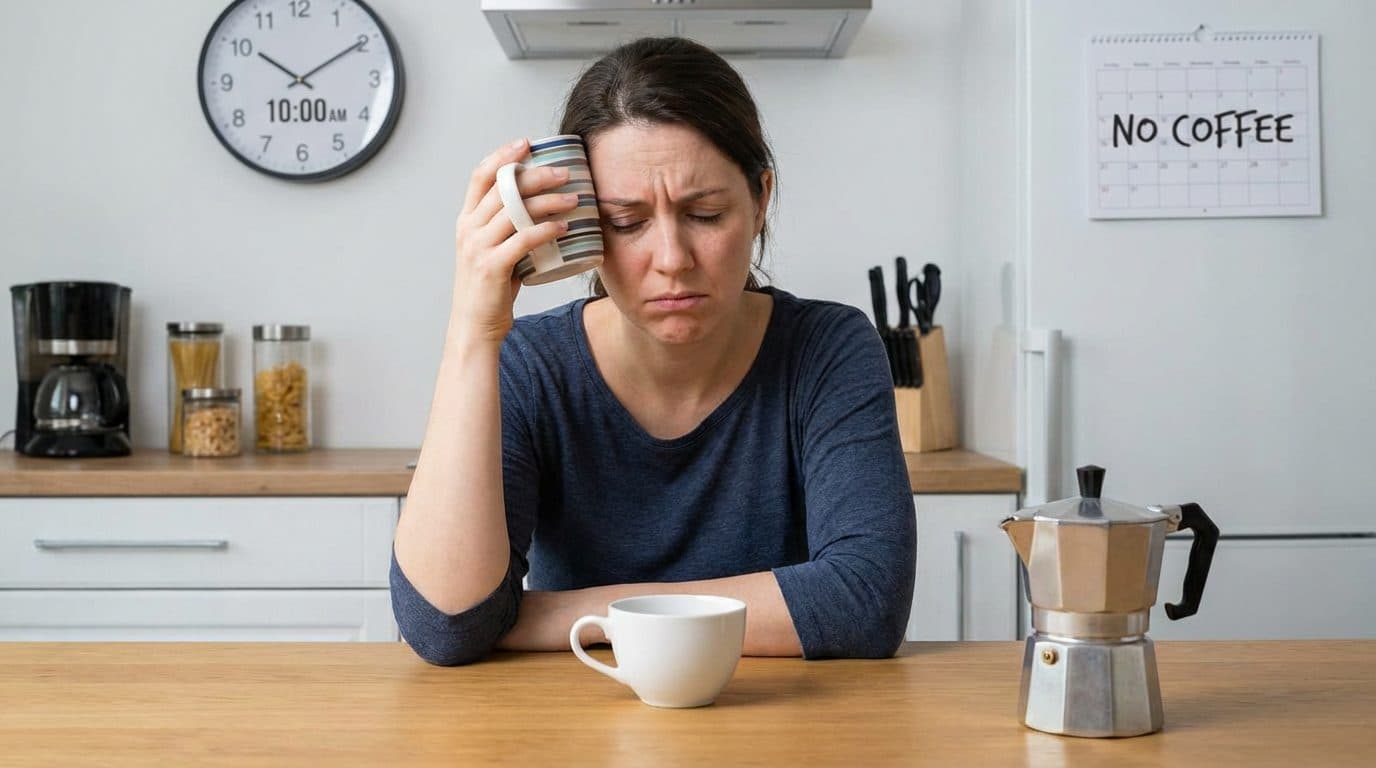
Yes, even one cup daily can create enough physical dependence that skipping it triggers a withdrawal headache. The key is consistency—if you drink one cup every morning at the same time, your body adjusts to that schedule. Problems arise when you break your routine.
Does the type of coffee matter for headaches?
It can. Espresso drinks typically contain less caffeine per serving than large drip coffees. Cold brew tends to be higher in caffeine but lower in acids. If acidity contributes to your headaches, switching brewing methods or opting for low-acid beans might help. Experiment to find what works best for your body.
Are some people immune to caffeine headaches?
Fast caffeine metabolizers are less likely to experience withdrawal headaches because caffeine clears their system more quickly. However, no one is completely immune. Anyone who develops a regular caffeine habit can experience withdrawal symptoms if they suddenly stop consuming it.
Should I take pain medication for coffee headaches?
Over-the-counter pain relievers can help with coffee headaches, but use them sparingly. Interestingly, many common headache medications contain caffeine, which can create its own dependency issues if used frequently. For occasional relief, they’re fine. For chronic headaches, addressing the root cause is better than masking symptoms.
Final Thoughts and Your Next Steps
Coffee headaches don’t have to ruin your relationship with your favorite beverage. In most cases, they’re simply your body’s response to inconsistent caffeine intake or overconsumption—both of which are entirely manageable with some mindful adjustments.
Start by tracking your current caffeine consumption and noting when headaches occur. Establish a consistent daily routine, stay hydrated, and respect your body’s signals. If you want to reduce your intake, do so gradually. Life is too short for bad coffee, and it’s definitely too short for unnecessary headaches.
By understanding your personal caffeine tolerance and maintaining consistent habits, you can enjoy your daily brew without the unwanted side effects. Here’s to headache-free mornings and perfectly balanced coffee rituals.




Comments