


Table of Contents
- Quick Verdict: BWT Penguin Takes the Crown
- Why Water Quality Matters for Coffee Brewing
- The Goldilocks Zone
- Brita Water Pitcher: The Popular Choice
- How Brita Filters Work
- Who Is Brita For?
- Who Is Brita NOT For?
- BWT Penguin: The Coffee Enthusiast's Choice
- The Magnesium Mineralized Water Difference
- Who Is BWT For?
- Who Is BWT NOT For?
- Peak Water Pitcher: The Precision Option
- Adjustable Filtration Explained
- Who Is Peak For?
- Who Is Peak NOT For?
- Head-to-Head Comparison: Brita vs. BWT vs. Peak
- Taste Test Results
- Frequently Asked Questions
- Can I use distilled or reverse osmosis water for coffee?
- How often should I change my water filter for coffee brewing?
- Will better water help my budget coffee beans taste good?
- Does water temperature matter as much as water quality?
- Should I use filtered water in my espresso machine?
- Conclusion and Next Steps
Quick Verdict: BWT Penguin Takes the Crown
After months of testing and countless cups of coffee, I can confidently say the BWT Penguin is the best water pitcher for home coffee brewing. Its magnesium-infused filtration doesn’t just remove impurities—it actually enhances extraction and brings out sweeter, more complex flavors in your cup. If you’re serious about your morning brew, this is where your money should go.
That said, the Brita and Peak pitchers each have their place depending on your priorities. Let me walk you through exactly why water matters so much for coffee and which pitcher suits your specific brewing style.
Have you ever brewed the same beans with bottled water and tap water side by side? The difference can be shocking. Your coffee is about 98% water, so it makes sense that water quality dramatically affects taste. Yet most home baristas overlook this simple upgrade. Whether you’re troubleshooting bitter espresso, flat pour-overs, or just want to take your daily cup to the next level, choosing the right water filter pitcher is one of the easiest wins you can get.
In this guide, I’ll break down the three most popular water pitchers for coffee brewing—Brita, BWT, and Peak—comparing their filtration technology, taste impact, cost, and convenience. By the end, you’ll know exactly which one belongs in your kitchen.
Why Water Quality Matters for Coffee Brewing
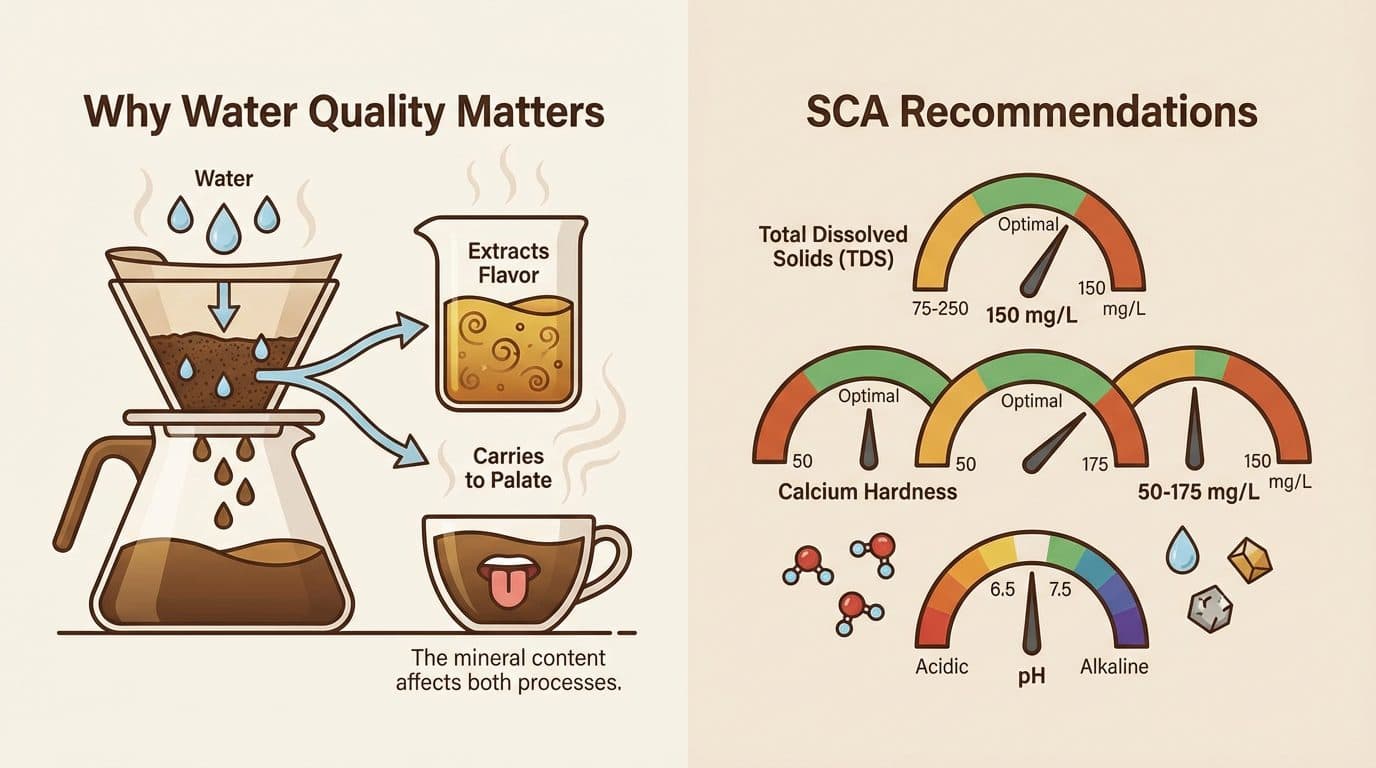
Before diving into the pitchers themselves, let’s quickly cover why this matters. Water serves two critical functions in coffee brewing: it extracts flavor compounds from your grounds, and it carries those flavors to your palate. The mineral content in your water directly affects both processes.
The Specialty Coffee Association recommends water with specific characteristics for optimal brewing:
- Total Dissolved Solids (TDS): 75-250 mg/L (ideal around 150 mg/L)
- Calcium Hardness: 50-175 mg/L
- pH: 6.5-7.5 (neutral to slightly acidic)
- Chlorine: 0 mg/L
Here’s the problem: most tap water either has too many minerals (hard water) or too few (soft water). Hard water leads to flat, chalky coffee and scale buildup in your equipment. Soft water causes over-extraction, resulting in harsh, bitter brews. And chlorine? It just makes everything taste like a swimming pool.
The Goldilocks Zone
In my experience, finding that “just right” mineral balance transforms average coffee into something special. I once had a customer tell me their expensive single-origin beans tasted “boring.” Turns out, their filtered water was stripping out too many minerals. We switched their filtration approach, and suddenly those same beans exploded with fruit notes they’d never tasted before.
In short: the right water pitcher doesn’t just remove bad stuff—it leaves behind (or adds) the good stuff your coffee needs.
Brita Water Pitcher: The Popular Choice
Brita is the name most people recognize. You’ve probably seen their pitchers in countless kitchens, and there’s a reason for that—they’re affordable, widely available, and genuinely effective at basic filtration.
How Brita Filters Work
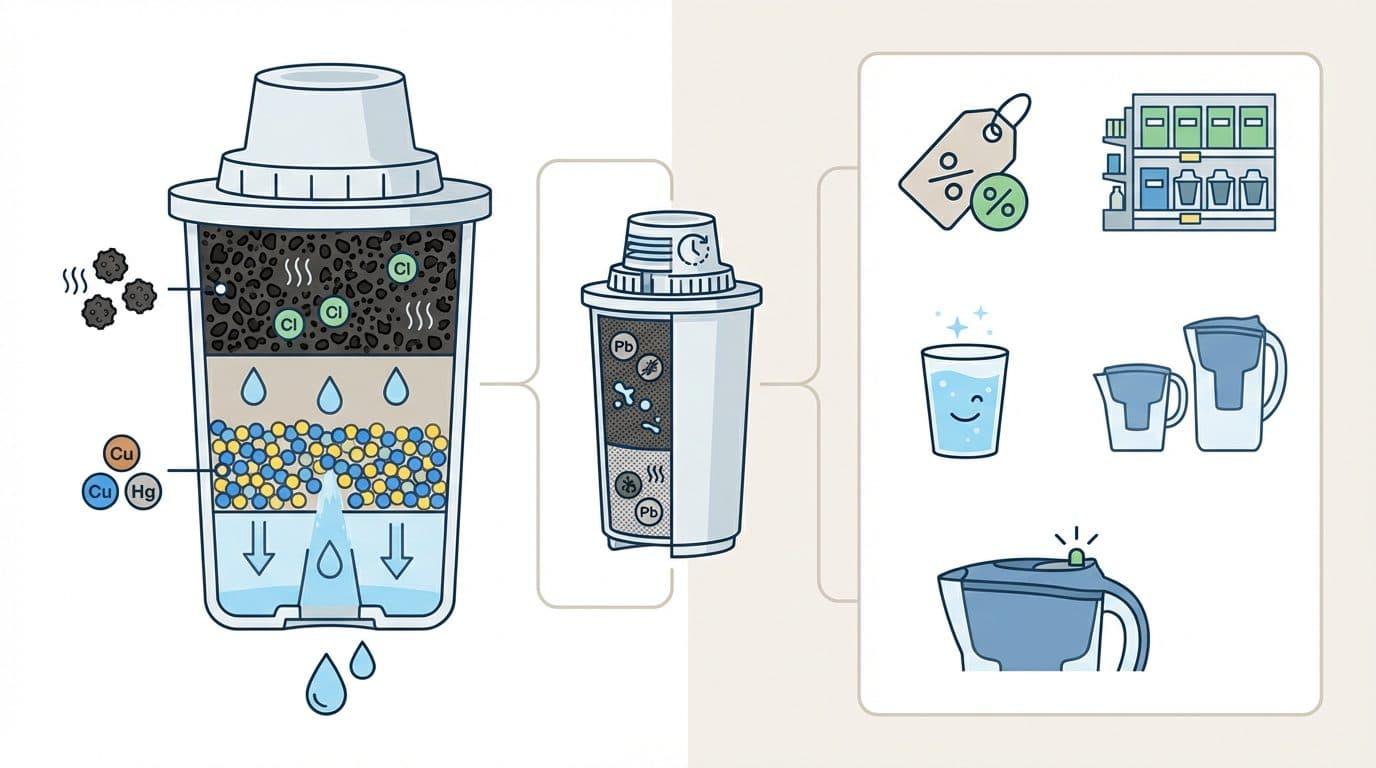
Standard Brita filters use activated carbon and ion exchange resin. The carbon removes chlorine taste and odor, while the resin reduces some heavy metals like copper and mercury. Their newer “Longlast” filters add more comprehensive reduction of lead and other contaminants.
Pros:
- Very affordable (pitchers start around $20-30)
- Filters are easy to find at any grocery store
- Effective chlorine removal improves taste immediately
- Multiple pitcher sizes and styles available
- Filter replacement indicator takes the guesswork out
Cons:
- Removes some beneficial minerals along with contaminants
- Not specifically designed for coffee brewing
- Can produce water that’s slightly too “soft” for optimal extraction
- Standard filters need replacement every 40 gallons (about 2 months)
Who Is Brita For?
Brita makes sense if you’re just starting to care about water quality and want a low-commitment entry point. It’s also great if your tap water has strong chlorine taste—you’ll notice an immediate improvement. For casual coffee drinkers who aren’t obsessing over tasting notes, Brita does the job.
Who Is Brita NOT For?
If you’re buying specialty beans, using precise brewing methods like pour-over or espresso, or if your tap water is already quite soft, Brita might strip too many minerals and leave your coffee tasting flat. In these cases, you need something more coffee-specific.
Barista Tip: If you already own a Brita, try mixing filtered water with a small amount of unfiltered tap water (about 70/30 ratio). This can restore some mineral content without reintroducing chlorine taste.
BWT Penguin: The Coffee Enthusiast’s Choice
Here’s where things get interesting. BWT (Best Water Technology) designed their Penguin pitcher specifically with beverage brewing in mind. It’s popular among specialty coffee shops and baristas who compete in brewing championships. That pedigree translates directly to your home kitchen.
The Magnesium Mineralized Water Difference
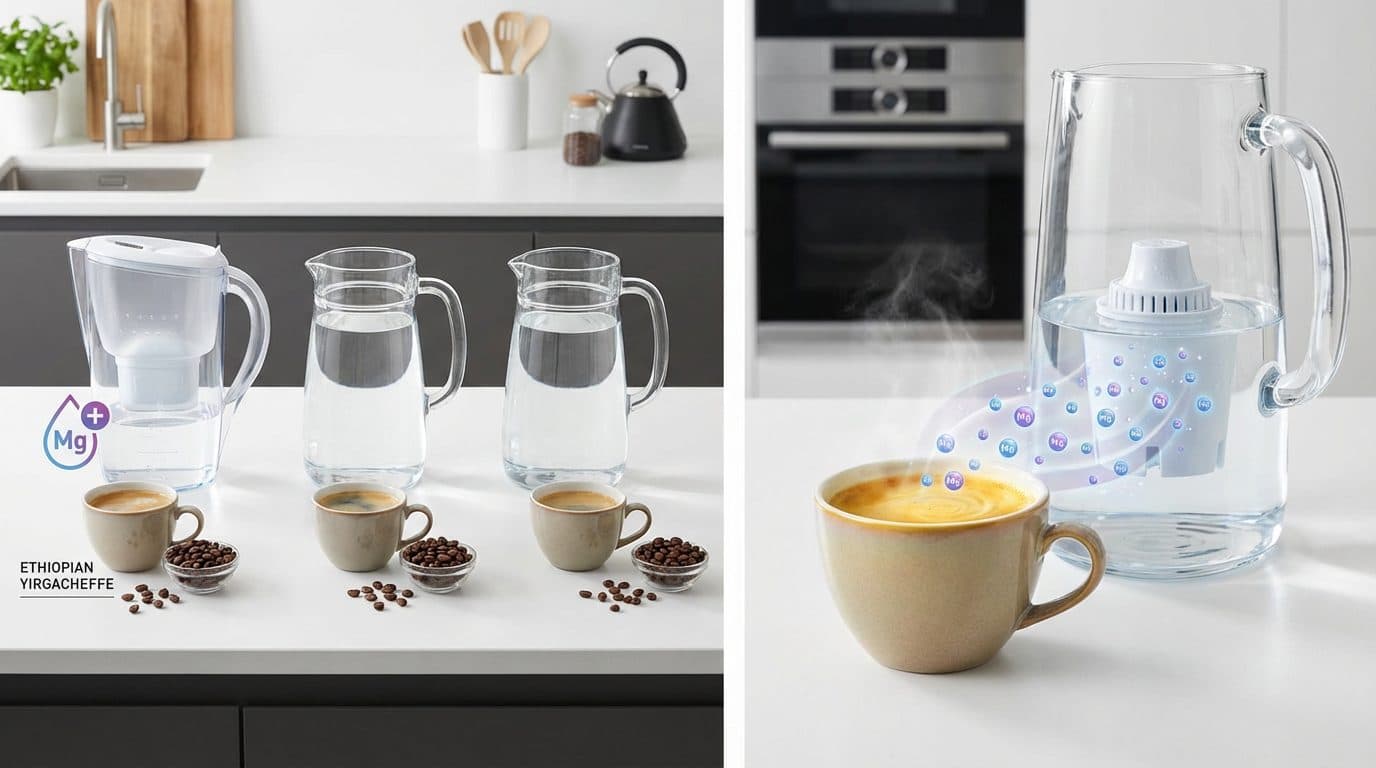
What sets BWT apart is their patented Magnesium Mineralized Water Technology. Unlike standard filters that only remove things, BWT filters actually add magnesium ions to your water. Magnesium is a flavor carrier—it helps extract and enhance the aromatic compounds in coffee, particularly the sweeter and more delicate notes.
I’ve tested this extensively with the same Ethiopian Yirgacheffe beans across all three pitchers. The BWT-filtered water consistently produced the brightest acidity and most pronounced berry notes. It’s not subtle.
Pros:
- Adds magnesium for enhanced flavor extraction
- Specifically designed for coffee and tea brewing
- Reduces chlorine, heavy metals, and limescale
- Noticeably sweeter, more complex coffee taste
- Sleek design that looks good on your counter
- Filters last approximately 120 liters
Cons:
- Higher upfront cost (around $35-45 for the pitcher)
- Replacement filters are pricier and less widely available
- May need to order filters online rather than grabbing at the grocery store
- Smaller capacity than some Brita models
Who Is BWT For?
If you invest in quality beans and take your brewing seriously, BWT is worth every penny. It’s ideal for pour-over enthusiasts, AeroPress aficionados, and anyone who wants to taste what their specialty coffee is actually capable of. The improvement is real and repeatable.
Who Is BWT NOT For?
If you’re brewing commodity coffee or using a basic drip machine without much attention to technique, the benefits might be wasted. Also, if convenience and filter availability matter more than optimal taste, Brita’s accessibility wins.
Check the latest price on Amazon—BWT often runs promotions that include extra filters.
Peak Water Pitcher: The Precision Option
Peak Water takes a completely different approach. Rather than one-size-fits-all filtration, Peak lets you customize your water’s mineral content based on your local tap water and brewing preferences. It’s the most scientific option here, designed in partnership with coffee professionals.
Adjustable Filtration Explained
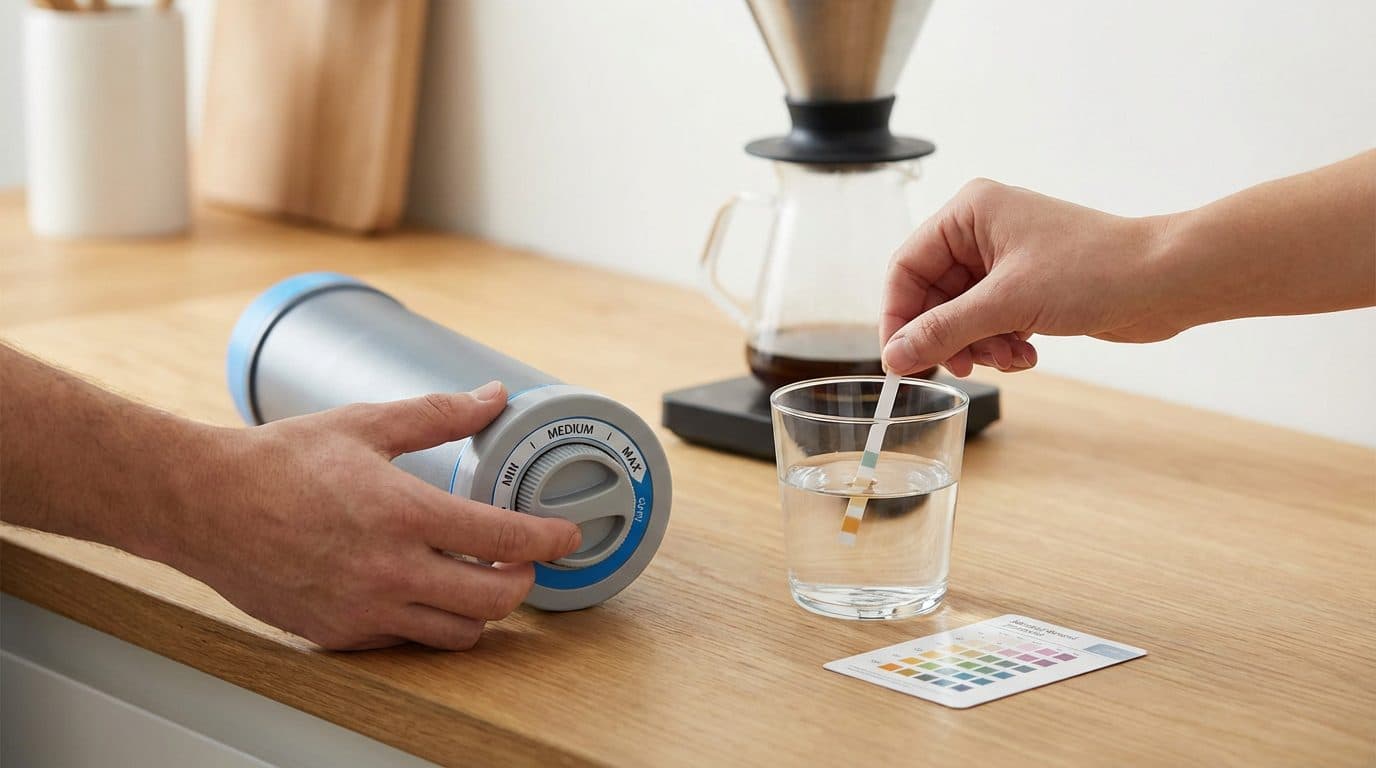
Peak’s filter cartridge has an adjustable dial that controls how much mineral content gets removed. You can test your tap water using provided strips, then dial in the filtration level that brings your water closest to the SCA recommended standards. It’s genuinely clever engineering.
Pros:
- Customizable to your specific tap water composition
- Can achieve near-perfect brewing water specifications
- Developed with input from World Barista Championship competitors
- Long filter life (up to 350 liters depending on settings)
- Includes water testing strips for precision
Cons:
- Highest price point (around $60-75 for the pitcher)
- Requires some initial setup and testing
- More complex than “fill and pour” simplicity
- Filters must be ordered online
- Overkill for casual coffee drinkers
Who Is Peak For?
Peak is perfect for the data-driven coffee nerd who wants complete control. If you track extraction percentages, experiment with brew ratios, and think about water chemistry, Peak speaks your language. It’s also ideal if your tap water is particularly challenging and standard filters don’t quite solve the problem.
Who Is Peak NOT For?
If words like “TDS” and “calcium hardness” make your eyes glaze over, Peak is more complexity than you need. It requires engagement to get the most benefit, and that’s not everyone’s idea of a good morning routine.
Head-to-Head Comparison: Brita vs. BWT vs. Peak
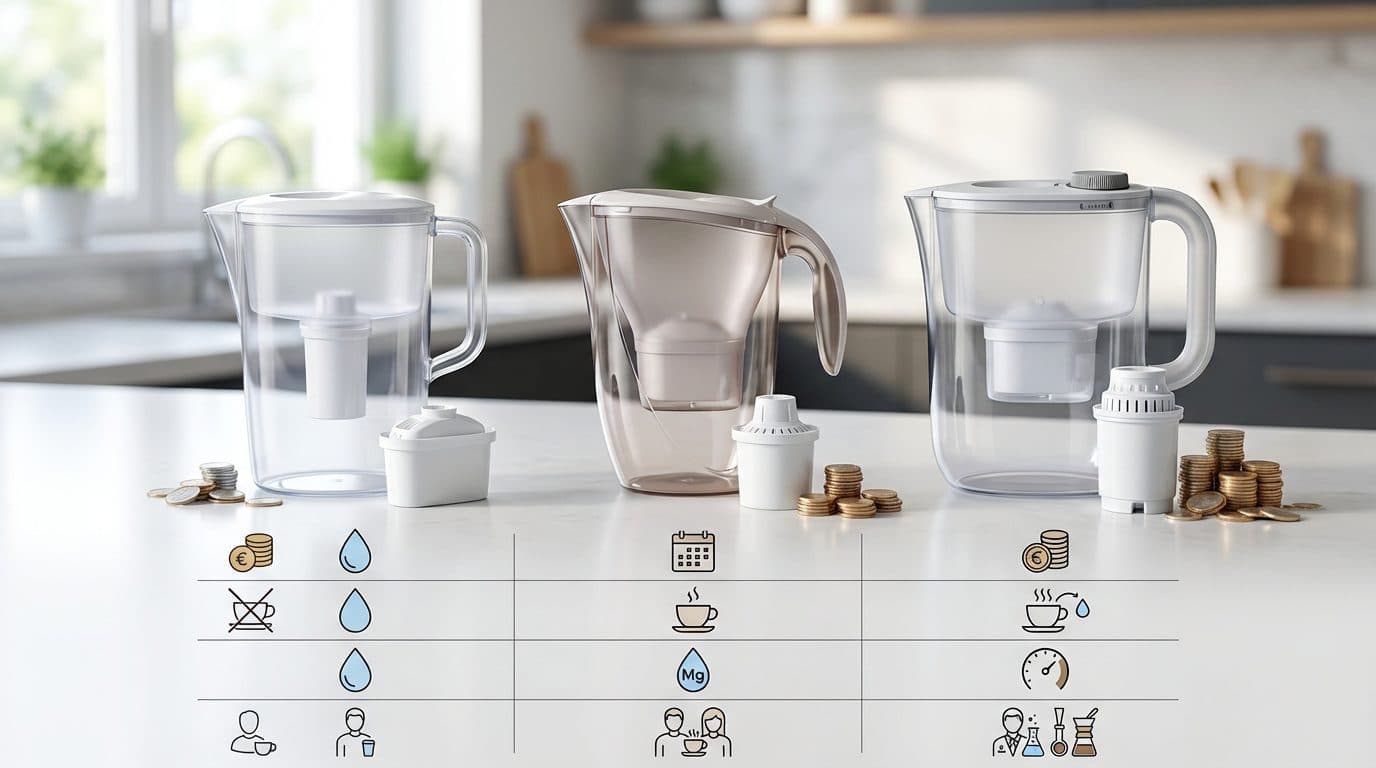
Let me break down the key differences in a simple comparison:
| Feature | Brita | BWT Penguin | Peak Water |
|---|---|---|---|
| Price (Pitcher) | $20-30 | $35-45 | $60-75 |
| Filter Cost | $6-8 | $10-15 | $20-25 |
| Filter Life | 40 gallons | 120 liters | Up to 350 liters |
| Coffee-Specific Design | No | Yes | Yes |
| Adds Minerals | No | Yes (Magnesium) | No (Adjustable removal) |
| Customization | None | None | Adjustable dial |
| Filter Availability | Excellent | Good (online) | Limited (online only) |
| Best For | Beginners | Enthusiasts | Perfectionists |
Taste Test Results
I brewed the same medium-roast Colombian coffee using each pitcher’s filtered water, keeping all other variables identical. Here’s what I found:
- Brita: Clean, neutral taste. Chlorine gone, slight flatness in the cup. Pleasant but unremarkable.
- BWT: Noticeably sweeter with more pronounced chocolate notes. Brighter finish. This was the crowd favorite in blind tastings.
- Peak (optimized): Very balanced, clean extraction. Slightly more acidity than BWT but excellent clarity. Professional-caliber water.
Frequently Asked Questions
Can I use distilled or reverse osmosis water for coffee?
Technically yes, but I don’t recommend it. Distilled and RO water have almost zero mineral content, which leads to aggressive over-extraction. Your coffee will taste harsh, bitter, and one-dimensional. If you must use these sources, add mineral drops designed for coffee brewing.
How often should I change my water filter for coffee brewing?
Follow the manufacturer’s recommendations, but also trust your taste. If your coffee starts tasting flat or chlorine creeps back in, it’s time for a new filter—even if the indicator hasn’t triggered yet. Coffee brewing demands clean, optimally mineralized water every time.
Will better water help my budget coffee beans taste good?
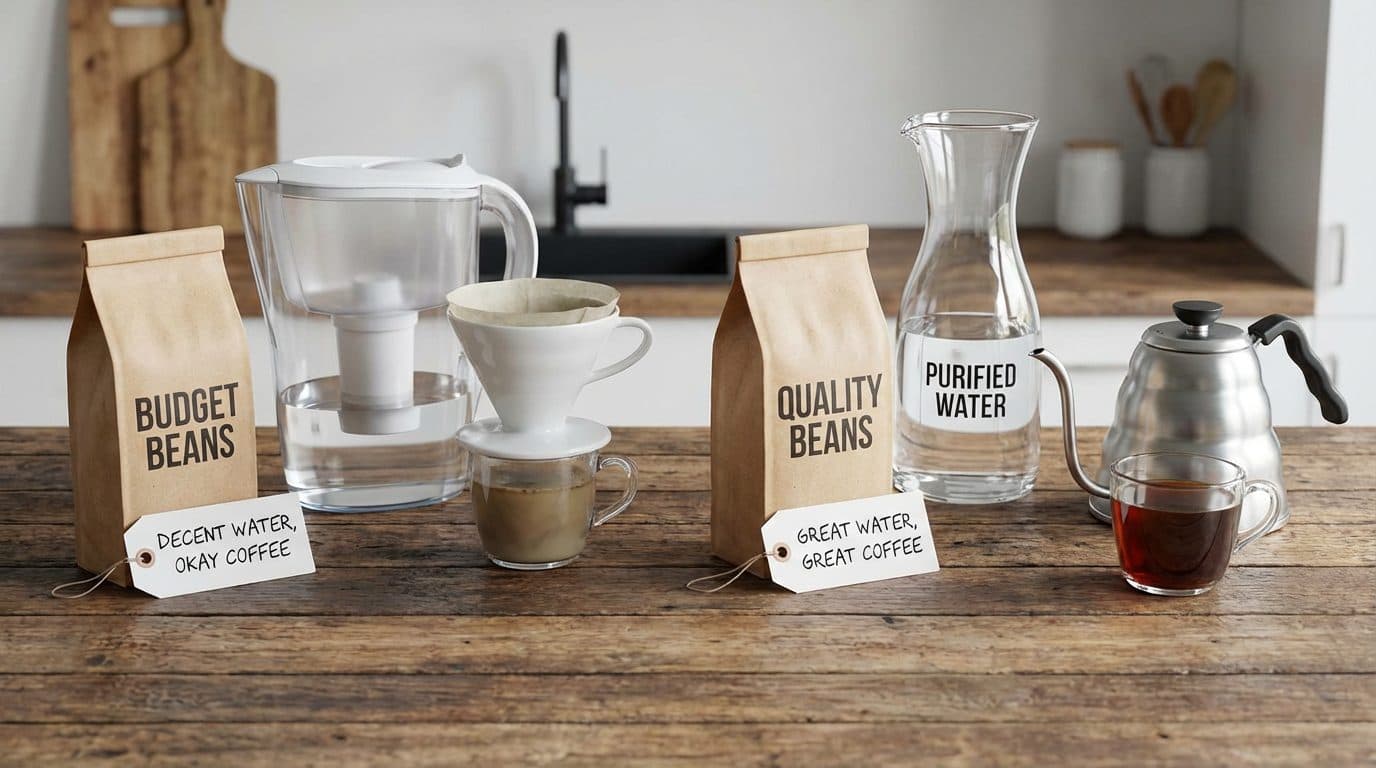
Better water improves all coffee, but it works best with quality beans. Think of it this way: great water can reveal hidden potential in decent beans, but it can’t create flavors that aren’t there. Life is too short for bad coffee—invest in both good water and good beans.
Does water temperature matter as much as water quality?
Both matter enormously, but water quality sets the foundation. You can have perfect temperature and terrible water, resulting in terrible coffee. Get your water right first, then dial in temperature. The sweet spot for most brewing methods is 195-205°F (90-96°C).
Should I use filtered water in my espresso machine?
Absolutely—with a caveat. Some espresso machines need specific mineral content for proper operation and to prevent scale. Check your machine’s manual. BWT makes machine-specific filters, and Third Wave Water makes mineral packets designed for espresso. Your machine will thank you with longer life and better shots.
Conclusion and Next Steps
Choosing the right water pitcher for coffee brewing comes down to how seriously you take your cup and how much effort you want to invest. For most home baristas looking to genuinely improve their coffee, the BWT Penguin offers the best balance of performance, convenience, and value. The magnesium enhancement makes a real, repeatable difference that you’ll taste immediately.
If you’re just starting out or want the simplest solution, Brita works fine and will definitely beat straight tap water. And if you’re the type who geeks out on water chemistry and wants laboratory-level precision, Peak Water delivers exactly that.
My recommendation? Start with BWT if you’re ready to invest in better coffee. See current deals online and grab an extra pack of filters while you’re at it. Brew your usual beans with the filtered water, and I promise you’ll wonder why you waited so long to make this simple upgrade. Great coffee starts with great water—now you know exactly which pitcher delivers it.

Comments