


Table of Contents
- What You'll Need for the Perfect Pairing
- Coffee Essentials
- Setting the Scene
- The Golden Rules of Coffee and Dessert Pairing
- Match Intensity Levels
- Complement or Contrast
- Consider Texture and Temperature
- Romantic Coffee and Dessert Pairings for Date Night
- Chocolate Desserts
- Fruit-Based Desserts
- Creamy and Custard Desserts
- Nutty and Caramel Desserts
- How to Set Up a Coffee and Dessert Tasting Experience
- The Three-Course Approach
- Portion Control Is Key
- Create Conversation Cards
- Common Pairing Mistakes to Avoid
- Frequently Asked Questions
- Can I use decaf coffee for dessert pairings?
- What if I only have one type of coffee at home?
- Should I add milk or sugar to paired coffee?
- How far in advance can I prepare for a coffee and dessert pairing date?
- What's the ideal serving temperature for paired coffee?
- Final Thoughts and Your Next Steps
You’ve cooked a beautiful dinner, the candles are lit, and now the final course awaits. But here’s the thing—serving a random dessert with whatever coffee happens to be in your cupboard? That’s a missed opportunity. The right coffee and dessert pairing can transform an ordinary evening into something genuinely memorable. Think of it as the encore that makes the whole performance unforgettable.
In this guide, you’ll discover how to pair coffee with desserts like a pro, creating flavor combinations that complement and elevate each other. Whether you’re planning a romantic date night at home or simply want to impress your partner with your newfound barista wisdom, these principles will help you nail the perfect ending to your evening.
What You’ll Need for the Perfect Pairing
Coffee Essentials
- 2-3 different coffee varieties (light, medium, and dark roast options give you flexibility)
- Your preferred brewing method (French press, pour-over, espresso machine, or Moka pot)
- Freshly roasted beans (ideally roasted within the last 2-4 weeks)
- A burr grinder for fresh grinding
- Filtered water heated to 195-205°F (90-96°C)
Setting the Scene
- Small espresso cups or demitasse for intense pairings
- Regular coffee cups for lighter roasts
- Small dessert plates for portion control (you want multiple tastings, not sugar comas)
- Palate cleansers like sparkling water
- A simple tasting notes card if you want to remember your favorites
Barista Tip: Brew your coffee slightly stronger than usual when pairing with desserts. The sweetness of the dessert will soften the coffee’s intensity, creating better balance.
The Golden Rules of Coffee and Dessert Pairing
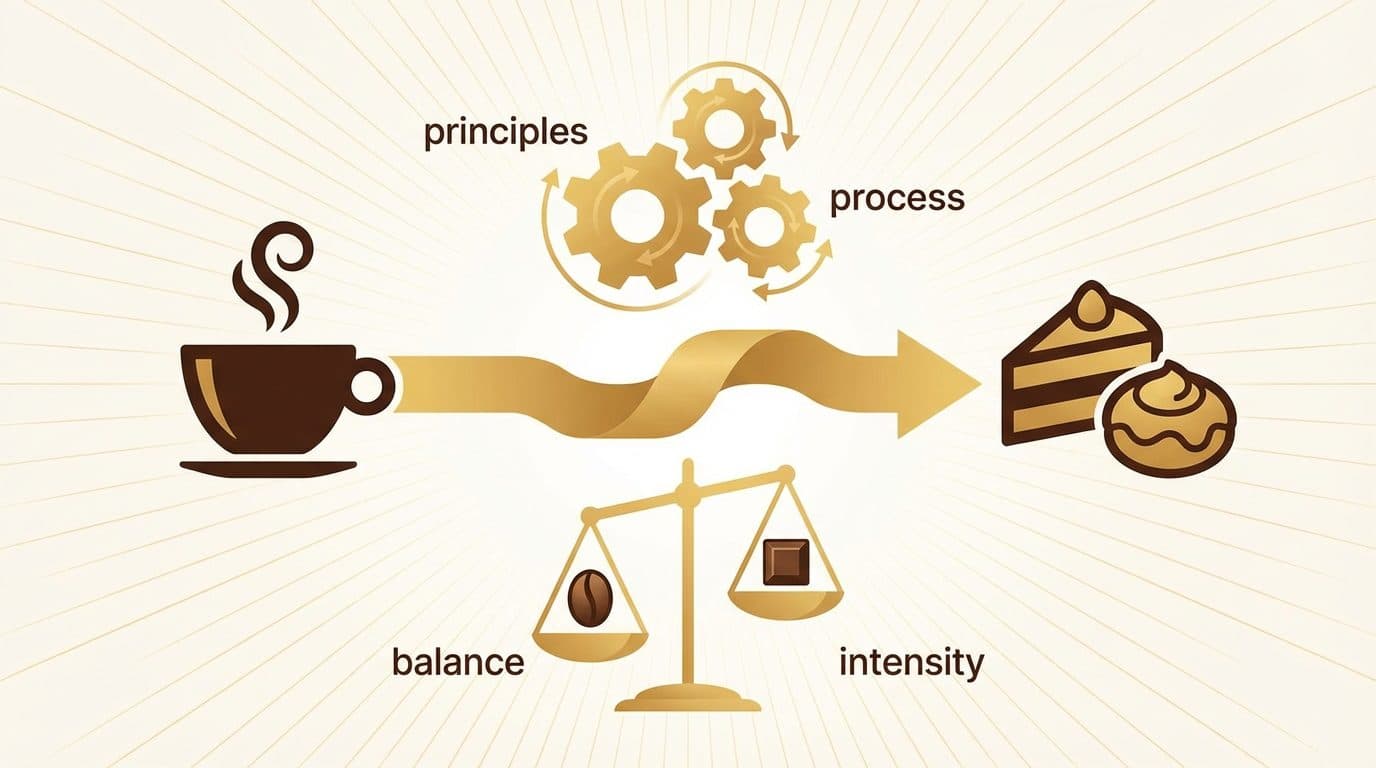
Before we dive into specific pairings, let’s establish some foundational principles. In my experience, understanding these basics will help you create your own successful combinations long after you’ve finished reading this guide.
Match Intensity Levels
The first rule is simple: pair bold with bold and delicate with delicate. A light, fruity Ethiopian pour-over would get completely bulldozed by a dense chocolate lava cake. Conversely, a bright lemon tart needs a coffee that won’t overpower its subtle citrus notes. Think of it like dancing—both partners need to move at the same rhythm.
Complement or Contrast
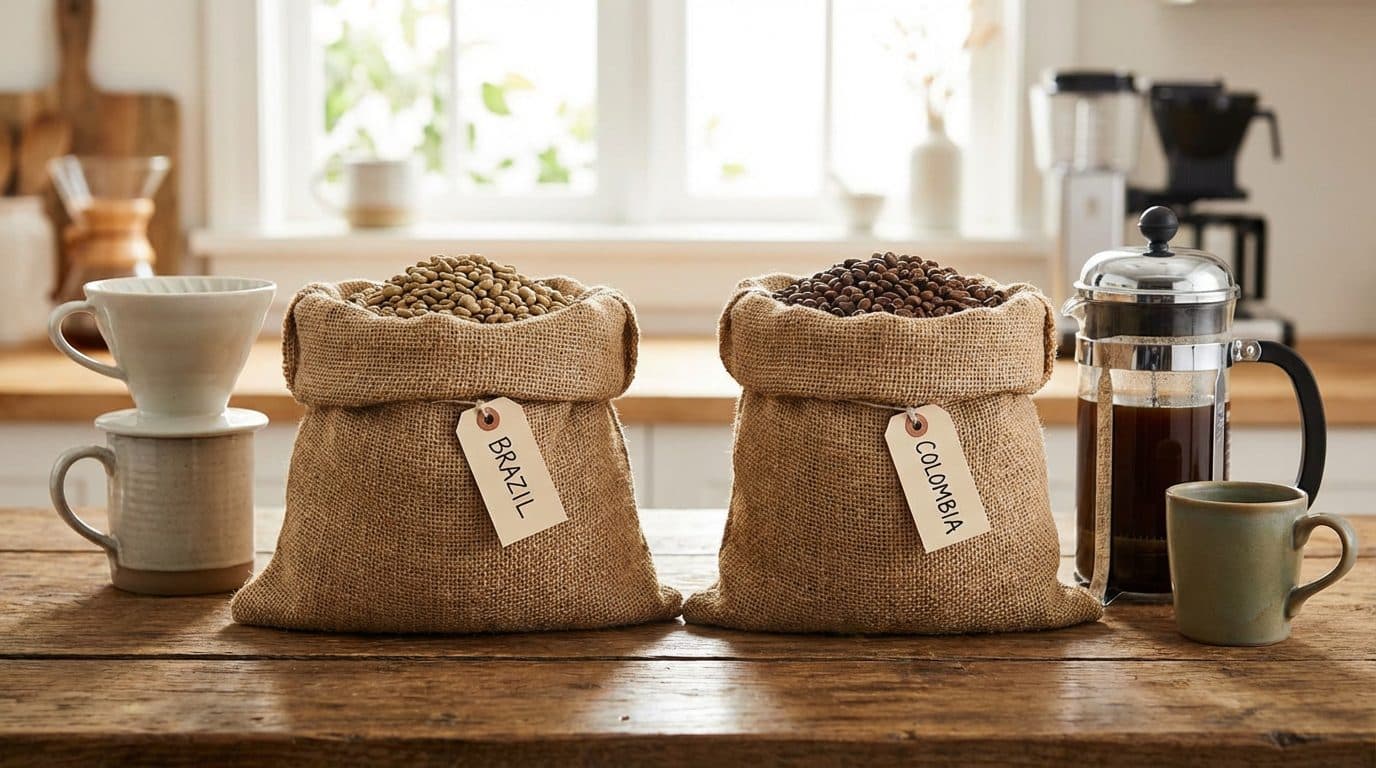
You have two main strategies when pairing coffee with desserts. Complementary pairings bring together similar flavor notes—like a nutty Brazilian coffee with an almond biscotti. The shared characteristics amplify each other. Contrasting pairings, on the other hand, use opposites to create interest. A bright, acidic Kenyan coffee can cut through the richness of a creamy cheesecake, refreshing your palate with each sip.
Consider Texture and Temperature
We often forget that pairing isn’t just about flavor. A hot, smooth espresso alongside a cold, creamy gelato creates a sensory experience that goes beyond taste. The temperature contrast and the way the textures play together add another dimension to your date night dessert course.
| Dessert Characteristic | Recommended Coffee Style | Why It Works |
|---|---|---|
| Rich and creamy | Bright, acidic coffees | Cuts through richness, cleanses palate |
| Light and fruity | Light roast, fruity notes | Complements without overpowering |
| Dark chocolate | Dark roast, full-bodied | Matches intensity, shared notes |
| Spiced desserts | Medium roast, earthy tones | Enhances warm spice notes |
Romantic Coffee and Dessert Pairings for Date Night
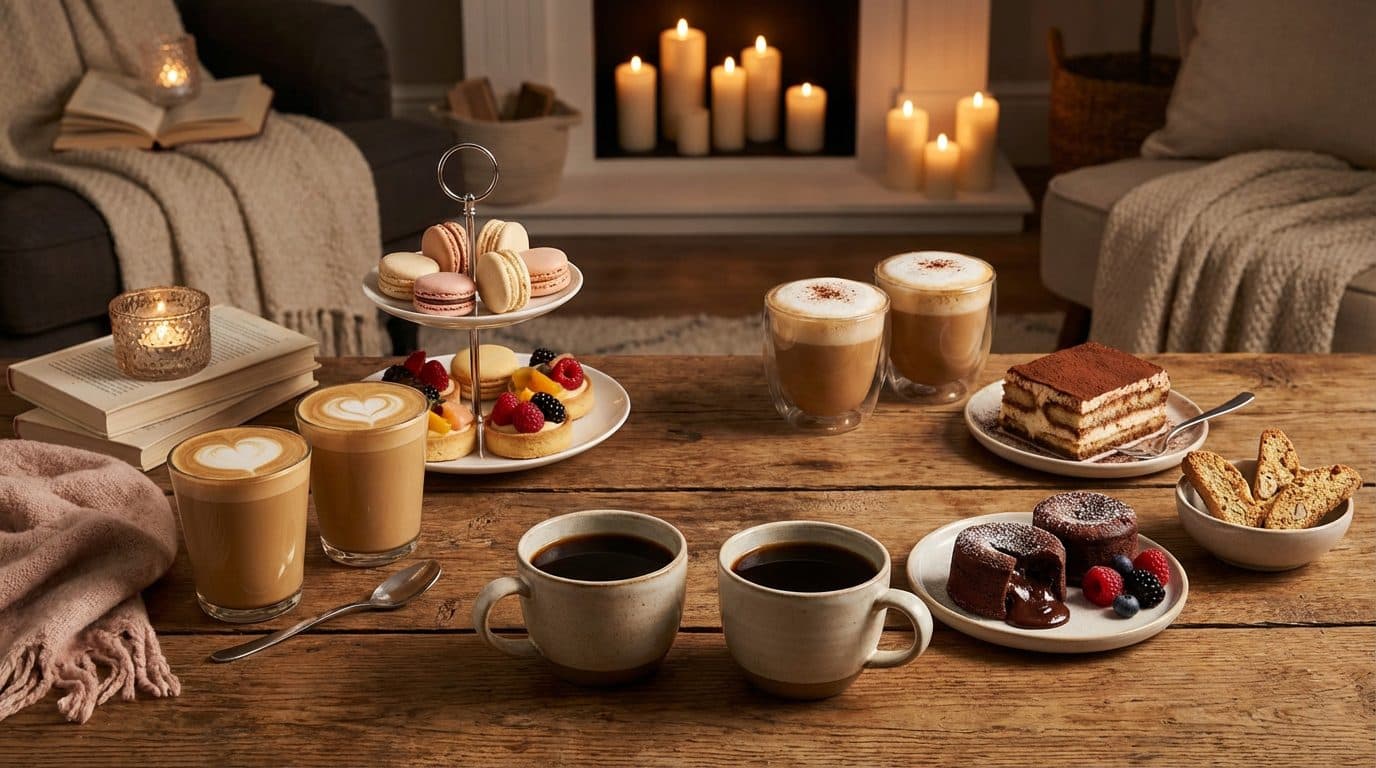
Now let’s get to the good stuff. Here are some tried-and-true pairings that work beautifully for a date night at home. I’ve organized them by dessert category so you can mix and match based on what you’re craving.
Chocolate Desserts
Chocolate and coffee are soulmates—they share many of the same flavor compounds, which is why they work so well together. For a dark chocolate fondant or flourless chocolate cake, reach for a full-bodied Sumatra or a dark roast Colombian. The earthy, low-acid profile won’t compete with the chocolate but instead creates a unified, decadent experience.
For milk chocolate desserts like mousse or truffles, try a medium roast with caramel or nutty undertones. A Brazilian Santos or a Guatemala Antigua would be perfect here. The sweeter chocolate needs a coffee that can hold its own without adding too much bitterness.
Date night scenario: Serve individual chocolate lava cakes with a side of double espresso. Instruct your date to take a bite, then a sip, and watch their eyes light up as the flavors meld together.
Fruit-Based Desserts
Berry tarts, apple crumbles, and citrus desserts call for coffees with natural brightness and fruit-forward notes. Ethiopian Yirgacheffe, with its blueberry and floral characteristics, pairs beautifully with a mixed berry pavlova. The coffee’s natural fruitiness echoes the dessert without creating a sugar overload.
For tropical fruit desserts—think mango sticky rice or passion fruit cheesecake—consider a washed Costa Rican or a Kenyan coffee. Their clean, citrusy acidity complements the tropical sweetness and adds refreshing contrast.
Creamy and Custard Desserts
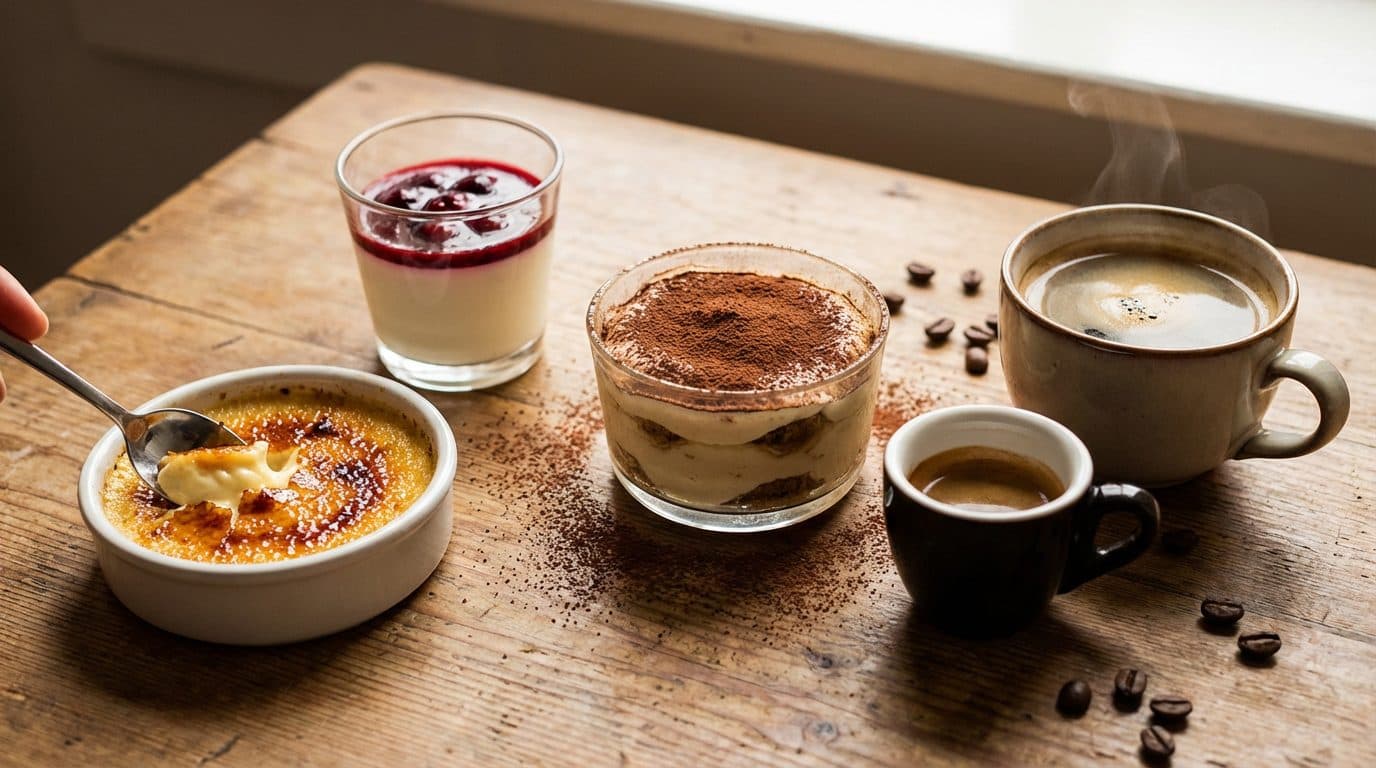
Crème brûlée, panna cotta, and tiramisu (which already contains coffee, so you’re halfway there) need coffees that can stand up to their richness without creating heaviness. A medium-dark roast with low acidity works wonders here. The coffee’s slight bitterness acts as a palate cleanser between creamy bites.
For tiramisu specifically, match it with the same style of espresso used in the dessert itself. This creates a cohesive flavor experience that feels intentional and sophisticated.
Nutty and Caramel Desserts
Pecan pie, salted caramel brownies, and almond-based desserts find their perfect match in coffees with natural nutty or caramel notes. A medium roast Brazilian or a natural processed Ethiopian will have those inherent sweetness and nut characteristics that complement rather than compete.
Barista Tip: If you’re serving a very sweet dessert like pecan pie, brew your coffee as a slightly longer espresso (a lungo) to add volume and reduce intensity. This prevents the pairing from becoming overwhelmingly sweet.
How to Set Up a Coffee and Dessert Tasting Experience
Want to take your date night to the next level? Create a mini tasting flight instead of just one pairing. Here’s how to structure it for maximum romance and minimum stress.
The Three-Course Approach
Start with a light pairing—perhaps a fruit tart with a bright, washed African coffee. Move to a medium-intensity combination, like biscotti with a nutty medium roast. Finish with the grand finale: a rich chocolate dessert with a bold espresso or dark roast. This progression builds intensity and ends on a high note.
Portion Control Is Key
Cut desserts into small, bite-sized portions. You want your partner to taste and appreciate the pairing, not feel stuffed after the first course. Three to four bites of each dessert is plenty. Same goes for coffee—small cups (about 2-3 ounces) for each pairing work better than full mugs.
Create Conversation Cards
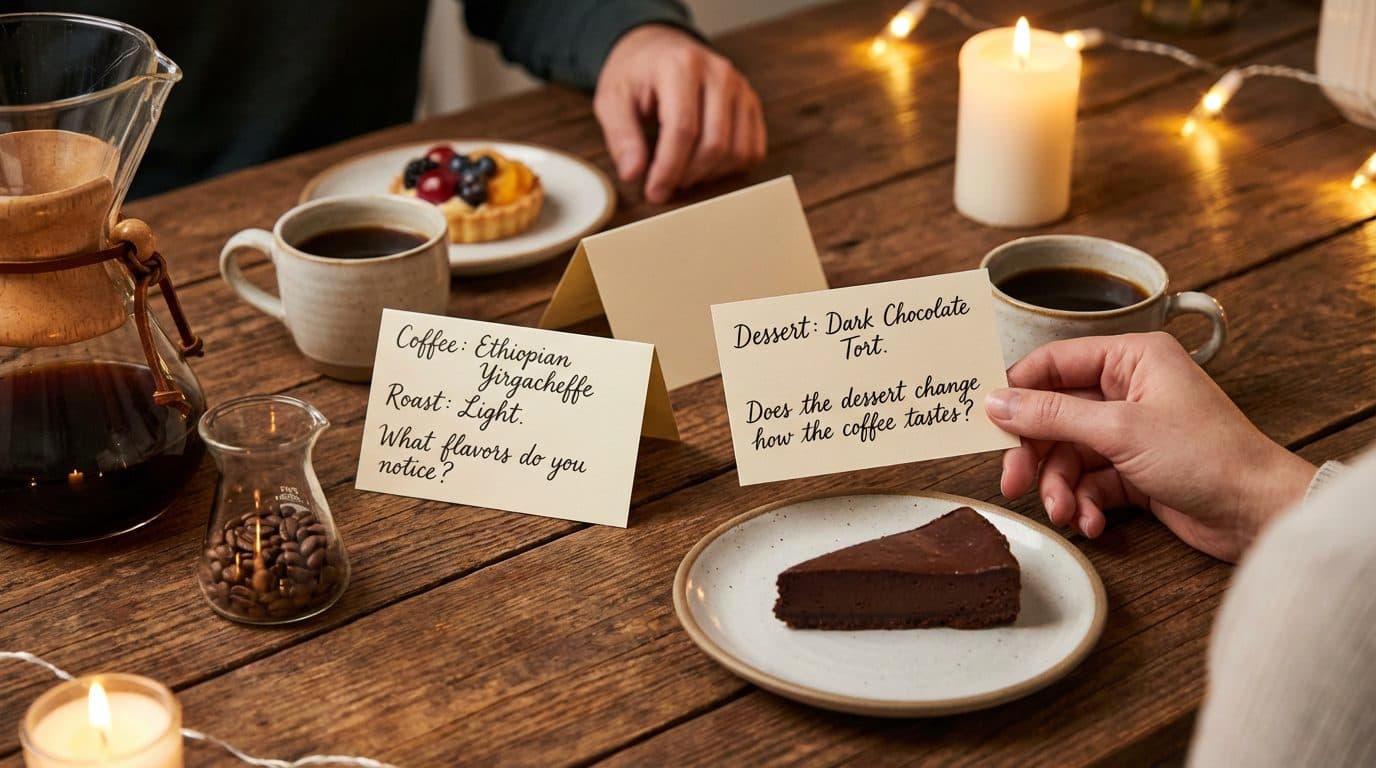
Here’s a fun twist: write down the coffee origin and roast level on small cards, along with a question like “What flavors do you notice?” or “Does the dessert change how the coffee tastes?” This turns dessert into an interactive experience and gives you something to discuss beyond “mmm, this is good.”
In short: A tasting experience feels special because it shows thoughtfulness and effort—two things that go a long way on date night.
Common Pairing Mistakes to Avoid
Even with the best intentions, certain combinations fall flat. Here’s what I’ve learned to avoid through plenty of trial and error.
- Over-roasted coffee with delicate desserts: That charred, smoky dark roast will obliterate a subtle vanilla panna cotta. Save the bold roasts for equally bold desserts.
- Too much sweetness on both sides: If your dessert is extremely sweet, your coffee should provide contrast, not add more sugar. Skip the flavored syrups for pairing purposes.
- Ignoring temperature timing: Serve your coffee at the right moment. An espresso that’s been sitting for ten minutes while you plate dessert won’t taste as intended. Brew fresh for each course if possible.
- Forgetting about your partner’s preferences: The “perfect” pairing means nothing if your date doesn’t like dark roast or has a nut allergy. Know your audience.
Key Takeaway: The best pairing is one that both of you enjoy. Use these guidelines as starting points, but trust your own palates above all else.
Frequently Asked Questions
Can I use decaf coffee for dessert pairings?
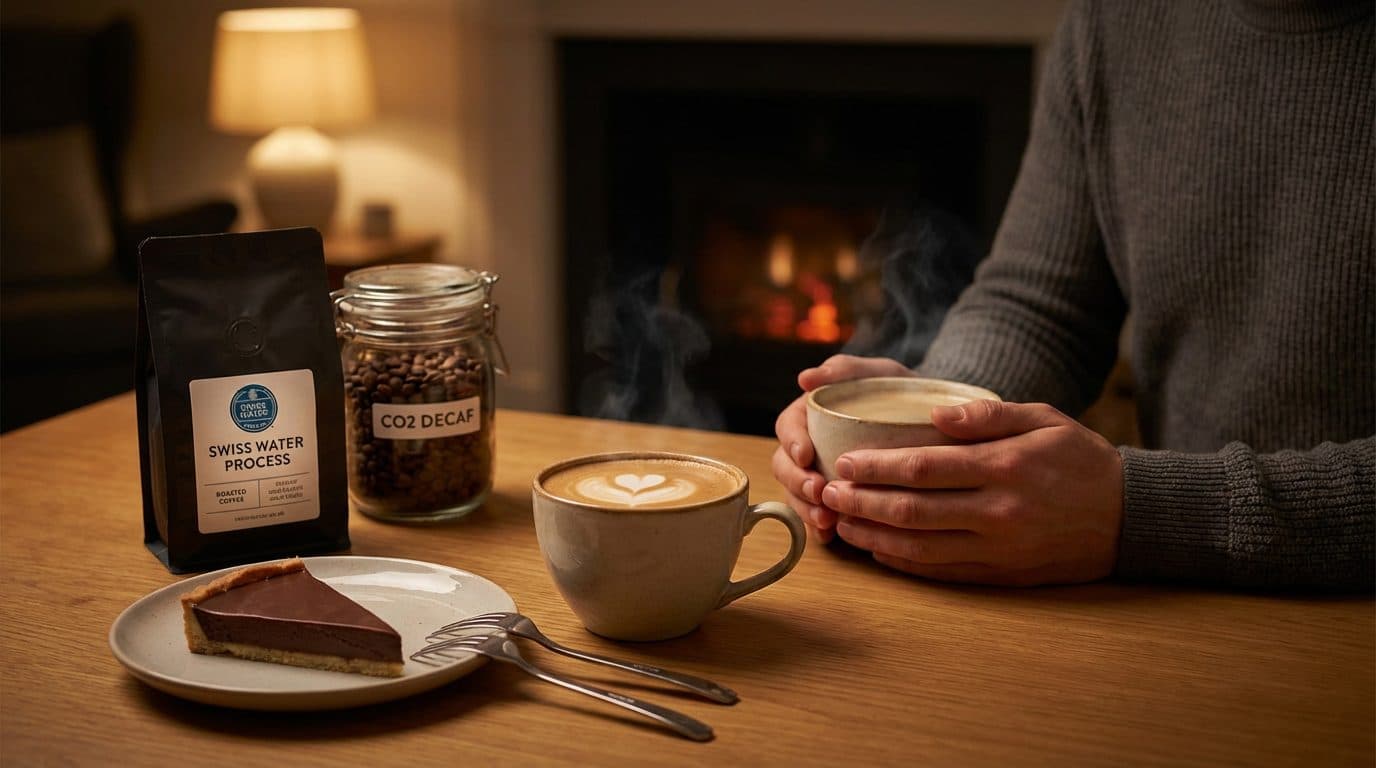
Absolutely. A quality decaf—look for Swiss Water Process or CO2 decaffeinated beans—will give you the flavor complexity needed for pairing without the caffeine keeping you up all night. For a late-night date, decaf is actually the smarter choice.
What if I only have one type of coffee at home?
Work with what you have. A versatile medium roast pairs reasonably well with most desserts. Focus on adjusting your brew strength instead—brew it lighter for delicate desserts and stronger for rich, chocolatey ones.
Should I add milk or sugar to paired coffee?
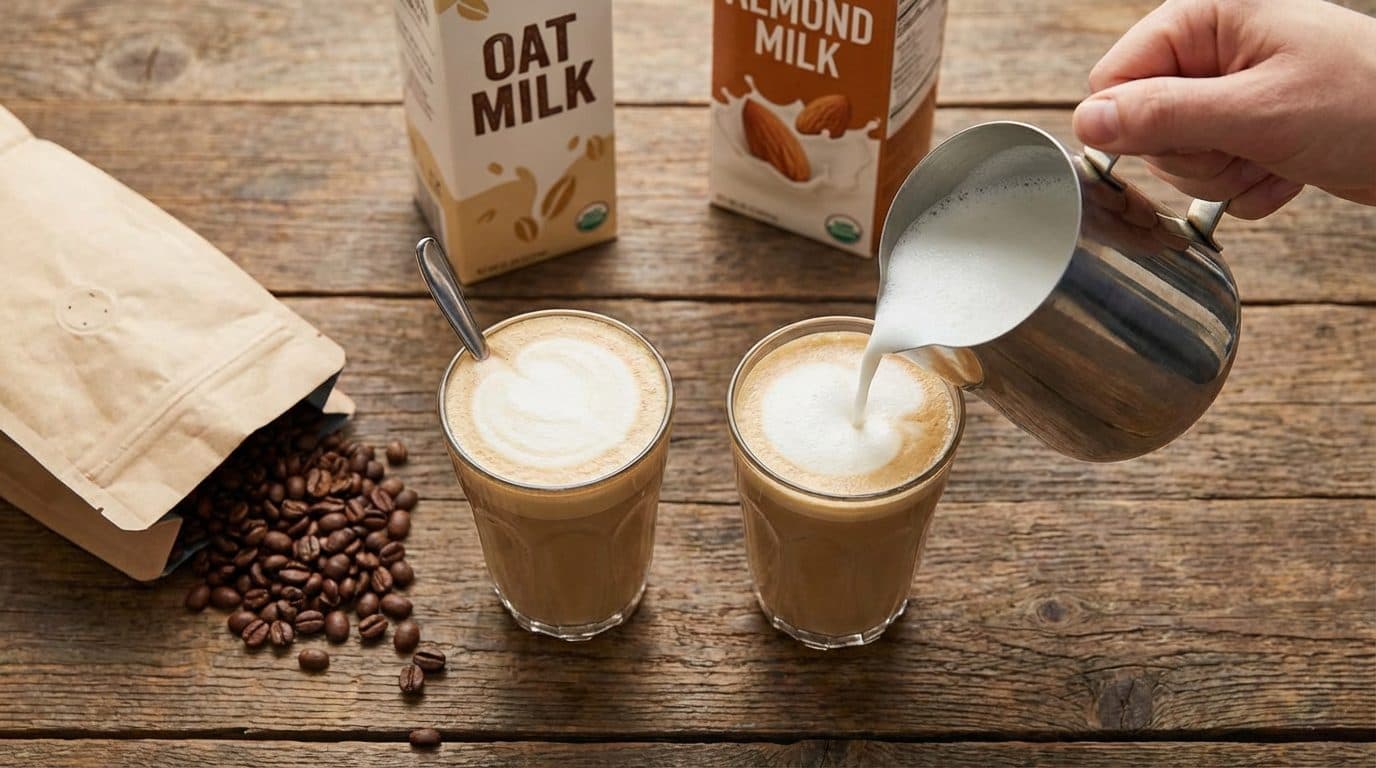
For the most accurate pairing experience, taste the coffee black first. Milk and sugar change the flavor profile significantly. However, if you or your partner strongly prefer coffee with additions, go for it. Enjoyment matters more than “rules.”
How far in advance can I prepare for a coffee and dessert pairing date?
Grind your coffee beans just before brewing for best results. Desserts can usually be prepared earlier in the day or even bought from a quality bakery—no shame in that. Set your table and gather your equipment an hour or two before, then focus on brewing fresh when it’s time to serve.
What’s the ideal serving temperature for paired coffee?
Serve coffee between 155-175°F (68-80°C). This range allows the flavor nuances to shine without being too hot to drink comfortably. Coffee that’s too hot masks subtle notes, while lukewarm coffee tastes flat and dull.
Final Thoughts and Your Next Steps
Learning to pair coffee with desserts for date night at home isn’t about memorizing rules—it’s about understanding principles and then experimenting together. The combinations I’ve shared are starting points, not commandments carved in stone. Half the fun is discovering what you and your partner enjoy most.
Start simple: pick one dessert you love and try it with two different coffees side by side. Notice what works and what doesn’t. Over time, you’ll develop an intuition for pairings that makes future date nights even more impressive.
Life’s too short for bad coffee—and it’s definitely too short to end a romantic dinner with a forgettable dessert course. With a little thought and a few quality ingredients, you can create an at-home experience that rivals any fancy restaurant. Now go brew something beautiful.

Comments