


Table of Contents
- Understanding Why Coffee Develops Off-Flavors
- Common Causes of a Plastic Taste in Coffee
- New Coffee Maker or Equipment
- Low-Quality Plastic Components
- Degraded or Overheated Plastic Parts
- Common Causes of a Metallic Taste in Coffee
- Mineral Buildup and Scale
- Oxidized or Corroded Metal Components
- Poor Water Quality
- Stale or Poorly Stored Coffee Beans
- How to Diagnose the Source of Your Coffee's Off-Flavor
- Step 1: Test Your Water
- Step 2: Try Different Beans
- Step 3: Clean Your Equipment Thoroughly
- Step 4: Isolate Equipment Components
- Preventing Off-Flavors in the Future
- Frequently Asked Questions
- Can a plastic taste in coffee be harmful to my health?
- Why does only my first cup of the day taste metallic?
- Could my coffee mug be causing the metallic taste?
- How often should I replace my coffee maker to avoid off-flavors?
- Does the roast level affect metallic or plastic tastes?
- Conclusion and Your Next Steps
You’ve just brewed what should be a comforting cup of coffee, but instead of that rich, aromatic experience, you’re hit with an unpleasant plastic or metallic taste. It’s frustrating, confusing, and honestly a little alarming. What’s going wrong? If you’ve ever wondered why your coffee tastes like plastic or metal, you’re not alone—this is one of the most common complaints I hear from home brewers, and the good news is that it’s almost always fixable.
In this guide, we’ll explore the main culprits behind that off-putting taste, from your equipment and water quality to your beans and brewing habits. By the end, you’ll know exactly how to diagnose the problem and get back to enjoying coffee that actually tastes like coffee.
Understanding Why Coffee Develops Off-Flavors
Before we dive into specific causes, it helps to understand how coffee can pick up unwanted flavors in the first place. Coffee is incredibly absorbent—it acts like a sponge for odors and chemicals it comes into contact with. This means that everything from your brewing equipment to your storage containers can influence the final taste in your cup.
A plastic taste typically comes from volatile organic compounds (VOCs) leaching from low-quality plastics when exposed to heat. Metallic flavors, on the other hand, often result from mineral buildup, oxidation, or direct contact with certain metals during brewing. In my experience, most people dealing with these issues can trace the problem back to one of a handful of common sources.
Key Takeaway: Coffee doesn’t just “go bad” on its own—it picks up flavors from its environment. Identifying where your coffee is encountering problematic materials is the first step to fixing the issue.
Common Causes of a Plastic Taste in Coffee
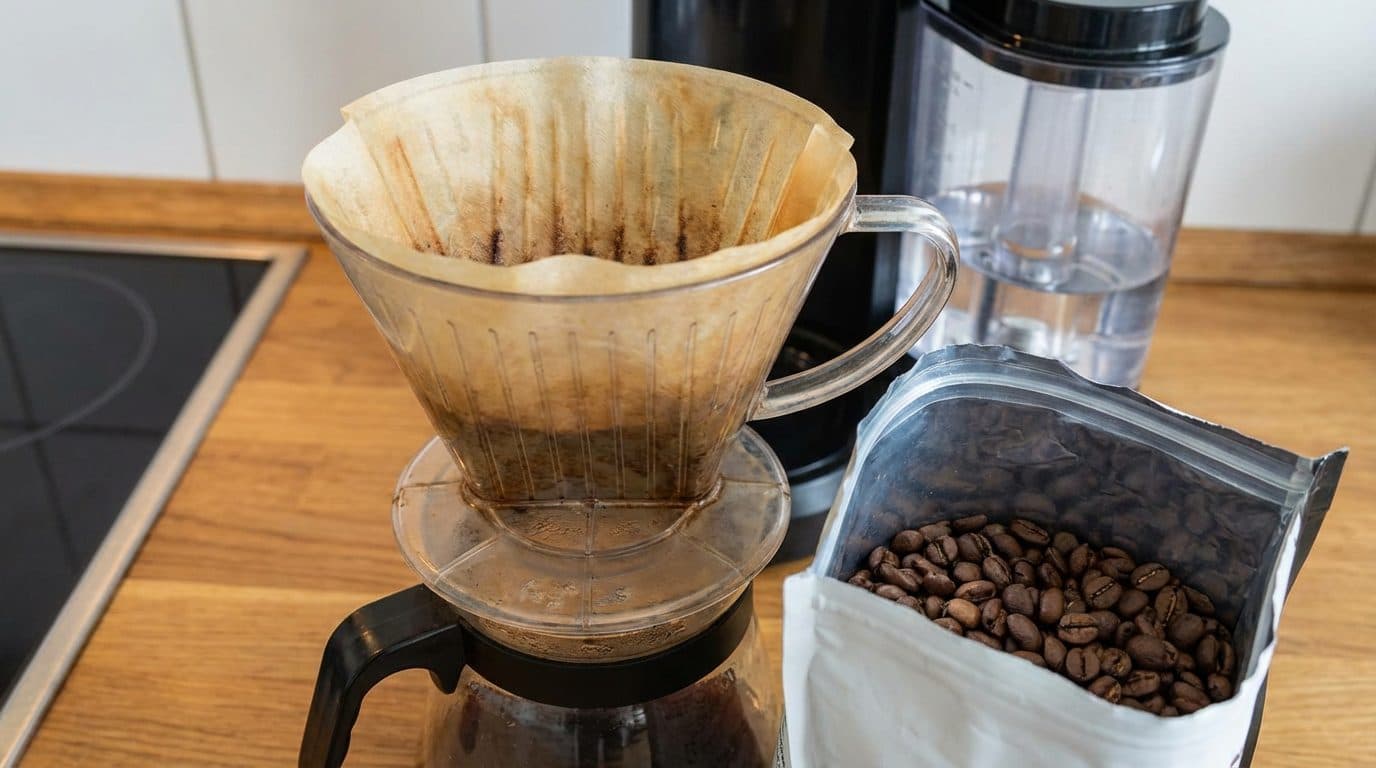
That chemical, plasticky flavor is particularly off-putting, and it usually points to a problem with your equipment rather than your beans. Here are the most frequent culprits I’ve encountered.
New Coffee Maker or Equipment
Brand new coffee makers are notorious for producing plastic-tasting coffee during the first few uses. This happens because manufacturing residues and oils haven’t been fully cleaned away, and some plastic components haven’t been properly “seasoned” yet. I’ve found that cheaper drip machines are especially prone to this issue.
The fix is straightforward: run several cycles of plain water through your new machine before brewing your first cup. Some people add a tablespoon of baking soda to the water reservoir for the first cycle to help neutralize any chemical residues. After three to five rinse cycles, the plastic taste should disappear.
Low-Quality Plastic Components
Not all plastics are created equal. Food-grade plastics like BPA-free polypropylene can withstand heat without leaching chemicals, but cheaper materials may break down when exposed to hot water repeatedly. If your coffee maker has plastic parts in the water reservoir, brewing chamber, or carafe, these could be the source of the problem.
Consider upgrading to equipment with stainless steel or glass components in areas that contact hot water. For pour-over enthusiasts, a ceramic or glass dripper eliminates plastic contact entirely. It’s a small investment that makes a noticeable difference in taste.
Degraded or Overheated Plastic Parts
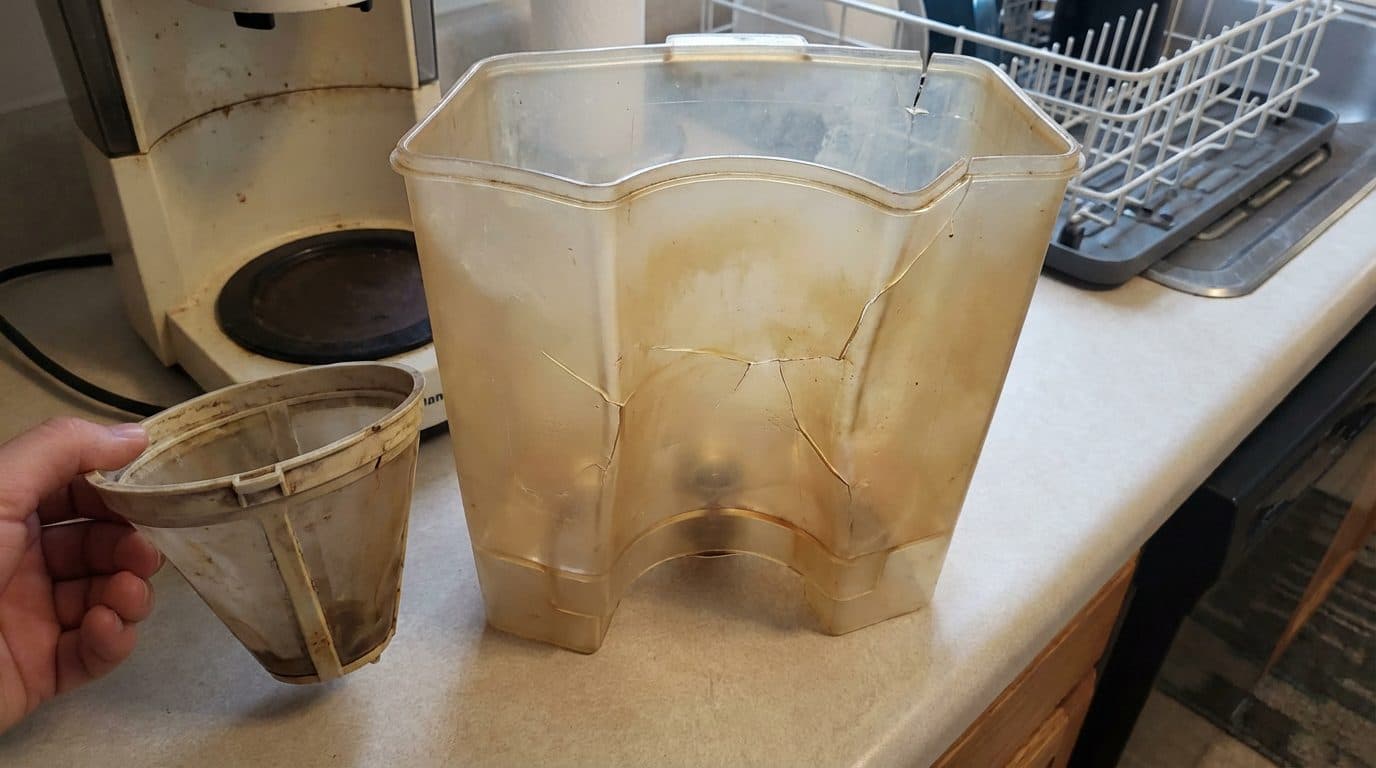
Even quality plastic degrades over time, especially with repeated heat exposure. If your coffee maker is several years old and has recently started producing off-flavors, worn plastic components might be the culprit. Check for any discoloration, warping, or cracking in plastic parts.
Barista Tip: Never run your coffee maker through the dishwasher unless the manufacturer explicitly says it’s safe. High dishwasher temperatures can accelerate plastic degradation and cause leaching.
Common Causes of a Metallic Taste in Coffee
Metallic flavors are slightly more complex because they can come from multiple sources—your water, your equipment, or even your beans. Let’s break down each possibility.
Mineral Buildup and Scale
Hard water contains minerals like calcium and magnesium that accumulate inside your coffee maker over time. This scale buildup doesn’t just affect your machine’s performance—it can also impart a distinctly metallic or mineral taste to your brew. If you live in an area with hard water and haven’t descaled your machine recently, this is likely your issue.
Regular descaling every one to three months (depending on water hardness and usage) keeps mineral deposits in check. You can use commercial descaling solutions or a simple mixture of equal parts white vinegar and water. Run the solution through a full brewing cycle, then follow with two or three cycles of plain water to rinse thoroughly.
Oxidized or Corroded Metal Components
Metal parts in your coffee maker, grinder, or storage containers can oxidize over time, especially if they’re not properly dried after cleaning. Aluminum components are particularly prone to this issue. That thin layer of oxidation transfers directly to your coffee, creating an unpleasant metallic edge.
Inspect your equipment for any visible signs of rust, discoloration, or pitting on metal surfaces. Pay special attention to:
- The underside of your machine’s brewing basket
- Metal filters or mesh screens
- Grinder burrs and grinding chambers
- The inside of metal carafes or thermal pots
If you spot corrosion, it’s time to replace that component or the entire machine.
Poor Water Quality
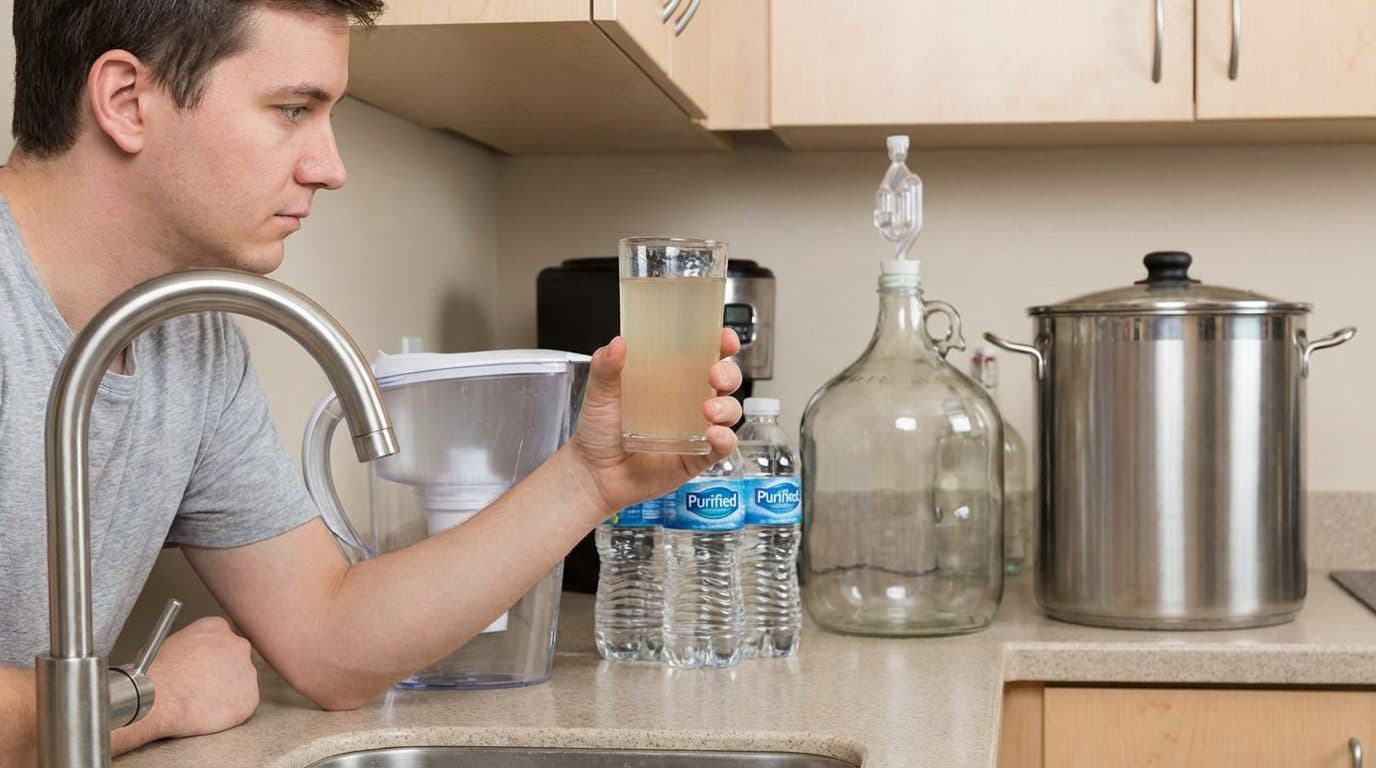
Your tap water itself might be the problem. High iron content, chlorine, or other minerals can create metallic off-flavors that no amount of equipment cleaning will fix. Municipal water supplies can also have seasonal variations in mineral content that affect taste.
Try brewing with filtered or bottled water to see if the metallic taste disappears. If it does, consider installing a water filter on your tap or using a filtered pitcher for your brewing water. In my experience, this single change transforms coffee quality for many home brewers.
| Water Type | Taste Impact | Best For |
|---|---|---|
| Unfiltered Tap | May contain chlorine, minerals, metallic notes | Not recommended |
| Carbon-Filtered | Removes chlorine and many impurities | Most home brewing |
| Reverse Osmosis | Very pure, may taste flat | Add minerals back |
| Spring/Mineral Water | Balanced minerals, clean taste | Specialty brewing |
Stale or Poorly Stored Coffee Beans
Here’s a cause many people overlook: the beans themselves. Coffee that’s been exposed to air for too long undergoes oxidation, which can produce metallic or stale flavors. Beans stored in metal containers without a proper seal can also absorb metallic tastes directly.
Always store your coffee in an airtight container, preferably made of ceramic or opaque glass. Keep it away from heat, light, and moisture. For optimal freshness, buy whole beans in small quantities and grind just before brewing.
How to Diagnose the Source of Your Coffee’s Off-Flavor
When you’re dealing with plastic or metallic tastes, a systematic approach helps you pinpoint the exact cause. Here’s my recommended troubleshooting process.
Step 1: Test Your Water
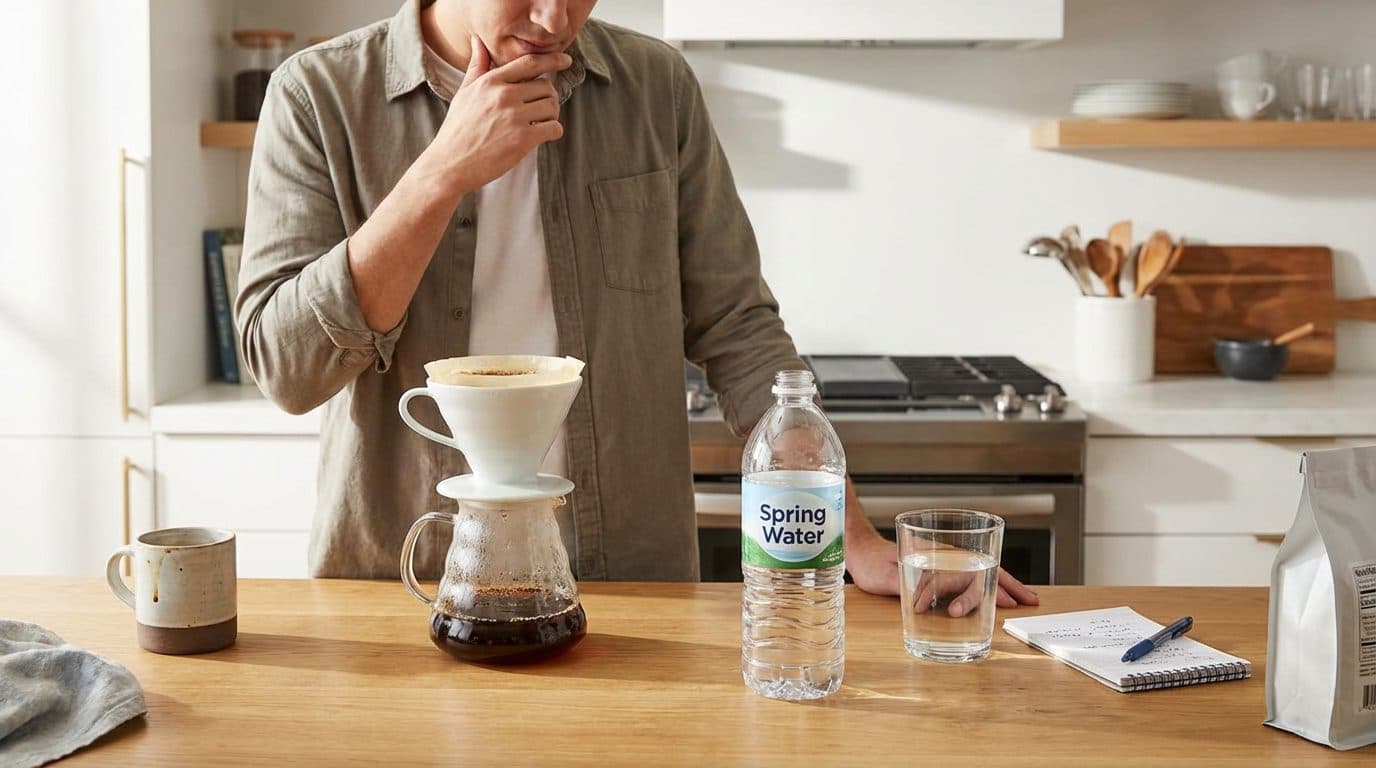
Brew coffee using bottled spring water (not distilled) with your usual equipment and beans. If the off-flavor disappears, your water quality is the issue. If it persists, move to the next step.
Step 2: Try Different Beans
Use the same water and equipment but switch to freshly roasted beans from a different source. If the taste improves, your original beans were likely stale or contaminated.
Step 3: Clean Your Equipment Thoroughly
Perform a deep clean of your coffee maker, grinder, and any accessories. Descale if necessary. Then brew again with your original water and beans. An improvement here points to buildup or residue as the culprit.
Step 4: Isolate Equipment Components
If possible, brew using an alternative method (like a French press or pour-over) with your regular water and beans. If the off-flavor vanishes, your primary coffee maker has an issue—likely plastic degradation or metal corrosion.
Did You Know? Coffee oils can go rancid inside your grinder and contribute to off-flavors. Running a handful of dry rice through your burr grinder occasionally helps absorb old oils and clean the burrs.
Preventing Off-Flavors in the Future
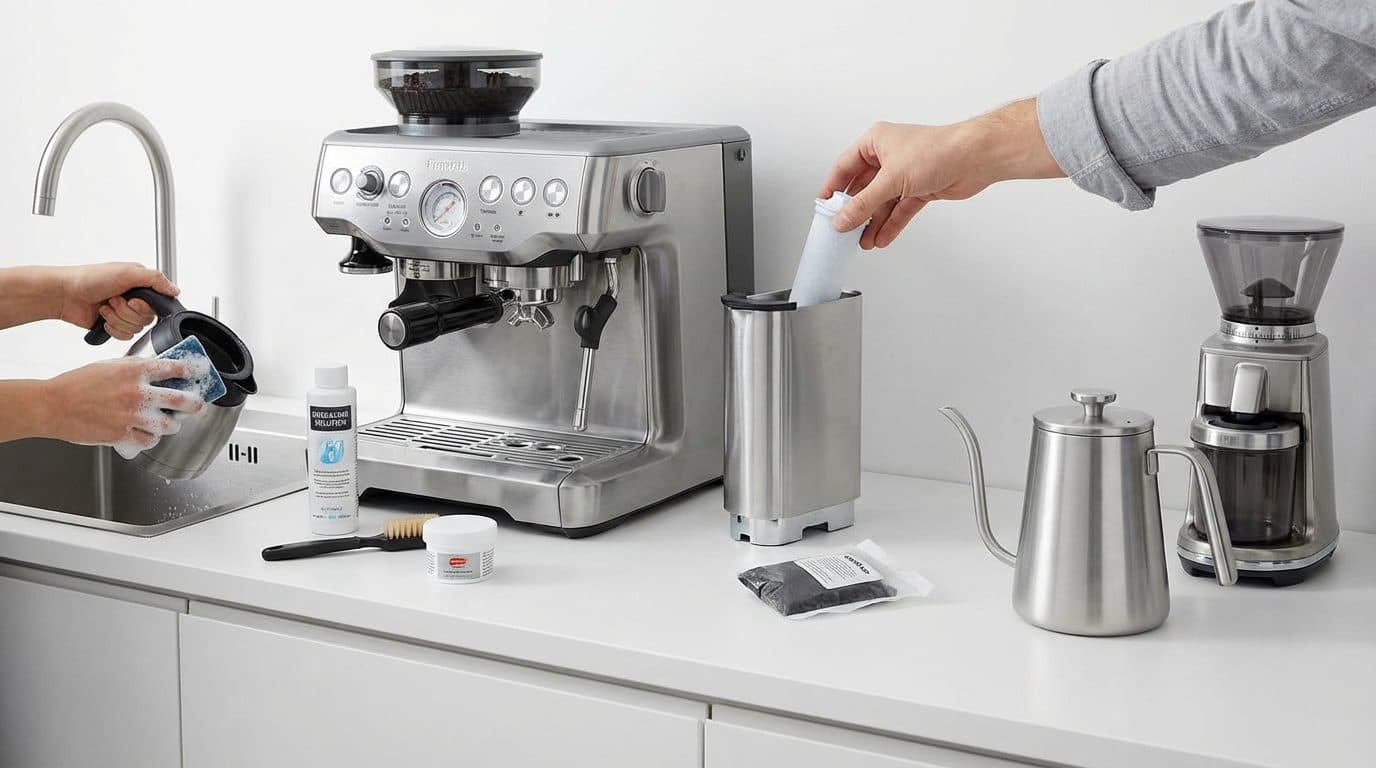
Once you’ve solved your immediate problem, these habits will help keep your coffee tasting great long-term.
- Descale monthly: Even with filtered water, some mineral buildup is inevitable. Regular descaling prevents accumulation.
- Clean weekly: Wash removable parts with warm, soapy water. Wipe down surfaces that contact coffee or water.
- Replace filters on schedule: Water filters and charcoal filters in coffee makers lose effectiveness over time.
- Invest in quality equipment: Machines with stainless steel and glass components last longer and produce better-tasting coffee.
- Store beans properly: Use airtight, non-reactive containers and buy only what you’ll use within two to three weeks.
- Dry everything thoroughly: Moisture promotes mold growth and metal oxidation. Air-dry components completely before reassembling.
Frequently Asked Questions
Can a plastic taste in coffee be harmful to my health?
While an occasional cup with slight plastic taste is unlikely to cause immediate harm, long-term exposure to chemicals leaching from degraded plastics isn’t ideal. BPA and other compounds found in some plastics have been linked to health concerns. If your coffee consistently tastes like plastic, it’s worth addressing—both for taste and peace of mind. Consider switching to equipment with food-grade, BPA-free plastics or metal and glass alternatives.
Why does only my first cup of the day taste metallic?
This often happens because water has been sitting in contact with metal components overnight. The prolonged contact allows more mineral transfer. Try flushing a small amount of water through your machine before brewing your first cup, or empty the reservoir each night and refill with fresh water in the morning.
Could my coffee mug be causing the metallic taste?
It’s possible, especially with certain metal travel mugs or older ceramic mugs with damaged glazing. Try drinking from a plain glass or high-quality ceramic mug to see if the taste changes. If the metallic flavor disappears, your mug is the culprit.
How often should I replace my coffee maker to avoid off-flavors?
With proper care and cleaning, a quality coffee maker should last three to five years without developing taste issues. However, if you notice persistent off-flavors despite thorough cleaning and component replacement, it might be time for an upgrade. Budget machines with more plastic components may need replacing sooner.
Does the roast level affect metallic or plastic tastes?
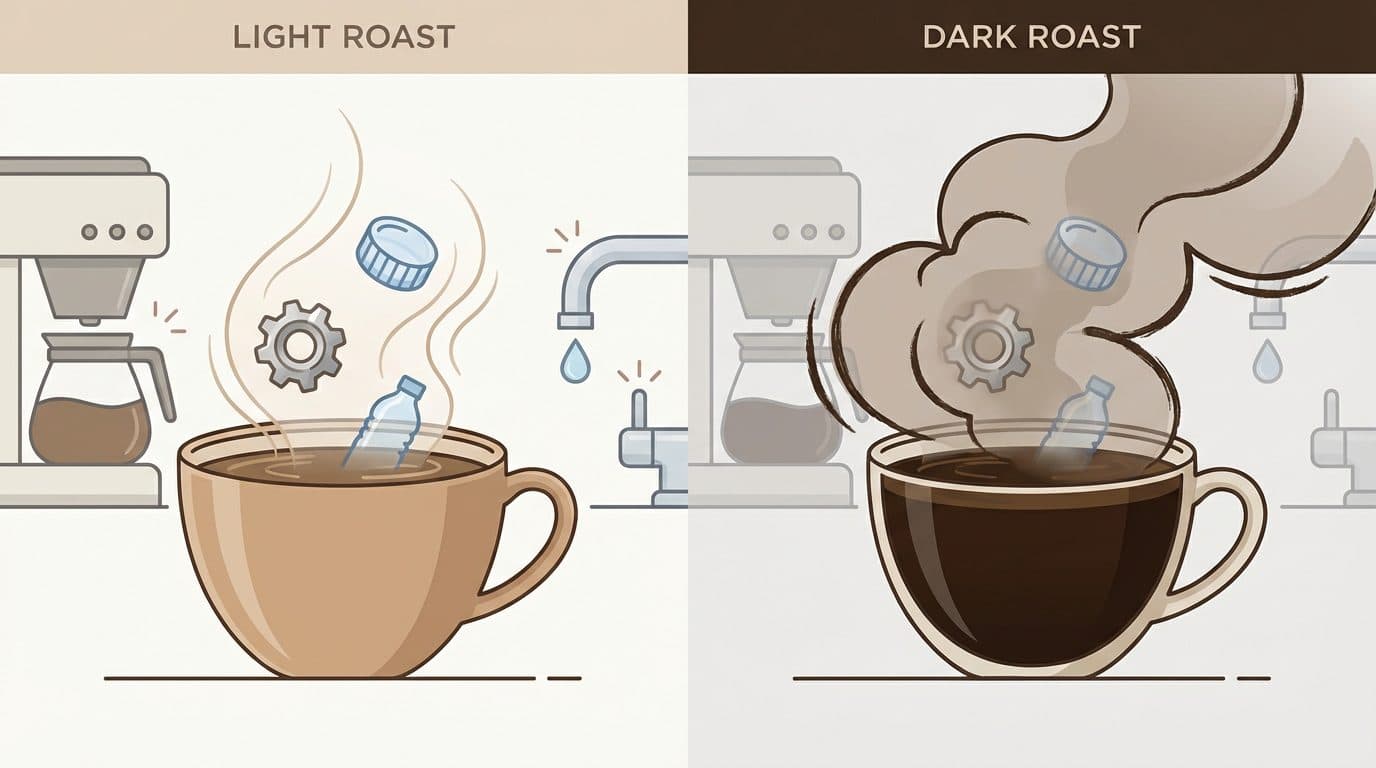
Roast level doesn’t directly cause these flavors, but lighter roasts have more delicate taste profiles that make off-flavors more noticeable. If you’re drinking light roasts and detecting metallic notes, your equipment or water issues will be more apparent than with darker, bolder roasts that might mask subtle problems.
Conclusion and Your Next Steps
Life is too short for bad coffee, and it’s especially too short for coffee that tastes like you’re licking a spoon or chewing on a water bottle. The good news? Plastic and metallic flavors in coffee almost always have identifiable, fixable causes. Whether it’s your water quality, equipment condition, or storage habits, a little detective work goes a long way.
Start with the diagnostic steps outlined above to identify your specific issue, then implement the appropriate fix. In most cases, a combination of deep cleaning, descaling, and switching to filtered water solves the problem immediately. If your equipment is older or made with low-quality materials, consider it an excuse to upgrade—your taste buds will thank you. Now go brew a cup that actually tastes like the coffee you deserve.


Comments