



Table of Contents
- What Happens When You Drink Coffee Before Breakfast
- The Cortisol Connection
- Effects on Your Stomach
- The Potential Benefits
- The Case for Coffee After Breakfast
- Gentler on Your Digestive System
- Blood Sugar Considerations
- Maximizing Caffeine's Effectiveness
- Who Should Drink Coffee Before Breakfast
- Who Should Drink Coffee After Breakfast
- Finding Your Perfect Coffee Timing
- The Two-Week Experiment
- The Compromise Approach
- What to Eat With Your Coffee
- Frequently Asked Questions
- Does drinking coffee before breakfast help with weight loss?
- Will coffee before breakfast damage my stomach lining?
- How long should I wait after waking to drink coffee?
- Can I just add cream to my coffee instead of eating breakfast?
- Is decaf coffee okay on an empty stomach?
- Conclusion: Making Your Morning Coffee Work for You
Do you reach for your coffee mug the moment your feet hit the floor, or do you wait until after you’ve eaten something? This morning ritual debate has sparked countless conversations among coffee lovers, and the answer isn’t as straightforward as you might think. Whether you drink coffee before or after breakfast can affect everything from your energy levels to your digestive comfort.
In my years of obsessing over the perfect morning cup, I’ve experimented with both approaches extensively. I’ve also dug into the science behind it all. In this article, you’ll discover how timing your coffee intake affects your body, which approach might work best for your lifestyle, and practical tips to get the most out of your morning brew.
What Happens When You Drink Coffee Before Breakfast
Grabbing coffee on an empty stomach is incredibly common. For many people, it’s non-negotiable—the day simply cannot start without that first sip. But what’s actually happening inside your body when you do this?
The Cortisol Connection
Your body naturally produces cortisol, often called the “stress hormone,” which peaks shortly after you wake up. This cortisol awakening response helps you feel alert and ready to face the day. When you drink coffee during this peak (typically 30-45 minutes after waking), the caffeine competes with your body’s natural alertness mechanism.
Some research suggests this might reduce caffeine’s effectiveness and could contribute to building a higher caffeine tolerance over time. In short, you might be wasting some of that precious caffeine kick.
Effects on Your Stomach
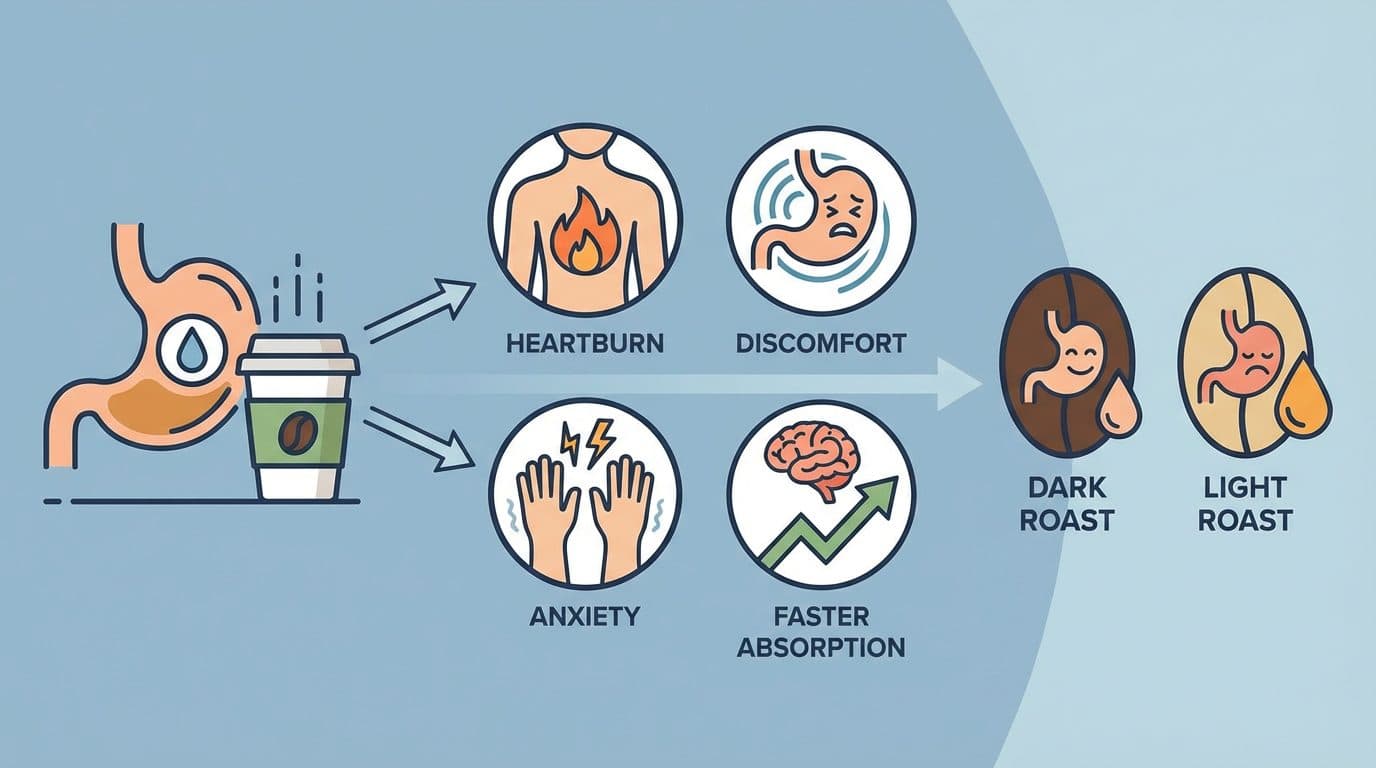
Coffee stimulates the production of stomach acid. On an empty stomach, this can lead to:
- Heartburn or acid reflux symptoms
- General stomach discomfort or queasiness
- Increased feelings of anxiety or jitteriness
- Faster caffeine absorption, leading to a sharper but shorter energy spike
I’ve found that darker roasts tend to be slightly easier on an empty stomach compared to lighter, more acidic roasts. If you’re committed to the coffee-first approach, this small adjustment might help.
The Potential Benefits
It’s not all bad news for the coffee-before-breakfast crowd. Some people genuinely thrive with this approach:
- Faster caffeine absorption means quicker alertness
- Some studies suggest fasted coffee consumption may enhance fat oxidation during morning exercise
- It can suppress appetite for those practicing intermittent fasting
- The ritual itself provides psychological benefits and comfort
Barista Tip: If you drink coffee before eating, try adding a splash of milk or cream. The fat content can help buffer your stomach lining and slow caffeine absorption slightly.
The Case for Coffee After Breakfast
Waiting to enjoy your coffee until after you’ve eaten might feel like torture to some, but there are compelling reasons to consider this approach. Your body responds quite differently when caffeine arrives with or after food.
Gentler on Your Digestive System
Food acts as a buffer in your stomach. When you eat breakfast first, you’re essentially creating a protective layer that helps moderate coffee’s acidic effects. This can mean:
- Reduced risk of acid reflux and heartburn
- Less stomach irritation overall
- More gradual caffeine absorption
- A smoother, more sustained energy curve throughout the morning
In my experience, people who struggle with digestive issues often see significant improvement simply by switching their coffee timing. It’s one of those small changes that can make a surprisingly big difference.
Blood Sugar Considerations
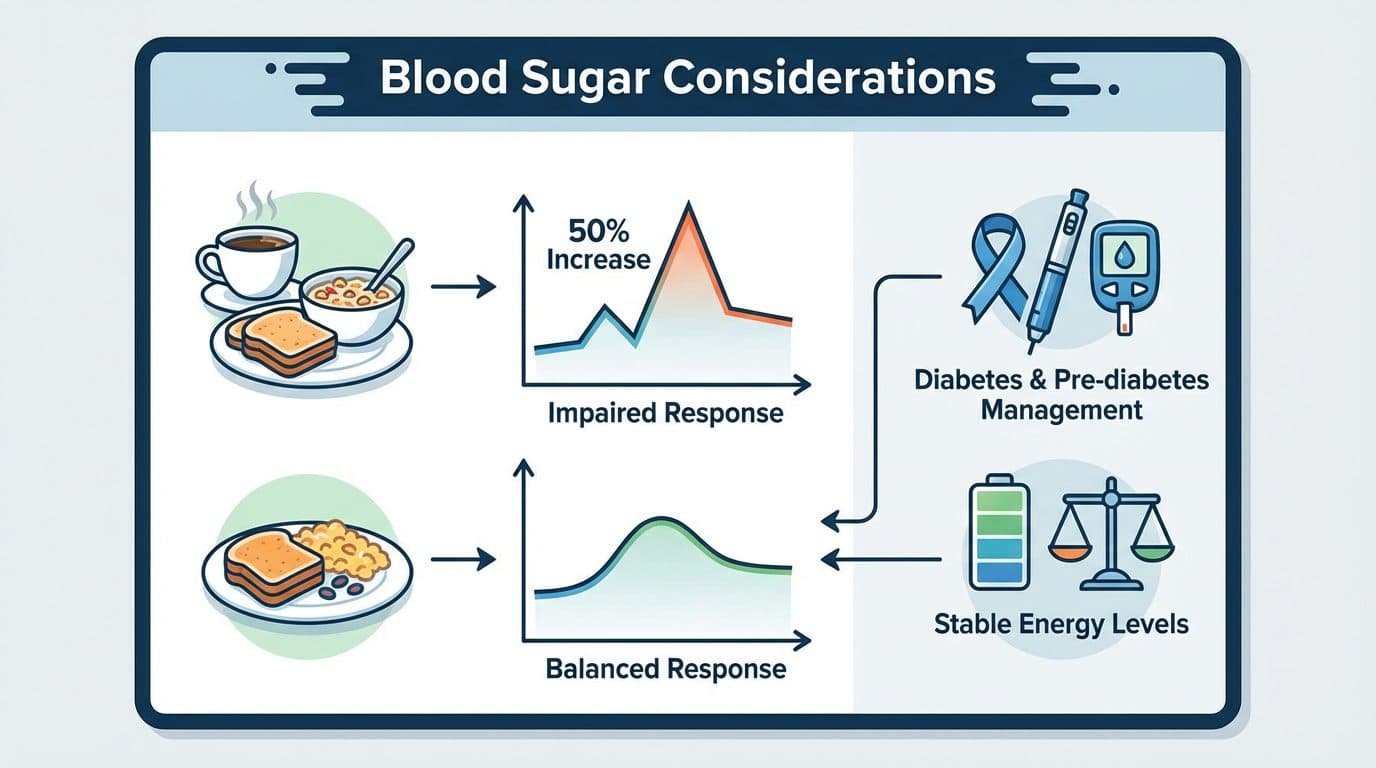
Here’s something interesting that doesn’t get discussed enough. Research has shown that drinking coffee before eating breakfast can impair your body’s ability to manage blood sugar after your meal. One study found that coffee consumed before a carbohydrate-rich breakfast increased the blood glucose response by roughly 50%.
For most healthy individuals, this isn’t a major concern. However, if you’re managing diabetes, pre-diabetes, or simply trying to maintain stable energy levels, drinking coffee after breakfast might be the wiser choice.
Maximizing Caffeine’s Effectiveness
Remember that cortisol peak we discussed? By waiting 90 minutes to 2 hours after waking to drink your coffee, you allow your natural cortisol levels to begin dropping. This means caffeine can do its job more effectively, potentially giving you better alertness with the same amount of coffee.
| Timing | Caffeine Effectiveness | Stomach Comfort | Energy Duration |
|---|---|---|---|
| Immediately upon waking | Reduced (competes with cortisol) | Lower | Shorter spike |
| Before breakfast (30-60 min after waking) | Moderate | Lower to moderate | Medium |
| After breakfast (90+ min after waking) | Optimal | Higher | Longer, steadier |
Who Should Drink Coffee Before Breakfast

Despite the potential drawbacks, drinking coffee before breakfast works perfectly well for many people. You might be better suited to this approach if:
- You have an iron stomach. Some people simply don’t experience digestive discomfort from coffee on an empty stomach. If that’s you, there’s no reason to change.
- You practice intermittent fasting. Black coffee is typically considered acceptable during fasting windows and can help manage hunger.
- You exercise first thing in the morning. Pre-workout coffee on an empty stomach may enhance performance and fat burning.
- Your schedule doesn’t allow for leisurely mornings. Sometimes you need that caffeine boost immediately, and life is too short for bad coffee—or no coffee.
A friend of mine is a nurse who starts 12-hour shifts at 6 AM. She drinks her coffee at 5:15 while getting ready and doesn’t eat until her first break. For her lifestyle, waiting simply isn’t practical, and she feels fine with this routine.
Who Should Drink Coffee After Breakfast
On the flip side, you might benefit from the coffee-after-breakfast approach if:
- You experience acid reflux or GERD. The buffering effect of food can significantly reduce symptoms.
- You feel jittery or anxious from morning coffee. Food slows caffeine absorption, creating a smoother experience.
- You’re managing blood sugar issues. Eating first helps maintain more stable glucose levels.
- Your morning energy crashes hard by mid-morning. A slower caffeine release provides more sustained energy.
- You’re pregnant or nursing. Consuming coffee with food can help moderate its effects. (Always consult your healthcare provider about caffeine intake during pregnancy.)
I personally switched to the coffee-after-breakfast method about two years ago. The difference in my mid-morning energy levels was noticeable within a week. I no longer experience that 10 AM crash that used to send me reaching for a second cup.
Finding Your Perfect Coffee Timing
The truth is, the “best” time for coffee depends entirely on your individual body, lifestyle, and preferences. Here’s how to figure out what works for you:
The Two-Week Experiment
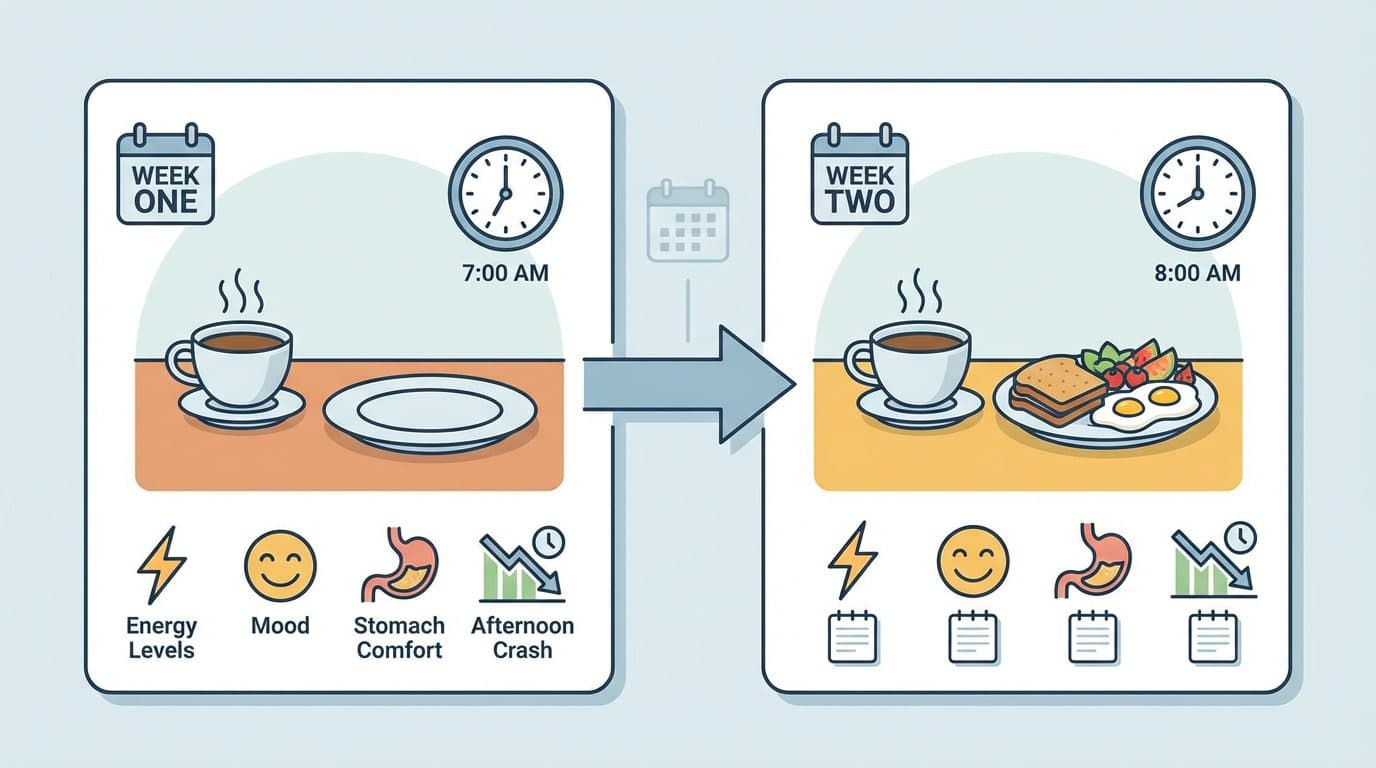
Try this simple approach to discover your ideal timing:
- Week one: Drink your coffee before eating breakfast. Note your energy levels, stomach comfort, mood, and any afternoon crashes.
- Week two: Drink your coffee only after finishing breakfast. Track the same factors.
Keep everything else consistent—same coffee, same breakfast foods, same sleep schedule. This gives you a clear comparison without too many variables.
The Compromise Approach
Can’t decide? There’s a middle ground that many people find works beautifully:
- Have a small snack first—a banana, a handful of nuts, or a piece of toast
- Enjoy your coffee
- Follow with your full breakfast
This approach gives your stomach something to work with while still satisfying that immediate coffee craving. It’s the best of both worlds for many people.
What to Eat With Your Coffee
If you’re drinking coffee with or after breakfast, certain foods pair particularly well:
- Protein-rich options: Eggs, Greek yogurt, or cottage cheese help slow caffeine absorption
- Healthy fats: Avocado toast, nut butters, or cheese provide sustained energy
- Complex carbohydrates: Oatmeal, whole-grain bread, or fruit offer fiber and nutrients
Avoid pairing coffee with high-sugar, low-fiber breakfasts like pastries or sugary cereals. The combination of caffeine and a blood sugar spike often leads to an unpleasant crash later.
Frequently Asked Questions
Does drinking coffee before breakfast help with weight loss?
Some evidence suggests that coffee on an empty stomach may slightly increase fat oxidation, especially before exercise. However, the effect is modest, and the potential blood sugar disruption might counteract any benefits for some people. Weight loss ultimately comes down to overall diet and activity levels, not coffee timing alone.
Will coffee before breakfast damage my stomach lining?
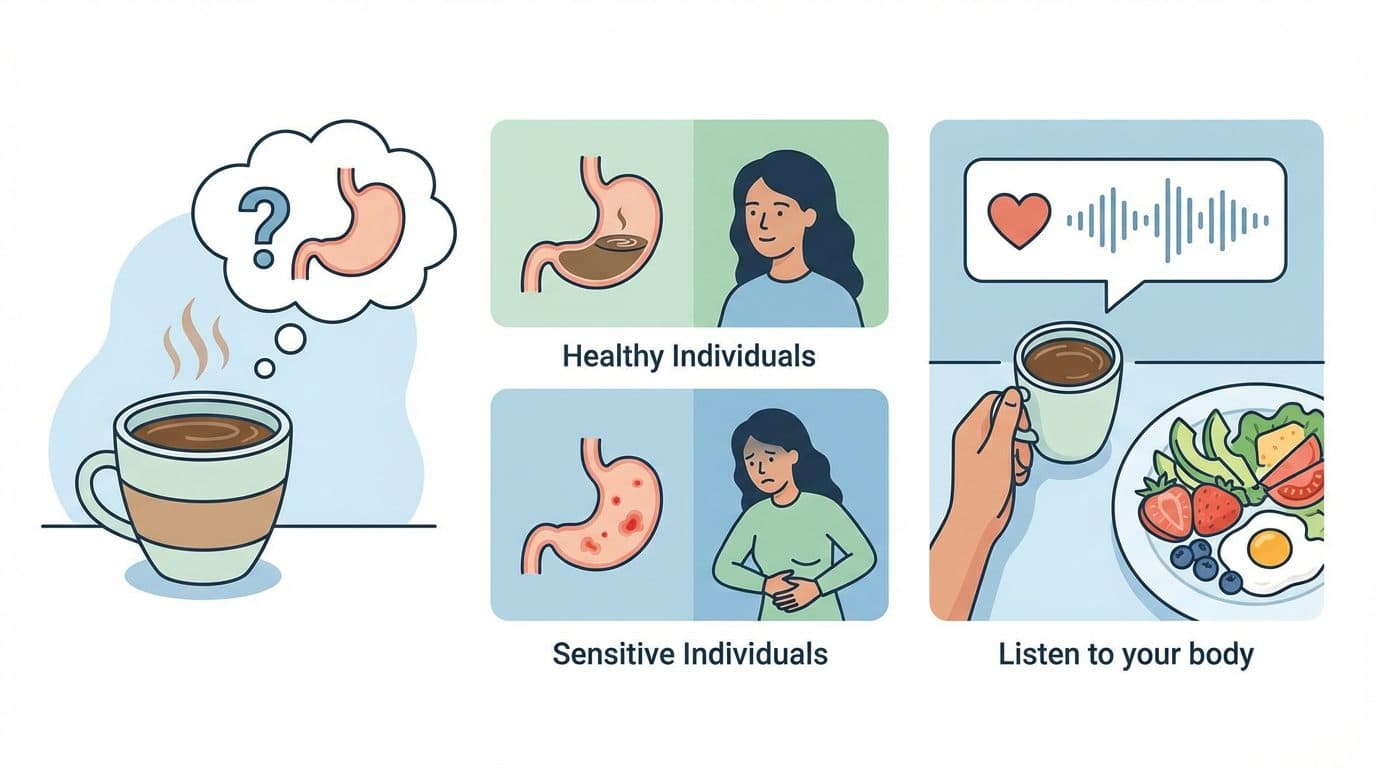
For most healthy individuals, occasional coffee on an empty stomach won’t cause lasting damage. However, if you consistently experience discomfort, it’s worth adjusting your routine. Chronic irritation over time can contribute to issues like gastritis in sensitive individuals. Listen to your body.
How long should I wait after waking to drink coffee?
For optimal caffeine effectiveness, waiting 90 minutes to 2 hours after waking allows your cortisol levels to drop naturally. If that’s not practical, even waiting 30-60 minutes is better than drinking coffee immediately upon waking.
Can I just add cream to my coffee instead of eating breakfast?
Adding cream or milk does provide some buffering effect for your stomach, which is better than drinking black coffee on an empty stomach if you’re sensitive. However, it doesn’t offer the same blood sugar stabilization benefits as eating a proper breakfast.
Is decaf coffee okay on an empty stomach?
Decaf still contains some compounds that stimulate stomach acid production, so it’s not entirely “safe” for sensitive stomachs. However, the reduced caffeine means less jitteriness and a gentler overall effect. If you’re testing your tolerance, decaf is a reasonable starting point.
Conclusion: Making Your Morning Coffee Work for You
The coffee before or after breakfast debate doesn’t have a one-size-fits-all answer. Your ideal timing depends on your digestive system, energy needs, daily schedule, and personal preferences. What matters most is paying attention to how your body responds and adjusting accordingly.
If you’ve been drinking coffee the same way for years without questioning it, I encourage you to try the two-week experiment. You might discover that a simple timing change transforms your mornings. Or you might confirm that your current approach is perfect for you—and that’s valuable knowledge too.
Life is too short for bad coffee, but it’s also too short to feel lousy every morning. Find your rhythm, enjoy your brew, and start each day feeling your best.



Comments