


Table of Contents
- What Creates Dark, Smoky Flavors in Coffee Beans?
- The Role of Oils in Flavor
- Understanding Roast Levels for Smoky Coffee
- What About "Espresso Roast"?
- Best Coffee Origins for Dark, Smoky Flavors
- Sumatra (Indonesia)
- Brazil
- Guatemala and Mexico
- How to Identify Quality Dark Roast Coffee Beans
- Check the Roast Date
- Read the Origin Information
- Look for Even Roasting
- Brewing Methods That Enhance Smoky Flavors
- What You'll Need
- Best Methods for Smoky Profiles
- Frequently Asked Questions
- Does dark roast coffee have more caffeine?
- Can I use dark roast beans for cold brew?
- How should I store dark roast coffee beans?
- Why does my dark roast coffee taste sour instead of smoky?
- Are dark roast blends or single origins better for smoky flavor?
- Summary and Your Next Steps
Do you crave that bold, campfire-like intensity in your morning cup? That rich, almost charred sweetness that lingers on your palate? If you find yourself drawn to coffees that taste like a cozy evening by the fireplace, you’re definitely a dark and smoky coffee lover. The good news is that finding the perfect beans for your taste isn’t complicated once you know what to look for.
In this guide, I’ll walk you through everything you need to know about choosing coffee beans with dark, smoky flavors. From understanding roast levels to selecting the right origins and avoiding common pitfalls, you’ll have all the tools to find your ideal cup. Life is too short for bad coffee, so let’s make sure every sip hits the spot.
What Creates Dark, Smoky Flavors in Coffee Beans?
Before you start shopping, it helps to understand where those beloved smoky notes actually come from. The flavor profile you’re chasing is primarily the result of the roasting process, though origin and processing methods also play supporting roles.
During roasting, coffee beans undergo a chemical transformation called the Maillard reaction. As beans are roasted longer and at higher temperatures, natural sugars caramelize and eventually begin to carbonize. This creates those deep, toasty, sometimes ashy flavors that define dark roast coffee. In my experience, the sweet spot for smoky lovers falls somewhere between a full city roast and a French roast.
The Role of Oils in Flavor
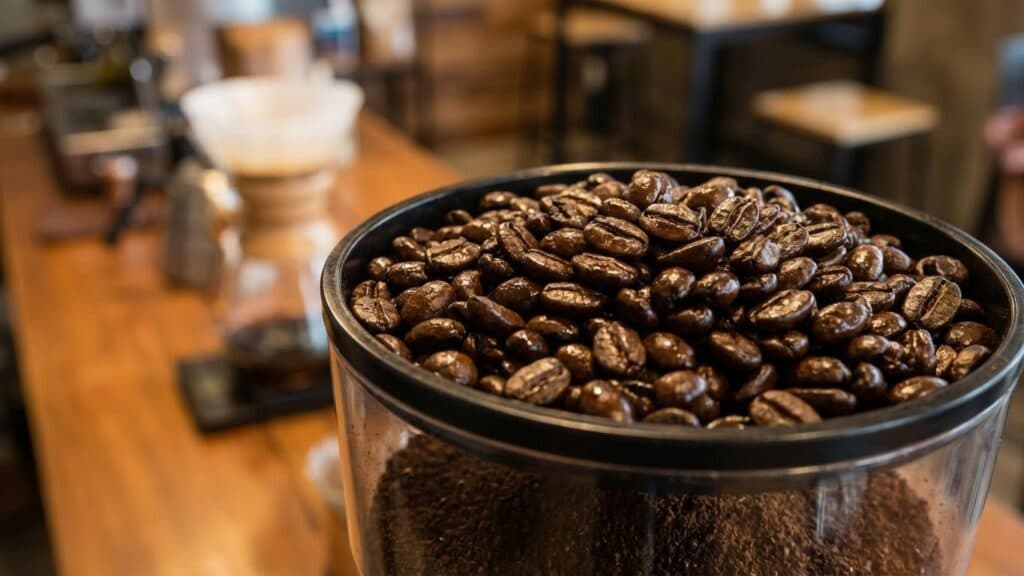
You’ve probably noticed that dark roast beans often look shiny and oily on the surface. This isn’t a defect—it’s actually a sign that the roasting process has pushed oils from inside the bean to the outside. These oils carry intense, concentrated flavors and contribute to that heavy, lingering mouthfeel that smoky coffee fans adore.
Barista Tip: Oily beans can clog some grinders over time, especially blade grinders. If you’re brewing dark roasts regularly, consider investing in a burr grinder that’s easier to clean.
Understanding Roast Levels for Smoky Coffee
Not all dark roasts are created equal. Here’s a quick breakdown of roast levels and what you can expect from each:
| Roast Level | Color | Flavor Profile | Oil Appearance |
|---|---|---|---|
| Medium-Dark | Rich brown | Bittersweet, hints of smoke | Slight sheen |
| Dark (Full City+) | Dark brown | Bold, smoky, low acidity | Visible oil |
| French Roast | Very dark | Intense, charred, bitter | Very oily |
| Italian Roast | Nearly black | Burnt, ashy, thin body | Extremely oily |
If you love smoky flavors but still want some complexity in your cup, I’d recommend starting with a dark or French roast. Italian roasts can taste almost exclusively of carbon, which overpowers any other interesting notes. In my experience, most smoky coffee lovers find their happy place somewhere in the dark to French roast range.
What About “Espresso Roast”?
You’ll often see bags labeled as “espresso roast” at the store. This term isn’t standardized, but it typically refers to a dark roast designed to taste balanced when brewed as espresso. These can be excellent choices for smoky flavor seekers, especially if you enjoy milk-based drinks where bold roast character shines through.
Best Coffee Origins for Dark, Smoky Flavors
While roasting is the primary driver of smokiness, certain coffee origins lend themselves better to dark roasting than others. Some beans simply taste better when pushed to those higher temperatures.
Sumatra (Indonesia)
If you love earthy, smoky, almost mushroomy flavors, Sumatran coffee is your best friend. Beans from regions like Mandheling and Lintong are wet-hulled, a processing method that creates a distinctive earthy, heavy character. When dark roasted, these beans develop deep cedar, tobacco, and smoke notes that feel almost primal. I’ve found that Sumatran coffees are incredibly forgiving—they hold up beautifully to dark roasting without becoming bitter or hollow.
Brazil
Brazilian coffees are naturally low in acidity and offer nutty, chocolatey base notes. Dark roasted Brazilian beans taste like chocolate-covered almonds kissed by a campfire. They’re also widely available and often more affordable than single-origin specialty beans, making them a practical everyday choice.
Guatemala and Mexico
Central American coffees from Guatemala and Mexico can develop wonderful smoky-sweet characteristics when dark roasted. Look for beans from volcanic regions—the mineral-rich soil adds depth and complexity that survives the roasting process.
- Sumatra: Earthy, tobacco, cedar, heavy body
- Brazil: Nutty, chocolate, caramel, smooth
- Guatemala: Smoky, cocoa, subtle spice
- Mexico: Mild smoke, brown sugar, clean finish
Key Takeaway: Origins with naturally low acidity and earthy characteristics tend to shine brightest when dark roasted. African coffees (Ethiopian, Kenyan) are generally better suited for lighter roasts where their fruity, floral notes can sparkle.
How to Identify Quality Dark Roast Coffee Beans
Unfortunately, not all dark roasts are high quality. Some roasters use dark roasting to mask inferior beans, burning away defects along with any positive flavors. Here’s how to separate the good from the bad.
Check the Roast Date
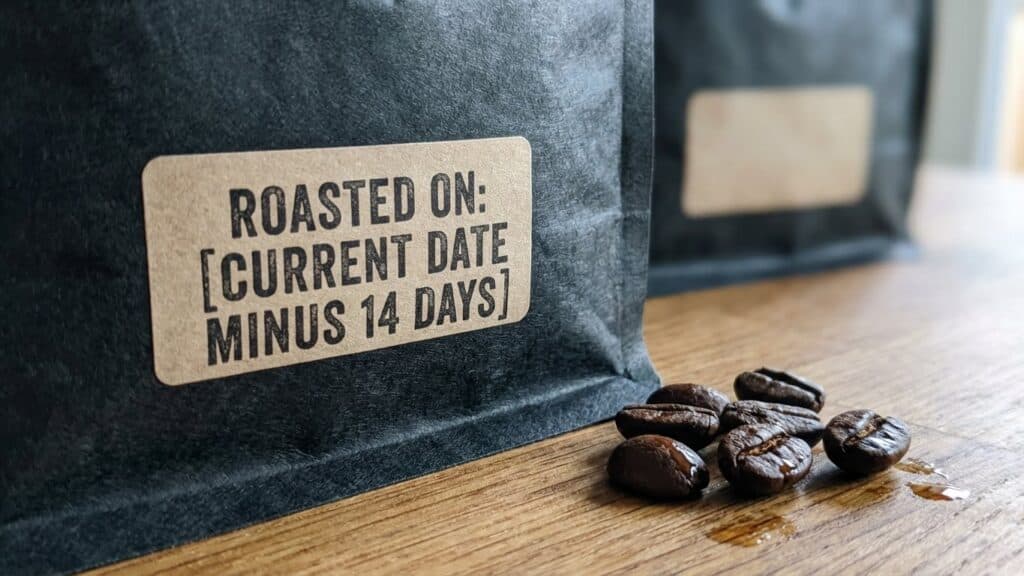
Freshness matters even more for dark roasts because those surface oils oxidize quickly. Look for beans roasted within the last 2-4 weeks. Avoid bags without a roast date—reputable roasters are proud to share this information.
Read the Origin Information
Quality roasters provide details about where their beans come from. A bag that simply says “dark roast blend” with no origin information is a red flag. Even blends should list the component origins or at least the regions involved.
Look for Even Roasting
When you open a bag, examine the beans. Quality dark roasts should have a consistent color throughout. If you see a mix of very dark and lighter beans, or beans with visible scorch marks, that’s a sign of uneven roasting and likely bitter, ashy flavors.
- Roast date clearly printed (within 2-4 weeks)
- Specific origin information provided
- Consistent color and sheen across all beans
- No visible cracks, chips, or scorching
- Rich, pleasant aroma (not burnt rubber)
Barista Tip: Smell the beans before buying if possible. Quality dark roasts smell like dark chocolate, caramel, and pleasant smoke. Poor quality ones smell sharp, rubbery, or like an ashtray.
Brewing Methods That Enhance Smoky Flavors
Choosing the right beans is only half the battle. How you brew them can either amplify or diminish those smoky characteristics you’re after.
What You’ll Need
Gear:
- Burr grinder (blade grinders work but produce less consistent results)
- French press, moka pot, or espresso machine
- Filtered water
- Kitchen scale (optional but recommended)
Suggested Ratio: 1:15 coffee to water for immersion methods, 1:2 for espresso
Best Methods for Smoky Profiles
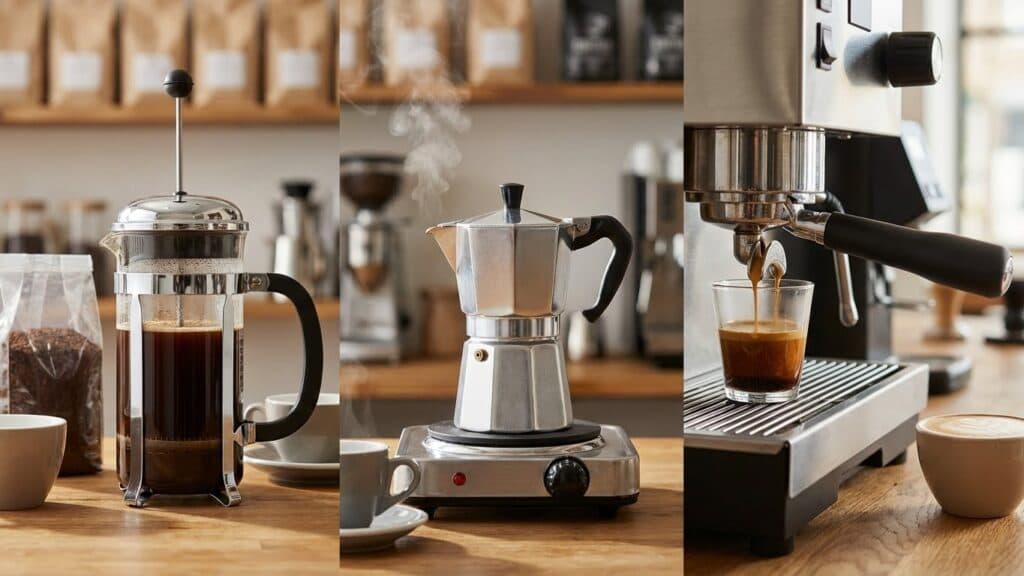
French Press: The metal filter allows oils to pass through, creating a heavy, rich body that showcases smoky notes beautifully. Steep for 4 minutes with coarsely ground coffee.
Moka Pot: This stovetop method produces concentrated, intense coffee that highlights bold, roasty flavors. It’s my personal favorite for Sumatran dark roasts.
Espresso: Dark roasts extract quickly and produce thick, syrupy shots with prominent smoke and chocolate notes. Perfect for lattes where you want the coffee to punch through the milk.
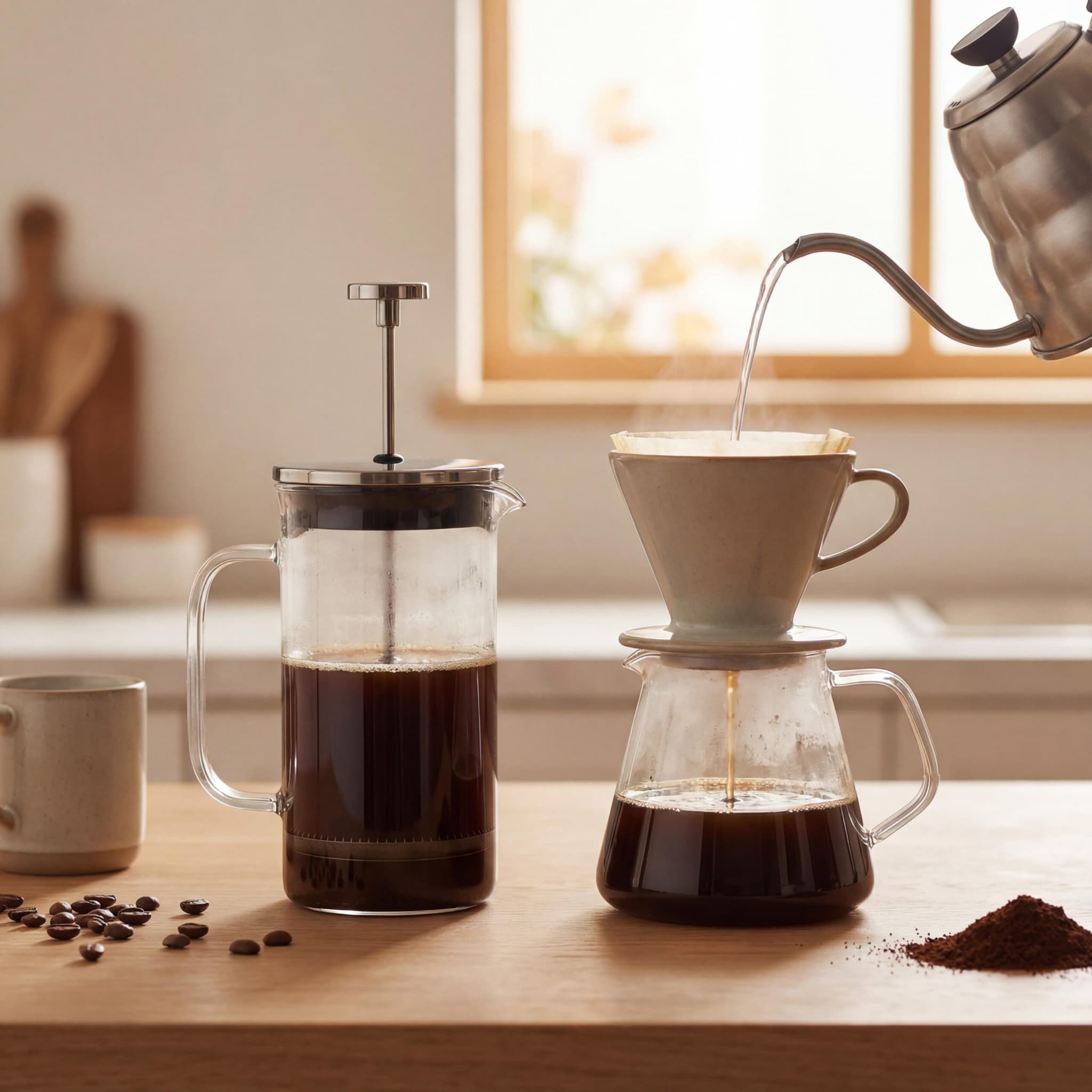
Pour-over methods with paper filters can actually reduce smokiness by trapping the oils that carry those flavors. If you love your V60, that’s fine—just know you might be losing some of that intensity you’re seeking.
Taste Profile: When brewed correctly, quality dark roast coffee should taste bold and smoky with notes of dark chocolate, toasted nuts, and subtle sweetness. Bitterness should be pleasant, not harsh. If your coffee tastes like burnt rubber or leaves an unpleasant film on your tongue, you may be over-extracting or using low-quality beans.
Frequently Asked Questions
Does dark roast coffee have more caffeine?
Actually, no. There’s a common myth that dark roasts pack more caffeine punch, but the opposite is technically true—roasting slightly reduces caffeine content. However, the difference is so small that it’s practically negligible in your daily cup. Choose your roast based on flavor, not caffeine expectations.
Can I use dark roast beans for cold brew?
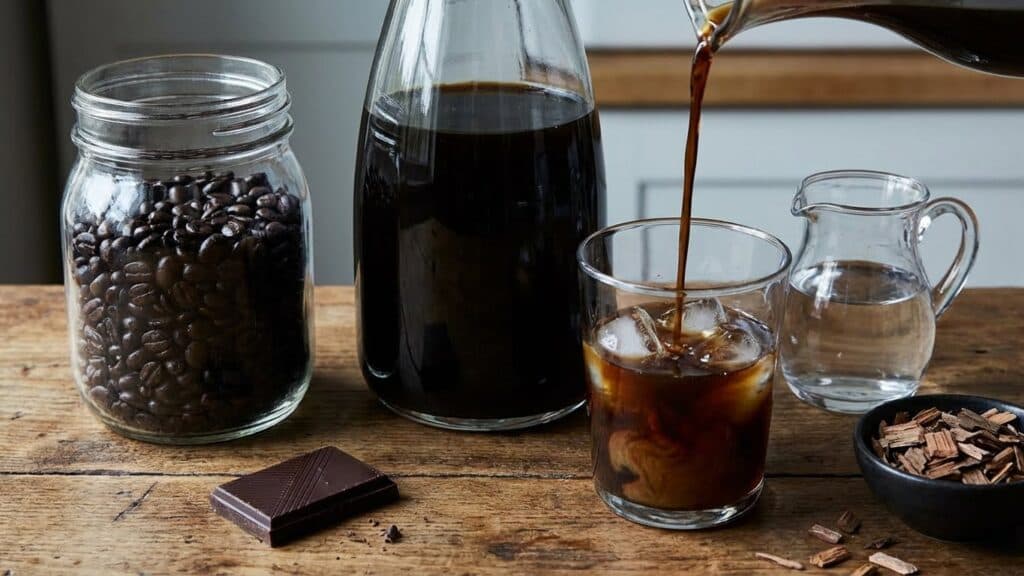
You can, and many people love the results. Cold brew with dark roast beans produces a smooth, low-acid concentrate with intense chocolate and smoke notes. Just be aware it can taste quite heavy, so you might want to dilute it more than you would with a lighter roast cold brew.
How should I store dark roast coffee beans?
Store your beans in an airtight container at room temperature, away from light and heat. Because dark roasts are oilier, they oxidize faster than light roasts. Try to use them within 3-4 weeks of the roast date for optimal flavor. Avoid refrigerating or freezing unless you’re storing long-term and using truly airtight packaging.
Why does my dark roast coffee taste sour instead of smoky?
Sour dark roast usually means under-extraction. Your water might not be hot enough (aim for 195-205°F), your grind might be too coarse, or your brew time might be too short. Try grinding finer or extending your brew time slightly. If the problem persists, your beans might actually be a medium roast mislabeled as dark.
Are dark roast blends or single origins better for smoky flavor?
Both can work wonderfully. Single origins like Sumatran or Brazilian coffees offer distinct, consistent profiles. Blends combine beans from multiple origins to create balanced, complex cups. For maximum smokiness, I’d recommend starting with a single-origin Sumatran and experimenting from there.
Summary and Your Next Steps
Finding the perfect dark, smoky coffee beans comes down to understanding a few key factors: roast level, origin, quality indicators, and brewing method. Look for beans roasted to a dark or French roast level from origins like Sumatra or Brazil. Check for freshness, read the origin details, and inspect the beans for even roasting. Then brew using methods that preserve those precious oils—French press and moka pot are your friends here.
Start by picking up a fresh bag of Sumatran dark roast from a local roaster or reputable online source. Brew it in a French press and pay attention to those earthy, smoky notes. From there, explore Brazilian and Central American options to find your personal favorite. With a little experimentation, you’ll build a reliable rotation of smoky coffees that make every morning feel like a fireside retreat. Happy brewing!



Comments