


Table of Contents
- What Does "Fresh" Actually Mean for Coffee Beans?
- The Enemies of Coffee Freshness
- How Long Do Coffee Beans Stay Fresh? The Real Timeline
- The Degassing Window
- Did You Know?
- How to Tell If Your Coffee Beans Have Gone Stale
- The Smell Test
- The Visual Check
- The Squeeze Test
- The Taste Test
- Coffee Bean Storage: What Actually Works
- The Best Storage Method
- Common Storage Myths Debunked
- Whole Beans vs. Ground Coffee: Why It Matters
- The Case for Grinding Fresh
- Frequently Asked Questions
- Can I still drink coffee made from stale beans?
- How do I know the roast date if it's not on the package?
- Does the roast level affect how long beans stay fresh?
- Is vacuum-sealing coffee beans a good idea?
- What should I do with stale coffee beans?
- Conclusion and Next Steps
Ever opened a bag of coffee beans you bought a few weeks ago, brewed a cup, and wondered why it tastes flat and lifeless? You’re not alone. One of the most common mistakes home baristas make is underestimating how quickly coffee beans lose their freshness. The difference between a vibrant, aromatic cup and a dull, stale one often comes down to understanding how long coffee beans stay fresh and how to store them properly.
In this guide, I’ll walk you through everything you need to know about coffee bean shelf life. You’ll learn what affects freshness, how to spot stale beans, and practical storage tips that actually work. Because life is too short for bad coffee, and once you understand the science behind freshness, you’ll never settle for a mediocre cup again.
What Does “Fresh” Actually Mean for Coffee Beans?
Before we dive into timelines, let’s clear up what freshness means in the coffee world. When coffee beans are roasted, they undergo a complex chemical transformation. Sugars caramelize, acids develop, and hundreds of aromatic compounds form. These compounds are what give your coffee its flavor, aroma, and that satisfying complexity you crave.
Here’s the catch: those aromatic compounds are volatile. They start escaping the moment roasting ends. This process is called degassing, and while some of it is necessary (more on that later), it also means your beans are on a countdown timer from the moment they leave the roaster.
The Enemies of Coffee Freshness
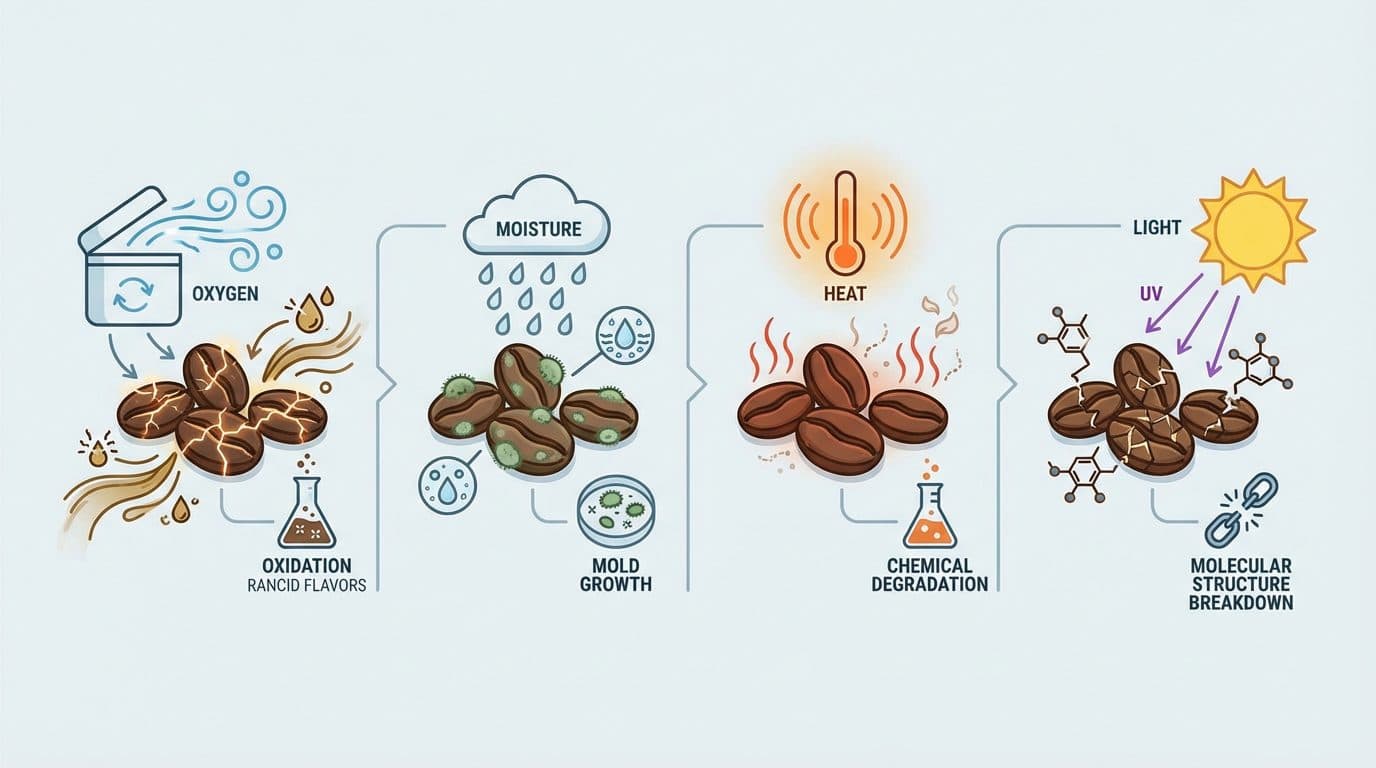
Four main factors accelerate the staling process:
- Oxygen: Oxidation breaks down the oils and aromatics in coffee beans, leading to rancid, flat flavors.
- Moisture: Coffee beans are hygroscopic, meaning they absorb moisture from the air. This can cause them to go stale faster and even develop mold.
- Heat: Warm temperatures speed up chemical reactions, including the degradation of flavor compounds.
- Light: UV rays can break down the molecular structure of the beans, particularly the delicate oils on the surface.
In my experience, oxygen is the biggest culprit. Even a small amount of air exposure can noticeably affect your beans within days.
How Long Do Coffee Beans Stay Fresh? The Real Timeline
Now for the question you came here for. The shelf life of coffee beans depends on several factors, including roast date, packaging, and storage conditions. Here’s a realistic breakdown:
| Bean State | Peak Freshness | Acceptable Quality | Past Prime |
|---|---|---|---|
| Whole beans (sealed bag with valve) | 1–3 weeks after roast | 3–5 weeks | 6+ weeks |
| Whole beans (opened bag) | 1–2 weeks | 2–3 weeks | 4+ weeks |
| Ground coffee | 1–3 days | 1–2 weeks | 3+ weeks |
The Degassing Window
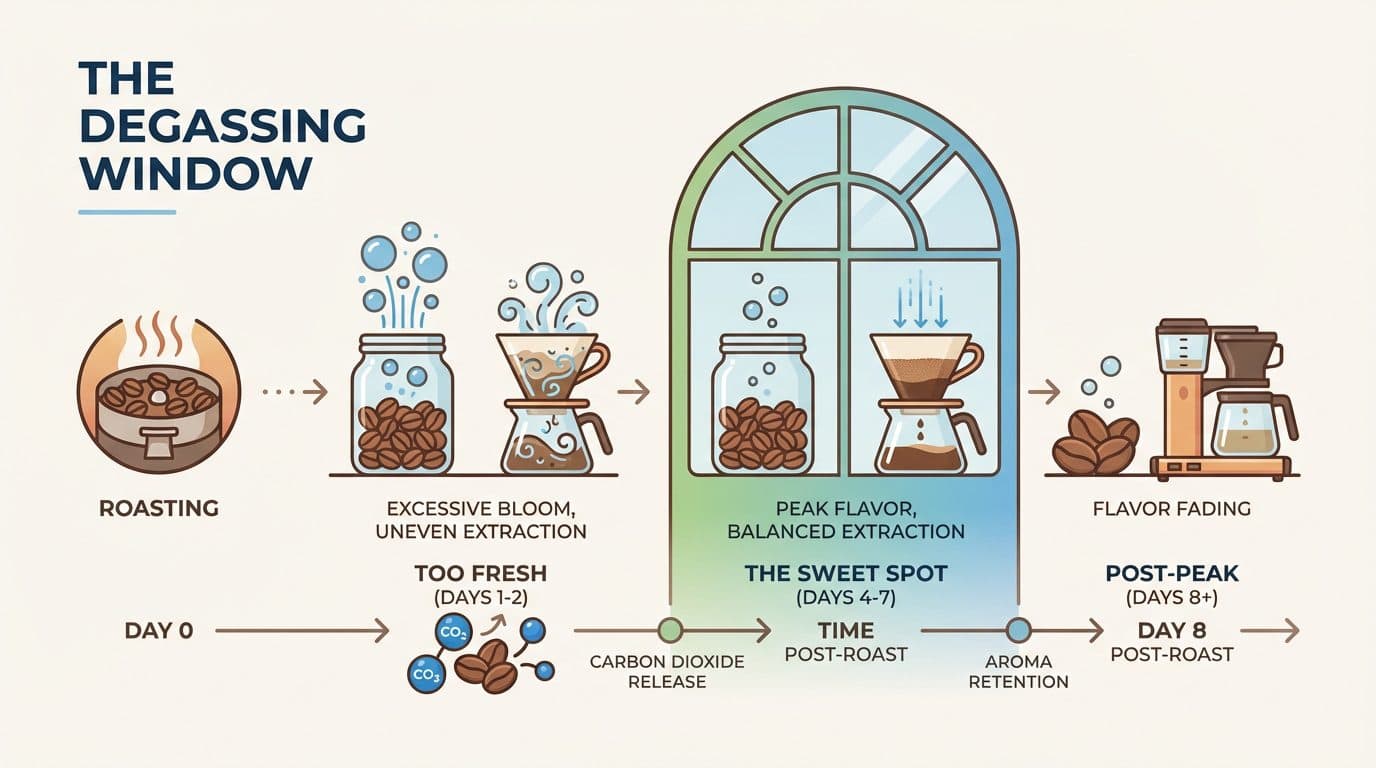
Here’s something many coffee lovers don’t realize: beans that are too fresh can also be problematic. Right after roasting, coffee beans release significant amounts of carbon dioxide. If you brew with beans that are only a day or two old, all that gas can interfere with extraction, leading to uneven flavor and excessive blooming during pour-over.
For most roasts, I’ve found the sweet spot starts around 4–7 days post-roast. This gives the beans enough time to degas while still retaining peak aromatics. Darker roasts degas faster than lighter ones, so you can use them a bit sooner.
Did You Know?
Coffee beans release about 40% of their CO2 within the first 24 hours after roasting. The one-way valve on specialty coffee bags isn’t for letting air in—it’s for letting this gas escape without allowing oxygen to enter.
How to Tell If Your Coffee Beans Have Gone Stale
Sometimes the roast date isn’t available, or you’ve forgotten when you opened that bag. Here are reliable ways to assess your beans:
The Smell Test
Fresh coffee beans have a strong, complex aroma. You should be able to smell distinct notes—fruity, chocolatey, nutty, or floral depending on the origin. Stale beans smell flat, cardboard-like, or simply weak. If you have to shove your nose deep into the bag to get any scent, they’re past their prime.
The Visual Check
Fresh beans, especially medium to dark roasts, should have a slight sheen from the natural oils. If beans look excessively dry or have a dull, ashy appearance, they’ve likely oxidized. On the flip side, extremely oily beans that have been sitting around can turn rancid, giving off an unpleasant smell.
The Squeeze Test
Put a few beans in a ziplock bag and squeeze out the air. Leave it overnight. Fresh beans will puff the bag up slightly due to continued CO2 release. If the bag stays flat, your beans have finished degassing and are likely stale.
The Taste Test
Ultimately, your palate is the best judge. Stale coffee tastes flat, papery, or overly bitter without complexity. If your morning cup lacks the brightness and depth you remember, freshness is probably the issue.
Coffee Bean Storage: What Actually Works
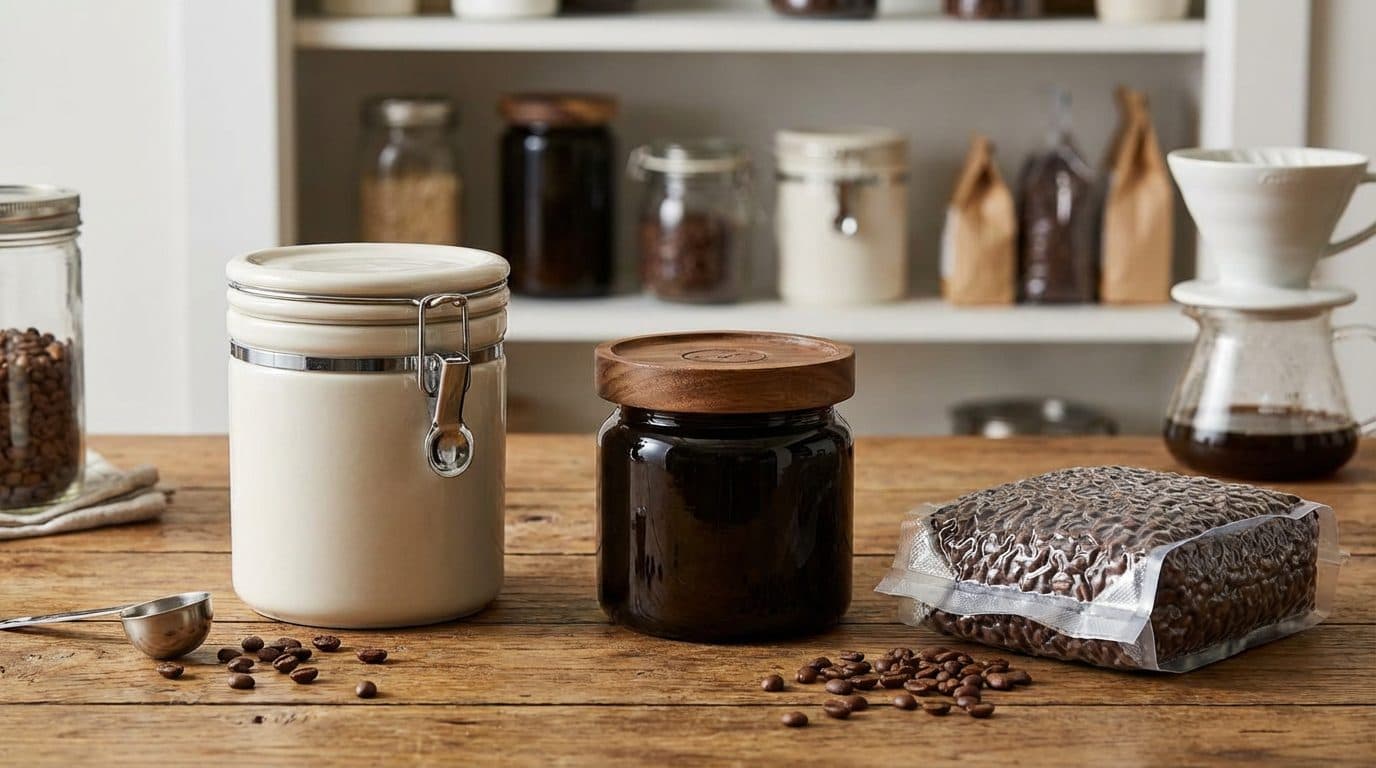
Proper storage can significantly extend how long your coffee beans stay fresh at home. Here’s what I recommend based on years of experimentation:
The Best Storage Method
- Airtight container: Transfer beans to an opaque, airtight container with a one-way valve if possible. This protects against oxygen and light.
- Cool, dark location: A pantry or cabinet away from the stove, oven, or windows is ideal. Room temperature (around 20°C or 68°F) works well.
- Buy smaller quantities: Purchase only what you’ll use in 2–3 weeks. This is the simplest way to ensure freshness.
Barista Tip: If your beans came in a quality bag with a one-way valve, you can keep them in the original packaging. Just squeeze out excess air before sealing and store in a dark place.
Common Storage Myths Debunked
Let’s address some misconceptions that refuse to die:
Myth: Store coffee in the refrigerator. This is one of the worst things you can do. Fridges are humid environments, and coffee absorbs odors like a sponge. Your beans will end up tasting like last night’s leftovers. Please don’t do this.
Myth: Freezing ruins coffee. Actually, freezing can work—but only under specific conditions. If you buy in bulk and want to preserve beans for months, divide them into single-week portions in airtight, freezer-safe bags. Remove a portion when needed and let it come to room temperature before opening. Never refreeze, and never freeze beans you’ll use within a few weeks.
Myth: Clear glass jars are fine. They look beautiful on your counter, but light exposure degrades coffee quality. If you love the aesthetic, keep the jar inside a cabinet or switch to opaque ceramic or stainless steel containers.
Whole Beans vs. Ground Coffee: Why It Matters
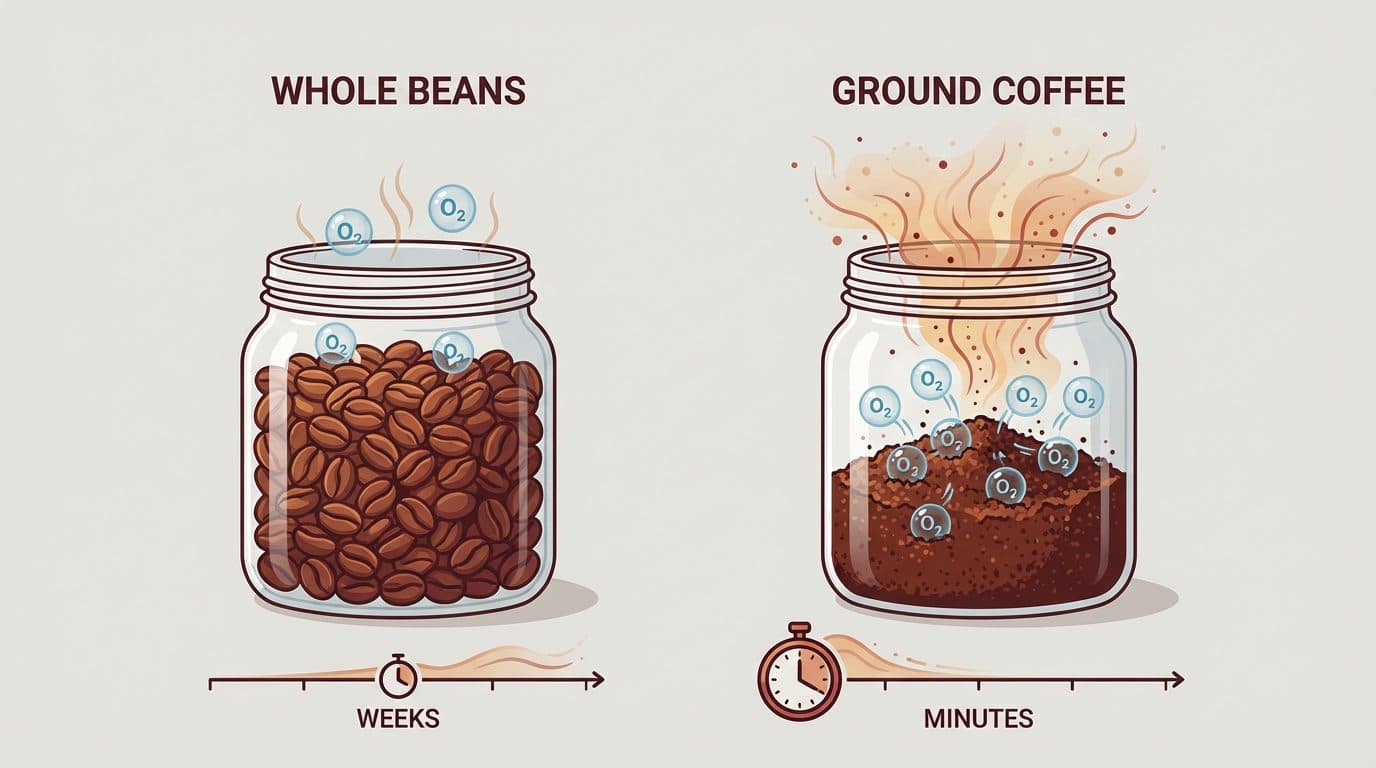
You might have noticed the dramatic difference in freshness timelines between whole beans and ground coffee. There’s a simple reason: surface area.
When you grind coffee, you expose exponentially more surface area to oxygen. Those volatile aromatics that make coffee smell and taste amazing? They escape within minutes of grinding. I’ve tested this myself—coffee ground fresh versus coffee ground even 30 minutes prior tastes noticeably different.
The Case for Grinding Fresh
If you take away one thing from this guide, let it be this: grind your beans just before brewing. A decent burr grinder is one of the best investments you can make for your home coffee setup. Even an entry-level grinder will dramatically improve your cup compared to pre-ground coffee.
That said, life happens. If you must buy pre-ground coffee, choose the smallest package you can use within a week and store it in an airtight container immediately after opening.
Frequently Asked Questions
Can I still drink coffee made from stale beans?
Yes, stale coffee is perfectly safe to drink. It’s a quality issue, not a safety one. You won’t get sick, but you also won’t get the full flavor experience the beans originally offered. If you can tolerate the flat taste, there’s no harm in finishing that old bag.
How do I know the roast date if it’s not on the package?
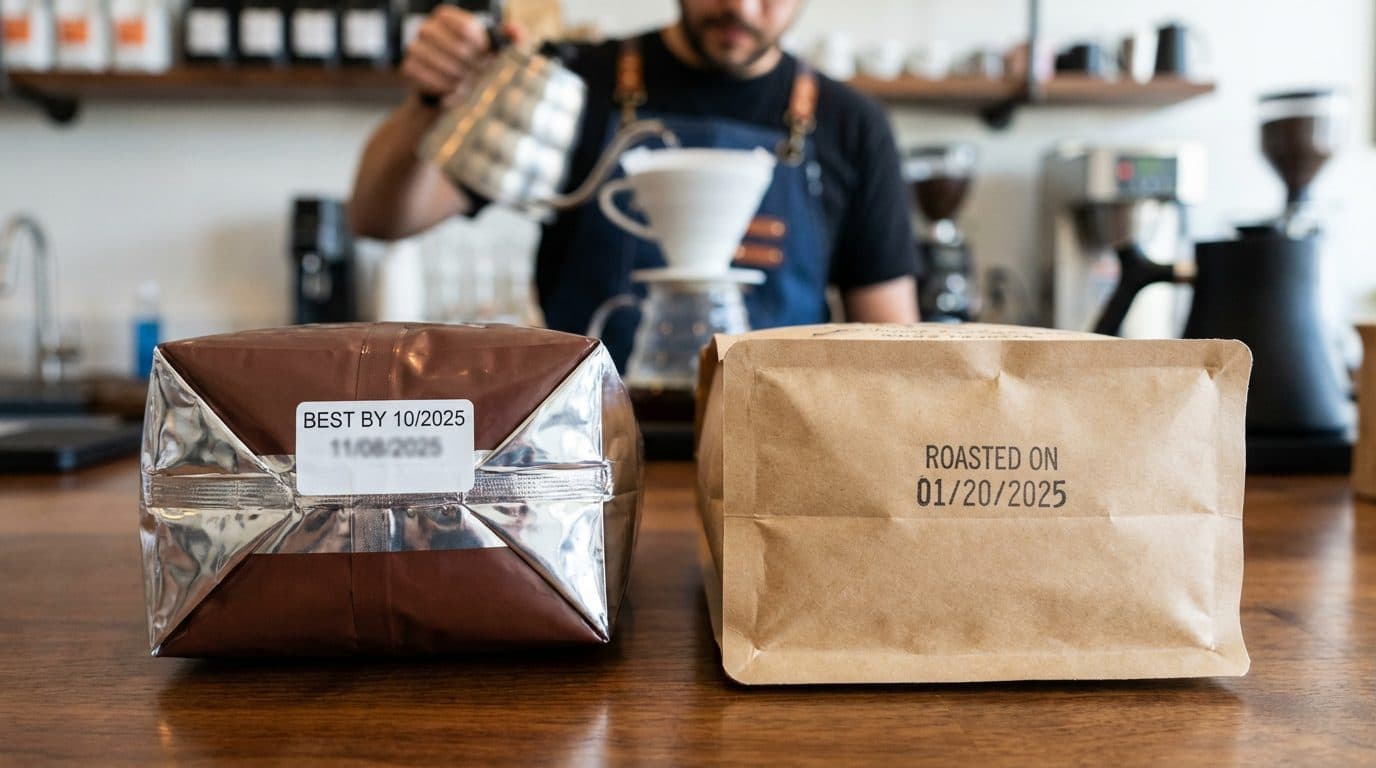
Unfortunately, many commercial brands only list a “best by” date, which is often 6–12 months after roasting. Look for specialty roasters who print the actual roast date on the bag. If there’s only a “best by” date, assume the beans are already weeks or months old. This is one reason to buy from local roasters or reputable online specialty shops.
Does the roast level affect how long beans stay fresh?
Yes, to some degree. Darker roasts have more oils on the surface, making them more susceptible to oxidation and rancidity. They tend to stale faster than lighter roasts. However, proper storage minimizes this difference. Both light and dark roasts benefit from airtight containers and quick consumption.
Is vacuum-sealing coffee beans a good idea?
Vacuum-sealing can extend freshness by removing oxygen, but there’s a caveat. Freshly roasted beans still releasing CO2 can cause vacuum-sealed bags to puff up or even burst. If you vacuum-seal, wait until the beans have degassed for at least a week, or use bags designed to handle gas release.
What should I do with stale coffee beans?
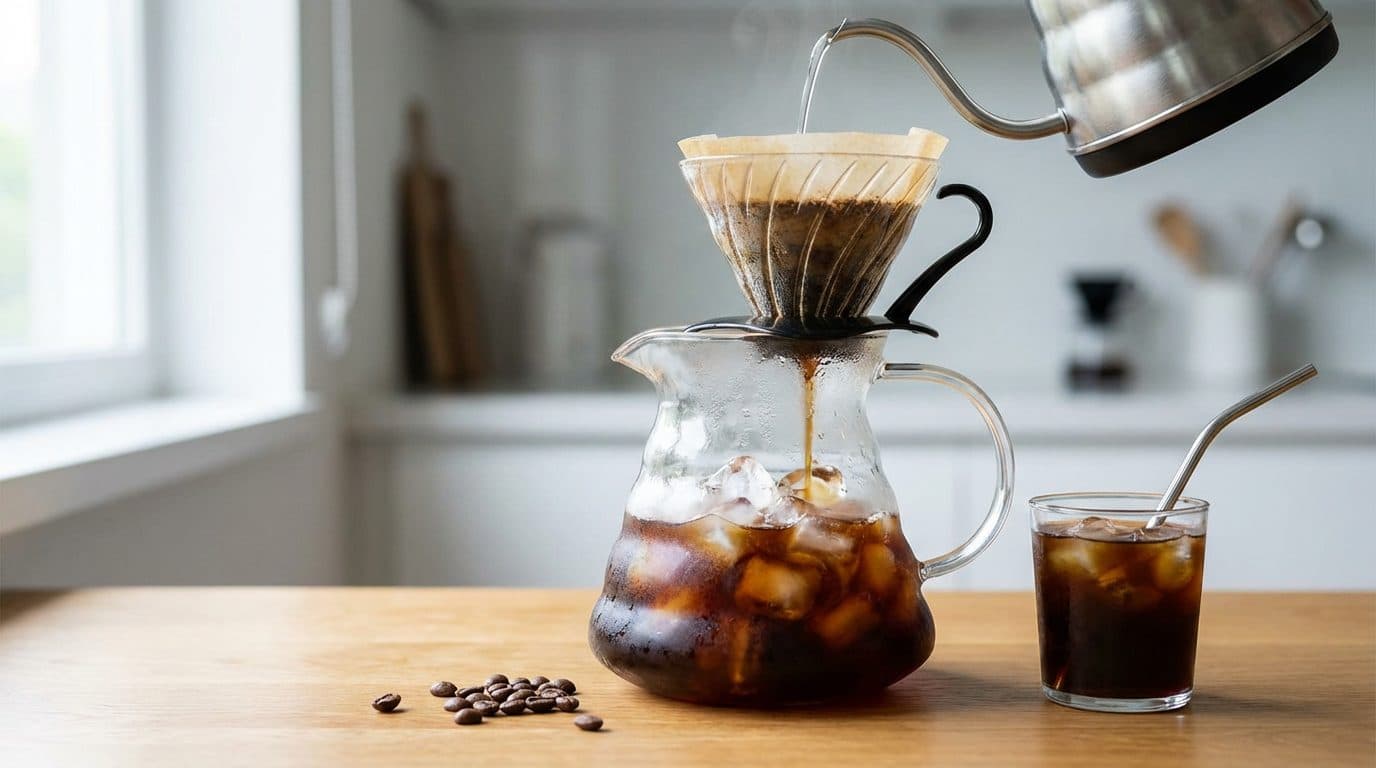
Don’t throw them away. Stale beans work well for cold brew, which is more forgiving of diminished aromatics. You can also use them for coffee-flavored baked goods, homemade coffee scrubs, or as a deodorizer for your fridge or freezer (ironic, I know).
Conclusion and Next Steps
Understanding how long coffee beans stay fresh at home transforms your daily brew. The key takeaways are simple: buy beans with a clear roast date, store them in airtight containers away from light and heat, grind just before brewing, and aim to finish your beans within 2–3 weeks of opening.
In my experience, once you start paying attention to freshness, you’ll notice improvements in every cup. The aromas become more vibrant, the flavors more complex, and that morning ritual becomes something genuinely worth savoring. Start by checking the roast date on your current bag, and if it’s been sitting around for a while, consider treating yourself to a fresh batch. Your taste buds will thank you.


Comments