



Table of Contents
- What You'll Need for Your Tiramisu Latte
- Ingredients
- Gear
- Step-by-Step Tiramisu Latte Recipe
- 1. Prepare the Mascarpone Base
- 2. Pull Your Espresso Shots
- 3. Steam and Froth Your Milk
- 4. Combine and Layer
- 5. Finish with the Classic Tiramisu Touch
- Variations to Try
- Iced Tiramisu Latte
- Boozy Tiramisu Latte
- Dairy-Free Version
- Common Mistakes and How to Avoid Them
- Why This Recipe Works
- Frequently Asked Questions
- Can I make tiramisu latte without an espresso machine?
- How long does mascarpone last once opened?
- Is a tiramisu latte very high in calories?
- Can I prep the mascarpone mixture ahead of time?
- What's the best milk alternative for this recipe?
- Final Thoughts and Your Next Step
What if you could have dessert for breakfast without the guilt? The tiramisu latte combines everything you love about the classic Italian treat—creamy mascarpone, rich espresso, and that unmistakable hint of cocoa—into a single, glorious cup. I’ve been perfecting this tiramisu latte recipe for years, and I can tell you: once you master it, your regular morning coffee will never feel the same again.
In this guide, you’ll learn exactly how to create a café-worthy tiramisu latte at home. We’ll cover the essential ingredients, walk through the step-by-step process, and I’ll share some barista tips that took me countless attempts to figure out. Whether you’re treating yourself on a lazy Sunday or impressing guests at brunch, this recipe delivers pure indulgence in every sip.
What You’ll Need for Your Tiramisu Latte
Before we dive into the process, let’s gather everything you need. The beauty of a tiramisu latte is that most ingredients are probably already in your kitchen—or at least a quick grocery run away.
Ingredients
- Espresso: 2 shots (about 60ml) freshly brewed—this is non-negotiable for authentic flavor
- Mascarpone cheese: 2 tablespoons at room temperature
- Milk: 1 cup (whole milk works best, but oat milk is a great alternative)
- Vanilla syrup: 1 tablespoon (or 1 teaspoon vanilla extract plus 1 tablespoon sugar)
- Cocoa powder: For dusting on top
- Coffee liqueur: 1 teaspoon (optional, but adds depth)
- Ladyfinger crumbs: Optional garnish for the full experience
Gear
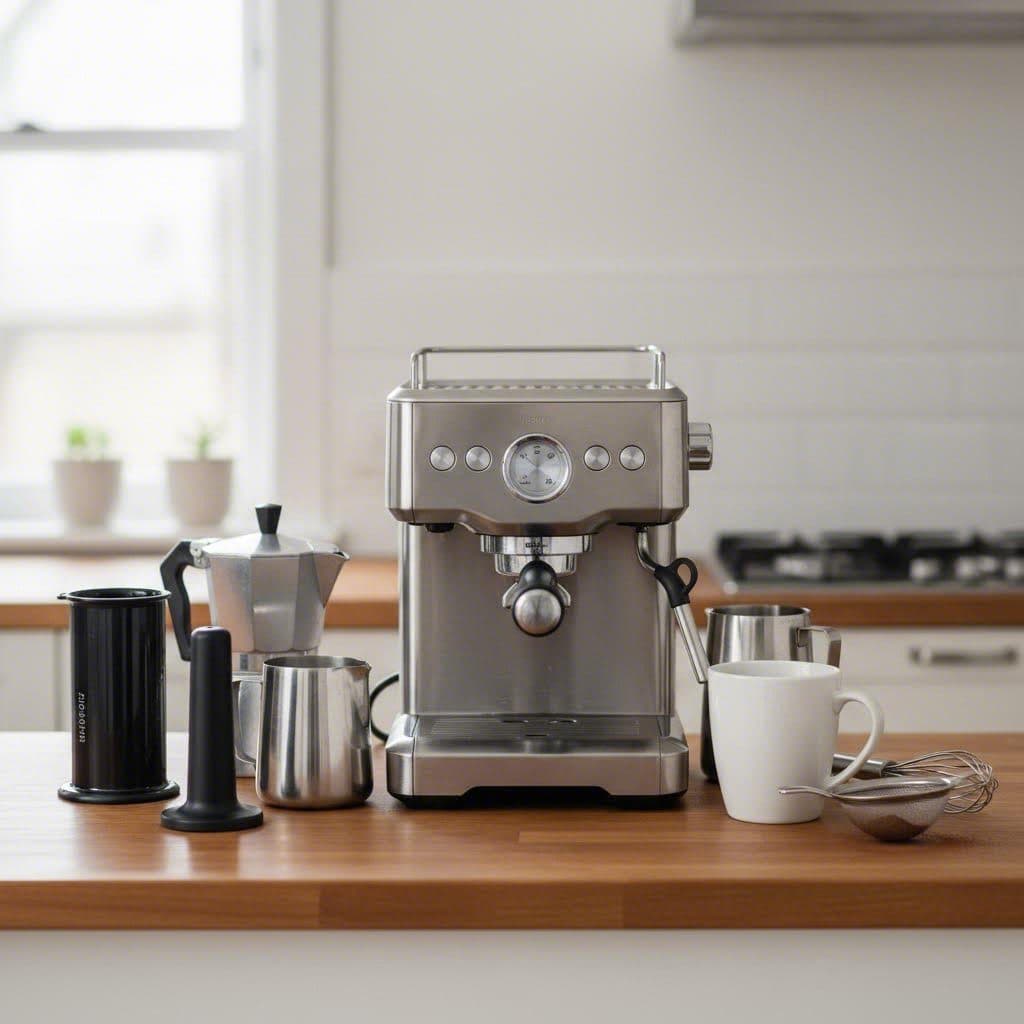
- Espresso machine, Moka pot, or AeroPress
- Milk frother or steam wand
- Small whisk or milk frothing pitcher
- Your favorite large latte mug (12-16 oz)
- Fine mesh sieve for cocoa dusting
Step-by-Step Tiramisu Latte Recipe
Here’s where the magic happens. Follow these steps carefully, and you’ll be sipping on liquid tiramisu in about ten minutes. I’ve found that preparation order matters here—rushing any step shows in the final result.
1. Prepare the Mascarpone Base
Start by placing your mascarpone in a small bowl. Add the vanilla syrup (or vanilla extract and sugar) and whisk until completely smooth. The mascarpone should be at room temperature; cold mascarpone creates lumps that refuse to dissolve properly. If you’re adding coffee liqueur, mix it in now.
Barista Tip: If your mascarpone is cold, microwave it for 10-15 seconds. You want it soft but not melted—think spreadable butter consistency.
2. Pull Your Espresso Shots
Brew your espresso directly over the mascarpone mixture. The heat from fresh espresso helps incorporate the cheese smoothly. Use a spoon to stir everything together while the espresso is still hot. You’re aiming for a creamy, slightly thick base with no visible lumps.
No espresso machine? A Moka pot produces a strong enough brew. You can also use a double-strength AeroPress shot. The key is intensity—weak coffee won’t cut through the richness of the mascarpone.
3. Steam and Froth Your Milk
Heat your milk to around 65°C (150°F) and froth until you have a velvety microfoam. For a tiramisu latte, I prefer slightly less foam than a traditional latte—you want the creaminess to dominate. The milk should look like wet paint, glossy and smooth.
If you’re using a handheld frother, heat the milk first in a saucepan or microwave, then froth vigorously for 30-45 seconds.
4. Combine and Layer
Pour the espresso-mascarpone mixture into your serving mug. Slowly add the steamed milk, holding back the foam with a spoon. Once you’ve added most of the milk, spoon the remaining foam on top. This layering creates that beautiful gradient effect.
5. Finish with the Classic Tiramisu Touch
Using a fine mesh sieve, dust cocoa powder generously over the foam. If you want to go all out, crumble a small piece of ladyfinger cookie on top. The cocoa isn’t just for looks—it adds that essential bitter contrast to the sweet, creamy latte.
Taste Profile: Expect a rich, velvety drink with subtle sweetness, coffee-forward flavor, and a finish that genuinely tastes like tiramisu. The mascarpone adds body without making it heavy, while the cocoa dust provides aromatic depth with every sip.
Variations to Try
Once you’ve mastered the basic tiramisu latte recipe, experiment with these variations. I’ve tested dozens of tweaks over the years, and these are the ones worth your time.
Iced Tiramisu Latte
Perfect for warm weather. Prepare the mascarpone-espresso base as usual, but let it cool for a few minutes. Fill a tall glass with ice, pour the espresso mixture over, then add cold milk (frothed or plain). The mascarpone creates a beautiful swirl effect in the glass.
Pro move: freeze some leftover espresso in ice cube trays. Use these instead of regular ice so your drink doesn’t get watered down.
Boozy Tiramisu Latte
For those evenings when you want coffee and cocktail in one. Increase the coffee liqueur to 1 tablespoon, or add a splash of dark rum. Marsala wine—the traditional tiramisu spirit—also works beautifully if you have it on hand.
Dairy-Free Version
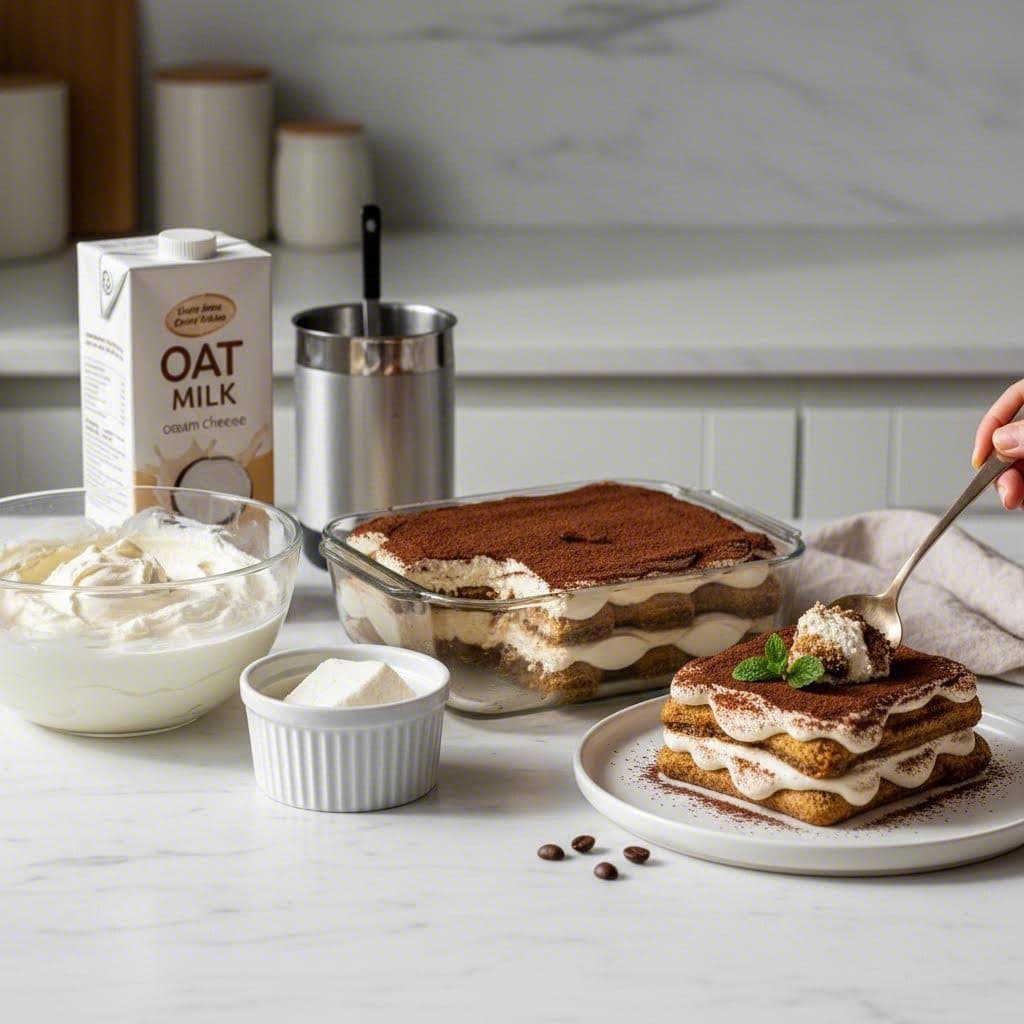
Replace mascarpone with cashew cream cheese or a thick coconut cream. Oat milk froths beautifully and adds a subtle sweetness that complements the tiramisu flavors. The result is slightly different but still delicious.
Common Mistakes and How to Avoid Them
I’ve made every mistake possible while perfecting this recipe. Here’s what to watch out for so you don’t repeat my early failures.
- Lumpy mascarpone: Always bring it to room temperature and add hot espresso directly to help it dissolve
- Weak coffee flavor: Tiramisu is coffee-forward—don’t skimp on the espresso or use weak brews
- Over-sweetened drink: Mascarpone and vanilla syrup already add sweetness; taste before adding more sugar
- Grainy texture: Make sure all sugar is fully dissolved in the mascarpone before adding milk
- Flat presentation: The cocoa dust matters—it adds aroma and that authentic tiramisu experience
Key Takeaway: The secret to a perfect tiramisu latte is balance. You’re combining rich, fatty mascarpone with bold espresso and sweet elements. If any single component dominates, the drink falls flat. Taste as you go and adjust.
Why This Recipe Works
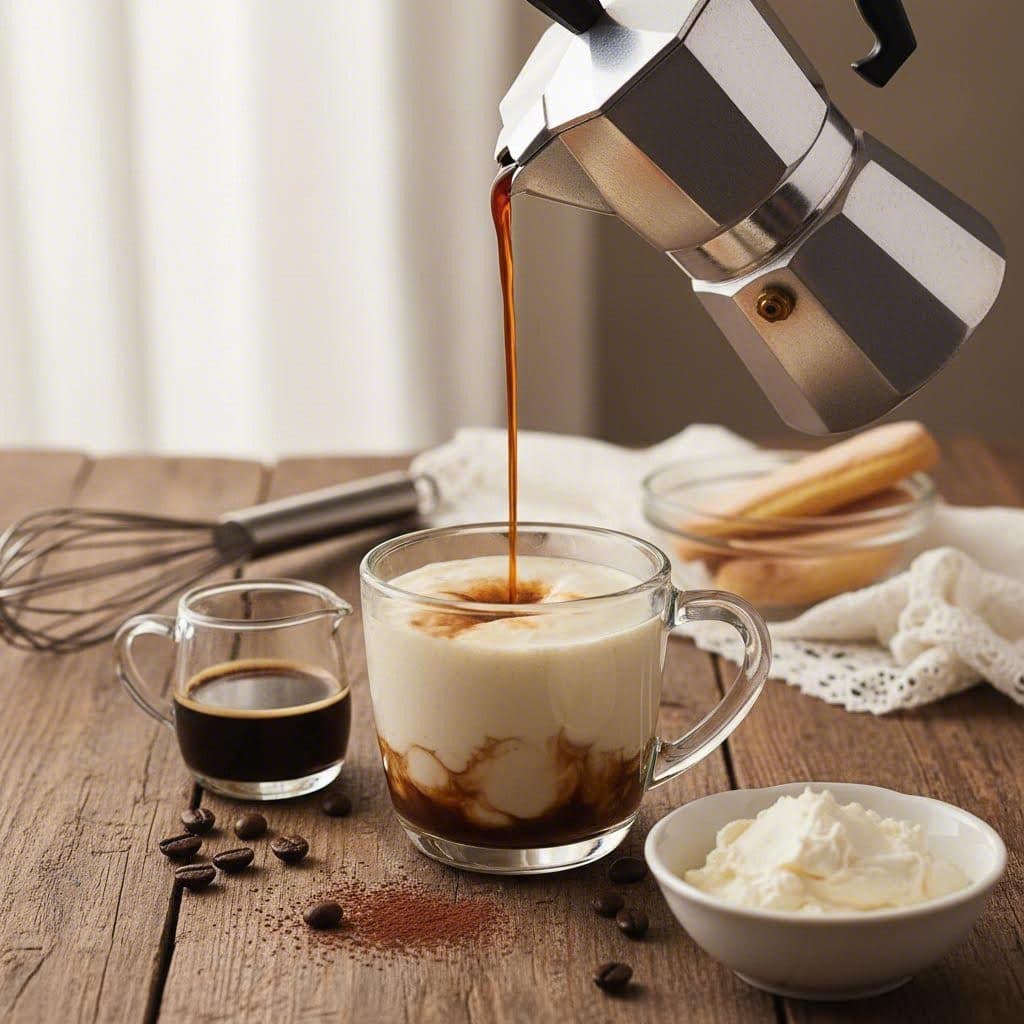
Traditional tiramisu works because of the interplay between bitter coffee, rich mascarpone, and sweet elements. This latte captures that same balance in liquid form. The hot espresso poured over room-temperature mascarpone creates an emulsion—similar to how you’d combine egg yolks and sugar in the original dessert.
In my experience, the mascarpone does something magical that no flavored syrup can replicate. It adds a subtle tanginess and incredible mouthfeel that transforms a regular latte into something special. Commercial tiramisu lattes often use artificial flavoring, but the real thing? There’s no comparison.
Life is too short for bad coffee, and it’s definitely too short for fake tiramisu flavor.
Frequently Asked Questions
Can I make tiramisu latte without an espresso machine?
You can use a Moka pot, AeroPress, or even very strong French press coffee. The key is concentration—you need bold, intense coffee to stand up to the mascarpone richness. Avoid regular drip coffee, as it’s too weak and will result in a bland drink.
How long does mascarpone last once opened?
Opened mascarpone typically lasts 3-5 days in the refrigerator when properly sealed. Since most containers are larger than you’ll need for one latte, plan to use the rest in other recipes—it’s wonderful in pasta sauces, on toast with honey, or in scrambled eggs.
Is a tiramisu latte very high in calories?
This is definitely a treat rather than an everyday drink. With full-fat mascarpone and whole milk, expect around 200-300 calories per serving. You can reduce this by using low-fat milk and less mascarpone, though the texture will be thinner. I’d suggest enjoying the full version occasionally rather than a compromised version daily.
Can I prep the mascarpone mixture ahead of time?
You can mix the mascarpone with vanilla syrup and store it in the fridge for up to two days. When ready to make your latte, let it come to room temperature before adding hot espresso. This makes weekday morning lattes much faster.
What’s the best milk alternative for this recipe?
Oat milk is my top choice—it froths well and has a natural sweetness that complements the tiramisu flavors. Coconut milk works if you like that flavor profile. Almond milk tends to be too thin and doesn’t create the same velvety texture.
Final Thoughts and Your Next Step
The tiramisu latte brings together two of life’s greatest pleasures: coffee and dessert. With quality espresso, real mascarpone, and proper technique, you can create something that rivals any specialty café—right in your own kitchen. The process takes about ten minutes once you’ve done it a few times, making it a realistic weekend indulgence or special occasion treat.
Start with the basic recipe, nail the technique, then experiment with the variations. Pay attention to the balance of flavors and adjust to your taste. Before long, you’ll have friends and family requesting your tiramisu latte whenever they visit.
Now grab that mascarpone and get brewing. Your breakfast just got a whole lot more exciting.


Comments