


Table of Contents
- Quick Verdict: Delibru Reusable K-Cup Takes the Crown
- Why Switch to Reusable K-Cups?
- Best Reusable K-Cups Compared
- Delibru Universal Reusable K-Cup
- Keurig My K-Cup Universal
- Perfect Pod EZ-Cup
- DI ORO K-Cup
- Cafe Fill Value Pack with Paper Filters
- How to Get the Best Coffee from Your Reusable K-Cup
- The Right Grind Size Matters
- Don't Overfill the Pod
- Choose Fresh, Quality Coffee
- Clean Your Pod Regularly
- The Real Environmental Impact of Switching
- Frequently Asked Questions
- Do reusable K-Cups work with all Keurig machines?
- Why does my reusable K-Cup make weak coffee?
- How often should I replace my reusable K-Cup?
- Can I use fine espresso grind in reusable K-Cups?
- Are reusable K-Cups really worth the hassle?
- Conclusion and Your Next Step
Quick Verdict: Delibru Reusable K-Cup Takes the Crown
After testing dozens of reusable K-Cups over the years, I keep coming back to the Delibru Universal Reusable K-Cup as my top pick. It fits virtually every Keurig model, brews consistently strong coffee, and the stainless steel mesh filter is practically indestructible. At around $10 for a pack of four, it pays for itself in about two weeks if you’re a daily coffee drinker. Life is too short for weak, wasteful coffee.
Why Switch to Reusable K-Cups?
Here’s a sobering thought: Americans throw away roughly 10 billion single-use K-Cups every year. Most of those plastic pods end up in landfills, where they’ll sit for centuries. And beyond the environmental headache, those little pods are quietly draining your wallet.
A standard K-Cup costs between $0.40 and $0.70 per pod. Meanwhile, brewing your own coffee with a reusable pod brings that cost down to about $0.05 to $0.15 per cup. If you drink two cups daily, switching to reusable K-Cups saves you anywhere from $300 to $500 per year. That’s a nice coffee machine upgrade right there.
In my experience, the benefits go beyond money and guilt-free brewing. Reusable K-Cups let you use any coffee you want. That local roaster you love? That single-origin Ethiopian you discovered on vacation? Now they work in your Keurig. You’re no longer locked into whatever brands happen to make pods.
Best Reusable K-Cups Compared
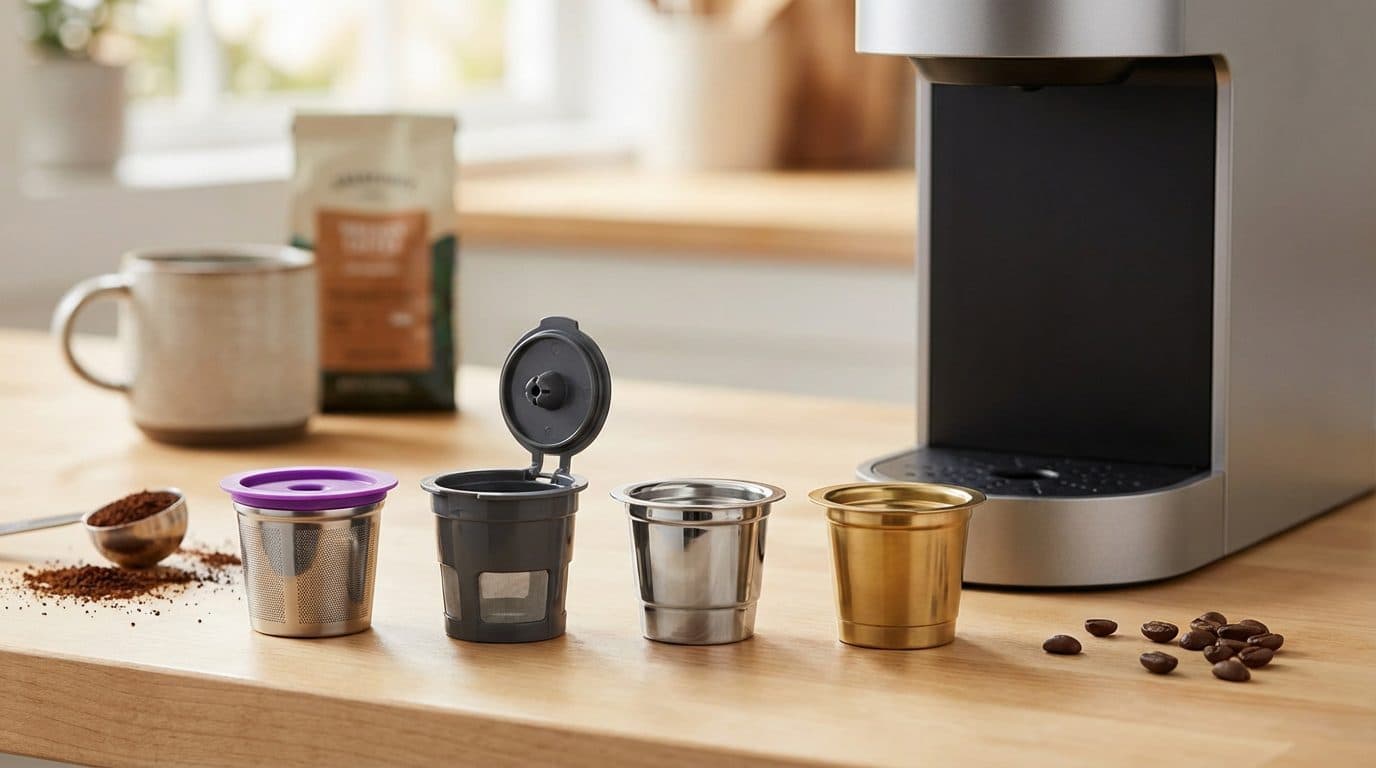
I’ve tested these reusable K-Cups extensively with different coffee types, grind sizes, and Keurig models. Here’s how they stack up:
| Product | Material | Compatibility | Best For | Price Range |
|---|---|---|---|---|
| Delibru Universal | Stainless Steel Mesh | All Keurig Models | Best Overall | $10-12 (4-pack) |
| Keurig My K-Cup | Plastic/Mesh | Keurig 2.0 and newer | Brand Loyalists | $12-15 (1 unit) |
| Perfect Pod EZ-Cup | Stainless Steel | Most Keurig Models | Budget Option | $8-10 (2-pack) |
| DI ORO K-Cup | Stainless Steel | Universal | Bold Coffee Lovers | $15-18 (4-pack) |
| Cafe Fill Value Pack | BPA-Free Plastic | Keurig 1.0 and 2.0 | Paper Filter Fans | $12-15 (4-pack + filters) |
Delibru Universal Reusable K-Cup
This is the reusable K-Cup I recommend to everyone from coffee newbies to seasoned home baristas. The universal fit means you don’t need to worry about compatibility charts or model numbers. Just pop it in and brew.
Pros:
- Fits all Keurig models without adapters
- Durable stainless steel mesh that’s easy to clean
- Produces full-bodied coffee with good extraction
- Excellent value with multi-pack options
- Dishwasher safe
Cons:
- Very fine grounds can slip through the mesh
- Lid can be slightly stiff to close initially
Who is this for? Anyone who wants a reliable, no-fuss reusable K-Cup that just works. Perfect for households with multiple Keurig users or if you upgrade machines frequently.
Who is this NOT for? If you exclusively use very finely ground coffee or Turkish-style grinds, you might want to pair this with paper filters.
Check the latest price on Amazon for the best current deals.
Keurig My K-Cup Universal
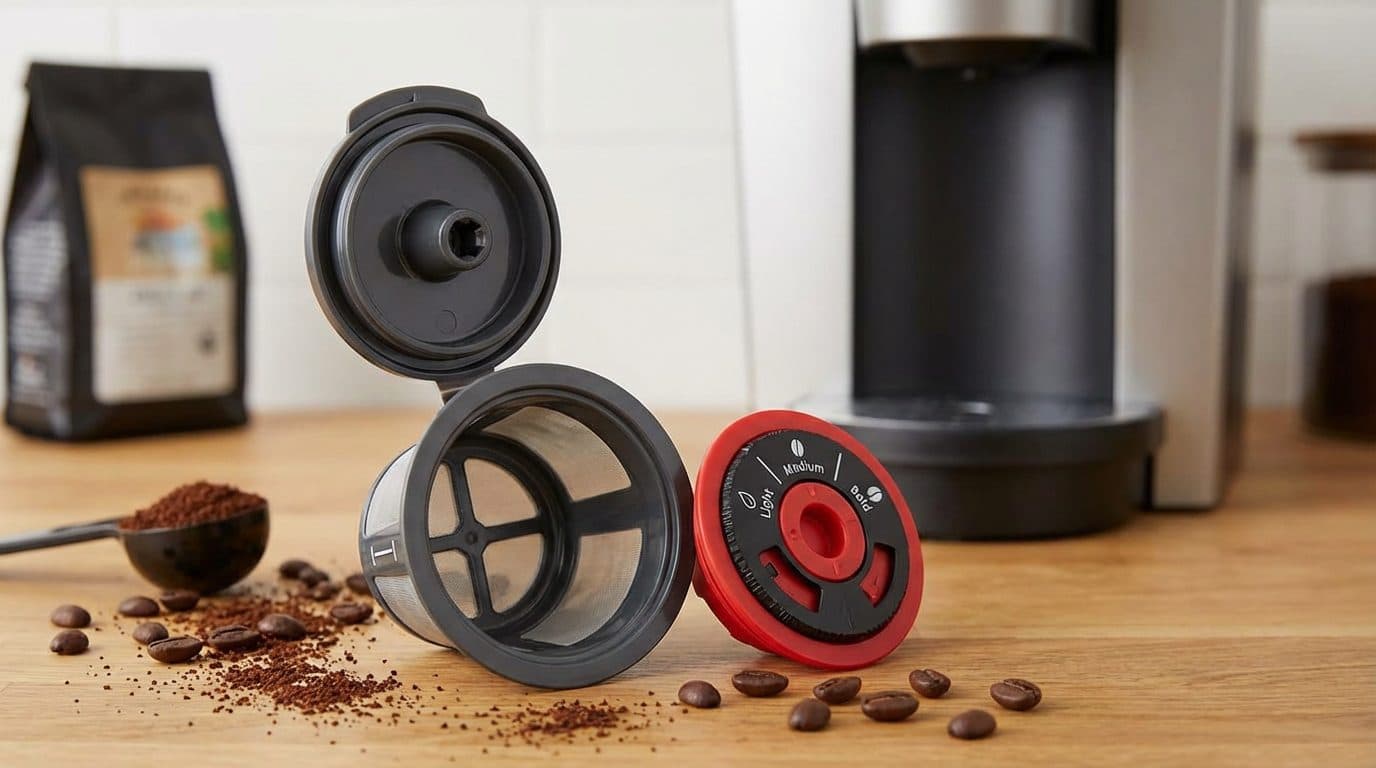
Keurig’s official answer to reusable pods has improved significantly over the years. The latest version features a multi-position lid that lets you adjust brew strength, which is a nice touch I’ve found genuinely useful for switching between light and dark roasts.
Pros:
- Official Keurig product with guaranteed compatibility
- Adjustable brew strength settings
- Larger capacity for bolder coffee
- Clear fill-line markings
Cons:
- More expensive than third-party options
- Only one unit per package
- Plastic components may wear over time
Who is this for? Keurig loyalists who want peace of mind with an official product and appreciate the brew strength customization.
Who is this NOT for? Budget-conscious buyers or those who want multiple pods for batch prep.
Perfect Pod EZ-Cup
If you’re dipping your toes into reusable K-Cups and don’t want to invest heavily, the Perfect Pod EZ-Cup is a solid entry point. I’ve found the stainless steel construction surprisingly robust for the price point.
Pros:
- Very affordable entry-level option
- Stainless steel filter mesh
- Easy snap-on lid design
- Compatible with most Keurig machines
Cons:
- Fit can be slightly loose in some machines
- Smaller capacity than competitors
- May require some grind size experimentation
Who is this for? Budget-conscious beginners who want to try reusable K-Cups without major commitment.
Who is this NOT for? Those with newer Keurig 2.0 Plus machines or anyone wanting the most consistent brew every time.
DI ORO K-Cup
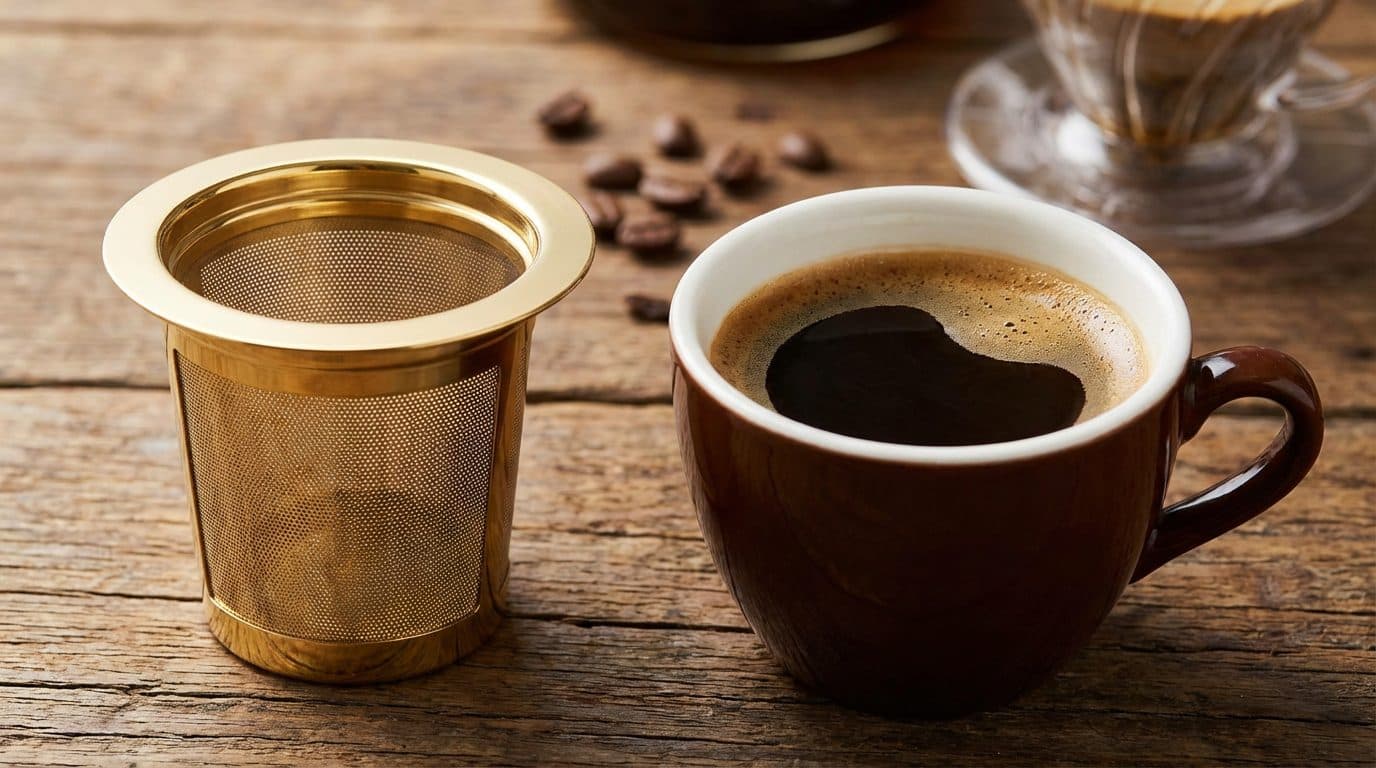
For bold coffee enthusiasts, the DI ORO stands out with its extra-fine mesh that allows more oils and flavors through. In my experience, this creates a noticeably richer cup that’s closer to what you’d get from a pour-over or French press.
Pros:
- 24K gold-plated stainless steel mesh for neutral flavor
- Produces rich, full-bodied coffee
- Premium build quality and durability
- Lifetime replacement warranty
Cons:
- Higher price point
- Fine mesh requires careful cleaning
- Can be too strong for light coffee drinkers
Who is this for? Coffee purists who want maximum flavor extraction and don’t mind paying extra for premium materials.
Who is this NOT for? Casual coffee drinkers who prefer milder brews or want the easiest cleanup possible.
Cafe Fill Value Pack with Paper Filters
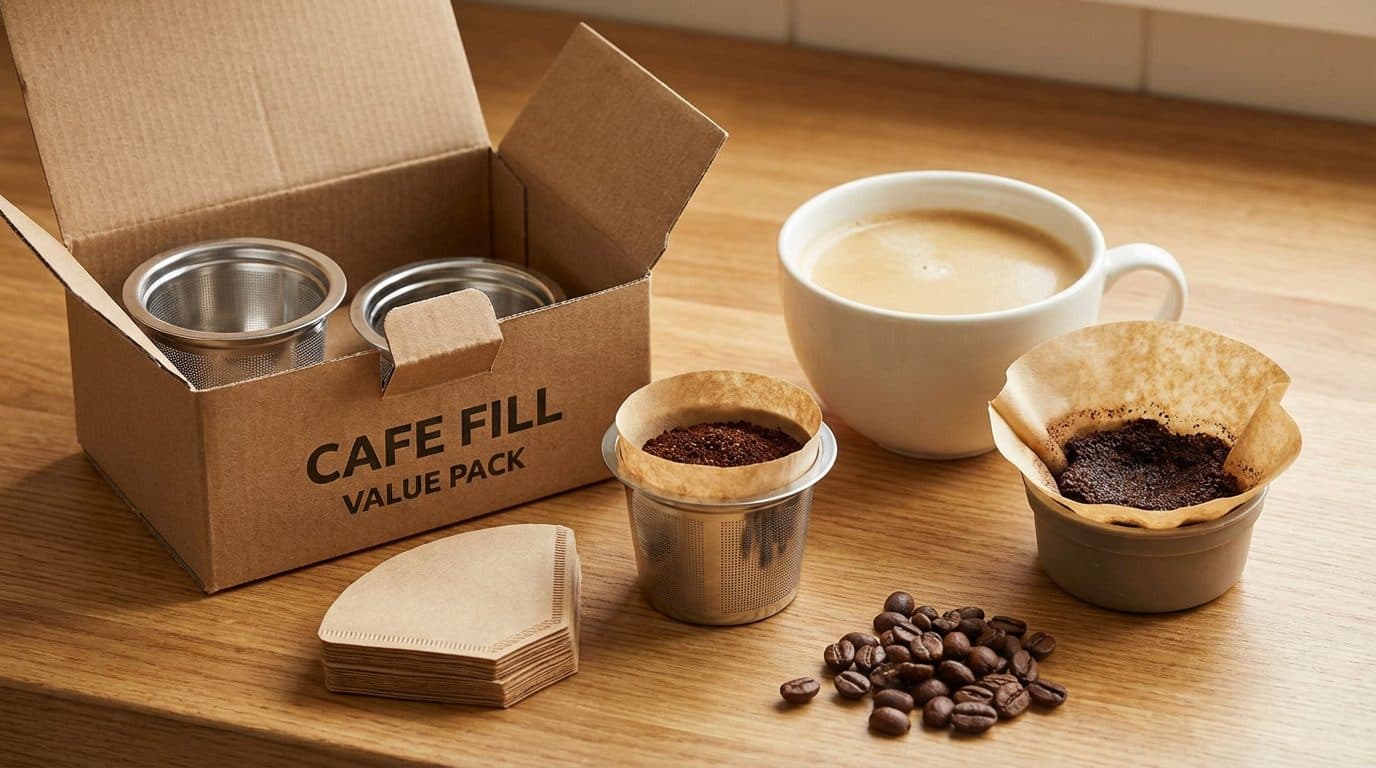
Here’s an interesting hybrid approach. The Cafe Fill system includes reusable pods designed to work with disposable paper filters. This might sound counterintuitive, but the paper filters are compostable and significantly cheaper than buying regular K-Cups.
Pros:
- Paper filters catch all sediment for clean cups
- Easier cleanup since grounds stay in the filter
- Reduces oils for a lighter, cleaner taste
- Paper filters are compostable
Cons:
- Ongoing cost of paper filters
- Removes some coffee oils and body
- Extra step in the brewing process
Who is this for? Those who hate sediment in their coffee and prefer a cleaner cup similar to drip coffee.
Who is this NOT for? Anyone who wants a completely waste-free solution or loves bold, oily coffee.
How to Get the Best Coffee from Your Reusable K-Cup
Owning a reusable K-Cup is only half the battle. I’ve seen too many people give up on them because their first few cups were weak or bitter. Here’s how to nail it every time.
The Right Grind Size Matters
This is where most people go wrong. The grind size dramatically affects your extraction. Too fine, and you’ll get a bitter, over-extracted mess with grounds escaping into your cup. Too coarse, and your coffee tastes watery and weak.
Barista Tip: Aim for a medium grind, similar to table salt. If you’re buying pre-ground coffee labeled for “auto-drip” or “all-purpose,” you’re in the right ballpark. If your coffee tastes sour, go slightly finer. If it’s bitter, go coarser.
Don’t Overfill the Pod
I know it’s tempting to pack that pod as full as possible for maximum strength. Resist the urge. Water needs room to flow through the grounds for proper extraction. Fill to just below the rim and don’t tamp down.
In short: leave about 3-4mm of space at the top for optimal brewing.
Choose Fresh, Quality Coffee
One of the biggest advantages of reusable K-Cups is using fresh-roasted coffee instead of pods that have been sitting on shelves for months. Look for beans roasted within the last two weeks and grind them just before brewing if possible.
- Buy whole beans and grind fresh for best results
- Store coffee in an airtight container away from light
- Only grind what you’ll use within a week
Clean Your Pod Regularly
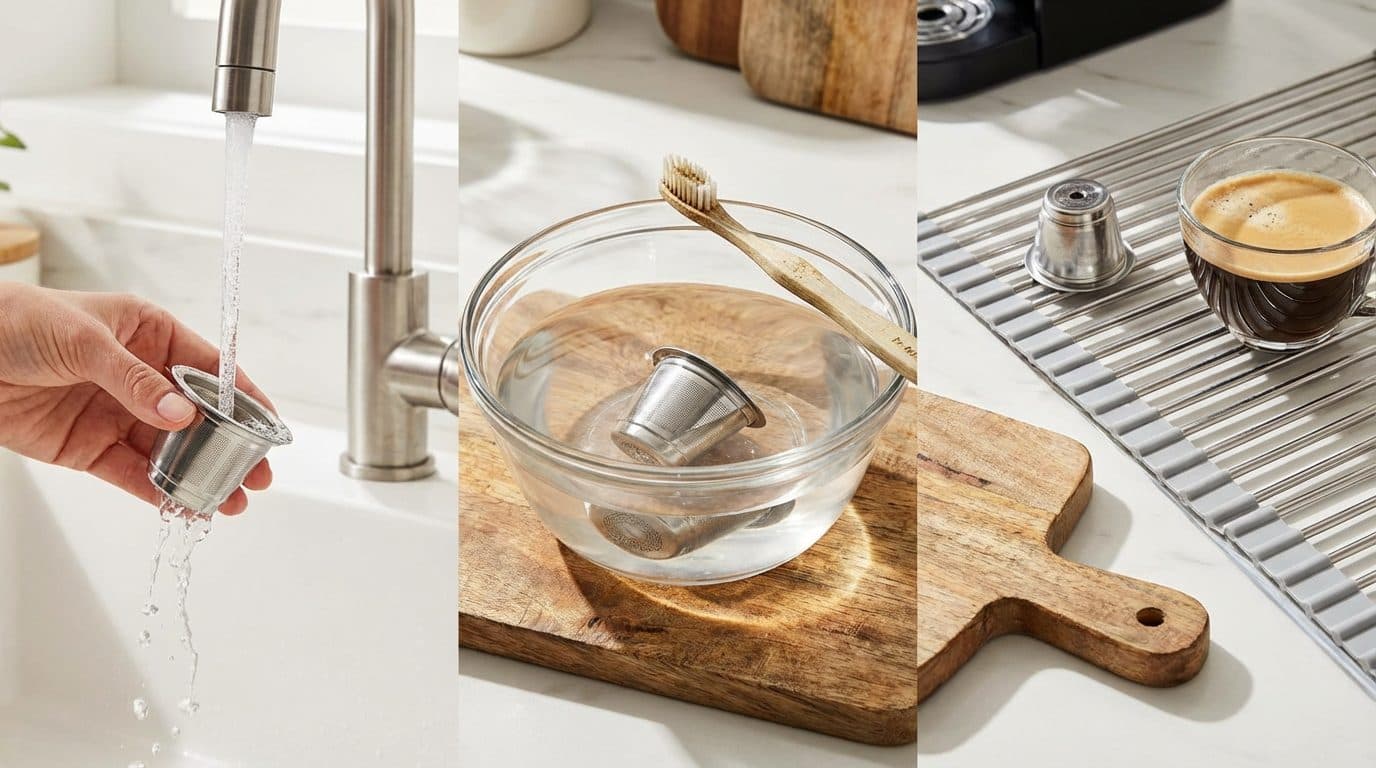
Coffee oils build up in the mesh filter over time, eventually turning rancid and affecting your brew’s taste. I rinse my reusable K-Cup after every use and give it a thorough cleaning weekly.
For deep cleaning, soak the pod in a mixture of water and white vinegar for 30 minutes, then scrub gently with an old toothbrush. Rinse thoroughly before your next brew.
The Real Environmental Impact of Switching
Let’s talk numbers. The average K-Cup user goes through about 300 pods per year. That’s 300 pieces of plastic, aluminum, and paper composite that mostly can’t be recycled. Over a decade, you’re personally responsible for 3,000 pods heading to the landfill.
A quality reusable K-Cup lasts 2-3 years with proper care. That means one single pod replaces roughly 600-900 disposable ones. Multiply that across millions of Keurig users, and the impact becomes substantial.
Beyond the pods themselves, consider the packaging, shipping, and manufacturing resources saved. Every pod you don’t buy is one less pod that needs to be produced and transported.
In my experience, switching to reusable pods also naturally leads to other sustainable choices. You start buying coffee in recyclable bags instead of pod boxes. You think more about where your coffee comes from. It becomes part of a larger shift in how you approach your daily habits.
Frequently Asked Questions
Do reusable K-Cups work with all Keurig machines?
Most universal reusable K-Cups work with both Keurig 1.0 and 2.0 machines, but always check compatibility before purchasing. Some older or newer specialty models may require specific designs. The products I’ve recommended above clearly state their compatibility on the packaging.
Why does my reusable K-Cup make weak coffee?
Weak coffee usually comes from too coarse a grind, not using enough coffee grounds, or overfilling with water. Try a medium grind, fill the pod to just below the rim without packing, and select a smaller cup size setting for stronger concentration.
How often should I replace my reusable K-Cup?
With proper care and regular cleaning, a quality stainless steel reusable K-Cup should last 2-3 years. Replace it when you notice the mesh becoming clogged despite cleaning, the lid not sealing properly, or any cracks in the plastic housing.
Can I use fine espresso grind in reusable K-Cups?
Espresso grind is generally too fine for most reusable K-Cups. The fine particles will clog the mesh and can escape into your cup. If you prefer stronger coffee, use a medium-fine grind and select a smaller cup size rather than going to espresso-fine.
Are reusable K-Cups really worth the hassle?
The “hassle” adds about 30 seconds to your routine: scoop, fill, and rinse when done. For that minimal effort, you save hundreds of dollars annually, reduce plastic waste, and get to drink better coffee. I’d say that’s a pretty good trade.
Conclusion and Your Next Step
Making the switch to reusable K-Cups is one of those rare changes that benefits your wallet, improves your coffee quality, and helps the environment all at once. The Delibru Universal remains my top recommendation for its unbeatable combination of compatibility, durability, and value.
Start with one reusable pod and a bag of fresh-roasted coffee from a local roaster. Dial in your grind size over a few days until you find your sweet spot. Once you taste the difference and see your coffee budget shrink, you’ll wonder why you didn’t make the switch sooner. Your morning routine stays just as convenient, but now it comes with a little less guilt and a lot more flavor.

Comments