


Table of Contents
- Quick Verdict: Melitta Super Premium Filters
- Best Inexpensive Paper Coffee Filters
- Melitta Super Premium Filters
- Store Brand Basket Filters
- If You Care Unbleached Filters
- Best Reusable Coffee Filter Alternatives
- Stainless Steel Mesh Filters
- Cloth Filters (Cotton or Hemp)
- Fine Mesh Nylon Filters
- DIY Coffee Filter Alternatives in a Pinch
- Paper Towels
- Cheesecloth
- Fine Kitchen Sieve
- Comparison: Inexpensive Coffee Filters at a Glance
- How to Choose the Right Budget Filter
- Choose Paper Filters If:
- Choose Reusable Filters If:
- Choose DIY Alternatives If:
- Tips for Getting the Most from Budget Filters
- Final Thoughts on Budget Coffee Filters
Spending a fortune on coffee filters feels wrong when you’re trying to enjoy affordable home brewing. The good news? You don’t have to. Whether you’re brewing pour-over, drip, or experimenting with alternative methods, there are plenty of inexpensive coffee filters and creative alternatives that deliver excellent results without draining your wallet.
In this guide, I’ll walk you through the best budget-friendly filter options I’ve tested over the years, plus some surprising alternatives you might already have at home. Life is too short for bad coffee—and it’s definitely too short to overpay for filters.
Quick Verdict: Melitta Super Premium Filters
If you want the best balance of price, quality, and availability, Melitta Super Premium No. 4 Filters are my top pick. They cost roughly 3-4 cents per filter, produce clean cups with no papery taste, and you can find them at almost any grocery store. For reusable options, a basic stainless steel mesh filter pays for itself within a month of daily brewing.
Best Inexpensive Paper Coffee Filters
Paper filters remain the most popular choice for home brewers, and for good reason. They trap oils and fine sediment, giving you a clean, bright cup. Here are the budget champions I recommend.
Melitta Super Premium Filters
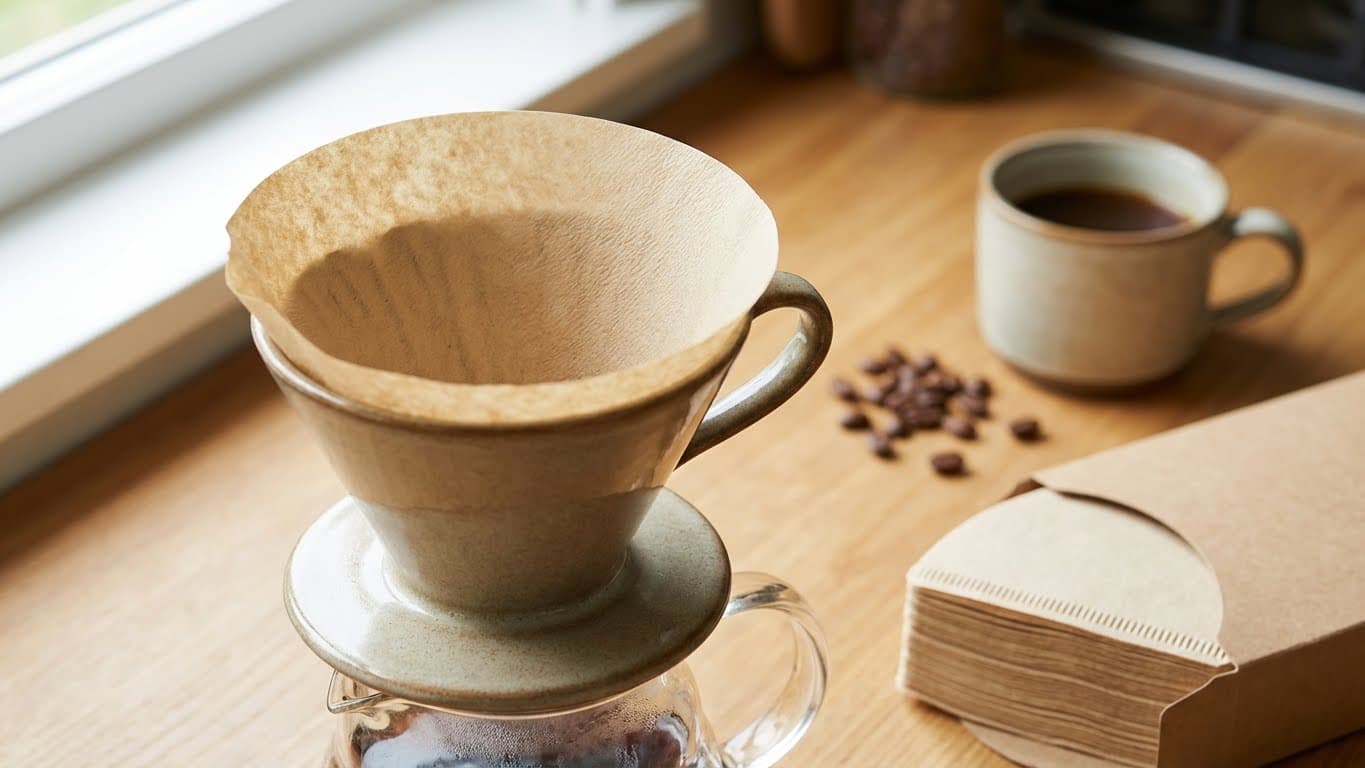
These have been my go-to for years. The cone shape fits most pour-over drippers and many drip machines. In my experience, they don’t impart any papery flavor—even without pre-rinsing, though I still recommend a quick rinse.
- Pros: Affordable (around $5 for 100+), widely available, consistent quality, no papery taste
- Cons: Not as thick as premium Japanese filters, may let through slightly more fines
Who is this for? Everyday brewers who want reliable results without overthinking it.
Store Brand Basket Filters
If you use a standard drip coffee maker, don’t overlook generic basket filters from stores like Walmart, Target, or Aldi. I’ve found that most perform nearly identically to name brands at half the price.
- Pros: Extremely cheap (often under $3 for 200), perfect for automatic drip machines
- Cons: Quality can vary between brands, some may have a slight paper taste
Who is this for? Drip machine users who go through filters quickly and want maximum savings.
If You Care Unbleached Filters
For the eco-conscious brewer on a budget, these chlorine-free, unbleached filters offer a nice middle ground. They’re compostable and reasonably priced.
- Pros: Environmentally friendly, no chlorine processing, decent price point
- Cons: Require thorough rinsing to avoid earthy taste, slightly pricier than basic options
Who is this for? Brewers who prioritize sustainability but still want disposable convenience.
Best Reusable Coffee Filter Alternatives
Reusable filters cost more upfront but save money over time. They also produce a different cup profile—typically fuller-bodied with more oils. Here are the best inexpensive options.
Stainless Steel Mesh Filters
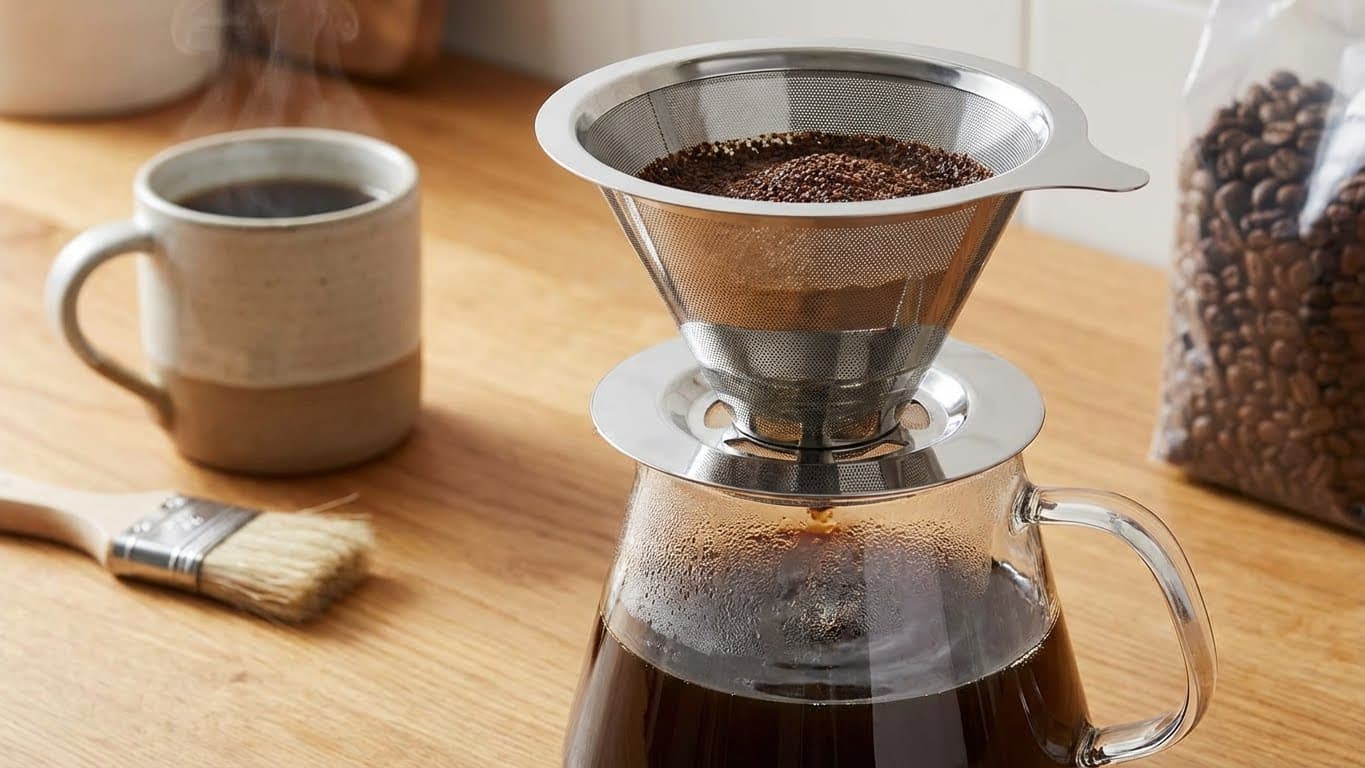
A basic stainless steel filter costs between $8-15 and lasts for years. I have one that’s been going strong for over four years now. These let more oils through than paper, giving you a richer, more French press-like cup.
- Pros: One-time purchase, easy to clean, produces full-bodied coffee, eco-friendly
- Cons: Allows some sediment through, requires regular cleaning to prevent oil buildup
Who is this for? Brewers who prefer bold, full-bodied coffee and want to eliminate ongoing filter costs.
Who is this NOT for? Those who love crystal-clear, light-bodied pour-overs or dislike any sediment in their cup.
Cloth Filters (Cotton or Hemp)
Cloth filters sit between paper and metal in terms of filtration. They trap most oils and sediment while being reusable. A quality cloth filter costs around $5-10 and lasts 3-6 months with proper care.
- Pros: Reusable, produces clean but full-flavored coffee, affordable
- Cons: Requires rinsing after each use, needs occasional deep cleaning, can develop off-flavors if neglected
Barista Tip: Store your cloth filter in water in the refrigerator between uses. This prevents oils from going rancid and extends the filter’s life significantly.
Fine Mesh Nylon Filters
These are often the cheapest reusable option, sometimes under $5. They work well for drip machines and basic pour-over setups.
- Pros: Very affordable, lightweight, easy to clean
- Cons: Less durable than metal, may retain odors over time, lets through more fines
DIY Coffee Filter Alternatives in a Pinch
Run out of filters? Don’t panic. I’ve been there, and these household items can save your morning brew.
Paper Towels
In a pinch, a sturdy paper towel works as a single-use filter. Fold it to fit your dripper and brew as usual. The results won’t be perfect, but they’re surprisingly acceptable.
- Pros: You probably have them already, works in emergencies
- Cons: Can impart a slight taste, may tear if too thin, not ideal for regular use
Cheesecloth
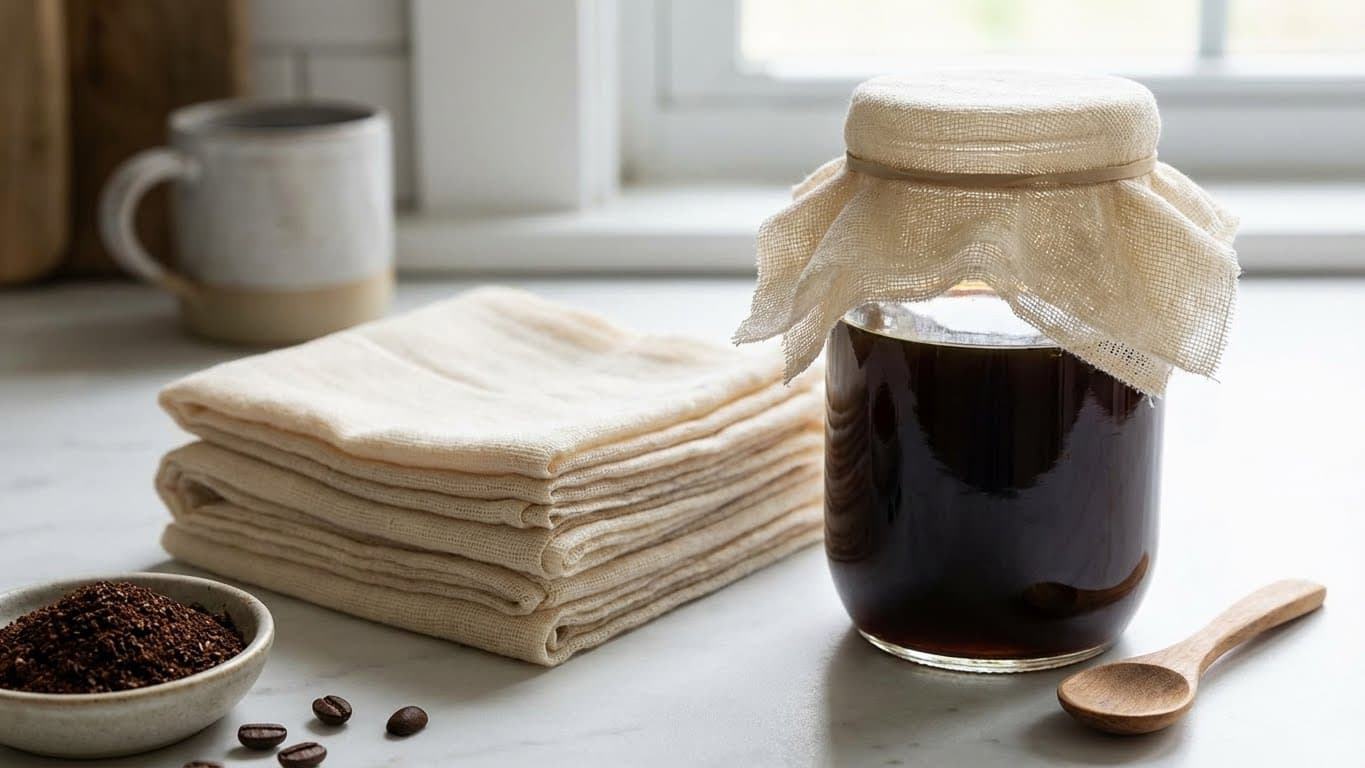
Layered cheesecloth makes a decent reusable filter alternative. Use 3-4 layers for best results. It’s especially good for cold brew.
- Pros: Inexpensive, reusable, great for cold brew
- Cons: Lets through more sediment than paper, requires folding
Fine Kitchen Sieve
A very fine mesh sieve can work for cowboy-style coffee. Brew your grounds directly in hot water, then strain. You’ll get sediment, but the coffee will be bold and flavorful.
Comparison: Inexpensive Coffee Filters at a Glance
| Filter Type | Cost | Cup Profile | Best For |
|---|---|---|---|
| Budget Paper (Melitta) | ~$0.03-0.05 each | Clean, bright | Daily pour-over/drip |
| Store Brand Basket | ~$0.01-0.02 each | Clean, standard | Automatic drip machines |
| Stainless Steel Mesh | $8-15 one-time | Full-bodied, oily | Bold coffee lovers |
| Cloth Filter | $5-10 (lasts months) | Balanced, smooth | Eco-conscious brewers |
| Paper Towel (emergency) | Pennies | Variable | Desperate mornings only |
How to Choose the Right Budget Filter
Your ideal inexpensive coffee filter depends on what you value most. Here’s a quick breakdown to help you decide.
Choose Paper Filters If:
- You prefer clean, sediment-free coffee
- Convenience matters more than long-term savings
- You’re watching cholesterol (paper traps cafestol oils)
Choose Reusable Filters If:
- You brew daily and want to eliminate recurring costs
- You prefer fuller-bodied, richer coffee
- Reducing waste is important to you
Choose DIY Alternatives If:
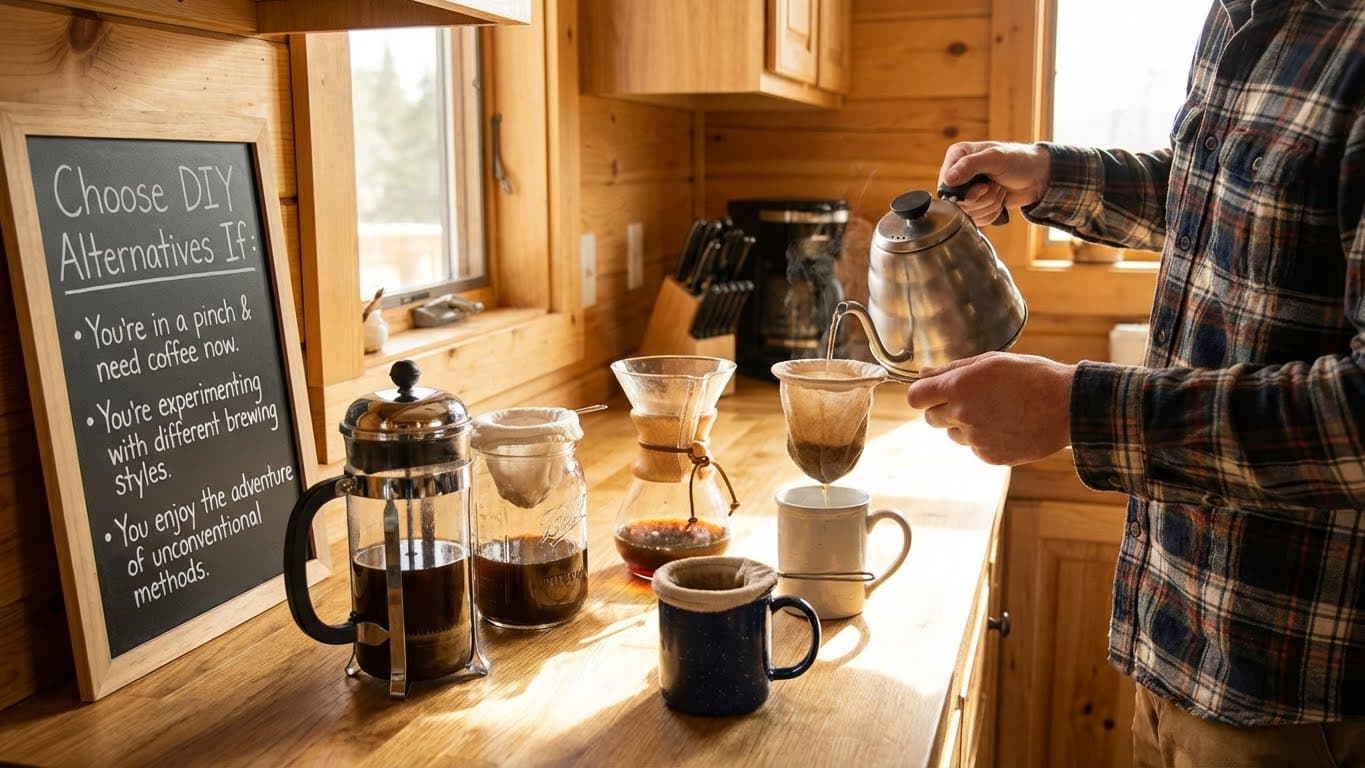
- You’re in a pinch and need coffee now
- You’re experimenting with different brewing styles
- You enjoy the adventure of unconventional methods
Tips for Getting the Most from Budget Filters
Even inexpensive filters can produce excellent coffee with the right technique. Here are some tips I’ve learned over the years.
- Always rinse paper filters – A quick hot water rinse removes any papery taste and preheats your brewer
- Clean reusable filters thoroughly – Soak metal filters in a baking soda solution weekly to remove oil buildup
- Match your grind to your filter – Finer mesh filters can handle finer grinds; coarser filters need coarser grinds to prevent over-extraction
- Buy in bulk – Paper filters are significantly cheaper when purchased in larger quantities
Barista Tip: If you notice your reusable filter producing bitter or off-tasting coffee, it’s probably time for a deep clean. Coffee oils go rancid and will ruin even the best beans.
Final Thoughts on Budget Coffee Filters
Finding the best inexpensive coffee filters doesn’t mean sacrificing quality. Whether you stick with reliable budget paper filters like Melitta, invest in a reusable stainless steel option, or get creative with cloth alternatives, great coffee is absolutely achievable on a tight budget.
In my experience, the best approach is to keep a stock of cheap paper filters for convenience while having a reusable backup for when you want that fuller-bodied cup—or when you simply run out. Start with whatever fits your current setup and budget, then experiment from there. Your perfect affordable filter is out there, and now you know exactly where to look.

Comments