


Table of Contents
- Quick Verdict: De'Longhi Stilosa EC260BK
- What Makes an Espresso Machine Actually Produce Crema?
- The Crema Enhancer Controversy
- Top 5 Espresso Machines Under $200 That Deliver Real Crema
- 1. De'Longhi Stilosa EC260BK – Best Overall
- 2. Gevi 20-Bar Espresso Machine – Best for Milk Drinks
- 3. Sowtech Espresso Machine – Best Budget Pick
- 4. Ihomekee Espresso Machine – Best Compact Option
- 5. De'Longhi ECP3420 – Best Build Quality
- Comparison Table: All Machines at a Glance
- Tips for Getting Better Crema from Any Budget Machine
- Fresh Beans Are Non-Negotiable
- Dial In Your Grind Size
- Warm Everything Up
- Perfect Your Tamping
- Common Mistakes to Avoid
- Frequently Asked Questions
- Can cheap espresso machines really make crema?
- Is 15-bar or 20-bar pressure better for espresso?
- Do I need a separate grinder for espresso?
- How long should espresso crema last?
- Are pressurized portafilters bad?
- Conclusion and Your Next Steps
Quick Verdict: De’Longhi Stilosa EC260BK
After testing countless budget espresso machines over the years, I keep coming back to the De’Longhi Stilosa EC260BK as my top pick for anyone wanting genuine crema without spending a fortune. It consistently pulls shots with that beautiful golden layer we all chase, and it does so without the learning curve of more expensive machines. At around $150, it punches well above its weight class.
But here’s the thing: not every machine in this price range is created equal. Some promise espresso but deliver something closer to strong drip coffee. Others look fancy but can’t generate the pressure needed for real crema. I’ve done the hard work so you don’t have to waste your money on machines that disappoint.
In this guide, you’ll discover which espresso machines under $200 actually deliver café-quality crema, what features matter at this price point, and which machines to avoid despite their marketing claims. Life is too short for bad coffee, and it’s definitely too short for fake crema.
What Makes an Espresso Machine Actually Produce Crema?
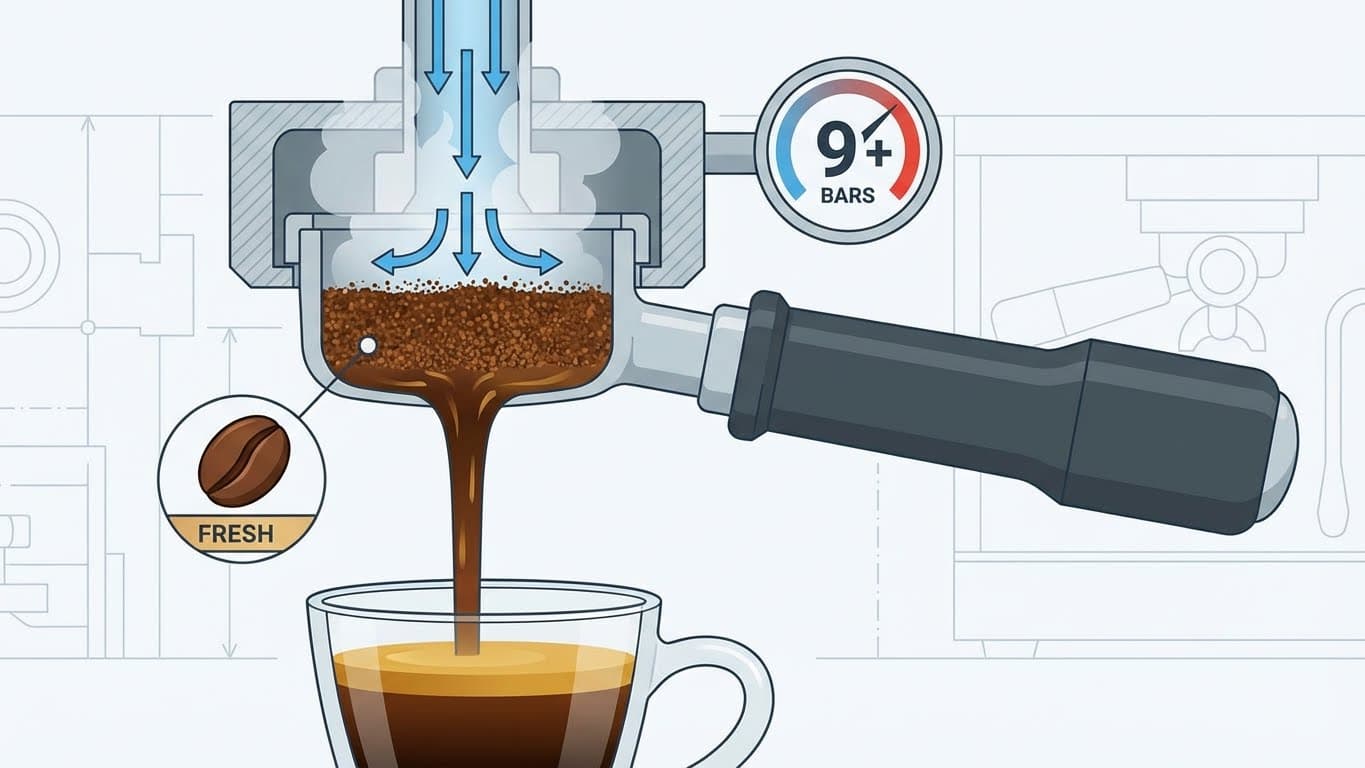
Before we dive into specific machines, let’s talk about what you actually need for real crema. Understanding this will help you spot marketing nonsense from a mile away.
Crema forms when hot water is forced through finely ground coffee at high pressure. The pressure emulsifies the oils in the coffee and creates that signature golden-brown foam. Here’s what matters:
- Pressure: You need at least 9 bars of actual brewing pressure (not just pump pressure)
- Fresh coffee: Beans roasted within the last 2-4 weeks produce the best crema
- Proper grind: Fine, consistent grounds are essential
- Water temperature: Ideally between 195-205°F (90-96°C)
Many budget machines advertise “15 bar pressure” on the box. Here’s the reality: pump pressure and brewing pressure are different things. A 15-bar pump typically delivers around 9-10 bars at the coffee puck, which is actually perfect. So don’t get fooled by machines boasting 20 bars – more isn’t always better.
The Crema Enhancer Controversy
Some budget machines include pressurized portafilters, sometimes called “crema enhancers.” These create artificial crema by forcing coffee through tiny holes. In my experience, this produces foam that looks like crema but lacks the flavor and texture of the real thing. It disappears quickly and tastes thin.
The good news? Several machines under $200 include both pressurized and non-pressurized baskets, giving you the option to work toward authentic crema as your skills improve.
Top 5 Espresso Machines Under $200 That Deliver Real Crema
1. De’Longhi Stilosa EC260BK – Best Overall
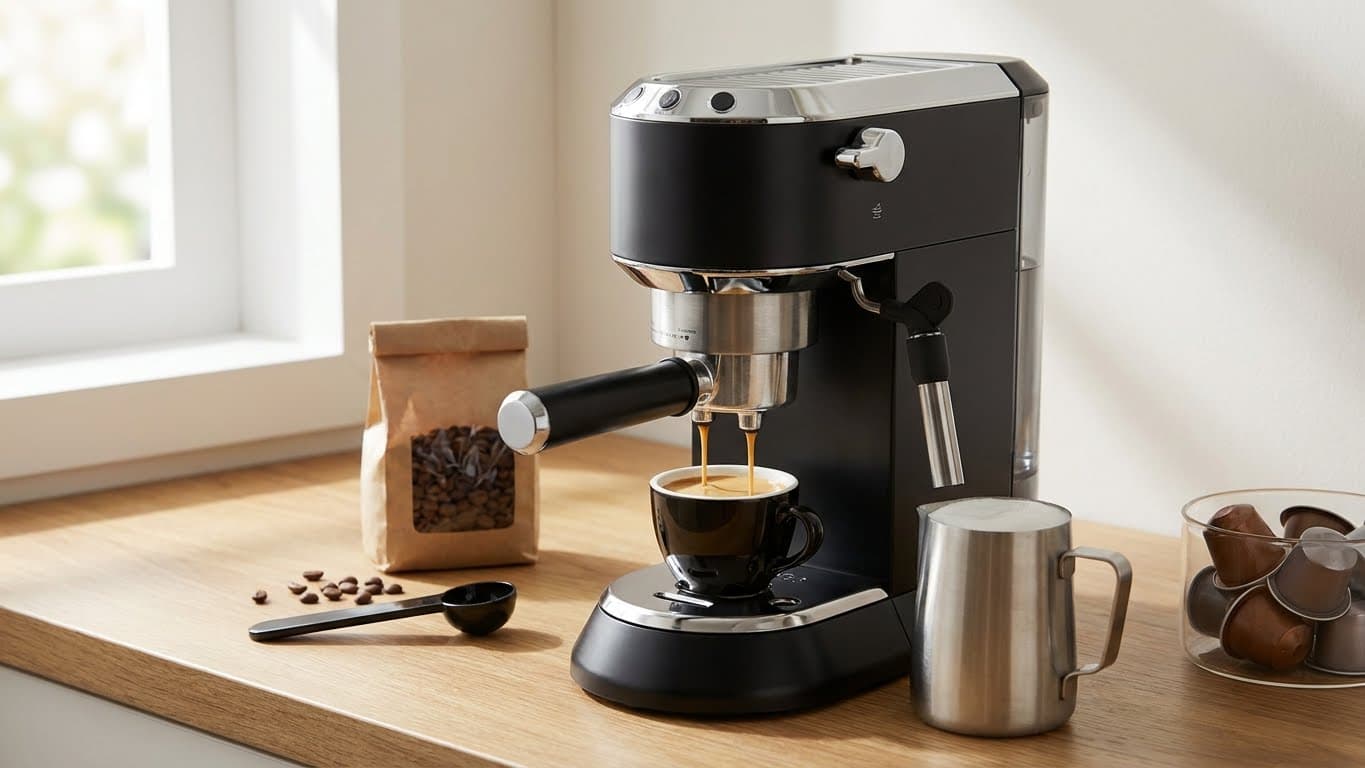
The Stilosa has become a home barista favorite for good reason. It produces consistent crema shot after shot, heats up in about 40 seconds, and includes a manual milk frother that actually works.
Pros:
- Reliable 15-bar pump delivers proper brewing pressure
- Compact footprint fits small kitchens
- Manual frothing wand gives you control over milk texture
- Works with both pods and ground coffee
- Easy to clean and maintain
Cons:
- Small water reservoir (1 liter) means frequent refills
- Plastic construction feels less premium
- No cup warmer on top
Who is this for? Beginners who want to make lattes and cappuccinos without a steep learning curve. Perfect if you drink 1-2 espresso drinks daily.
Who is this NOT for? Serious enthusiasts who want to experiment with pressure profiling or pull shots for a household of coffee lovers.
Check the latest price on Amazon
2. Gevi 20-Bar Espresso Machine – Best for Milk Drinks
If your morning routine revolves around lattes, the Gevi deserves serious consideration. Its commercial-style steam wand produces microfoam that rivals machines costing twice as much.
Pros:
- Excellent steam wand for silky microfoam
- Large 1.5-liter water tank
- Cup warmer on top of the machine
- Removable drip tray for easy cleaning
- Includes both single and double shot baskets
Cons:
- Takes longer to heat up (about 90 seconds)
- Pressurized basket only – no upgrade path
- Can be noisy during operation
Who is this for? Milk drink enthusiasts who prioritize latte art and creamy cappuccinos over pure espresso shots.
Who is this NOT for? Those who want to progress to non-pressurized baskets and develop more advanced barista skills.
See current deals
3. Sowtech Espresso Machine – Best Budget Pick
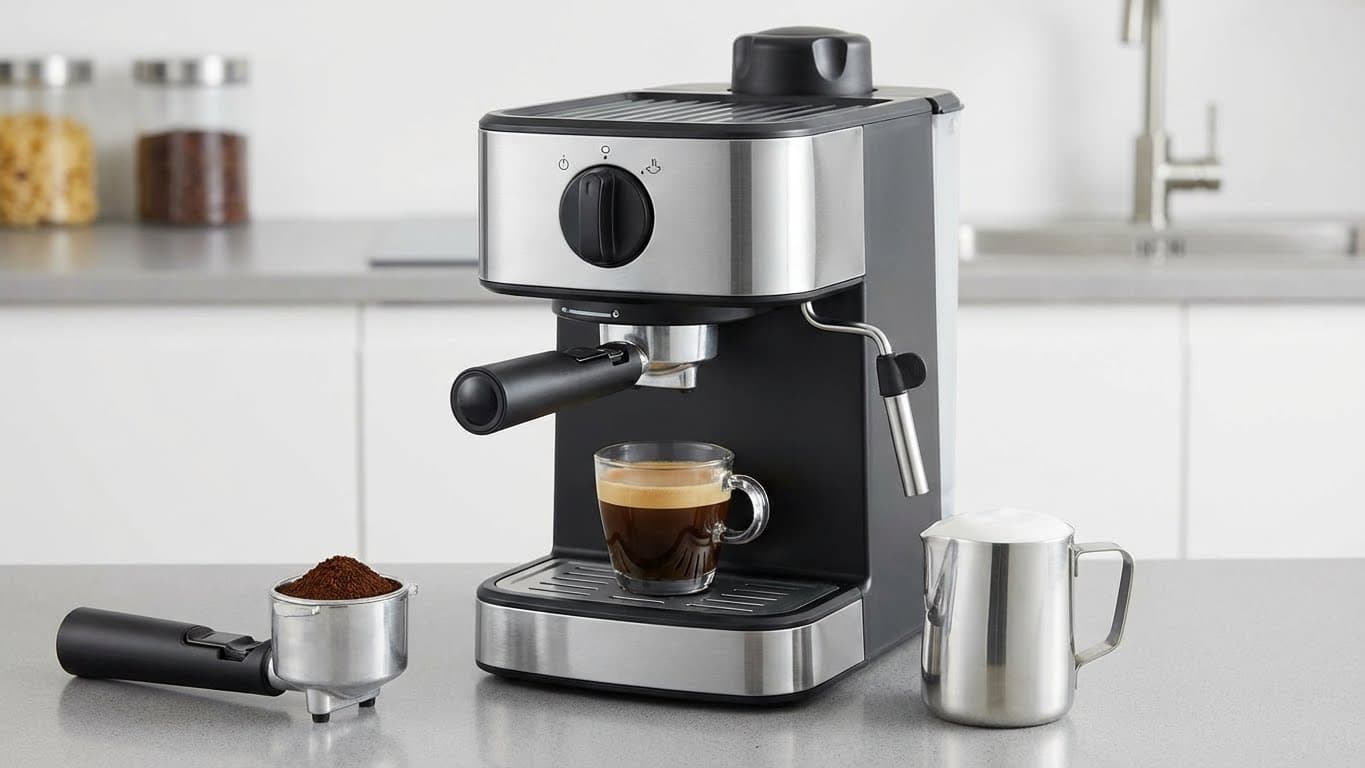
At around $80-90, the Sowtech proves you don’t need to spend close to $200 for decent crema. It’s basic, but it works surprisingly well for the price.
Pros:
- Incredible value for money
- Simple operation with minimal learning curve
- Compact design
- Includes milk frothing capability
- Works with ESE pods if you prefer convenience
Cons:
- Flimsy build quality – handle with care
- Inconsistent temperature stability
- Small portafilter holds less coffee
- Steam wand is weak compared to pricier options
Who is this for? Total beginners testing whether they’ll actually use an espresso machine regularly before investing more.
Who is this NOT for? Anyone who expects consistent quality or drinks more than one espresso daily.
Check the latest price on Amazon
4. Ihomekee Espresso Machine – Best Compact Option
Living in a tiny apartment with a cramped kitchen? The Ihomekee packs real espresso capability into one of the smallest footprints I’ve tested.
Pros:
- Extremely compact at just 5 inches wide
- Fast heat-up time (35 seconds)
- Decent crema production for its size
- Very affordable (around $60-70)
- Easy to store when not in use
Cons:
- Very small water reservoir
- No steam wand – black coffee only
- Portafilter feels cheap
- Limited to small cups
Who is this for? Minimalists and tiny space dwellers who drink straight espresso or Americanos.
Who is this NOT for? Latte lovers or anyone who values build quality and durability.
See current deals
5. De’Longhi ECP3420 – Best Build Quality
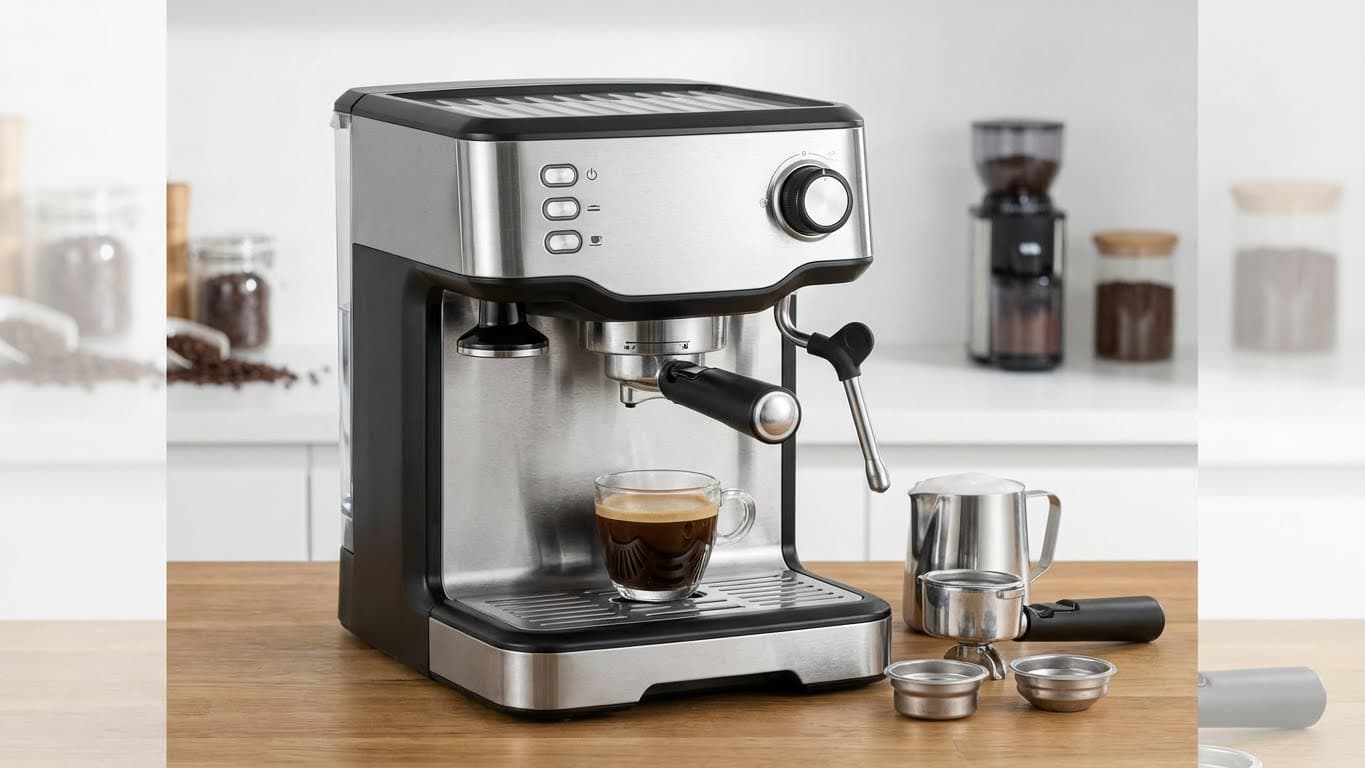
At the top of our budget range, the ECP3420 offers the most solid construction and most consistent performance. It feels like a machine that will last for years.
Pros:
- Stainless steel boiler for better temperature stability
- Self-priming operation – no complicated startup routine
- Includes both pressurized and non-pressurized baskets
- Professional-style steam wand
- Sturdy construction that feels premium
Cons:
- Priced at the very top of the budget ($180-200)
- Heavier and takes up more counter space
- Learning curve steeper than simpler machines
Who is this for? Committed home baristas who want a machine they can grow with over several years.
Who is this NOT for? Casual coffee drinkers who just want a simple morning cup without fuss.
Check the latest price on Amazon
Comparison Table: All Machines at a Glance
| Machine | Price Range | Heat-Up Time | Steam Wand | Best For |
|---|---|---|---|---|
| De’Longhi Stilosa | $140-160 | 40 seconds | Yes | Overall value |
| Gevi 20-Bar | $150-180 | 90 seconds | Yes (excellent) | Milk drinks |
| Sowtech | $80-90 | 60 seconds | Yes (basic) | Tight budgets |
| Ihomekee | $60-70 | 35 seconds | No | Small spaces |
| De’Longhi ECP3420 | $180-200 | 45 seconds | Yes (professional) | Long-term investment |
Tips for Getting Better Crema from Any Budget Machine
Even the best espresso machine under $200 needs help from you to produce great crema. Here are the techniques I’ve found make the biggest difference:
Fresh Beans Are Non-Negotiable
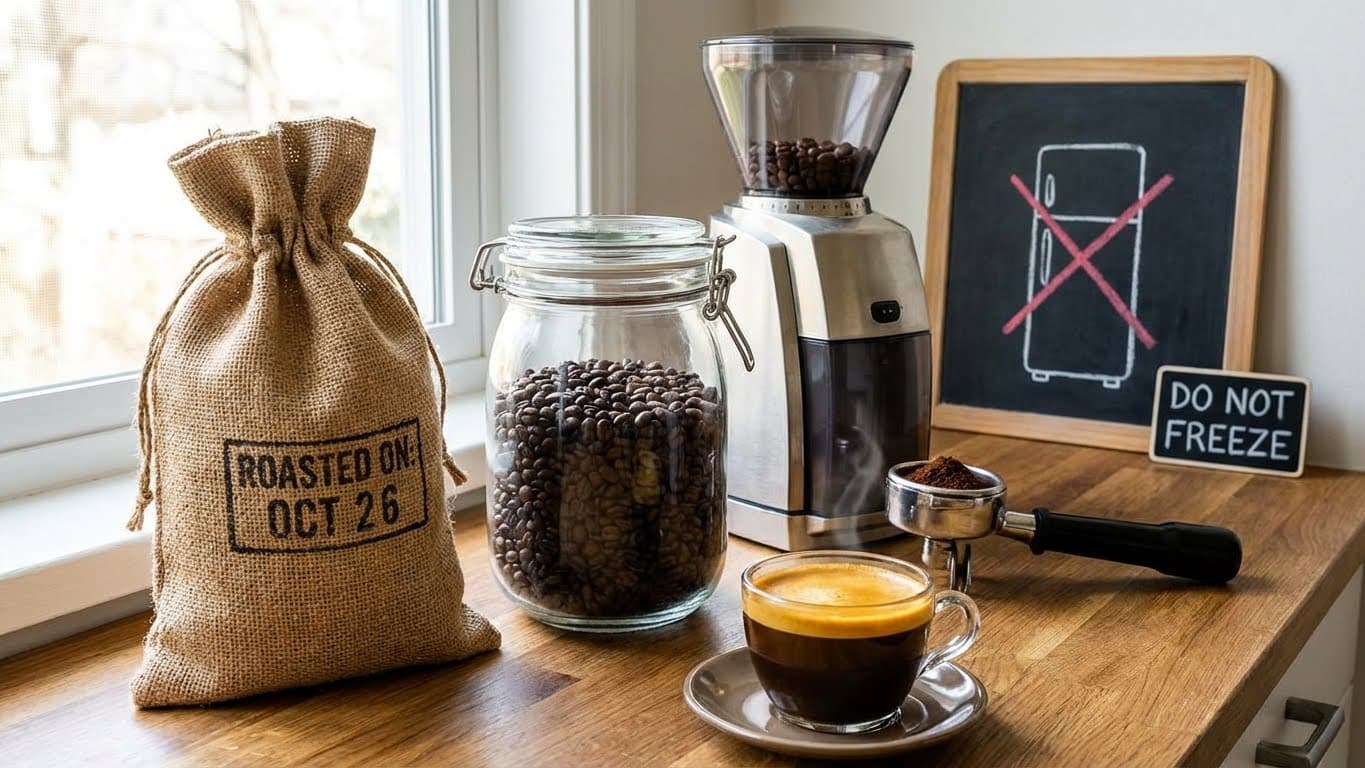
No machine, at any price, will produce crema from stale coffee. In my experience, beans lose their crema-producing ability around 3-4 weeks after roasting. Buy from local roasters who print roast dates on their bags, and only grind what you need for each shot.
Barista Tip: Store your beans in an airtight container away from light and heat. Never refrigerate or freeze them – the moisture destroys the oils that create crema.
Dial In Your Grind Size
If you’re using pre-ground coffee, your crema potential is limited. A budget burr grinder (even a hand grinder) will dramatically improve your shots. Aim for a fine, sand-like consistency.
- Grind too coarse = watery shot with no crema
- Grind too fine = bitter, over-extracted shot with dark crema
- Just right = golden-brown crema that lasts 2+ minutes
Warm Everything Up
Run a blank shot (water only) through your machine before pulling espresso. This heats the portafilter and group head. Cold metal steals heat from your coffee and kills crema production.
Perfect Your Tamping
Apply firm, even pressure when tamping your grounds. About 30 pounds of pressure works well. Uneven tamping creates channels where water rushes through, resulting in thin, pale crema.
Common Mistakes to Avoid
I’ve made all these mistakes during my coffee journey. Save yourself the frustration:
- Using old beans: That bag from three months ago won’t produce crema, period
- Overfilling the basket: Leave a small gap between the coffee and the shower screen
- Rushing the process: Let your machine fully heat up before brewing
- Ignoring maintenance: Backflush and descale regularly for consistent results
- Expecting miracles: Budget machines require more technique than expensive ones
Key Takeaway: A $150 machine with fresh beans and proper technique will outperform a $500 machine with stale coffee and sloppy habits every single time.
Frequently Asked Questions
Can cheap espresso machines really make crema?
Yes, but with caveats. Budget machines using 15-bar pumps can absolutely produce real crema if you use fresh beans, the right grind size, and proper technique. The crema might not be as thick or long-lasting as what you’d get from a $1,000 machine, but it’s genuine and delicious.
Is 15-bar or 20-bar pressure better for espresso?
Neither is inherently better. What matters is the actual brewing pressure at the coffee puck, which should be around 9 bars. Both 15-bar and 20-bar pumps typically deliver this. Higher pump ratings are mostly marketing – don’t let them influence your decision.
Do I need a separate grinder for espresso?
You don’t absolutely need one, but I strongly recommend it. Pre-ground coffee goes stale quickly and rarely has the fine consistency needed for proper crema. A $30-40 hand grinder will transform your espresso quality more than upgrading to a pricier machine.
How long should espresso crema last?
Good crema should persist for at least 2 minutes before dissipating. If yours disappears within seconds, check your beans’ freshness and grind size first. Machine issues are rarely the culprit.
Are pressurized portafilters bad?
Not bad, just different. Pressurized baskets are forgiving and produce consistent (if artificial) crema for beginners. As your skills improve, switch to non-pressurized baskets for more authentic flavor and crema. Many budget machines include both options.
Conclusion and Your Next Steps
Finding the best espresso machine under $200 that actually makes crema comes down to matching your needs with the right machine. For most people, the De’Longhi Stilosa hits the sweet spot of price, performance, and ease of use. If you’re prioritizing milk drinks, the Gevi offers superior steaming capability. And if you want a machine to grow with over years, the De’Longhi ECP3420 justifies its higher price.
Remember: the machine is only part of the equation. Fresh beans, proper grind size, and good technique matter more than the price tag. Start with a machine from this list, invest in fresh coffee, and practice your technique. Within a few weeks, you’ll be pulling shots with crema that rivals your local café. Your morning coffee routine is about to get a whole lot better.

Comments