


Table of Contents
- Quick Verdict: Yeti Rambler
- Yeti Rambler: The Rugged Workhorse
- How It Works
- Pros
- Cons
- Ember Mug: The Smart Sipper's Dream
- How It Works
- Pros
- Cons
- Yeti vs. Ember: Head-to-Head Comparison
- Who Is Each Mug For?
- Choose Yeti If You:
- Choose Ember If You:
- Who Should Skip Both?
- Barista Tips for Maximum Heat Retention
- What About Other Brands?
- Conclusion: Which Coffee Mug Should You Buy?
There’s nothing worse than pouring yourself a perfect cup of coffee, getting distracted by a phone call or email, and coming back to a lukewarm disappointment. If you’ve ever wondered why your coffee gets cold so fast, you’re not alone. The right mug can make all the difference between savoring every sip and rushing through your cup before it turns into sad, room-temperature liquid. In my experience, investing in a quality insulated mug is one of the best upgrades any home barista can make.
When it comes to coffee mugs that keep your coffee hot for hours, two brands dominate the conversation: Yeti and Ember. Both promise to solve your cold coffee problems, but they take completely different approaches. In this guide, I’ll break down everything you need to know to pick the perfect mug for your morning ritual.
Quick Verdict: Yeti Rambler
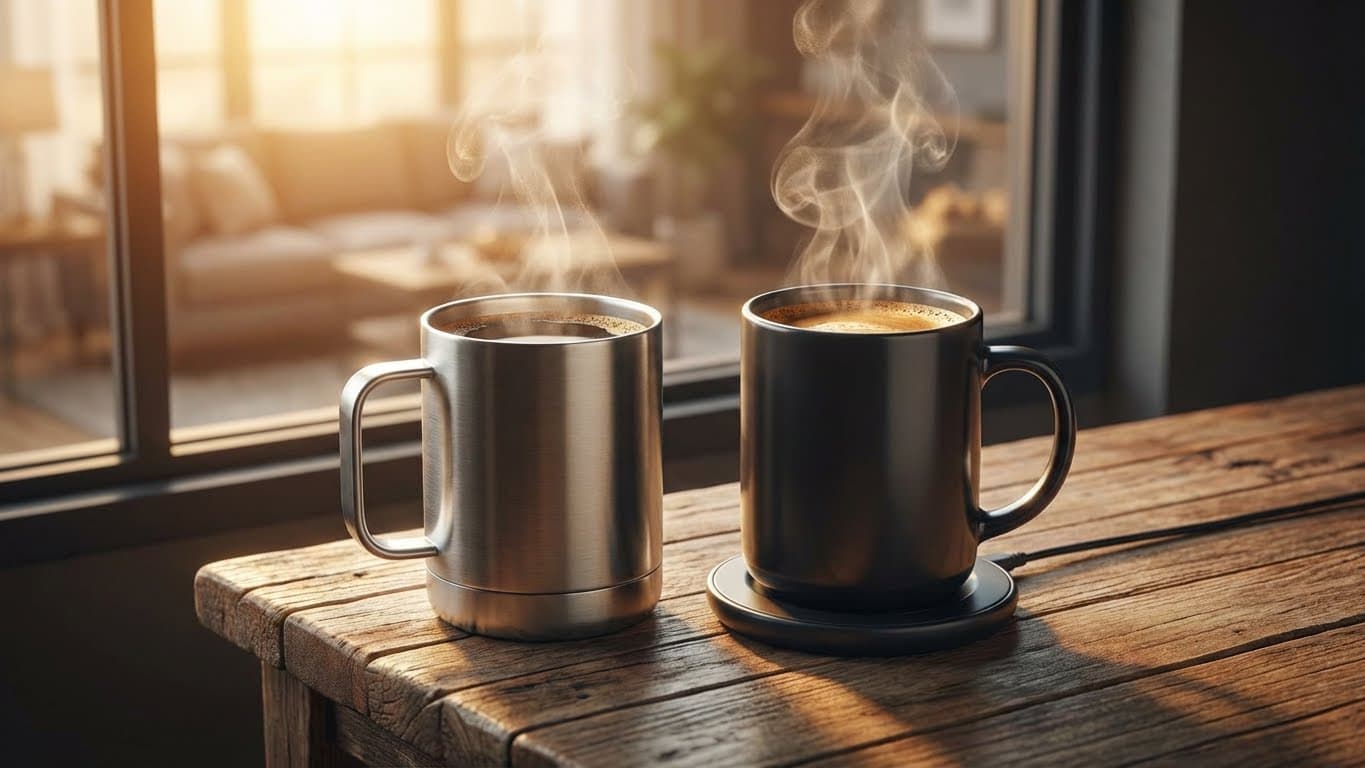
After testing both extensively, the Yeti Rambler wins for most home coffee drinkers. It offers exceptional heat retention, bulletproof durability, and requires zero maintenance—all at a fraction of Ember’s price. However, if you’re a slow sipper who wants your coffee at a precise temperature from first sip to last, the Ember Mug’s smart technology is genuinely impressive and worth the premium.
Yeti Rambler: The Rugged Workhorse
Yeti built its reputation on coolers that could survive a bear attack, and they’ve brought that same overbuilt philosophy to their drinkware. The Yeti Rambler series uses double-wall vacuum insulation to create a thermal barrier between your coffee and the outside world. I’ve left a Rambler on my desk for three hours and come back to coffee that was still pleasantly warm.
How It Works
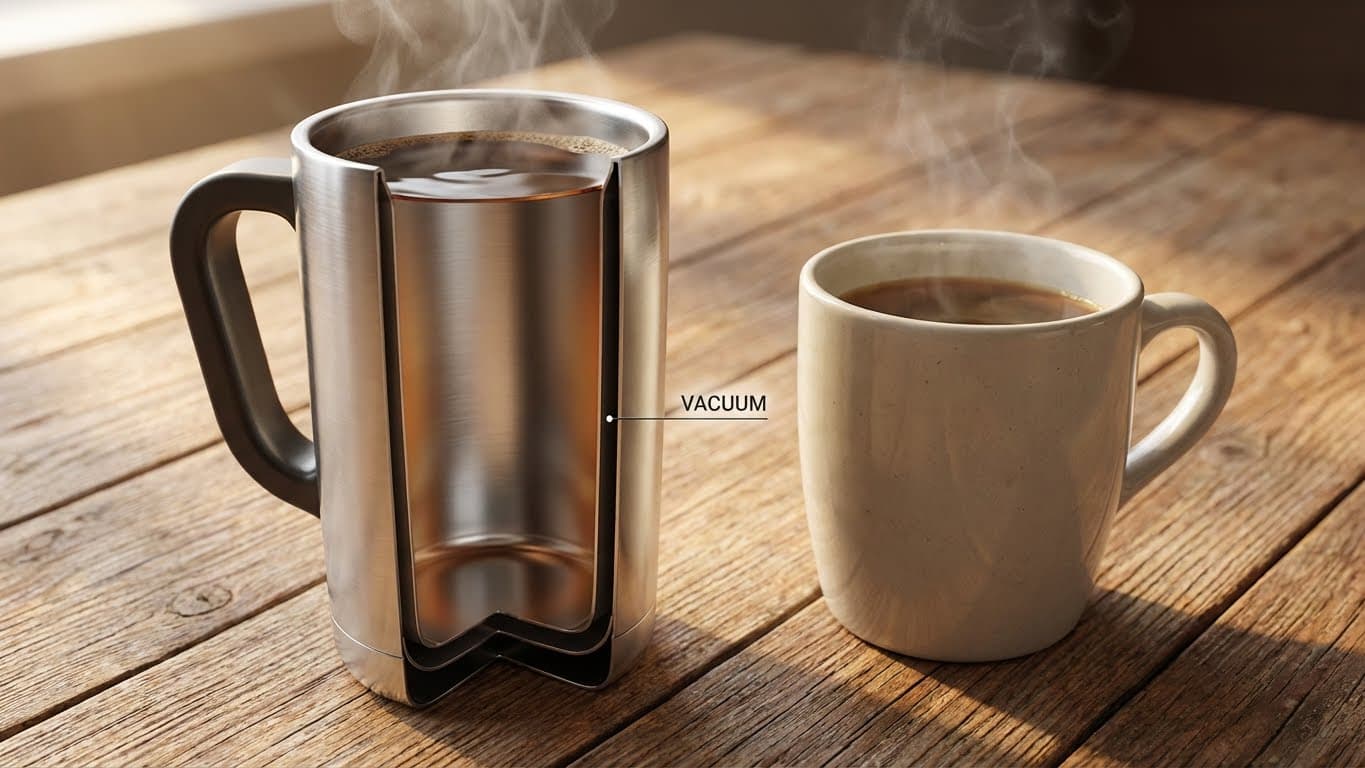
The magic is simple physics. Two walls of 18/8 stainless steel sandwich a vacuum—and since heat can’t travel through nothing, your coffee stays hot much longer than in a ceramic mug. There’s no battery, no charging, no app. Just pour and go.
Pros
- Keeps coffee hot for 4-6 hours passively
- Virtually indestructible construction
- Dishwasher safe for easy cleaning
- No charging or maintenance required
- Wide range of sizes and colors
- Price point around $25-35
Cons
- Coffee temperature gradually decreases over time
- No precise temperature control
- Can keep coffee too hot initially if you like drinking right away
- Heavier than standard ceramic mugs
Real-life scenario: You brew your coffee at 7 AM, get pulled into back-to-back meetings, and finally get a chance to drink at 10 AM. With a Yeti, your coffee will still be warm enough to enjoy—not piping hot, but far from cold.
Check the latest price on Amazon for the Yeti Rambler.
Ember Mug: The Smart Sipper’s Dream
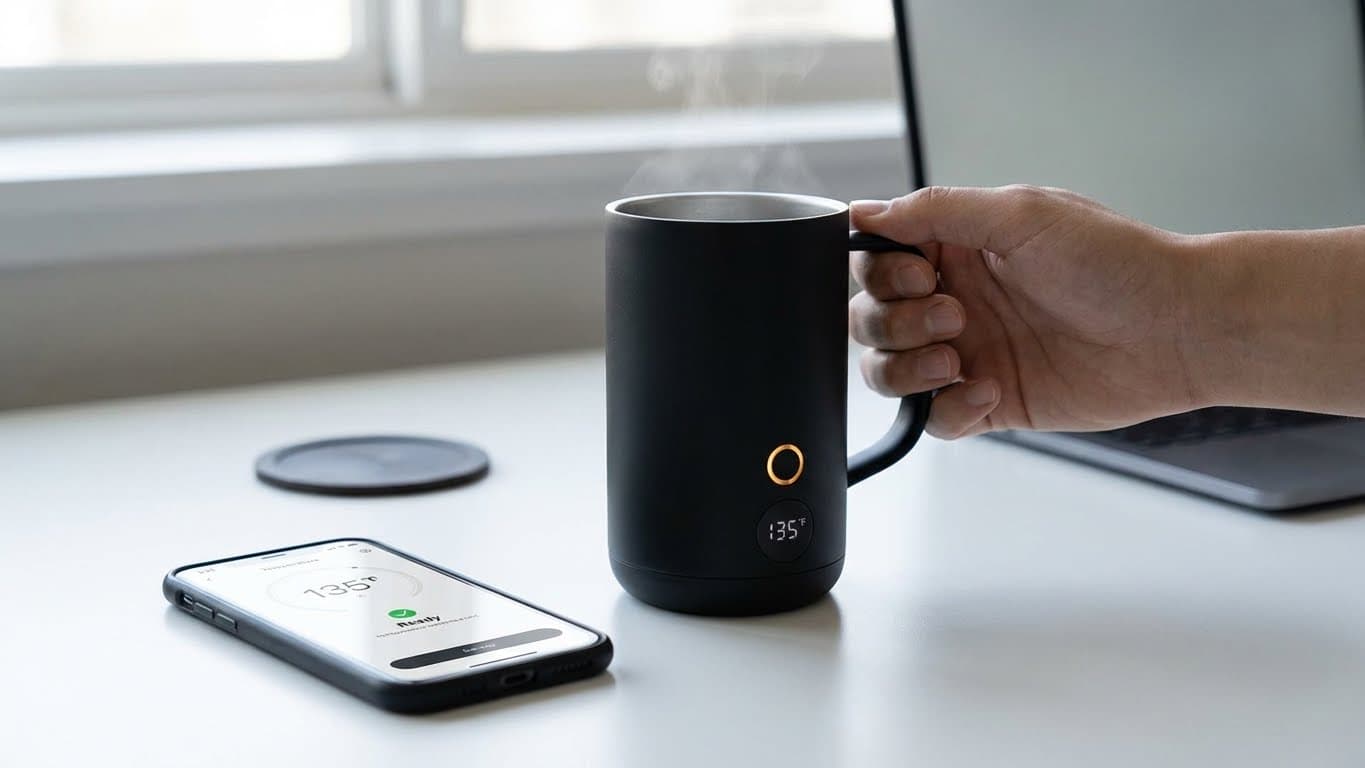
Ember took a completely different approach to the cold coffee problem. Instead of just insulating, they built a mug with an actual heating element and temperature sensor inside. You set your preferred drinking temperature via smartphone app, and the mug actively maintains it. It sounds like overkill until you try it.
How It Works
The Ember Mug has a built-in battery and heating system controlled by Bluetooth. You choose your ideal temperature (anywhere from 120°F to 145°F), and the mug keeps your coffee exactly there. When the battery runs low, you set it on the included charging coaster for continuous heat.
Pros
- Maintains exact temperature you choose
- First sip to last sip consistency
- Smartphone app with presets and notifications
- Sleek, modern design
- LED indicator shows temperature status
- Auto-sleep feature saves battery
Cons
- Premium price ($130-200 depending on size)
- Battery lasts only 1.5-2 hours off the coaster
- Hand-wash only—not dishwasher safe
- Requires charging and occasional app updates
- More fragile than stainless steel options
Real-life scenario: You’re a slow coffee drinker who takes 45 minutes to finish a cup while working. With Ember, every single sip is at your perfect 135°F—no rushing, no reheating in the microwave.
See current deals on the Ember Mug.
Yeti vs. Ember: Head-to-Head Comparison
Let me break down the key differences in a way that actually helps you decide:
| Feature | Yeti Rambler | Ember Mug |
|---|---|---|
| Heat Retention Method | Passive (vacuum insulation) | Active (electric heating) |
| Temperature Control | None | Precise (120°F-145°F) |
| Battery Required | No | Yes (1.5-2 hr life) |
| Price Range | $25-35 | $130-200 |
| Durability | Excellent | Moderate |
| Cleaning | Dishwasher safe | Hand-wash only |
| Best For | On-the-go, outdoor use | Desk work, slow sippers |
In short: Yeti is the “set it and forget it” option, while Ember is for those who want complete control over their coffee experience.
Who Is Each Mug For?
Choose Yeti If You:

- Want a simple, no-fuss solution
- Drink your coffee within 1-2 hours of brewing
- Need something durable for commuting or outdoor use
- Prefer not to worry about charging another device
- Want excellent value for money
- Like having a dishwasher-safe mug
Choose Ember If You:
- Take 30+ minutes to finish a cup
- Have a specific temperature preference
- Work at a desk where the charging coaster can live
- Enjoy tech gadgets and app integration
- Are willing to invest in a premium coffee experience
- Don’t mind hand-washing
Who Should Skip Both?
If you drink your coffee quickly (under 20 minutes) and don’t mind it cooling slightly, a quality ceramic mug might be all you need. These premium options solve specific problems—if you don’t have those problems, save your money for better beans.
Barista Tips for Maximum Heat Retention
Regardless of which mug you choose, these tricks will help you get the most out of it:
- Preheat your mug: Pour hot water into your mug for 30 seconds before adding coffee. This prevents the cold mug from stealing heat from your brew.
- Use a lid: Even with insulated mugs, a lid dramatically reduces heat loss through evaporation. Both Yeti and Ember offer compatible lids.
- Don’t overfill: Leave a small air gap at the top. This actually helps maintain temperature better than filling to the brim.
- Start hotter: If using a Yeti, brew your coffee slightly hotter than usual since it will cool gradually.
I’ve found that preheating alone can add 30+ minutes of drinkable warmth to any insulated mug.
What About Other Brands?
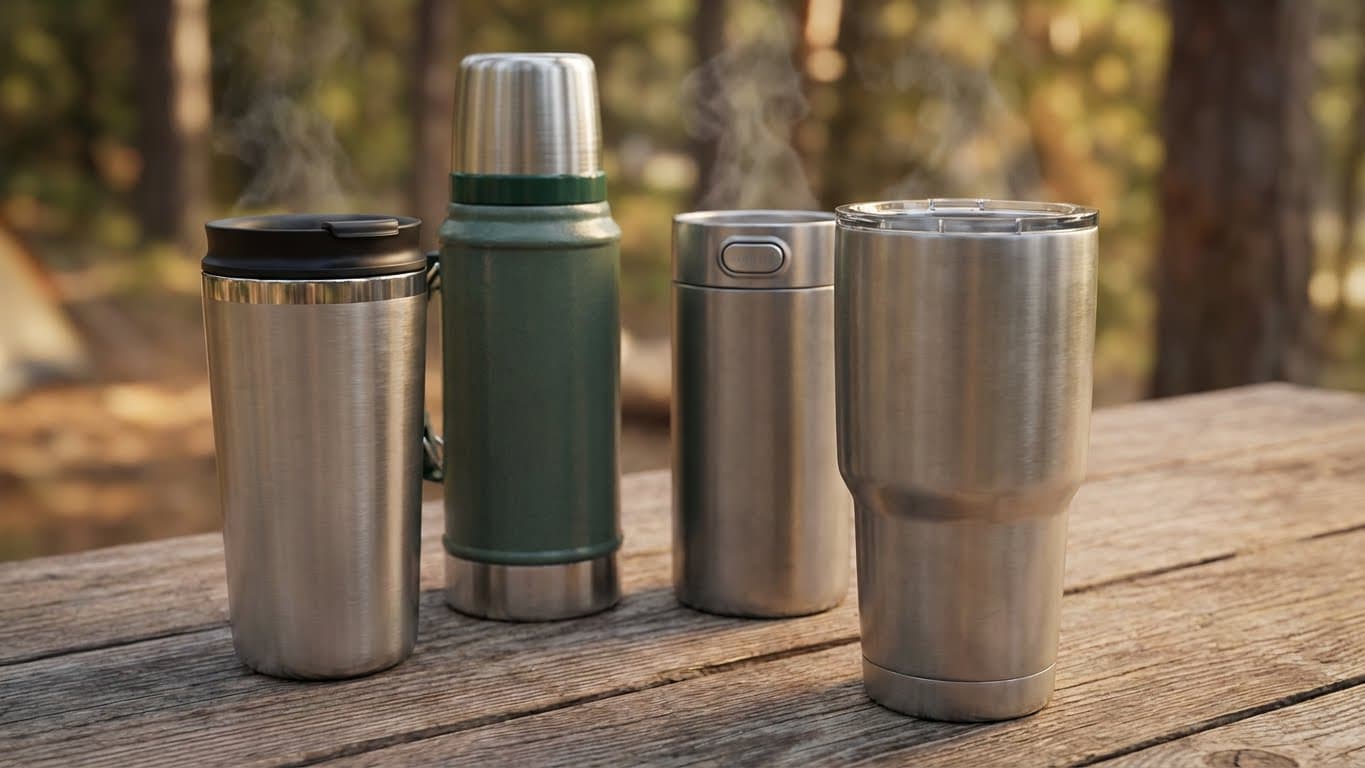
While Yeti and Ember dominate this category, a few alternatives deserve mention:
- Hydro Flask Coffee Mug: Similar to Yeti in performance, often slightly cheaper. Great if you prefer the aesthetic.
- Stanley Classic: The vintage-style option with proven insulation. Heavier but iconic.
- Contigo Autoseal: Budget-friendly with decent insulation and a spill-proof lid. Good for commuters on a budget.
That said, for pure heat retention and build quality, Yeti remains the benchmark in passive insulation. And for active temperature control, Ember has no real competitor at this point.
Conclusion: Which Coffee Mug Should You Buy?
Life is too short for cold coffee, and both Yeti and Ember solve that problem—just in different ways. For most people, the Yeti Rambler offers the best balance of performance, durability, and value. It keeps coffee hot for hours without any fuss, survives daily abuse, and costs less than a bag of specialty beans.
However, if you’re a slow sipper who genuinely suffers from the “last sip is always cold” problem, the Ember Mug is a game-changer worth its premium price. The ability to set your exact preferred temperature and have every sip taste like the first is something you don’t appreciate until you experience it.
My recommendation? Start with a Yeti. If you find yourself still frustrated with temperature inconsistency after a few months, treat yourself to an Ember. Either way, you’ll never go back to watching your coffee go cold in a regular mug.

Comments