


Table of Contents
- Understanding Coffee's Natural Anti-Inflammatory Properties
- The Power Players in Your Cup
- Anti-Inflammatory Additions That Actually Work
- Cinnamon: The Easiest Upgrade
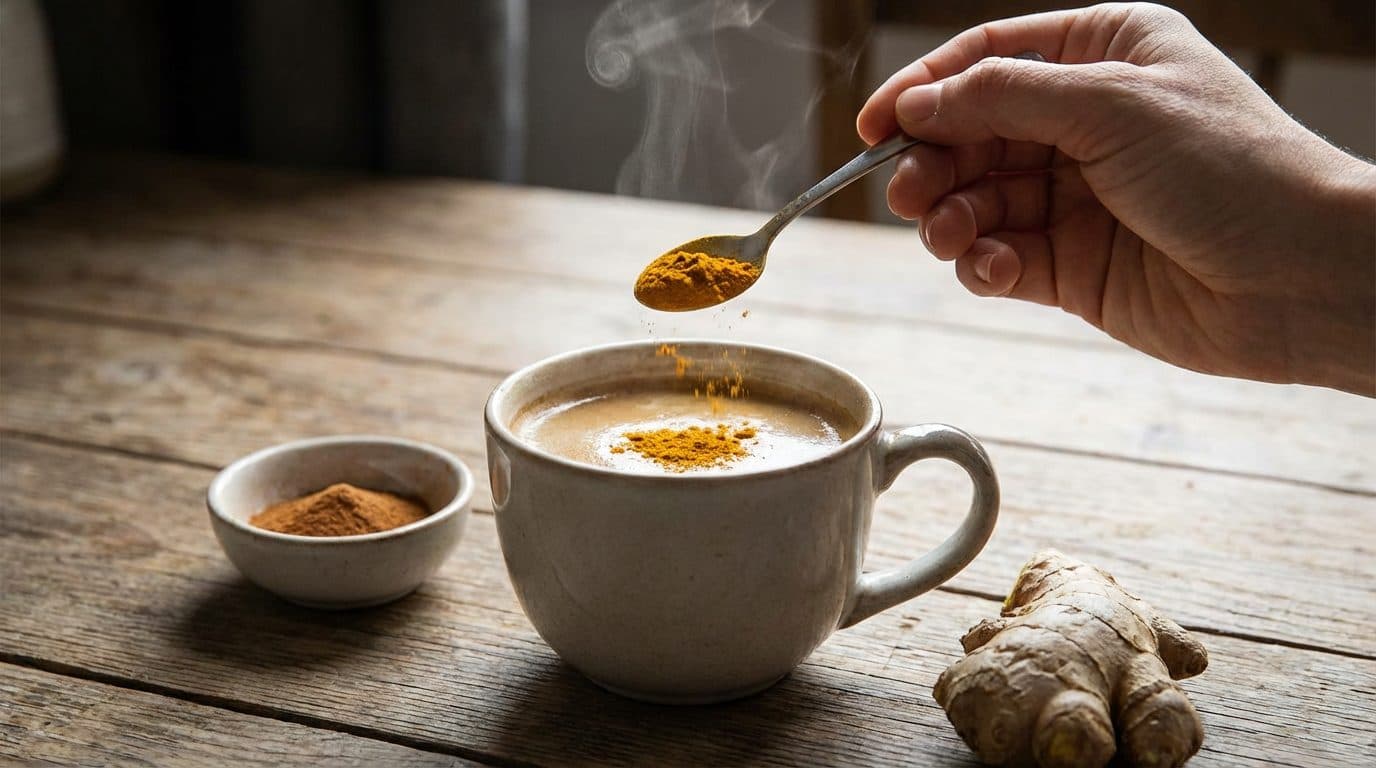
- Turmeric: The Golden Addition
- Ginger: Gentle and Effective
- Collagen Peptides: The Gut-Supporting Option
- What to Avoid: Inflammatory Coffee Habits
- Refined Sugar: The Major Culprit
- Artificial Creamers and Flavored Syrups
- Excessive Caffeine
- Brewing Methods and Their Impact on Inflammation
- Filtered vs. Unfiltered Coffee
- Cold Brew: Lower Acidity, Same Benefits
- Don't Overlook Water Quality
- Building Your Anti-Inflammatory Coffee Routine
- Morning Routine Example
- Timing Matters
- Frequently Asked Questions
- Can coffee actually reduce inflammation, or does it just not make it worse?
- Is decaf coffee as anti-inflammatory as regular coffee?
- How long does it take to notice benefits from anti-inflammatory coffee habits?
- Are there people who should avoid coffee entirely for inflammation reasons?
- Does the roast level affect coffee's anti-inflammatory properties?
- Conclusion: Small Changes, Lasting Impact
What if your morning cup of coffee could do more than just wake you up? For millions of people dealing with chronic inflammation, joint pain, or simply wanting to support their overall health, the daily coffee ritual presents a perfect opportunity. The good news is that coffee itself contains powerful anti-inflammatory compounds—but the way you prepare and customize your brew can either amplify those benefits or completely cancel them out.
In this guide, I’ll walk you through practical anti-inflammatory coffee habits that can transform your daily cup into a wellness-supporting ritual. You’ll learn which ingredients to add, which to avoid, and how small changes in your brewing routine can make a meaningful difference. Whether you’re managing a specific condition or just want to feel better overall, these tips will help you get more from every sip.
Understanding Coffee’s Natural Anti-Inflammatory Properties
Before we dive into habits and modifications, let’s talk about why coffee is actually a pretty solid starting point for an anti-inflammatory diet. Coffee contains hundreds of bioactive compounds, but a few stand out when it comes to fighting inflammation.
The Power Players in Your Cup

Chlorogenic acids are the stars of the show here. These polyphenols act as antioxidants, neutralizing free radicals that contribute to chronic inflammation. In my experience, people often underestimate how much good stuff is already in their plain black coffee.
- Chlorogenic acids: Reduce oxidative stress and may lower inflammatory markers
- Caffeine: In moderate amounts, has been shown to have anti-inflammatory effects
- Melanoidins: Compounds formed during roasting that have antioxidant properties
- Trigonelline: May help regulate blood sugar and reduce inflammation
A key takeaway here: regular, moderate coffee consumption (about 3-4 cups daily) has been associated with lower levels of inflammatory markers like C-reactive protein in several studies. But here’s the catch—what you add to your coffee and how you prepare it matters enormously.
Anti-Inflammatory Additions That Actually Work
This is where things get interesting. You can boost your coffee’s anti-inflammatory potential significantly by adding certain ingredients. I’ve tested dozens of combinations over the years, and these are the ones that deliver real benefits without making your coffee taste like medicine.
Cinnamon: The Easiest Upgrade
Ceylon cinnamon (also called “true cinnamon”) is my go-to recommendation. It contains cinnamaldehyde, a compound with proven anti-inflammatory properties. Just a quarter teaspoon stirred into your grounds before brewing adds a subtle warmth and may help regulate blood sugar—which is important because blood sugar spikes can trigger inflammatory responses.
Barista Tip: Add cinnamon directly to your coffee grounds rather than to the finished cup. This allows the hot water to extract more of the beneficial compounds during brewing.
Turmeric: The Golden Addition
Curcumin, the active compound in turmeric, is one of the most researched natural anti-inflammatory substances. The challenge is that it’s not easily absorbed by your body on its own. Here’s the trick: always pair turmeric with a pinch of black pepper and a fat source.
- Use about 1/4 to 1/2 teaspoon of turmeric per cup
- Add a tiny pinch of black pepper (piperine increases curcumin absorption by up to 2,000%)
- Include a fat source like coconut oil or MCT oil to improve absorption
I’ll be honest—turmeric coffee isn’t for everyone. It changes the flavor profile significantly. Start with a small amount and work your way up.
Ginger: Gentle and Effective
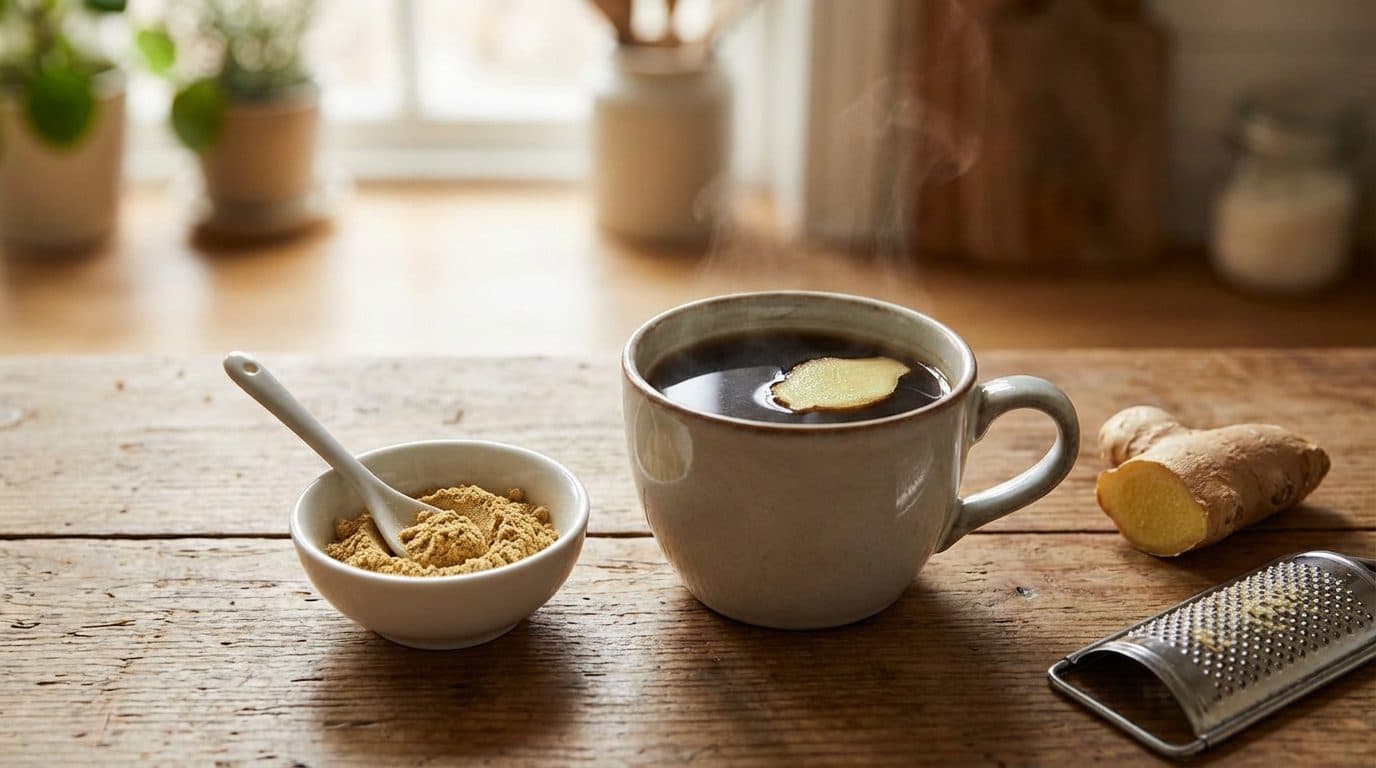
Fresh ginger or a small amount of ground ginger adds a pleasant spicy note while delivering gingerols, compounds known for their anti-inflammatory and digestive benefits. About 1/4 teaspoon of ground ginger or a thin slice of fresh ginger steeped with your coffee works well.
Collagen Peptides: The Gut-Supporting Option
While not directly anti-inflammatory, collagen peptides can support gut health, and gut health is intimately connected to systemic inflammation. A scoop of unflavored collagen dissolves completely in hot coffee without affecting taste. In my experience, this is one of the easiest additions for people who want to keep their coffee tasting like coffee.
What to Avoid: Inflammatory Coffee Habits
Sometimes what you don’t add matters more than what you do. Many common coffee additions can actually promote inflammation, undermining any benefits you might get from the coffee itself.
Refined Sugar: The Major Culprit
I know this isn’t what anyone wants to hear, but those three spoonfuls of white sugar in your morning cup are working against you. Refined sugar triggers inflammatory responses, spikes blood sugar, and has been linked to increased levels of inflammatory markers. If you need sweetness, consider these alternatives:
- Raw honey: Contains anti-inflammatory compounds (use sparingly, it’s still sugar)
- Monk fruit sweetener: Zero glycemic impact, no inflammatory effects
- A small amount of maple syrup: Contains some antioxidants
- Stevia: Plant-based with no blood sugar impact
To sum up: the goal isn’t necessarily eliminating sweetness entirely—it’s choosing sweeteners that don’t trigger inflammatory cascades.
Artificial Creamers and Flavored Syrups

Many commercial coffee creamers contain hydrogenated oils, artificial flavors, and corn syrup solids—all potentially inflammatory ingredients. Those flavored syrups at coffee shops are essentially concentrated sugar with artificial additives. If you love creamy coffee, opt for:
- Full-fat coconut milk or cream
- Grass-fed butter or ghee (for bulletproof-style coffee)
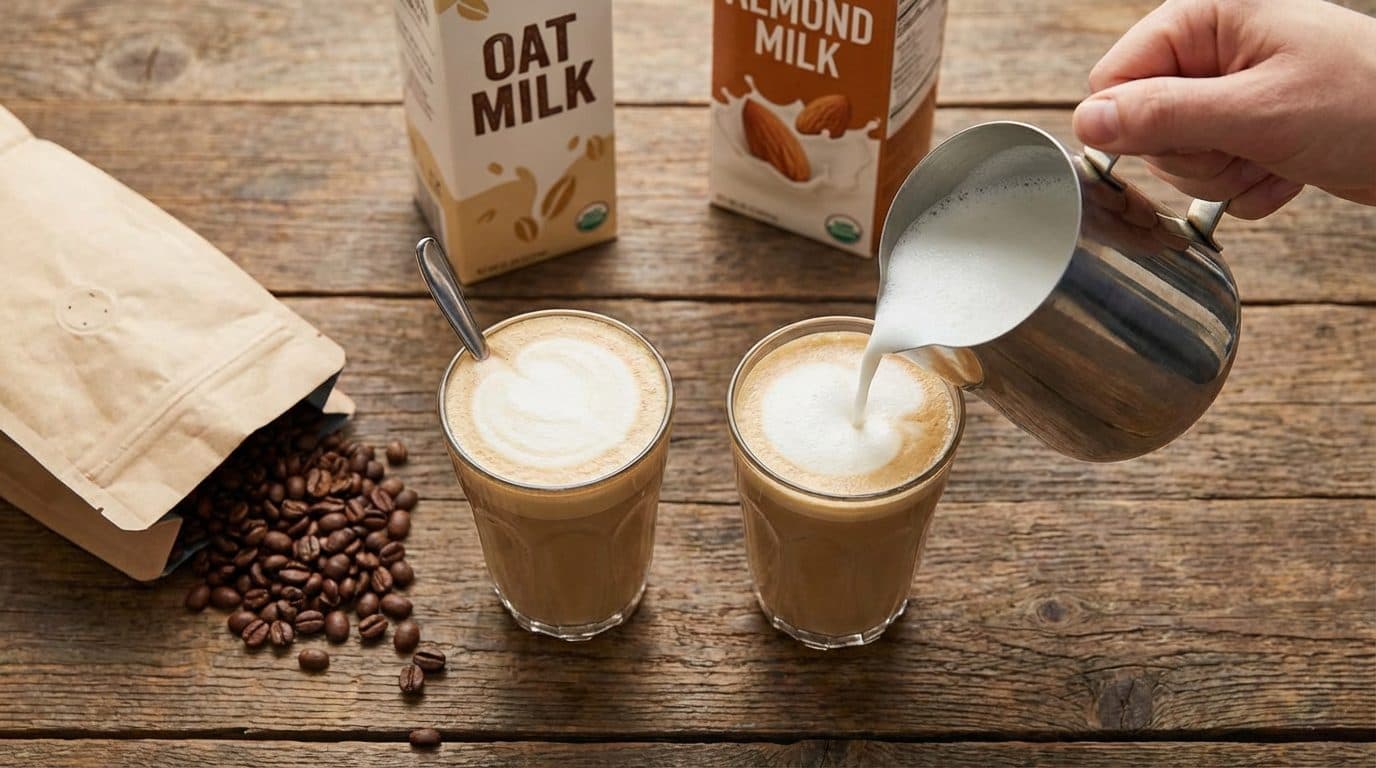
- Unsweetened oat milk or almond milk
- A splash of organic heavy cream
Excessive Caffeine
Here’s a nuance that trips people up: moderate caffeine has anti-inflammatory effects, but excessive caffeine (more than 400mg daily for most adults) can increase cortisol levels, disrupt sleep, and potentially promote inflammation. If you’re drinking six cups a day and wondering why you’re not feeling better, this might be part of the puzzle.
Brewing Methods and Their Impact on Inflammation
The way you brew your coffee affects which compounds end up in your cup. This is something I find genuinely fascinating, and small adjustments here can make a real difference.
Filtered vs. Unfiltered Coffee
Unfiltered brewing methods like French press, Turkish coffee, and espresso allow more cafestol and kahweol to pass through. These compounds can raise LDL cholesterol in some people, which may indirectly affect inflammation. If you have cardiovascular concerns or high cholesterol, using a paper filter removes most of these compounds while preserving the beneficial antioxidants.
| Brewing Method | Filter Type | Cafestol Level | Antioxidant Retention |
|---|---|---|---|
| Pour Over | Paper | Very Low | High |
| Drip Machine | Paper | Very Low | High |
| French Press | Metal Mesh | High | Very High |
| Espresso | None | Moderate | High |
| Cold Brew | Varies | Low-Moderate | High |
Cold Brew: Lower Acidity, Same Benefits

If coffee aggravates your stomach or you have acid reflux (which can contribute to systemic inflammation), cold brew might be your friend. The cold brewing process produces coffee with up to 67% less acidity while retaining most of the antioxidants. It’s smoother, naturally sweeter, and easier on your digestive system.
Barista Tip: Make a cold brew concentrate and dilute it to your preferred strength. This gives you more control over the final product and lasts up to two weeks in the refrigerator.
Don’t Overlook Water Quality
Chlorine and heavy metals in tap water can introduce unwanted compounds and affect extraction. Using filtered water produces better-tasting coffee and eliminates potential irritants. In my experience, this simple change often makes people enjoy black coffee more, reducing their desire to add problematic sweeteners and creamers.
Building Your Anti-Inflammatory Coffee Routine
Theory is great, but let’s talk about practical application. Here’s how to build a sustainable anti-inflammatory coffee habit that you’ll actually stick with.
Morning Routine Example
Start with quality beans—organic, single-origin coffees tend to have fewer pesticide residues and mycotoxins (mold compounds that can trigger inflammation in sensitive individuals). Grind fresh if possible. Add your chosen anti-inflammatory booster to the grounds before brewing.
A realistic daily approach might look like this:
- First cup: Black coffee with cinnamon added to grounds
- Second cup: Add a splash of coconut milk and a small amount of monk fruit if needed
- Optional third cup: Cold brew in the afternoon if you need it, keeping total caffeine under 400mg
Timing Matters
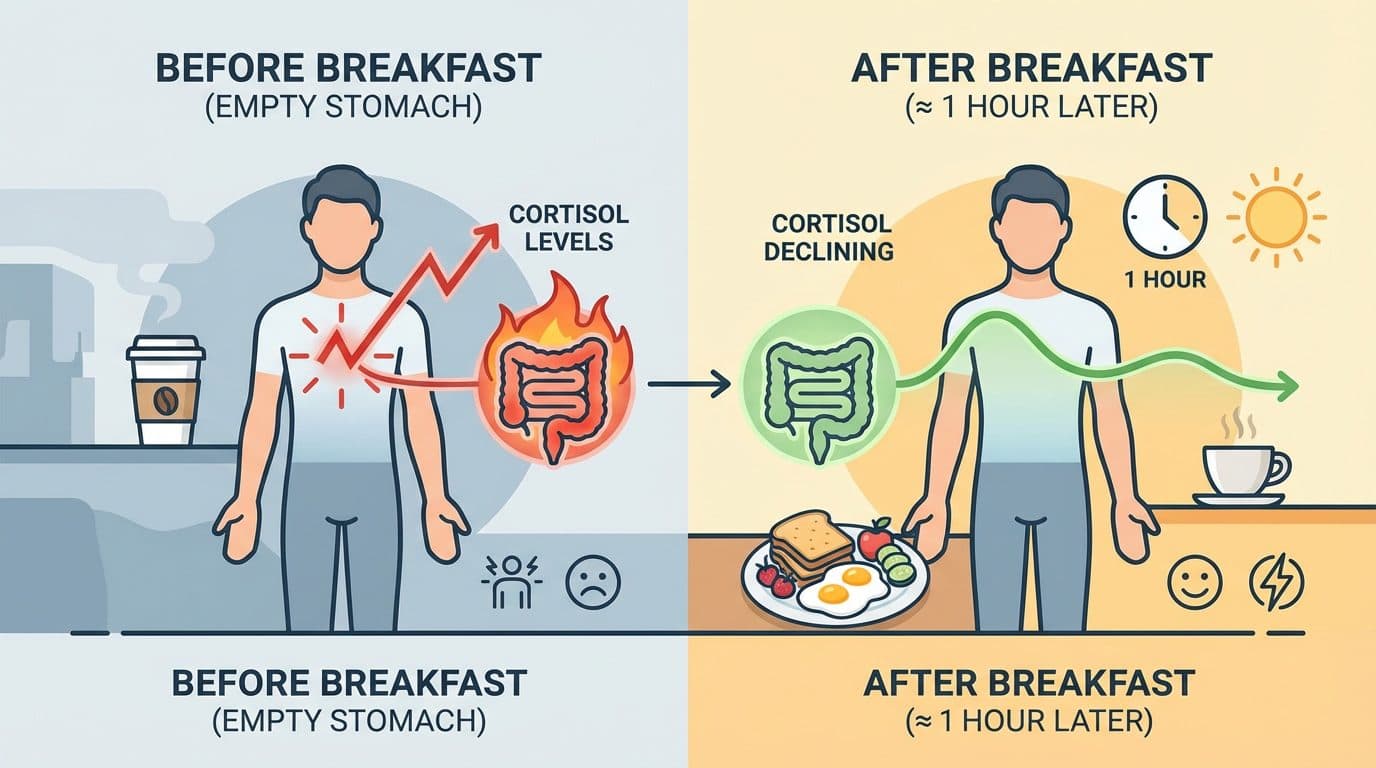
Drinking coffee on an empty stomach can increase cortisol and potentially irritate your gut lining—both of which may promote inflammation. Having your first cup with or shortly after breakfast is gentler on your system. I’ve found that waiting about an hour after waking allows your natural cortisol to peak and decline, making caffeine more effective with less stress response.
Frequently Asked Questions
Can coffee actually reduce inflammation, or does it just not make it worse?
Research suggests coffee can actively reduce inflammation, not just avoid causing it. Studies have shown that regular coffee drinkers tend to have lower levels of inflammatory markers like C-reactive protein, interleukin-6, and TNF-alpha. The polyphenols and antioxidants in coffee appear to have genuine anti-inflammatory effects. However, individual responses vary, and what you add to your coffee significantly impacts the overall inflammatory effect.
Is decaf coffee as anti-inflammatory as regular coffee?
Decaf retains most of the antioxidants and chlorogenic acids found in regular coffee, so yes—it can still offer anti-inflammatory benefits. If caffeine doesn’t agree with you or you’re sensitive to its effects on cortisol and sleep, decaf is a perfectly valid choice. Just look for coffee that’s been decaffeinated using the Swiss Water Process or CO2 method, as these preserve more beneficial compounds than chemical solvent methods.
How long does it take to notice benefits from anti-inflammatory coffee habits?
This varies considerably depending on your overall diet, baseline inflammation levels, and how significant your changes are. Some people report feeling less bloated or having better energy within a week of eliminating sugar and artificial creamers. More systemic effects on joint pain or chronic inflammation markers typically take 4-8 weeks of consistent habits to become noticeable. Be patient and remember that coffee is just one piece of your overall anti-inflammatory lifestyle.
Are there people who should avoid coffee entirely for inflammation reasons?

Yes. Some individuals have genetic variations that make them slow caffeine metabolizers, and for these people, coffee may increase inflammation and cardiovascular stress rather than reduce it. People with certain autoimmune conditions, severe adrenal fatigue, or those who experience anxiety or digestive distress from coffee should consider avoiding it or limiting consumption. Always consult with a healthcare provider if you have specific health conditions—this information is general in nature and shouldn’t replace professional medical advice.
Does the roast level affect coffee’s anti-inflammatory properties?
Interestingly, yes. Lighter roasts retain more chlorogenic acids (the main antioxidant compound), while darker roasts develop more melanoidins during the roasting process, which also have antioxidant properties. The difference isn’t dramatic, and both offer benefits. Choose the roast you enjoy most—consistency matters more than optimization here.
Conclusion: Small Changes, Lasting Impact
Making your daily coffee more anti-inflammatory doesn’t require a complete overhaul of your routine. Start with one or two changes—maybe swapping out sugar for monk fruit sweetener, or adding cinnamon to your grounds. Once those become automatic, layer in another adjustment. I’ve found that gradual changes stick better than dramatic ones.
The beauty of focusing on coffee is that it’s something most of us do every single day anyway. By making thoughtful choices about what goes into your cup, you’re essentially giving yourself a small health intervention 365 days a year. That consistency adds up. Life is too short for bad coffee—and it’s also too short to miss easy opportunities to support your health with something you already love.
Try implementing just one anti-inflammatory coffee habit this week. Notice how it makes you feel, adjust as needed, and build from there. Your morning cup has more potential than you might have realized.


Comments