


Table of Contents
- Quick Verdict: Purity Coffee Wins for Mold-Free Excellence
- What Makes Coffee Mold-Free and Why It Matters
- How Mold Gets Into Coffee in the First Place
- Best Mold-Free Coffee Brands Compared
- Purity Coffee: The Gold Standard
- Lifeboost Coffee: Best for Low Acid and Sensitivity
- Bulletproof Coffee: The Original Clean Coffee Innovator
- Peak Performance: Best Budget-Friendly Option
- How to Choose the Right Mold-Free Coffee for You
- Consider Your Health Goals
- Think About Flavor Preferences
- Evaluate Your Budget Realistically
- Common Myths About Mold in Coffee
- Frequently Asked Questions
- Does mold-free coffee taste different from regular coffee?
- Is mycotoxin contamination in coffee really a significant health concern?
- How can I verify that a coffee brand is truly mold-free?
- Does brewing method affect mycotoxin levels in coffee?
- Are decaf mold-free options available?
- Final Recommendations and Next Steps
Quick Verdict: Purity Coffee Wins for Mold-Free Excellence
After testing dozens of brands and diving deep into lab reports, Purity Coffee stands out as the best mold-free coffee for health-conscious drinkers. It combines third-party testing, organic certification, and exceptional taste in a package that justifies the premium price. If you’re looking for a more budget-friendly option that still prioritizes purity, Lifeboost Coffee comes in as a close second with excellent mycotoxin testing and a smoother flavor profile.
Now, let’s break down everything you need to know about mold-free coffee and which brands actually deliver on their promises.
Have you ever wondered why your morning cup of coffee sometimes leaves you feeling foggy instead of energized? For many health-conscious drinkers, the culprit might not be the caffeine itself but rather invisible contaminants lurking in conventional coffee beans. Mold and mycotoxins in coffee have become a growing concern, and finding truly clean coffee brands can feel overwhelming. In this guide, I’ll walk you through the best mold-free coffee brands, what makes coffee “clean,” and how to choose the right option for your health goals.
What Makes Coffee Mold-Free and Why It Matters
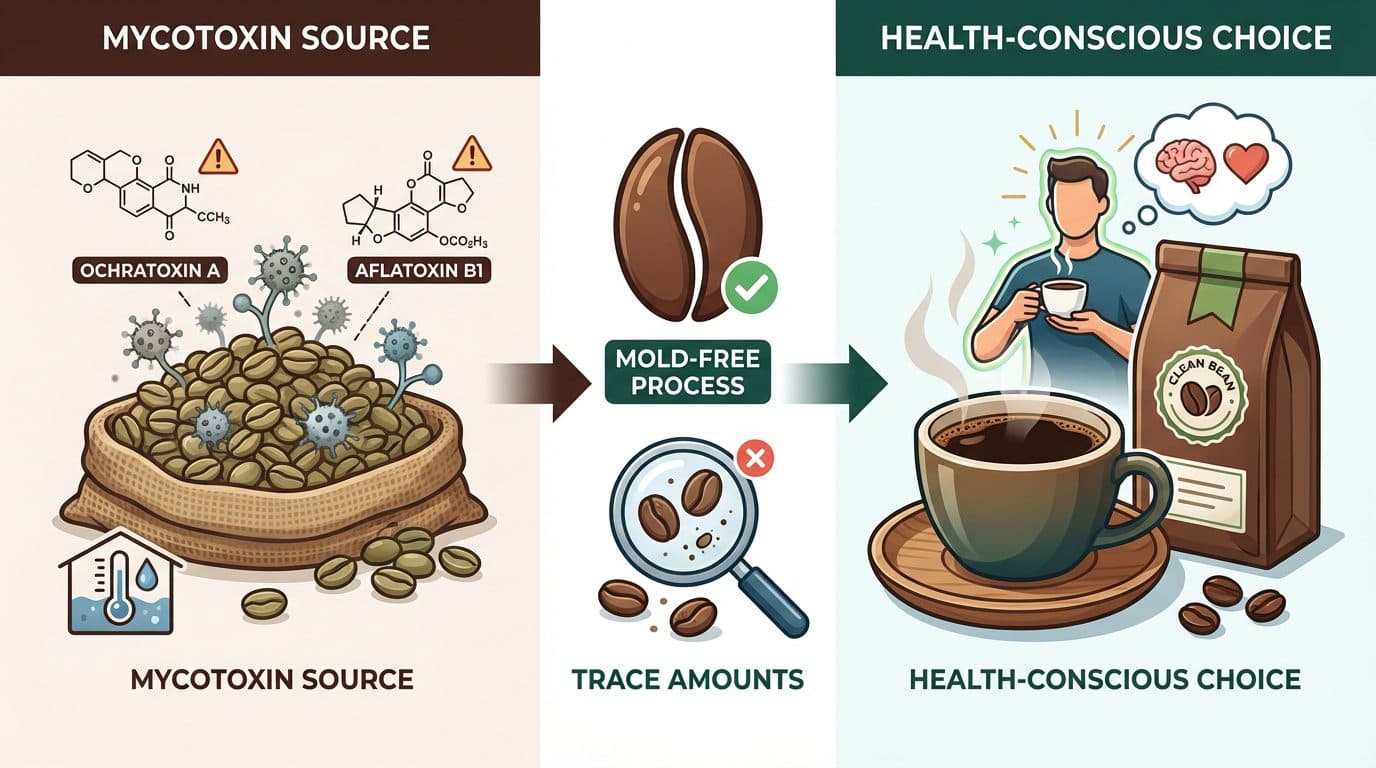
Before we dive into specific brands, let’s clarify what we’re actually talking about. Mycotoxins are toxic compounds produced by certain molds that can grow on coffee beans during harvesting, processing, or storage. The two most common types found in coffee are ochratoxin A and aflatoxin B1.
In short, mycotoxins are the toxic byproducts of mold growth, and while they’re regulated in many countries, trace amounts can still make their way into your cup.
Here’s why health-conscious drinkers should care:
- Chronic exposure to mycotoxins has been linked to inflammation, fatigue, and immune suppression
- Sensitive individuals may experience headaches, brain fog, or digestive issues from contaminated coffee
- Long-term health concerns include potential kidney stress and oxidative damage
- Quality control in conventional coffee production varies widely by region and brand
I’ve found that switching to tested, mold-free coffee makes a noticeable difference for many people, especially those with mold sensitivity or autoimmune conditions. The improvement in mental clarity and reduced jitteriness is often remarkable.
How Mold Gets Into Coffee in the First Place
Coffee beans are particularly susceptible to mold growth because of how they’re processed. Beans are often left to dry in humid environments, stored in less-than-ideal conditions, or processed using wet fermentation methods that encourage mold growth. Countries with poor quality control or inadequate storage facilities tend to have higher mycotoxin levels in their exports.
Premium mold-free coffee brands address this through careful sourcing, controlled drying processes, and rigorous third-party testing. It’s not just marketing hype when done correctly.
Best Mold-Free Coffee Brands Compared
| Brand | Testing | Price Range | Roast Options | Best For |
|---|---|---|---|---|
| Purity Coffee | Third-party lab tested | $$$$ | Light, Medium, Dark | Maximum purity |
| Lifeboost Coffee | Third-party lab tested | $$$ | Multiple roasts | Low acid needs |
| Bulletproof Coffee | In-house + third-party | $$$ | Medium, Dark, Decaf | Keto dieters |
| Peak Performance | Third-party tested | $$ | Medium | Budget-conscious |
| Natural Force | Third-party tested | $$$ | Medium | Organic priority |
Purity Coffee: The Gold Standard
Pros:
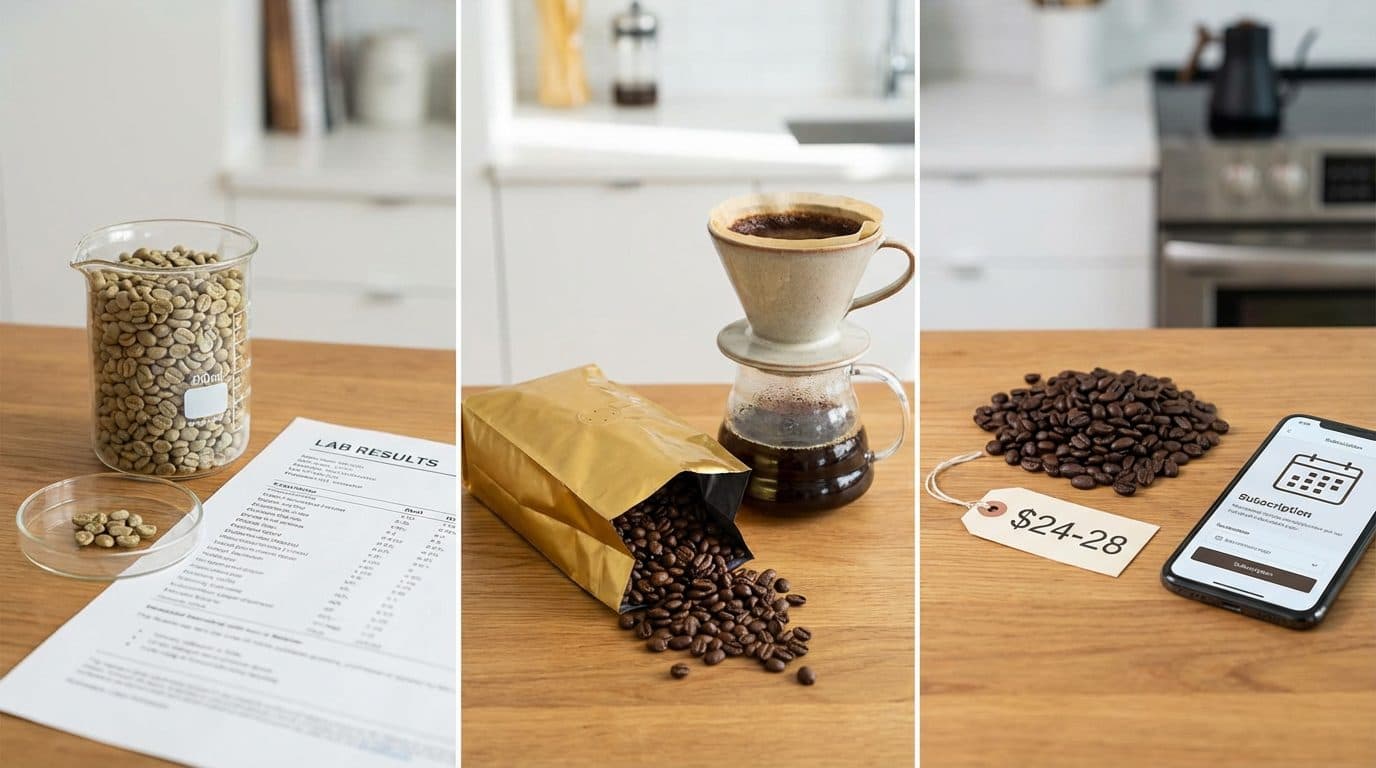
- Comprehensive testing for mold, mycotoxins, pesticides, and heavy metals
- Publishes lab results transparently
- USDA Organic and specialty-grade beans
- Roasted specifically to maximize antioxidants
- Excellent flavor across all roast levels
Cons:
- Premium pricing at around $24-28 per bag
- Subscription required for best pricing
- Limited single-origin variety
Purity Coffee was founded specifically with health in mind, not as an afterthought. They test every batch for over 400 toxins and contaminants, which is significantly more comprehensive than most competitors. In my experience, their medium roast offers the best balance of flavor and health benefits.
Who is this for? Anyone who prioritizes maximum purity and doesn’t mind paying premium prices for peace of mind. Ideal for those with autoimmune conditions, mold sensitivity, or specific health protocols.
Who is this NOT for? Budget-conscious buyers or those who prefer bold, heavily roasted flavors. If you’re just starting to explore clean coffee, the price might be hard to justify initially.
Check the latest price on Amazon or visit their official website for subscription deals.
Lifeboost Coffee: Best for Low Acid and Sensitivity
Pros:
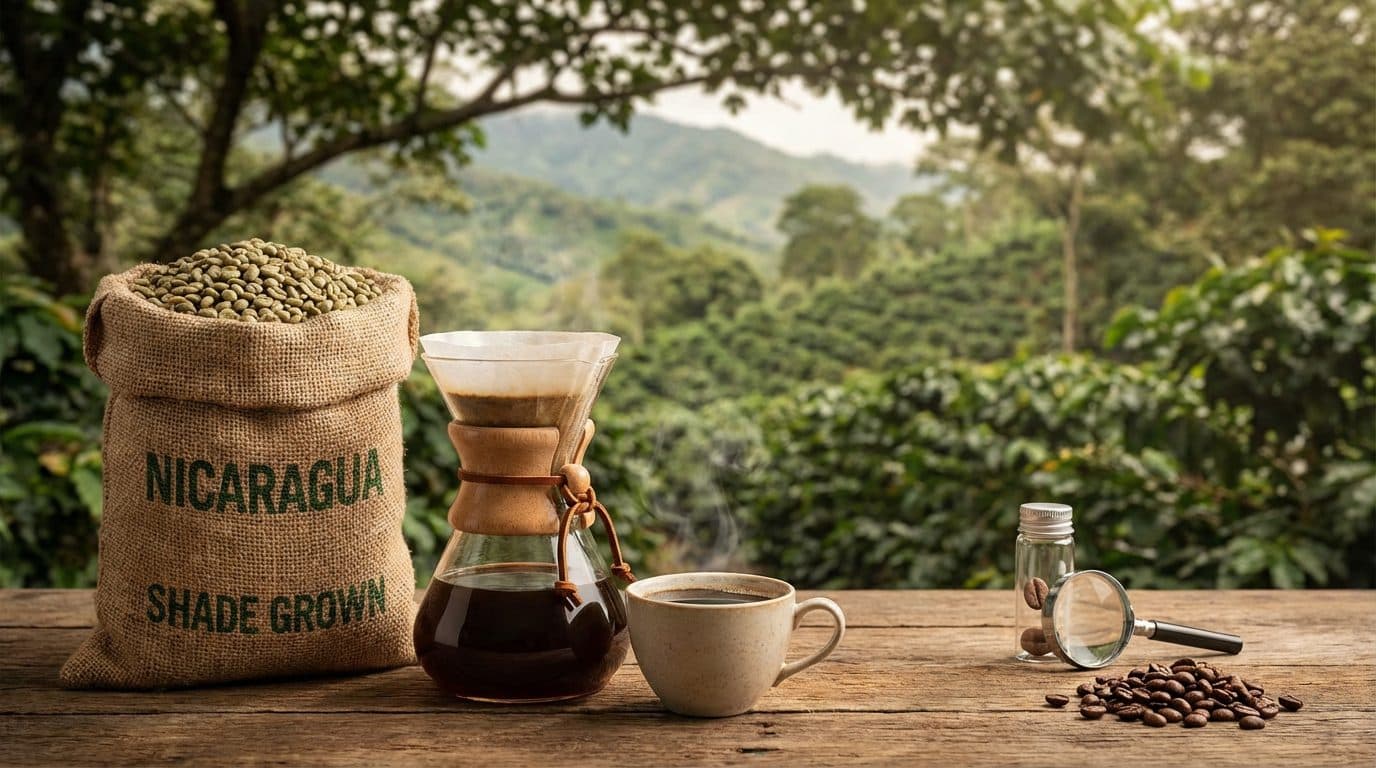
- Single-origin beans from Nicaragua
- Naturally low acid, easier on the stomach
- Third-party tested for mycotoxins and pesticides
- Shade-grown and mountain-cultivated
- Wide variety of flavors and roast options
Cons:
- Expensive at full retail price
- Some flavored options contain added ingredients
- Testing transparency could be improved
Lifeboost sources exclusively from the mountains of Nicaragua, where the growing conditions naturally reduce mold risk. The elevation and climate create an environment less hospitable to mycotoxin-producing molds. Their spring-water washing process also helps eliminate contaminants.
Who is this for? Anyone with acid reflux, GERD, or digestive sensitivity who still wants to enjoy coffee. Also great for those who appreciate single-origin quality.
Who is this NOT for? Those looking for variety in origin or who prefer darker, more intense roasts. The mild flavor profile may not satisfy espresso enthusiasts.
See current deals on their website, where they frequently offer 50% off first orders.
Bulletproof Coffee: The Original Clean Coffee Innovator
Pros:
- Pioneered the mycotoxin-free coffee movement
- Rainforest Alliance certified beans
- Consistent quality and wide availability
- Good decaf option for caffeine-sensitive drinkers
- Pairs perfectly with their butter coffee protocol
Cons:
- Testing process less transparent than competitors
- Some controversy about mycotoxin claims
- Limited roast variety compared to others
Bulletproof Coffee brought the mycotoxin conversation into mainstream health circles. While some critics question their marketing claims, they’ve maintained consistent quality standards over the years. Their beans undergo a proprietary cleaning and testing process.
Who is this for? Keto and low-carb dieters who want a trusted brand that integrates with their butter coffee routine. Also good for those new to clean coffee who want easy availability.
Who is this NOT for? Purists who want maximum transparency or those seeking specialty-grade flavor complexity.
Peak Performance: Best Budget-Friendly Option
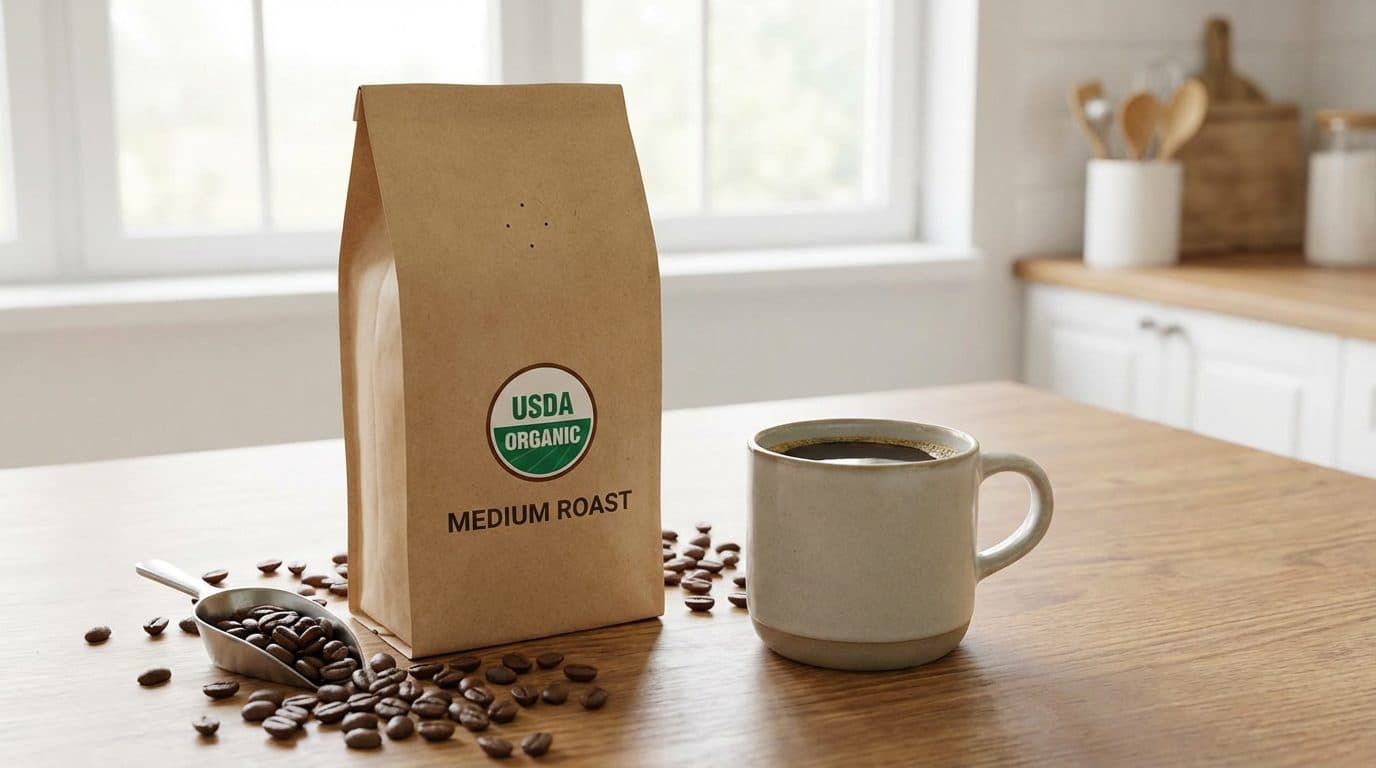
Pros:
- Most affordable mold-free option
- USDA Organic certified
- Third-party tested for contaminants
- Smooth, approachable medium roast
- Good subscription value
Cons:
- Limited roast and blend options
- Less detailed testing information
- Flavor profile not as complex as premium options
If you’re looking to make the switch to clean coffee without breaking the bank, Peak Performance delivers solid quality at a reasonable price point. They focus on doing one thing well rather than offering endless variety.
Who is this for? Budget-conscious health enthusiasts who want verified clean coffee without the premium price tag. Great for families or high-volume drinkers.
Who is this NOT for? Coffee connoisseurs seeking exceptional flavor or those who want multiple roast options.
How to Choose the Right Mold-Free Coffee for You
With several reputable options available, choosing comes down to your specific priorities. Here’s a framework I use when recommending brands:
Consider Your Health Goals
- Maximum purity: Go with Purity Coffee for the most comprehensive testing
- Digestive sensitivity: Lifeboost’s low-acid profile may work better for your stomach
- Keto or butter coffee: Bulletproof integrates seamlessly with your protocol
- Budget-friendly health: Peak Performance offers verified quality at lower cost
Think About Flavor Preferences
Clean coffee doesn’t mean compromising on taste. In fact, high-quality mold-free brands often taste better because they use specialty-grade beans. Consider whether you prefer bright, fruity notes (light roast), balanced smoothness (medium roast), or bold, chocolatey depth (dark roast).
Barista Tip: Start with a medium roast when trying a new clean coffee brand. It gives you the best sense of the bean’s natural quality without the roasting process masking any off-flavors.
Evaluate Your Budget Realistically
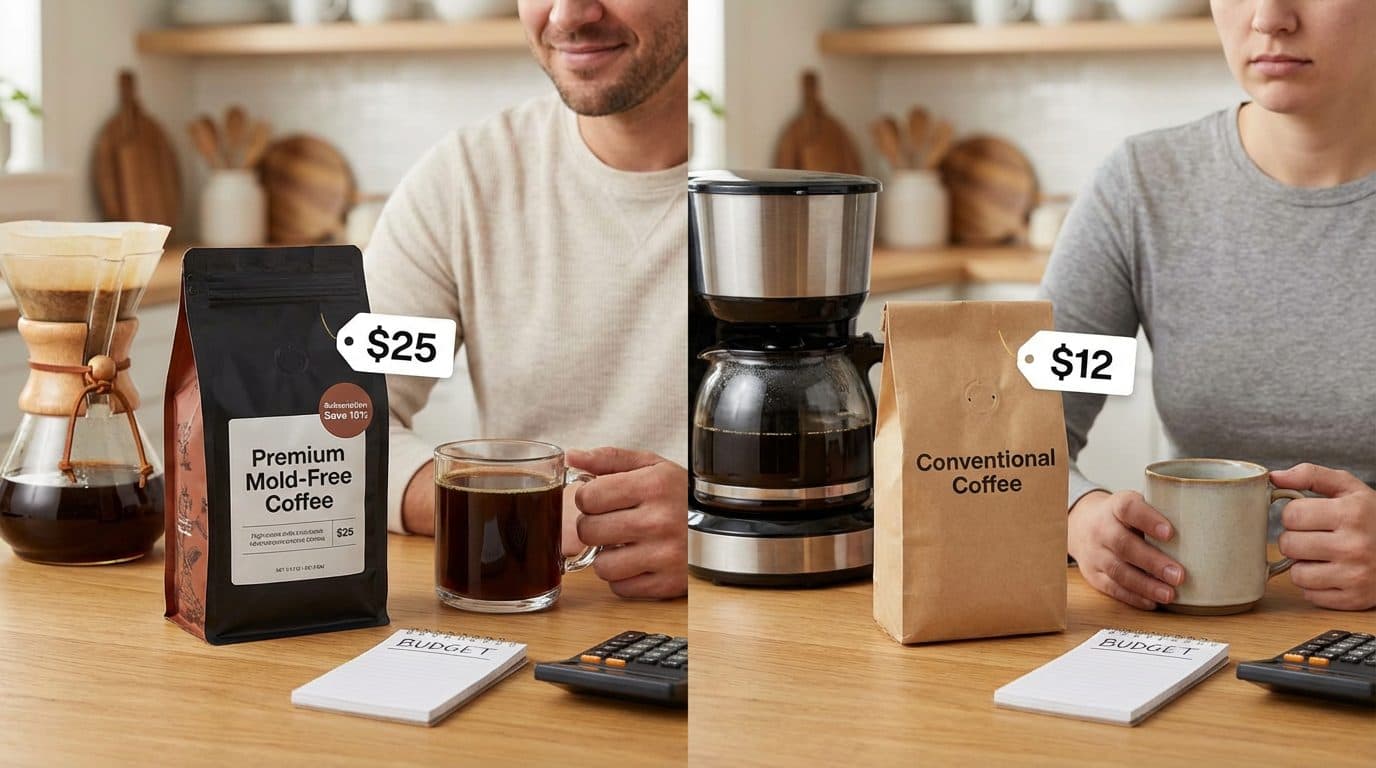
Premium mold-free coffee typically costs $20-30 per bag compared to $8-15 for conventional options. If you drink coffee daily, that adds up. However, many people find that the health benefits and improved taste justify the investment. Subscription options can reduce costs by 10-20%.
Common Myths About Mold in Coffee
Let me address some misconceptions I encounter frequently:
Myth: All coffee contains dangerous levels of mycotoxins. Reality: Most commercial coffee falls within regulatory limits. The concern is more relevant for sensitive individuals or those with high consumption.
Myth: Roasting eliminates all mycotoxins. Reality: While roasting reduces mycotoxin levels significantly, it doesn’t eliminate them entirely. Testing after roasting is still important.
Myth: Organic coffee is automatically mold-free. Reality: Organic certification addresses pesticides, not mycotoxins. Mold can grow on organic beans just as easily as conventional ones.
Myth: You can taste moldy coffee. Reality: Mycotoxins are often undetectable by taste or smell. Lab testing is the only reliable way to verify purity.
Frequently Asked Questions
Does mold-free coffee taste different from regular coffee?
Most people find that quality mold-free coffee actually tastes better than conventional options. This is because brands prioritizing purity also tend to source specialty-grade beans and use careful processing methods. The result is often a cleaner, smoother cup with more nuanced flavors.
Is mycotoxin contamination in coffee really a significant health concern?
For the average healthy person drinking moderate amounts of coffee, mycotoxin exposure from coffee is generally within safe limits. However, sensitive individuals, those with mold allergies, or people consuming large quantities may benefit from switching to tested brands. If you experience unexplained fatigue or brain fog after drinking coffee, it’s worth trying a mold-free option.
How can I verify that a coffee brand is truly mold-free?
Look for brands that publish third-party lab test results, either on their website or upon request. Reputable companies test each batch and can provide certificates of analysis showing mycotoxin levels below detection limits. Be skeptical of brands making claims without testing evidence.
Does brewing method affect mycotoxin levels in coffee?
Brewing method has minimal impact on mycotoxin content since these compounds are relatively stable. The most effective way to reduce exposure is choosing tested, mold-free beans from the start. However, using filtered water and keeping your brewing equipment clean helps prevent introducing new contaminants.
Are decaf mold-free options available?
Yes, several brands offer tested decaf varieties. Purity Coffee and Bulletproof both have decaf options that undergo the same rigorous testing as their regular lines. Look for Swiss Water Process decaf, which uses no chemicals and tends to preserve more of the bean’s natural qualities.
Final Recommendations and Next Steps
Choosing mold-free coffee comes down to balancing purity, taste, and budget. For maximum peace of mind, Purity Coffee remains my top recommendation with its comprehensive testing and transparent lab results. If you’re watching your budget or have acid sensitivity, Lifeboost and Peak Performance offer excellent alternatives that won’t compromise your health goals.
Life is too short for bad coffee, and it’s definitely too short for coffee that makes you feel worse instead of better. Start with one bag from your chosen brand and pay attention to how you feel. Many people notice improved energy, better mental clarity, and fewer coffee-related digestive issues within the first week.
Take the first step today by trying one of these tested brands. Your morning routine, and your health, will thank you.


Comments