


Table of Contents
- What You'll Need for Your Lavender Latte
- Ingredients
- Gear
- How to Make Homemade Lavender Syrup
- Lavender Syrup Ingredients
- Step-by-Step Lavender Syrup Instructions
- Common Lavender Syrup Mistakes to Avoid
- Brewing the Perfect Espresso Base
- Choosing Your Coffee
- Brewing Methods That Work
- Steaming and Frothing Milk for Your Lavender Latte
- Best Milk Choices for Lavender Lattes
- Frothing Technique
- Assembling Your Lavender Latte
- Lavender Latte Variations to Try
- Frequently Asked Questions
- Can I use fresh lavender instead of dried for the syrup?
- How long does homemade lavender syrup last?
- Why does my lavender latte taste like soap?
- Can I make lavender syrup sugar-free?
- What's the best way to store dried lavender?
- Conclusion and Final Tips
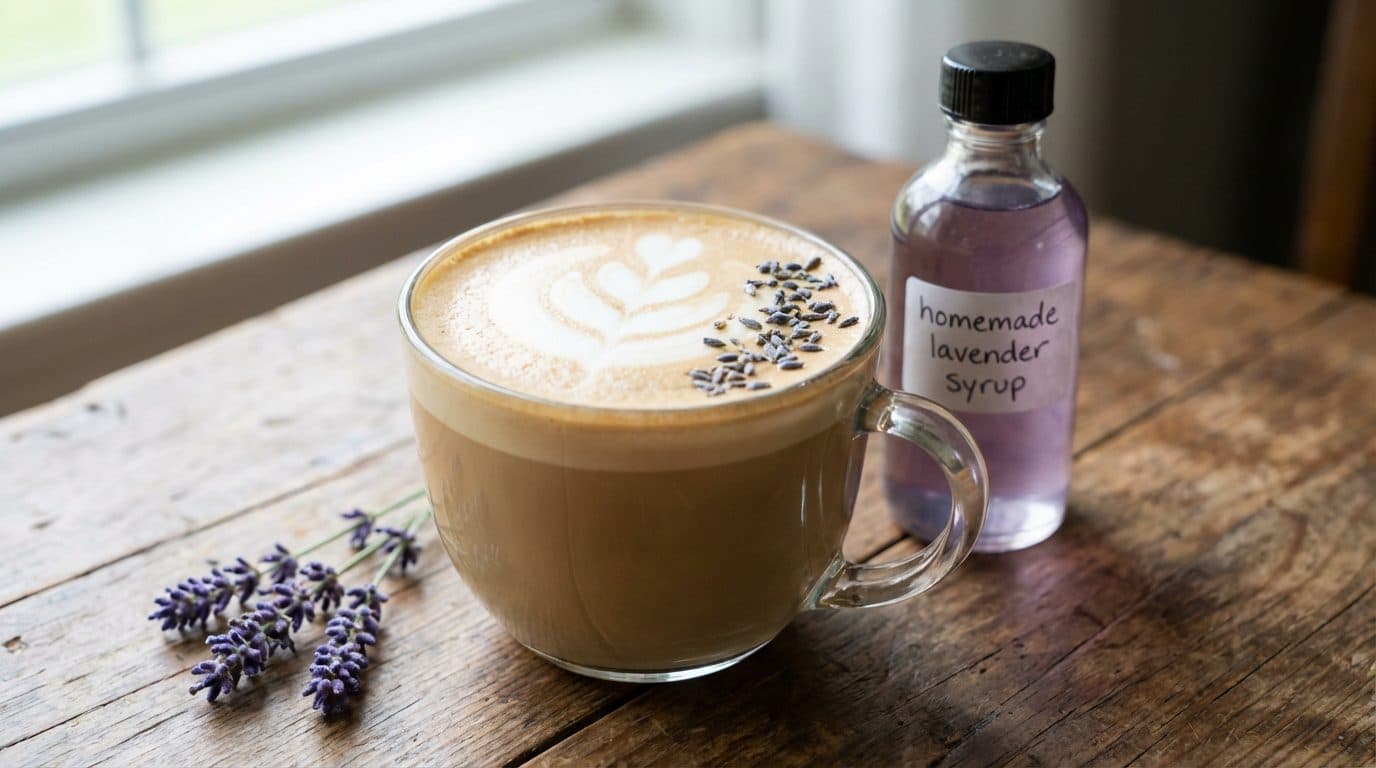
Have you ever walked past a specialty coffee shop and caught that unmistakable, soothing scent of lavender wafting through the air? That floral, slightly sweet aroma mixing with rich espresso is enough to stop anyone in their tracks. The lavender latte has become a café favorite for good reason—it’s elegant, calming, and surprisingly easy to make at home once you know the secrets to crafting the perfect lavender syrup.
In this guide, I’ll walk you through everything you need to create a café-quality lavender latte in your own kitchen. You’ll learn how to make homemade lavender syrup that’s far superior to store-bought versions, master the brewing and steaming techniques, and discover tips I’ve picked up over years of experimenting with floral coffee drinks. By the end, you’ll be sipping on a perfectly balanced lavender latte that rivals anything from your local coffee shop.
What You’ll Need for Your Lavender Latte
Ingredients
- Espresso: 2 shots (about 60ml) or 1/2 cup strong brewed coffee
- Milk: 1 cup of your preferred milk (whole milk froths best, but oat milk is a fantastic dairy-free option)
- Lavender syrup: 1-2 tablespoons (recipe below)
- Dried culinary lavender: For the syrup and optional garnish
Gear
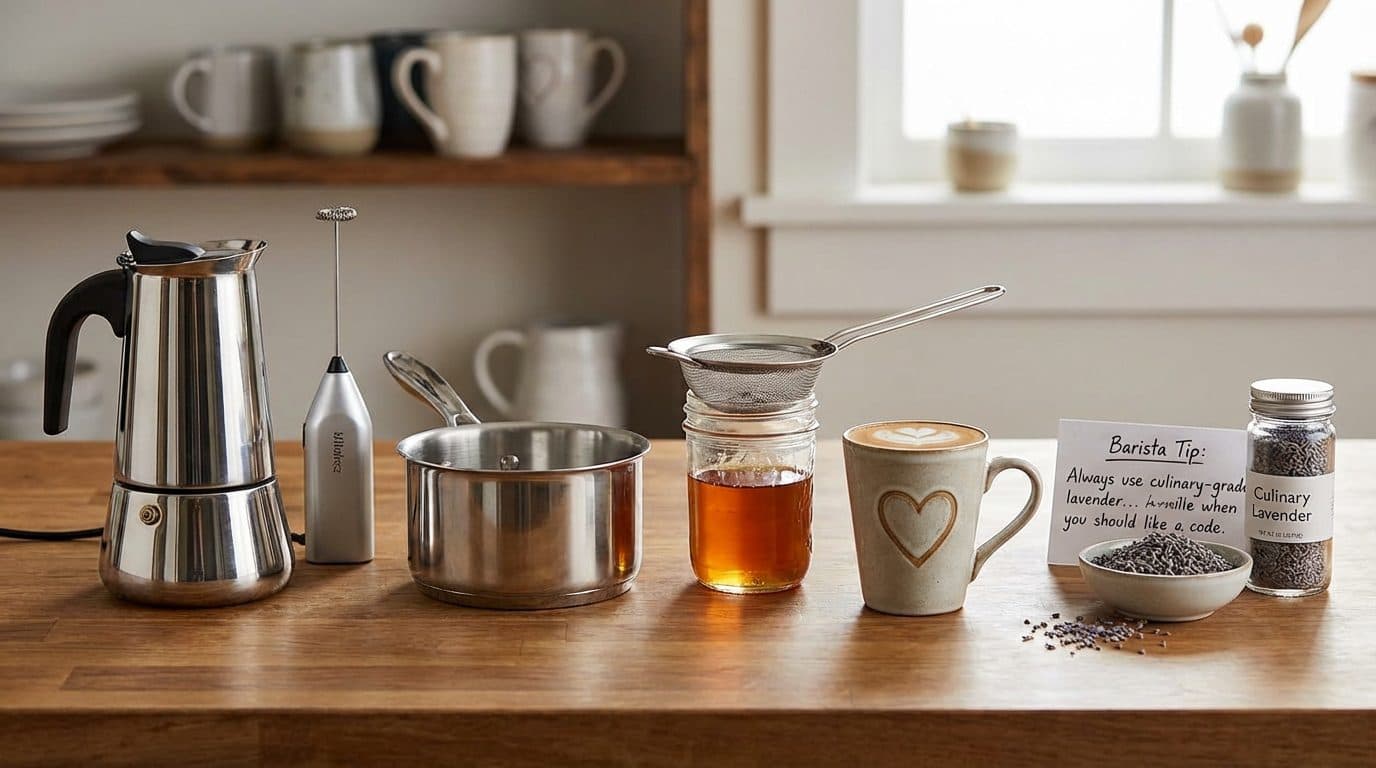
- Espresso machine, Moka pot, or AeroPress
- Milk frother or steam wand
- Small saucepan for making syrup
- Fine-mesh strainer or cheesecloth
- Glass jar for storing syrup
- Your favorite latte mug
Barista Tip: Always use culinary-grade lavender, not the decorative kind from craft stores. Culinary lavender is grown without pesticides and processed specifically for consumption. You can find it at specialty grocery stores, health food shops, or online.
How to Make Homemade Lavender Syrup
This lavender syrup recipe is the heart and soul of your latte. Store-bought options often taste artificial or overpoweringly floral. When you make your own, you control the intensity and sweetness, resulting in a much more balanced flavor. I’ve found that homemade syrup keeps for about two weeks in the refrigerator, so you can enjoy lavender lattes all week long.
Lavender Syrup Ingredients
- 1 cup water
- 1 cup granulated sugar (or honey for a slightly different flavor profile)
- 2 tablespoons dried culinary lavender
Step-by-Step Lavender Syrup Instructions
- Combine water and sugar in a small saucepan over medium heat. Stir until the sugar completely dissolves. This should take about 3-4 minutes.
- Add the dried lavender once the sugar is dissolved. Stir gently to incorporate.
- Reduce heat to low and let the mixture simmer for 10-15 minutes. The liquid will turn a beautiful pale purple color.
- Remove from heat and let the syrup steep for an additional 15-30 minutes. The longer it steeps, the stronger the lavender flavor becomes.
- Strain the syrup through a fine-mesh strainer or cheesecloth into a clean glass jar. Press gently on the lavender buds to extract every bit of flavor.
- Let it cool completely before sealing and refrigerating.
Barista Tip: If you prefer a more subtle lavender flavor, steep for only 10 minutes. For an intense floral experience, let it steep for the full 30 minutes. In my experience, 20 minutes hits the sweet spot for most people.
Common Lavender Syrup Mistakes to Avoid
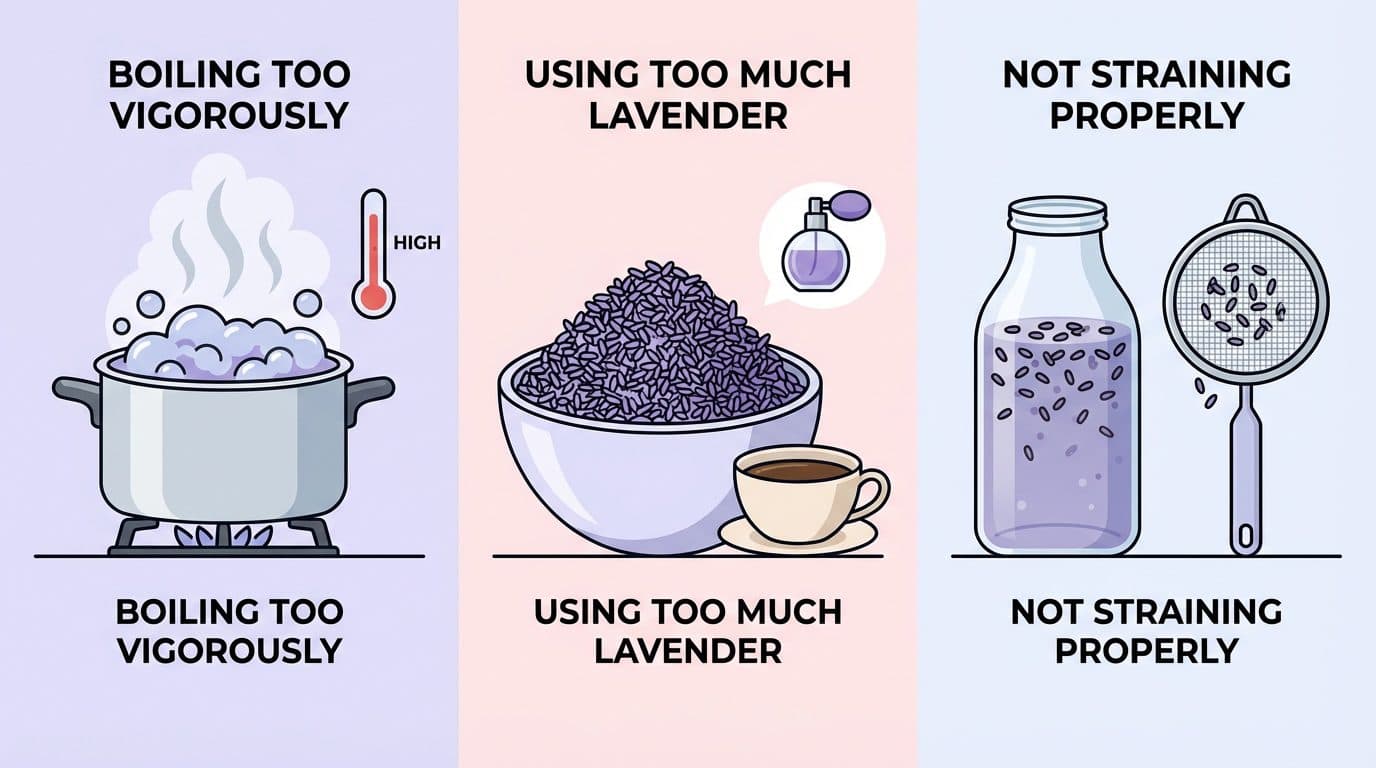
I’ve made plenty of mistakes while perfecting this lavender syrup recipe. Here’s what to watch out for:
- Boiling too vigorously: High heat can make the syrup taste bitter and destroy delicate floral notes. Keep it at a gentle simmer.
- Using too much lavender: More isn’t always better. Excess lavender creates a soapy, perfume-like taste that’s unpleasant in coffee.
- Not straining properly: Lavender buds left in the syrup will continue releasing flavor and can make it overpowering over time.
Brewing the Perfect Espresso Base
The espresso you pair with your lavender syrup matters more than you might think. Lavender has delicate floral notes that can easily get lost if your coffee is too bold or too weak. I’ve tested countless combinations, and I’ve found that medium to medium-dark roasts work best with lavender lattes.
Choosing Your Coffee
Look for espresso beans with chocolate, caramel, or nutty flavor notes. These complement lavender beautifully without competing with it. Avoid extremely fruity or acidic coffees, as they can clash with the floral sweetness of the syrup.
| Roast Level | Flavor Notes | Lavender Pairing |
|---|---|---|
| Light Roast | Fruity, bright, acidic | Not recommended |
| Medium Roast | Balanced, caramel, nutty | Excellent pairing |
| Medium-Dark | Chocolate, smooth, low acidity | Best pairing |
| Dark Roast | Bold, smoky, bitter | Can overwhelm lavender |
Brewing Methods That Work
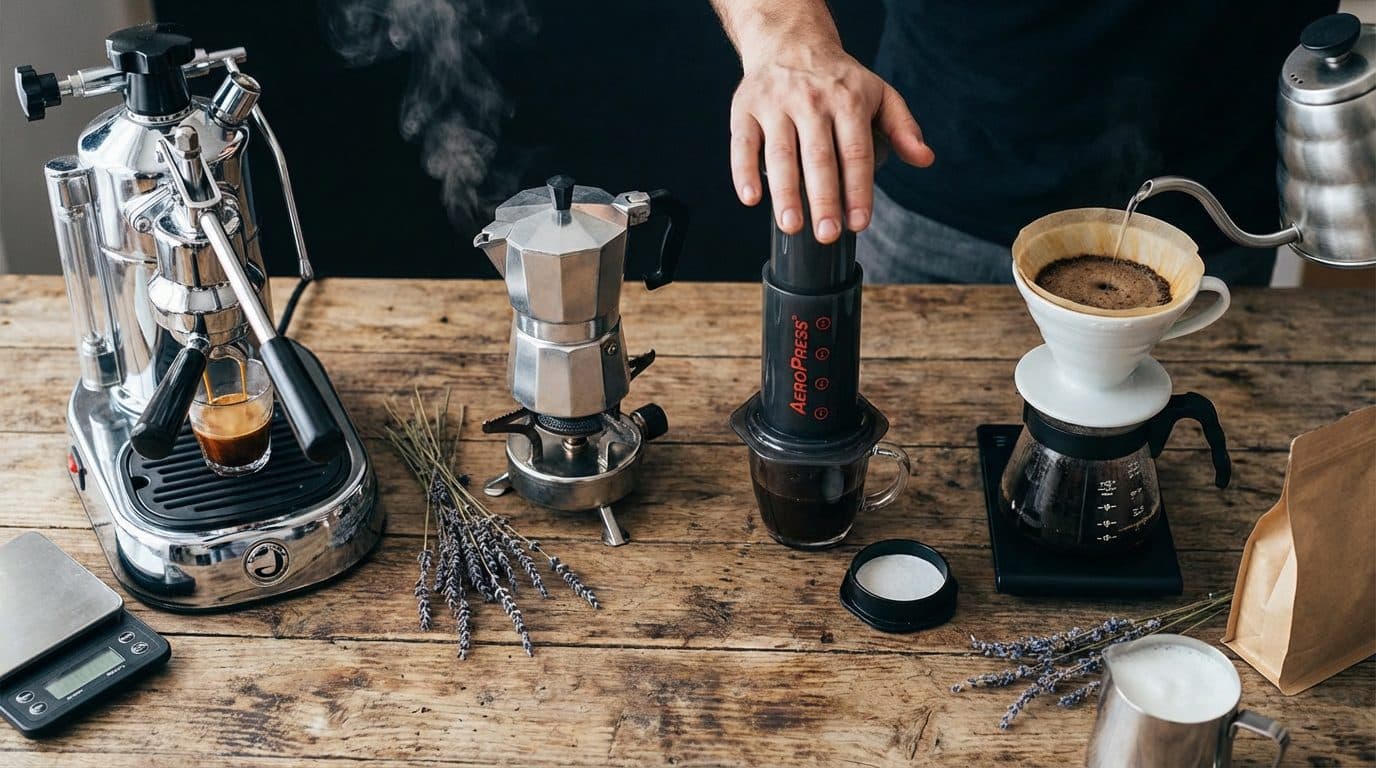
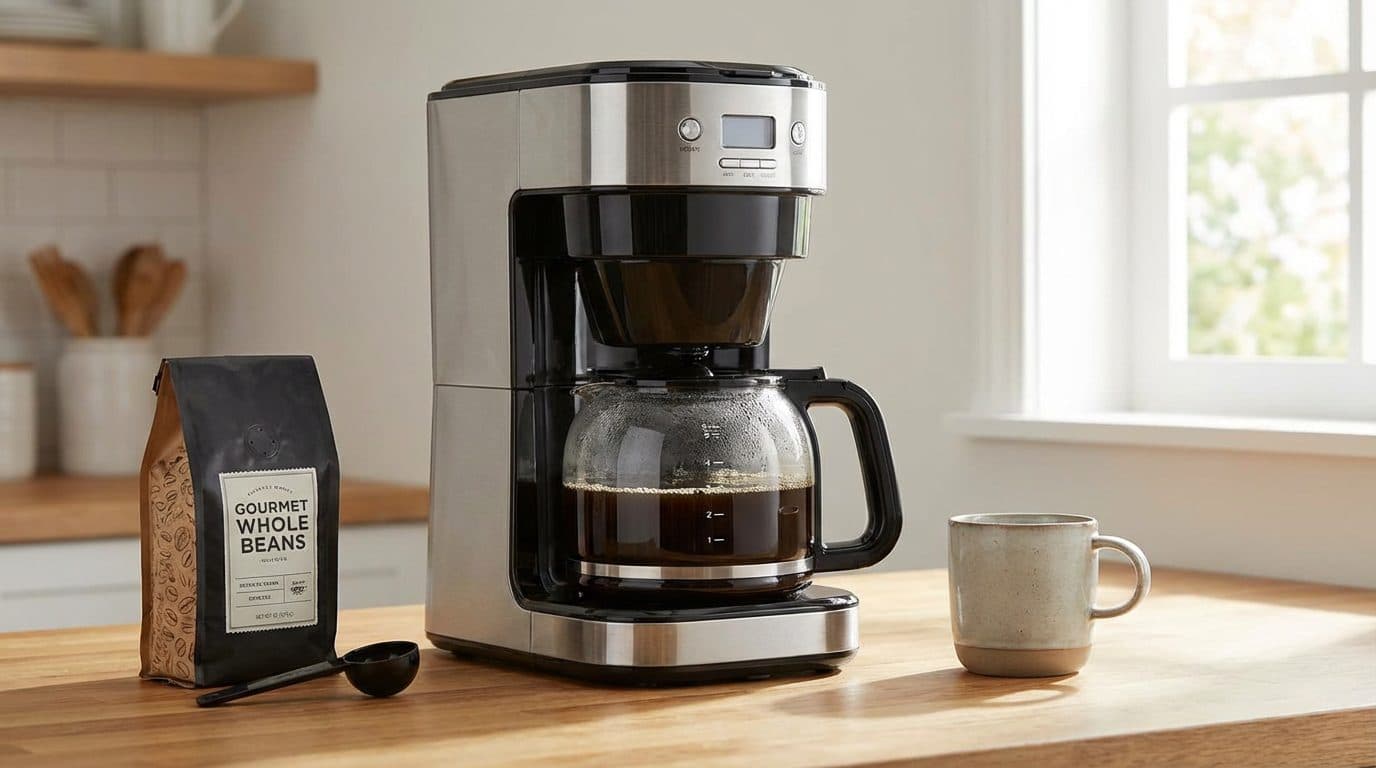
You don’t need an expensive espresso machine to make a great lavender latte. Here are your options:
- Espresso machine: Pull a standard double shot (about 18-20 grams of coffee yielding 36-40 grams of espresso in 25-30 seconds).
- Moka pot: Produces a strong, concentrated coffee that works well. Use finely ground coffee and don’t overheat.
- AeroPress: Use the concentrated method with less water for an espresso-like result.
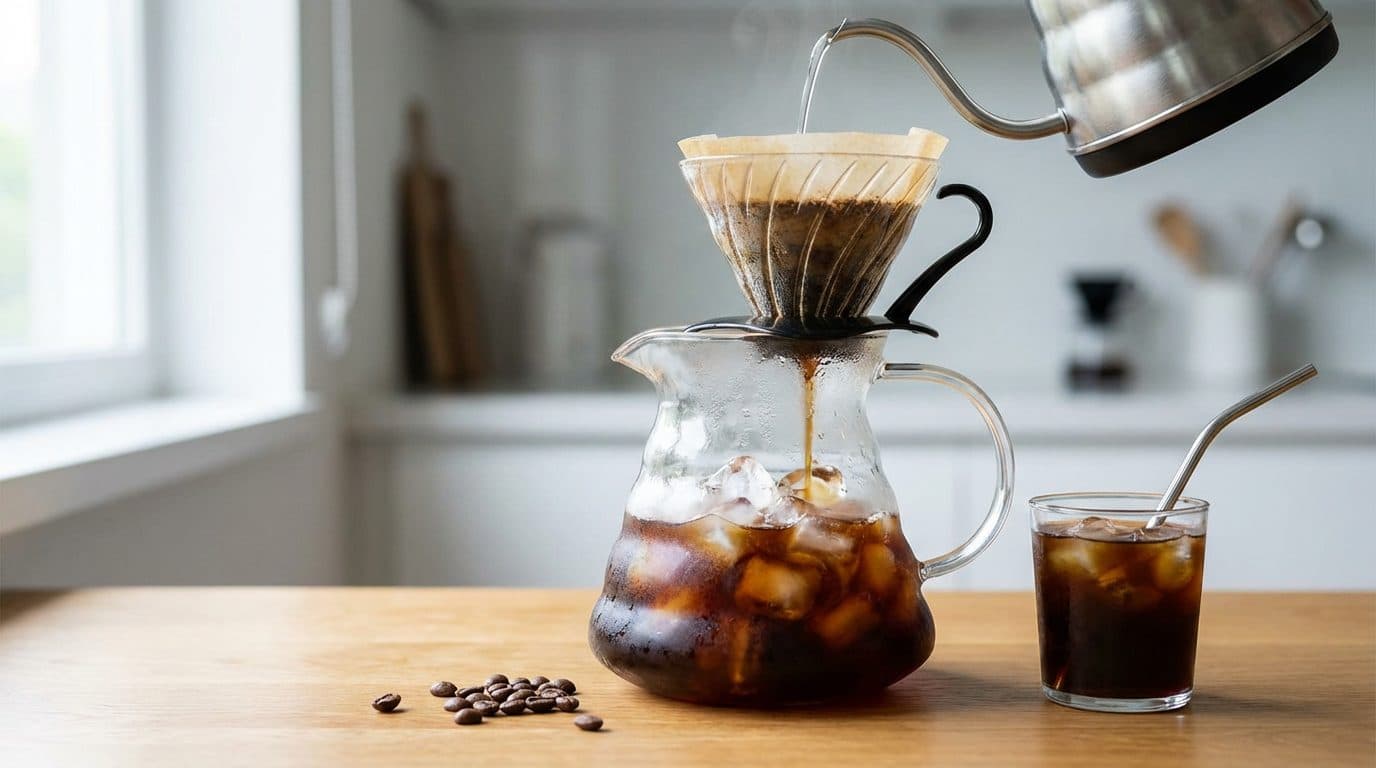
- Strong pour-over: In a pinch, a strong pour-over can substitute, though the latte will be less creamy.
Taste Profile: When done right, your lavender latte should taste smooth and sweet with gentle floral undertones. The espresso provides a rich, slightly bitter backbone, while the lavender adds an elegant, calming note that lingers on the palate.
Steaming and Frothing Milk for Your Lavender Latte
The milk component of your lavender latte deserves just as much attention as the espresso and syrup. Properly steamed milk creates that silky, velvety texture that makes lattes so satisfying. It also helps blend the lavender syrup seamlessly throughout the drink.
Best Milk Choices for Lavender Lattes
Not all milks froth equally, and each brings different characteristics to your latte:
- Whole milk: Creates the creamiest foam and most traditional latte experience. The fat content helps carry the lavender flavor beautifully.
- Oat milk: My top dairy-free recommendation. It’s naturally sweet, froths well, and pairs wonderfully with floral flavors.
- Almond milk: Adds a subtle nuttiness that can complement lavender, though it doesn’t froth as well.
- Coconut milk: Creates interesting tropical-floral notes but can be thin when frothed.
Frothing Technique
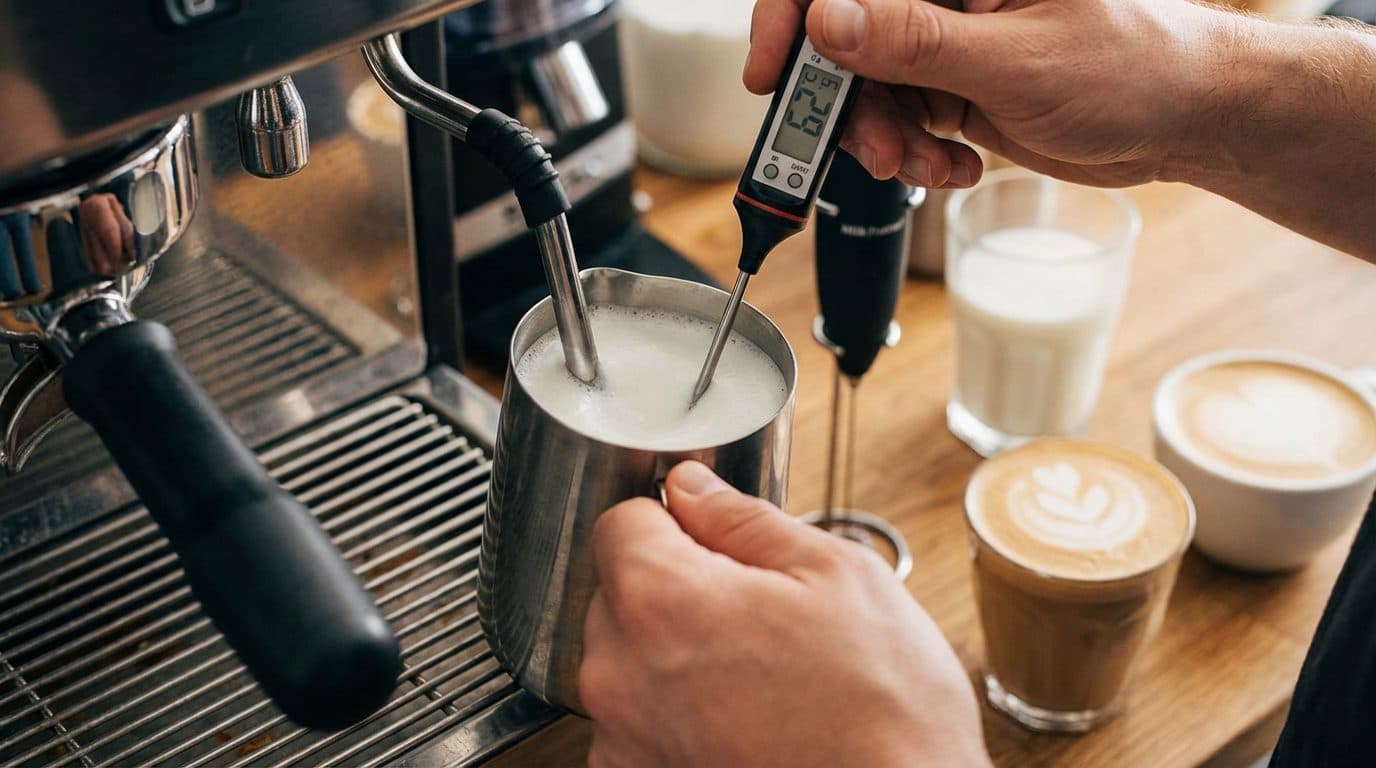
Whether you’re using a steam wand or a handheld frother, aim for microfoam—tiny, uniform bubbles that create a glossy, paint-like texture. Start with cold milk and stop frothing when the milk reaches about 60-65°C (140-150°F). Beyond this temperature, milk loses its natural sweetness and can develop a burnt taste.
For a classic latte, you want about 1cm of foam on top. If you prefer a flat white style with less foam, stop frothing earlier and hold back the foam when pouring.
Assembling Your Lavender Latte
Now comes the rewarding part—bringing everything together. The order matters here for the best flavor integration.
- Add lavender syrup first: Pour 1-2 tablespoons of your homemade lavender syrup into your latte mug. Start with less; you can always add more.
- Pull your espresso: Brew your espresso directly over the syrup if possible. The hot espresso will help dissolve and activate the syrup’s flavors.
- Stir briefly: Give the espresso and syrup a quick stir to combine.
- Pour your steamed milk: Pour the milk from about 3-4 inches above the cup initially, then bring the pitcher closer as the cup fills. This creates nice layering.
- Garnish (optional): Sprinkle a few dried lavender buds on top for visual appeal and an extra aromatic hit.
Barista Tip: If your latte tastes too sweet, try adding a tiny pinch of sea salt. It sounds counterintuitive, but salt actually suppresses bitterness and enhances other flavors without making the drink taste salty.
Lavender Latte Variations to Try
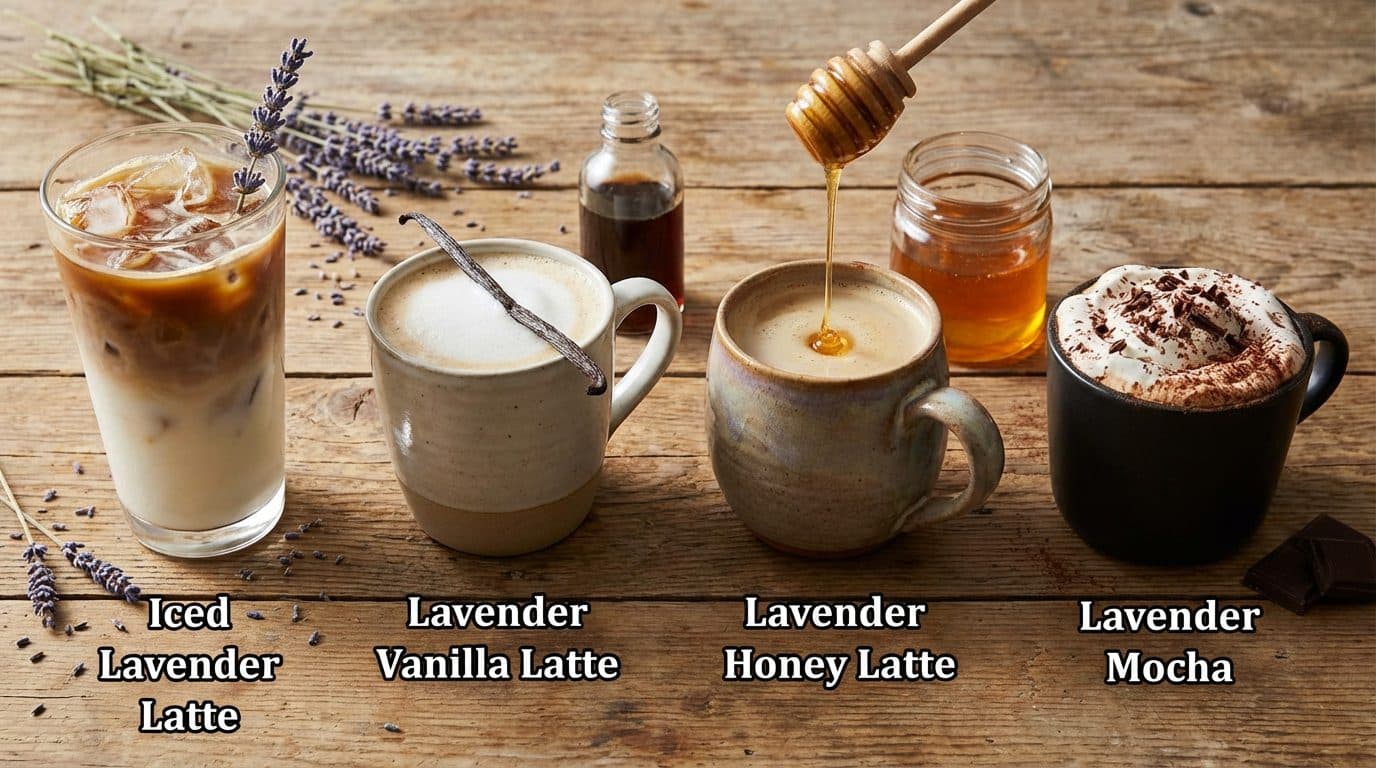
Once you’ve mastered the basic lavender latte recipe, you can start experimenting with variations. Here are some of my favorites:
- Iced lavender latte: Combine espresso and syrup, pour over ice, then top with cold milk. Perfect for warm days.
- Lavender vanilla latte: Add 1/4 teaspoon of vanilla extract to your syrup while cooking for a richer, more complex flavor.
- Lavender honey latte: Replace sugar with honey in your syrup recipe for a more rustic, earthy sweetness.
- Lavender mocha: Add a tablespoon of chocolate sauce to the cup before pouring. Chocolate and lavender create an unexpectedly delicious combination.
- London fog latte: Replace espresso with strongly brewed Earl Grey tea for a caffeine-lighter option that’s equally soothing.
Frequently Asked Questions
Can I use fresh lavender instead of dried for the syrup?
Yes, you can use fresh lavender, but you’ll need about three times the amount since fresh herbs are less concentrated. Use roughly 6 tablespoons of fresh lavender buds per cup of water. Make sure they’re culinary grade and haven’t been treated with pesticides.
How long does homemade lavender syrup last?
Stored in a clean, airtight glass jar in the refrigerator, your lavender syrup will stay fresh for about 2-3 weeks. If you notice any cloudiness, off smells, or mold, discard it immediately. To extend shelf life, some people add a tablespoon of vodka as a preservative.
Why does my lavender latte taste like soap?
This usually means you’ve used too much lavender in your syrup or steeped it for too long. Lavender contains compounds called linalyl acetate and linalool, which can taste soapy when concentrated. Start with less lavender and shorter steeping times until you find your preferred intensity.
Can I make lavender syrup sugar-free?
You can substitute sugar with alternatives like erythritol, monk fruit sweetener, or stevia. Keep in mind that these don’t create quite the same syrupy consistency, but they’ll still carry the lavender flavor well. Reduce the amount since many sugar substitutes are sweeter than regular sugar.
What’s the best way to store dried lavender?
Keep your culinary lavender in an airtight container away from direct sunlight and heat. A cool, dark pantry is ideal. Properly stored, dried lavender maintains its flavor for up to a year, though it’s most potent in the first six months.
Conclusion and Final Tips
Making a lavender latte at home is one of those simple pleasures that feels far more luxurious than the effort involved. With a batch of homemade lavender syrup in your refrigerator, you’re always just minutes away from a calming, beautifully aromatic coffee drink. The key is balance—letting the floral notes enhance your espresso rather than overwhelm it.
Start with the basic lavender latte recipe I’ve outlined, then adjust the syrup quantity to match your personal taste. Some mornings call for a subtle hint of lavender, while others deserve the full floral experience. Life is too short for bad coffee, and now you have everything you need to ensure your lattes are anything but ordinary. Grab your favorite mug, brew that espresso, and treat yourself to the café experience right at home.

Comments