


Table of Contents
- What Is a Puck Screen and How Does It Work?
- The Anatomy of a Puck Screen
- Do Puck Screens Actually Keep Your Group Head Cleaner?
- The Science Behind the Cleaner Group Head
- Real-World Results: What to Expect
- Beyond Cleanliness: Other Benefits of Puck Screens
- Improved Water Distribution
- Reduced Channeling
- Protection for Your Shower Screen
- The Downsides: What Puck Screens Won't Solve
- Reduced Headspace in Your Portafilter
- An Extra Item to Clean
- Potential Flavor Impact
- They Can Stick to Wet Pucks
- Choosing the Right Puck Screen for Your Budget Setup
- Material Quality
- Thickness Considerations
- Hole Pattern and Size
- Budget-Friendly Recommendations
- Frequently Asked Questions
- Do puck screens affect espresso taste?
- How often should I clean my puck screen?
- Will a puck screen work with any espresso machine?
- Can I use a puck screen with a pressurized basket?
- Are expensive puck screens worth the extra cost?
- Final Verdict: Are Puck Screens Worth It for Cleaner Group Heads?
Have you ever pulled a beautiful espresso shot, only to look up at your group head and see a mess of coffee grounds stuck to the shower screen? It’s one of those minor annoyances that can turn your morning ritual into a cleaning chore. Puck screens have been making waves in the home barista community, with many claiming they’re the secret to a pristine group head. But do puck screens actually keep your group head cleaner, or is it just another piece of gear collecting dust in your espresso drawer?
In this article, I’ll break down exactly what puck screens do, how they affect group head cleanliness, and whether they’re worth adding to your budget-friendly setup. You’ll also discover some unexpected benefits (and drawbacks) that might surprise you.
What Is a Puck Screen and How Does It Work?
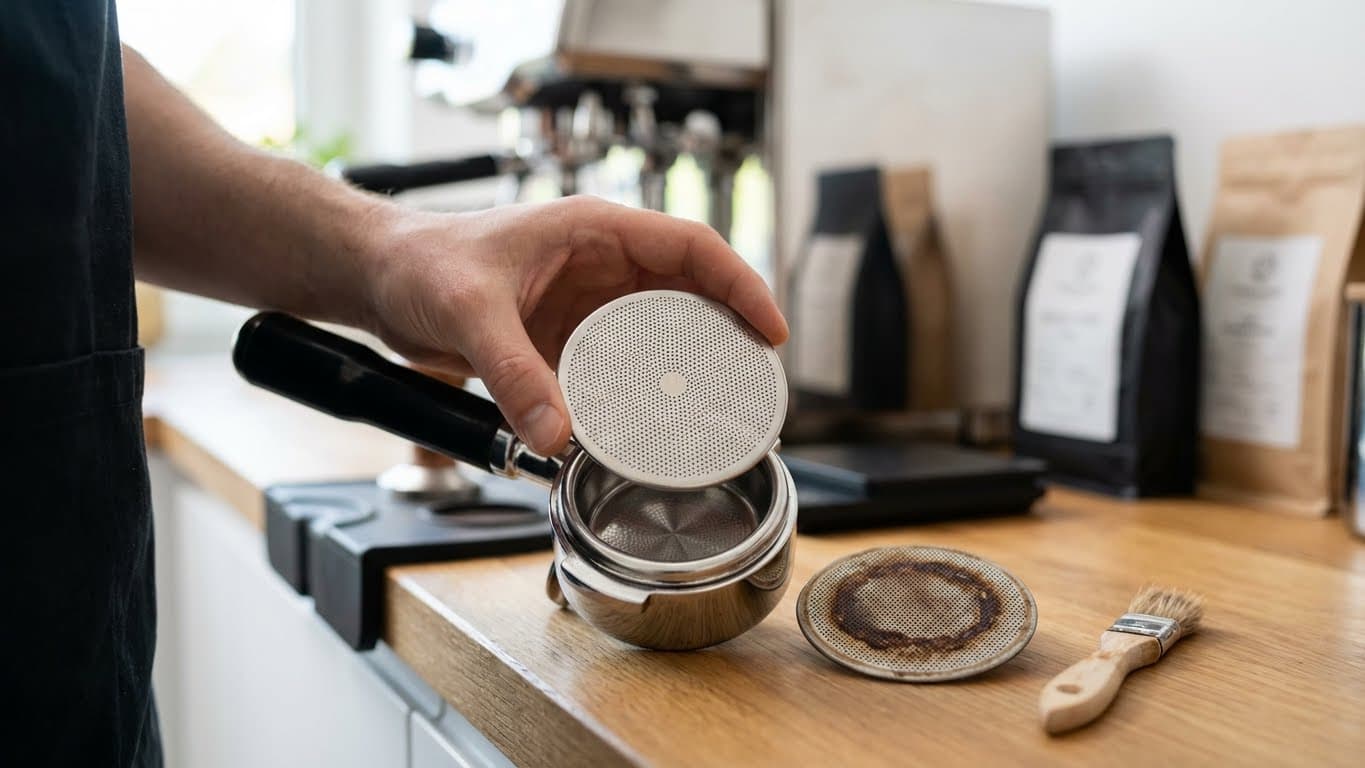
A puck screen is a thin, circular metal disc—usually made from stainless steel—that sits on top of your coffee puck inside the portafilter. Think of it as a protective barrier between your ground coffee and the group head’s shower screen. The screen is typically perforated with tiny holes that allow water to flow through evenly while keeping coffee grounds contained.
When you lock in your portafilter and start the extraction, water passes through the shower screen, hits the puck screen first, and then disperses across the coffee bed. This creates a buffer zone that prevents direct contact between the wet coffee grounds and the group head above.
The Anatomy of a Puck Screen
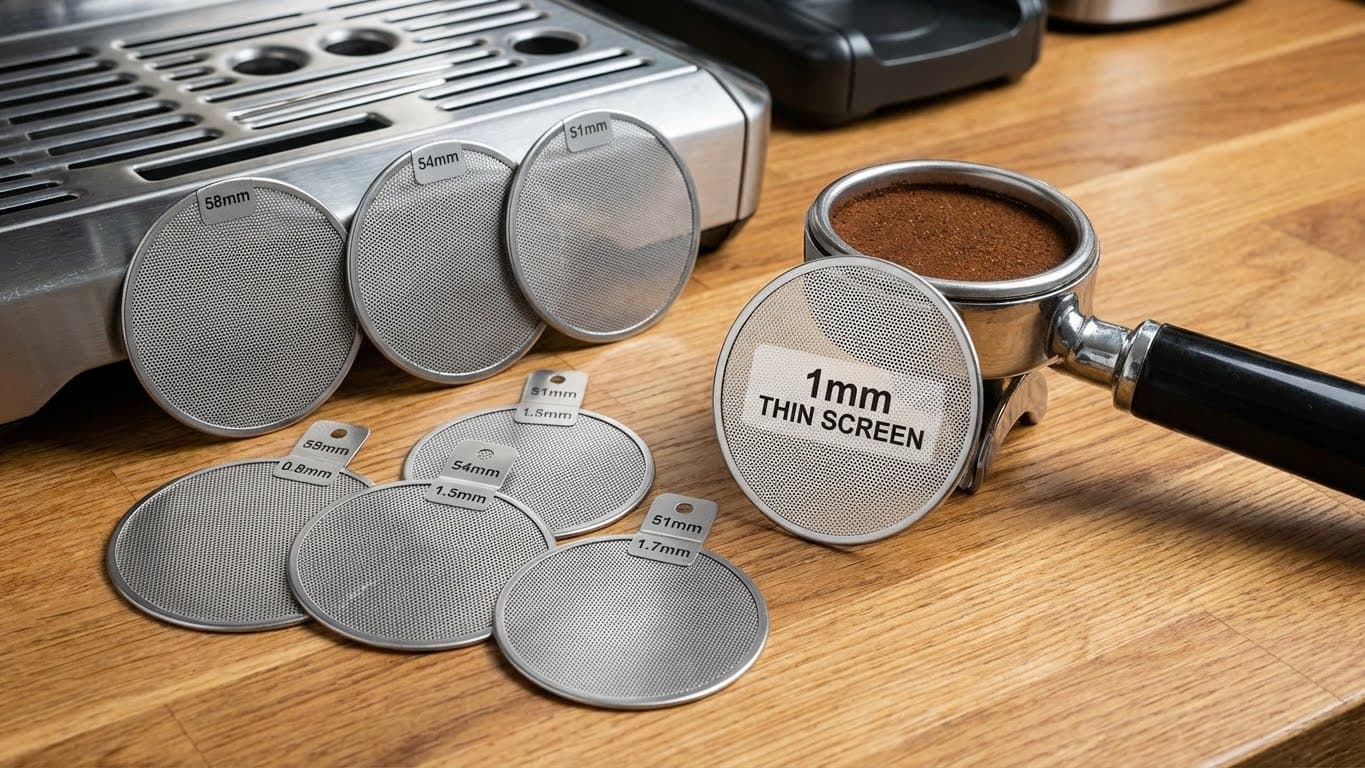
Most puck screens share similar characteristics:
- Material: Food-grade stainless steel (304 or 316 grade)
- Thickness: Usually between 0.8mm and 1.7mm
- Diameter: Sized to fit standard 58mm, 54mm, or 51mm portafilters
- Hole pattern: Etched or laser-cut microholes for even water distribution
In my experience, thinner screens (around 1mm) work best for most home setups. They don’t reduce headspace too dramatically, which means you can still dose your usual amount of coffee without overflow issues.
Do Puck Screens Actually Keep Your Group Head Cleaner?
Here’s the short answer: yes, puck screens do help keep your group head noticeably cleaner. But let me explain why this happens and what you can realistically expect.
The Science Behind the Cleaner Group Head
During espresso extraction, pressure forces water through your coffee puck. Without a puck screen, fine coffee particles and oils can travel upward and stick to the shower screen. Over time, this creates a buildup of rancid oils and stale grounds that affects both hygiene and flavor.
A puck screen acts as a physical filter that traps these particles. When you remove the portafilter after a shot, most of the mess stays on the puck screen rather than migrating to your group head. I’ve found that my shower screen stays visibly cleaner for much longer between deep cleanings when using a puck screen consistently.
Real-World Results: What to Expect
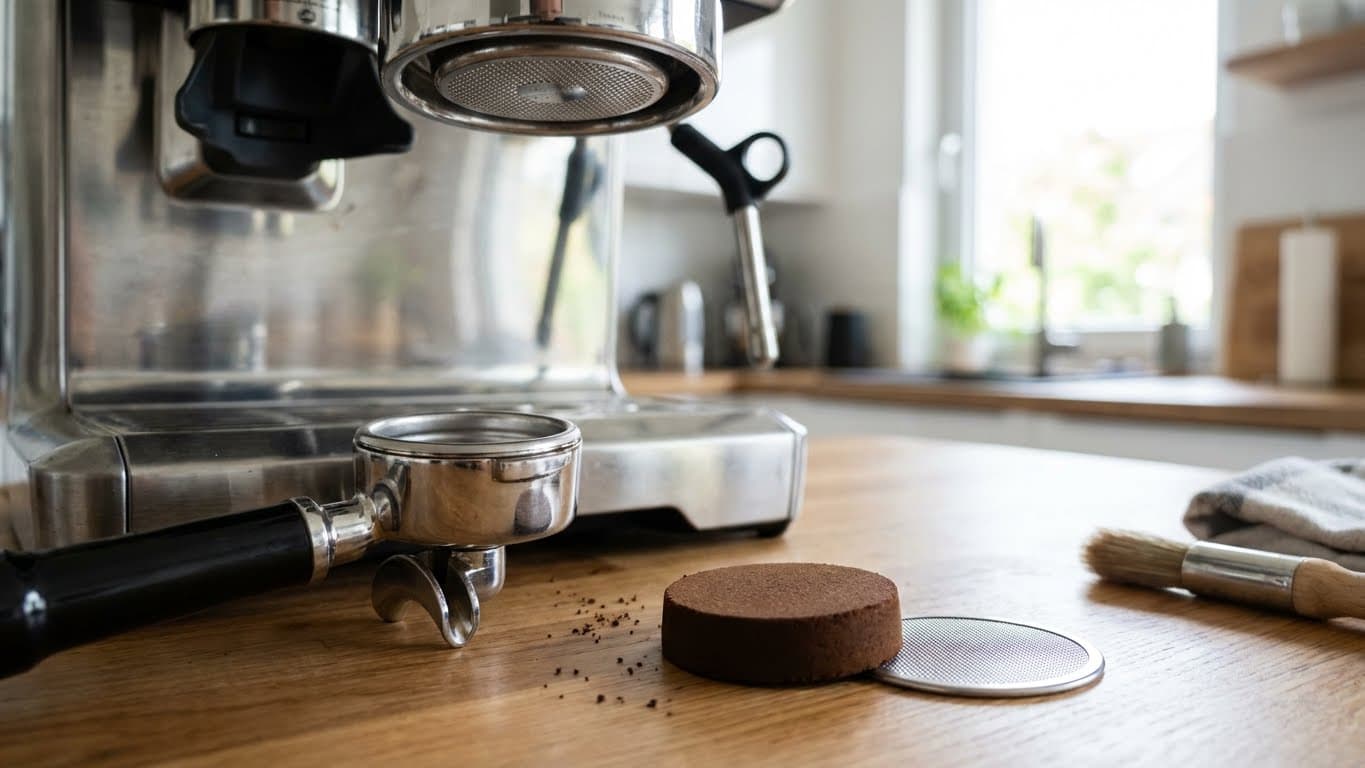
After months of testing with and without puck screens on my home machine, here’s what I’ve observed:
- Immediate difference: The shower screen shows almost no visible coffee residue after shots
- Reduced backflush frequency: I went from backflushing every 2-3 days to once a week
- Cleaner puck removal: The spent puck tends to knock out more cleanly as a solid disc
- Less buildup in the group gasket area: Fewer stray grounds getting trapped around the edges
To sum up: puck screens won’t eliminate the need for regular cleaning entirely, but they significantly reduce the daily grime that accumulates in your group head.
Beyond Cleanliness: Other Benefits of Puck Screens
While the cleanliness factor might be what catches your attention, puck screens offer several additional advantages that make them even more appealing for budget-conscious home baristas.
Improved Water Distribution
The perforated design of a quality puck screen helps distribute water more evenly across the coffee bed. This is especially beneficial if your machine has a less-than-perfect shower screen or if you’re working with a budget espresso machine that doesn’t have the most uniform water dispersion.
Think of it as adding a second layer of water distribution. The shower screen spreads the water initially, and the puck screen spreads it again right before it contacts your coffee. This can lead to more even extractions and better-tasting shots.
Reduced Channeling
Channeling—when water finds the path of least resistance and punches through specific spots in your puck—is the enemy of great espresso. A puck screen helps prevent the initial burst of water from disrupting your carefully prepared coffee bed. In my experience, shots tend to be more forgiving of minor puck prep imperfections when using a screen.
Protection for Your Shower Screen
If you’ve ever tried removing a shower screen for cleaning on some machines, you know it can be a delicate operation. By reducing the amount of coffee residue that contacts it, a puck screen extends the time between those deep-cleaning sessions and potentially extends the life of your shower screen components.
The Downsides: What Puck Screens Won’t Solve
I wouldn’t be giving you the full picture if I only talked about the benefits. Puck screens have some limitations and minor inconveniences you should consider.
Reduced Headspace in Your Portafilter
Adding even a 1mm screen to your portafilter means you have less room for coffee. Depending on your basket and typical dose, you might need to reduce your coffee amount by a gram or so. This isn’t a dealbreaker, but it requires some adjustment to your workflow.
An Extra Item to Clean
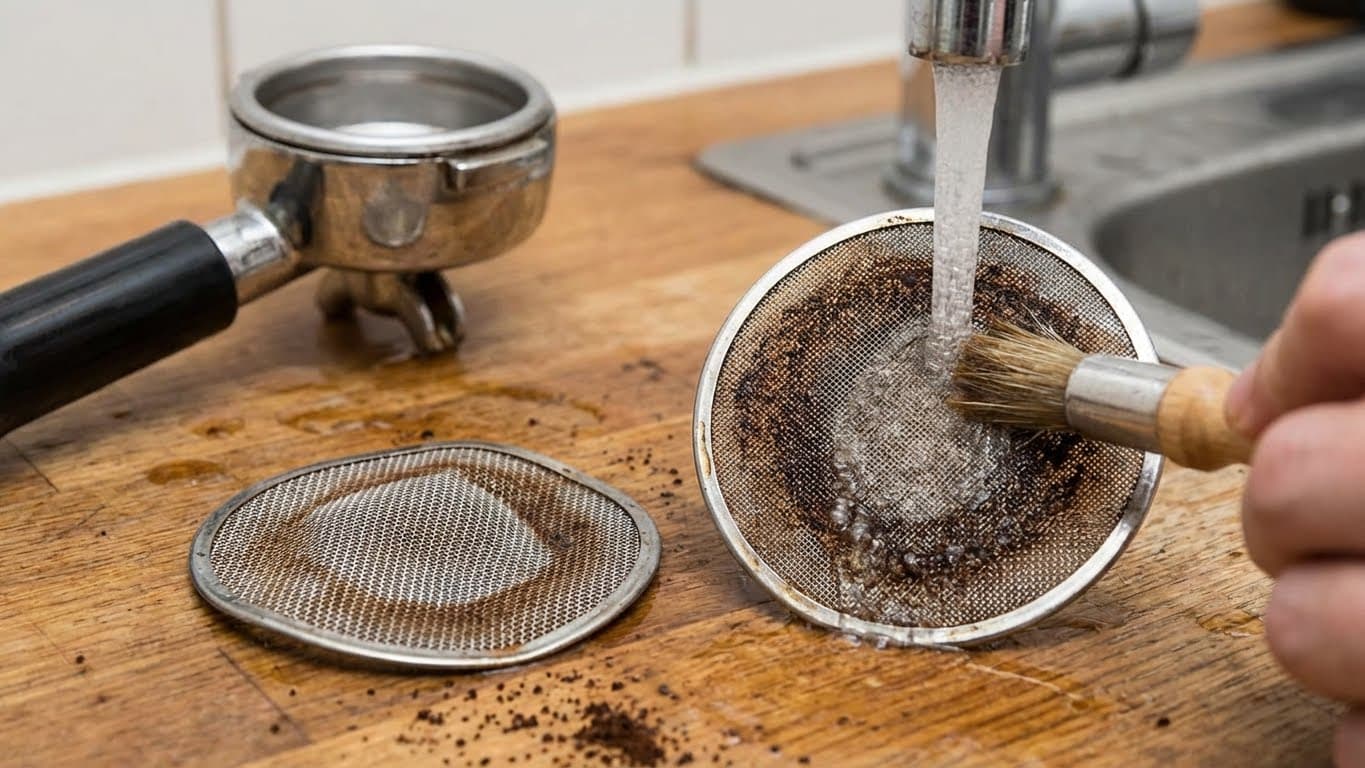
Here’s the irony: the thing that keeps your group head cleaner needs to be cleaned itself. After each shot, you’ll need to rinse the puck screen. Coffee oils build up quickly on the metal surface, and if you don’t clean it regularly, you’re just transferring old coffee flavors to your fresh shots.
Most baristas find a quick rinse under hot water sufficient for daily use, with occasional soaking in espresso machine cleaner for deeper cleaning.
Potential Flavor Impact
Some purists argue that puck screens slightly alter extraction dynamics and can affect flavor. In my experience, any difference is subtle and often positive—shots tend to taste slightly cleaner and more balanced. However, if you’re chasing a very specific flavor profile, be prepared for minor adjustments.
They Can Stick to Wet Pucks
After pulling a shot, the puck screen sometimes sticks to the wet coffee puck when you knock it out. Other times, it stays attached to the group head momentarily. It’s a minor annoyance, but something to be aware of in your workflow.
Choosing the Right Puck Screen for Your Budget Setup
Not all puck screens are created equal, and price doesn’t always indicate quality. Here’s what to look for when shopping on a budget.
Material Quality
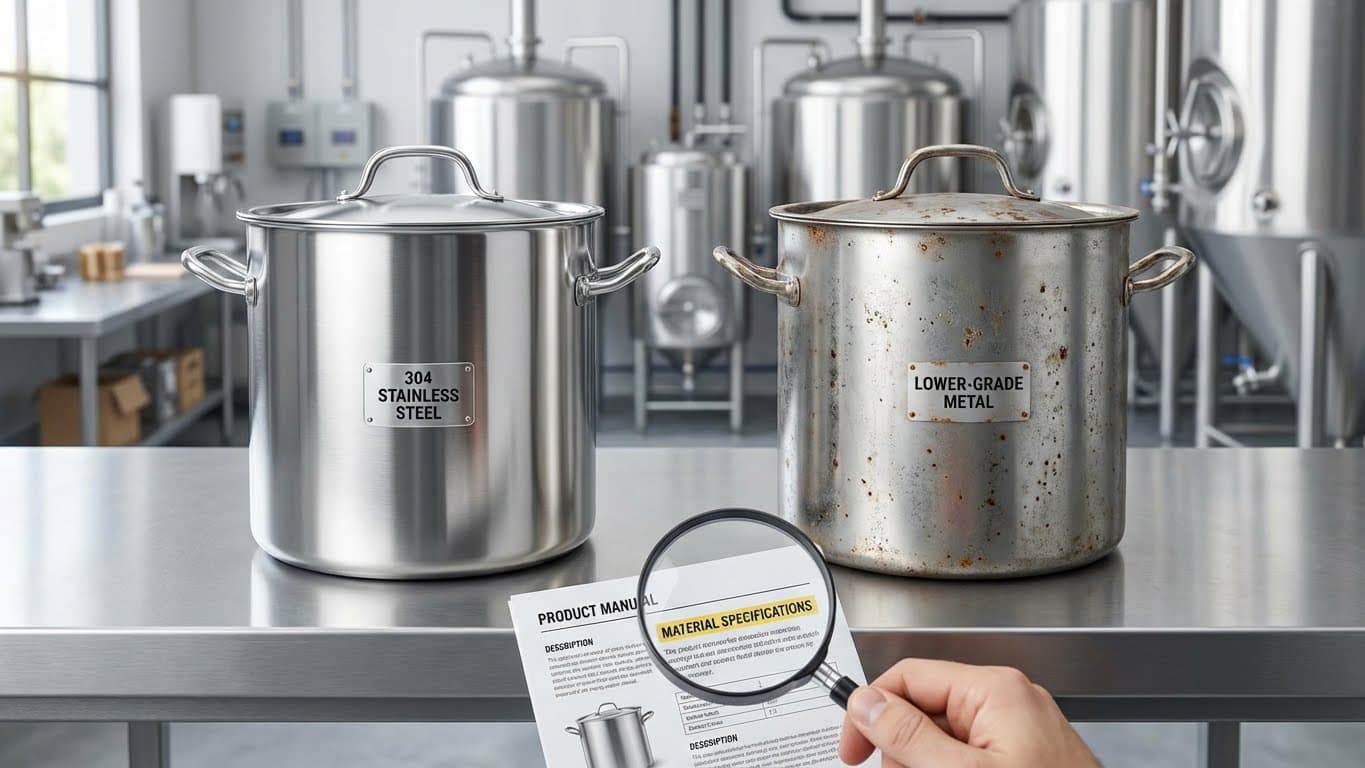
Stick with 304 or 316 stainless steel. Lower-grade metals can corrode or impart off-flavors over time. Most reputable budget options use food-safe stainless steel, but always check the product description.
Thickness Considerations
For most home setups, a thickness between 1.0mm and 1.5mm hits the sweet spot. Thinner screens are easier to accommodate in your portafilter but may be less durable. Thicker screens last longer but eat into your dosing headroom.
Hole Pattern and Size
Look for screens with uniform, small perforations. Laser-etched holes tend to be more consistent than mechanically punched ones. The goal is even water flow without any large gaps that could cause localized channeling.
Budget-Friendly Recommendations
You don’t need to spend a fortune on a puck screen. Many excellent options fall in the $10-$25 range. Generic screens from reputable kitchen accessory brands often perform just as well as premium “espresso specialist” versions that cost twice as much. The key is checking reviews for durability and fit with your specific portafilter size.
Barista Tip: Before buying, double-check your portafilter basket diameter. Most screens are sized for 58mm (the most common), but if you have a Breville, DeLonghi, or other machine with smaller baskets, you’ll need a 54mm or 51mm screen.
Frequently Asked Questions
Do puck screens affect espresso taste?
Most home baristas report either no change or a slight improvement in taste clarity. The more even water distribution can lead to slightly better extractions, especially on budget machines. If you notice any negative flavor impact, try adjusting your grind slightly finer to compensate for the added resistance.
How often should I clean my puck screen?
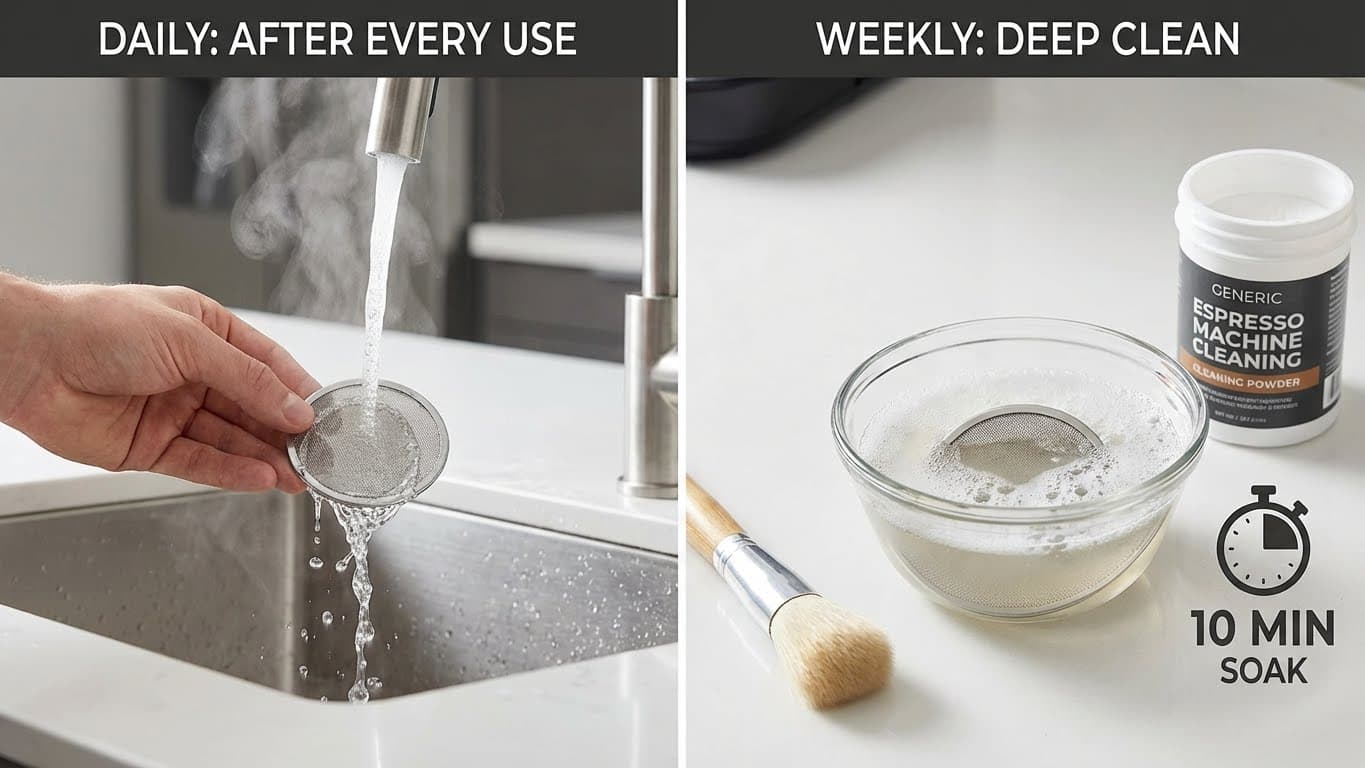
Rinse your puck screen under hot water after every use. Once a week, soak it in espresso machine cleaning solution for about 10 minutes to remove oil buildup. A quick scrub with a soft brush helps remove any stubborn residue from the perforations.
Will a puck screen work with any espresso machine?
Puck screens work with virtually any espresso machine that uses a standard portafilter. The key is matching the screen diameter to your basket size. Some machines with very shallow headspace may require thinner screens or slight dose adjustments.
Can I use a puck screen with a pressurized basket?
It’s not recommended. Pressurized baskets have their own built-in mechanism for creating crema and controlling flow. Adding a puck screen can interfere with this system and may lead to poor extractions or excessive pressure buildup.
Are expensive puck screens worth the extra cost?
For most home users, budget-friendly puck screens perform nearly identically to premium options. The main differences tend to be aesthetics, slightly better manufacturing tolerances, and brand reputation. Save your money for better coffee beans instead.
Final Verdict: Are Puck Screens Worth It for Cleaner Group Heads?
After extensive testing, I can confidently say that puck screens do keep your group head cleaner. They reduce coffee residue on your shower screen, decrease the frequency of backflushing needed, and help maintain better espresso hygiene with less effort. For a one-time investment of $10-$25, that’s excellent value for any home barista.
But the cleanliness benefit is just part of the story. The potential for more even extractions, reduced channeling, and cleaner puck removal makes puck screens a worthwhile addition to most setups. The minor downsides—reduced headspace and an extra item to rinse—are small trade-offs for the benefits gained.
If you’re tired of scrubbing your shower screen daily or noticing stale flavors creeping into your shots, give a puck screen a try. Life is too short for bad coffee, and it’s definitely too short for unnecessary cleaning. Pick up an affordable puck screen, adjust your dose if needed, and enjoy the satisfaction of a cleaner machine with every shot you pull.



Comments