


Table of Contents
- Understanding Coffee Acidity and Why It Matters
- Common Signs That Regular Coffee Is Too Acidic for You
- Choosing the Right Low-Acid Coffee Beans
- Best Coffee Origins for Low Acidity
- Dark Roast vs. Light Roast: Which Is Easier on Your Stomach?
- Specially Processed Low-Acid Coffees
- Brewing Methods That Reduce Coffee Acidity
- Cold Brew: The Gold Standard for Low-Acid Coffee
- French Press with Extended Steeping
- Brewing Adjustments for Any Method
- Making the Transition: A Week-by-Week Guide
- Week 1: Assess and Experiment
- Week 2: Introduce Low-Acid Beans
- Week 3: Adjust Your Brewing Method
- Week 4: Fine-Tune and Commit
- Additional Tips for a Gentler Coffee Experience
- Never Drink Coffee on an Empty Stomach
- Consider Your Add-Ins
- Mind Your Timing
- Frequently Asked Questions
- Does low-acid coffee have less caffeine?
- Will low-acid coffee taste bland or weak?
- Can I make my regular coffee less acidic at home?
- How long does it take to notice a difference after switching?
- Is decaf coffee lower in acid than regular coffee?
- Summary and Your Next Step
Does your morning cup of coffee leave you with an uncomfortable burning sensation in your chest? You’re not alone. Millions of coffee lovers experience acid reflux, heartburn, or stomach discomfort after drinking their favorite brew. The good news is that switching to low-acid coffee at home doesn’t mean sacrificing flavor or your beloved morning ritual. In my experience, making this transition can actually open up a whole new world of smooth, delicious coffee that your stomach will thank you for.
In this guide, I’ll walk you through everything you need to know about making the switch from regular coffee to low-acid coffee. You’ll learn why some coffees are more acidic than others, how to choose the right beans, and which brewing methods will give you the gentlest cup possible. Life is too short for bad coffee—and it’s way too short for coffee that makes you feel terrible afterward.
Understanding Coffee Acidity and Why It Matters
Before you switch to low-acid coffee, it helps to understand what we’re actually talking about. Coffee acidity refers to both the pH level of your brew and the organic acids naturally present in coffee beans. Regular coffee typically has a pH between 4.5 and 5.5, which makes it moderately acidic—similar to a banana or tomato.
The acids in coffee include chlorogenic acid, citric acid, and quinic acid. These compounds contribute to coffee’s bright, complex flavors, but they can also trigger digestive issues for sensitive individuals. When I first started experiencing discomfort, I assumed I’d have to give up coffee entirely. Thankfully, that wasn’t the case.
Common Signs That Regular Coffee Is Too Acidic for You
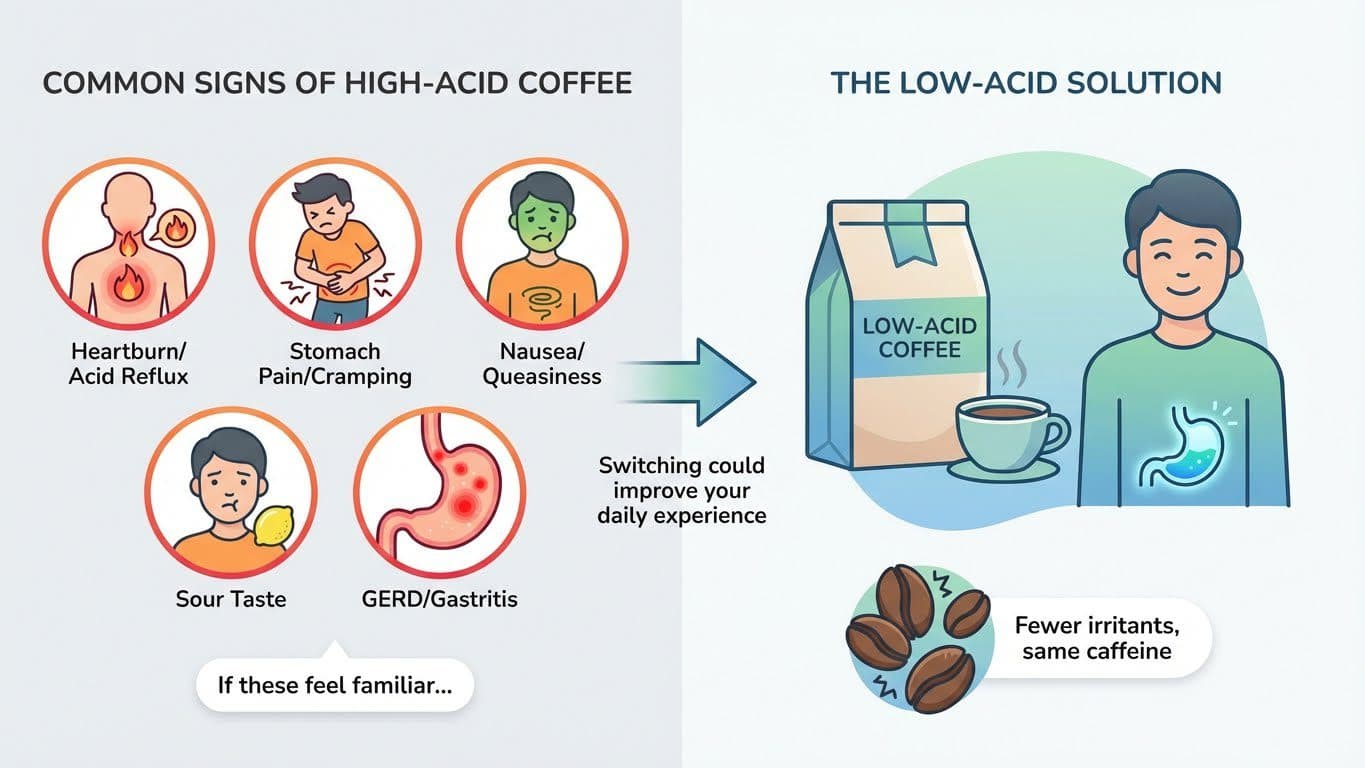
- Heartburn or acid reflux within an hour of drinking coffee
- Stomach pain or cramping after your morning cup
- Nausea or queasiness, especially on an empty stomach
- A sour taste that lingers unpleasantly in your mouth
- Worsening symptoms of GERD or gastritis
If any of these sound familiar, switching to low-acid coffee could significantly improve your daily experience. In short: low-acid coffee contains fewer of the compounds that irritate your digestive system while still delivering the caffeine and flavor you crave.
Key Takeaway: Coffee acidity affects both taste and how your body reacts. Lower-acid options can reduce digestive discomfort without eliminating coffee from your life.
Choosing the Right Low-Acid Coffee Beans
Not all coffee beans are created equal when it comes to acidity. The origin, variety, and roast level all play significant roles in determining how gentle your coffee will be on your stomach. Here’s what I’ve found works best after years of experimenting.
Best Coffee Origins for Low Acidity
Geography matters more than you might think. Coffees grown at lower altitudes generally have less acidity than their high-altitude counterparts. Some of the most stomach-friendly origins include:
- Brazilian coffee: Known for its naturally low acidity and nutty, chocolatey notes
- Sumatran coffee: Earthy, full-bodied, and remarkably gentle on the stomach
- Mexican coffee: Smooth with mild sweetness and lower acid content
- Nicaraguan coffee: Balanced flavor profile with reduced sharpness
I’ve found that single-origin Brazilian beans from the Cerrado region consistently deliver that smooth, easy-drinking experience without sacrificing depth of flavor.
Dark Roast vs. Light Roast: Which Is Easier on Your Stomach?
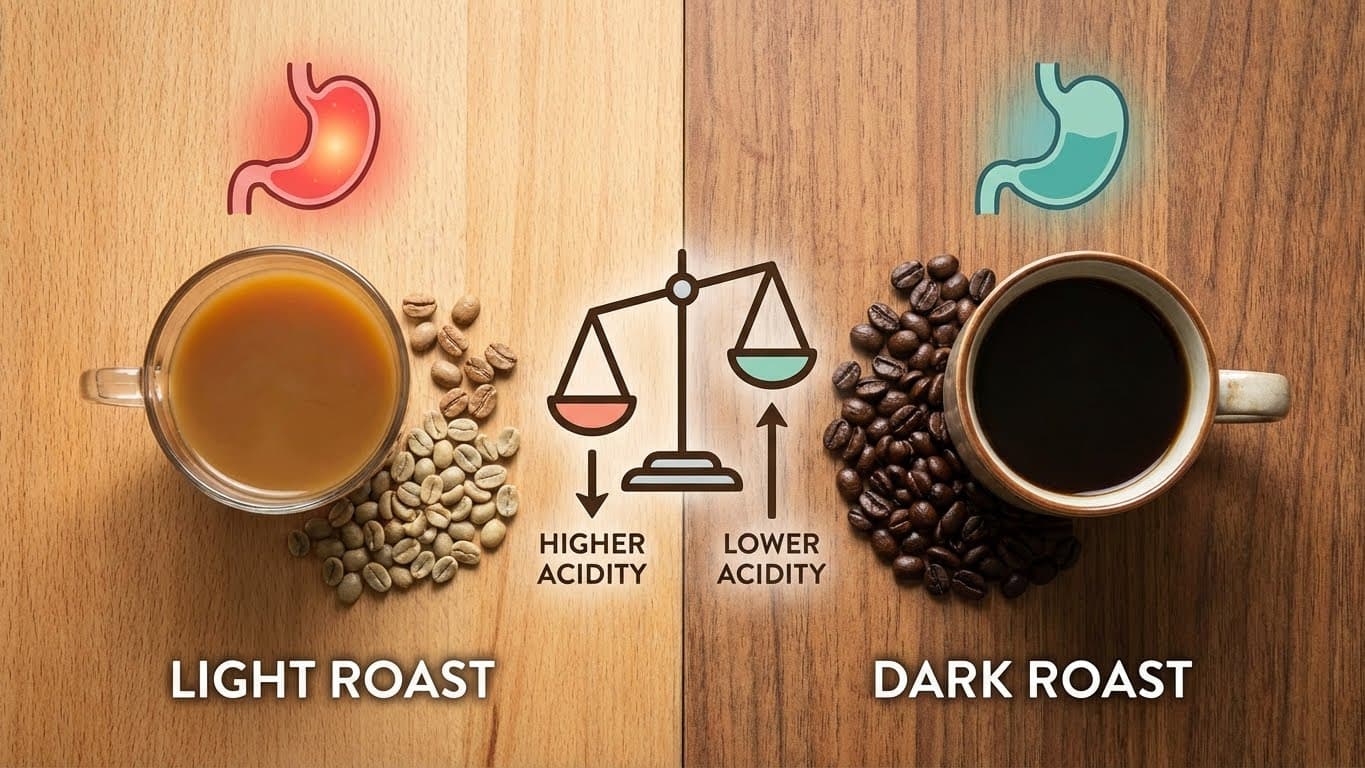
Here’s something that surprises many coffee lovers: dark roasts are typically less acidic than light roasts. The extended roasting process breaks down more of the chlorogenic acids that cause stomach irritation. If you’ve been drinking a bright, fruity light roast, switching to a dark roast could make an immediate difference.
| Roast Level | Acidity Level | Flavor Profile | Best For |
|---|---|---|---|
| Light Roast | Higher | Bright, fruity, complex | Those without sensitivity |
| Medium Roast | Moderate | Balanced, slightly sweet | Transitioning drinkers |
| Dark Roast | Lower | Bold, smoky, chocolatey | Acid-sensitive individuals |
Specially Processed Low-Acid Coffees
Several brands now offer coffees specifically processed to reduce acidity. These use methods like steam treatment or slow roasting to minimize acid content while preserving flavor. Look for labels that specifically mention “low acid” or “stomach-friendly” processing.
Barista Tip: When shopping for low-acid beans, check for certifications or processing notes on the bag. Terms like “slow-roasted,” “low-acid processed,” or “stomach-friendly” indicate intentional acid reduction.
Brewing Methods That Reduce Coffee Acidity
Even after selecting low-acid beans, your brewing method significantly impacts the final acidity of your cup. Some extraction techniques pull more acids from the grounds than others. Here’s how to adjust your home brewing for a gentler result.
Cold Brew: The Gold Standard for Low-Acid Coffee
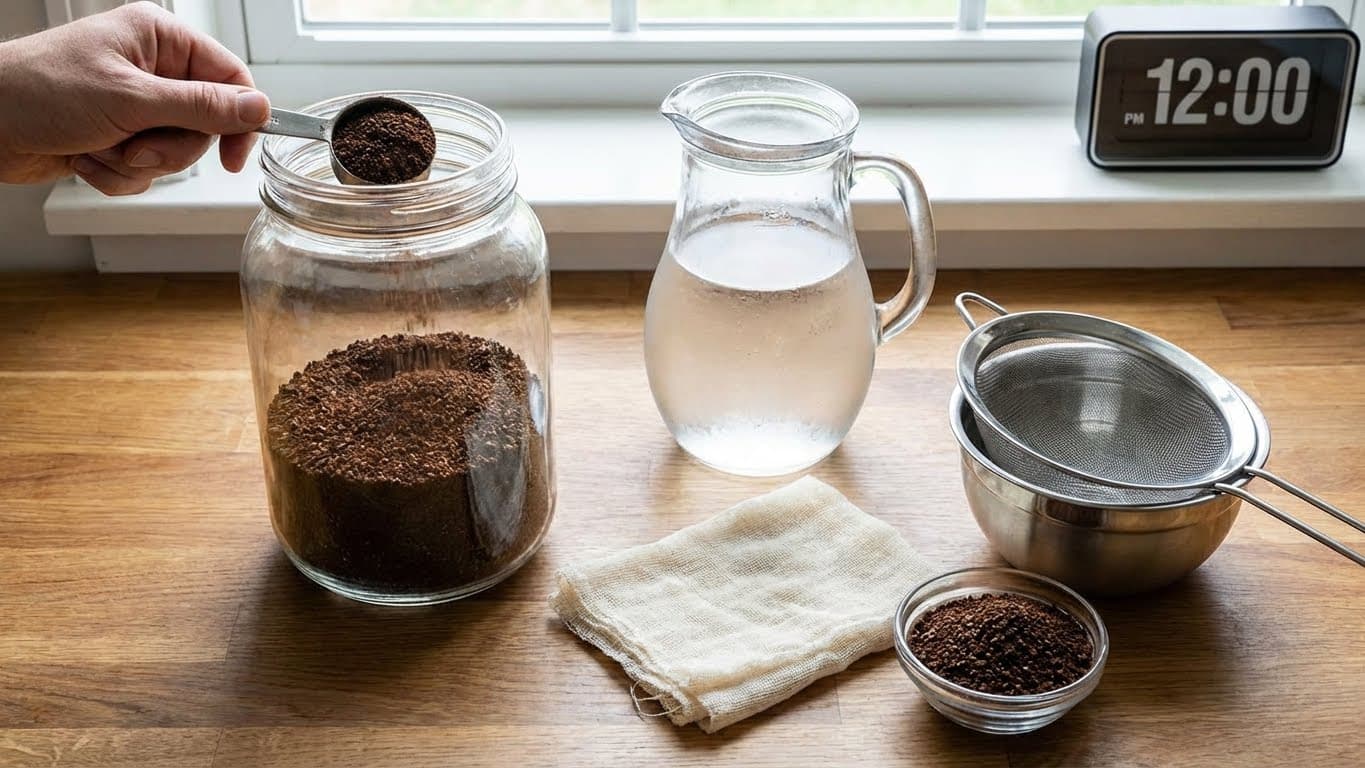
Cold brewing is hands-down the most effective way to reduce coffee acidity at home. Because you’re never applying heat, fewer acids get extracted from the grounds. Studies suggest cold brew can be up to 70% less acidic than hot-brewed coffee made from the same beans.
What You’ll Need:
- Coarsely ground low-acid coffee (about 1 cup)
- Cold, filtered water (4 cups)
- A large jar or cold brew pitcher
- Fine mesh strainer or cheesecloth
- 12-24 hours of patience
Basic Cold Brew Steps:
- Add coarsely ground coffee to your container
- Pour cold filtered water over the grounds and stir gently
- Cover and refrigerate for 12-24 hours
- Strain through a fine mesh filter or cheesecloth
- Dilute concentrate with water or milk to taste
Taste Profile: Expect a smooth, naturally sweet brew with chocolate and caramel notes and virtually no bitter or sour edge.
French Press with Extended Steeping
A French press can produce a relatively low-acid cup if you adjust your technique. Use a coarse grind, slightly cooler water (around 195°F instead of boiling), and extend your steeping time to 5-6 minutes. The longer extraction at lower temperatures reduces acid while still delivering full flavor.
Brewing Adjustments for Any Method
Regardless of your preferred brewing method, these tweaks can help reduce acidity:
- Use coarser grinds: Finer grinds extract more acids faster
- Lower your water temperature: Aim for 195-200°F instead of boiling
- Extend brewing time slightly: Longer, gentler extraction reduces sharpness
- Always use filtered water: Minerals in tap water can increase perceived acidity
Barista Tip: Adding a tiny pinch of salt to your coffee grounds before brewing can neutralize some acidity without making your coffee taste salty. I know it sounds strange, but it works remarkably well.
Making the Transition: A Week-by-Week Guide
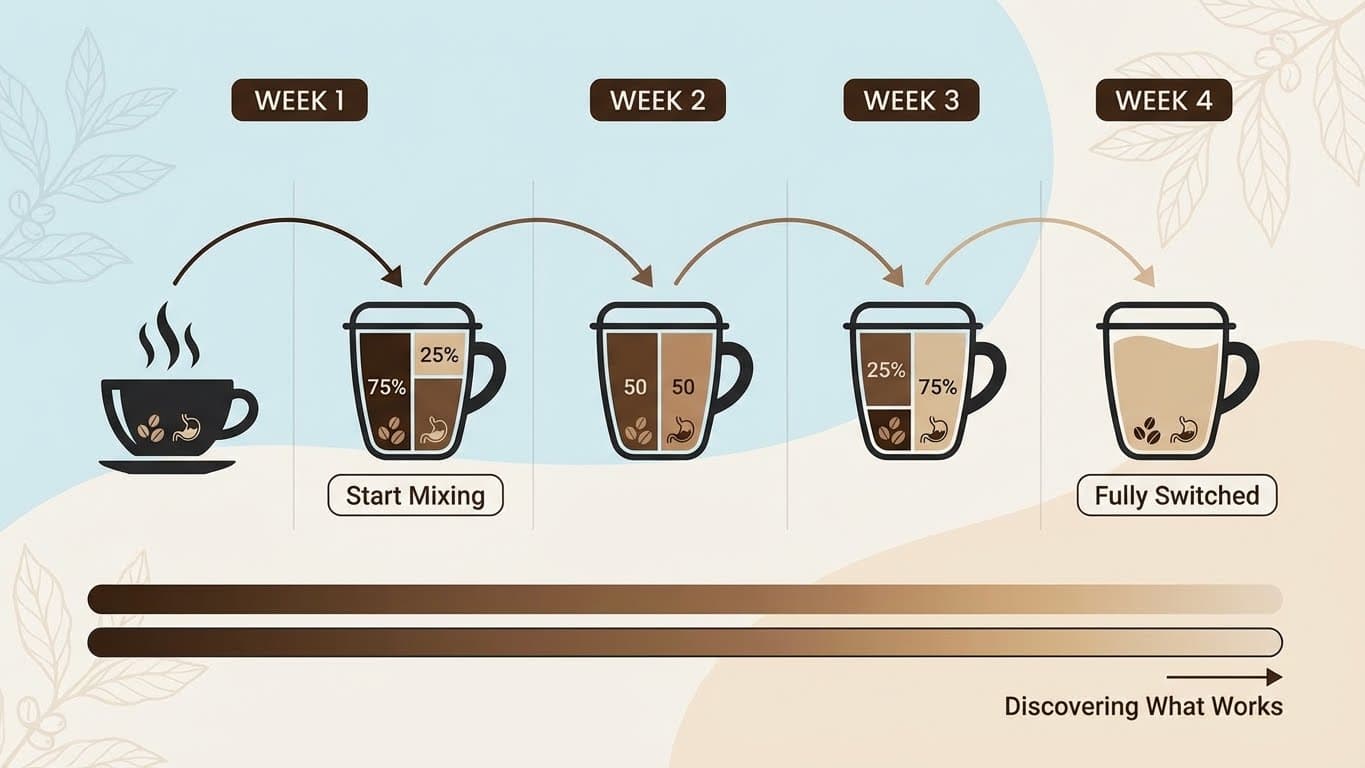
Switching cold turkey from your regular coffee to a completely different low-acid option can be jarring for your taste buds. I recommend a gradual transition that lets you adjust while discovering what works best for your body.
Week 1: Assess and Experiment
Start by simply switching to a darker roast of your current brand. Keep everything else the same—your brewing method, timing, and add-ins. Pay attention to how your stomach feels compared to your usual cup. Many people notice improvement from this single change alone.
Week 2: Introduce Low-Acid Beans
Try blending your regular coffee with a specifically labeled low-acid coffee at a 50/50 ratio. This helps your palate adjust to the different flavor profile. Low-acid coffees often taste smoother and less bright, which can seem flat at first if you’re used to high-acid brews.
Week 3: Adjust Your Brewing Method
Now experiment with brewing changes. If you normally use a drip machine, try cold brewing over the weekend. Compare how each method affects both taste and how you feel afterward. Keep notes—this is where you’ll discover your personal sweet spot.
Week 4: Fine-Tune and Commit
By now, you should have a good sense of which beans and brewing methods work best for you. Commit to your new routine and give your body time to fully adjust. Most people report that after a month of drinking low-acid coffee, they can’t imagine going back.
A realistic scenario: Let’s say you’ve been drinking a Colombian light roast from your drip machine every morning. By week four, you might find yourself enjoying a Brazilian dark roast cold brew with a splash of oat milk—and your afternoon heartburn has completely disappeared. That was exactly my experience.
Additional Tips for a Gentler Coffee Experience
Beyond beans and brewing, several other factors influence how coffee affects your digestive system. These complementary strategies can enhance your switch to low-acid coffee.
Never Drink Coffee on an Empty Stomach
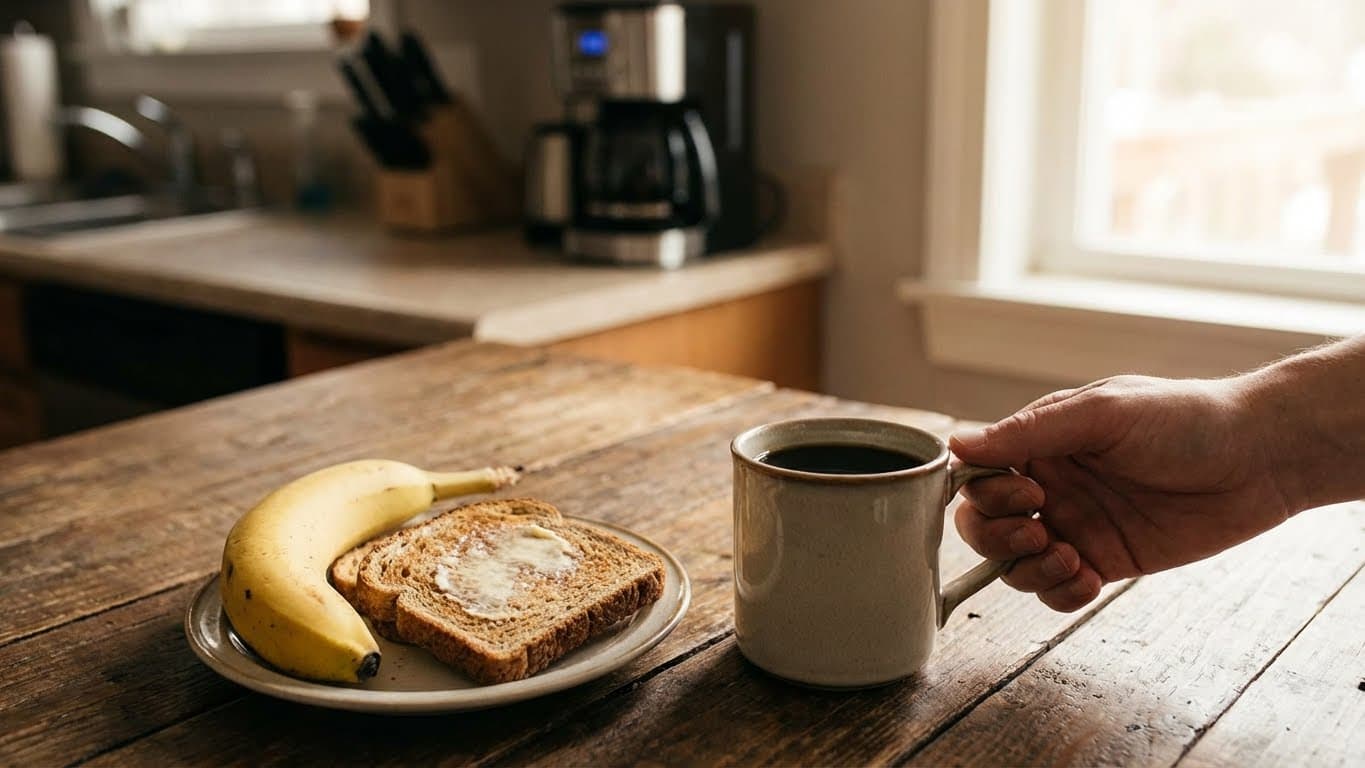
Even low-acid coffee can irritate an empty stomach. Always eat something—even just a banana or a piece of toast—before your first sip. This gives your stomach lining some protection and reduces the likelihood of discomfort.
Consider Your Add-Ins
What you put in your coffee matters too. Some additions can help neutralize acidity:
- Milk or cream: Dairy helps buffer coffee’s acidity
- Plant-based milks: Oat and almond milk work similarly
- A small pinch of baking soda: Neutralizes acid without affecting taste much
- Cinnamon: May help reduce stomach irritation
Mind Your Timing
Drinking coffee late in the day can worsen reflux symptoms, especially if you lie down within a few hours. Stick to morning coffee when possible, and avoid drinking within three hours of bedtime.
Please note that this information is general in nature. If you have persistent digestive issues, GERD, or other medical conditions, consult with your healthcare provider for personalized advice about coffee consumption.
Frequently Asked Questions
Does low-acid coffee have less caffeine?
Not necessarily. Acidity and caffeine content are independent factors. Low-acid coffee can have the same caffeine levels as regular coffee. However, some specially processed low-acid coffees may have slightly reduced caffeine depending on the treatment method used.
Will low-acid coffee taste bland or weak?
Good low-acid coffee shouldn’t taste weak. It will have a smoother, less sharp flavor profile with more chocolate, caramel, and nutty notes instead of bright, fruity acidity. Most people grow to prefer this taste once they adjust to it.
Can I make my regular coffee less acidic at home?
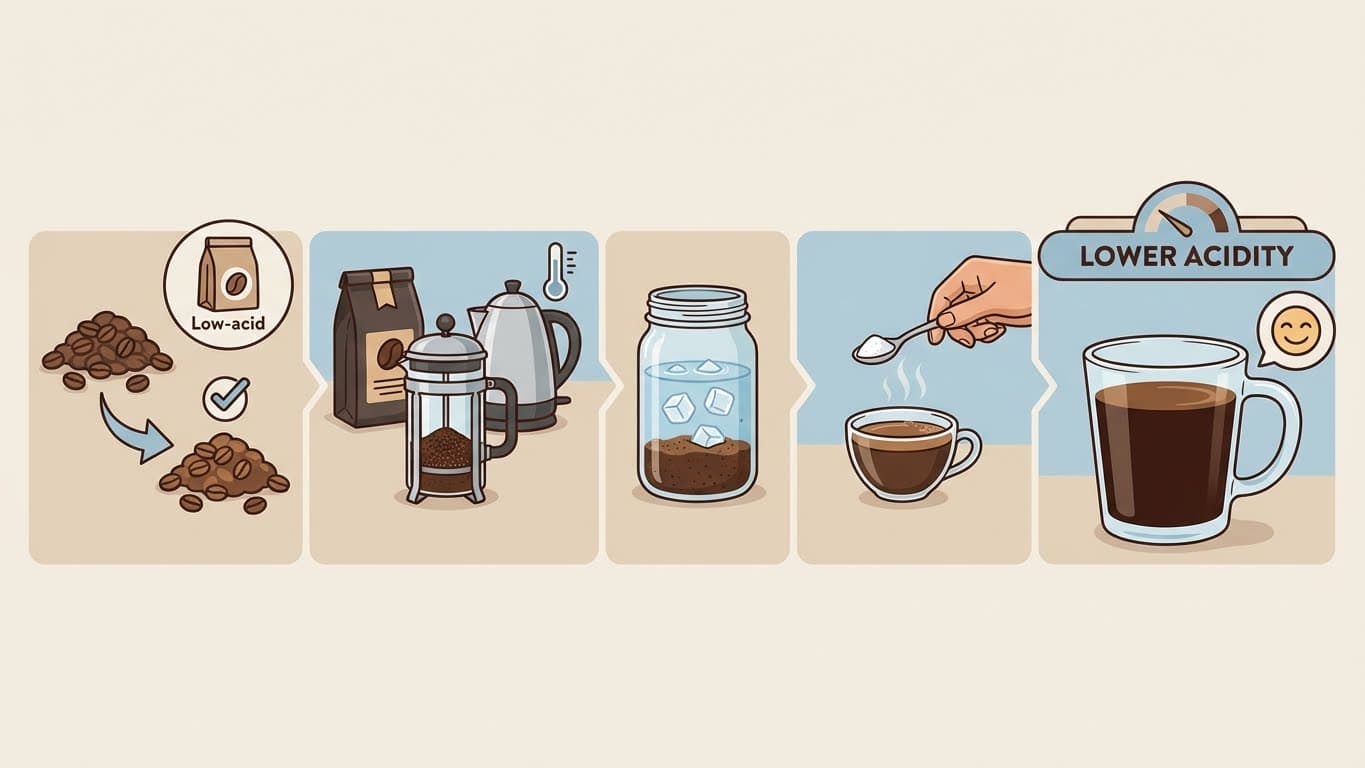
Yes. Using dark roasts, cold brewing, adding a pinch of salt or baking soda, and using coarser grinds with cooler water will all reduce acidity. However, starting with naturally low-acid beans will give you the best results.
How long does it take to notice a difference after switching?
Many people notice reduced discomfort within the first few days of switching to low-acid coffee. However, if your digestive system has been irritated for a while, it may take one to two weeks for symptoms to fully improve.
Is decaf coffee lower in acid than regular coffee?
Decaf can be slightly lower in certain acids, but the decaffeination process doesn’t significantly reduce overall acidity. For the gentlest cup, choose decaf that’s also dark-roasted and from a low-acid origin like Brazil or Sumatra.
Summary and Your Next Step
Switching from regular coffee to low-acid coffee at home is entirely achievable without sacrificing the flavor and ritual you love. The key is understanding that acidity comes from multiple factors—bean origin, roast level, and brewing method—and making adjustments in each area. Brazilian and Sumatran dark roasts brewed as cold brew represent the gentlest option, but even small changes like using coarser grinds and cooler water can help.
Start with one change this week. Maybe swap your current beans for a dark roast, or set up a cold brew batch tonight for tomorrow morning. Pay attention to how you feel, take notes, and gradually dial in your perfect low-acid routine. Your stomach—and your continued love of coffee—will thank you for making the switch.



Comments