


Table of Contents
- How Coffee Affects Your Body Before Exercise
- The Physical Response
- The Pros of Drinking Coffee Before a Workout
- Enhanced Physical Performance
- Increased Fat Burning
- Better Focus and Motivation
- Reduced Muscle Pain Perception
- The Cons and Potential Downsides
- Digestive Issues
- Increased Anxiety and Jitters
- Potential Dehydration Concerns
- Sleep Disruption
- Tolerance and Dependency
- Best Practices: Timing, Amount, and Type
- Timing Matters
- How Much Coffee Should You Drink?
- What Type of Coffee Works Best?
- Who Should Avoid Pre-Workout Coffee?
- Frequently Asked Questions
- How long before a workout should I drink coffee?
- Will coffee dehydrate me during exercise?
- Is pre-workout coffee better than pre-workout supplements?
- Can I drink coffee before yoga or stretching?
- What if coffee upsets my stomach before workouts?
- Conclusion: Should You Drink Coffee Before Your Home Workout?
You’ve just rolled out of bed, your home gym is calling, and you’re eyeing that coffee maker. Should you brew a cup before your workout, or will it leave you jittery and dehydrated? If you’ve ever wondered whether coffee before a workout is actually beneficial or just a habit, you’re not alone. Millions of home exercisers face this exact question every morning.
In this article, I’ll break down the science, share the real pros and cons of pre-workout coffee, and give you practical tips to make it work for your fitness routine. Whether you’re doing yoga in your living room or hitting a HIIT session in the garage, let’s figure out if that cup of joe is your secret weapon or a potential setback.
How Coffee Affects Your Body Before Exercise
Before diving into the pros and cons, it helps to understand what’s actually happening when you drink coffee before working out. The star of the show is caffeine, a natural stimulant that affects your central nervous system in several ways.
When you consume caffeine, it blocks adenosine receptors in your brain. In short, adenosine is a chemical that makes you feel tired. By blocking it, caffeine keeps you alert and energized. This effect typically kicks in within 30 to 60 minutes after drinking your coffee.
The Physical Response
Beyond mental alertness, caffeine triggers the release of adrenaline. This hormone prepares your body for physical exertion by:
- Increasing your heart rate
- Boosting blood flow to muscles
- Releasing fatty acids from fat tissue for energy
- Enhancing muscle contraction efficiency
I’ve found that understanding these mechanisms helps you make smarter decisions about when and how much coffee to drink before your home workouts.
The Pros of Drinking Coffee Before a Workout
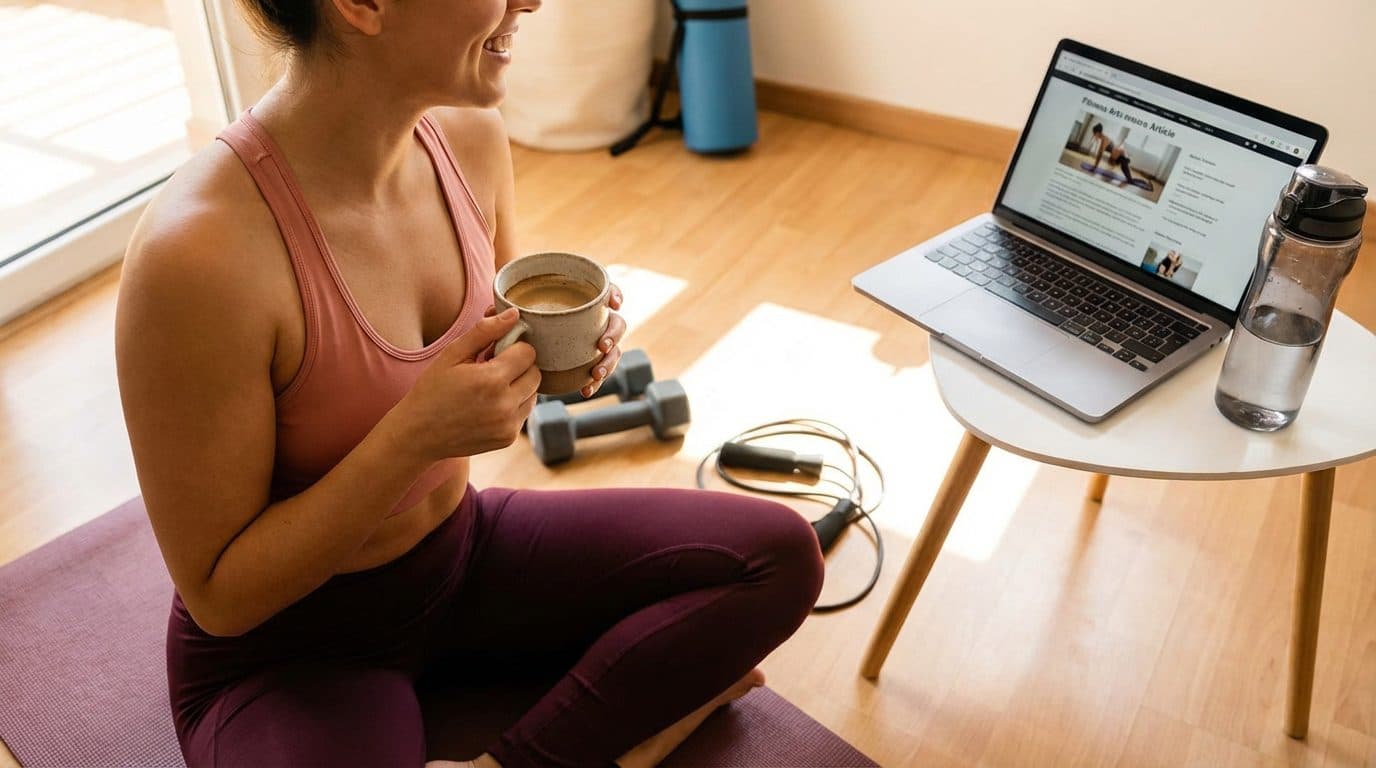
Let’s start with the good news. There are several evidence-backed benefits to having coffee before exercise, and many home exercisers swear by their pre-workout cup.
Enhanced Physical Performance
Research consistently shows that caffeine can improve physical performance by 3 to 5 percent on average. For home exercisers, this might mean pushing through that extra set of squats or maintaining better form during your final minutes of cardio.
Real-life example: Sarah, a busy mom who works out at 6 AM in her basement, noticed she could complete her 30-minute cycling sessions with more energy after adding a small coffee 45 minutes before. Her perceived effort dropped while her output stayed the same.
Increased Fat Burning
Caffeine stimulates thermogenesis, which is your body’s way of producing heat and burning calories. It also promotes the release of fatty acids, making them available as fuel during exercise. If weight management is part of your fitness goals, this is a notable benefit.
Better Focus and Motivation
Let’s be honest. Working out at home requires serious self-discipline. There’s no gym atmosphere or trainer watching you. Coffee can provide that mental edge you need to actually start your workout instead of scrolling through your phone.
- Improved concentration during complex movements
- Reduced perception of effort (exercise feels easier)
- Enhanced mood and motivation to begin
Reduced Muscle Pain Perception

Studies suggest caffeine may reduce perceived muscle pain during exercise. This doesn’t mean you should ignore pain signals, but it can help you push through normal workout discomfort more comfortably.
Key Takeaway: Coffee before a workout can genuinely enhance performance, focus, and fat burning. These aren’t just marketing claims—they’re backed by sports science research.
The Cons and Potential Downsides
Now for the other side of the coin. Pre-workout coffee isn’t perfect for everyone, and there are legitimate concerns to consider.
Digestive Issues
Coffee stimulates gastric acid production and can speed up digestion. For some people, this means an urgent bathroom trip mid-workout. Not ideal when you’re in the middle of a burpee set in your living room.
In my experience, this is the most common complaint among home exercisers who try pre-workout coffee. If you have a sensitive stomach, this could be a dealbreaker.
Increased Anxiety and Jitters
Caffeine affects everyone differently. If you’re sensitive to stimulants, coffee before exercise might leave you feeling:
- Anxious or restless
- Shaky during precise movements
- Unable to focus due to overstimulation
- Experiencing a racing heart that feels uncomfortable
This is especially problematic for activities requiring calm focus, like yoga or Pilates.
Potential Dehydration Concerns
Coffee has a mild diuretic effect, meaning it can increase urine production. While moderate coffee consumption doesn’t cause significant dehydration in most people, combining it with sweaty workouts without adequate water intake could be problematic.
Practical tip: Drink a full glass of water alongside your pre-workout coffee to offset any diuretic effects.
Sleep Disruption
If you exercise in the afternoon or evening, pre-workout coffee could interfere with your sleep later. Caffeine has a half-life of about 5 to 6 hours, meaning half of it is still in your system hours after consumption. Poor sleep undermines recovery and future workout performance.
Tolerance and Dependency
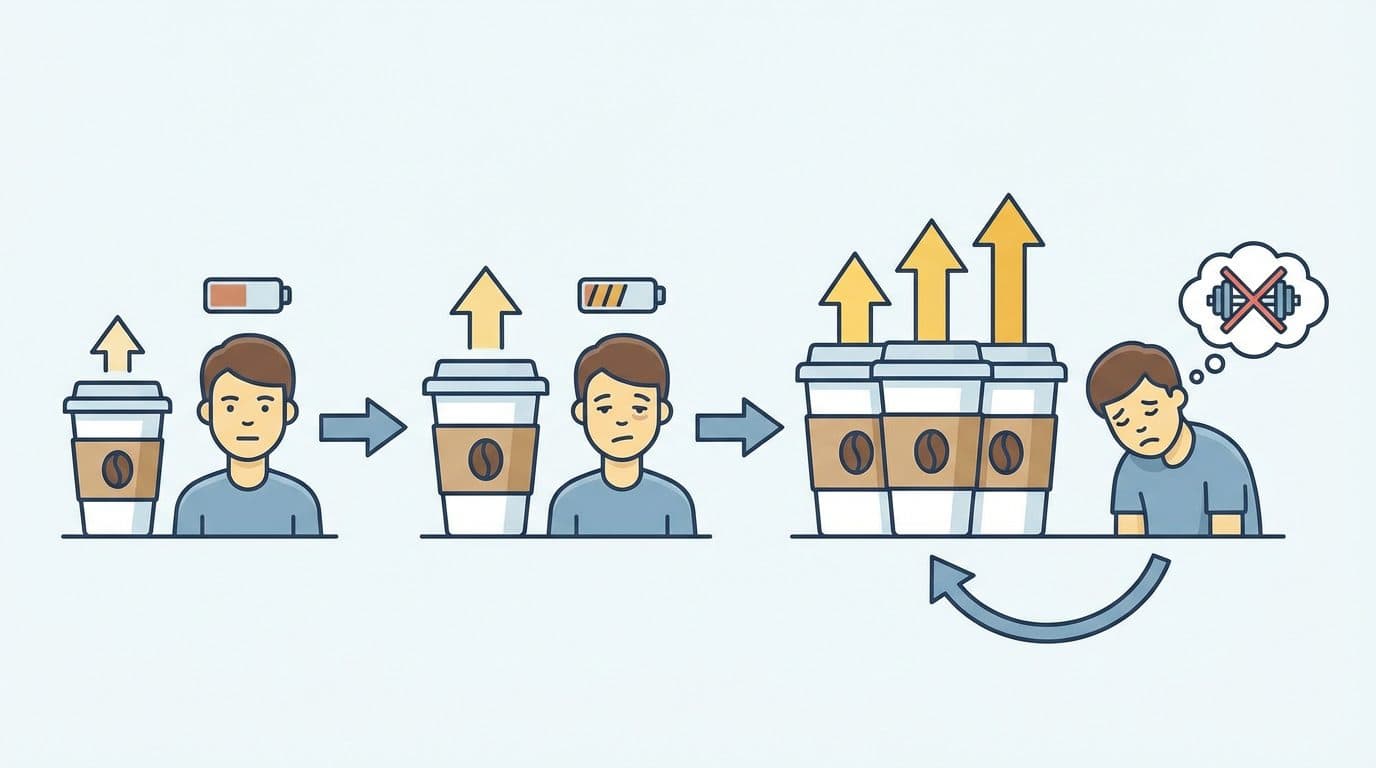
Regular caffeine consumption builds tolerance. Over time, you might need more coffee to achieve the same performance benefits. This can lead to a cycle where you feel you can’t work out effectively without caffeine.
Best Practices: Timing, Amount, and Type
If you decide pre-workout coffee is right for you, here’s how to optimize it for your home exercise routine.
Timing Matters
The sweet spot for most people is 30 to 60 minutes before exercise. This allows caffeine levels to peak right when you start moving. Drinking coffee immediately before working out won’t give you the full benefits.
| Workout Time | Coffee Time | Notes |
|---|---|---|
| 6:00 AM | 5:15-5:30 AM | Early risers benefit most |
| 12:00 PM | 11:00-11:30 AM | Good for lunch break workouts |
| 6:00 PM | Consider skipping | May affect sleep quality |
How Much Coffee Should You Drink?
Research suggests 3 to 6 milligrams of caffeine per kilogram of body weight is effective for performance enhancement. For most people, this translates to:
- Light exercisers: 1 small cup (about 100mg caffeine)
- Moderate exercisers: 1 regular cup (about 150-200mg caffeine)
- Intense workouts: Up to 2 cups (about 300mg caffeine)
Start with less if you’re new to pre-workout coffee. You can always increase the amount once you know how your body responds.
What Type of Coffee Works Best?

Keep it simple. Black coffee or coffee with a small amount of milk works well. Avoid sugary coffee drinks or heavy cream, which can cause stomach discomfort during exercise. Life is too short for bad coffee, but it’s also too short for a sugar crash mid-workout.
Barista Tip: Cold brew tends to be smoother on the stomach than hot-brewed coffee. If digestive issues are a concern, try switching to cold brew for your pre-workout cup.
Who Should Avoid Pre-Workout Coffee?
Pre-workout coffee isn’t for everyone. Consider skipping it if you:
- Have heart conditions or high blood pressure (consult your doctor first)
- Experience anxiety or panic attacks
- Are pregnant or breastfeeding
- Have acid reflux or IBS
- Exercise within 6 hours of bedtime
- Are highly sensitive to caffeine
Important note: This article provides general information only. If you have specific health concerns, please consult a healthcare professional before making changes to your pre-workout routine.
Frequently Asked Questions
How long before a workout should I drink coffee?
Aim for 30 to 60 minutes before your workout. This timing allows caffeine to reach peak levels in your bloodstream right when you need it most. Drinking coffee too close to exercise won’t give you the full performance benefits.
Will coffee dehydrate me during exercise?
Moderate coffee consumption (1-2 cups) doesn’t cause significant dehydration for most people. However, it’s smart to drink water alongside your coffee and stay hydrated throughout your workout. The diuretic effect is mild and usually offset by the liquid in the coffee itself.
Is pre-workout coffee better than pre-workout supplements?
Coffee is a natural, affordable alternative to commercial pre-workout supplements. It provides caffeine without artificial ingredients, sweeteners, or unknown additives. For home exercisers doing moderate workouts, coffee often provides all the boost you need without the expense or potential side effects of supplements.
Can I drink coffee before yoga or stretching?
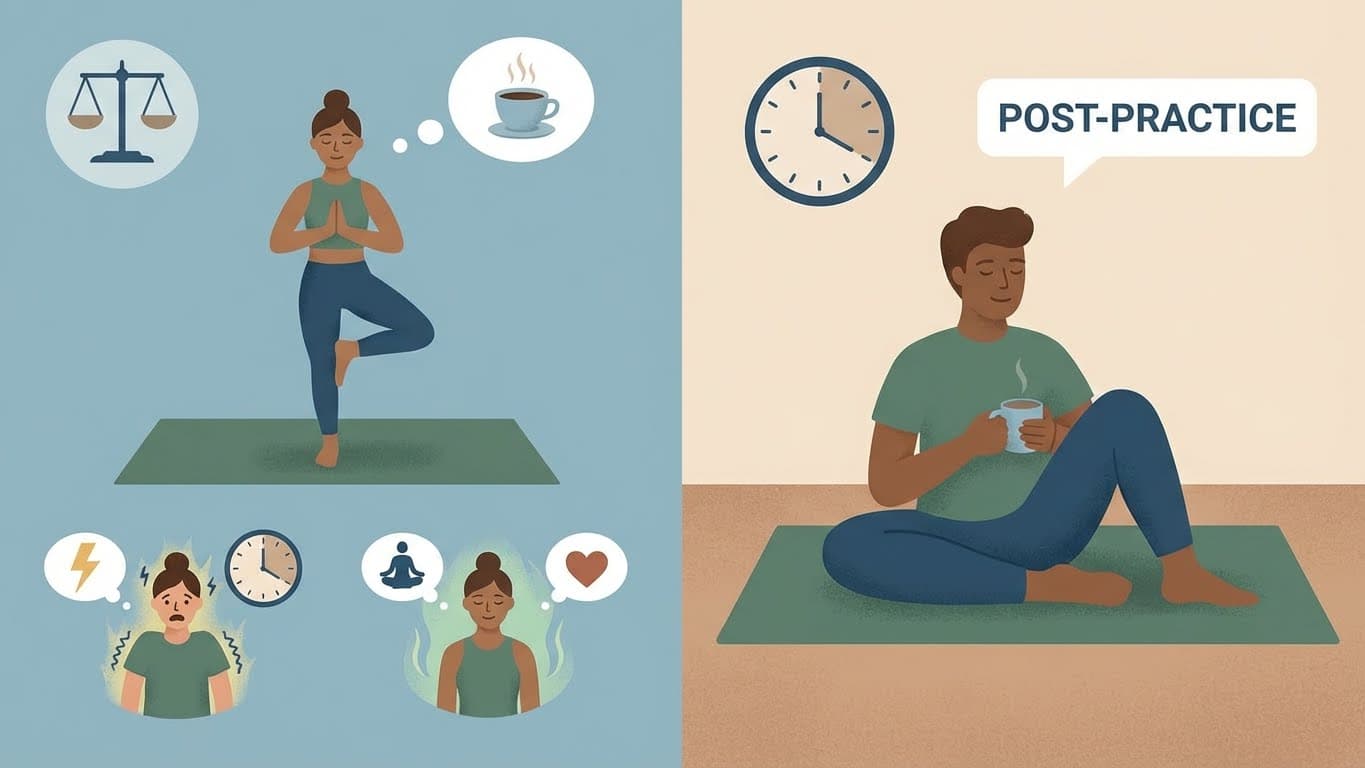
This depends on your caffeine sensitivity. Some people find coffee interferes with the calm, focused state yoga requires. Others appreciate the alertness. If you try it, stick to a small amount and see how your body responds. Many yogis prefer to save coffee for after their practice.
What if coffee upsets my stomach before workouts?
Try cold brew, which is less acidic than hot coffee. You can also eat a small snack with your coffee, like a banana or toast, to buffer the acidity. If problems persist, pre-workout coffee might not be right for you, and that’s perfectly okay.
Conclusion: Should You Drink Coffee Before Your Home Workout?
So, is coffee before a workout a good idea? For many home exercisers, the answer is yes. The performance benefits, improved focus, and enhanced fat burning make it a valuable addition to your fitness routine. However, it’s not a one-size-fits-all solution.
The key is experimentation. Start with a small cup about 45 minutes before your workout and pay attention to how your body responds. If you feel energized, focused, and comfortable, you’ve found your sweet spot. If you experience jitters, stomach issues, or sleep problems, adjust accordingly or skip it altogether.
Remember, the best pre-workout routine is one that works for your body, your schedule, and your fitness goals. Whether that includes coffee or not, consistency in your workouts matters far more than any single supplement or beverage. Now go brew that cup and crush your next home workout.


Comments