


Table of Contents
- What Exactly Is a Macchiato?
- What You'll Need to Make a Macchiato at Home
- Gear
- Ingredients
- How to Make a Traditional Espresso Macchiato (Step-by-Step)
- Macchiato Variations You Can Try
- Latte Macchiato
- Caramel Macchiato (Coffeehouse Style)
- Long Macchiato
- Common Mistakes When Making a Macchiato at Home
- Frequently Asked Questions
- How is a macchiato different from a cortado?
- Can I make a macchiato without an espresso machine?
- What type of milk works best for a macchiato?
- How many calories are in a traditional macchiato?
- Should I add sugar to my macchiato?
- Final Thoughts and Your Next Step
Ever walked into a coffee shop, ordered a macchiato, and wondered why it looks nothing like what you expected? You’re not alone. The macchiato is one of the most misunderstood espresso drinks out there, but making an authentic macchiato at home is surprisingly simple once you know the basics. In this guide, you’ll learn exactly how to craft this classic Italian espresso drink in your own kitchen.
Whether you want a bold, espresso-forward sip or you’re curious about the difference between a traditional macchiato and those caramel-drizzled versions, I’ve got you covered. Let’s dive in and get your home barista game on point.
What Exactly Is a Macchiato?
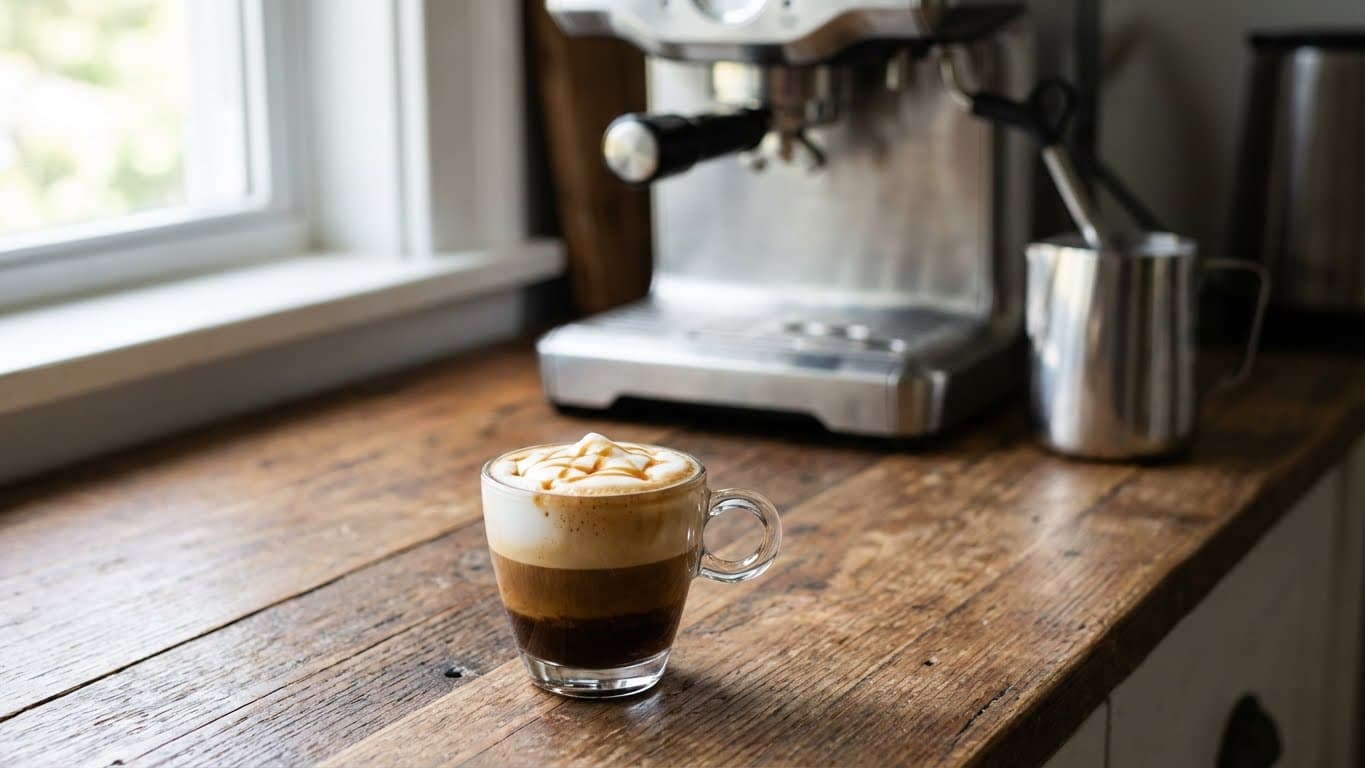
The word “macchiato” comes from Italian and means “stained” or “spotted.” A traditional espresso macchiato is simply a shot of espresso “stained” with a small dollop of steamed milk or milk foam. That’s it. No syrups, no caramel drizzle, no whipped cream.
In my experience, this simplicity is what makes the macchiato so special. You get the full intensity of espresso with just enough milk to soften the edges. The taste profile is bold, slightly bitter, with a creamy finish that lingers on your palate.
Barista Tip: If you’ve been ordering “macchiatos” at certain chain coffee shops and getting a large, sweet, milky drink, that’s actually closer to a latte macchiato or a flavored latte. The traditional version is much smaller and more intense.
What You’ll Need to Make a Macchiato at Home
Gear
- Espresso machine (or a Moka pot, AeroPress, or strong coffee maker as alternatives)
- Milk frother or steam wand
- Small espresso cup or demitasse (2-3 oz capacity)
- Coffee grinder (burr grinder preferred for consistent grounds)
Ingredients
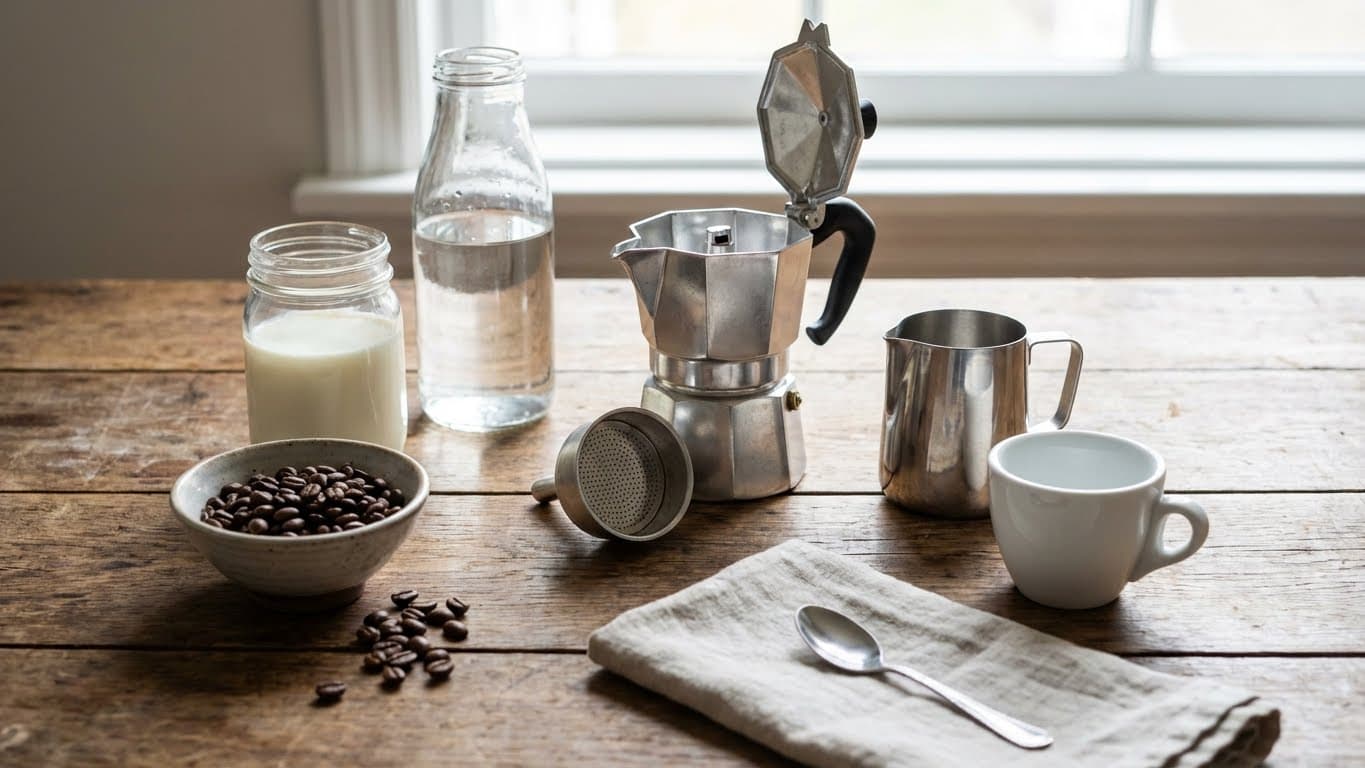
- 18-20 grams of freshly roasted espresso beans
- 1-2 tablespoons of whole milk (or your preferred milk alternative)
- Filtered water
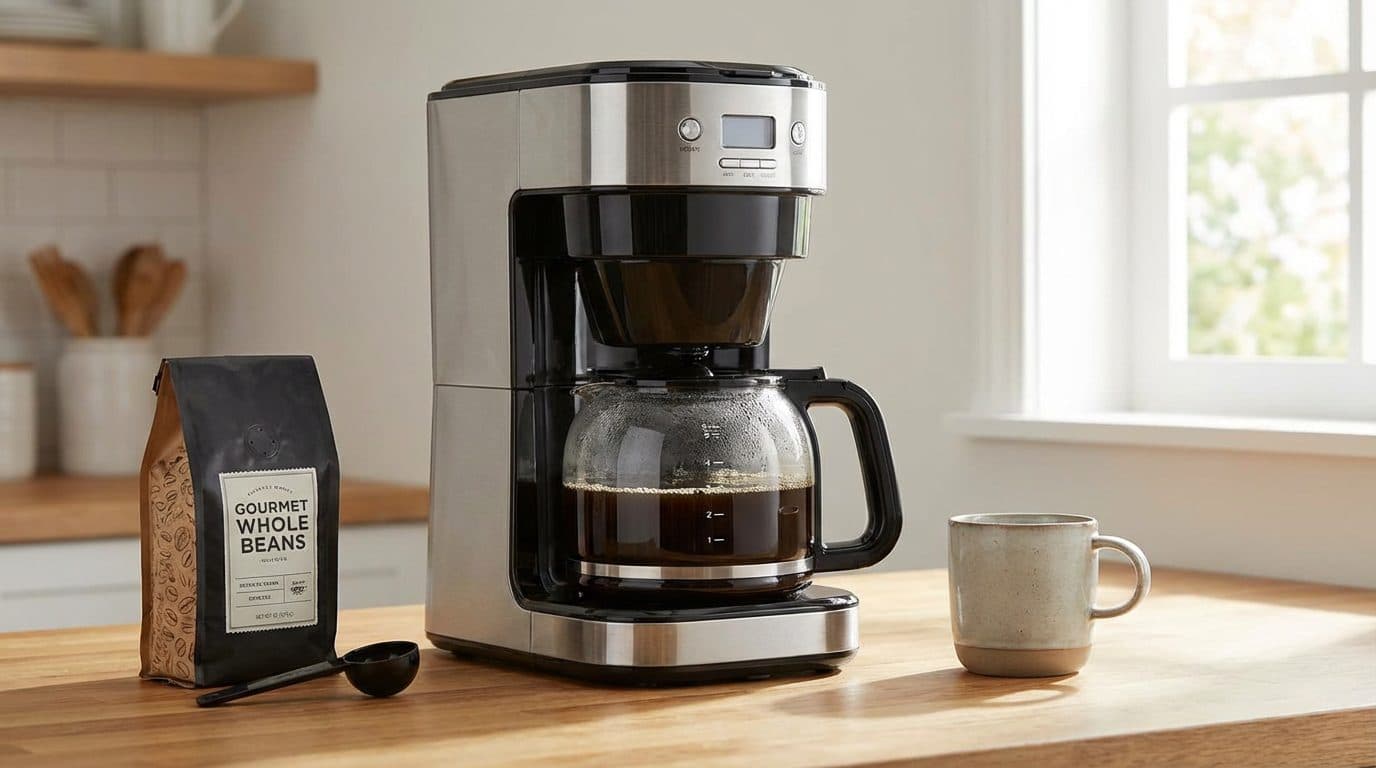
You don’t need fancy equipment to make a great macchiato at home. If you don’t have an espresso machine, a Moka pot produces a strong, concentrated coffee that works well. The key is using fresh beans and getting your milk texture right.
How to Make a Traditional Espresso Macchiato (Step-by-Step)
Here’s the straightforward process I use every morning. Once you’ve done it a few times, making a macchiato at home becomes second nature.
- Grind your beans fresh. Aim for a fine espresso grind, similar to table salt in texture. Use about 18-20 grams for a double shot.
- Pull your espresso shot. Tamp the grounds evenly and extract for 25-30 seconds. You should get about 2 oz of rich, crema-topped espresso.
- Steam a small amount of milk. You only need 1-2 tablespoons. Heat and froth until you get a velvety microfoam with tiny bubbles.
- Add the milk “stain.” Spoon just a dollop of foam onto the center of your espresso. The goal is to mark the coffee, not drown it.
- Serve immediately. A macchiato is best enjoyed fresh while the crema is still intact and the foam is silky.
Barista Tip: The milk should be around 150°F (65°C). Overheating destroys the natural sweetness and creates a burnt taste. If you don’t have a thermometer, stop steaming when the pitcher feels too hot to hold comfortably.
Macchiato Variations You Can Try
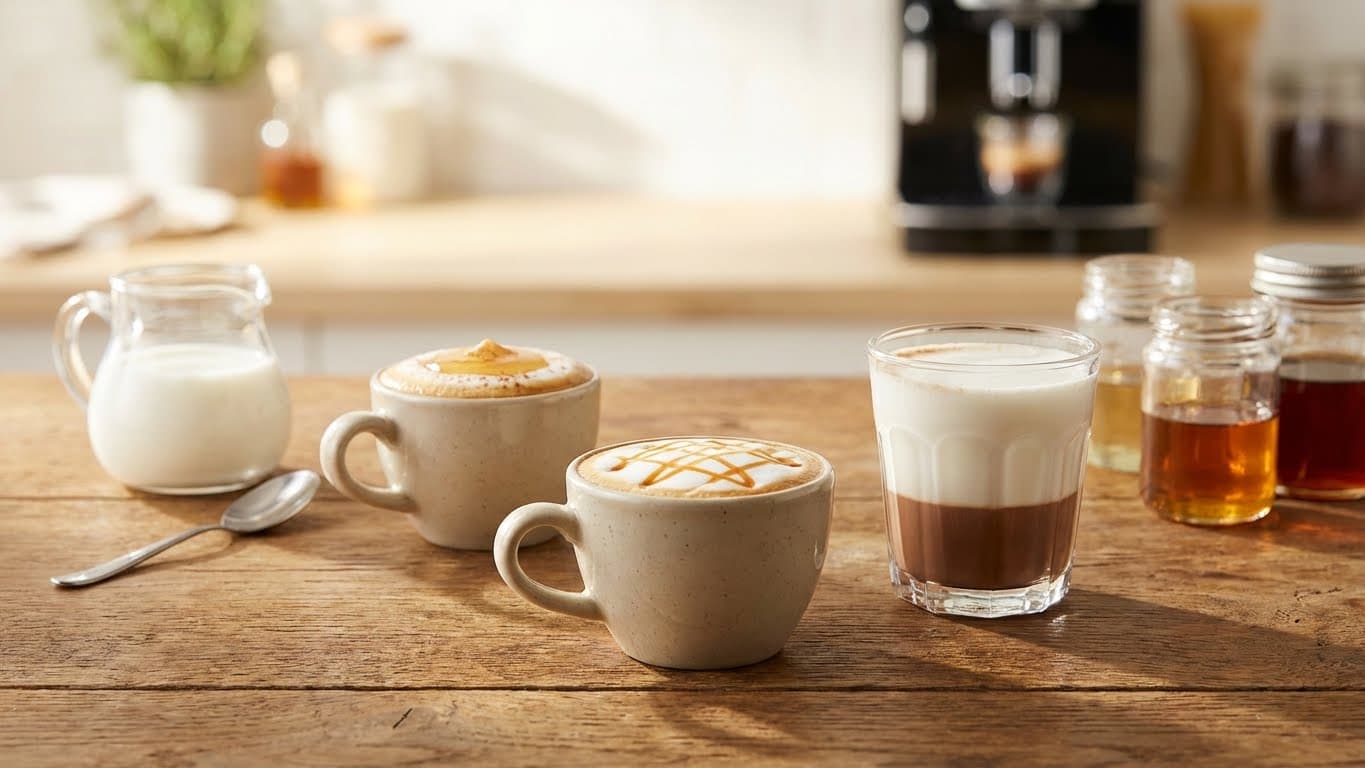
Once you’ve mastered the traditional espresso macchiato, experimenting with variations is half the fun. Here are some popular options to explore at home.
Latte Macchiato
This is the “inverted” version. Instead of staining espresso with milk, you stain steamed milk with espresso. Pour steamed milk into a tall glass first, then slowly add a shot of espresso through the foam. You’ll see beautiful layers form.
The latte macchiato is milder and milkier, perfect for those who find straight espresso too intense. It’s also visually impressive when served in a clear glass.
Caramel Macchiato (Coffeehouse Style)
This is what most people picture when they hear “macchiato” thanks to popular coffee chains. To make it at home:
- Add vanilla syrup to the bottom of your cup
- Pour in steamed milk
- Add espresso shots on top
- Drizzle with caramel sauce
It’s delicious, but keep in mind this is quite different from an authentic Italian macchiato. Think of it as a separate drink entirely.
Long Macchiato
Popular in Australia, this version uses a double shot of espresso with a bit more milk than the traditional recipe. It’s served in a small glass and offers a nice middle ground between a macchiato and a cortado.
Common Mistakes When Making a Macchiato at Home
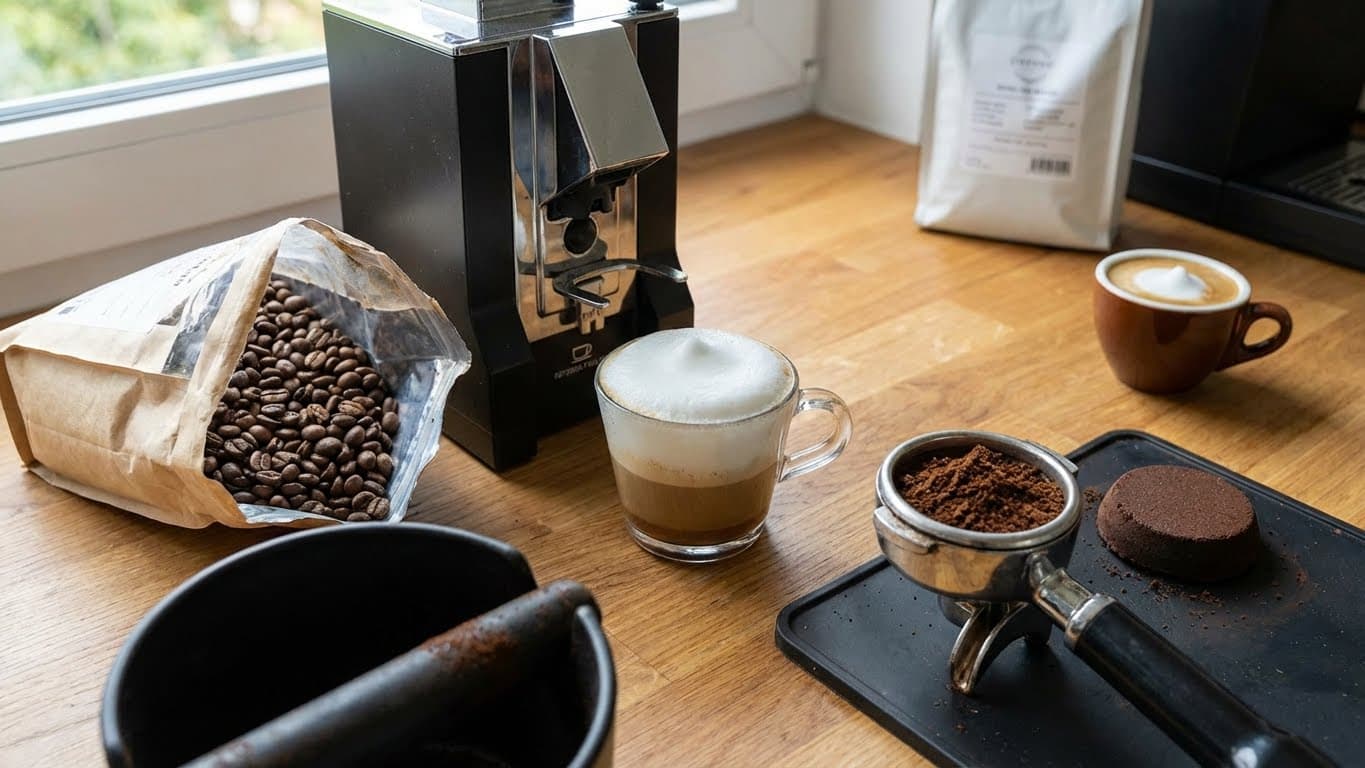
I’ve made plenty of mistakes on my home barista journey. Here’s what to avoid so you can skip the learning curve.
- Using too much milk. This is the most common error. A macchiato should have just a spot of milk, not a layer. If your drink looks like a mini latte, you’ve gone too far.
- Stale coffee beans. Espresso relies on fresh beans for that beautiful crema and complex flavor. Use beans roasted within the last 2-4 weeks.
- Wrong grind size. Too coarse and your espresso will be weak and watery. Too fine and it’ll be bitter and over-extracted. Dial in your grinder before committing to a full shot.
- Skipping the preheat. Run hot water through your espresso machine and warm your cup beforehand. Cold equipment leads to under-extracted, sour espresso.
- Rushing the milk. Even though you only need a small amount, take time to create proper microfoam. Large, bubbly foam won’t integrate well with the espresso.
In short: less is more with a macchiato. Focus on quality espresso first, then add just enough milk to complement it.
Frequently Asked Questions
How is a macchiato different from a cortado?
A cortado has equal parts espresso and steamed milk (usually 1:1 ratio), making it smoother and less intense. A macchiato uses much less milk—just a “stain”—so the espresso flavor dominates. If you want something bolder, go for the macchiato.
Can I make a macchiato without an espresso machine?
Yes, you can. A Moka pot or AeroPress can produce concentrated coffee that works as an espresso substitute. The flavor won’t be identical, but you’ll still get a satisfying result. Use a handheld milk frother to create foam.
What type of milk works best for a macchiato?
Whole milk froths best and adds a natural sweetness that complements espresso. However, oat milk is an excellent dairy-free alternative because it froths well and has a creamy texture. Skim milk tends to produce larger bubbles and less richness.
How many calories are in a traditional macchiato?
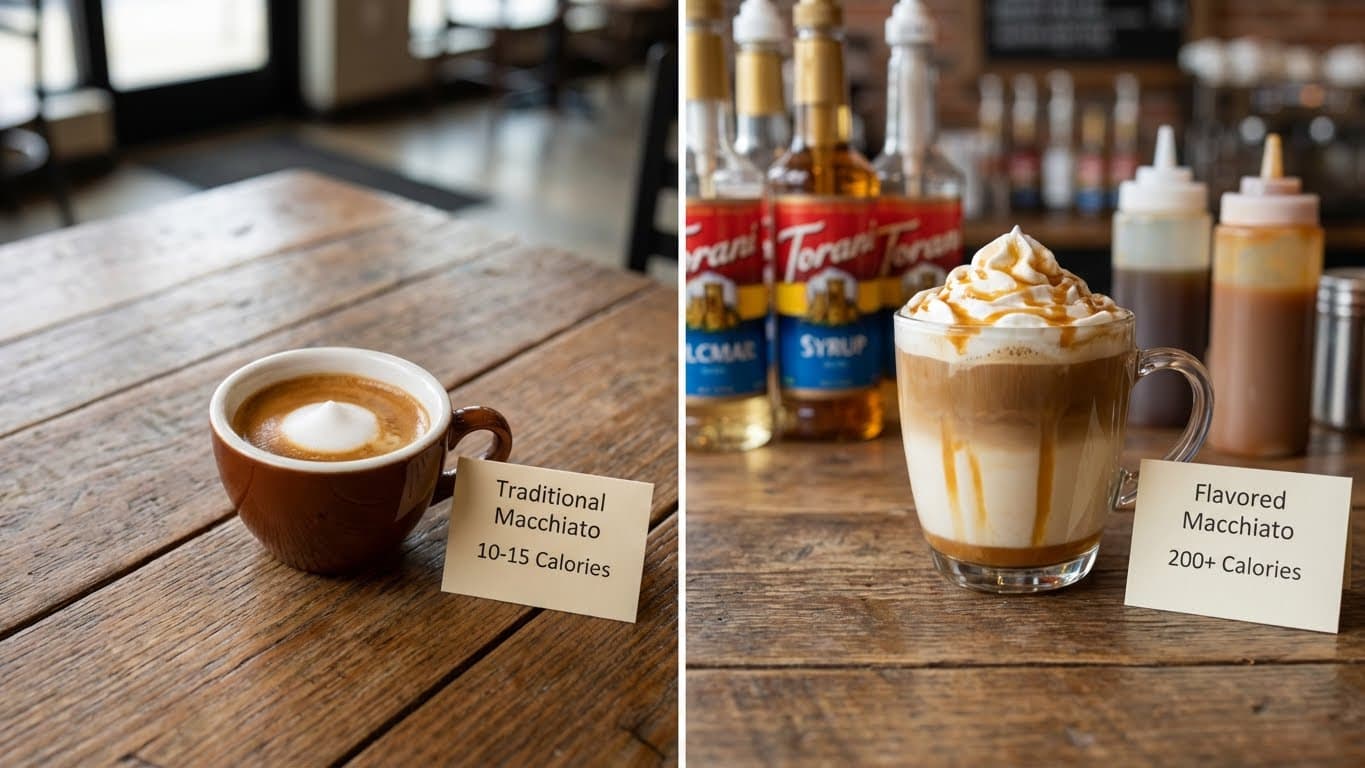
A traditional espresso macchiato has roughly 10-15 calories since it contains only a splash of milk. Flavored versions with syrups and caramel can have 200+ calories, so keep that in mind if you’re watching your intake.
Should I add sugar to my macchiato?
That’s entirely up to your taste. Traditionalists drink it without sugar to appreciate the espresso’s natural flavors. If you find it too bitter, a small amount of sugar or a pump of vanilla syrup can help while you develop your palate.
Final Thoughts and Your Next Step
Making a macchiato at home is one of the simplest ways to enjoy café-quality espresso without leaving your kitchen. The beauty of this drink lies in its minimalism—great espresso, a touch of milk, and nothing else to hide behind.
Start with the traditional version to appreciate what a real macchiato tastes like. Once you’re comfortable, experiment with latte macchiatos or add your favorite flavors. The most important thing is using fresh beans and taking a moment to enjoy the process.
Life is too short for bad coffee. Now that you know how to make a macchiato at home, go pull that shot and treat yourself. Your morning routine just got a serious upgrade.

Comments