


Table of Contents
- Why Buying Used Coffee Equipment Makes Sense for Beginners
- Best Places to Buy Used Coffee Equipment Online
- Specialty Coffee Forums and Communities
- Facebook Marketplace
- eBay
- Craigslist and Local Classifieds
- Red Flags to Watch For When Buying Used Coffee Equipment
- Scale Buildup: The Silent Killer
- Neglected Maintenance
- Vague or Defensive Sellers
- Prices That Seem Too Good
- Essential Questions to Ask Before You Buy
- How to Inspect Used Coffee Equipment (Even Remotely)
- Request Specific Photos
- Request a Video Demonstration
- For Grinders: The Burr Check
- Protecting Your Purchase
- Frequently Asked Questions
- Is it safe to buy a used espresso machine online?
- What's the most important thing to check on a used espresso machine?
- Should I buy a used grinder or a used espresso machine first?
- How much should I expect to save buying used coffee equipment?
- What if the used equipment arrives damaged or not as described?
- Final Thoughts and Your Next Steps
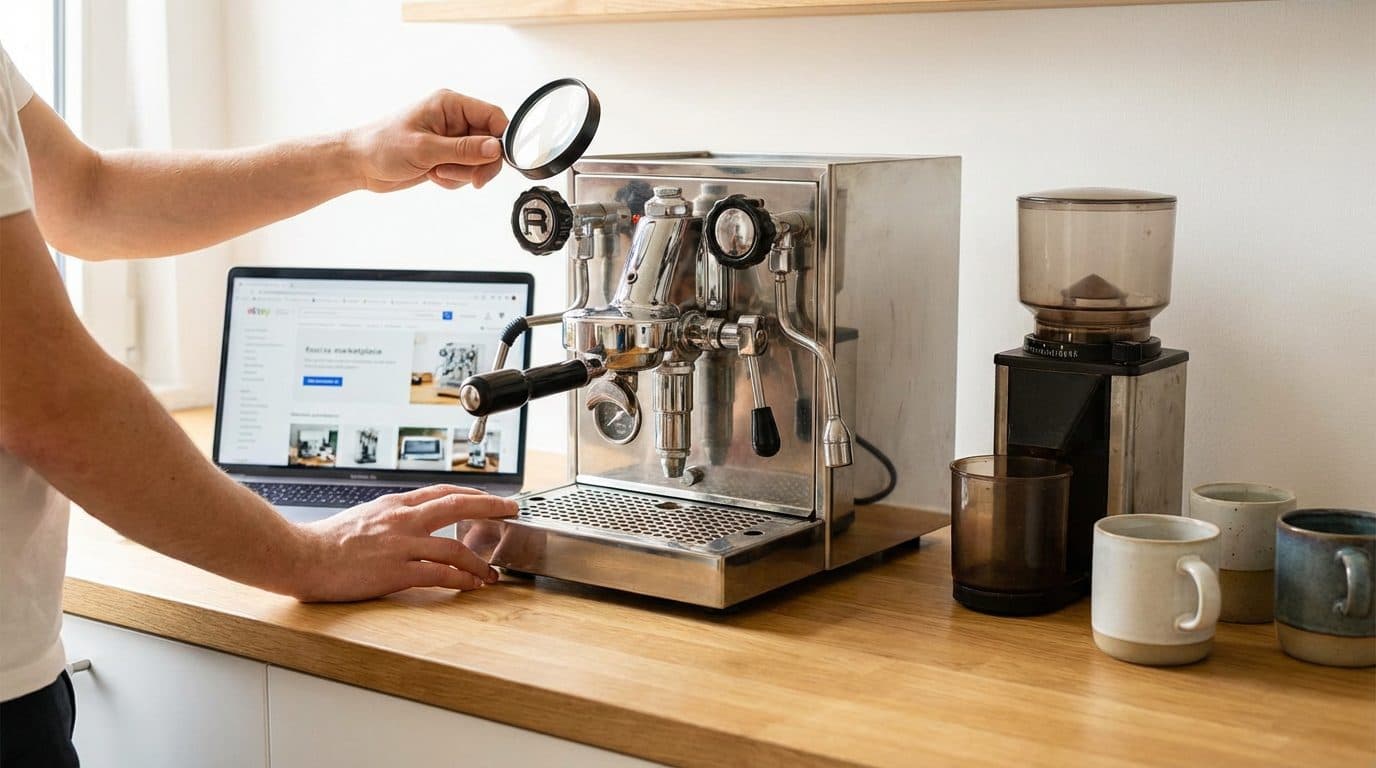
So you’ve caught the home coffee bug, but your wallet is giving you the side-eye every time you browse shiny new espresso machines? I get it. Buying used coffee equipment online can save you hundreds—sometimes thousands—of dollars. But here’s the catch: without knowing what to look for, you could end up with an expensive paperweight instead of your dream setup.
In this guide, I’ll walk you through exactly how to buy used coffee equipment safely online, even if you’ve never purchased secondhand gear before. You’ll learn where to shop, what red flags to avoid, and the specific questions that separate a great deal from a costly mistake.
Why Buying Used Coffee Equipment Makes Sense for Beginners
Let’s bust a myth right away: used doesn’t mean inferior. Many coffee enthusiasts upgrade their gear frequently, which means quality machines and grinders hit the secondhand market in excellent condition. In my experience, some of the best deals come from hobbyists who simply wanted to try something new.
Here’s what buying used coffee equipment can offer you:
- Significant savings: Expect 30-60% off retail prices for well-maintained gear
- Access to higher-end equipment: Your budget for a basic new machine might get you a prosumer-level used one
- Room to experiment: Less financial pressure means you can learn without stressing about your investment
- Sustainability: Keeping functional equipment out of landfills is a win for everyone
Key Takeaway: According to experienced home baristas, spending more on a quality grinder—even a used one—often matters more than the espresso machine itself. A great grinder paired with a decent machine will outperform the reverse combination every time.
Best Places to Buy Used Coffee Equipment Online
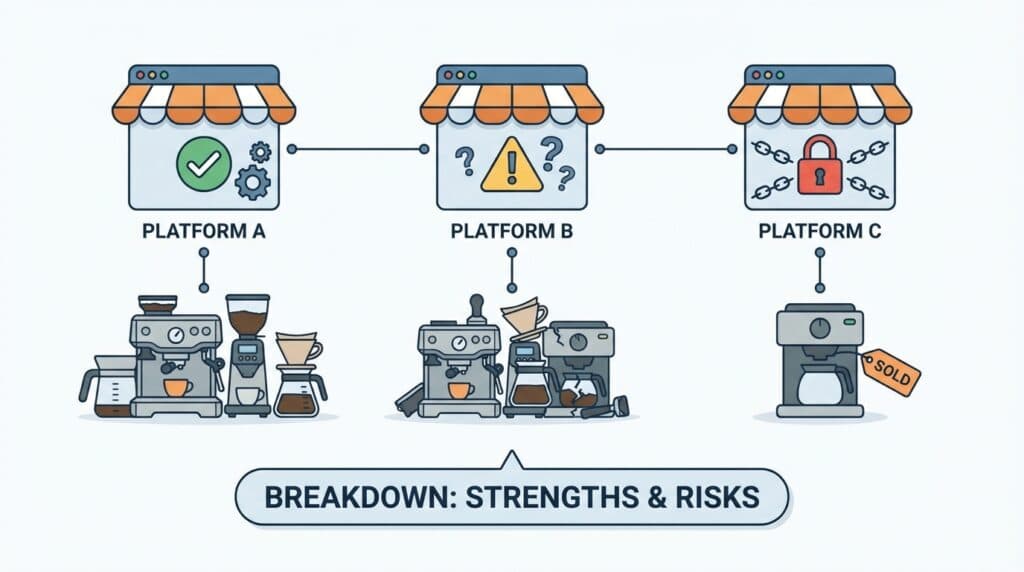
Not all platforms are created equal when it comes to buying used coffee equipment safely. Each has its strengths and risks. Here’s my breakdown:
Specialty Coffee Forums and Communities
Sites like Home-Barista.com and Reddit’s r/espresso have active buy/sell sections. The advantage? Sellers are typically knowledgeable enthusiasts who’ve maintained their equipment properly. You can also check their post history to gauge their expertise and trustworthiness.
Facebook Marketplace
Great for local pickups where you can inspect equipment in person. The downside is less buyer protection compared to other platforms. Always meet in public places and test the equipment before handing over cash.
eBay
Offers buyer protection policies that can save you if something goes wrong. Look for sellers with high ratings and detailed descriptions. Certified refurbished listings from reputable sellers can be particularly safe bets.
Craigslist and Local Classifieds
Similar to Facebook Marketplace—best for local deals where you can see the equipment working. The lack of seller ratings means you’ll need to rely more heavily on your own inspection skills.
Barista Tip: Whichever platform you choose, always request a video of the machine in operation. A photo can hide many sins, but a video showing the machine pulling a shot or steaming milk reveals much more about its true condition.
Red Flags to Watch For When Buying Used Coffee Equipment
This is where many beginners get burned. Based on what experienced buyers consistently report, here are the warning signs that should make you walk away:
Scale Buildup: The Silent Killer
Scale is mineral buildup from hard water, and it’s the biggest issue with used espresso machines. It clogs internal components, reduces heating efficiency, and can cause expensive damage. Ask the seller what type of water they used. Machines maintained with filtered, softened, or properly mineralized water are safer bets.
Signs of scale problems include:
- Slow water flow or weak pressure
- Visible white deposits around the group head or water tank
- The seller admitting they “never really descaled it”
Neglected Maintenance
Request photos of the group head, portafilter, and steam wand. Coffee oil residue and milk deposits are telltale signs of poor maintenance. A machine that looks dirty on the outside has likely been neglected on the inside too.
Vague or Defensive Sellers
Trustworthy sellers are happy to answer questions and provide additional photos or videos. If someone gets defensive, avoids specifics, or pressures you to decide quickly, that’s your cue to move on.
Prices That Seem Too Good
If a deal looks unbelievably cheap, it probably is. Scammers sometimes list high-end equipment at rock-bottom prices to lure buyers. Always verify the seller’s identity and history on the platform.
Did You Know? Some premium espresso machine manufacturers maintain databases of stolen machines. If you’re buying high-end used equipment, you can sometimes verify the serial number hasn’t been reported stolen.
Essential Questions to Ask Before You Buy
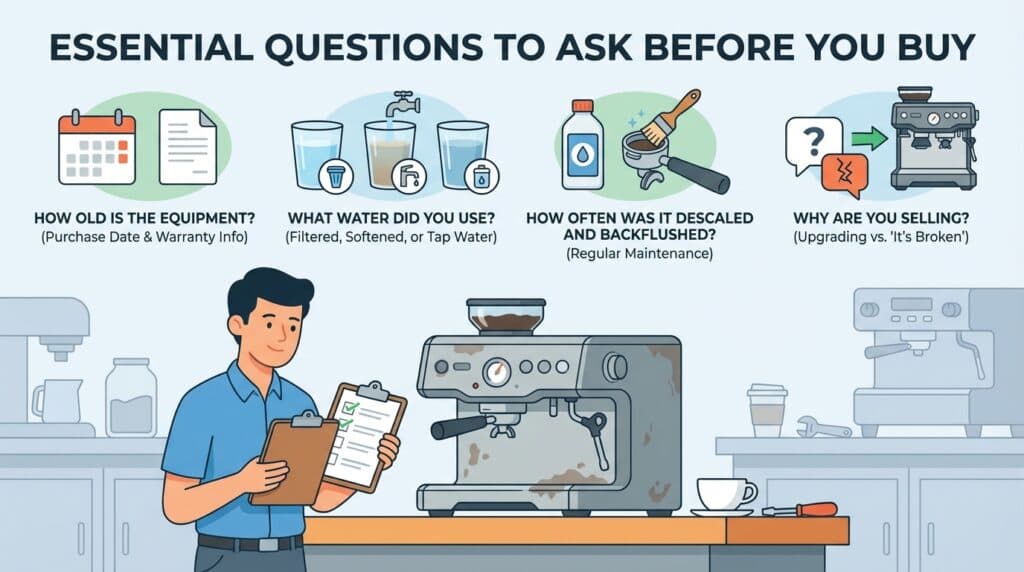
Walking into a used equipment purchase without a checklist is like brewing espresso without grinding your beans first—you’re setting yourself up for disappointment. Here’s what to ask every seller:
- How old is the equipment? Get the purchase date and any warranty transfer information
- What water did you use? Filtered, softened, or tap water makes a huge difference
- How often was it descaled and backflushed? Regular maintenance is non-negotiable
- Why are you selling? Upgrading is a good answer; “it started making weird noises” is not
- Are there any known issues? Honest sellers will disclose problems upfront
- Do you have the original accessories and manual? Missing parts can be expensive to replace
For grinders specifically, ask about burr condition. Burrs wear down over time and replacement can cost $50-200 depending on the model. A grinder with fresh burrs is worth more than one that’s ground thousands of pounds of coffee.
How to Inspect Used Coffee Equipment (Even Remotely)
If you can’t inspect in person, you’ll need to be extra thorough with your remote evaluation. Here’s my approach:
Request Specific Photos
Don’t settle for the listing photos. Ask for close-ups of:
- The group head and shower screen
- Inside the water reservoir
- The steam wand tip and surrounding area
- The drip tray (rust or heavy staining is a red flag)
- Any wear on buttons, knobs, or the portafilter handle
Request a Video Demonstration
Ask the seller to film the machine heating up, pulling a shot, and steaming milk. Listen for unusual sounds—grinding, clicking, or excessive vibration can indicate internal problems. The pump should sound consistent, not strained or stuttering.
For Grinders: The Burr Check
Ask for a photo of the burrs themselves. Look for visible wear patterns, chips, or dullness. If the seller doesn’t know how to access the burrs, that might tell you something about their maintenance habits.
Barista Tip: When buying locally, bring fresh coffee beans and ask to pull a test shot. The taste and crema quality will tell you more than any photo ever could.
Protecting Your Purchase
Even with careful vetting, things can go wrong. Here’s how to minimize your risk:
- Use payment methods with buyer protection: PayPal Goods & Services or credit cards offer recourse if the item isn’t as described
- Never pay with wire transfers, gift cards, or “friends and family” payments: These offer zero protection
- Get everything in writing: Save all messages about the equipment’s condition
- For expensive purchases, consider escrow services: They hold payment until you confirm the item arrived as described
- Document the unboxing: Film yourself opening the package in case you need to dispute the condition
If buying locally, inspect and test before paying. Any seller who refuses to let you see the equipment working is hiding something.
Frequently Asked Questions
Is it safe to buy a used espresso machine online?
Yes, but it requires due diligence. Stick to reputable platforms, ask detailed questions, request videos of the machine operating, and use payment methods with buyer protection. Many home baristas have built excellent setups entirely from used equipment.
What’s the most important thing to check on a used espresso machine?
Scale buildup is the biggest concern. Ask about the water type used and descaling frequency. Visible scale deposits, slow water flow, or a seller who never maintained the machine are major red flags that could mean expensive repairs.
Should I buy a used grinder or a used espresso machine first?
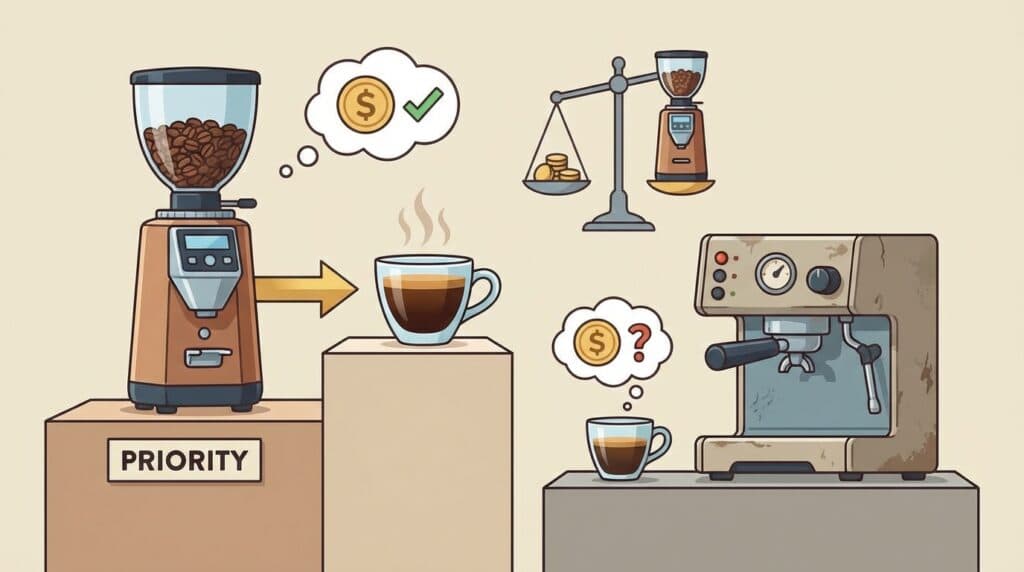
If you’re on a tight budget, prioritize the grinder. A quality grinder has a bigger impact on your espresso than the machine itself. You can always upgrade the machine later, but starting with a capable grinder sets you up for success.
How much should I expect to save buying used coffee equipment?
Typically 30-60% off retail prices for equipment in good condition. Higher-end gear tends to hold value better, so savings percentages may be smaller but dollar amounts larger. Factor in potential maintenance costs when calculating your true savings.
What if the used equipment arrives damaged or not as described?
If you paid through a protected method like PayPal Goods & Services or a credit card, file a dispute immediately. Document everything with photos and videos. This is why payment protection and unboxing documentation matter so much.
Final Thoughts and Your Next Steps
Buying used coffee equipment online as a beginner doesn’t have to be risky. With the right approach—choosing reputable platforms, asking the right questions, and knowing what red flags to avoid—you can score excellent gear at a fraction of retail prices. I’ve found that patience pays off; the perfect deal often comes to those who wait and stay vigilant.
Start by deciding what equipment you need most (remember: grinder first!), set up alerts on your preferred platforms, and don’t rush into a purchase just because it seems like a good deal. Take your time, do your homework, and soon you’ll be pulling café-quality shots at home without breaking the bank. Life’s too short for bad coffee—but it’s also too short to overpay for great coffee.


Comments