


Table of Contents
- Why Buying a Second-Hand Espresso Machine Makes Sense
- Machines That Age Like Fine Wine
- Red Flags When Buying Second-Hand Espresso Machines
- Scale and Hard Water Damage
- Pump and Electrical Issues
- Seller Behavior Red Flags
- Essential Questions to Ask Before Buying
- Maintenance and Usage History
- Reason for Selling
- What's Included
- How to Inspect a Second-Hand Espresso Machine
- Visual Inspection
- Functional Testing
- Negotiating the Price and Closing the Deal
- Researching Fair Market Value
- Negotiation Leverage
- After Purchase: First Steps With Your Used Machine
- Frequently Asked Questions
- Is buying a used espresso machine risky?
- How much should I expect to save buying second-hand?
- Should I avoid machines without original receipts?
- Can I still get warranty coverage on a used machine?
- What's the oldest machine I should consider buying?
- Final Thoughts and Your Next Step
So, you’ve caught the espresso bug but your wallet is giving you the side-eye? I get it. Quality espresso machines aren’t cheap, and dropping a thousand dollars or more on a new machine feels like a big commitment when you’re just starting out. Here’s the good news: the second-hand market is absolutely brimming with fantastic espresso machines that can make café-quality shots at a fraction of the original price. But here’s the catch—buying used equipment comes with risks that can turn your bargain into an expensive paperweight.
In this guide, I’ll walk you through everything you need to know about buying second-hand espresso machines. You’ll learn which machines hold up well over time, what red flags to watch for, which questions to ask sellers, and how to test a machine before handing over your cash. By the end, you’ll feel confident enough to score a great deal without getting burned.
Why Buying a Second-Hand Espresso Machine Makes Sense
Let me be honest with you—espresso machines depreciate the moment they leave the store, much like cars. A machine that cost $1,500 new might sell for $700-900 after just a year of home use. That’s a significant saving for equipment that, when properly maintained, can last a decade or longer.
The second-hand market is particularly kind to buyers right now. Many people bought espresso machines during lockdowns, used them a handful of times, and are now selling them practically new. Others upgrade to fancier setups and need to offload their starter machines. In my experience, I’ve found some of my best equipment this way.
Machines That Age Like Fine Wine
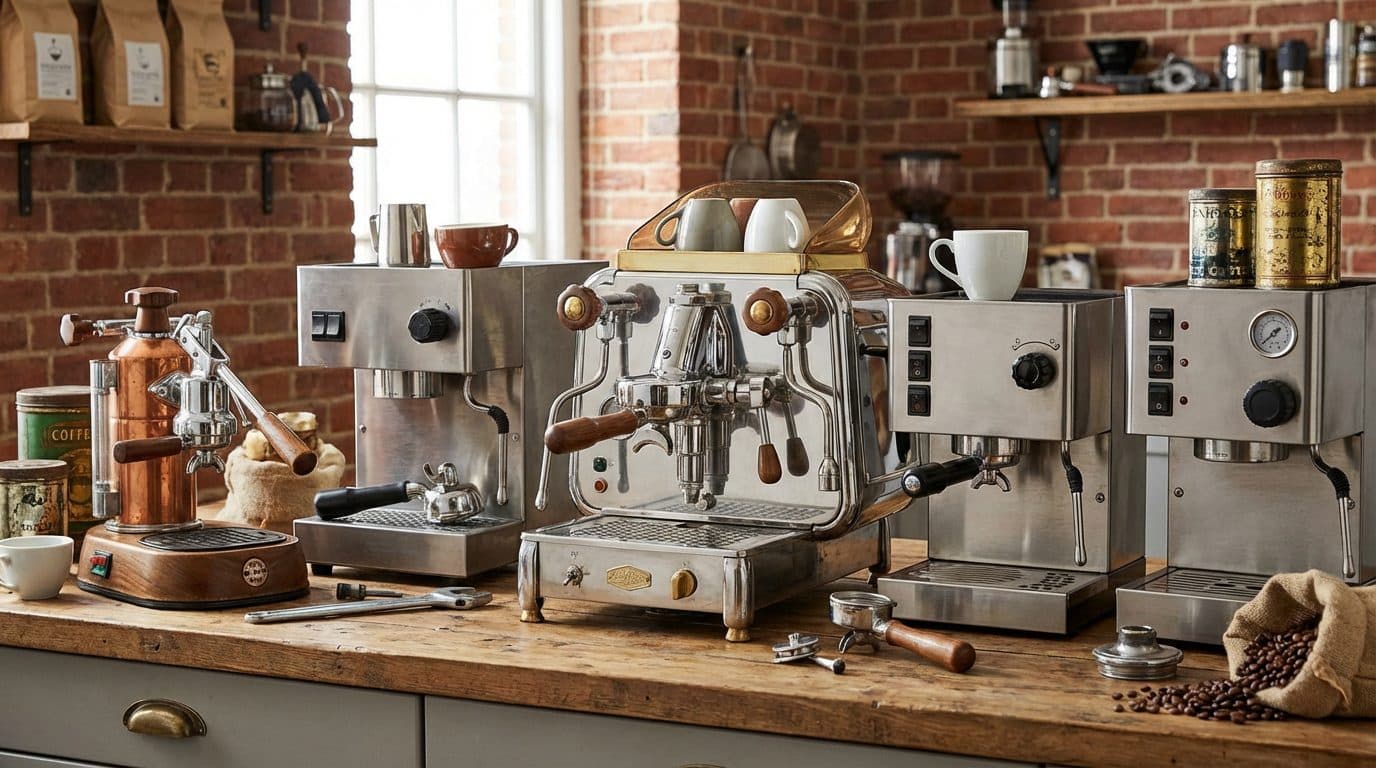
Not all espresso machines are created equal when it comes to longevity. Some brands and types hold up remarkably well:
- E61 group head machines — These classic designs (Rocket, ECM, Profitec) have user-serviceable parts and are built to last decades
- La Pavoni lever machines — Simple mechanics mean fewer things can break
- Rancilio Silvia — A legendary workhorse with readily available parts
- Gaggia Classic — Budget-friendly, simple to repair, huge community support
- Breville/Sage machines — Good value but harder to service long-term
In short: machines with simpler internals and available replacement parts are your safest bets on the used market.
Red Flags When Buying Second-Hand Espresso Machines
Now let’s talk about what should make you walk away from a deal. I’ve seen too many excited buyers overlook warning signs and regret it later.
Scale and Hard Water Damage
Scale buildup is the silent killer of espresso machines. When sellers live in hard water areas and haven’t been descaling regularly, the boiler, heating elements, and internal tubing suffer. Signs to watch for include:
- White crusty deposits around the group head or steam wand
- Slow water flow or weak steam pressure
- The seller admits they “never really descaled it”
- Visible mineral buildup in the water tank
Scale damage can be expensive or impossible to reverse. If the machine shows heavy scaling, negotiate hard on price or walk away entirely.
Pump and Electrical Issues
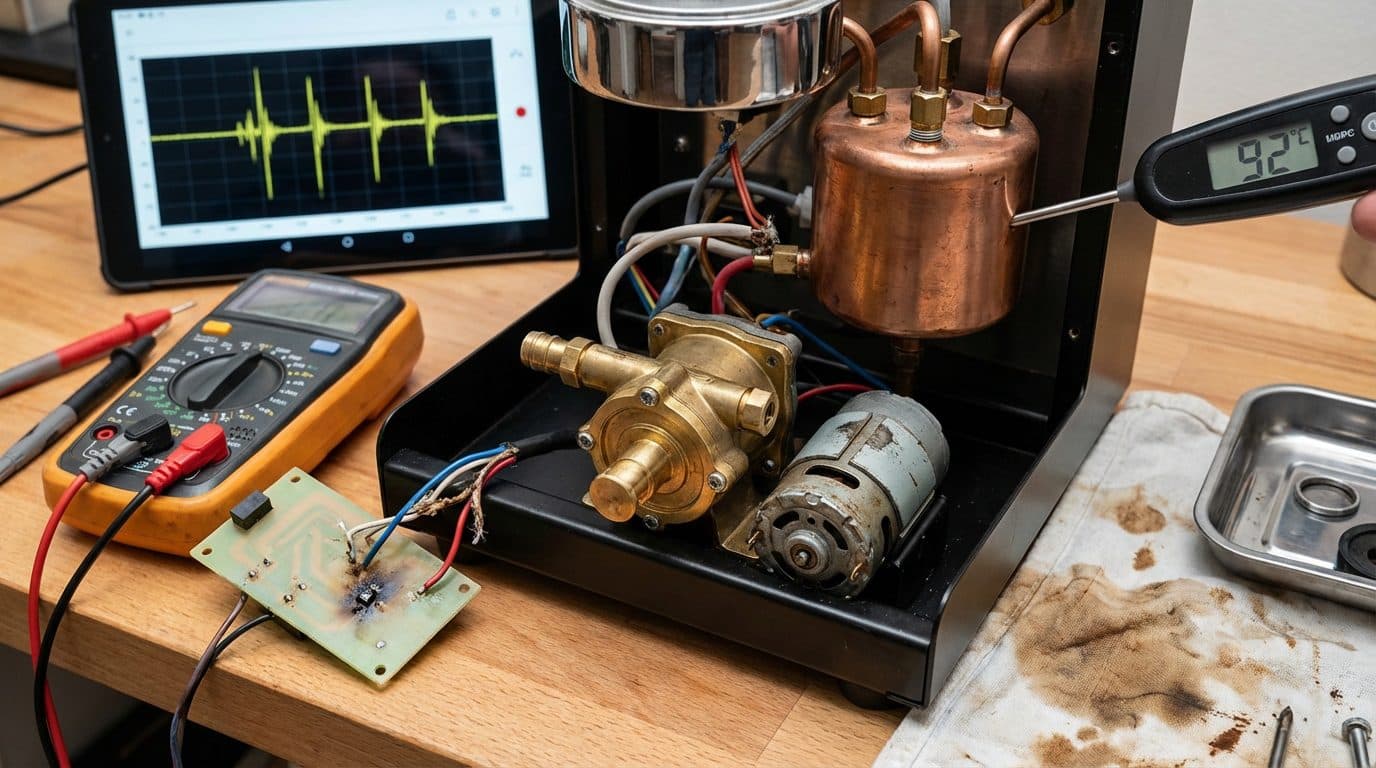
The pump is the heart of any espresso machine. Listen carefully when the machine runs—it should produce a steady, consistent hum. Warning sounds include grinding, clicking, or pulsing noises. Also check that the machine heats up to proper temperature within a reasonable time (usually 15-30 minutes depending on the model).
For electrical concerns, look for frayed cords, burn marks, or any modifications made by previous owners. Unless you’re handy with electrical repairs, these issues aren’t worth the hassle.
Seller Behavior Red Flags
Sometimes the biggest warning signs come from the person selling, not the machine itself:
- Refusing to let you see the machine in person
- Unable to demonstrate the machine making an actual shot
- Vague answers about maintenance history
- Pressure to buy quickly without inspection
- Price that seems too good to be true
Essential Questions to Ask Before Buying
When you find a promising listing, arm yourself with these questions. A good seller will answer them openly—hesitation or evasiveness is a red flag.
Maintenance and Usage History
Start with the basics: How old is the machine, and how frequently was it used? A three-year-old machine that made two shots daily has vastly different wear than one that made twenty shots daily in a home café setup. Ask specifically about:
- Descaling frequency and products used
- Backflushing routine (for machines with three-way valves)
- Any parts that have been replaced
- Whether they used filtered or softened water
Tip: Sellers who can answer these questions in detail are usually the ones who actually cared for their machines properly.
Reason for Selling
This question reveals a lot. Common legitimate reasons include upgrading to a better machine, downsizing, or moving. Be more cautious when sellers are vague or cite “no time” after owning the machine briefly—this sometimes indicates frustration with a problematic unit.
What’s Included
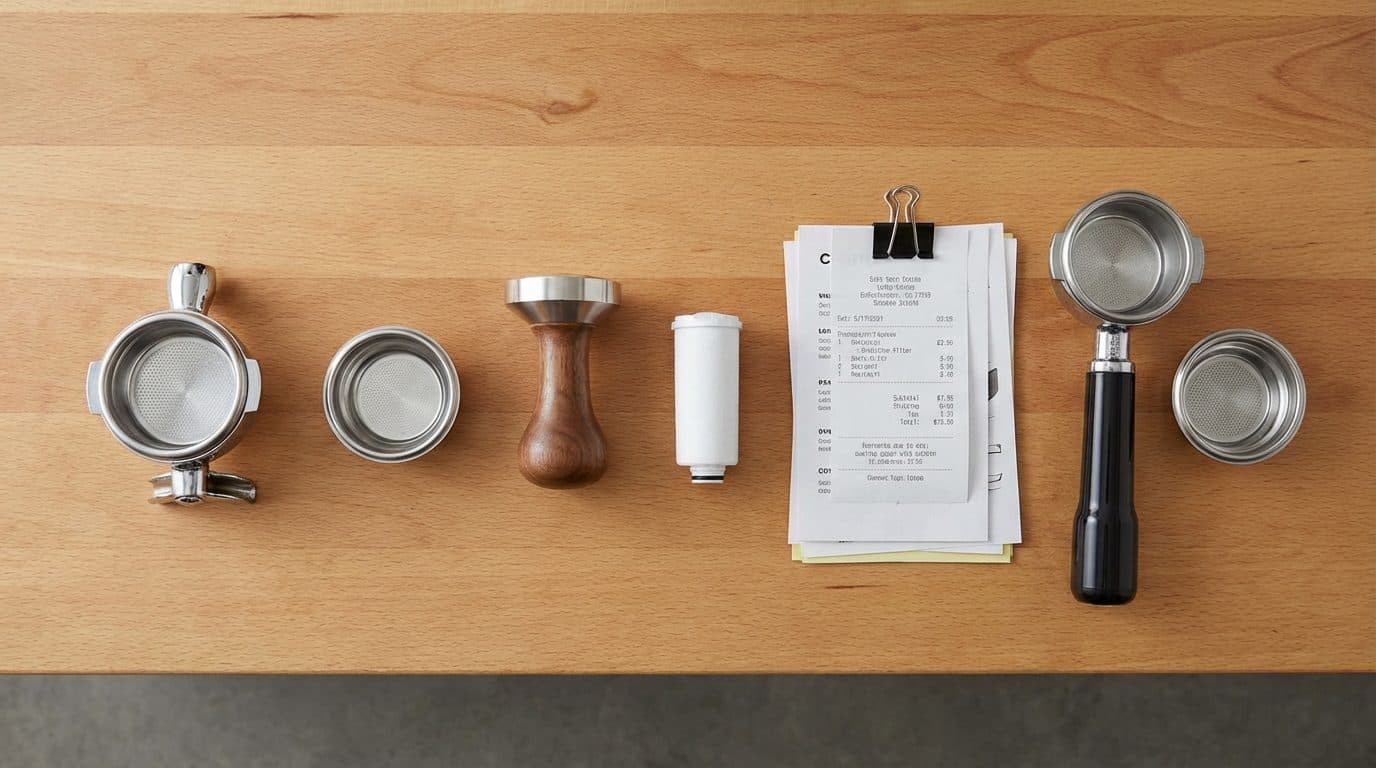
Accessories add up quickly when buying new, so clarify what comes with the machine:
- Original portafilter(s) and baskets
- Tamper
- Water filter or softener
- Original documentation or receipts
- Any upgraded parts (precision baskets, bottomless portafilter, etc.)
How to Inspect a Second-Hand Espresso Machine
Never buy a machine without seeing it run. Here’s your inspection checklist for when you meet the seller.
Visual Inspection
Before powering anything on, give the machine a thorough look:
- Exterior — Check for dents, scratches, or signs of drops
- Group head — Remove the portafilter and look inside for scale or coffee residue buildup
- Steam wand — Should move freely and have a clean tip
- Drip tray — Excessive staining suggests infrequent cleaning
- Water reservoir — Check for discoloration, slime, or mineral deposits
Functional Testing
Ask the seller to power on the machine and let it fully heat up. Then run through these tests:
- Pull a shot — Watch the extraction; it should flow smoothly without spurting or channeling
- Steam milk — The steam should be powerful and consistent, not weak or spitting water
- Listen to the pump — Steady hum, no grinding or irregular sounds
- Check for leaks — Look underneath and around all fittings during operation
- Test all switches and buttons — Everything should respond properly
Tip: Bring your own coffee if possible. Some sellers might use stale or pre-ground coffee that makes diagnosing issues harder.
Negotiating the Price and Closing the Deal
Found a machine that passes inspection? Great—now let’s talk money.
Researching Fair Market Value
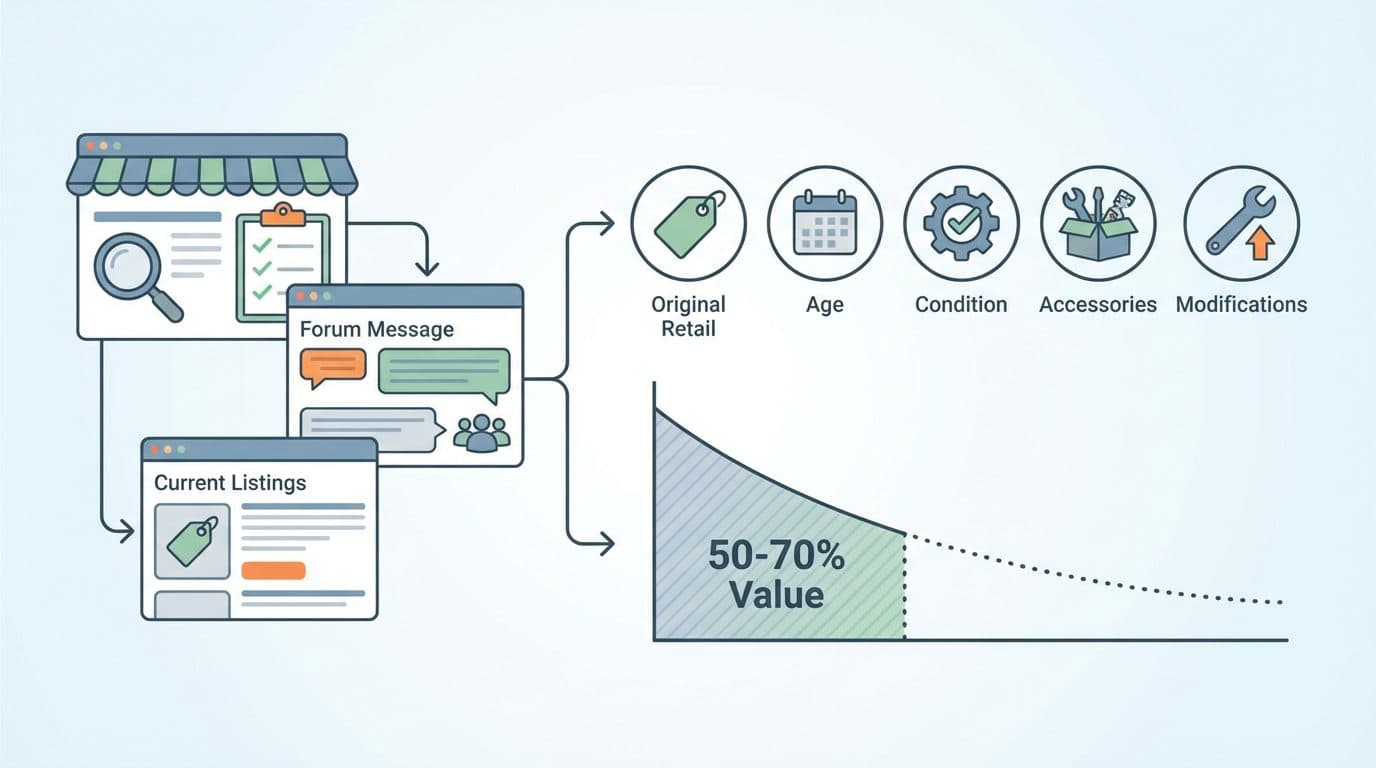
Before negotiating, know what the machine is worth. Check completed listings on eBay, browse espresso forums, and look at current asking prices for the same model. Consider:
- Original retail price
- Age of the machine
- Overall condition
- Included accessories
- Any modifications or upgrades
A well-maintained machine typically sells for 50-70% of its original price in the first few years, dropping further as it ages.
Negotiation Leverage
Use any issues you’ve identified during inspection as leverage. Minor cosmetic damage, missing accessories, or needed maintenance all justify a lower offer. Be reasonable but firm—sellers often price high expecting negotiation.
In short: do your homework, point to specific concerns, and make a fair offer based on the machine’s actual condition.
After Purchase: First Steps With Your Used Machine
Congratulations on your new-to-you espresso machine! Before pulling your first celebratory shot, give it some love:
- Deep clean everything — Backflush with detergent, scrub the group head, clean the steam wand
- Descale — Even if the seller claims they did it recently, start fresh
- Replace consumables — New shower screen, gaskets, and water filter are cheap insurance
- Run test shots — Dial in your grind and get familiar with the machine’s behavior
Think of this as resetting the machine to your ownership. You’ll learn its quirks and establish your own maintenance baseline.
Frequently Asked Questions
Is buying a used espresso machine risky?
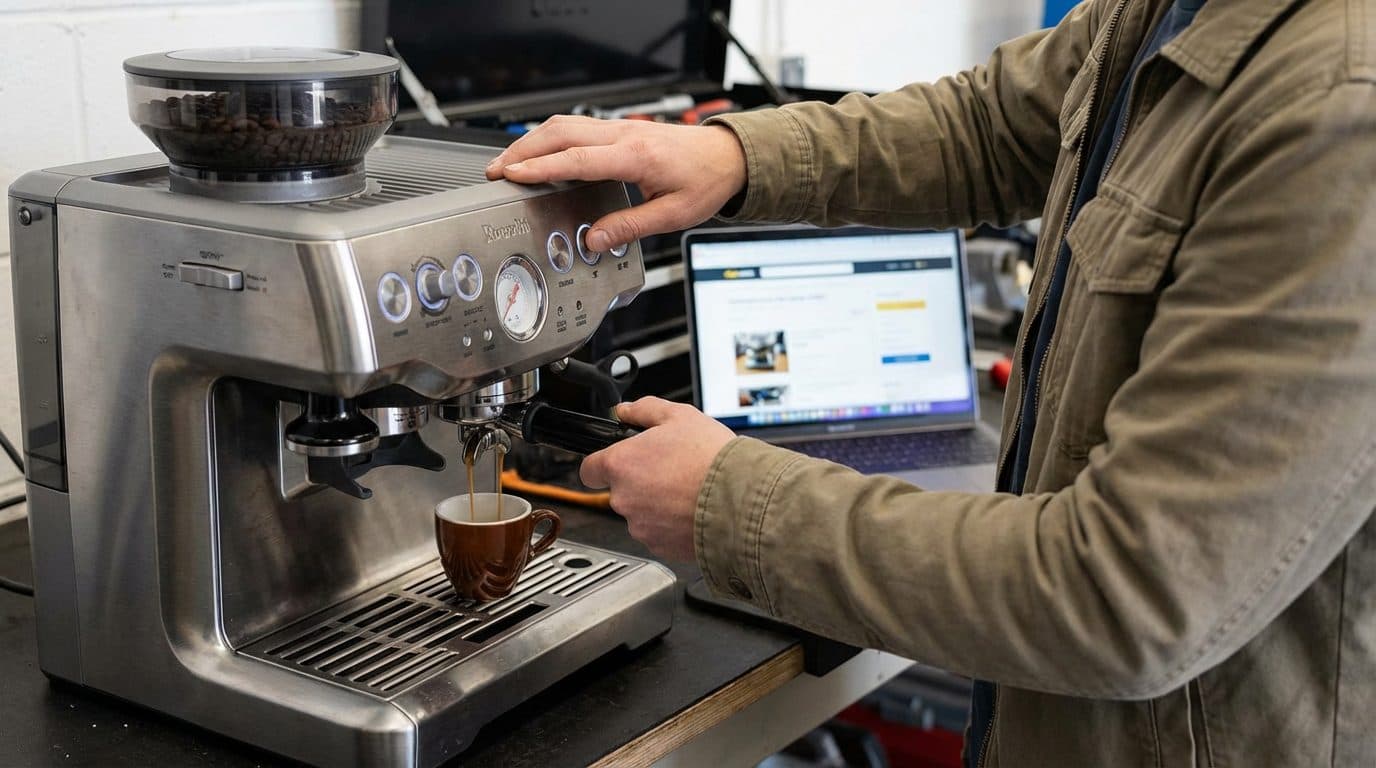
There’s always some risk, but it’s manageable with proper inspection and research. Stick to reputable platforms, meet sellers in person, and test the machine before buying. The potential savings often outweigh the risks when you’re careful.
How much should I expect to save buying second-hand?
Typically 30-50% off retail for machines in good condition. Older machines or those needing minor work can be even cheaper. The best deals often come from sellers who need quick sales or don’t know the true value of what they’re selling.
Should I avoid machines without original receipts?
Not necessarily. While receipts help verify age and authenticity, many legitimate sellers have lost their paperwork. Focus more on the machine’s physical condition and the seller’s knowledge of its history.
Can I still get warranty coverage on a used machine?
Most manufacturer warranties don’t transfer to second owners. However, some brands offer paid service plans, and third-party repair services can help with maintenance. Factor this into your budget when comparing used versus new prices.
What’s the oldest machine I should consider buying?
It depends on the brand and how well it was maintained. Quality E61 machines can run beautifully for 15+ years. Budget machines might show their age after 5-7 years. Prioritize maintenance history over age alone.
Final Thoughts and Your Next Step
Buying a second-hand espresso machine can be one of the smartest moves for your home coffee setup. You get access to higher-quality equipment than you might afford new, and with proper inspection, you minimize the risks. The key is patience—wait for the right machine at the right price rather than jumping on the first deal you see.
Start browsing your local marketplaces, espresso forums, and specialty coffee groups. Save this guide and refer back to the inspection checklist when you find a promising listing. Life’s too short for bad coffee, and it’s also too short to overpay for great equipment. With a little homework and careful shopping, you’ll be pulling beautiful shots on a machine that didn’t break the bank. Happy hunting!

Comments