


Table of Contents
- What Makes a Gooseneck Kettle Different?
- Why Pour Over Coffee Demands Control
- Even Saturation Is Everything
- Agitation Control
- Can You Make Pour Over Without a Gooseneck Kettle?
- The Regular Kettle Workaround
- When You Can Skip the Gooseneck
- Gooseneck Kettle Options for Every Budget
- The Real-World Difference: A Quick Comparison
- Frequently Asked Questions
- Is a gooseneck kettle only useful for pour over?
- Does the gooseneck material matter?
- Can I use a gooseneck kettle on an induction stovetop?
- How long do gooseneck kettles typically last?
- What's more important: gooseneck kettle or good grinder?
- The Verdict: Do You Really Need One?
You’ve probably seen those elegant, swan-necked kettles in every pour over video on the internet. They look beautiful, almost sculptural, sitting on a barista’s counter. But here’s the question that nags at every budget-conscious coffee lover: is a gooseneck kettle actually necessary, or is it just another piece of gear designed to empty your wallet?
I’ve brewed thousands of pour overs over the years—with gooseneck kettles, regular kettles, and yes, even a saucepan in desperate times. In this post, I’ll break down exactly what a gooseneck kettle does, when it genuinely matters, and whether you can get away without one. By the end, you’ll know if this tool deserves a spot in your kitchen.
What Makes a Gooseneck Kettle Different?
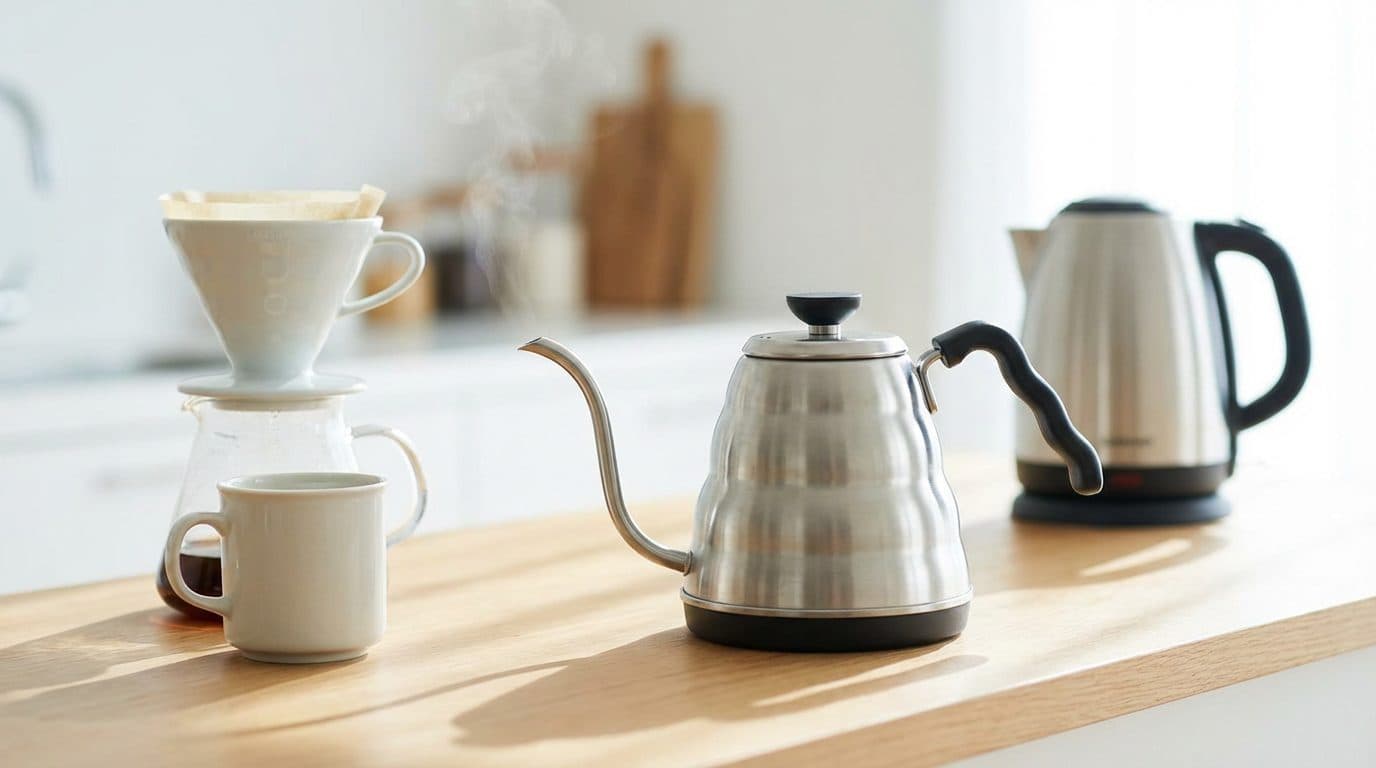
A gooseneck kettle gets its name from the long, curved spout that resembles—you guessed it—a goose’s neck. This design isn’t just for aesthetics. The narrow spout gives you precise control over the flow rate and direction of your water.
With a standard kettle, water rushes out in an unpredictable stream. You’re essentially trying to paint a detailed picture with a fire hose. A gooseneck kettle, on the other hand, lets you pour a thin, steady stream exactly where you want it.
- Flow control: You decide how fast or slow the water comes out
- Precision targeting: You can direct water to specific areas of your coffee bed
- Consistent pouring: The stream stays steady throughout the pour
In short, a gooseneck kettle transforms pouring from a chaotic splash into a controlled, intentional act. And in pour over brewing, intention matters more than you might think.
Why Pour Over Coffee Demands Control
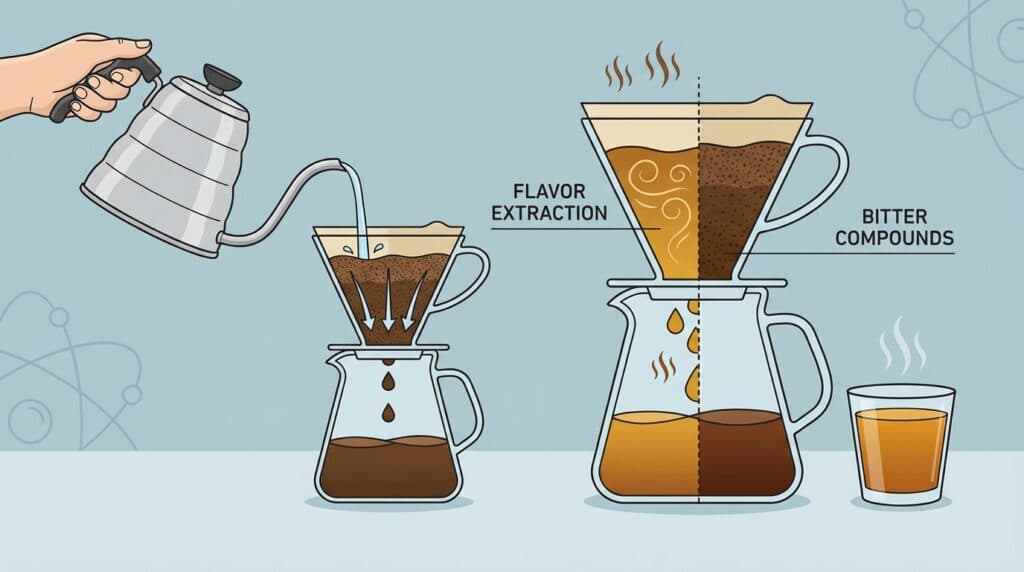
Pour over brewing is all about extraction—pulling the right flavors from your coffee grounds while leaving the bitter, unpleasant compounds behind. The way water interacts with your grounds directly affects this process.
Even Saturation Is Everything
Imagine pouring water onto your coffee bed and having it all rush to one side. Some grounds get over-extracted (bitter, harsh), while others barely get touched (sour, weak). The result? A muddy, unbalanced cup that doesn’t represent what your coffee could taste like.
A gooseneck kettle lets you wet all the grounds evenly during the bloom phase and maintain consistent saturation throughout the brew. I’ve found that this single factor can transform a mediocre cup into something genuinely delicious.
Agitation Control
When water hits coffee grounds with too much force, it creates turbulence. This agitation can lead to channeling—where water finds the path of least resistance and rushes through, under-extracting most of your coffee. With a gooseneck’s gentle stream, you control exactly how much you disturb the coffee bed.
Key Takeaway: Pour over brewing rewards precision. The more control you have over your pour, the more consistent and flavorful your results will be.
Can You Make Pour Over Without a Gooseneck Kettle?
Here’s the honest truth: yes, you absolutely can. People made excellent pour over coffee long before gooseneck kettles became mainstream. But there’s a catch—it’s harder, less consistent, and requires more technique to compensate for your equipment.
The Regular Kettle Workaround
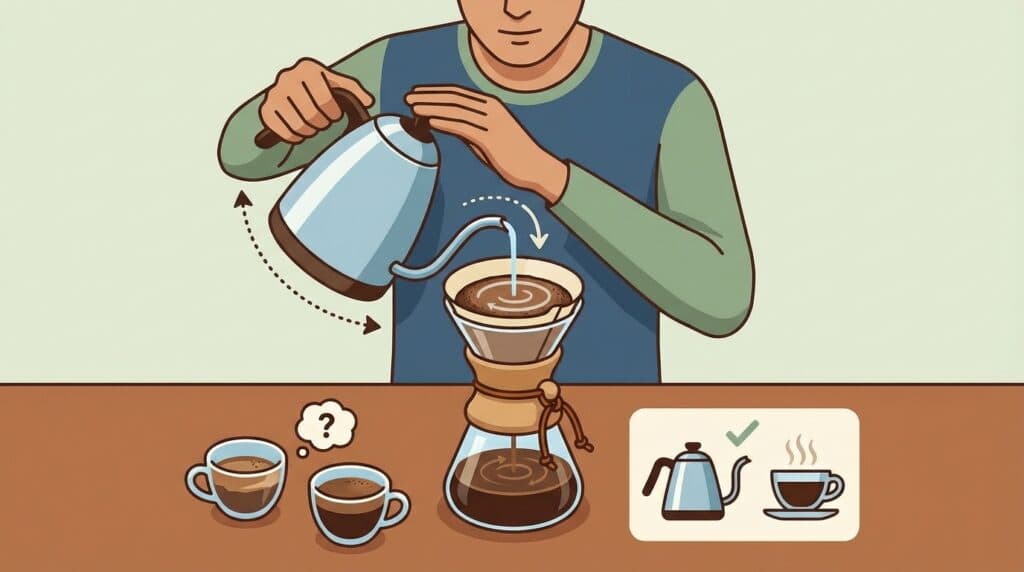
If you’re using a standard kettle, try these adjustments:
- Pour from a lower height to reduce splashing
- Tilt the kettle only slightly to slow the flow
- Move in very slow, deliberate circles
- Accept that some inconsistency is inevitable
I’ve coached beginners who got decent results with a regular kettle by being extremely patient and careful. But “decent” is the operative word. They hit a ceiling that a gooseneck kettle would have easily broken through.
When You Can Skip the Gooseneck
Not everyone needs surgical precision in their morning routine. If you fall into these categories, a regular kettle might serve you fine:
- You’re brewing with a forgiving method like a Clever Dripper (immersion-style)
- You prefer convenience over optimization
- You’re using pre-ground coffee and aren’t chasing peak flavor
- Your budget genuinely can’t stretch right now
There’s no shame in any of these. Life is too short for coffee snobbery. But if you’re serious about improving your pour over game, a gooseneck kettle removes a significant barrier.
Gooseneck Kettle Options for Every Budget
The good news? You don’t need to spend a fortune. Gooseneck kettles range from budget-friendly stovetop models to feature-packed electric versions with temperature control.
| Type | Price Range | Best For |
|---|---|---|
| Basic Stovetop | $15–$30 | Budget-conscious beginners |
| Electric (no temp control) | $25–$50 | Convenience seekers |
| Electric (with temp control) | $50–$100+ | Serious home baristas |
In my experience, a basic stovetop gooseneck kettle paired with a cheap thermometer gives you 90% of the benefit at a fraction of the cost. Temperature control is nice, but it’s not essential when you’re starting out.
Barista Tip: If you go the stovetop route, let your water rest for 30–45 seconds after boiling. This brings it down to the ideal 195–205°F range for most pour overs.
The Real-World Difference: A Quick Comparison
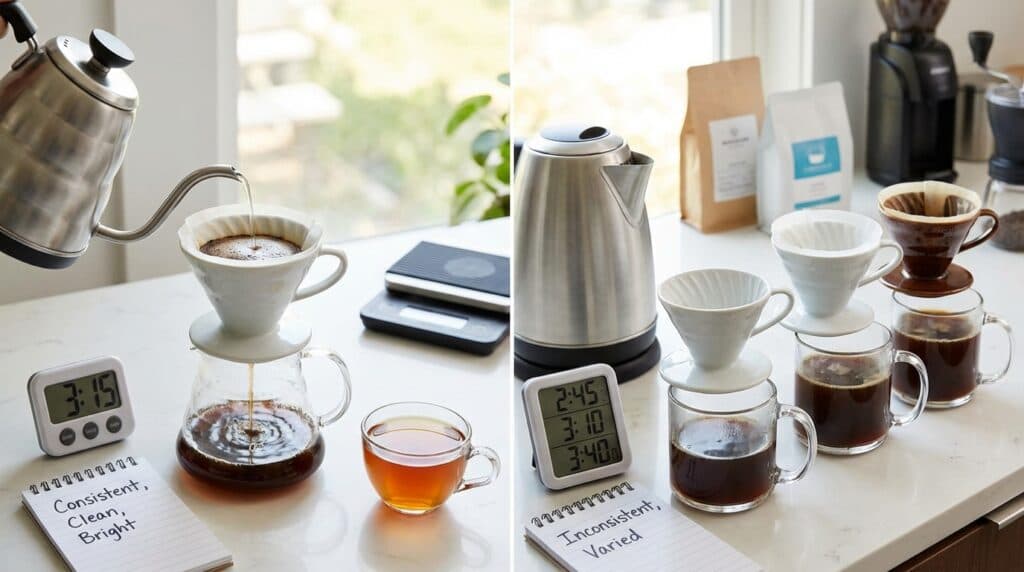
Let me paint a picture from my own kitchen. I recently brewed the same coffee, same grind, same ratio—once with a gooseneck kettle and once with a standard electric kettle.
With the gooseneck, my brew time was consistent at 3:15. The coffee tasted clean, with bright acidity and a sweet finish. With the regular kettle, my brew time varied wildly (2:45 to 3:40 across three attempts). The cups ranged from sour and thin to bitter and muddy.
The difference wasn’t subtle. It was the difference between a coffee I’d proudly serve a guest and one I’d quietly dump down the sink.
Frequently Asked Questions
Is a gooseneck kettle only useful for pour over?
Not at all. A gooseneck kettle is also excellent for tea brewing, French press (controlling agitation), and even just precise water pouring in cooking. Once you have one, you’ll find uses for it everywhere.
Does the gooseneck material matter?
Stainless steel is the most common and durable choice. Some kettles feature copper or brass accents for aesthetics, but functionally, stainless steel works perfectly for most home brewers.
Can I use a gooseneck kettle on an induction stovetop?
Only if it’s specifically labeled as induction-compatible. Many stovetop gooseneck kettles are, but always check before purchasing. Electric gooseneck kettles bypass this issue entirely.
How long do gooseneck kettles typically last?
A quality gooseneck kettle can last years—even a decade or more with proper care. Avoid leaving water sitting in it for extended periods, and descale occasionally if you have hard water.
What’s more important: gooseneck kettle or good grinder?
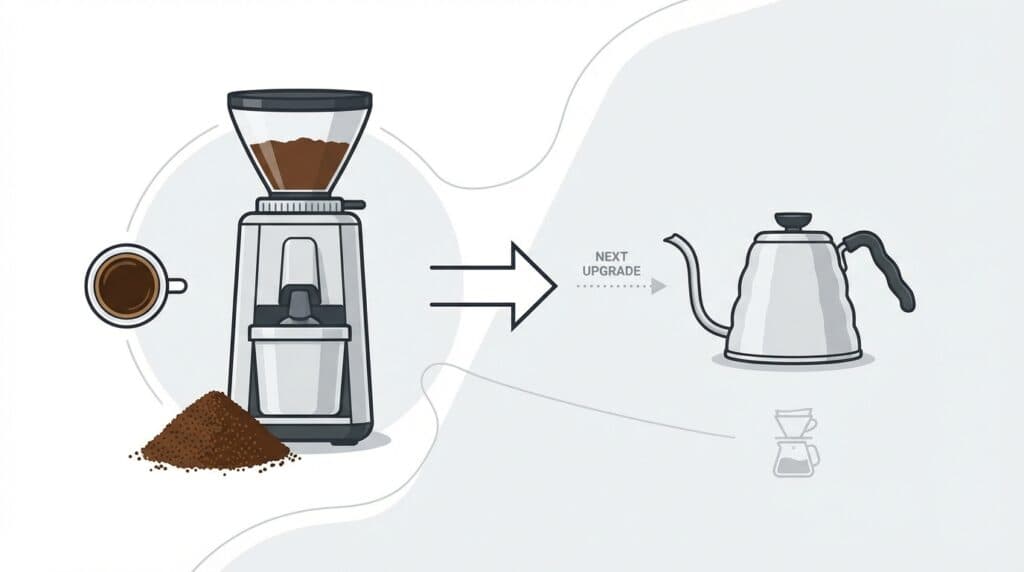
If you can only invest in one thing, choose the grinder. Grind consistency has a bigger impact on flavor than pour precision. But once your grinder is sorted, a gooseneck kettle is the logical next upgrade.
The Verdict: Do You Really Need One?
Here’s my honest take after years of brewing: a gooseneck kettle isn’t strictly necessary, but it makes pour over coffee significantly easier and more consistent. It’s the difference between fighting your equipment and working with it.
If you’re casually dabbling in pour over and happy with “good enough” results, you can manage without one. But if you’re frustrated by inconsistent brews, chasing that perfect cup, or simply want to enjoy the meditative ritual of a controlled pour—a gooseneck kettle is worth every penny.
The best part? Entry-level options are genuinely affordable. You don’t need the fanciest model to see dramatic improvements. Start with a basic stovetop gooseneck, practice your technique, and watch your pour overs transform. Your morning coffee will thank you.


Comments