


Table of Contents
- What Causes Grassy and Peanut Flavors in Coffee?
- The Science Behind Under-Roasting
- Key Takeaway
- How to Identify Under-Roasted Beans Before Brewing
- Visual Inspection
- The Smell Test
- The Grind Test
- Common Causes of Under-Roasted Coffee
- Roaster Errors
- The "Light Roast" Confusion
- Home Roasting Pitfalls
- How to Fix or Improve Under-Roasted Coffee
- Adjust Your Brewing Method
- Barista Tip
- Blend With Other Beans
- When to Cut Your Losses
- Preventing Under-Roasted Coffee in Your Future
- Choosing a Reliable Roaster
- For Home Roasters
- Frequently Asked Questions
- Can under-roasted coffee make you sick?
- Why does my light roast taste like peanuts but my friend's doesn't?
- Can I re-roast under-roasted beans at home?
- How long after first crack should beans roast for a light roast?
- Is the grassy flavor the same as the "bright acidity" described in specialty coffee?
- Final Thoughts: Life Is Too Short for Grassy Coffee
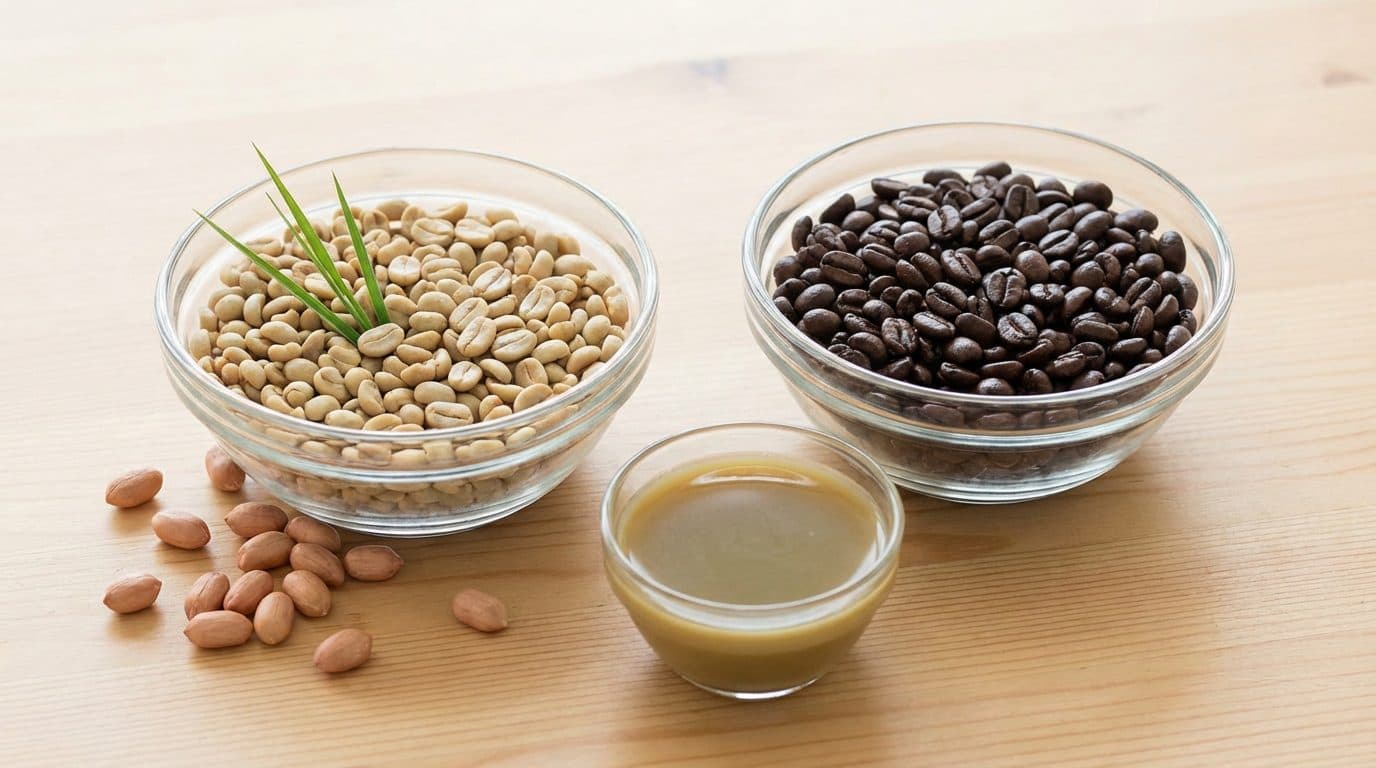
You take a sip of your freshly brewed coffee, expecting a rich, satisfying flavor. Instead, you’re hit with an unpleasant grassy, hay-like taste—or worse, a strange peanut-shell bitterness that lingers on your tongue. What went wrong? If you’ve experienced this, you’re not alone. These off-flavors are telltale signs of under-roasted coffee beans, and they can turn your morning ritual into a disappointing experience.
In this guide, I’ll walk you through exactly why under-roasted beans produce these grassy and peanut flavors, how to identify them before brewing, and what you can do to fix or avoid this problem entirely. Whether you received a questionable batch from a roaster or you’re experimenting with home roasting, understanding this issue will save you from many cups of undrinkable coffee.
What Causes Grassy and Peanut Flavors in Coffee?
Let’s get straight to the point: grassy and peanut flavors almost always indicate that your coffee beans haven’t been roasted long enough or at a high enough temperature. During the roasting process, green coffee beans undergo a complex series of chemical reactions that transform their raw, vegetal compounds into the rich, aromatic flavors we love. When this process is cut short, those reactions remain incomplete.
The Science Behind Under-Roasting
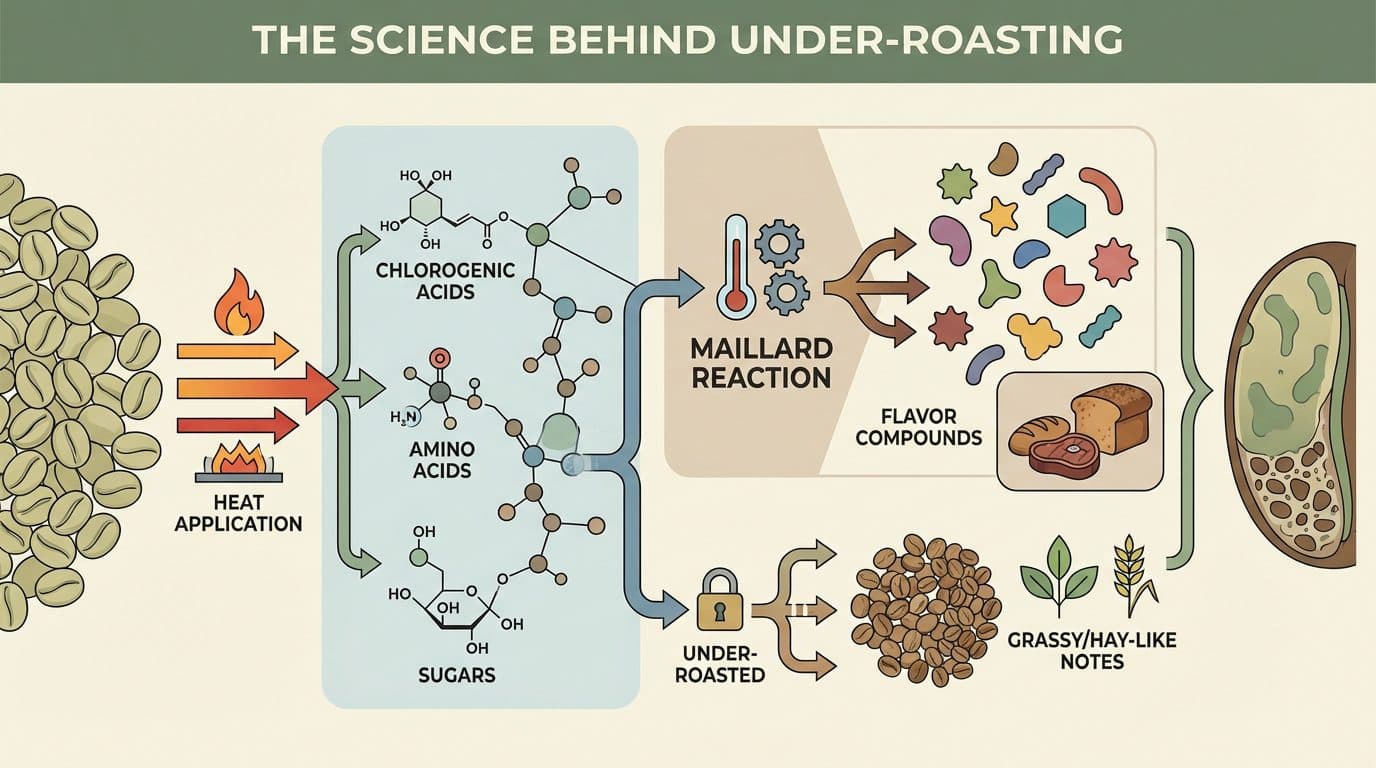
Green coffee beans contain chlorogenic acids, amino acids, and sugars that need heat to break down and recombine into flavor compounds. The Maillard reaction—the same process that browns bread and gives steak its crust—is responsible for much of coffee’s complexity. In under-roasted beans, this reaction hasn’t fully developed.
Here’s what happens when beans don’t reach proper roast development:
- Grassy/hay-like notes: Caused by leftover chlorophyll and vegetal compounds that haven’t been cooked out
- Peanut or raw nut flavors: Result from incomplete Maillard reaction and underdeveloped sugars
- Sour, sharp acidity: Acids haven’t been properly modulated by heat
- Thin, watery body: Cellular structure hasn’t broken down enough to release oils and soluble compounds
In my experience, the peanut flavor specifically tends to appear when beans have reached first crack but were pulled too quickly afterward. The grassy notes are more common in beans that barely made it to first crack at all.
Key Takeaway
Under-roasting isn’t just about color—it’s about insufficient chemical transformation. Even beans that look brown can be under-roasted if they didn’t spend enough time developing after first crack.
How to Identify Under-Roasted Beans Before Brewing
The good news is that you don’t have to taste bad coffee to know something’s wrong. There are several ways to spot under-roasted beans before they ever touch water.
Visual Inspection
Under-roasted beans often display these characteristics:
- Uneven coloring: Look for patches of light tan or yellowish areas among darker brown sections
- Matte, dry surface: Properly roasted beans (especially medium and darker) should have some oil sheen or at least a slight gloss
- Dense, hard texture: Under-roasted beans feel harder and more difficult to grind
- Chaff still attached: Excessive silver skin clinging to the beans suggests incomplete roasting
The Smell Test
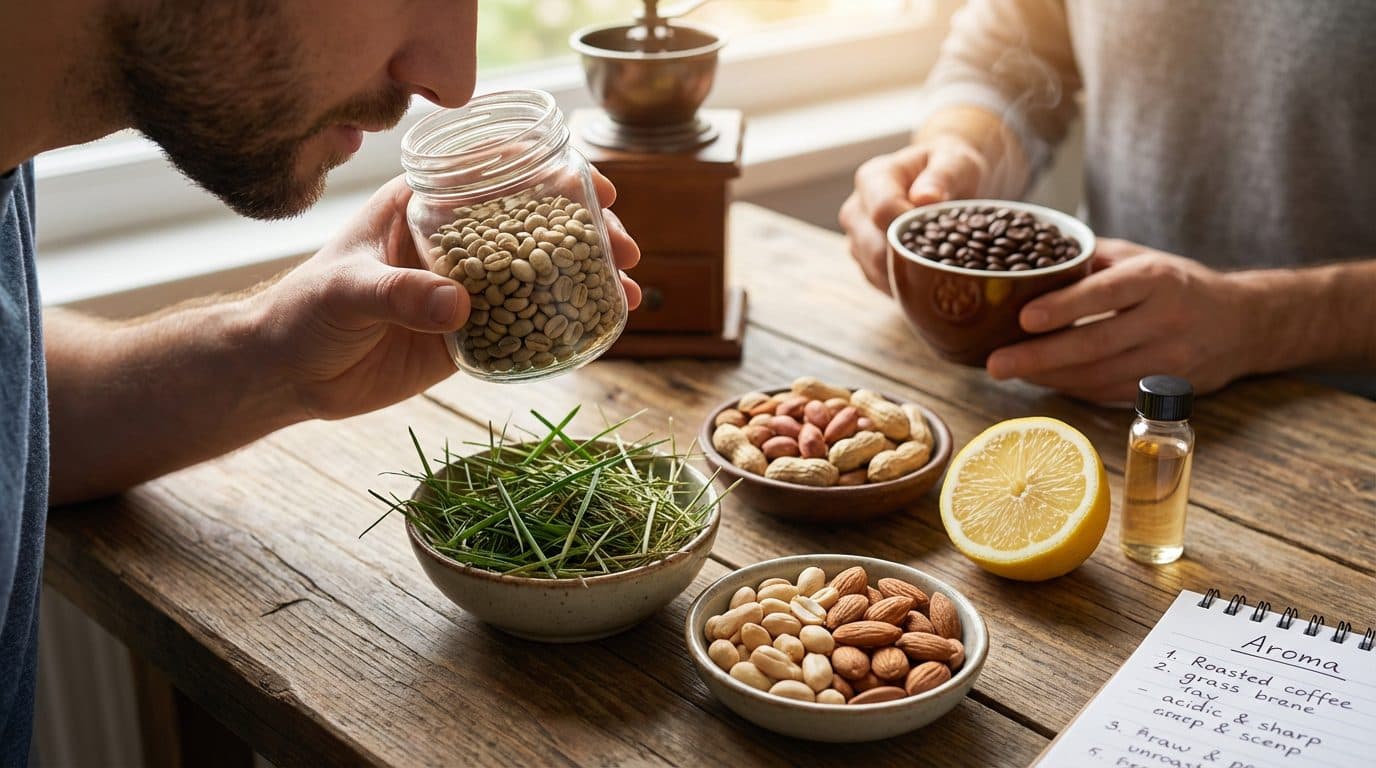
Fresh-ground under-roasted coffee often smells distinctly different from properly roasted beans. Instead of that rich, toasty aroma, you might detect:
- Fresh-cut grass or hay
- Raw peanuts or unroasted nuts
- A sharp, almost acidic tang
- General “green” or vegetal notes
I’ve found that the smell test is actually more reliable than visual inspection for catching under-roasted beans. Your nose knows coffee, even if your eyes are fooled by the brown color.
The Grind Test
Under-roasted beans are significantly harder than properly roasted ones. If your grinder seems to struggle more than usual, or if you notice your manual grinder requires much more effort, that’s a red flag. The beans simply haven’t become porous and brittle enough through the roasting process.
Common Causes of Under-Roasted Coffee
Understanding why under-roasting happens can help you avoid it in the future—or help you communicate with your roaster about the problem.
Roaster Errors
Even experienced roasters make mistakes. Common causes include:
- Rushed roast times: Trying to speed up production by using higher temperatures for shorter periods
- Incorrect charge temperature: Starting with beans too cold or a drum too hot
- Misreading first crack: Pulling beans before first crack has fully completed
- Batch inconsistency: Overloading the roaster leading to uneven heat distribution
The “Light Roast” Confusion
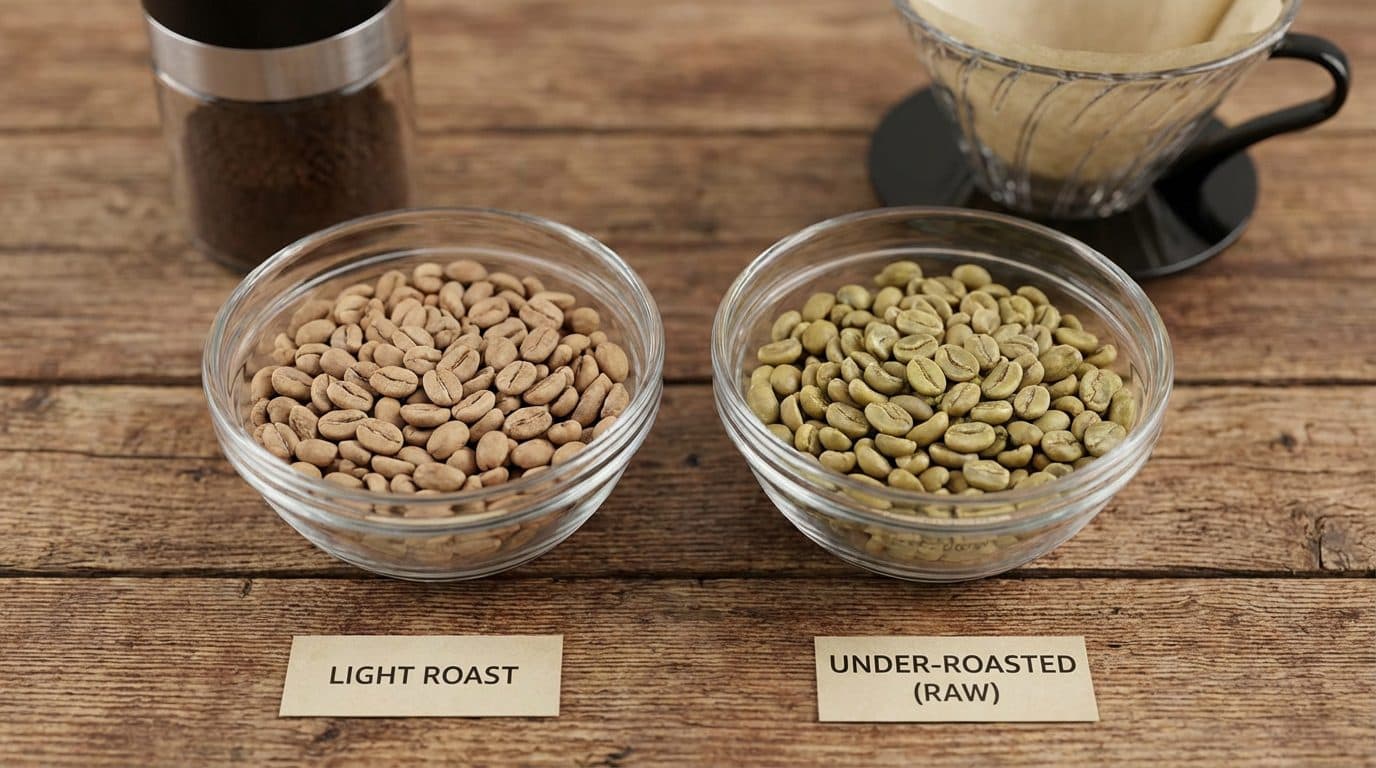
Here’s a myth that needs busting: light roast does not mean under-roasted. A properly developed light roast has still completed first crack and allowed time for essential chemical reactions. The difference is that it’s pulled before the beans get darker and develop more caramelized, roasty notes.
Some roasters, in their enthusiasm for light roasts and preserving origin characteristics, go too far and produce what’s essentially raw coffee. True specialty light roasts should taste bright and complex—not grassy and vegetal.
| Characteristic | Proper Light Roast | Under-Roasted |
|---|---|---|
| First Crack | Completed, brief development after | Incomplete or no development |
| Flavor Profile | Bright, fruity, floral, tea-like | Grassy, peanutty, sour, vegetal |
| Acidity | Pleasant, balanced | Sharp, unpleasant, harsh |
| Body | Light but present | Thin, watery |
| Aftertaste | Clean, sweet finish | Lingering bitterness, astringency |
Home Roasting Pitfalls
If you’re roasting at home, under-roasting is one of the most common beginner mistakes. The fear of burning beans leads many home roasters to pull their batches too early. I’ve been there myself—it takes several batches to build confidence in pushing through first crack.
How to Fix or Improve Under-Roasted Coffee
So you’ve got a bag of under-roasted beans. Is all hope lost? Not necessarily. Here are some strategies that might help salvage your coffee.
Adjust Your Brewing Method
While you can’t fix the roast, you can minimize the negative flavors:
- Use hotter water: Try brewing at 205°F (96°C) or even slightly above to extract more developed compounds
- Extend brew time: A longer extraction can help pull more sweetness and balance
- Grind finer: Increasing surface area promotes more complete extraction
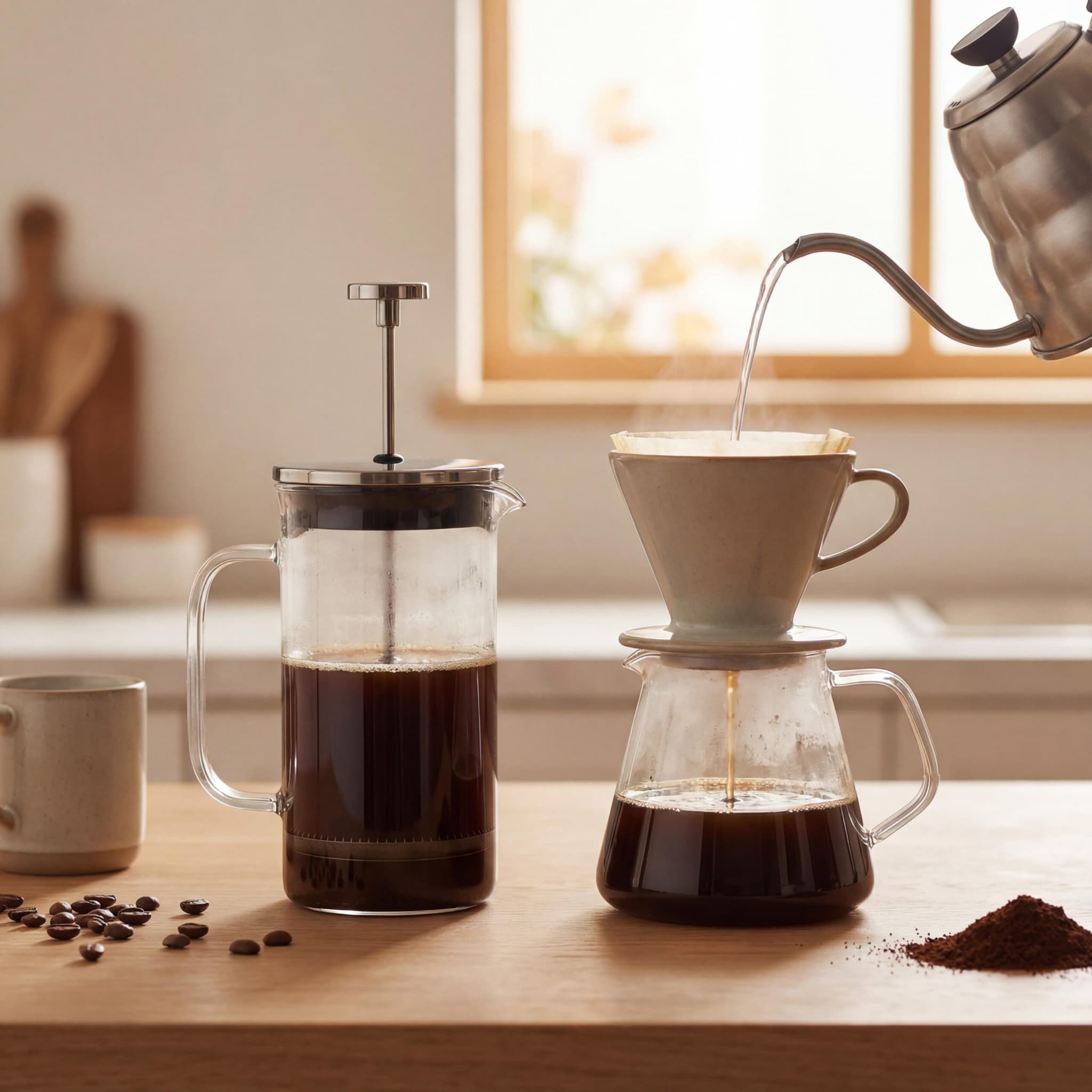
- Try immersion brewing: French press or AeroPress with longer steep times may help
Barista Tip
If your under-roasted coffee tastes too sour and grassy, try blooming the grounds with hot water for 45-60 seconds before completing your brew. This can help release some of those vegetal gases and promote better extraction.
Blend With Other Beans
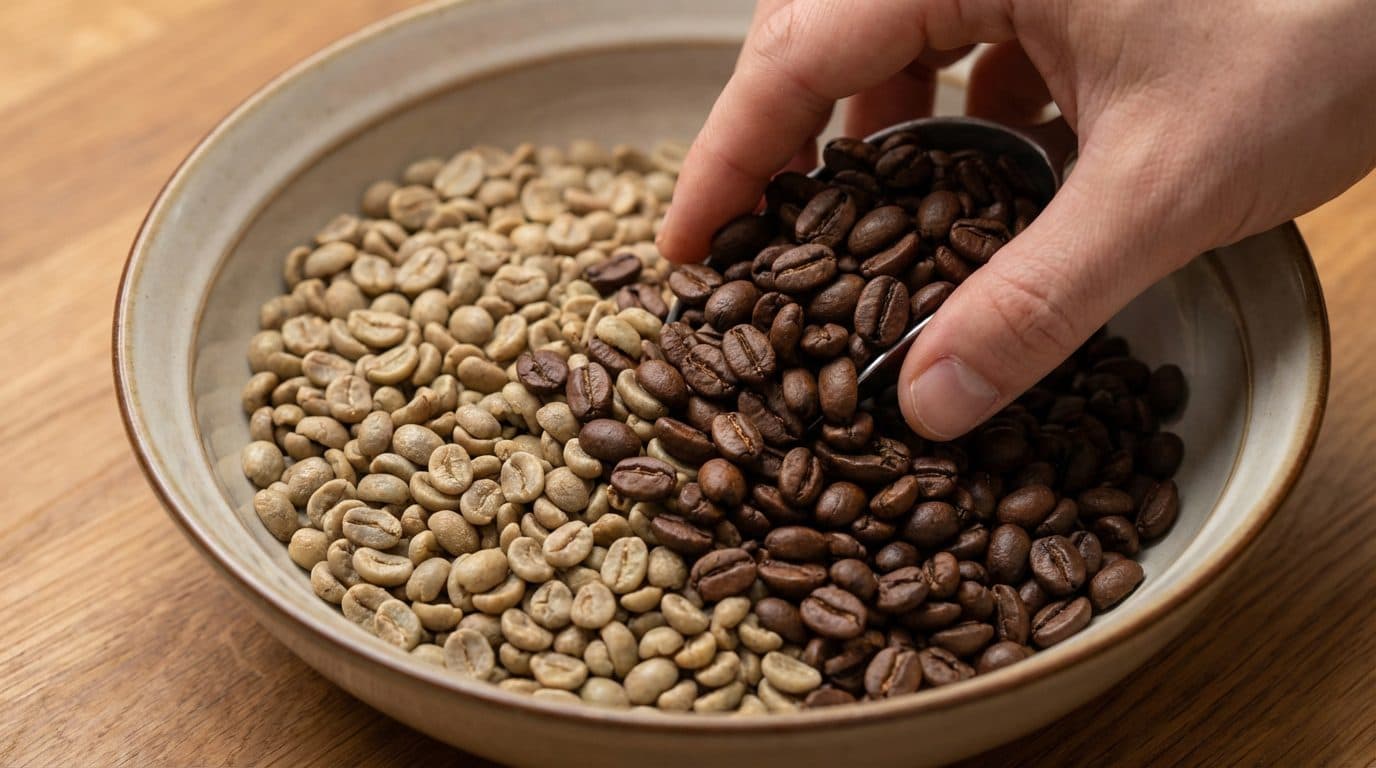
If you have properly roasted beans on hand, consider mixing them. A 50/50 blend with a medium or darker roast can mask some of the grassy notes. It won’t create great coffee, but it might make the batch drinkable.
When to Cut Your Losses
Sometimes, beans are simply too far gone. If you’re getting strong grass or hay flavors that no brewing adjustment can fix, it might be time to contact your roaster for a replacement or use the beans for cold brew, where the cold extraction minimizes some off-flavors.
Preventing Under-Roasted Coffee in Your Future
The best solution is avoiding the problem altogether. Here’s how to ensure you get properly roasted coffee.
Choosing a Reliable Roaster
- Look for roast dates: Reputable roasters always include this information
- Read reviews carefully: Look for mentions of grassy, vegetal, or underdeveloped flavors
- Start with medium roasts: These are harder to under-roast and give you a baseline for that roaster’s quality
- Ask questions: Good roasters are happy to discuss their roast profiles and development times
For Home Roasters
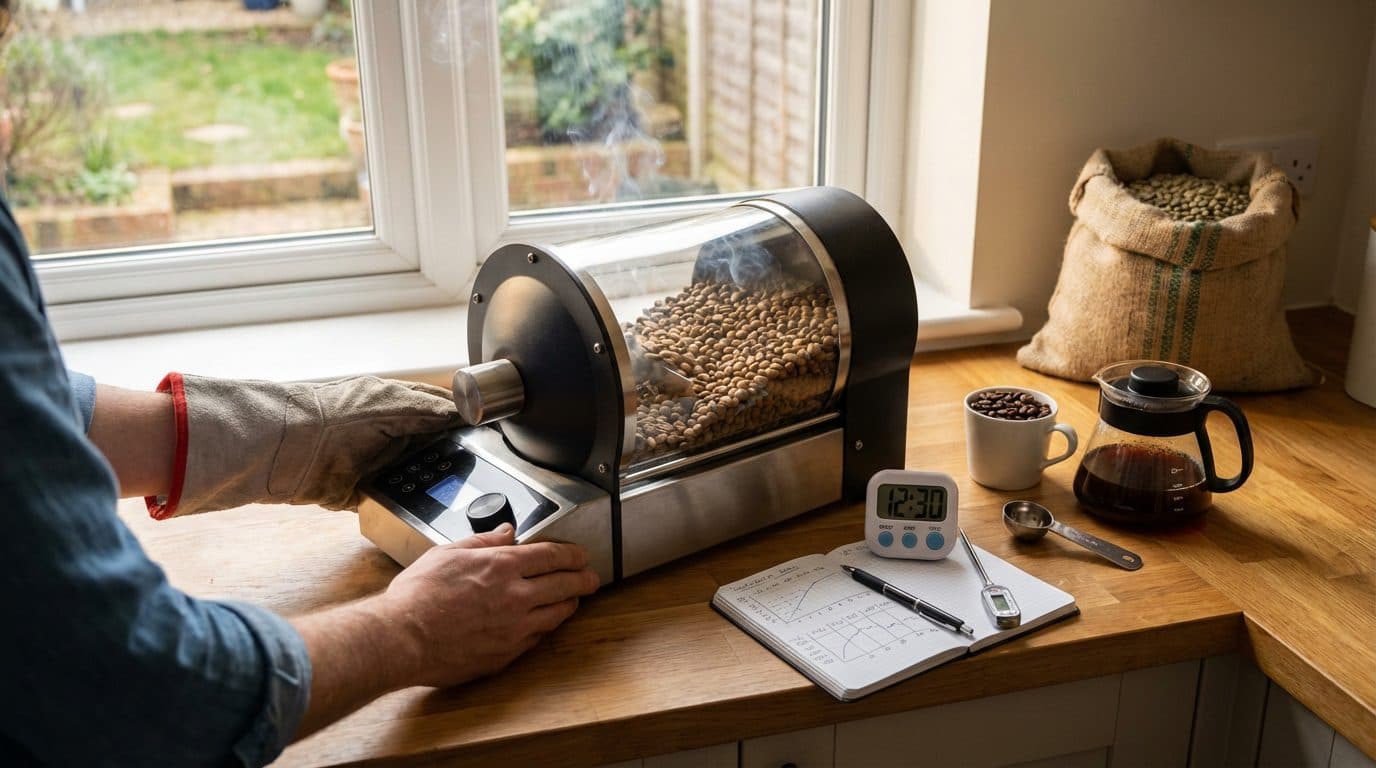
If you’re roasting at home, keep these principles in mind:
- Don’t fear first crack: Let it complete fully before even thinking about ending the roast
- Development time matters: Even light roasts need 1-2 minutes of development after first crack begins
- Use all your senses: Color, smell, sound, and even the smoke should all inform your decisions
- Keep detailed notes: Track your roasts so you can learn from mistakes
In my experience, erring slightly toward a longer roast is almost always better than pulling too early. You can always go lighter next time, but you can’t un-brew a grassy cup of coffee.
Frequently Asked Questions
Can under-roasted coffee make you sick?
Under-roasted coffee isn’t dangerous to drink, but it can cause digestive discomfort for some people. The higher chlorogenic acid content and incomplete breakdown of certain compounds may lead to stomach upset, especially if you’re sensitive. It’s unpleasant but not harmful in moderation.
Why does my light roast taste like peanuts but my friend’s doesn’t?
Not all light roasts are created equal. Your beans may be under-developed even though they’re labeled as light roast. A properly roasted light coffee should taste bright and fruity, not nutty in a raw, vegetal way. Try a different roaster known for quality light roasts to taste the difference.
Can I re-roast under-roasted beans at home?
Technically yes, but results are usually poor. Re-roasting tends to bake the beans rather than properly develop them, creating flat, cardboard-like flavors. If you have a home roasting setup, you could try a very light additional roast, but don’t expect miracles. It’s generally better to use under-roasted beans for cold brew or compost them.
How long after first crack should beans roast for a light roast?
For a proper light roast, allow at least 1-2 minutes of development time after first crack begins. This ensures the Maillard reaction has time to create flavor complexity. Pulling beans immediately at first crack is the primary cause of grassy, under-developed flavors.
Is the grassy flavor the same as the “bright acidity” described in specialty coffee?
No, these are completely different. Bright acidity is pleasant and adds liveliness—think citrus fruits or green apples. Grassy flavors are vegetal and unpleasant, more like fresh-cut lawn or hay. If you’re tasting grass instead of fruit, the roast is under-developed.
Final Thoughts: Life Is Too Short for Grassy Coffee
Grassy and peanut flavors in your coffee are almost always signs of under-roasted beans. Whether you’re buying from a roaster or doing it yourself at home, understanding what causes these off-flavors empowers you to avoid them. Proper coffee roasting is about giving beans enough time and heat to complete their chemical transformation—anything less leaves you with an incomplete product.
If you’ve been struggling with these flavors, start by examining your current beans using the visual and smell tests I described. Consider trying a different roaster, or if you’re roasting at home, push your development time a bit longer after first crack. Your taste buds will thank you, and that morning cup will finally deliver the rich, satisfying experience you deserve. After all, you put effort into brewing great coffee—you deserve beans that are roasted properly to begin with.


Comments