


Table of Contents
- What Exactly Is Medium Roast Coffee?
- The Color and Appearance
- The Flavor Profile
- Why Medium Roast Works for Almost Every Brewing Method
- Drip Coffee and Auto-Brewers
- Pour-Over Methods
- French Press and Immersion Brewing
- Espresso
- Medium Roast vs. Light and Dark: What You're Really Choosing
- Caffeine Content: The Surprising Truth
- Acidity Levels
- Flavor Complexity
- Who Should (and Shouldn't) Choose Medium Roast
- Medium Roast Is Perfect If You:
- Medium Roast Might Not Be Your Best Choice If You:
- Tips for Getting the Best from Your Medium Roast
- Storage Matters
- Grind Fresh When Possible
- Water Quality
- Dial In Your Ratio
- Frequently Asked Questions
- Is medium roast coffee less strong than dark roast?
- Can I use medium roast for cold brew?
- Why do some medium roasts taste different from others?
- How do I know if a coffee is truly medium roast?
- Is medium roast better for my stomach than dark roast?
- Final Thoughts: The Case for Medium Roast
Ever stood in front of a wall of coffee bags, completely overwhelmed by the choices? You’re not alone. Dark roast, light roast, single origin, blends—it’s enough to make anyone grab the nearest bag and run. But here’s a little secret I’ve learned after years of brewing at home: if you’re unsure where to start, medium roast is almost always the right answer. It’s the reliable friend of the coffee world, and there’s a reason it dominates grocery store shelves and specialty cafés alike.
In this guide, we’ll explore why medium roast coffee has earned its reputation as the safe bet for most brewers. You’ll discover what makes it so versatile, how it performs across different brewing methods, and whether it’s truly the best choice for your morning cup. Whether you’re a coffee newbie or a seasoned home barista looking to simplify your routine, medium roast might just become your new go-to.
What Exactly Is Medium Roast Coffee?
Before we dive deeper, let’s get clear on what medium roast actually means. Coffee roasting is essentially controlled burning—taking green coffee beans and applying heat until they transform into the aromatic brown beans we know and love. The roast level refers to how long and how hot the beans are roasted.
Medium roast sits right in the sweet spot between light and dark. The beans reach an internal temperature of roughly 410°F to 430°F (210°C to 220°C), typically finishing just after the “first crack”—that audible popping sound beans make during roasting. At this stage, the beans have developed enough to reveal roast-driven flavors while still preserving much of their original character.
The Color and Appearance
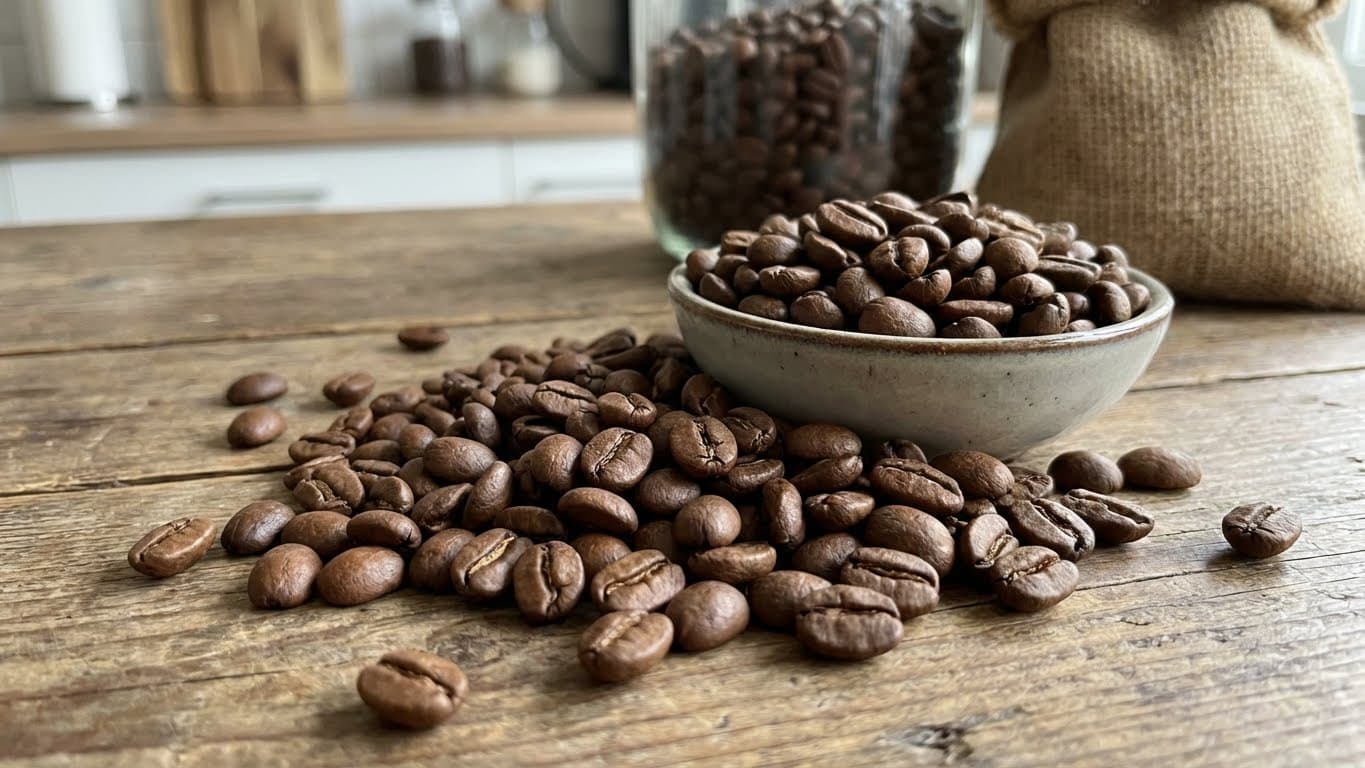
Medium roast beans have a milk chocolate to chestnut brown color. Unlike dark roasts, they won’t have an oily sheen on the surface. The oils remain trapped inside, waiting to be released during brewing. This dry surface actually helps the beans stay fresher longer in your pantry.
The Flavor Profile
Here’s where medium roast really shines. It offers a balanced cup that brings together:
- Origin characteristics: You can still taste where the coffee came from—fruity notes from Ethiopian beans, nutty undertones from Brazilian, or the chocolate tones of Colombian coffee.
- Roast sweetness: Caramelization during roasting adds pleasant sweetness and body.
- Moderate acidity: Bright enough to be interesting, but not so sharp that it overwhelms.
- Smooth finish: None of the bitter, ashy notes that can come with darker roasts.
In short, medium roast gives you the best of both worlds. You get complexity without confusion, character without controversy.
Why Medium Roast Works for Almost Every Brewing Method
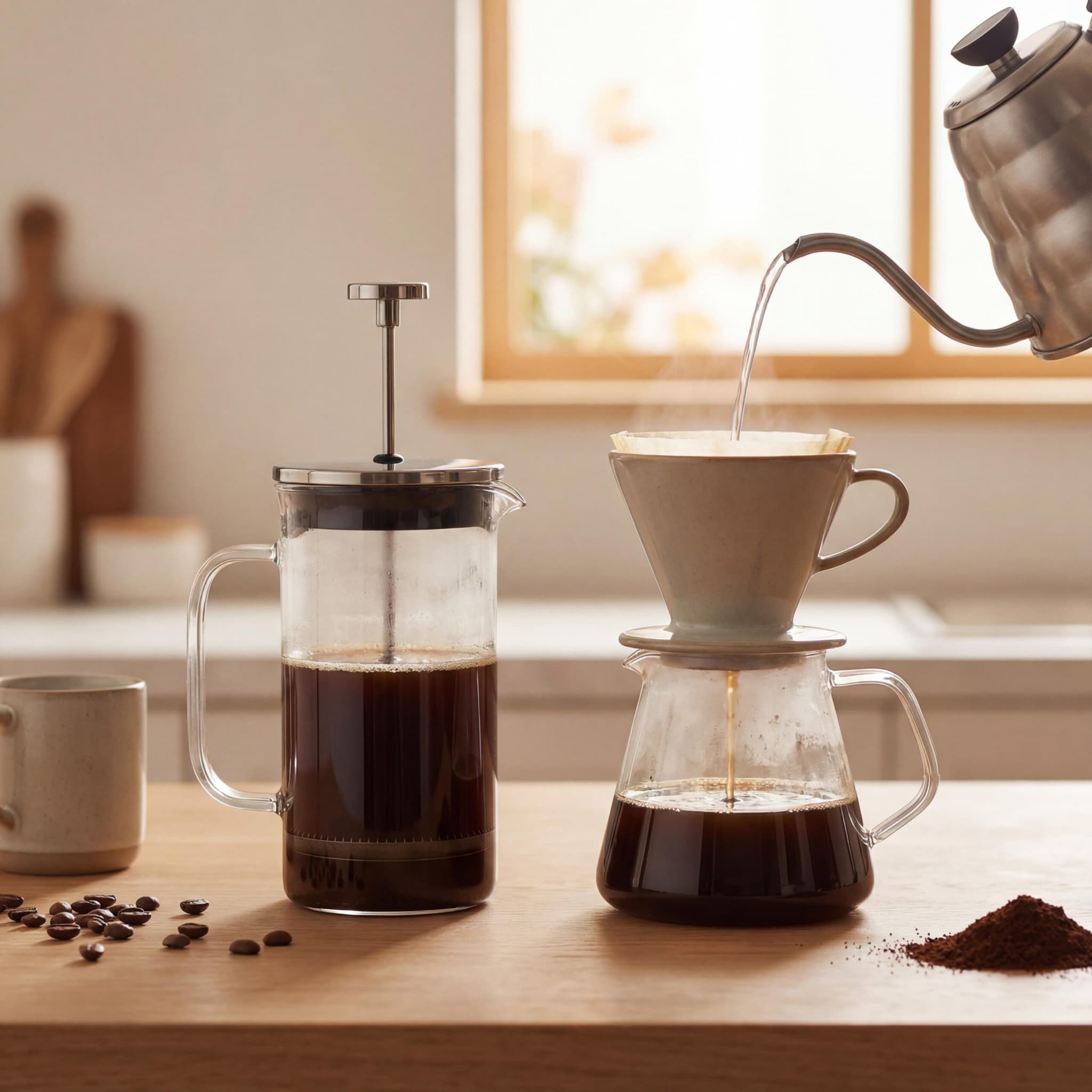
One of the biggest advantages of medium roast is its remarkable versatility. I’ve found that it performs admirably whether you’re using a French press, pour-over, drip machine, or even espresso. This flexibility makes it an excellent choice for home brewers who might not want to keep multiple bags of coffee on hand.
Drip Coffee and Auto-Brewers
If you use a standard drip coffee maker—and let’s be honest, most of us do at least some of the time—medium roast is practically made for it. The balanced extraction profile means you’ll get a consistent, enjoyable cup without needing to fuss with settings. The brewing time and temperature of most drip machines complement medium roast perfectly.
Pour-Over Methods
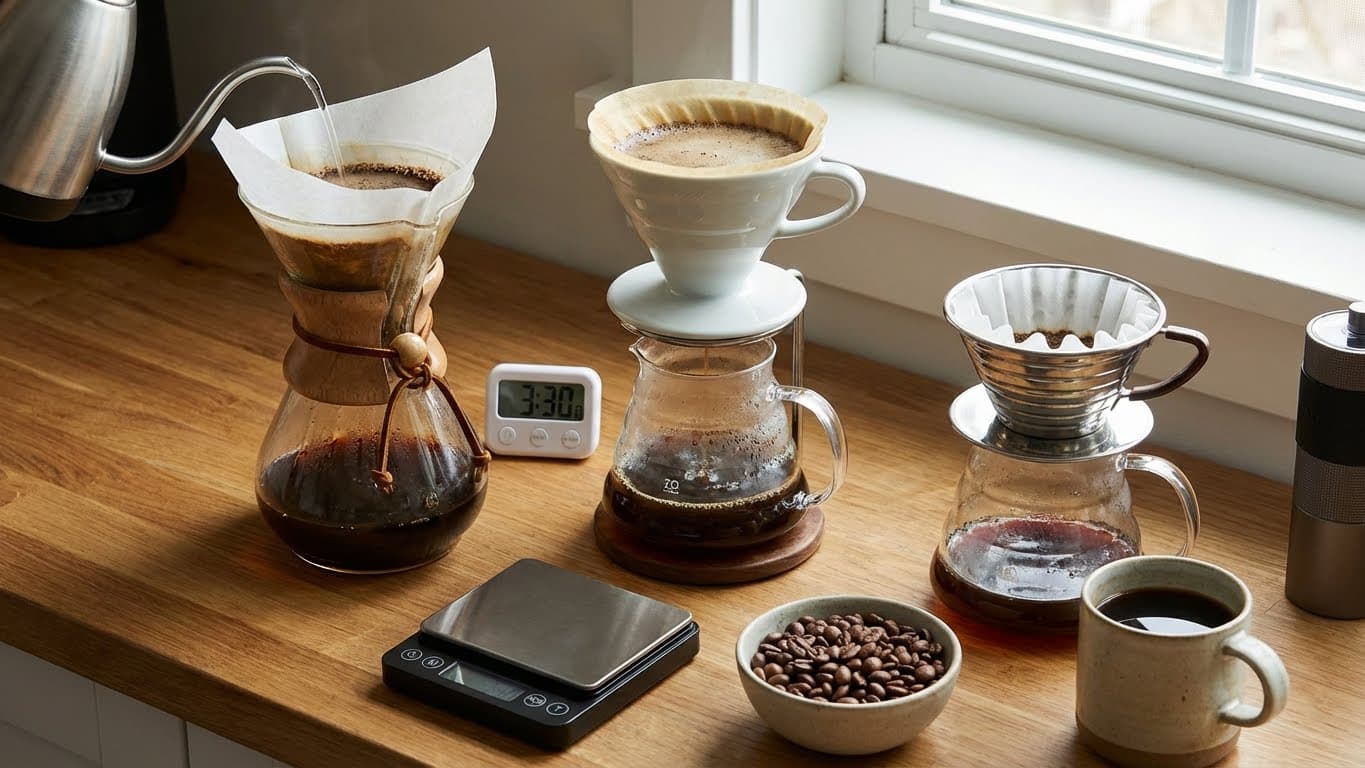
For Chemex, V60, or Kalita Wave enthusiasts, medium roast provides enough body to stand up to the filter while still allowing subtle flavor notes to shine through. You get clarity without the cup feeling too thin or tea-like. A medium grind, water just off the boil, and a 3-4 minute total brew time will serve you well.
French Press and Immersion Brewing
The longer contact time of immersion brewing can sometimes over-extract coffee, leading to bitterness. Medium roast handles this better than light roasts because it has slightly less acidity to begin with. The result is a rich, full-bodied cup that’s smooth rather than harsh.
Espresso
While traditional Italian espresso often uses darker roasts, medium roast espresso has become increasingly popular. It produces shots with more nuance and sweetness, excellent crema, and enough body for milk-based drinks. If you enjoy a cortado or flat white, medium roast espresso might just change your life.
| Brewing Method | Recommended Grind | Medium Roast Performance |
|---|---|---|
| Drip Coffee | Medium | Excellent |
| Pour-Over | Medium to Medium-Fine | Excellent |
| French Press | Coarse | Very Good |
| Espresso | Fine | Very Good |
| Cold Brew | Coarse | Good |
Medium Roast vs. Light and Dark: What You’re Really Choosing
Understanding where medium roast fits in the spectrum helps explain why it’s such a crowd-pleaser. Let’s break down the key differences.
Caffeine Content: The Surprising Truth
Here’s a common misconception I love to bust: dark roast doesn’t have more caffeine. In fact, if you measure by weight (as most home brewers do), light and medium roasts contain slightly more caffeine because the beans are denser. The difference is minimal, but it’s worth knowing. Your medium roast morning cup packs plenty of punch.
Acidity Levels
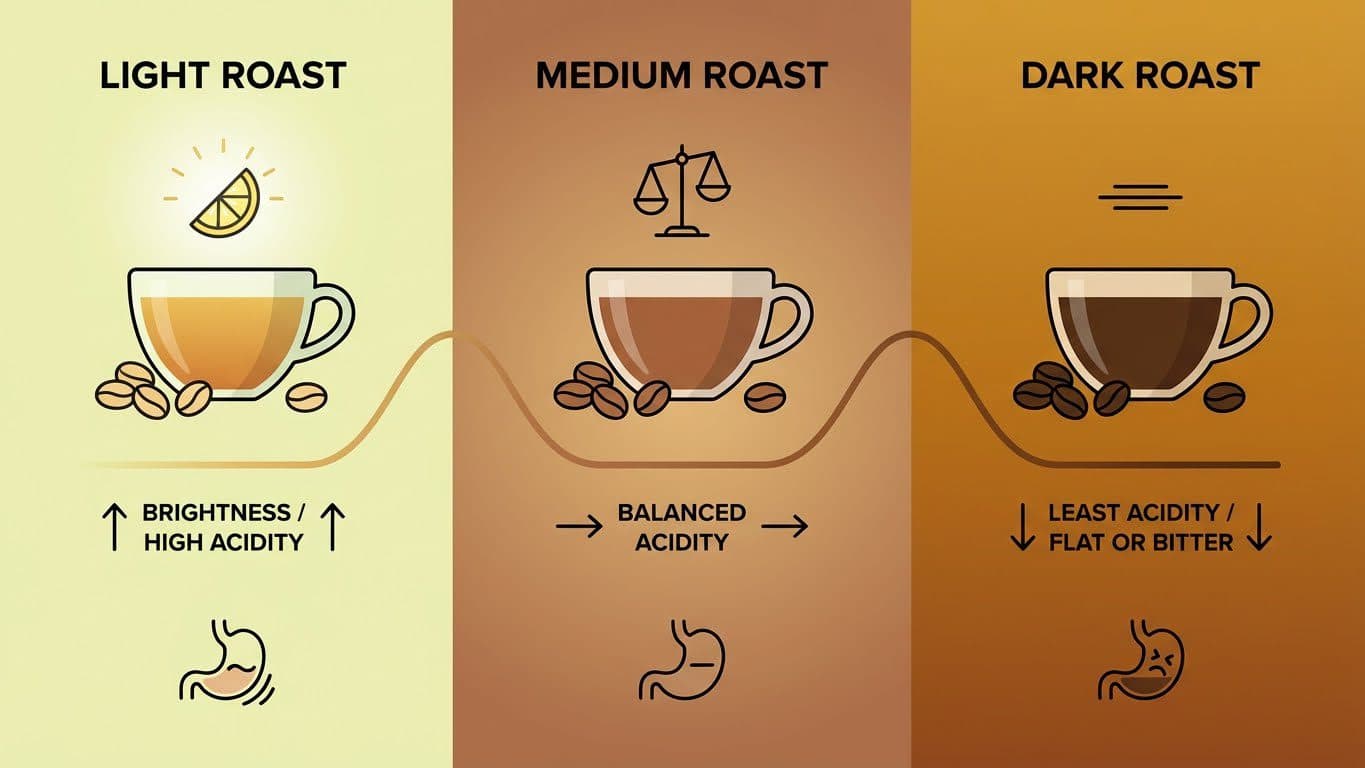
Light roasts tend to be the most acidic, which coffee professionals often call “brightness.” Dark roasts have the least acidity but can taste flat or bitter to some palates. Medium roast offers balanced acidity—enough to keep things interesting without causing digestive discomfort for sensitive individuals.
Flavor Complexity
Light roasts showcase origin flavors most clearly but can taste underdeveloped or sour if brewed incorrectly. Dark roasts emphasize roast flavors—smoke, chocolate, and char—sometimes at the expense of the bean’s original character. Medium roast preserves enough origin flavor to be distinctive while adding pleasant roast notes.
- Light roast: Origin-forward, high acidity, tea-like body, floral and fruity notes
- Medium roast: Balanced, moderate acidity, fuller body, caramel and nut notes
- Dark roast: Roast-forward, low acidity, heavy body, smoky and bitter notes
Key Takeaway: Medium roast isn’t just a compromise—it’s where many coffee professionals believe the bean expresses itself most completely. You get origin, roast, and balance in every sip.
Who Should (and Shouldn’t) Choose Medium Roast
While I’m clearly a medium roast advocate, it’s not perfect for everyone. Here’s an honest assessment to help you decide.
Medium Roast Is Perfect If You:
- Want one coffee that works for multiple brewing methods
- Prefer balanced flavors without extreme acidity or bitterness
- Enjoy your coffee black or with just a splash of milk
- Are new to specialty coffee and exploring your preferences
- Share coffee with family members who have different tastes
- Want a reliable everyday coffee that rarely disappoints
Medium Roast Might Not Be Your Best Choice If You:
- Love the bright, fruit-forward flavors of light roasts
- Prefer the bold, smoky intensity of dark roasts
- Primarily drink heavily sweetened or flavored coffee drinks
- Want to experience the most distinct origin characteristics possible
In my experience, even dedicated light or dark roast lovers often keep a bag of medium roast around for guests or days when they want something comfortable and familiar.
Tips for Getting the Best from Your Medium Roast
Having the right beans is only half the battle. Here’s how to maximize your medium roast experience at home.
Storage Matters
Medium roast’s dry surface helps with freshness, but proper storage is still essential. Keep your beans in an airtight container, away from light and heat. Avoid the refrigerator—the moisture and odors can ruin your coffee. Buy only what you’ll use in 2-3 weeks for optimal flavor.
Grind Fresh When Possible
I can’t stress this enough: grinding just before brewing makes an enormous difference. Even a basic burr grinder will improve your cup significantly. Pre-ground coffee begins losing flavor within minutes of grinding.
Water Quality
Barista Tip: Use filtered water for a cleaner taste. Tap water with high mineral content or chlorine will mask the nuanced flavors of your medium roast. However, completely distilled water isn’t ideal either—coffee needs some minerals for proper extraction.
Dial In Your Ratio
A good starting point for most brewing methods is a 1:16 ratio—1 gram of coffee to 16 grams of water. For a standard 12-ounce cup, that’s roughly 22 grams (about 3 tablespoons) of coffee. Adjust to taste: more coffee for stronger, less for lighter.
Frequently Asked Questions

Is medium roast coffee less strong than dark roast?
Not necessarily. “Strength” in coffee refers to the coffee-to-water ratio, not the roast level. A medium roast brewed with more grounds will taste stronger than a weak dark roast. The roast level affects flavor character more than caffeine content or perceived strength.
Can I use medium roast for cold brew?
You can use medium roast for cold brew. While many people prefer dark roasts for their bold, chocolatey cold brew flavors, medium roast produces a sweeter, more nuanced cold brew with pleasant caramel notes. Try it with a coarse grind and 12-16 hours of steeping.
Why do some medium roasts taste different from others?
Several factors affect flavor beyond roast level: the bean’s origin, variety, processing method, and the roaster’s specific approach. A medium roast Ethiopian coffee will taste very different from a medium roast Sumatran, for example. The “medium” designation is just one piece of the puzzle.
How do I know if a coffee is truly medium roast?
Look at the beans: they should be medium brown with no oil on the surface. Roasters sometimes use terms like “City Roast” or “Full City” for medium levels. When in doubt, check the roast date—fresh medium roast should smell sweet and nutty, not smoky or charred.
Is medium roast better for my stomach than dark roast?
Many people find medium roast easier on the stomach than light roast due to its lower acidity. Compared to dark roast, the difference is minimal. If you have acid reflux or sensitivity, cold brewing any roast level will produce a less acidic cup.
Final Thoughts: The Case for Medium Roast
Life is too short for bad coffee, but it’s also too short to stress over every brewing decision. Medium roast offers something increasingly rare in our world of endless options: simplicity without sacrifice. It’s forgiving of minor brewing mistakes, welcoming to casual drinkers and enthusiasts alike, and consistently delivers a satisfying cup.
Is it the most exciting choice? Maybe not. Will it help you discover the extreme edges of coffee flavor? Probably not. But will it make you happy morning after morning, cup after cup? In my experience, the answer is a resounding yes.
If you’ve been overthinking your coffee choices, consider giving medium roast a dedicated trial. Pick up a fresh bag from a local roaster, dial in your preferred brewing method, and enjoy the comfort of knowing your next cup will be reliably good. Sometimes the safe bet is exactly the right bet to make.



Comments