


Table of Contents
- Quick Verdict: Rancilio Silvia
- Two Italian Legends Enter the Ring
- Build Quality and Design: Where Your Money Goes
- Rancilio Silvia's Tank-Like Construction
- Gaggia Classic Pro's Practical Approach
- Espresso Performance: The Shots That Matter
- Temperature Stability and Recovery
- Pump Pressure and Extraction Quality
- Steam Power: Milk Drinks and Beyond
- Upgradability and Modification Culture
- Popular Rancilio Silvia Mods
- Popular Gaggia Classic Pro Mods
- Who Should Buy Which Machine?
- The Rancilio Silvia Is For You If:
- The Rancilio Silvia Is NOT For You If:
- The Gaggia Classic Pro Is For You If:
- The Gaggia Classic Pro Is NOT For You If:
- Pros and Cons Breakdown
- Rancilio Silvia
- Gaggia Classic Pro
- Conclusion and Final Recommendations
Quick Verdict: Rancilio Silvia
After years of pulling shots on both machines, my pick goes to the Rancilio Silvia for most home baristas. It’s the machine you grow into rather than out of. The Silvia’s commercial-grade build quality, exceptional temperature stability, and near-legendary upgradability make it the better long-term investment. However, if you’re just starting your espresso journey and want something more forgiving with a gentler learning curve, the Gaggia Classic Pro deserves serious consideration.
Both machines produce genuinely excellent espresso. Your choice ultimately depends on your patience level, budget, and how deep you want to dive into the espresso rabbit hole.
Two Italian Legends Enter the Ring
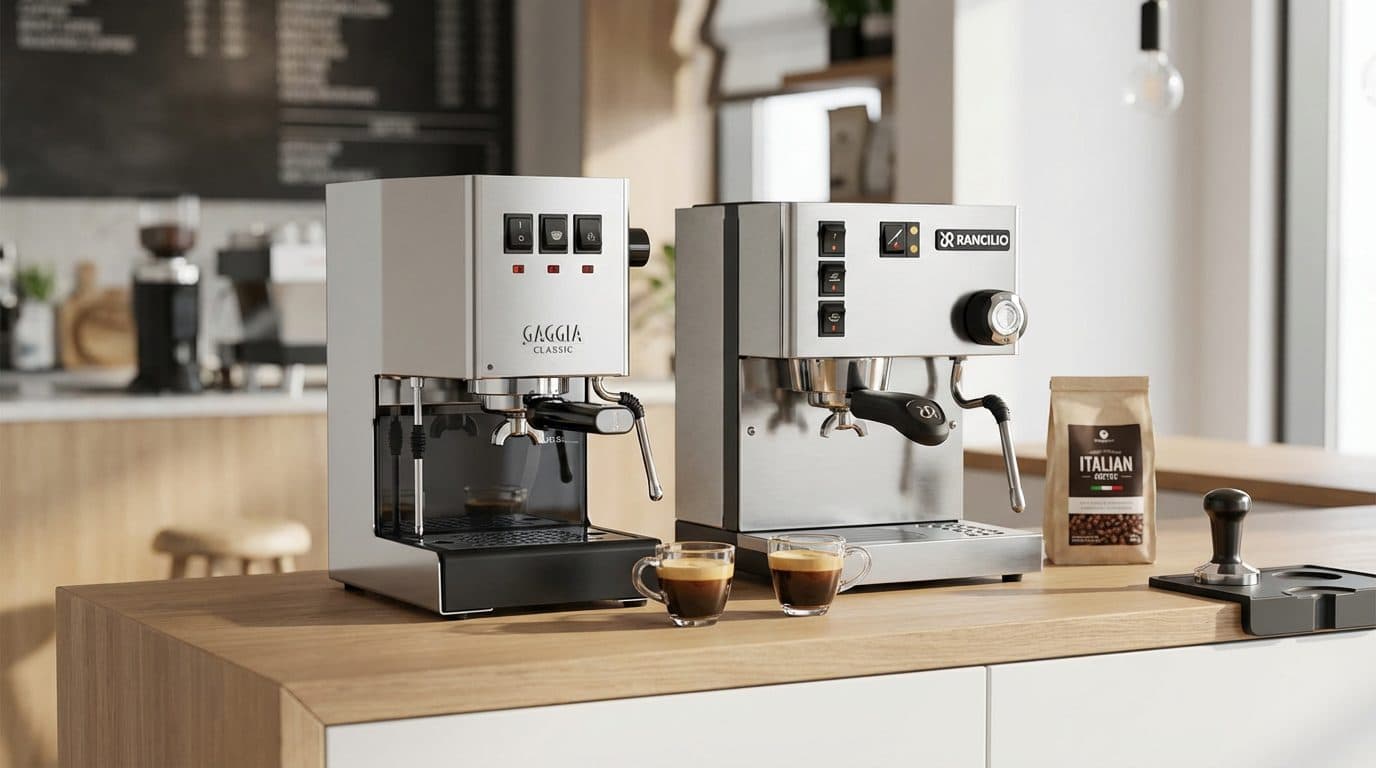
When home baristas talk about entry-level prosumer espresso machines, two names dominate every conversation: Gaggia and Rancilio. These Italian manufacturers have been battling for kitchen counter supremacy for decades, and honestly? There’s no clear knockout punch here.
The Gaggia Classic Pro and Rancilio Silvia sit at similar price points, share remarkably similar specifications on paper, and both promise café-quality espresso at home. So why does this comparison spark such passionate debates in coffee forums worldwide? I’ve spent countless mornings with both machines, and the differences reveal themselves in the details.
If you’re torn between the Gaggia Classic Pro and Rancilio Silvia, you’re asking the right question. Both machines can produce shots that rival your local specialty coffee shop. But they take different paths to get there, and understanding those paths will help you make the right choice for your specific situation.
Build Quality and Design: Where Your Money Goes
Rancilio Silvia’s Tank-Like Construction
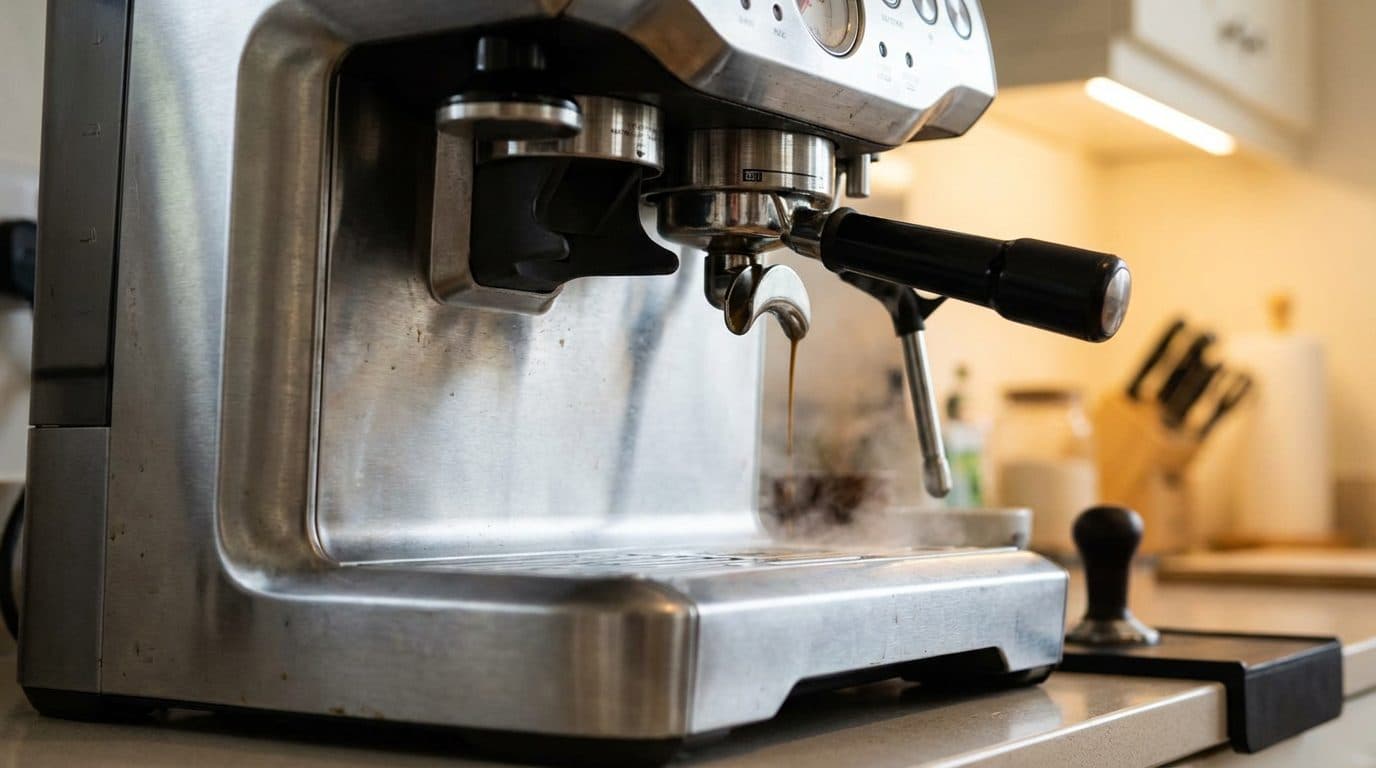
The Silvia feels like it could survive a kitchen apocalypse. Pick it up, and you immediately understand why people call it overbuilt. The chassis is constructed from heavy-gauge stainless steel, and the internal components reflect Rancilio’s commercial machine heritage. In my experience, this machine ages like fine wine. I’ve seen 15-year-old Silvias still pulling beautiful shots with nothing more than routine maintenance.
The portafilter is a hefty 58mm commercial size, matching what you’d find in professional cafés. This means accessories, baskets, and tampers are universally available and often cheaper than proprietary sizes. The steam wand is a proper articulating arm with real reach and control.
Gaggia Classic Pro’s Practical Approach
The Gaggia Classic Pro takes a more pragmatic approach to construction. It uses a combination of stainless steel and plastic components, keeping the weight manageable and the price accessible. Don’t mistake “practical” for “cheap” though. The Classic Pro’s brass group head and aluminum boiler deliver reliable performance year after year.
Gaggia uses a 58mm portafilter as well, so you get the same accessory compatibility advantage. The machine’s compact footprint makes it ideal for smaller kitchens. One thing I appreciate: the water reservoir is easier to access and fill compared to the Silvia’s slightly awkward positioning.
| Feature | Gaggia Classic Pro | Rancilio Silvia |
|---|---|---|
| Boiler Material | Aluminum | Brass |
| Boiler Capacity | 100ml | 300ml |
| Portafilter Size | 58mm | 58mm |
| Weight | 8kg | 14kg |
| Dimensions | Compact | Larger footprint |
Espresso Performance: The Shots That Matter
Temperature Stability and Recovery
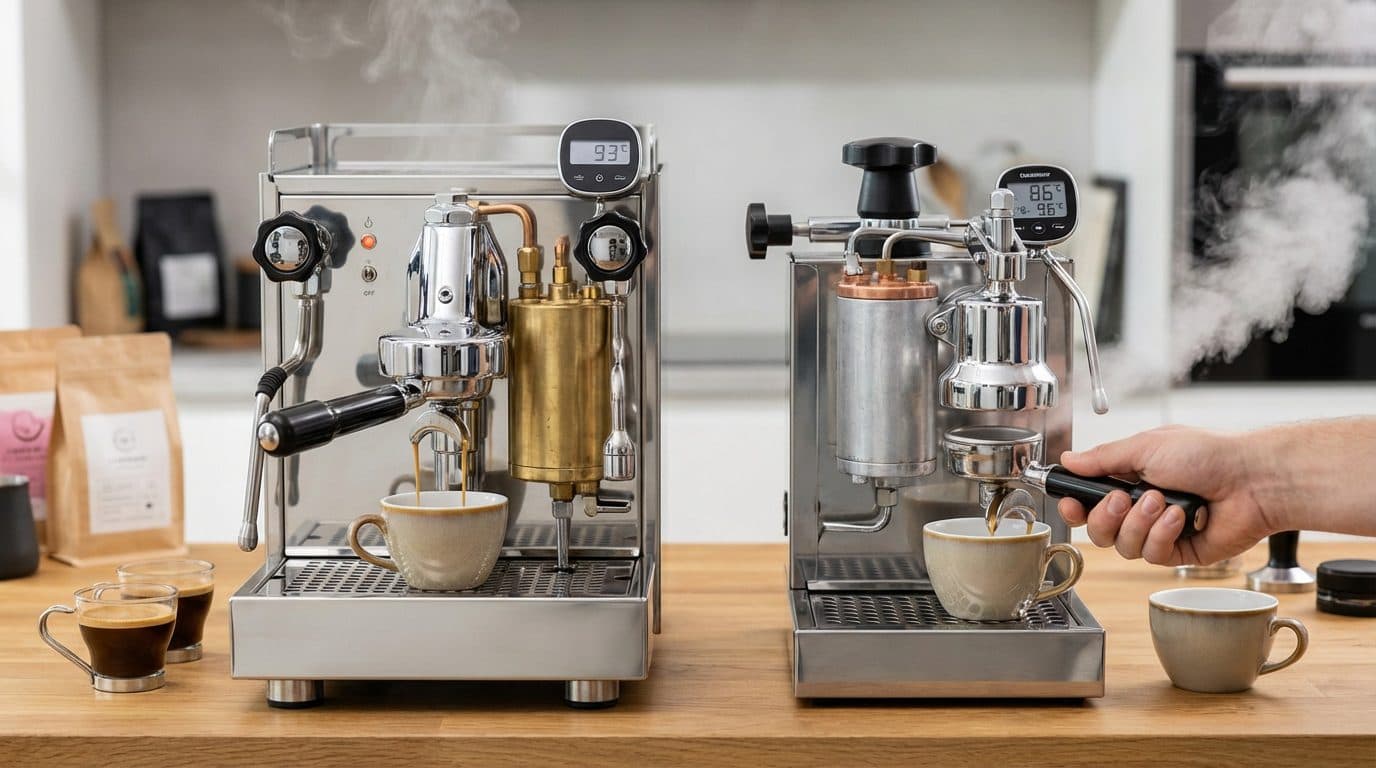
Here’s where the Silvia’s larger brass boiler shines. Temperature stability during extraction stays more consistent, and recovery time between shots is noticeably faster. If you’re making multiple drinks for family or guests, the Silvia handles the workflow more gracefully.
The Gaggia’s smaller aluminum boiler heats up faster from cold, which is great for those “I need coffee now” mornings. However, it’s more susceptible to temperature surfing requirements. In short, temperature surfing means flushing water before pulling a shot to hit the optimal brewing temperature. Both machines benefit from this technique, but the Gaggia demands it more consistently.
Barista Tip: Install a PID controller on either machine for true temperature precision. This mod transforms both machines from good to exceptional, though it’s slightly more common and better documented for the Silvia.
Pump Pressure and Extraction Quality
Both machines use vibratory pumps set to 15 bars from the factory, which is actually higher than the ideal 9-bar brewing pressure. The over-pressure valve (OPV) adjustment is where things get interesting.
The Gaggia Classic Pro’s OPV is relatively easy to adjust with basic tools. Dialing it down to 9 bars improves extraction quality noticeably. The Silvia requires a bit more effort for the same modification, but again, it’s well-documented in the enthusiast community.
When properly dialed in, both machines produce rich, syrupy espresso with beautiful crema. I’ve served shots from both to coffee snob friends without revealing the source, and neither machine embarrassed itself. The differences are subtle enough that technique and bean quality matter far more than the machine itself.
Steam Power: Milk Drinks and Beyond
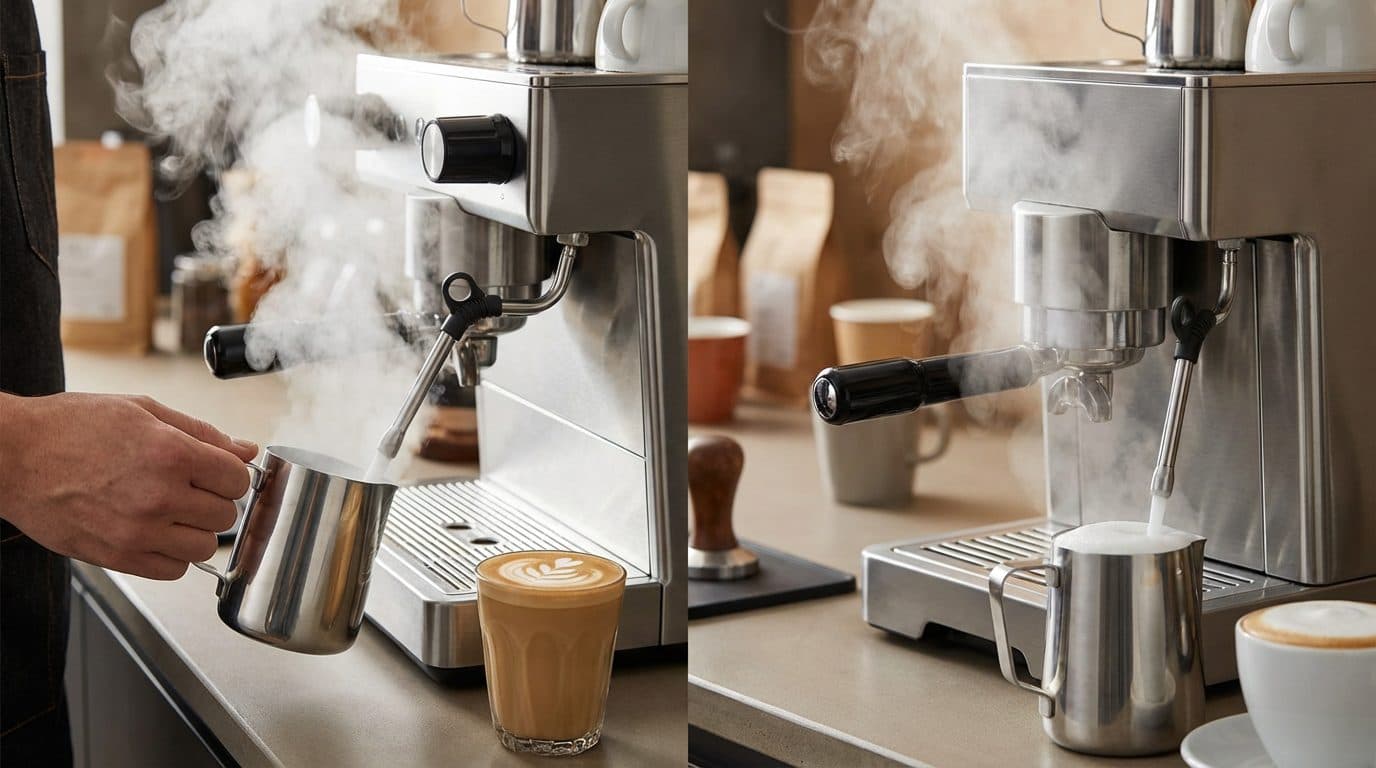
If you’re primarily a latte or cappuccino drinker, pay close attention here. Steam performance differs significantly between these machines.
The Rancilio Silvia produces dry, powerful steam that professional baristas immediately recognize. Texturing microfoam for latte art becomes genuinely achievable with practice. The steam wand’s articulation allows proper positioning, and the steam pressure stays consistent throughout the process.
The Gaggia Classic Pro’s steam capability is adequate but noticeably less powerful. You can absolutely create good microfoam, but it requires more technique and patience. The smaller boiler means less steam endurance for multiple milk drinks in succession.
Real-world scenario: Making four cappuccinos for Sunday brunch guests. The Silvia handles this smoothly with minimal waiting between drinks. The Gaggia requires more strategic timing and occasional pauses for recovery.
- Silvia steam advantage: Faster, more powerful, commercial-style wand
- Gaggia steam reality: Capable but requires more patience and technique
- Both machines: Need warm-up time before steam is ready after pulling shots
Upgradability and Modification Culture
Both machines have passionate communities dedicated to modifications and upgrades. This matters more than you might think. A stock Gaggia or Silvia is excellent. A modified one can compete with machines costing twice as much.
Popular Rancilio Silvia Mods
The Silvia has been the modding platform of choice for nearly two decades. PID temperature controllers are almost standard among enthusiasts. The Silvia-specific PID kits fit cleanly and dramatically improve temperature consistency.
Other popular modifications include pre-infusion chambers, pressure gauge installations, and upgraded shower screens. The aftermarket support is extensive, with detailed guides available for almost any improvement you can imagine.
Popular Gaggia Classic Pro Mods
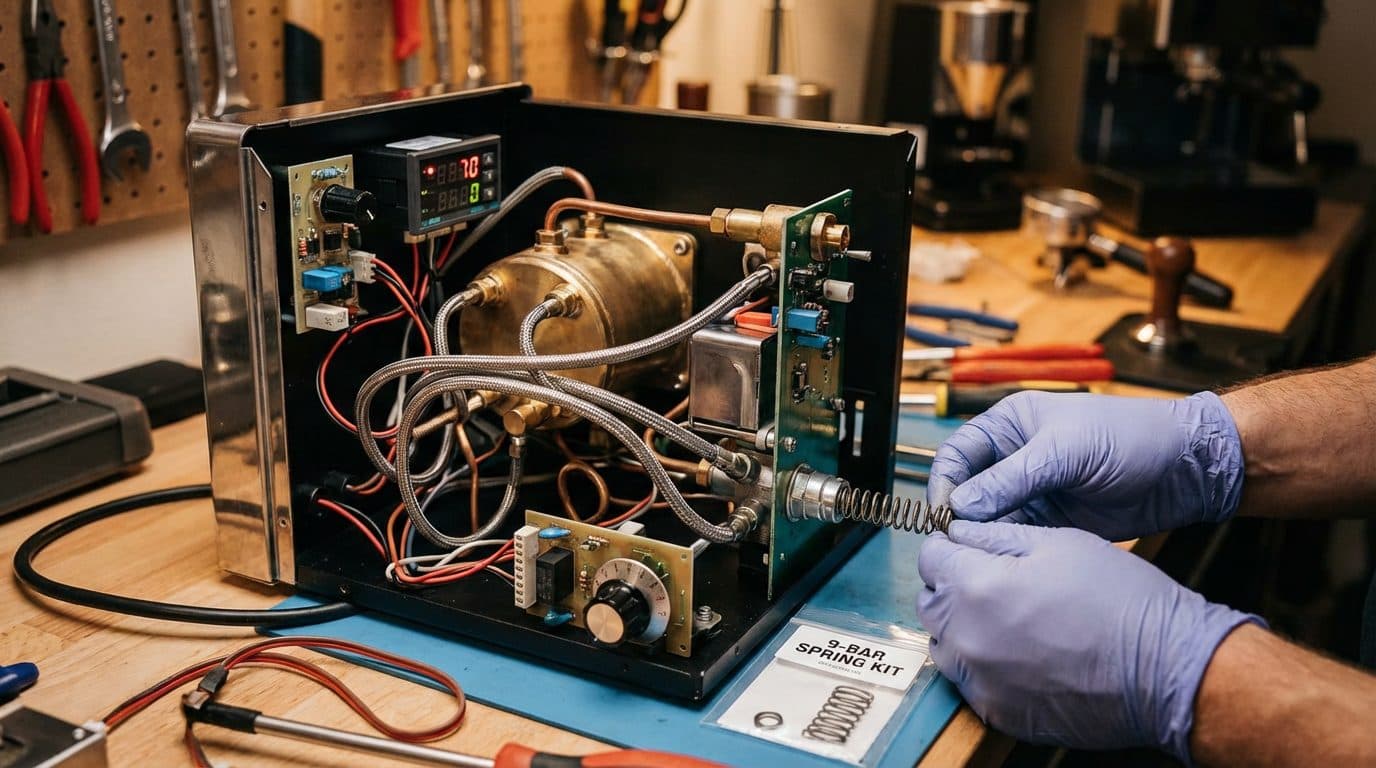
The Gaggia community has caught up impressively in recent years. PID installations, OPV adjustments, and dimmer-based flow control mods are well-documented. The Classic Pro’s internal layout actually makes some modifications easier than on the Silvia.
One increasingly popular Gaggia mod is the nine-bar OPV spring swap, which costs almost nothing and significantly improves extraction. The community has also developed excellent pressure profiling modifications for those wanting to experiment with advanced techniques.
Who Should Buy Which Machine?
The Rancilio Silvia Is For You If:
- You make milk drinks frequently and want powerful steam
- You’re planning to keep this machine for 10+ years
- You value build quality and don’t mind the extra weight
- You want a machine that grows with your skills
- Counter space isn’t a major constraint
The Rancilio Silvia Is NOT For You If:
- You want forgiving, easy operation from day one
- You primarily drink straight espresso and rarely steam milk
- Budget is extremely tight (accessories and mods add up)
- You have limited counter space or storage
The Gaggia Classic Pro Is For You If:
- You’re new to home espresso and want room to learn
- You prefer a more compact machine
- Initial budget is a primary concern
- You drink more straight espresso than milk drinks
- You want faster heat-up times for quick morning shots
The Gaggia Classic Pro Is NOT For You If:
- You entertain frequently and need to make multiple drinks quickly
- Latte art is a primary goal
- You want the absolute longest-lasting machine
- You’re already experienced and want minimal learning curve
Pros and Cons Breakdown
Rancilio Silvia
Pros:
- Superior build quality with commercial-grade components
- Larger brass boiler for better temperature stability
- Excellent steam power for milk texturing
- Legendary durability and lifespan
- Extensive modification ecosystem
Cons:
- Steeper learning curve for beginners
- Heavier and larger footprint
- Slightly higher price point
- Can be unforgiving of technique errors
Gaggia Classic Pro
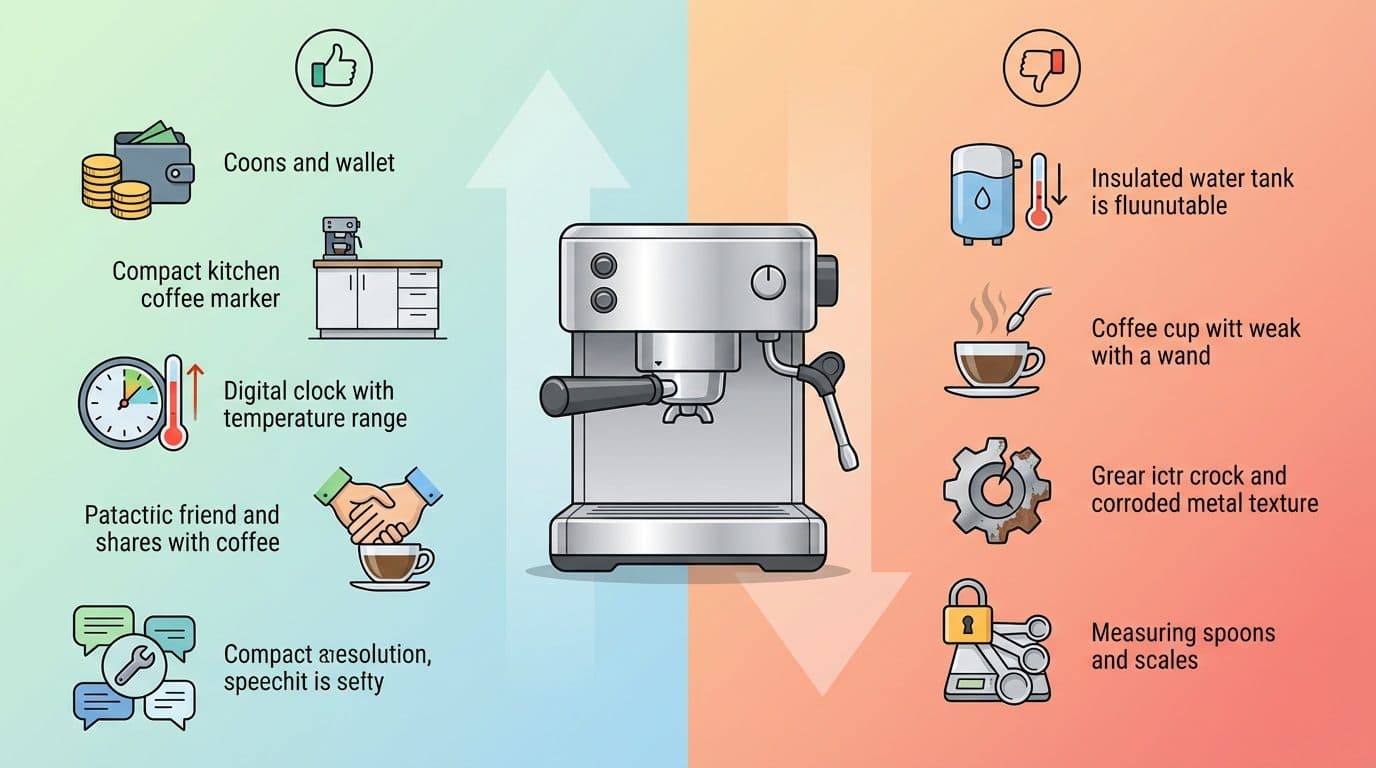
Pros:
- More accessible entry price
- Compact design fits smaller kitchens
- Faster initial heat-up time
- Easier to learn and more forgiving
- Strong community support and modification options
Cons:
- Smaller boiler requires more temperature management
- Steam power adequate but not exceptional
- Aluminum boiler less durable than brass long-term
- May feel limiting as skills advance
Conclusion and Final Recommendations
Choosing between the Gaggia Classic Pro and Rancilio Silvia comes down to understanding yourself as a coffee drinker. Both machines represent excellent value and produce genuine café-quality espresso when paired with good beans and proper technique.
The Silvia remains my recommendation for those committed to the espresso journey. Its superior build quality, steam performance, and upgradability justify the higher investment. This is the machine that keeps pace as your skills develop, and it’ll still be pulling beautiful shots a decade from now.
The Gaggia Classic Pro earns its devoted following for good reasons. It’s accessible, capable, and teaches excellent technique fundamentals. Many home baristas start here and stay here happily for years. There’s no shame in choosing the more approachable option.
Whichever machine you choose, invest in a quality grinder. Life is too short for bad coffee, and both of these Italian legends deserve freshly ground beans to show what they can really do. Ready to start your home barista journey? Check the latest prices on both machines and take the first step toward espresso independence.



Comments