


Table of Contents
- Quick Verdict: Read Both Labels
- What Exactly Is Dark Roast Coffee?
- Flavor Profile of Dark Roast
- What Makes Espresso Roast Different?
- How Roasters Optimize for Espresso
- Dark Roast vs. Espresso Roast: Key Differences Compared
- Can You Use Dark Roast for Espresso?
- Can You Use Espresso Roast for Drip Coffee?
- Which Should You Choose?
- Choose Dark Roast If:
- Choose Espresso Roast If:
- Key Takeaway: It's About Intention, Not Just Color
- Summary and Your Next Step
- Sources and Measurement Context
You’re standing in the coffee aisle, staring at two bags: one labeled “Dark Roast” and another “Espresso Roast.” They look almost identical—deep, oily beans with that rich, smoky aroma. So what’s the actual difference between dark roast and espresso roast? Is it just clever marketing, or is there something genuinely different happening inside those bags?
Here’s the short answer: the difference is smaller than most people think, but it does exist. Understanding what sets these roasts apart will help you make better choices for your morning cup—whether you’re pulling shots or brewing a French press. Let’s break it down.
Quick Verdict: Read Both Labels
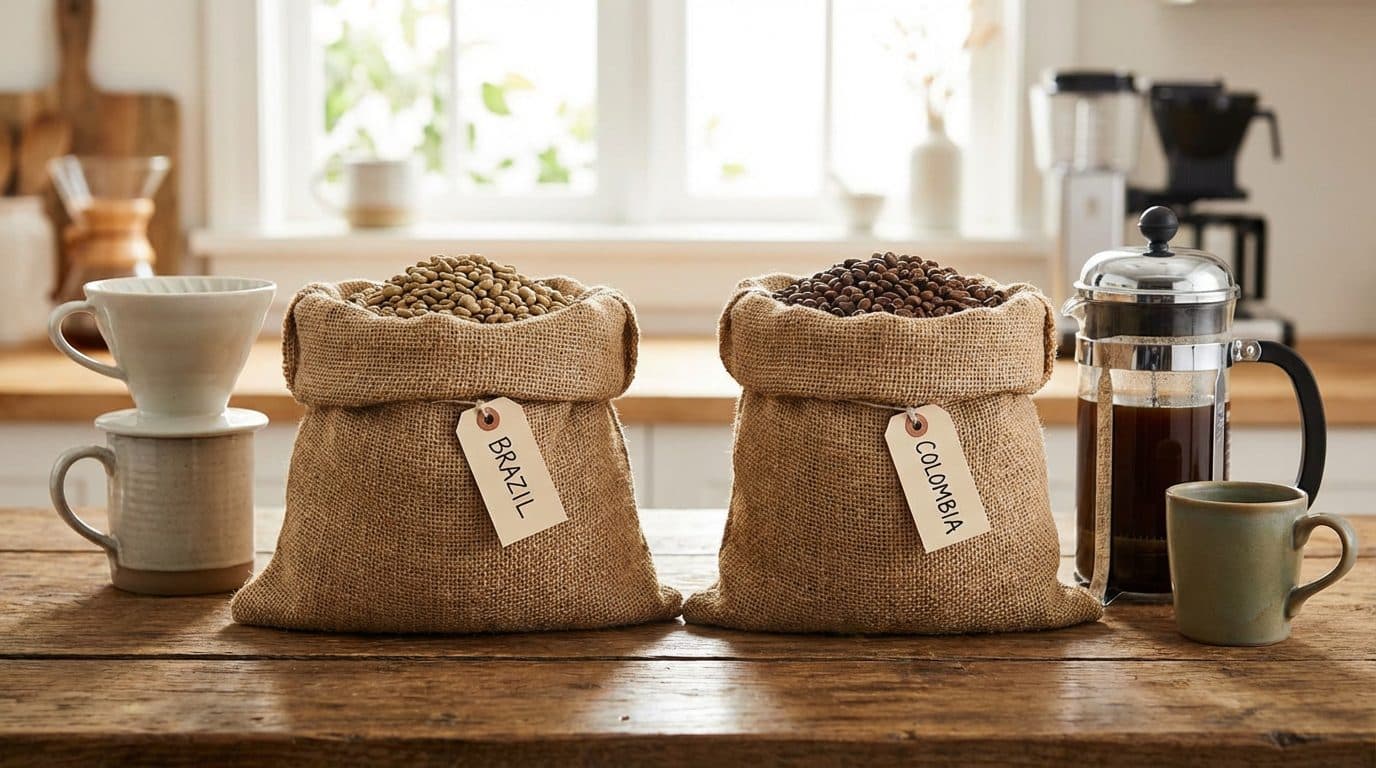
Dark roast describes a seller’s roast-level category, while espresso roast usually describes an intended brewing use. Neither label is a universal specification. Compare the exact coffee’s roast color or description, components, tasting notes, recommended recipe, and roast date before choosing.
What Exactly Is Dark Roast Coffee?
Dark roast is commonly communicated through bean or ground-coffee color, but plain-language categories are not yet consistently defined across roasters. Roast time and temperature profiles vary with equipment and coffee, so 240-250°C is not a universal internal-temperature definition.
Some darker profiles reach or pass audible second crack, but color, surface oil, aroma, and flavor vary with coffee, profile, development, storage, and measurement method. A dark label alone does not guarantee an oily surface or a smoky cup.
Flavor Profile of Dark Roast

Dark-roast sensory descriptions may include:
- Bold, smoky, and sometimes bitter notes
- Lower acidity compared to lighter roasts
- Flavors of dark chocolate, toasted nuts, or caramel
- Less of the bean’s original “origin” characteristics
Roast level can strongly affect sensory perception, but origin, species, variety, processing, profile, storage, water, and extraction still contribute. Treat smoky, chocolate, nut, caramel, fruit, floral, acidity, and bitterness notes as possibilities rather than category guarantees.
What Makes Espresso Roast Different?
Here’s where things get interesting. “Espresso roast” isn’t actually a standardized roast level—it’s more of a roasting philosophy. When a roaster labels something as espresso roast, they’re telling you the beans have been specifically developed to perform well under espresso extraction.
Espresso uses pressure and a concentrated coffee-to-water relationship, but dose, yield, pressure, temperature, grind, and contact time vary by recipe and machine. The SCA’s historical definition used a 20-30 second window; use the roaster’s recipe and tasted result instead of treating one time as universal.
How Roasters Optimize for Espresso
When creating an espresso roast, roasters typically aim for:
- A roast level that balances sweetness, body, and bitterness
- A sensory balance selected for the intended espresso recipe
- A roast profile tested with the seller’s dose, yield, and equipment
- A documented starting recipe when the roaster provides one
Most espresso roasts fall somewhere in the medium-dark to dark range, though some specialty roasters now offer medium or even light espresso roasts for those who prefer brighter, fruitier shots.
Dark Roast vs. Espresso Roast: Key Differences Compared

Let me lay out the main differences in a way that’s easy to digest:
| Factor | Dark Roast | Espresso Roast |
|---|---|---|
| Definition | A roast level (how long beans are roasted) | A roast purpose (optimized for espresso brewing) |
| Roast Level | Seller-defined dark category; compare measured or described color | Can be light, medium, or dark because the label describes intended use |
| Label Meaning | Roast-level description; suitability still depends on recipe and preference | Intended espresso use; it can still be tested with other brewers |
| Flavor Focus | Bold, smoky, low acidity | Balanced for high-pressure extraction |
| Bean Blend | Single origin or blend | Often a carefully crafted blend |
In short: dark roast describes the roast level, while espresso roast describes the intended use. Many espresso roasts are dark roasts, but not all dark roasts are optimized for espresso.
Can You Use Dark Roast for Espresso?
Yes. A dark-roast coffee can be used for espresso. Start from the coffee seller’s espresso recipe when available, then record dose, beverage yield, time, and taste.
Dark roast beans generally produce espresso with:
- Rich, full body
- Prominent bitterness (which some people love)
- Crema appearance that depends on coffee, freshness, degassing, pressure, recipe, and equipment
- Less complexity in flavor—more straightforward and bold
A darker coffee may suit a roast-forward espresso preference, while a lighter profile may preserve different fruit or floral perceptions. Neither result is guaranteed by the category name; compare two coffees with the same measured beverage ratio.
Controlled dial-in: Keep dose and target beverage yield stable, then change grind one small step after tasting. A darker roast may respond differently, but the label alone does not prove porosity, extraction speed, or the correct grind.
Can You Use Espresso Roast for Drip Coffee?

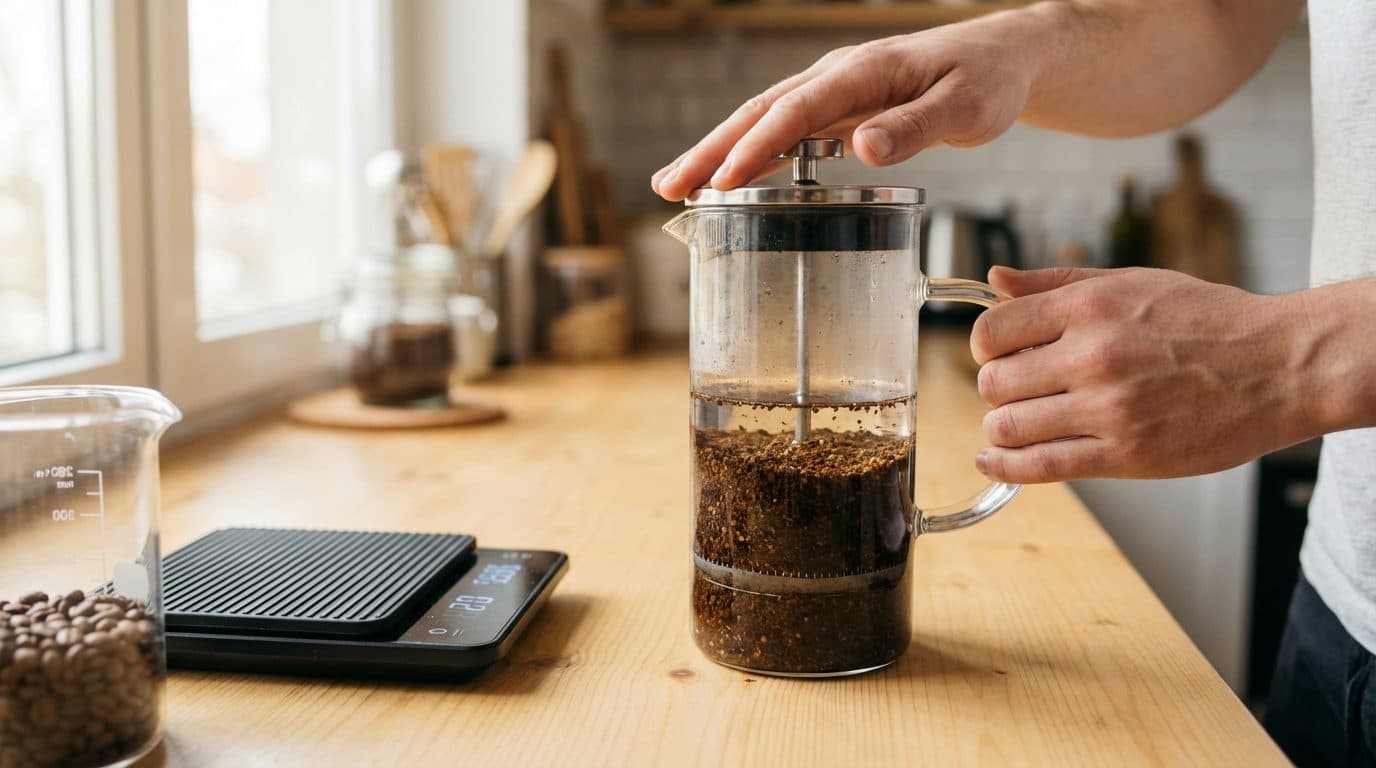
Here’s a myth worth busting: espresso roast is not “only for espresso.” You can absolutely brew espresso roast beans in a drip machine, pour-over, or French press. The coffee police won’t come knocking.
That said, espresso roast brewed in a drip machine will taste different than it does as espresso. You’ll likely get:
- A bold, full-bodied cup
- Lower acidity than lighter roasts
- Smooth, approachable flavors
- Less intensity than an actual espresso shot
An espresso-labeled coffee can be brewed as drip coffee, but strength, acidity, bitterness, and smoothness depend on the coffee and recipe. Use the same dose, water, and brewer when comparing it with a dark-roast-labeled coffee.
Which Should You Choose?
Your choice between dark roast and espresso roast depends on how you brew and what flavors you enjoy. Here’s a quick guide:
Choose Dark Roast If:
- You brew with multiple methods (drip, French press, cold brew)
- You love bold, smoky, no-nonsense coffee
- You’re not too concerned about espresso-specific optimization
- You prefer single-origin beans over blends
Choose Espresso Roast If:
- You primarily use an espresso machine or moka pot
- You want beans specifically balanced for high-pressure brewing
- The roaster provides an espresso recipe and sensory profile that match your target drink
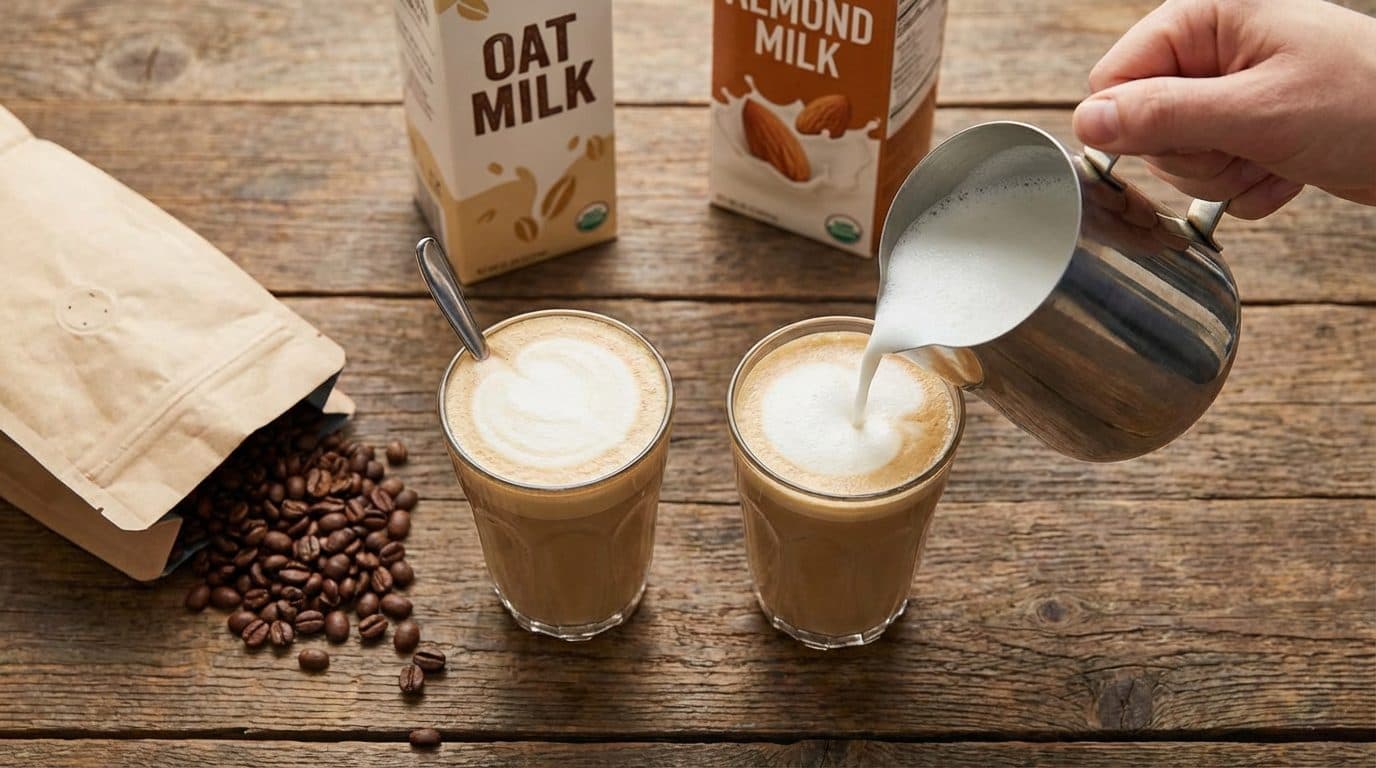
- You enjoy milk-based drinks like lattes and cappuccinos
For a milk drink, compare the espresso alone and at a fixed coffee-to-milk ratio. An espresso label does not guarantee that its flavor will remain more prominent in milk.
Key Takeaway: It’s About Intention, Not Just Color

The difference between dark roast and espresso roast isn’t about one being “stronger” or “better” than the other. Dark roast is a roast level—a description of how long the beans were roasted. Espresso roast is a roast intention—beans developed specifically to taste great when brewed as espresso.
Espresso-labeled coffees span multiple roast colors. Read the roaster’s stated intent and recipe, then verify the result with your machine rather than inferring performance from the word “espresso.”
Summary and Your Next Step
So, is there a difference between dark roast and espresso roast? Yes, but it’s more about purpose than appearance. Dark roast tells you about the roast level; espresso roast tells you about the intended brewing method. Both can produce delicious coffee, and honestly, both can work in your espresso machine or drip brewer.
Comparison method: Brew one dark-roast-labeled coffee and one espresso-labeled coffee with the same equipment, dose, beverage yield, water, and temperature. Record roast description, recipe, aroma, acidity, bitterness, sweetness, body, and preference; change only grind when dialing in each coffee.

Comments