


Table of Contents
- How Cinnamon Affects Blood Sugar: The Science Explained
- What Does the Research Say?
- Ceylon vs. Cassia Cinnamon: Which Is Better for Blood Sugar?
- My Recommendation
- How to Add Cinnamon to Your Coffee for Maximum Benefit
- Method 1: Add to Coffee Grounds Before Brewing
- Method 2: Stir Directly Into Brewed Coffee
- Method 3: Use a Cinnamon Stick
- Method 4: Create a Cinnamon-Infused Simple Syrup
- Optimal Dosage and Timing for Blood Sugar Benefits
- Consistency Is Key
- Potential Side Effects and Who Should Be Careful
- Frequently Asked Questions
- Does cinnamon in coffee break a fast?
- How quickly does cinnamon lower blood sugar?
- Can I use cinnamon supplements instead of the spice?
- Will cinnamon make my coffee taste weird?
- Is there anyone who shouldn't put cinnamon in their coffee?
- Summary and Your Next Step
Have you ever wondered if that simple dash of cinnamon in your morning coffee could actually be doing something good for your health? You’re not alone. With blood sugar management becoming a growing concern for millions of people worldwide, the cinnamon-in-coffee trend has exploded beyond just being a tasty addition. In my experience brewing countless cups at home, I’ve found that this aromatic spice does more than just make your coffee smell like a cozy autumn morning—it may genuinely support healthier blood sugar levels.
In this guide, we’ll explore exactly how cinnamon affects blood sugar, which types work best, how to add it to your coffee properly, and what the science actually says. Whether you’re managing pre-diabetes, type 2 diabetes, or simply want to optimize your metabolic health, understanding the relationship between cinnamon and blood sugar control could transform your daily coffee ritual into something genuinely beneficial.
How Cinnamon Affects Blood Sugar: The Science Explained
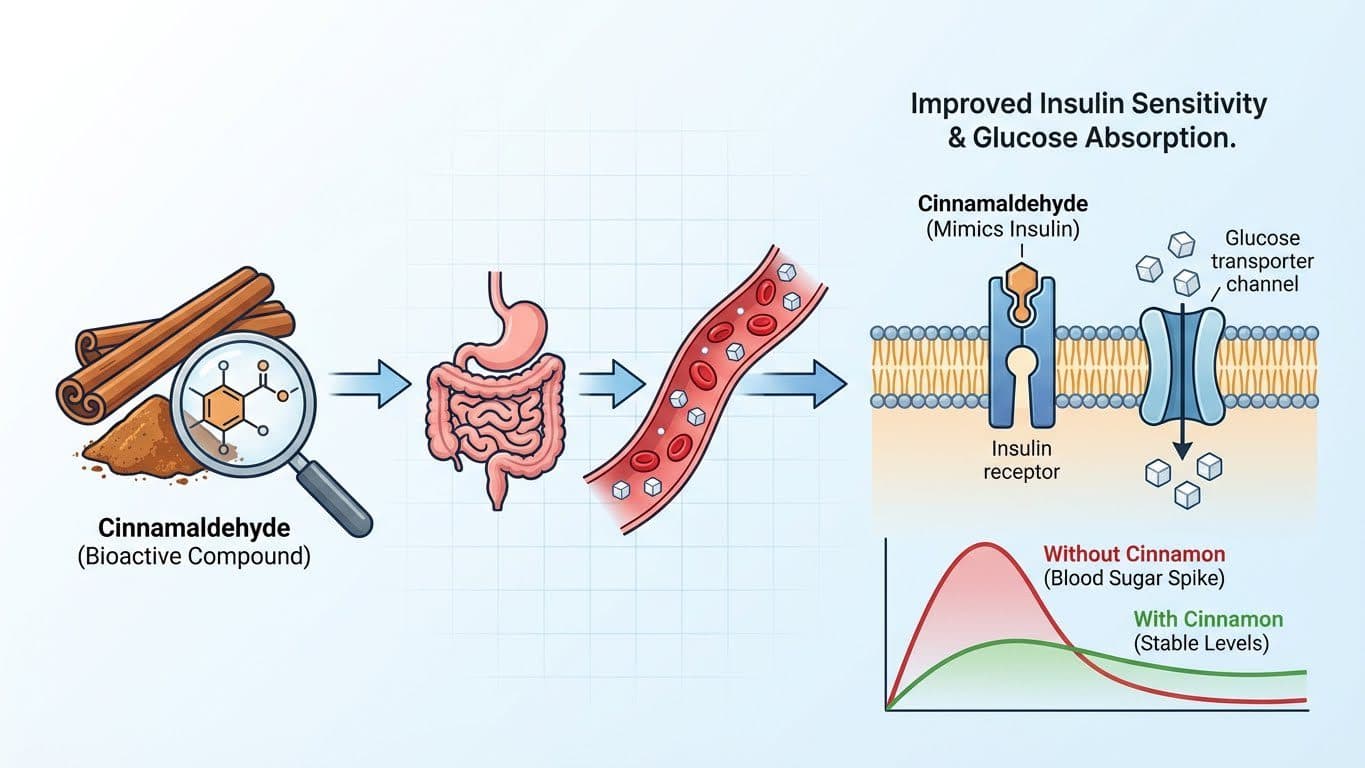
Let’s start with the basics. Cinnamon contains bioactive compounds—most notably cinnamaldehyde—that interact with your body’s insulin response in fascinating ways. When you consume cinnamon, these compounds can mimic insulin’s effects and help your cells absorb glucose more efficiently. In short, cinnamon may help your body use sugar better, rather than letting it spike in your bloodstream.
Several mechanisms are at play here:
- Improved insulin sensitivity: Cinnamon appears to make your cells more responsive to insulin, meaning less insulin is needed to do the same job.
- Slower carbohydrate breakdown: Compounds in cinnamon can slow digestive enzymes, which means glucose enters your bloodstream more gradually after meals.
- Enhanced glucose uptake: Some research suggests cinnamon helps cells take in glucose faster, reducing the amount lingering in your blood.
A typical scenario: You drink your morning coffee with a pastry. Without cinnamon, your blood sugar might spike sharply. With cinnamon added to your coffee, that spike could be gentler and more manageable. I’ve noticed this effect myself when monitoring my energy levels throughout the morning—less of that mid-morning crash when cinnamon is part of my routine.
What Does the Research Say?
Multiple studies have examined cinnamon’s effects on blood sugar. A meta-analysis published in the Journal of Medicinal Food reviewed 10 randomized controlled trials and found that cinnamon supplementation significantly reduced fasting blood glucose levels. Another study in Diabetes Care showed improvements in fasting glucose, LDL cholesterol, and triglycerides in type 2 diabetics taking cinnamon daily.
Key Takeaway: While cinnamon isn’t a miracle cure, the evidence suggests it can be a helpful addition to blood sugar management strategies—especially when combined with a balanced diet and regular exercise.
That said, I should mention that the information here is general in nature. If you have diabetes or blood sugar concerns, please consult your doctor or a registered dietitian before making significant dietary changes. Cinnamon can complement medical treatment but shouldn’t replace it.
Ceylon vs. Cassia Cinnamon: Which Is Better for Blood Sugar?
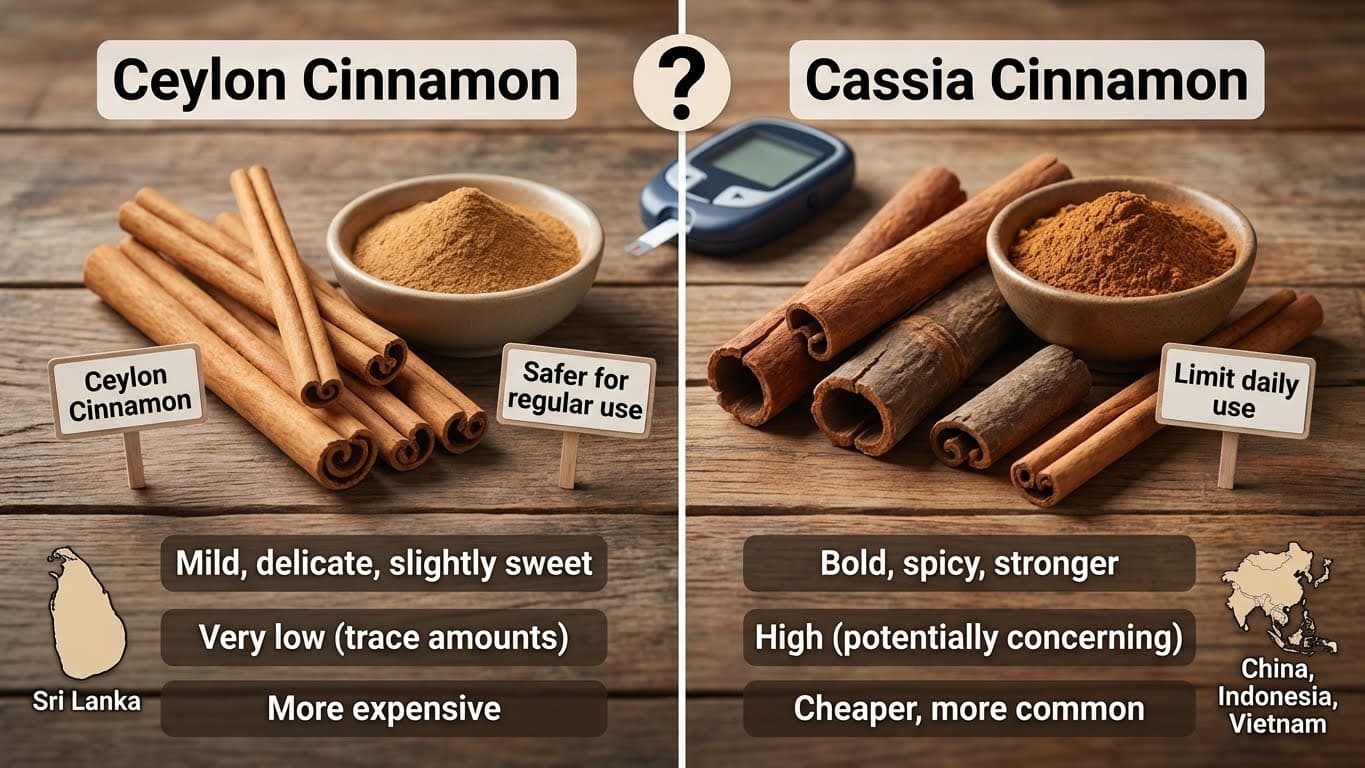
Not all cinnamon is created equal, and this distinction matters quite a bit when you’re consuming it daily. There are two main types you’ll encounter: Ceylon cinnamon and Cassia cinnamon.
| Feature | Ceylon Cinnamon | Cassia Cinnamon |
|---|---|---|
| Origin | Sri Lanka, primarily | China, Indonesia, Vietnam |
| Flavor | Mild, delicate, slightly sweet | Bold, spicy, stronger |
| Coumarin content | Very low (trace amounts) | High (potentially concerning) |
| Price | More expensive | Cheaper, more common |
| Daily use safety | Safer for regular consumption | Should be limited |
The critical difference is coumarin content. Cassia cinnamon contains significant amounts of coumarin, a compound that can cause liver issues when consumed in large quantities over time. Ceylon cinnamon, sometimes called “true cinnamon,” contains only trace amounts of coumarin, making it safer for daily use.
My Recommendation
If you’re adding cinnamon to your coffee every single day for blood sugar benefits, invest in Ceylon cinnamon. Yes, it costs more—typically two to three times the price of regular grocery store cinnamon. But for daily consumption, the safety profile makes it worthwhile. Most supermarket cinnamon is Cassia, so you’ll likely need to visit a specialty store or order online to find Ceylon.
Barista Tip: Look for packaging that specifically says “Ceylon” or “true cinnamon.” If it just says “cinnamon” without specification, assume it’s Cassia.
How to Add Cinnamon to Your Coffee for Maximum Benefit
Now for the practical part—actually getting cinnamon into your coffee in ways that taste great and deliver benefits. I’ve experimented with numerous methods over the years, and some work better than others.
Method 1: Add to Coffee Grounds Before Brewing
This is my favorite approach. Simply add 1/4 to 1/2 teaspoon of ground cinnamon directly to your coffee grounds before brewing. The hot water extracts the cinnamon’s flavors and compounds along with the coffee, resulting in a beautifully integrated taste.
- Works best with drip coffee makers, pour-over, and French press
- Creates a smooth, well-balanced flavor
- No gritty texture in your cup
Method 2: Stir Directly Into Brewed Coffee
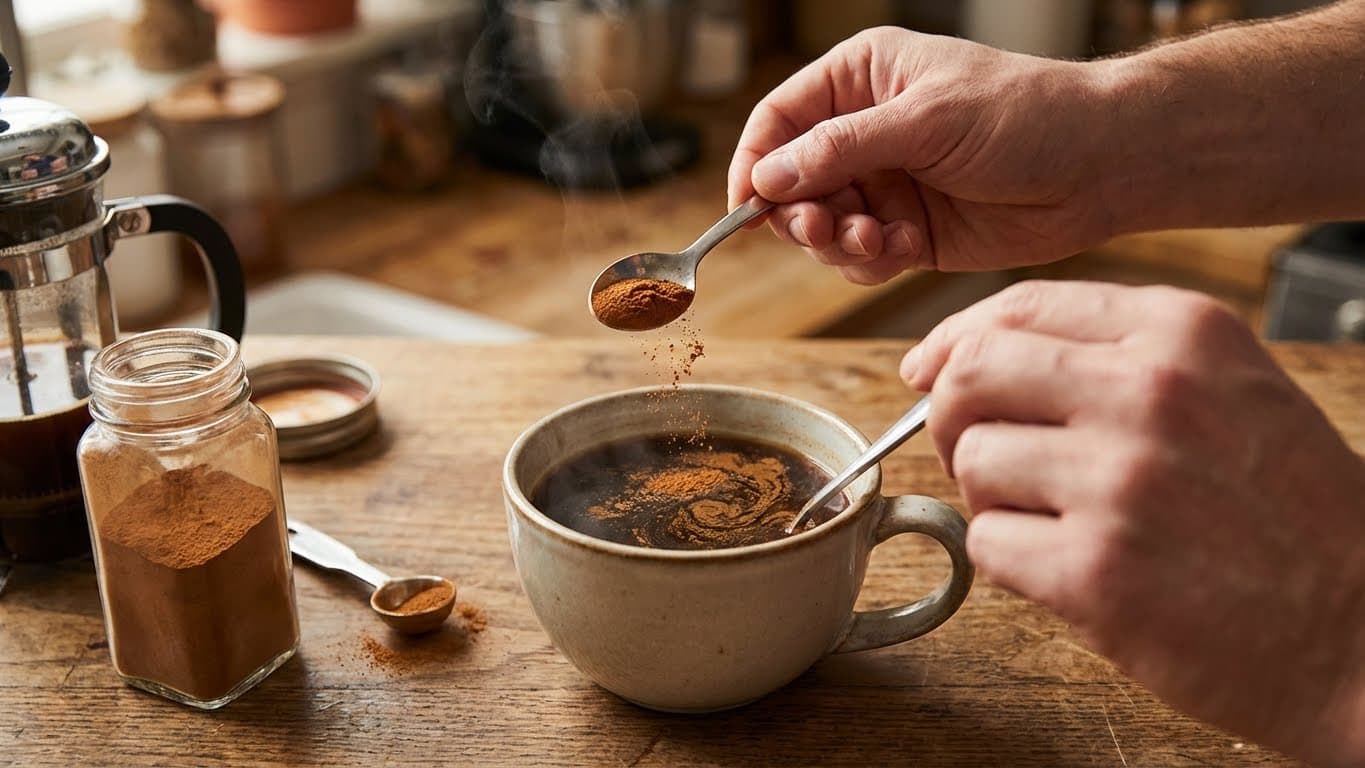
Add a small pinch (1/8 to 1/4 teaspoon) of ground cinnamon directly to your brewed coffee and stir well. This method is quick and convenient but can leave some sediment at the bottom of your cup.
Method 3: Use a Cinnamon Stick
Drop a cinnamon stick into your hot coffee and let it steep for 2-3 minutes. This provides a subtler flavor and looks quite elegant. The downside? You’ll extract fewer of the beneficial compounds compared to ground cinnamon.
Method 4: Create a Cinnamon-Infused Simple Syrup
Simmer equal parts water and sugar with cinnamon sticks for 10-15 minutes. Strain and store in the refrigerator. Add a small amount to your coffee for sweetness plus cinnamon benefits. This works especially well for iced coffee drinks.
Barista Tip: Start with less cinnamon than you think you need. It’s easier to add more than to deal with an overpowering cinnamon flavor that masks your coffee’s natural notes.
Optimal Dosage and Timing for Blood Sugar Benefits

How much cinnamon do you actually need to see blood sugar benefits? Research studies have used varying amounts, but most effective doses fall between 1 to 6 grams daily (roughly 1/2 teaspoon to 2 teaspoons).
For practical daily use in coffee, I recommend:
- Starting dose: 1/4 teaspoon per cup
- Working up to: 1/2 teaspoon per cup
- Maximum daily intake: 1 teaspoon total (spread across multiple cups if desired)
Timing also matters. Consuming cinnamon with or before meals appears to be most effective for moderating post-meal blood sugar spikes. If you drink your coffee with breakfast, you’re already in a good position. For those who enjoy coffee before eating, the cinnamon may help prepare your body for incoming carbohydrates.
Consistency Is Key
Here’s something the studies consistently show: one-time consumption doesn’t produce lasting effects. The blood sugar benefits of cinnamon appear to build over time with regular, consistent use. Think weeks and months rather than days. In my experience, I started noticing more stable energy levels about three weeks into my daily cinnamon coffee habit.
Potential Side Effects and Who Should Be Careful
While cinnamon is generally safe for most people, there are some considerations worth noting—especially if you’re planning to consume it daily.
- Blood sugar medications: Cinnamon may enhance the effects of diabetes medications, potentially causing blood sugar to drop too low. Monitor your levels carefully and talk to your doctor.
- Blood thinners: Cassia cinnamon contains coumarin, which has blood-thinning properties. If you take warfarin or similar medications, this interaction could be problematic.
- Liver concerns: High coumarin intake from Cassia cinnamon over time may affect liver function. This is another reason to choose Ceylon cinnamon for daily use.
- Pregnancy: While culinary amounts are generally considered safe, concentrated supplements should be avoided during pregnancy.
A common myth I want to bust here: cinnamon will not “cure” diabetes or eliminate the need for medication. It’s a supportive tool, not a replacement for medical treatment. Anyone telling you otherwise is overselling it.
Frequently Asked Questions
Does cinnamon in coffee break a fast?
No, adding a small amount of cinnamon to black coffee does not break a fast. Cinnamon contains virtually no calories and doesn’t trigger an insulin response. In fact, some intermittent fasting enthusiasts specifically add cinnamon to help stabilize blood sugar during fasting periods.
How quickly does cinnamon lower blood sugar?
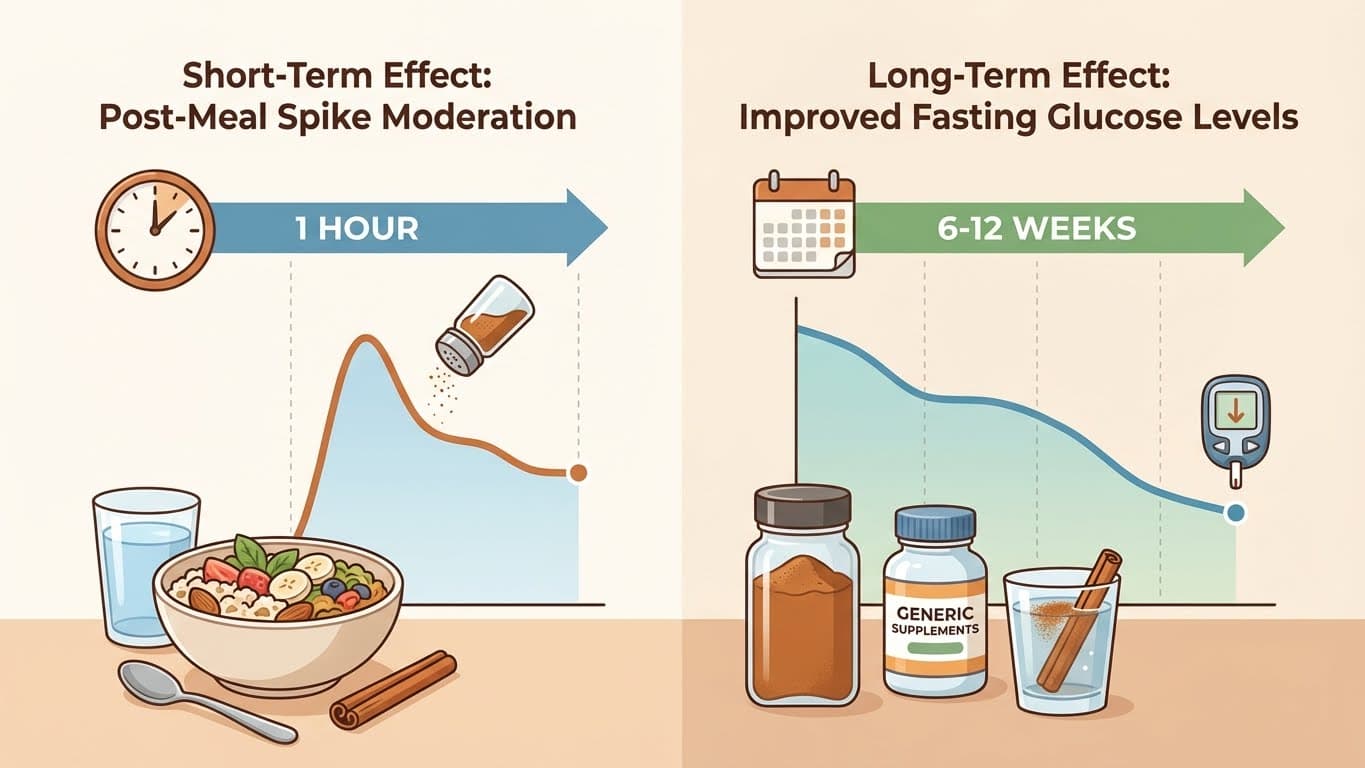
Cinnamon can begin affecting blood sugar within an hour of consumption, particularly in terms of moderating post-meal spikes. However, the more significant benefits—like improved fasting glucose levels—typically appear after 6-12 weeks of consistent daily use.
Can I use cinnamon supplements instead of the spice?
Yes, cinnamon supplements exist and provide standardized doses. However, they lack the sensory pleasure of cinnamon in your coffee. If you choose supplements, look for Ceylon cinnamon capsules and follow package dosing instructions. Many people find combining both approaches—supplements plus cinnamon in coffee—works well.
Will cinnamon make my coffee taste weird?
When used in appropriate amounts, cinnamon enhances rather than overwhelms coffee. The warm, slightly sweet notes complement coffee’s natural bitterness beautifully. Start with a small amount and adjust to your preference. Most people find the combination quite pleasant once they get the ratio right.
Is there anyone who shouldn’t put cinnamon in their coffee?
People with cinnamon allergies (rare but possible), those taking diabetes medications without medical supervision, individuals on blood thinners, and those with liver conditions should exercise caution or avoid regular cinnamon consumption. When in doubt, consult a healthcare professional.
Summary and Your Next Step
Adding cinnamon to your daily coffee is one of the simplest upgrades you can make for potential blood sugar benefits. The science supports its ability to improve insulin sensitivity, moderate glucose spikes, and contribute to better metabolic health over time. Just remember: choose Ceylon cinnamon for daily use, start with small amounts, and be consistent.
Life is too short for bad coffee—and it’s also too short to ignore easy health wins. Try adding 1/4 teaspoon of Ceylon cinnamon to your morning brew tomorrow. Give it a few weeks, pay attention to how you feel, and you might just discover that your favorite daily ritual has become a little healthier without sacrificing any of the enjoyment. Your taste buds and your blood sugar may both thank you.


Comments