


Table of Contents
- Quick Verdict: The Best Coffee for Percolators
- Why Your Coffee Choice Matters for Percolators
- The Science Behind Percolator Brewing
- What Makes Coffee Percolator-Friendly?
- Top 5 Best Coffees for Percolators in 2024
- 1. Peet's Coffee Big Bang (Best Overall)
- 2. Counter Culture Hologram (Best Premium)
- 3. Folgers Classic Roast (Best Budget)
- 4. Volcanica Sumatra Mandheling (Best Single Origin)
- 5. Stone Street Colombian Supremo (Best All-Rounder)
- Coffee Comparison: Quick Reference Table
- Tips for Brewing Better Percolator Coffee
- Grind Size Matters More Than You Think
- Timing Is Everything
- Water Quality and Temperature
- Frequently Asked Questions
- Should I use dark roast coffee in a percolator?
- Can I use espresso roast in a percolator?
- How much coffee should I use per cup in a percolator?
- Why does my percolator coffee taste bitter?
- Is percolator coffee stronger than drip coffee?
- Final Thoughts and Recommendations
Ever wondered why your percolator coffee sometimes tastes bitter, burnt, or just… off? You’re not alone. I’ve spent years perfecting my percolator brew, and here’s what I’ve learned: the secret isn’t in your technique. It’s in the beans you choose. The best coffee for percolators can transform your morning cup from a harsh wake-up call into something genuinely enjoyable.
Percolators are making a serious comeback, and for good reason. They’re durable, reliable, and brew coffee with a bold, robust character you simply can’t get from other methods. But here’s the catch: percolators are unforgiving. Choose the wrong coffee, and you’ll end up with an over-extracted, bitter mess. In this guide, I’ll walk you through exactly what to look for, share my top picks, and help you find the perfect beans for your percolator setup.
Quick Verdict: The Best Coffee for Percolators
Peet’s Coffee Big Bang Medium Roast takes the top spot for most percolator users. It offers a balanced flavor profile that holds up beautifully to the extended brewing process, with enough body to satisfy bold coffee lovers without crossing into bitter territory. If you prefer something more budget-friendly, Folgers Classic Roast remains a reliable everyday option that’s been a percolator staple for generations.
For those who want a premium experience, Counter Culture Hologram delivers exceptional complexity and sweetness that shines through the percolator’s robust brewing style.
Why Your Coffee Choice Matters for Percolators
Percolators work differently than drip machines or pour-overs. Water cycles through your coffee grounds multiple times, extracting more flavor compounds with each pass. This means the brewing process is more aggressive and prolonged. In my experience, what works beautifully in a French press might taste terrible in a percolator.
The Science Behind Percolator Brewing
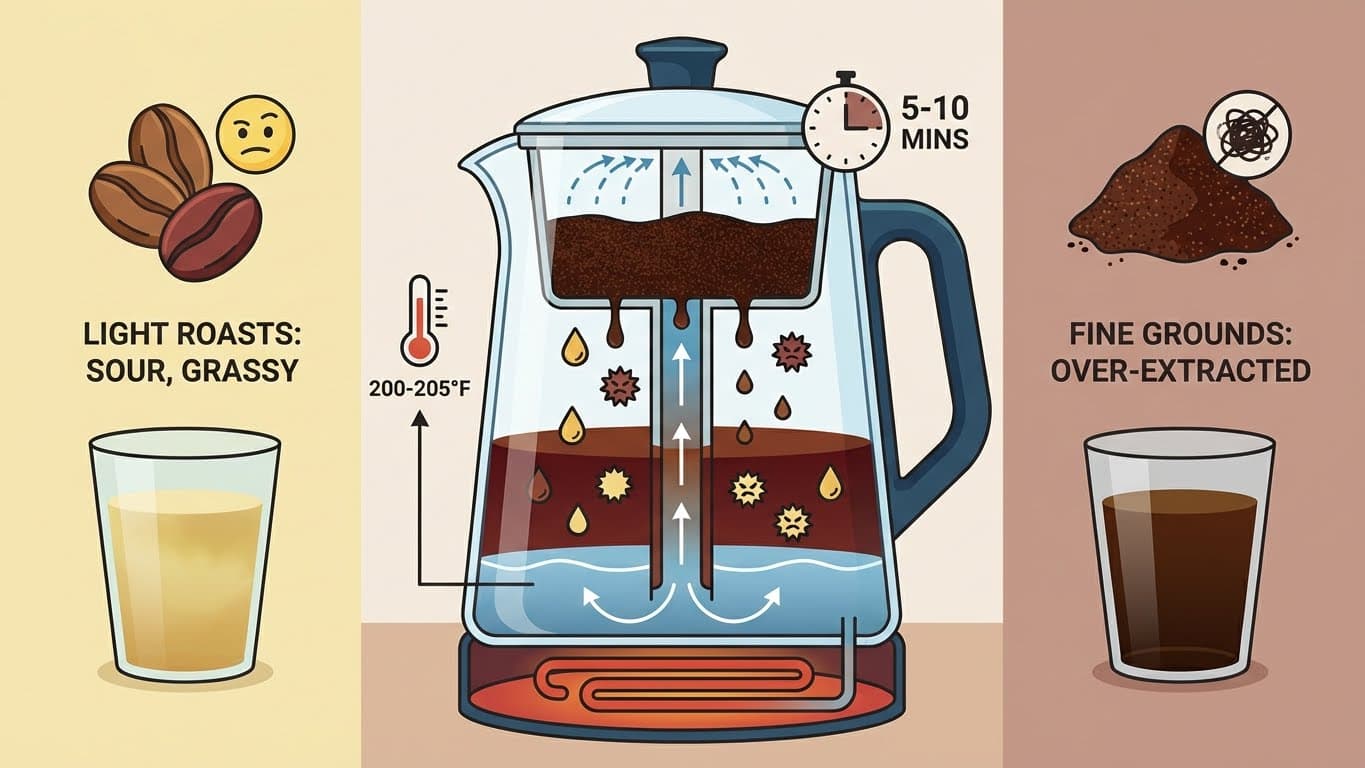
During percolation, water reaches temperatures close to boiling—often around 200-205°F. It then passes through the grounds repeatedly for anywhere from 5 to 10 minutes. This extended contact time pulls out more oils, acids, and bitter compounds than most other brewing methods. In short, your coffee gets extracted more intensely.
This is why light roasts often disappoint in percolators. They tend to become sour or develop unpleasant grassy notes. The same goes for finely ground coffee, which can turn your brew into an over-extracted, muddy disaster.
What Makes Coffee Percolator-Friendly?
- Medium to medium-dark roasts: These have already undergone enough heat to mellow harsh acids while retaining pleasant flavor notes
- Coarse grind size: Larger particles slow extraction and prevent bitterness
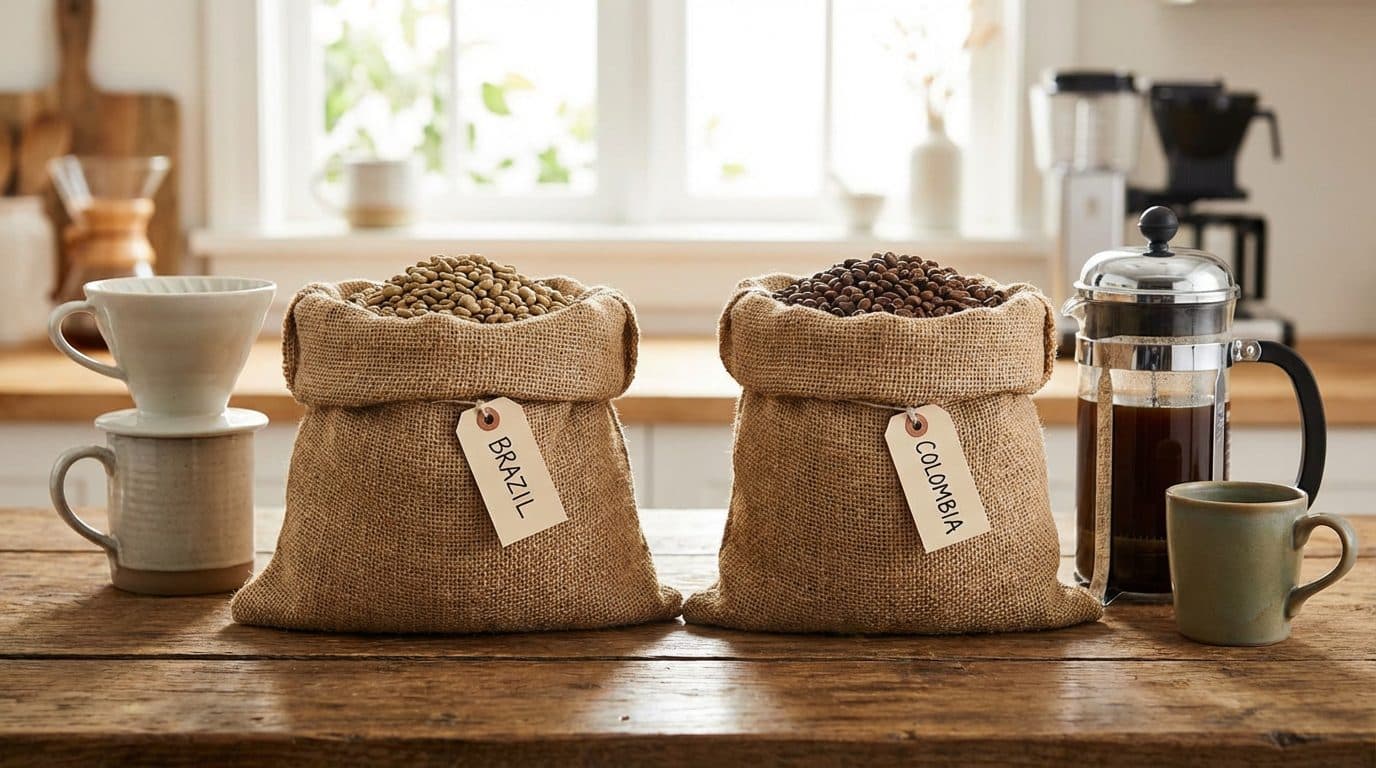
- Low acidity beans: Origins like Brazil, Sumatra, and Colombia work exceptionally well
- Fresh but not too fresh: Beans rested 7-14 days after roasting perform best
Top 5 Best Coffees for Percolators in 2024
I’ve tested dozens of coffees in various percolators—stovetop, electric, and even campfire models. These five consistently deliver excellent results.
1. Peet’s Coffee Big Bang (Best Overall)
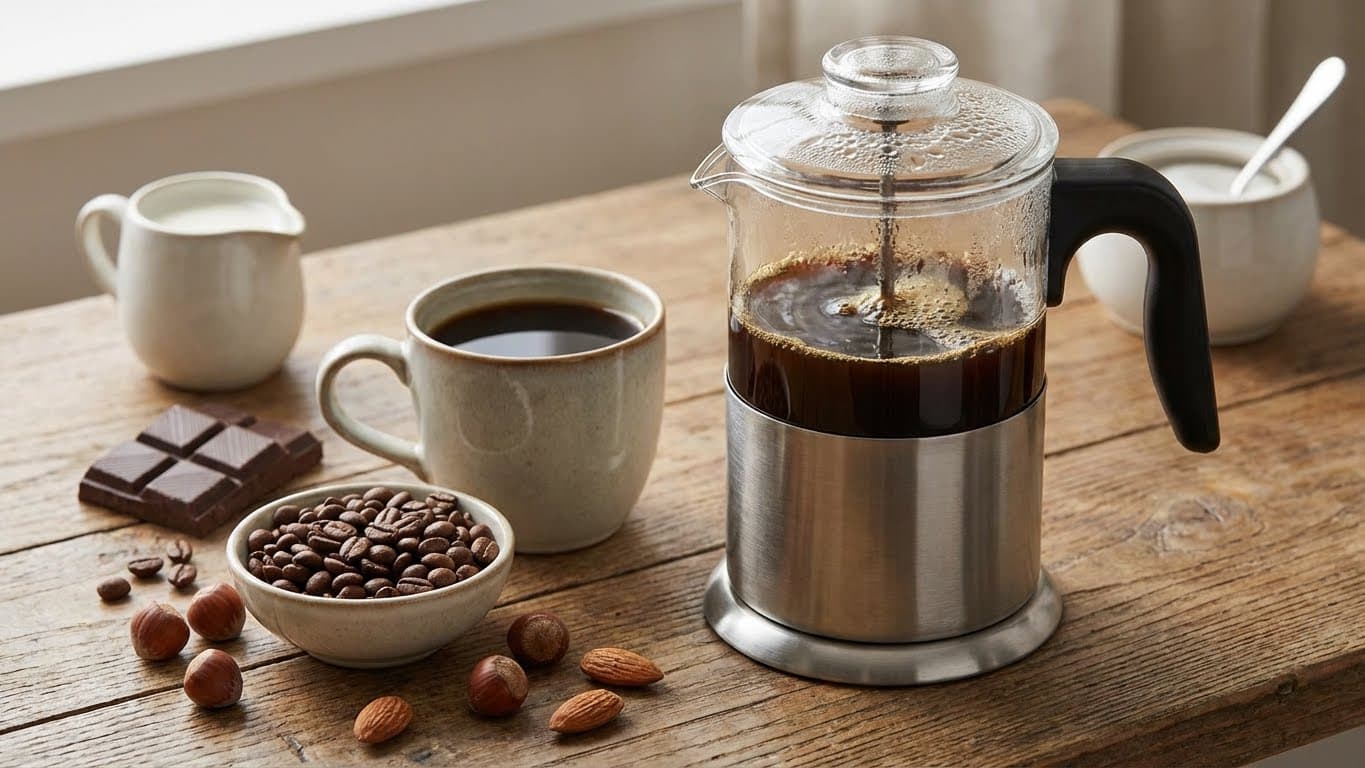
This medium roast hits the sweet spot for percolator brewing. You’ll notice rich, full-bodied flavor with notes of dark chocolate and a hint of nuttiness. The beans are sourced from Latin America and have enough depth to stand up to cream and sugar without disappearing.
Pros:
- Smooth, balanced flavor that resists bitterness
- Consistent quality bag to bag
- Widely available in grocery stores
- Works equally well black or with milk
Cons:
- Pre-ground option isn’t as fresh as whole bean
- Slightly pricier than budget brands
Who is this for? Daily coffee drinkers who want reliability without fussiness. Perfect for anyone upgrading from basic supermarket brands.
Who is this NOT for? Those seeking extremely bold, dark roast intensity or single-origin transparency.
Check the latest price on Amazon for current deals.
2. Counter Culture Hologram (Best Premium)
If you’re willing to invest in exceptional coffee, Hologram delivers. This medium roast blend features beans from Colombia, Peru, and Ethiopia, creating a complex cup with caramel sweetness and subtle fruit notes. Even after the percolator’s aggressive extraction, the flavors remain nuanced and clean.
Pros:
- Complex, layered flavor profile
- Ethically sourced with full transparency
- Freshness dating on every bag
- Surprising sweetness even from a percolator
Cons:
- Premium price point
- May be too subtle for those preferring bold, dark coffee
Who is this for? Coffee enthusiasts who appreciate craft roasting and don’t mind paying for quality.
Who is this NOT for? Budget-conscious buyers or those who drink coffee primarily for the caffeine kick.
3. Folgers Classic Roast (Best Budget)
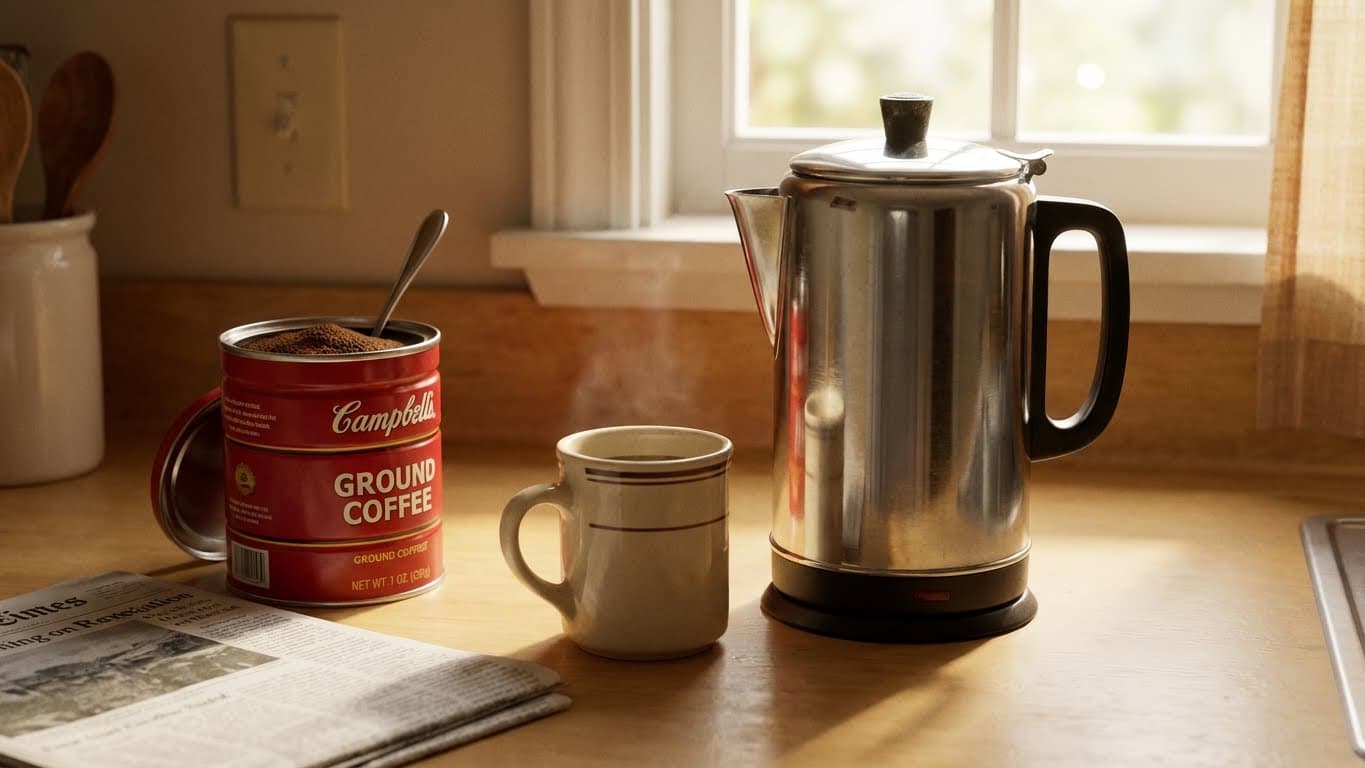
Sometimes the classics endure for good reason. Folgers has been the go-to percolator coffee for decades, and while it won’t win awards for complexity, it delivers exactly what you expect: a smooth, inoffensive cup that’s easy on the wallet.
Pros:
- Extremely affordable
- Available everywhere
- Consistent flavor batch after batch
- Nostalgic taste many grew up with
Cons:
- Lacks depth and complexity
- Pre-ground only
- Can taste flat compared to specialty options
Who is this for? Practical coffee drinkers focused on value, or those making large batches for groups.
Who is this NOT for? Coffee snobs or anyone seeking exciting flavor experiences.
4. Volcanica Sumatra Mandheling (Best Single Origin)
Sumatran coffees were practically made for percolators. Their naturally low acidity, earthy depth, and full body complement the brewing method beautifully. Volcanica’s Mandheling showcases these characteristics with notes of dark chocolate, tobacco, and subtle herbal undertones.
Pros:
- Rich, earthy flavor that percolators enhance
- Virtually no bitterness even with extended brewing
- Single origin transparency
- Excellent for black coffee drinkers
Cons:
- Earthy profile isn’t for everyone
- Can taste “heavy” to those used to lighter coffees
Who is this for? Adventurous drinkers who appreciate distinctive flavor profiles and bold coffee.
Who is this NOT for? Those who prefer bright, fruity, or light-bodied coffee.
5. Stone Street Colombian Supremo (Best All-Rounder)
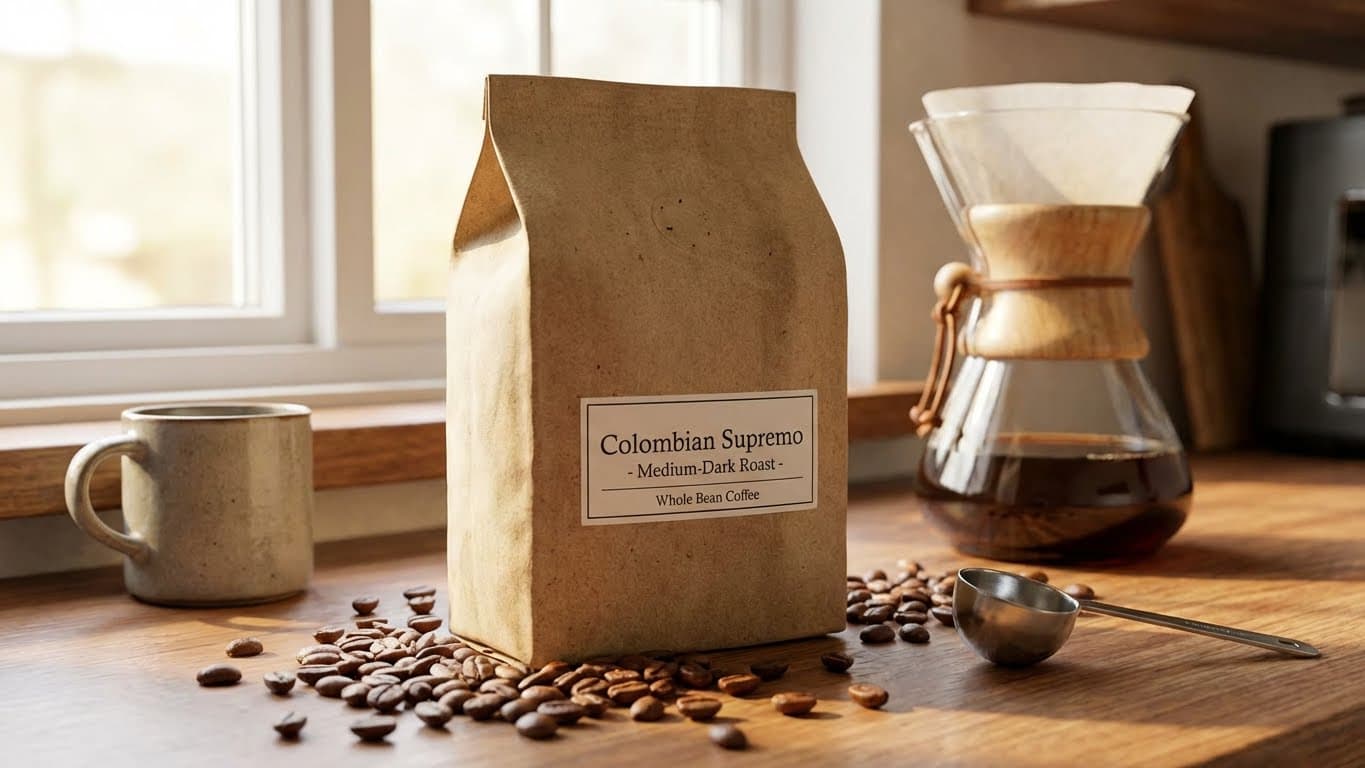
Colombian coffees strike a beautiful balance between body, sweetness, and mild fruitiness. Stone Street’s Supremo offers medium-dark roast depth without veering into smoky territory. I’ve found it particularly forgiving if your timing isn’t perfect—it resists over-extraction better than most.
Pros:
- Forgiving and beginner-friendly
- Balanced flavor appeals to most palates
- Small-batch roasted for freshness
- Good value for the quality
Cons:
- Not as distinctive as single origin options
- May bore experienced coffee enthusiasts
Who is this for? Households where multiple people with different preferences share coffee. Great starting point for percolator newcomers.
Who is this NOT for? Those seeking bold statements or very light, delicate flavors.
Coffee Comparison: Quick Reference Table
| Coffee | Roast Level | Best For | Price Range | Flavor Profile |
|---|---|---|---|---|
| Peet’s Big Bang | Medium | Overall Best | $$ | Chocolate, Nutty |
| Counter Culture Hologram | Medium | Premium | $$$ | Caramel, Fruity |
| Folgers Classic | Medium | Budget | $ | Smooth, Mild |
| Volcanica Sumatra | Medium-Dark | Single Origin | $$$ | Earthy, Chocolate |
| Stone Street Colombian | Medium-Dark | All-Rounder | $$ | Balanced, Sweet |
Tips for Brewing Better Percolator Coffee
Even the best beans can taste mediocre if you brew them incorrectly. Here are the techniques I’ve refined over years of percolator use.
Grind Size Matters More Than You Think
Always use a coarse grind—think sea salt consistency. Fine grinds lead to over-extraction and that unmistakable bitter, burnt taste. If you’re buying pre-ground, look for options labeled “percolator grind” or “coarse grind.”
Barista Tip: Invest in a burr grinder if you’re serious about percolator coffee. Blade grinders create inconsistent particle sizes, which means some grounds over-extract while others under-extract. A burr grinder costs around $30-50 and dramatically improves consistency.
Timing Is Everything
Start timing once you hear the first perk. For most percolators, 7-8 minutes produces ideal extraction. Beyond 10 minutes, you’re venturing into bitter territory. I set a timer every time—it’s made a noticeable difference in consistency.
Water Quality and Temperature
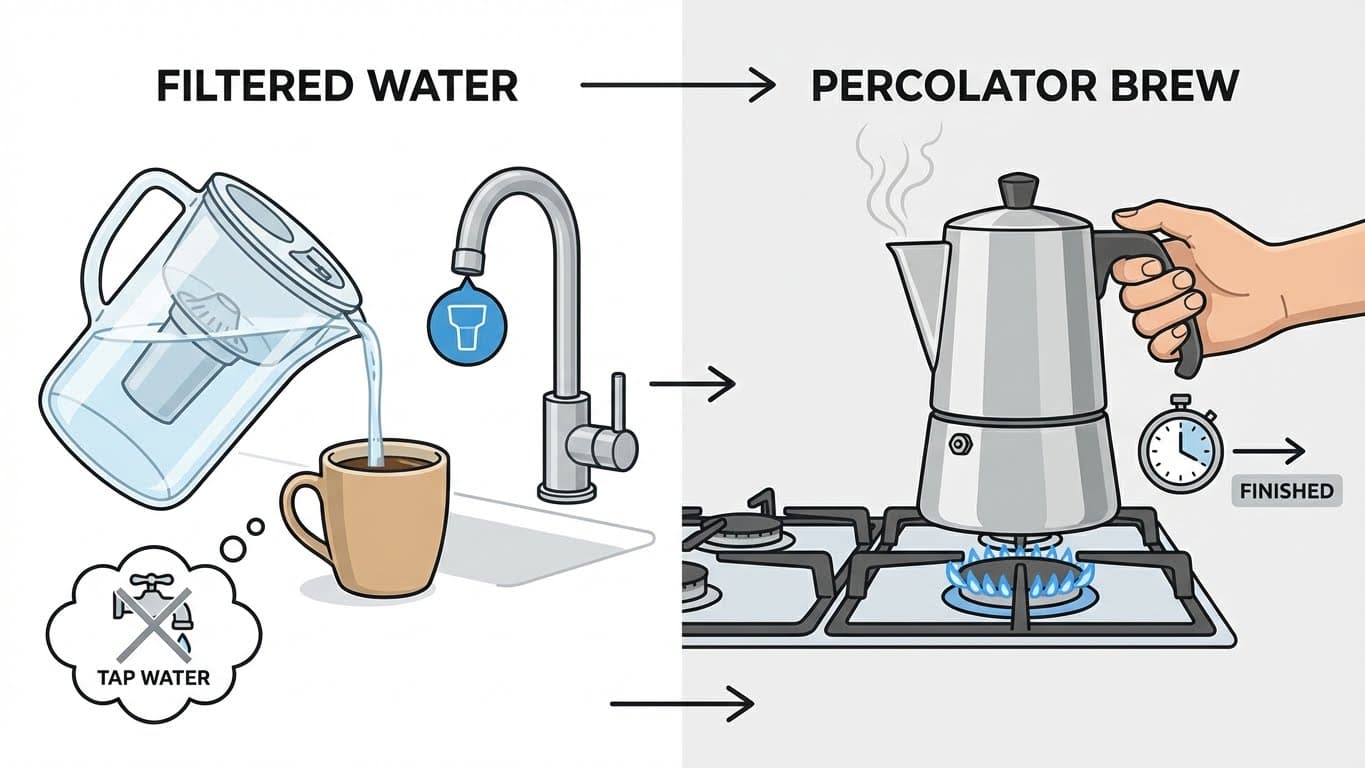
Use filtered water if your tap water has strong mineral content or chlorine taste. As for temperature, let your percolator do its thing—trying to control heat too much defeats the purpose of this method. Just remove it from heat promptly when brewing finishes.
Frequently Asked Questions
Should I use dark roast coffee in a percolator?
While you can use dark roast, I generally recommend medium or medium-dark roasts instead. Dark roasts have already undergone significant heat during roasting, and the percolator’s high temperature and extended brewing can push them into overly bitter, burnt-tasting territory. If you love dark roast, reduce your percolation time by a minute or two.
Can I use espresso roast in a percolator?
Technically yes, but it’s not ideal. Espresso roasts are designed for quick, high-pressure extraction. In a percolator, they’ll likely taste harsh and one-dimensional. You’re better off with a medium roast that can handle the extended brewing time gracefully.
How much coffee should I use per cup in a percolator?
Start with one tablespoon of coarsely ground coffee per cup (6 ounces) of water. Adjust according to your taste—if it’s too weak, add more grounds rather than extending brew time. More grounds with proper timing beats fewer grounds with longer percolation every time.
Why does my percolator coffee taste bitter?
Bitterness usually comes from over-extraction. Common causes include brewing too long (over 10 minutes), using too fine a grind, or using dark roast beans. Try coarser grounds, shorter brew times, and medium roast coffee. Also, clean your percolator regularly—old oils turn rancid and contribute off-flavors.
Is percolator coffee stronger than drip coffee?
Percolator coffee typically tastes bolder and more robust due to the extended extraction process. However, caffeine content is similar to drip coffee. The perceived strength comes from the fuller body and more intense flavor compounds extracted during multiple water cycles.
Final Thoughts and Recommendations
Choosing the best coffee for percolators doesn’t have to be complicated. Focus on medium to medium-dark roasts, ensure you’re using a coarse grind, and pay attention to your brewing time. The beans I’ve recommended above have all proven themselves through extensive testing in real-world conditions.
If you’re just starting your percolator journey, grab a bag of Peet’s Big Bang or Stone Street Colombian. Both offer excellent value and forgiving brewing characteristics. Once you’ve dialed in your technique, consider exploring single origins like Sumatran coffees for a more adventurous cup. Life is too short for bad coffee—and with the right beans, your percolator will reward you with rich, satisfying brews morning after morning.

Comments