


Table of Contents
- How Black Coffee Supports Weight Loss
- The Thermogenic Effect Explained
- What Science Says About Black Coffee and Fat Burning
- Key Research Findings
- Best Times to Drink Black Coffee for Weight Loss
- Morning (30 Minutes After Waking)
- Before Workouts (30-60 Minutes Prior)
- Between Meals (As an Appetite Suppressant)
- How Much Black Coffee Should You Drink?
- Tips for Enjoying Black Coffee When You're Used to Sweet Drinks
- Common Mistakes That Sabotage Coffee's Weight Loss Benefits
- Adding Hidden Calories
- Drinking Coffee Instead of Eating Real Meals
- Relying on Coffee Alone
- Frequently Asked Questions
- Can I drink black coffee while intermittent fasting?
- Does decaf black coffee have the same weight loss benefits?
- Will I lose weight just by switching to black coffee?
- Is it safe to drink black coffee every day for weight loss?
- How long before I see weight loss results from drinking black coffee?
- Final Thoughts and Next Steps
Have you ever wondered if that simple cup of black coffee you enjoy each morning could actually help you shed a few extra pounds? You’re not alone. Millions of people reach for coffee daily, and many are discovering that this beloved beverage might be one of the simplest additions to a weight loss journey. The benefits of black coffee for weight loss go far beyond just giving you an energy boost—there’s real science behind why this zero-calorie drink could become your secret weapon.
In this post, I’ll walk you through exactly how black coffee supports weight loss, what the research says, how much you should drink, and some practical tips I’ve learned over years of experimenting with coffee as part of a healthy lifestyle. Whether you’re just starting your weight loss journey or looking for that extra edge, understanding how black coffee works might change the way you think about your daily cup.
How Black Coffee Supports Weight Loss
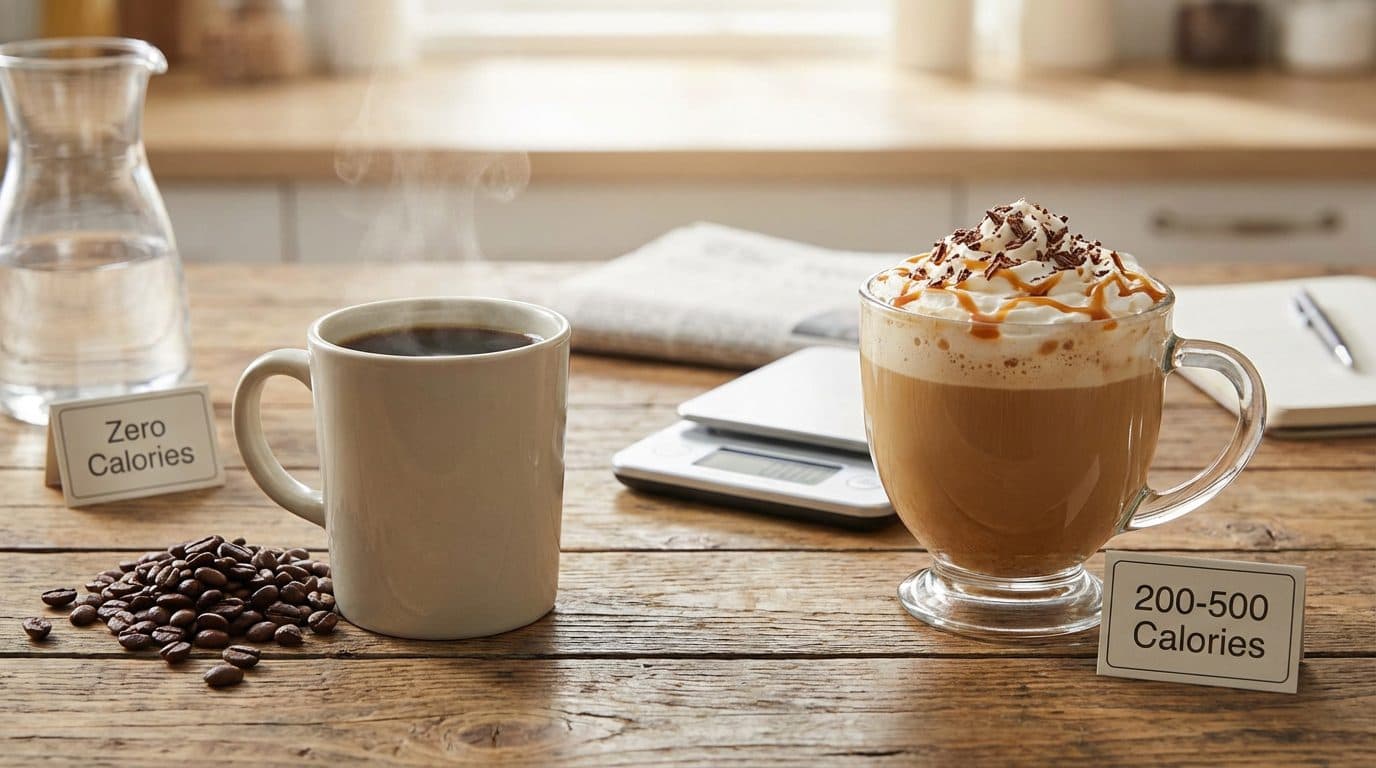
Black coffee is remarkably simple—just water and coffee beans. Yet this simplicity is exactly what makes it powerful for weight management. Unlike lattes loaded with sugar and cream, black coffee contains virtually zero calories. In my experience, switching from a flavored coffee drink to plain black coffee can save you anywhere from 200 to 500 calories per day without changing anything else about your diet.
But the benefits of black coffee for weight loss go beyond just being calorie-free. Here’s what happens in your body when you drink it:
- Caffeine boosts your metabolic rate – Studies show caffeine can increase your metabolism by 3-11%, meaning you burn more calories even at rest.
- It promotes fat oxidation – Black coffee helps your body break down stored fat and use it as fuel, especially during exercise.
- Appetite suppression – Many people find that drinking black coffee between meals helps curb hunger and reduces the urge to snack.
- Improved physical performance – Caffeine increases adrenaline levels, helping you work out harder and longer.
The Thermogenic Effect Explained
Here’s something fascinating I’ve discovered: black coffee is what nutritionists call a “thermogenic” substance. In short, thermogenesis means your body generates heat and burns calories in the process. When you drink black coffee, your body temperature slightly increases, and this requires energy. Over time, this small calorie burn adds up.
Imagine drinking three cups of black coffee throughout the day. That thermogenic effect, combined with the metabolic boost, could mean burning an extra 75-150 calories daily. It doesn’t sound like much, but over a month, that’s potentially a pound of fat—just from coffee.
What Science Says About Black Coffee and Fat Burning
I always appreciate when there’s solid research backing up what we experience firsthand. Fortunately, the connection between black coffee and weight loss has been studied extensively.
A study published in the American Journal of Clinical Nutrition found that caffeine consumption increased fat burning by up to 29% in lean individuals and about 10% in those with obesity. Another study showed that drinking coffee before exercise significantly enhanced fat oxidation during the workout.
Key Research Findings
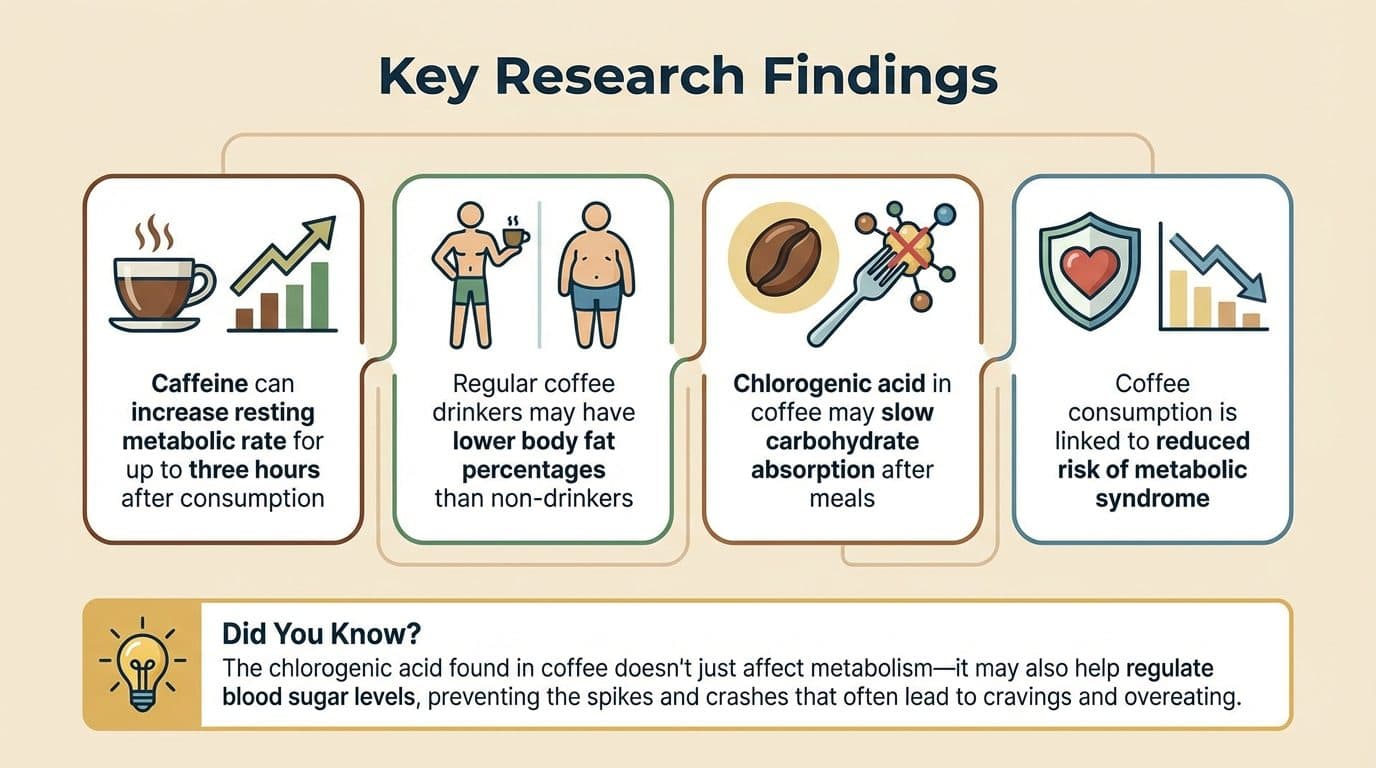
- Caffeine can increase resting metabolic rate for up to three hours after consumption
- Regular coffee drinkers may have lower body fat percentages than non-drinkers
- Chlorogenic acid in coffee may slow carbohydrate absorption after meals
- Coffee consumption is linked to reduced risk of metabolic syndrome
Did You Know? The chlorogenic acid found in coffee doesn’t just affect metabolism—it may also help regulate blood sugar levels, preventing the spikes and crashes that often lead to cravings and overeating.
However, I want to be honest with you. While the research is promising, black coffee isn’t a magic solution. It works best as part of a balanced approach that includes proper nutrition and regular physical activity. No amount of coffee will compensate for consistently eating more calories than your body needs.
Best Times to Drink Black Coffee for Weight Loss
Timing matters when you’re using black coffee strategically for weight loss. Through my own experiments and conversations with other coffee enthusiasts, I’ve found certain times work better than others.
Morning (30 Minutes After Waking)
Many experts suggest waiting about 30 minutes after waking before having your first cup. This allows your cortisol levels (which are naturally high in the morning) to stabilize first. Drinking coffee when cortisol is already elevated may reduce its effectiveness and lead to increased tolerance over time.
Before Workouts (30-60 Minutes Prior)
This is my personal favorite time for black coffee. Drinking it 30-60 minutes before exercise gives the caffeine time to peak in your bloodstream. You’ll likely notice improved endurance, better focus, and enhanced fat burning during your workout. I’ve found my runs feel noticeably easier after a pre-workout cup of black coffee.
Between Meals (As an Appetite Suppressant)
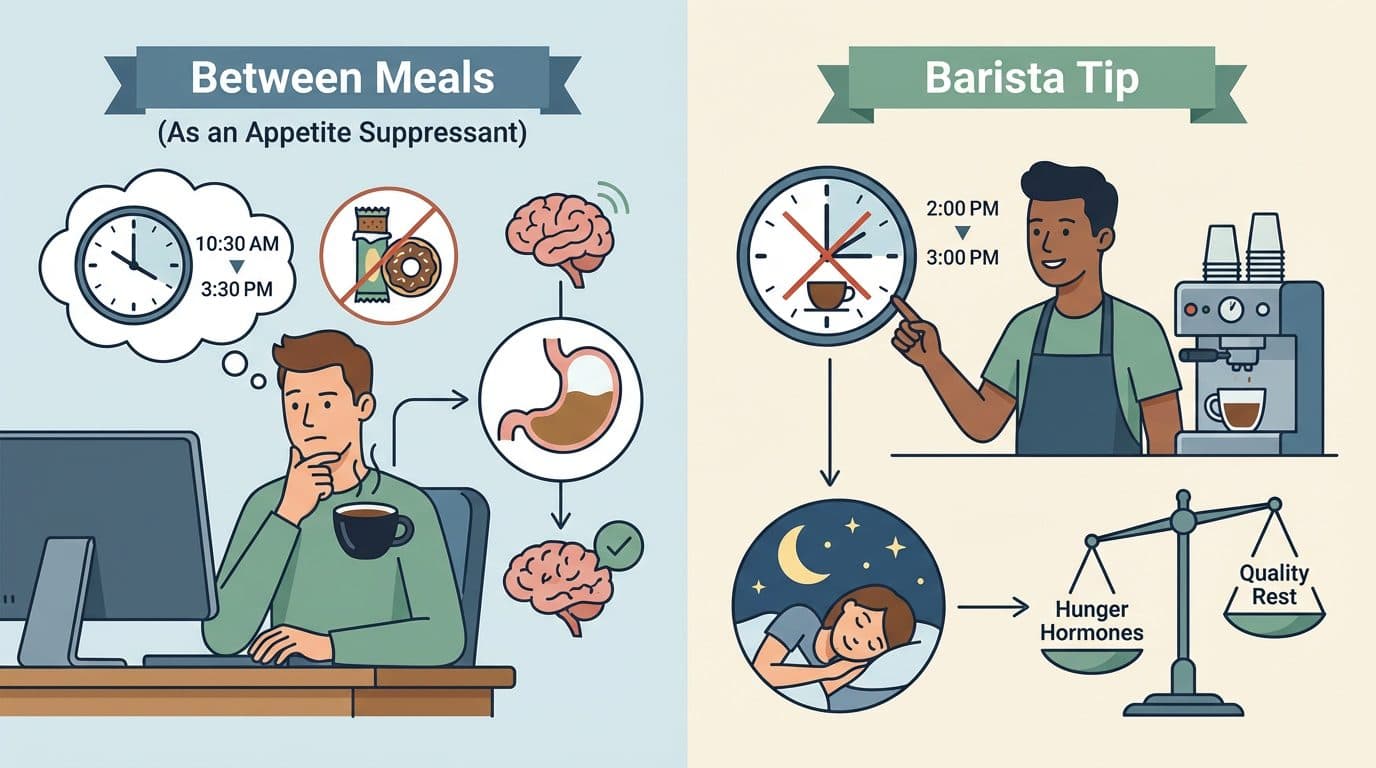
If you struggle with mid-morning or mid-afternoon hunger, a cup of black coffee can help bridge the gap. It takes up space in your stomach and signals to your brain that you’ve consumed something, often reducing the urge to grab an unhealthy snack.
Barista Tip: Avoid drinking black coffee after 2-3 PM if you’re sensitive to caffeine. Poor sleep undermines weight loss efforts significantly—your body needs quality rest to regulate hunger hormones properly.
How Much Black Coffee Should You Drink?
More isn’t always better when it comes to caffeine. While black coffee offers benefits for weight loss, overdoing it can backfire.
| Daily Intake | Effect on Weight Loss | Potential Side Effects |
|---|---|---|
| 1-2 cups | Mild metabolic boost, appetite control | Minimal for most people |
| 3-4 cups | Optimal range for most adults | Possible jitters, increased heart rate |
| 5+ cups | Diminishing returns, tolerance builds | Anxiety, insomnia, digestive issues |
Most health organizations consider 400mg of caffeine daily (roughly 4 cups of brewed coffee) safe for healthy adults. In my experience, 2-3 cups spread throughout the morning and early afternoon provide the best balance of benefits without uncomfortable side effects.
Listen to your body. If you’re feeling anxious, experiencing heart palpitations, or having trouble sleeping, scale back. The goal is sustainable, healthy weight loss—not jittery, sleepless nights.
Tips for Enjoying Black Coffee When You’re Used to Sweet Drinks
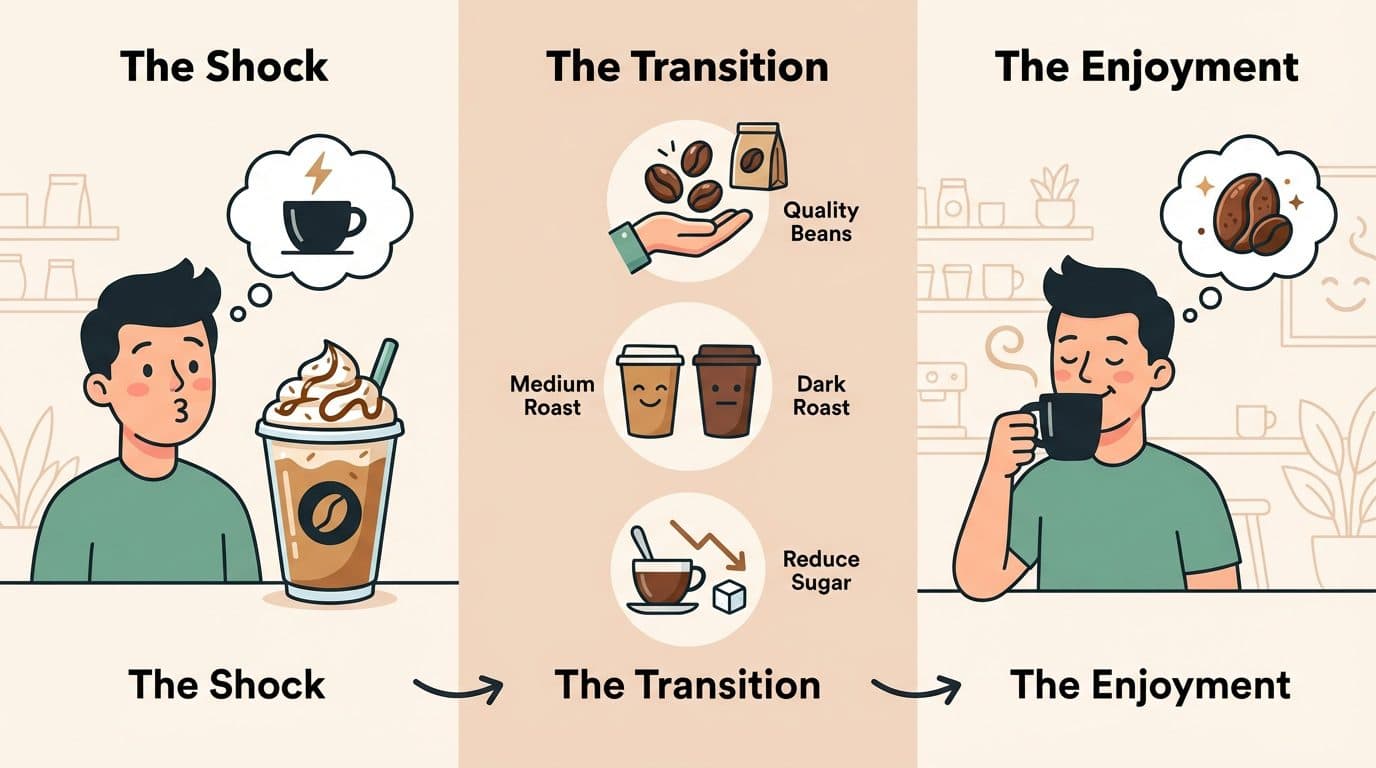
I’ll be honest—if you’re accustomed to sugary coffee drinks, switching to black coffee can feel like a shock. Life is too short for bad coffee, and fortunately, there are ways to make the transition easier.
- Start with quality beans – Cheap, stale coffee tastes bitter. Invest in freshly roasted beans and you’ll discover natural sweetness and complexity you never knew existed.
- Try different roasts – Medium roasts often have sweeter, more approachable flavor profiles than dark roasts.
- Reduce sugar gradually – If you currently add two spoons of sugar, try one and a half for a week, then one, then half, until you’ve eliminated it entirely.
- Experiment with brewing methods – Cold brew naturally tastes smoother and less acidic than hot-brewed coffee, making it easier to drink black.
- Add a pinch of salt – This sounds strange, but a tiny pinch of salt can reduce perceived bitterness without adding calories.
Give yourself grace during this transition. It took me about two weeks to genuinely enjoy black coffee after years of adding cream and sugar. Now, I can’t imagine going back—the natural flavors are so much more interesting.
Common Mistakes That Sabotage Coffee’s Weight Loss Benefits
Not all coffee habits support weight loss. Here are some pitfalls I’ve seen (and personally made) that can undermine your efforts:
Adding Hidden Calories
That splash of flavored creamer? It could be 35 calories per tablespoon. A pump of vanilla syrup? Another 20 calories. Before you know it, your “mostly black” coffee has 150 calories. If you’re drinking multiple cups daily, those additions accumulate quickly.
Drinking Coffee Instead of Eating Real Meals
Using coffee to skip meals entirely isn’t a sustainable weight loss strategy. Your body needs nutrients, and excessive caffeine on an empty stomach can cause digestive discomfort, blood sugar crashes, and eventually, intense cravings that lead to overeating.
Relying on Coffee Alone
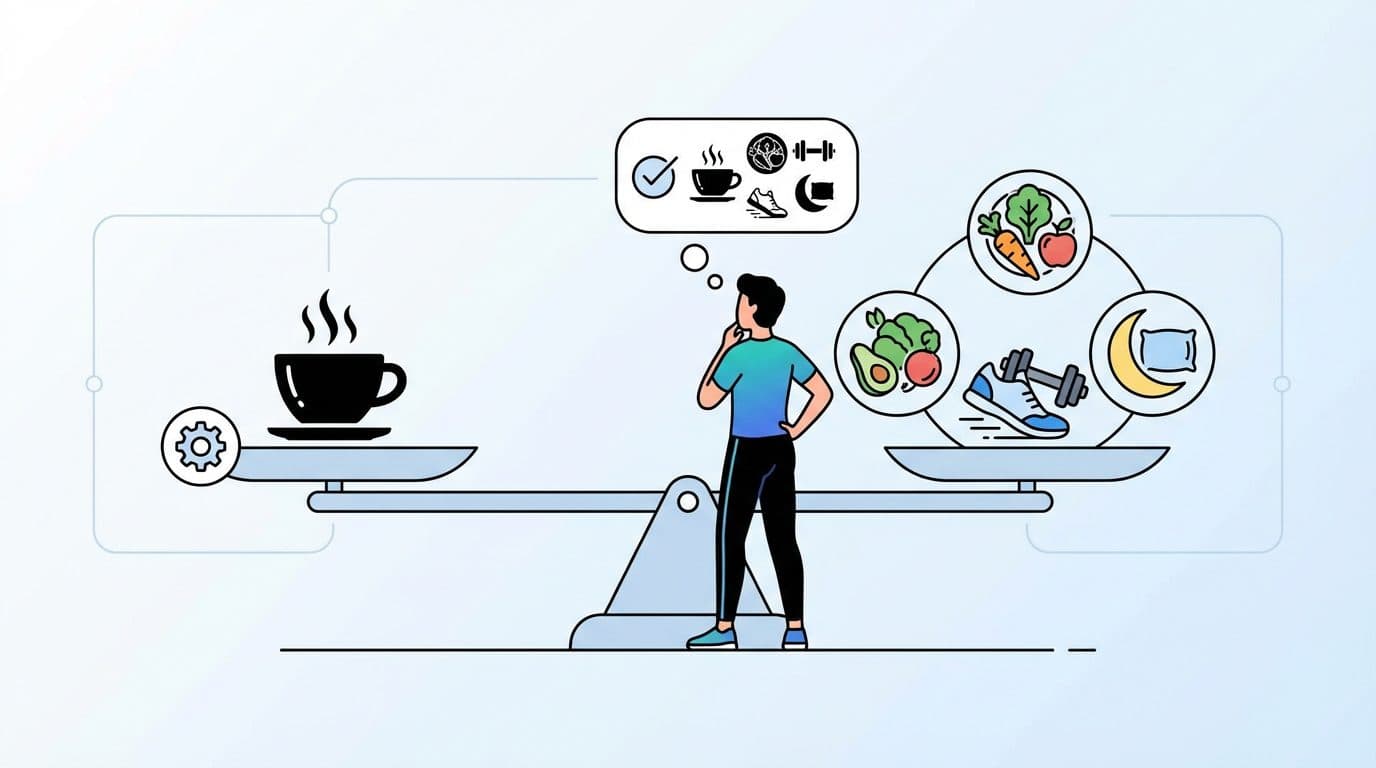
Black coffee enhances weight loss efforts—it doesn’t replace them. If you’re drinking four cups daily but not addressing your overall eating patterns or activity level, you probably won’t see significant results.
Key Takeaway: Black coffee is a tool, not a solution. Use it to complement healthy eating, regular exercise, and adequate sleep for the best weight loss outcomes.
Frequently Asked Questions
Can I drink black coffee while intermittent fasting?
Yes, black coffee is generally considered acceptable during fasting periods. It contains minimal calories and won’t significantly impact insulin levels. Many intermittent fasters find that black coffee helps them get through fasting windows by suppressing appetite. Just make sure you’re drinking it truly black—no cream, sugar, or sweeteners.
Does decaf black coffee have the same weight loss benefits?
Decaf coffee still contains chlorogenic acid and other beneficial compounds, so it’s not without value. However, since caffeine is responsible for the metabolic boost and enhanced fat burning, decaf won’t provide those specific benefits. It can still help with appetite suppression and provides antioxidants, making it a reasonable choice if you’re caffeine-sensitive.
Will I lose weight just by switching to black coffee?
If you’re replacing high-calorie coffee drinks with black coffee, you’ll likely see some weight loss simply from the calorie reduction. However, sustainable weight loss requires attention to your overall diet and lifestyle. Black coffee can support your efforts, but it works best as part of a comprehensive approach.
Is it safe to drink black coffee every day for weight loss?
For most healthy adults, daily black coffee consumption is safe and may even offer health benefits beyond weight loss, including reduced risk of certain diseases. However, if you have heart conditions, anxiety disorders, or are pregnant, you should consult with a healthcare provider about appropriate caffeine intake for your situation.
How long before I see weight loss results from drinking black coffee?
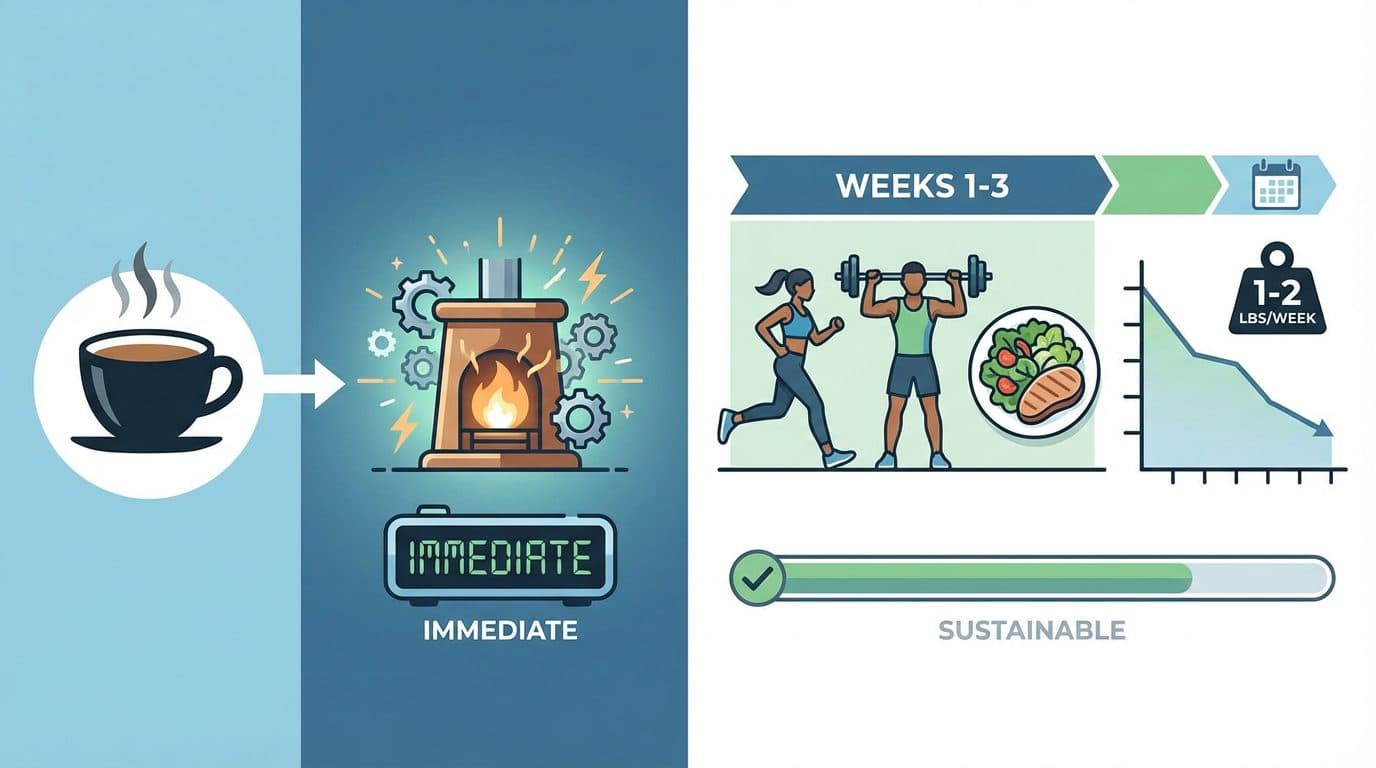
The metabolic effects of black coffee are immediate, but visible weight loss results depend on your overall calorie balance. If you’re using black coffee as part of a calorie deficit through diet and exercise, you might notice changes within a few weeks. Remember that sustainable weight loss typically happens at a rate of 1-2 pounds per week.
Final Thoughts and Next Steps
The benefits of black coffee for weight loss are real, supported by science, and accessible to almost everyone. From boosting your metabolism and enhancing fat burning to suppressing appetite and improving workout performance, this simple beverage offers multiple pathways to support your weight loss goals.
But here’s what I’ve learned after years of experimenting: coffee works best when you approach it mindfully. Choose quality beans, pay attention to timing, keep it genuinely black, and use it as one tool among many in your healthy lifestyle toolkit. Combined with balanced nutrition, regular movement, and adequate sleep, your daily cup of black coffee can absolutely contribute to the results you’re looking for.
Start tomorrow morning. Brew a fresh cup of quality black coffee, take a moment to appreciate its natural flavors, and know that you’re doing something good for both your energy and your waistline. Your weight loss journey might just taste better than you expected.


Comments