


Table of Contents
- Quick Verdict: Jordan's Skinny Syrups (Monk Fruit Line)
- Why Stevia and Monk Fruit Beat Artificial Sweeteners
- The Taste Factor
- Health Considerations
- Best Sugar-Free Coffee Syrups Reviewed
- Best Overall: Jordan's Skinny Syrups (Monk Fruit)
- Best Premium Option: Lakanto Sugar-Free Maple Flavored Syrup
- Best Stevia Option: Sweetleaf Sweet Drops
- Best Budget Option: Torani Puremade Zero Sugar Syrups
- Sugar-Free Syrup Comparison Table
- How to Use Sugar-Free Syrups Like a Pro
- Start Small, Then Adjust
- Temperature Matters
- Pairing Flavors
- Common Mistakes to Avoid
- Expecting Exact Sugar Replication
- Ignoring Ingredient Lists
- Storing Improperly
- Frequently Asked Questions
- Do sugar-free coffee syrups break a fast?
- Can I use sugar-free syrups in baking?
- Why does my sugar-free syrup taste bitter?
- Are sugar-free coffee syrups keto-friendly?
- How long do sugar-free syrups last after opening?
- Conclusion and Recommendations
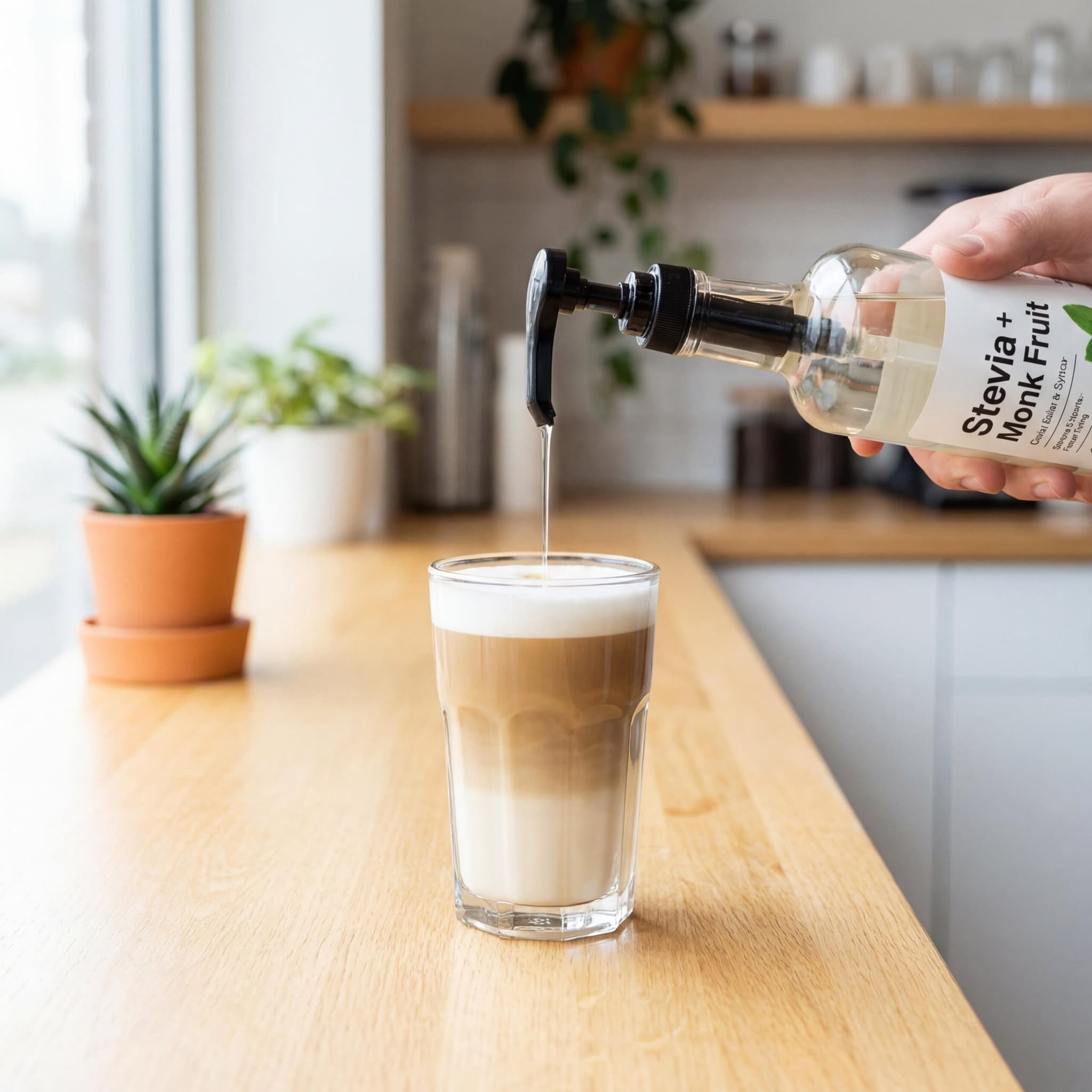
You’ve finally dialed in your perfect espresso shot or mastered your morning pour-over, but that flavored syrup you love is quietly sabotaging your health goals. Sound familiar? If you’re watching your sugar intake but refuse to drink bland, flavorless coffee, sugar-free coffee syrups sweetened with stevia and monk fruit are about to become your new best friends. I’ve tested dozens of these syrups over the years, and I can tell you—the difference between a great one and a terrible one is night and day.
In this guide, I’ll walk you through the best sugar-free coffee syrups on the market, focusing specifically on stevia and monk fruit options that actually taste good. You’ll learn which brands deliver authentic flavor without that dreaded artificial aftertaste, which ones work best for specific drinks, and how to choose the right syrup for your taste preferences and dietary needs.
Quick Verdict: Jordan’s Skinny Syrups (Monk Fruit Line)
After extensive testing across lattes, cold brews, and even baking experiments, Jordan’s Skinny Syrups using monk fruit sweetener takes the top spot. The flavor variety is unmatched, the sweetness level is balanced without being cloying, and there’s virtually no bitter aftertaste. At around $6-8 per bottle, it’s also budget-friendly for daily use. If you want a reliable, versatile sugar-free syrup that performs consistently, this is where I’d start.
Check the latest price on Amazon or look for it at your local Target, Walmart, or HomeGoods.
Why Stevia and Monk Fruit Beat Artificial Sweeteners
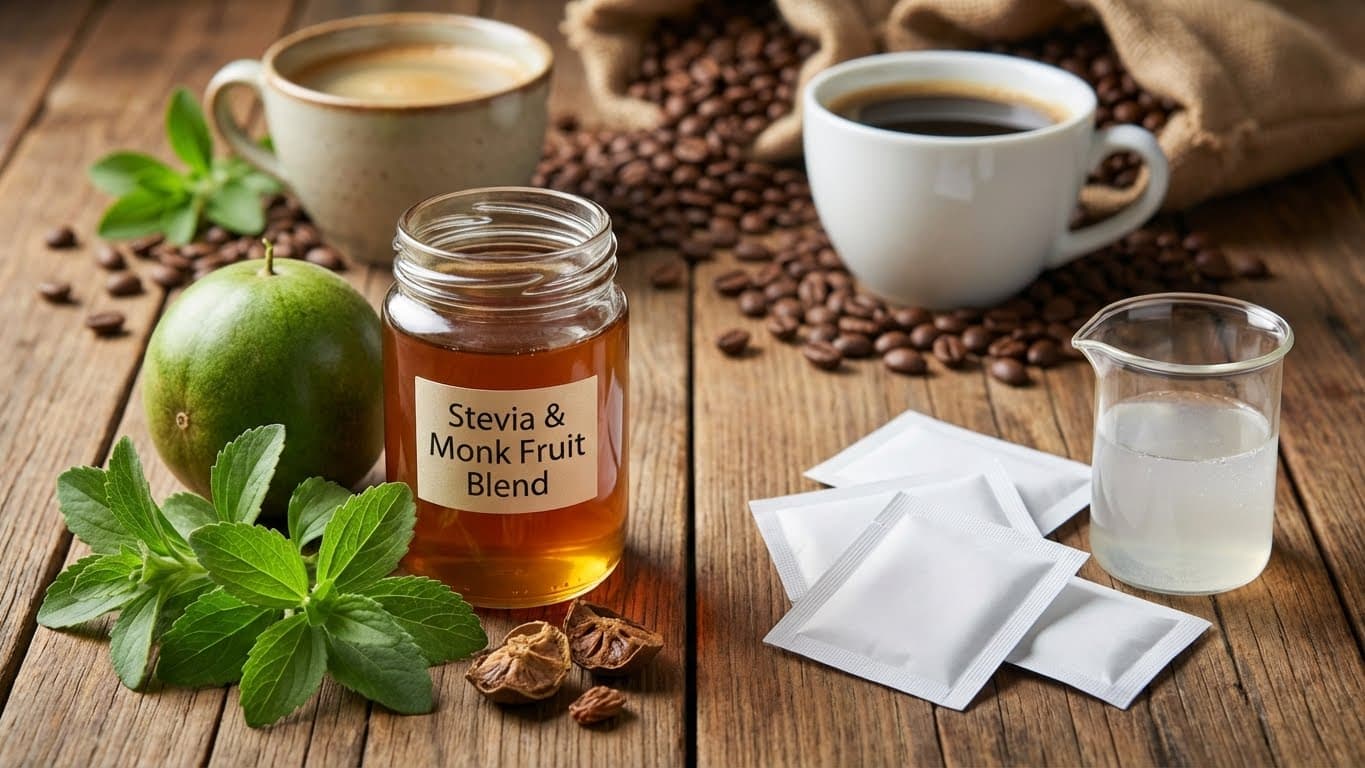
Before diving into specific products, let’s talk about why stevia and monk fruit have become the gold standard for sugar-free coffee syrups. Unlike artificial sweeteners such as sucralose or aspartame, both stevia and monk fruit are derived from plants. Stevia comes from the leaves of the Stevia rebaudiana plant, while monk fruit (also called luo han guo) is a small melon native to Southeast Asia.
The Taste Factor
In my experience, monk fruit tends to produce the cleanest, most sugar-like sweetness. It doesn’t have the slight bitterness that some people detect with stevia. That said, high-quality stevia extracts have come a long way—the best ones taste remarkably close to sugar, especially when blended with other natural flavors in a well-formulated syrup.
Health Considerations
Both sweeteners have zero calories and don’t spike blood sugar, making them suitable for:
- People following keto or low-carb diets
- Diabetics looking to manage blood glucose levels
- Anyone reducing overall sugar consumption
- Those avoiding artificial ingredients
Important note: While stevia and monk fruit are generally considered safe, individual responses can vary. If you have specific health concerns, consult with a healthcare professional about what’s right for your situation.
Best Sugar-Free Coffee Syrups Reviewed
I’ve organized these recommendations by sweetener type, usage scenarios, and flavor profiles so you can quickly find what works for your morning routine.
Best Overall: Jordan’s Skinny Syrups (Monk Fruit)
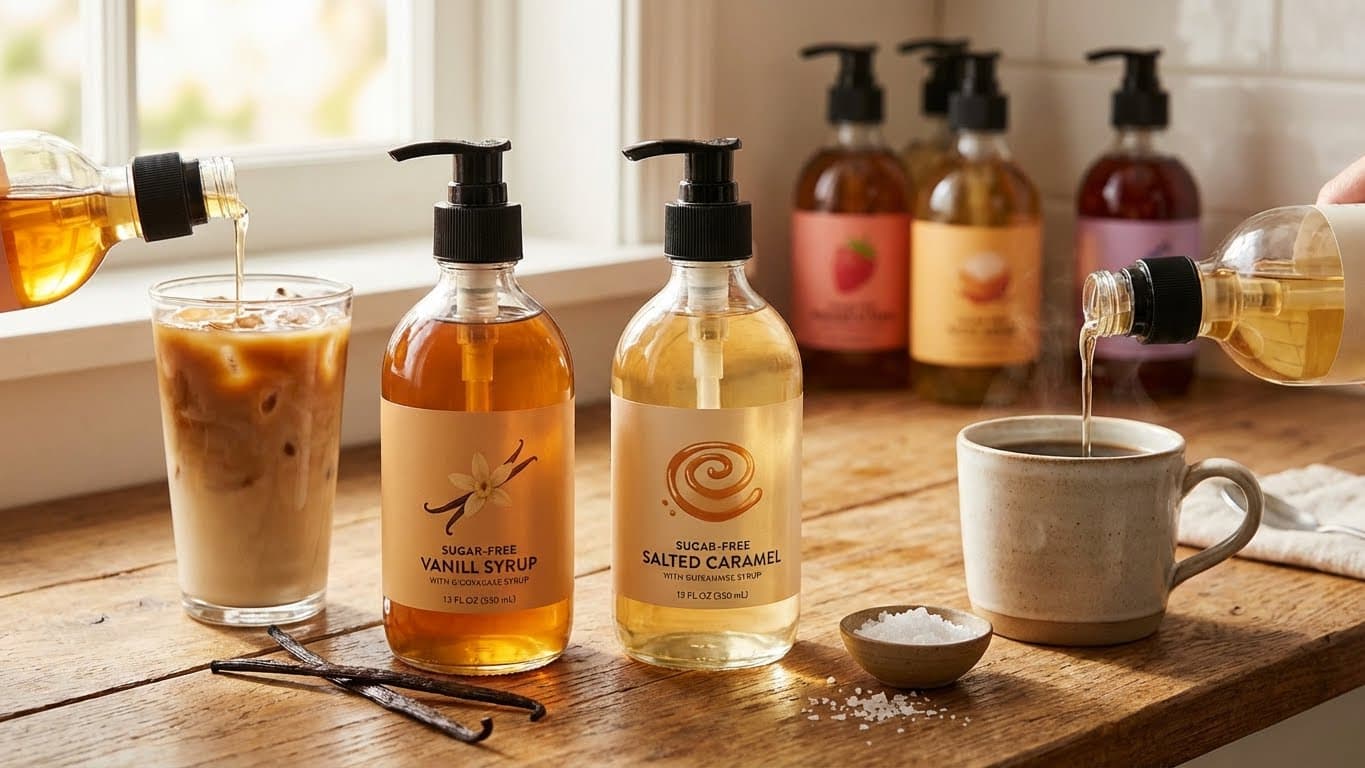
Jordan’s has been in the sugar-free syrup game for years, and their monk fruit line represents their best work yet. The vanilla and salted caramel flavors are standouts—they taste rich and authentic without any chemical undertones.
Pros:
- Extensive flavor variety (40+ options)
- Clean ingredient list with monk fruit as the primary sweetener
- Works beautifully in hot and iced drinks
- Affordable at $6-8 per 25.4 oz bottle
- Widely available in stores and online
Cons:
- Some seasonal flavors sell out quickly
- A few flavors contain additional sweeteners alongside monk fruit
- Bottles can leak if not stored upright
Who is this for? Anyone wanting reliable, tasty sugar-free syrups without breaking the bank. Perfect for daily latte drinkers.
Who is this NOT for? Purists who want only single-ingredient sweeteners or those avoiding all additives.
Best Premium Option: Lakanto Sugar-Free Maple Flavored Syrup
While technically a maple syrup alternative, Lakanto’s monk fruit-sweetened syrup is phenomenal in coffee. The rich, caramelized depth it adds to a simple cup of black coffee or a frothy cappuccino is hard to beat. I’ve found it particularly good in fall-inspired drinks.
Pros:
- Exceptionally clean taste with zero aftertaste
- Made with monk fruit and erythritol blend
- Thick, syrup-like consistency
- Versatile for coffee, pancakes, and baking
Cons:
- More expensive ($8-10 for 13 oz)
- Limited to maple flavor in this specific line
- Contains erythritol, which some people experience digestive sensitivity to
Who is this for? Coffee lovers who appreciate subtle, sophisticated sweetness and don’t mind paying more for quality.
Who is this NOT for? Those sensitive to sugar alcohols or wanting bold, dessert-like flavors.
Best Stevia Option: Sweetleaf Sweet Drops
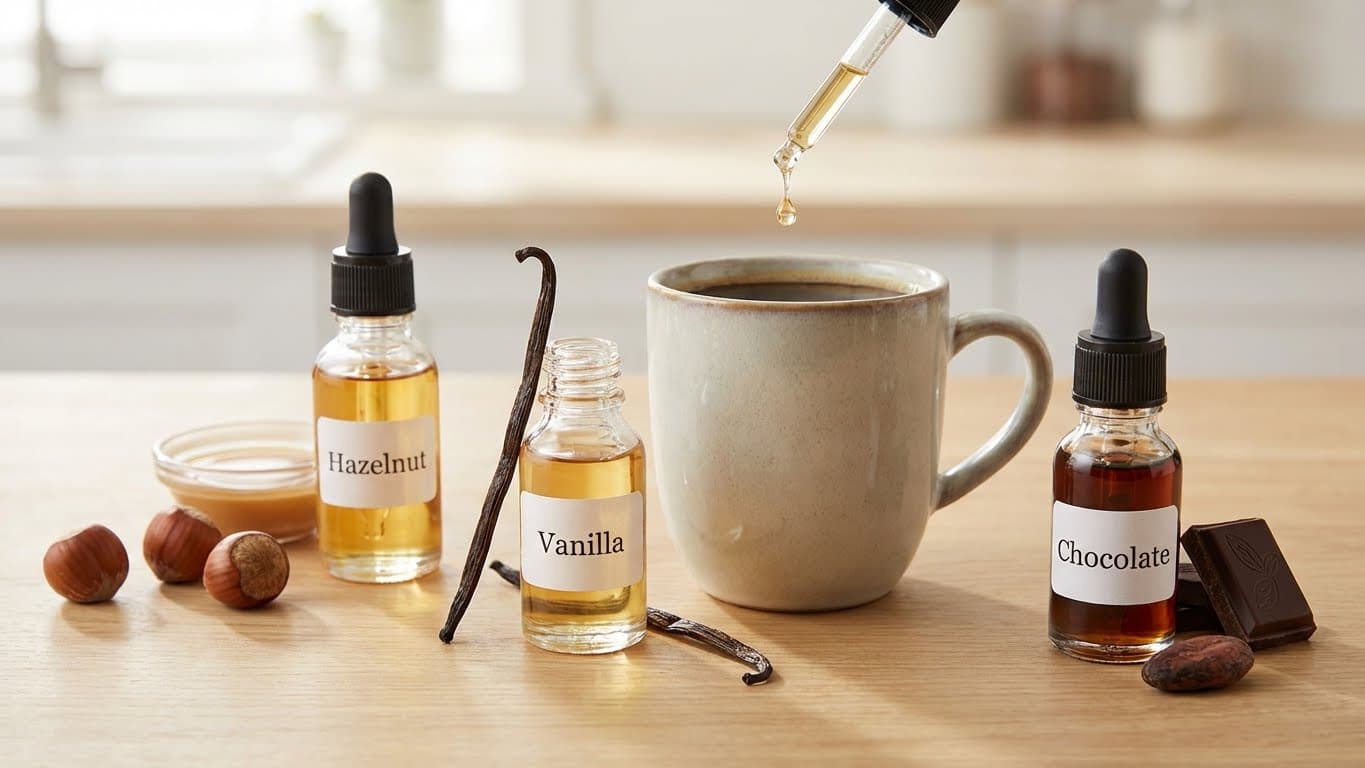
If you prefer liquid stevia in a concentrated form, Sweetleaf’s Sweet Drops offer excellent flavor options like vanilla crème, hazelnut, and chocolate. A few drops go a long way, making these economical despite the smaller bottle size.
Pros:
- Highly concentrated—a little goes a long way
- Pure stevia extract without additional sweeteners
- Portable size perfect for travel or office use
- No calories, carbs, or sugar alcohols
Cons:
- Stevia taste may not appeal to everyone
- Easy to over-sweeten if you’re heavy-handed
- Less syrup-like consistency—more like flavored drops
Who is this for? Stevia fans who want maximum portability and pure, simple ingredients.
Who is this NOT for? Those who dislike stevia’s characteristic taste or want a pourable syrup consistency.
Best Budget Option: Torani Puremade Zero Sugar Syrups
Torani is a coffeehouse staple, and their zero-sugar line uses a combination of stevia and monk fruit. The classic vanilla and caramel flavors are reliable workhorses for everyday use.
Pros:
- Trusted brand used in professional coffee shops
- Good balance of sweetness and flavor
- Often available at grocery stores
- Reasonable price point ($7-9 for 25.4 oz)
Cons:
- Some flavors contain additional natural flavors that aren’t specified
- Can taste slightly artificial compared to monk fruit-only options
- Sweetness level runs high—use less than you think
Sugar-Free Syrup Comparison Table
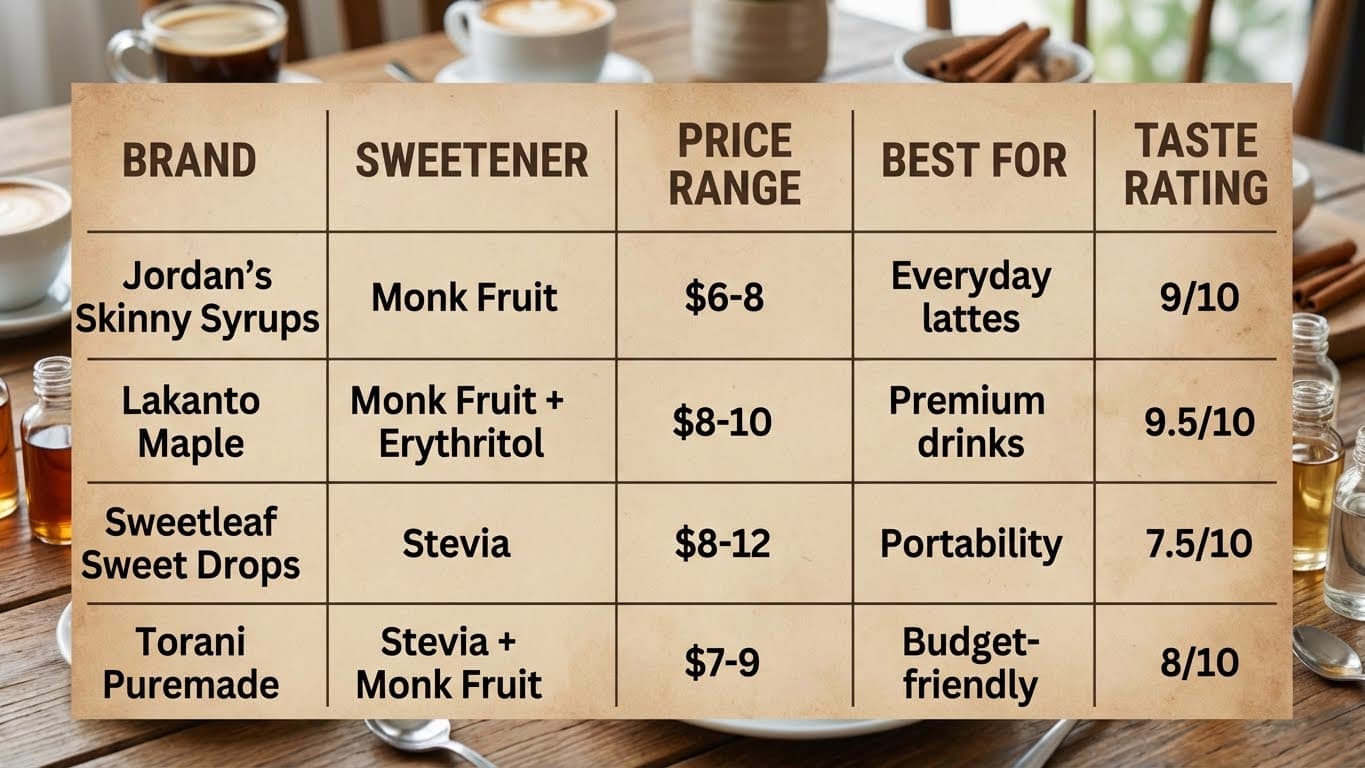
| Brand | Sweetener | Price Range | Best For | Taste Rating |
|---|---|---|---|---|
| Jordan’s Skinny Syrups | Monk Fruit | $6-8 | Everyday lattes | 9/10 |
| Lakanto Maple | Monk Fruit + Erythritol | $8-10 | Premium drinks | 9.5/10 |
| Sweetleaf Sweet Drops | Stevia | $8-12 | Portability | 7.5/10 |
| Torani Puremade | Stevia + Monk Fruit | $7-9 | Budget-friendly | 8/10 |
How to Use Sugar-Free Syrups Like a Pro
Getting the most out of your sugar-free coffee syrups involves more than just squirting some into your mug. Here are techniques I’ve refined over years of home barista experimentation.
Start Small, Then Adjust
Most people use way too much syrup initially. I recommend starting with half the amount you think you need—usually about one tablespoon for a 12 oz drink. You can always add more, but you can’t take it away. Monk fruit syrups especially can become overwhelmingly sweet if you pour with a heavy hand.
Temperature Matters
Sugar-free syrups dissolve better in hot liquids. If you’re making iced coffee, I’ve found it helps to mix the syrup with a splash of hot coffee or warm water first, then add your cold brew and ice. This prevents that syrupy layer at the bottom of your glass.
Barista Tip: For cold drinks, give your cup a good stir or shake (if using a sealed container) after adding syrup. This distributes the sweetness evenly throughout your drink.
Pairing Flavors
Some syrups shine with specific coffee preparations:
- Vanilla: Perfect with medium-roast espresso drinks
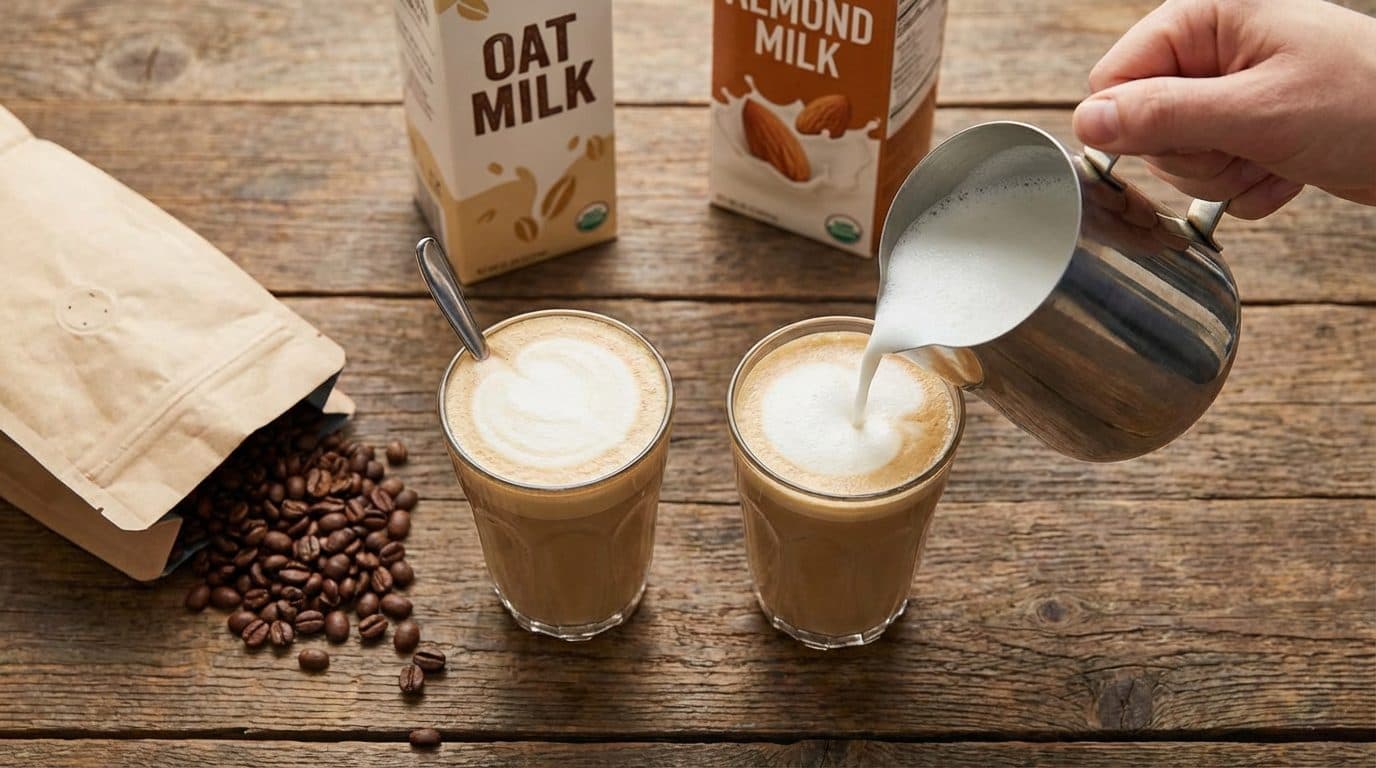
- Caramel: Pairs beautifully with oat milk lattes
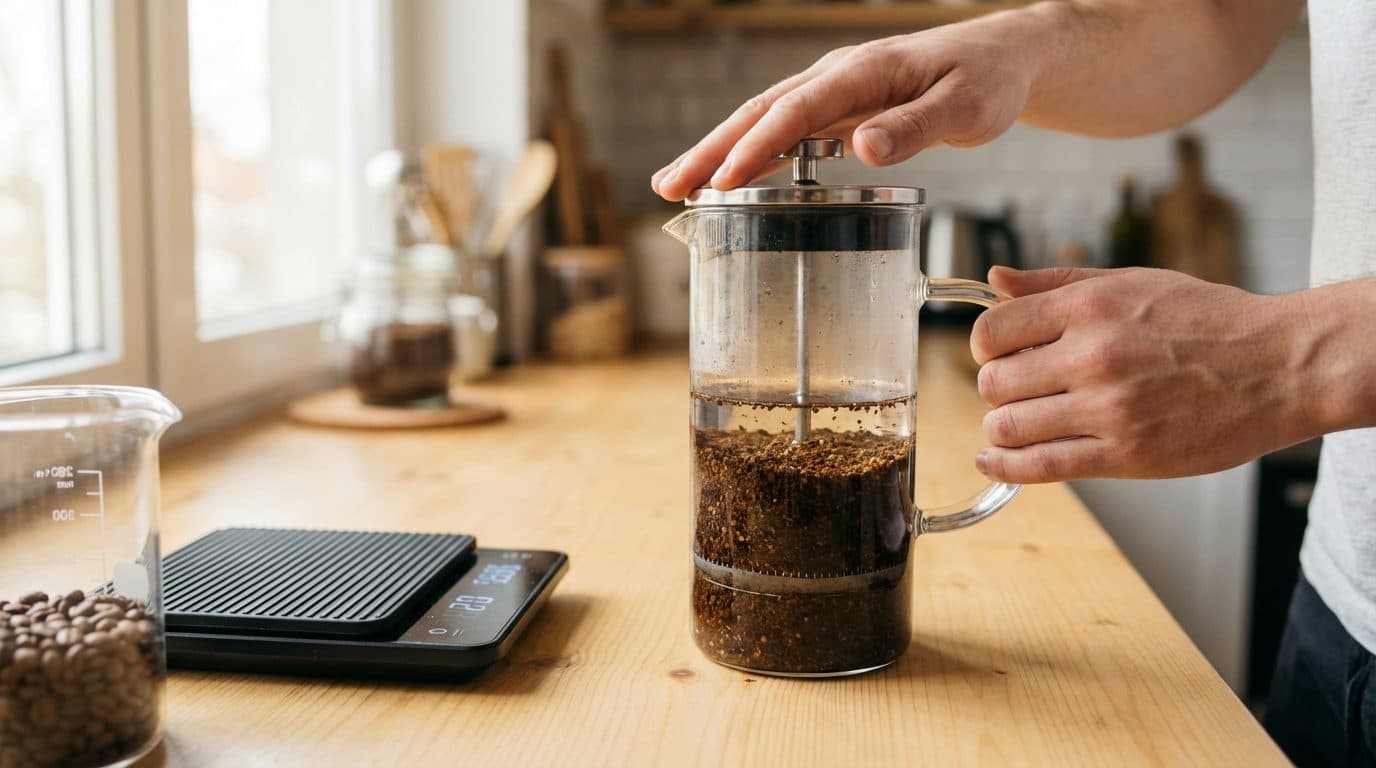
- Hazelnut: Excellent in French press coffee
- Mocha/Chocolate: Best with darker roasts that have natural chocolate notes
Common Mistakes to Avoid
After helping countless friends and family members find their perfect sugar-free syrup, I’ve noticed some recurring pitfalls worth mentioning.
Expecting Exact Sugar Replication
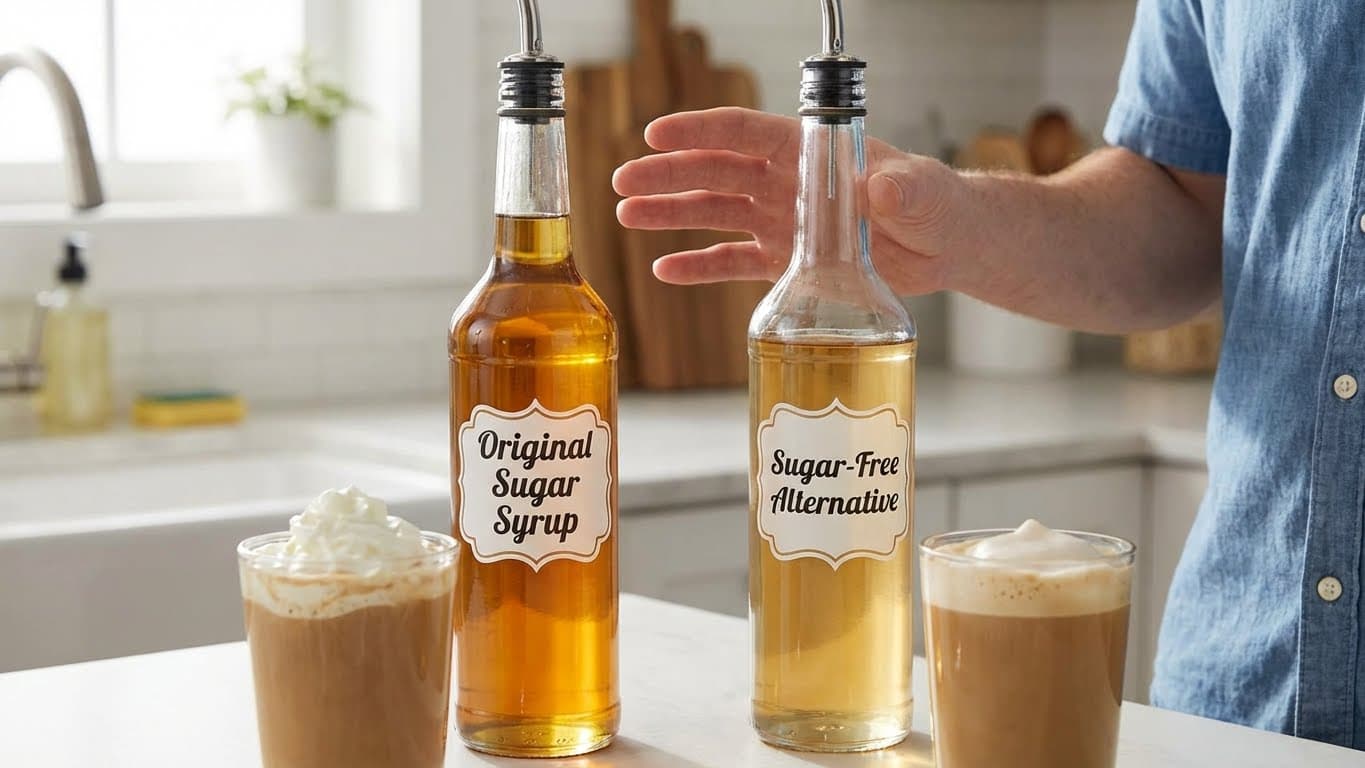
Let’s be honest—even the best sugar-free syrups won’t taste exactly like their sugary counterparts. They’re close, and some are remarkably good, but managing expectations helps you appreciate these products for what they are rather than being disappointed by what they’re not.
Ignoring Ingredient Lists
Not all “natural” sugar-free syrups are created equal. Some brands sneak in ingredients you might want to avoid. Always check for:
- Added sugar alcohols (erythritol, xylitol) if you’re sensitive
- Natural flavors that aren’t clearly defined
- Preservatives or thickening agents
Storing Improperly
Most sugar-free syrups don’t require refrigeration before opening, but many do after. Check the label. I’ve had syrups go funky because I assumed they were shelf-stable indefinitely. Most opened bottles should be used within 4-6 months for best flavor.
Frequently Asked Questions
Do sugar-free coffee syrups break a fast?
Most stevia and monk fruit syrups contain zero calories and shouldn’t break a strict fast from a caloric perspective. However, some fasting protocols are stricter about any sweet taste potentially triggering insulin responses. If you’re fasting for specific health reasons, consult with your healthcare provider.
Can I use sugar-free syrups in baking?
Yes, though results vary. Syrups with monk fruit and erythritol blends tend to perform better in baking than pure stevia syrups. Keep in mind that sugar-free syrups won’t caramelize or provide the same texture as regular sugar. They work best in no-bake recipes, frostings, and beverages.
Why does my sugar-free syrup taste bitter?
Bitterness usually comes from using too much product or from low-quality stevia extracts. Try reducing the amount you use by half. If the problem persists, consider switching to a monk fruit-based syrup, which typically has less bitter aftertaste.
Are sugar-free coffee syrups keto-friendly?
Pure stevia and monk fruit syrups are generally keto-friendly since they don’t impact blood sugar or ketone levels. However, check for hidden carbs in flavored varieties—some contain small amounts of carbohydrates from natural flavorings or thickeners.
How long do sugar-free syrups last after opening?
Most brands recommend using opened bottles within 4-6 months. Store them in a cool, dark place or refrigerate after opening depending on the manufacturer’s instructions. If your syrup develops an off smell or changes color significantly, it’s time to replace it.
Conclusion and Recommendations
Finding the best sugar-free coffee syrup comes down to your sweetener preference, flavor priorities, and budget. For most home baristas, Jordan’s Skinny Syrups offers the best combination of taste, variety, and value. If you’re willing to spend a bit more for exceptional quality, Lakanto’s monk fruit products are worth exploring. And if pure stevia is your preference, Sweetleaf Sweet Drops deliver concentrated flavor in a portable package.
Start with one or two flavors that match your usual coffee routine—vanilla and caramel are safe bets for beginners. Once you find a brand that works for your palate, experiment with more adventurous options. Life is too short for bad coffee, and it’s definitely too short to sacrifice flavor just because you’re cutting sugar. With the right sugar-free syrup in your arsenal, you can enjoy delicious, guilt-free coffee every single morning.

Comments