


Table of Contents
- Understanding Caffeine and How It Affects Your Sleep
- Key Takeaway
- What Is Decaf Coffee, Really?
- Did You Know?
- Decaf vs Regular Coffee: A Side-by-Side Comparison
- Who Should Drink Decaf at Night at Home?
- Decaf Is Right for You If:
- Regular Coffee Might Work If:
- Tips for Enjoying Nighttime Coffee at Home
- Choose Quality Decaf
- Mind the Timing
- Consider Your Brewing Method
- Barista Tip
- The Role of Nighttime Coffee in a Healthy Routine
- Frequently Asked Questions
- Will decaf coffee keep me awake at night?
- Does decaf coffee taste different from regular?
- How late can I drink regular coffee without affecting my sleep?
- Is decaf coffee healthier than regular coffee?
- Can I drink decaf coffee every night?
- Conclusion: Making the Right Choice for Your Evening Cup
It’s 8 PM, you’ve just finished dinner, and that familiar craving hits—you want a warm, comforting cup of coffee. But wait. Will it keep you tossing and turning until 3 AM? This is the nightly dilemma millions of coffee lovers face, and the answer isn’t as straightforward as you might think. When it comes to choosing between decaf vs regular coffee for your evening ritual at home, several factors come into play beyond just caffeine content.
In this guide, I’ll walk you through everything you need to know to make the right choice for your nighttime coffee habit. We’ll explore how caffeine actually affects your sleep, what decaf really means, and how to enjoy coffee in the evening without sacrificing your precious rest. Whether you’re a die-hard coffee enthusiast or someone looking to cut back on caffeine, you’ll find practical answers here.
Understanding Caffeine and How It Affects Your Sleep
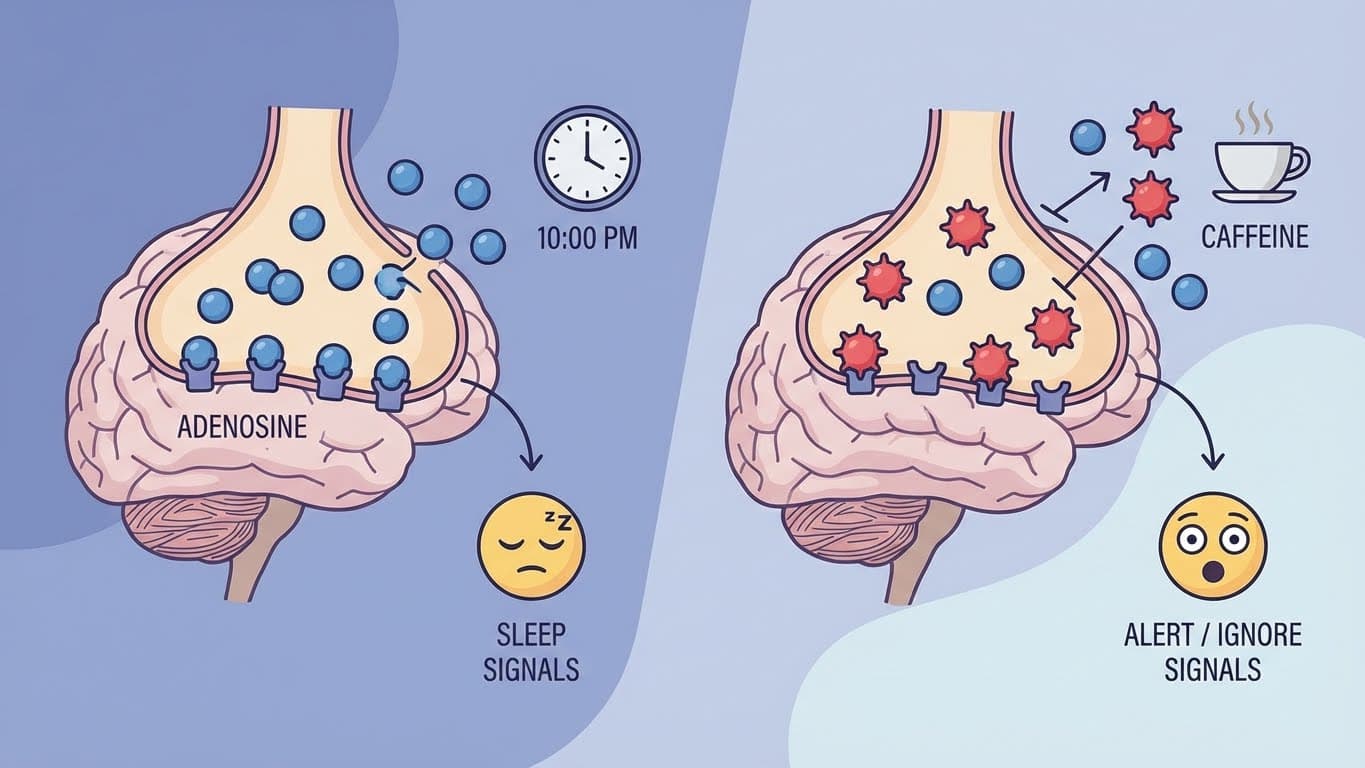
Before diving into the decaf vs regular coffee debate, let’s talk about what caffeine actually does to your body—especially in the hours before bed. Caffeine is a stimulant that blocks adenosine, a chemical that builds up in your brain throughout the day and makes you feel sleepy. When you drink regular coffee, you’re essentially telling your brain to ignore its natural sleep signals.
Here’s the tricky part: caffeine has a half-life of about 5 to 6 hours in most adults. This means if you drink a cup of regular coffee with 95mg of caffeine at 7 PM, you’ll still have roughly 47mg circulating in your system at midnight. For some people, that’s enough to cause:
- Difficulty falling asleep
- Reduced sleep quality and less deep sleep
- More frequent nighttime awakenings
- Feeling unrested even after a full night’s sleep
However, caffeine sensitivity varies wildly from person to person. I’ve met home baristas who can drink espresso after dinner and sleep like babies, while others feel jittery from a single afternoon latte. Your genetics, age, medications, and even how regularly you consume caffeine all play a role.
Key Takeaway
If you’re sensitive to caffeine or struggle with sleep, drinking regular coffee within 6 hours of bedtime is likely to affect your rest. But if you’re a fast metabolizer with high caffeine tolerance, you might handle it just fine.
What Is Decaf Coffee, Really?
There’s a common misconception that decaf means “zero caffeine.” In reality, decaf vs regular coffee isn’t a simple on/off switch. Decaffeinated coffee still contains small amounts of caffeine—typically between 2 to 15mg per 8-ounce cup, compared to 80 to 100mg in regular coffee. That’s about 97% less caffeine, but not zero.
The decaffeination process removes most caffeine from green coffee beans before roasting. There are three main methods:
- Swiss Water Process: Uses only water and osmosis—no chemicals involved. This is my go-to recommendation for health-conscious home baristas.
- Carbon Dioxide Method: Uses pressurized CO2 to extract caffeine. Often preserves flavor well and is considered safe.
- Solvent-Based Methods: Uses chemicals like methylene chloride or ethyl acetate. FDA-approved and safe, but some people prefer to avoid them.
In my experience, Swiss Water Process decaf coffees have come a long way in terms of flavor. Ten years ago, decaf was often stale and cardboard-like. Today, specialty roasters produce decaf that’s genuinely delicious—rich, complex, and satisfying.
Did You Know?
An 8-ounce cup of decaf contains roughly the same amount of caffeine as a small piece of dark chocolate. So if you can eat chocolate before bed without issues, decaf coffee probably won’t affect your sleep either.
Decaf vs Regular Coffee: A Side-by-Side Comparison
Let’s break down the key differences between decaf and regular coffee so you can make an informed decision for your evening routine:
| Factor | Regular Coffee | Decaf Coffee |
|---|---|---|
| Caffeine Content | 80-100mg per cup | 2-15mg per cup |
| Sleep Impact | Can disrupt sleep if consumed within 6 hours of bedtime | Minimal to no sleep disruption for most people |
| Flavor | Full, robust flavor | Slightly milder; quality varies by brand |
| Antioxidants | High levels of antioxidants | Slightly reduced but still beneficial |
| Best For Evening | Fast caffeine metabolizers only | Most people seeking nighttime coffee |
The health benefits of both options are remarkably similar. Both contain antioxidants, polyphenols, and other compounds linked to reduced risk of certain diseases. Decaf loses a small percentage of these during processing, but the difference is minimal.
Who Should Drink Decaf at Night at Home?
Based on my years of experimenting with evening coffee and talking with fellow home baristas, decaf is the smarter choice for most people. Here’s a breakdown to help you decide:
Decaf Is Right for You If:
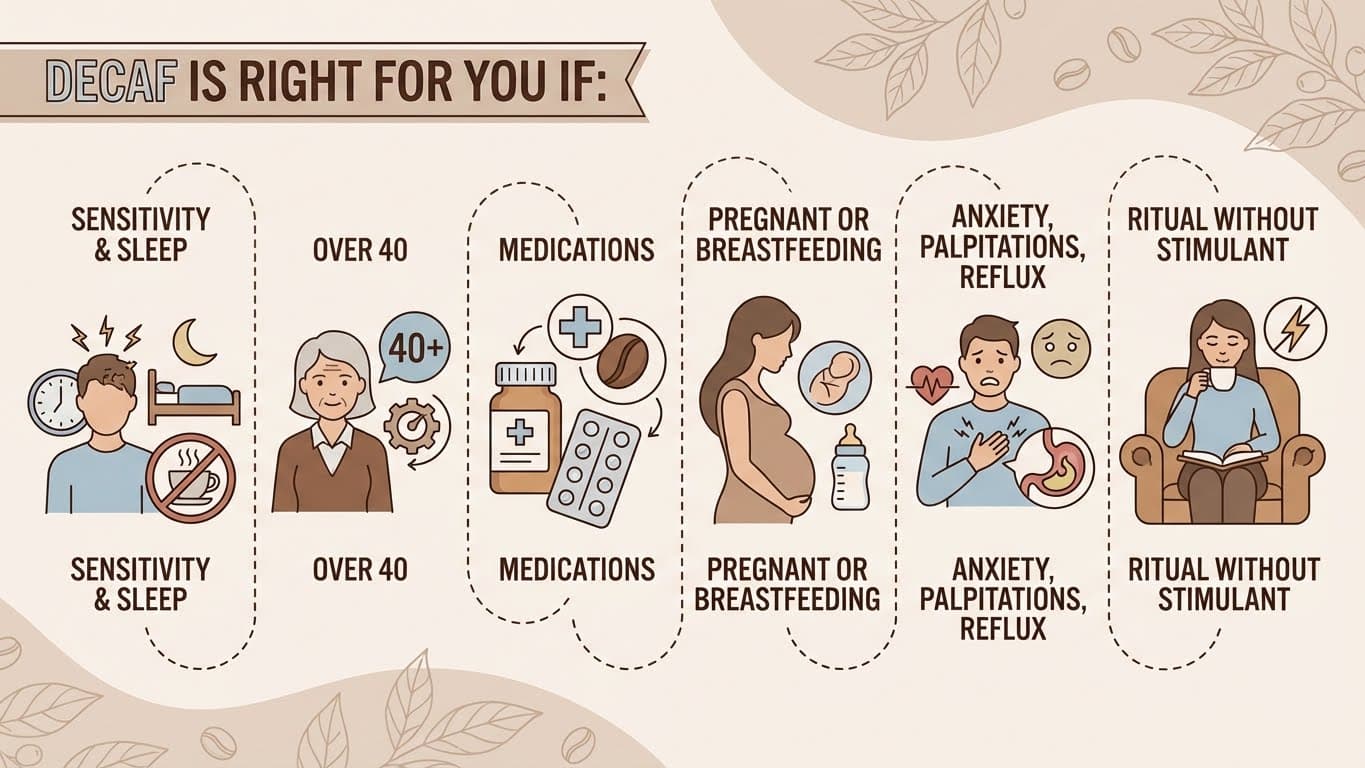
- You’re sensitive to caffeine or notice it affects your sleep
- You’re over 40 (caffeine metabolism naturally slows with age)
- You take medications that interact with caffeine
- You’re pregnant or breastfeeding
- You struggle with anxiety, heart palpitations, or acid reflux
- You simply want to enjoy the ritual of coffee without the stimulant effects
Regular Coffee Might Work If:
- You’re a proven fast caffeine metabolizer
- You drink coffee daily and have high tolerance
- You’re having just a small amount (like a single shot of espresso)
- Your bedtime is still 6+ hours away
Here’s a mini scenario: Sarah, a work-from-home mom, used to drink regular coffee at 7 PM while catching up on emails. She’d fall asleep fine but wake up at 3 AM feeling wired. After switching to decaf for her evening cup, she noticed deeper, more restful sleep within a week. Meanwhile, her husband drinks regular coffee until 9 PM with no issues whatsoever. Same household, very different caffeine responses.
Tips for Enjoying Nighttime Coffee at Home
Whether you choose decaf vs regular coffee for your evening ritual, here are some practical tips to maximize enjoyment while protecting your sleep:
Choose Quality Decaf
Life is too short for bad coffee—and that goes double for decaf. Look for specialty roasters who treat their decaf with the same care as their regular offerings. Swiss Water Process beans often deliver the best flavor. Some of my favorites are from small-batch roasters who specifically focus on low-acid, smooth profiles perfect for evening drinking.
Mind the Timing
Even with decaf, I recommend finishing your last cup at least 2 hours before bed. Coffee is a diuretic, and you don’t want bathroom trips interrupting your sleep. Plus, the warmth and ritual of drinking coffee can be stimulating on its own.
Consider Your Brewing Method
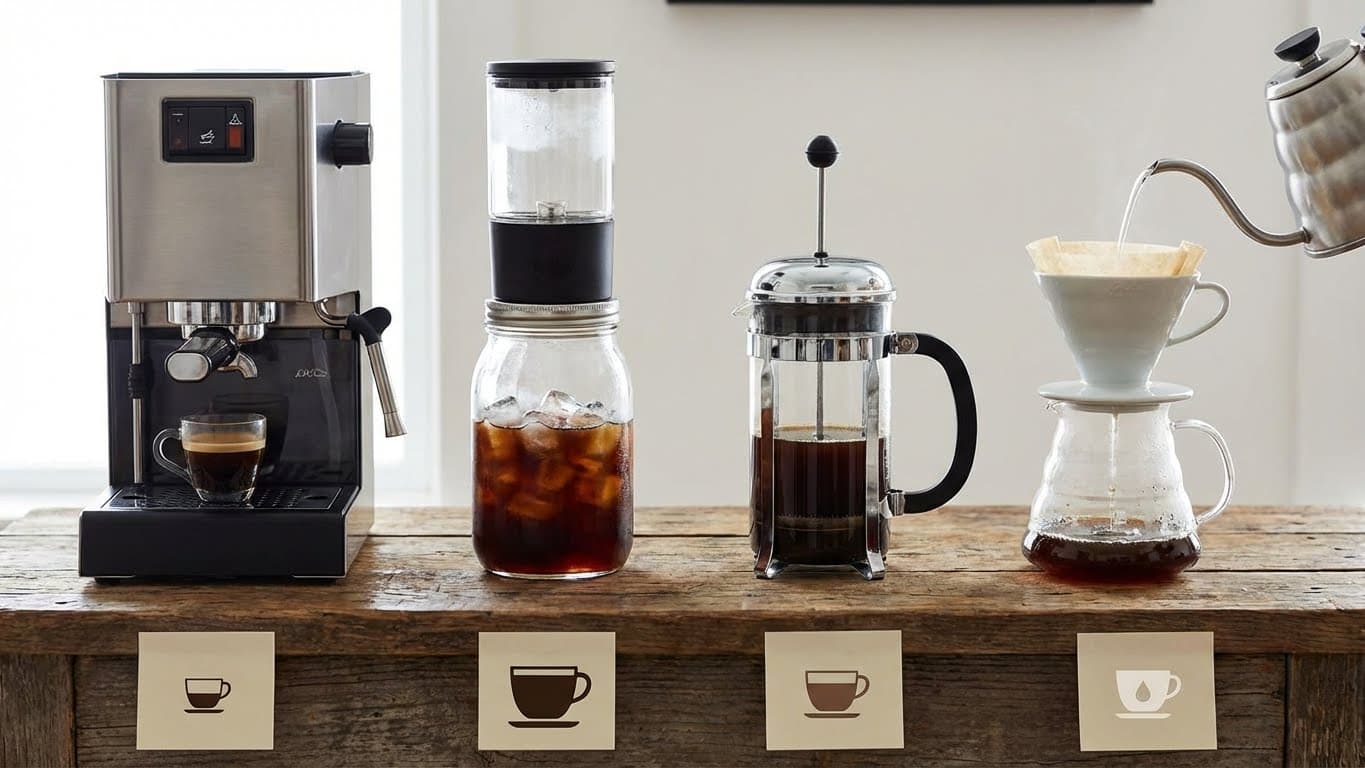
Some brewing methods extract more caffeine than others. If you’re sticking with regular coffee but want to minimize caffeine:
- Espresso: Actually contains less total caffeine per serving than drip coffee (about 63mg per shot)
- Cold Brew: Typically higher in caffeine—avoid this at night
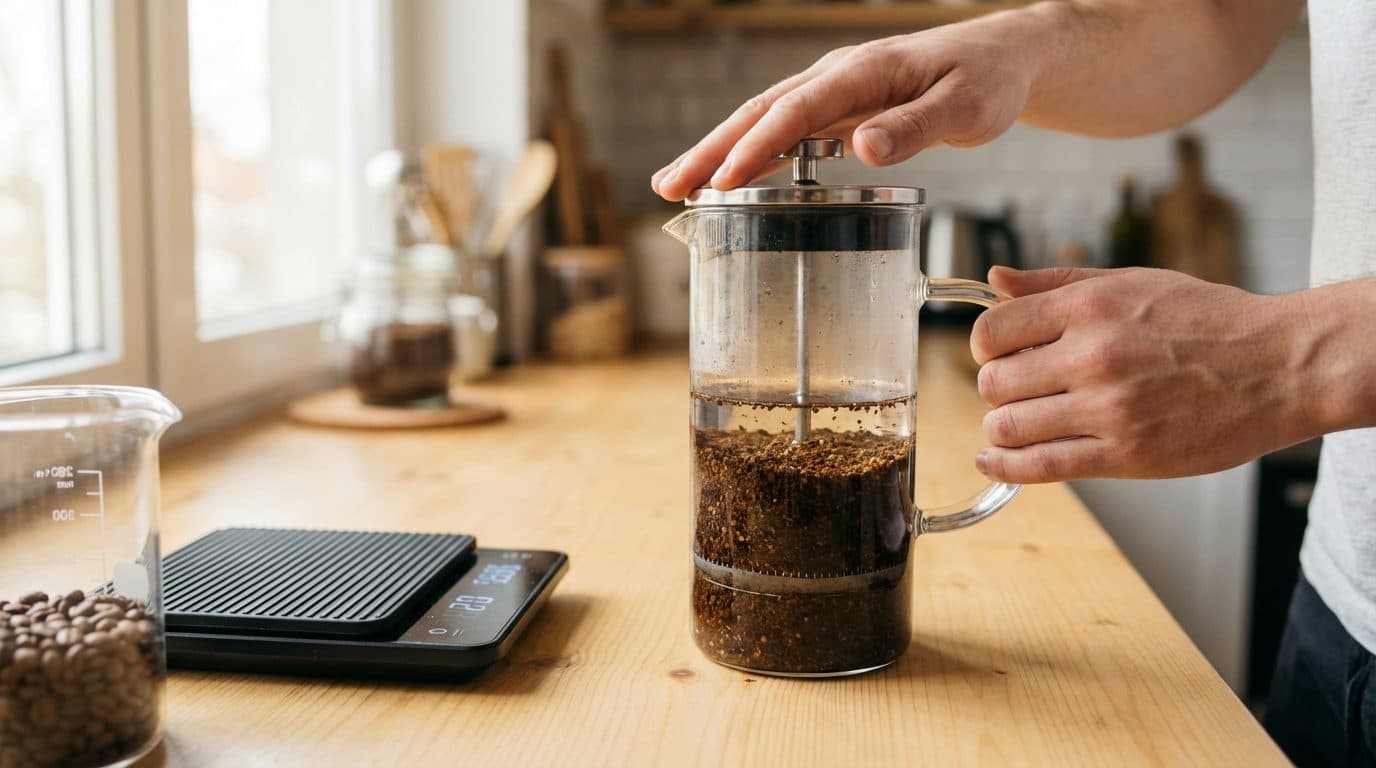
- French Press: Moderate caffeine, but you control steep time
- Pour Over: Easier to control extraction and make a lighter cup
Barista Tip
Try making a “half-caf” blend by mixing equal parts decaf and regular beans. This gives you about 50mg of caffeine—enough to satisfy the craving without the full stimulant effect. I’ve found this is a great transitional option for people who find decaf psychologically unsatisfying.
The Role of Nighttime Coffee in a Healthy Routine
For many of us, evening coffee isn’t just about the caffeine or even the taste—it’s about the ritual. That warm mug in your hands, the aroma filling your kitchen, the quiet moment of pause in a busy day. This is especially true when you’re making coffee at home, where the process becomes part of the experience.
From a health perspective, both decaf and regular coffee can fit into a balanced lifestyle. Research suggests that moderate coffee consumption (3-4 cups daily) is associated with various health benefits, and decaf provides most of these same advantages. The key is listening to your body and being honest about how caffeine affects you personally.
If you’re following a special diet—whether low-acid for digestive health or simply trying to reduce stimulant intake—decaf is your friend. Many specialty decaf options are also naturally lower in acidity, making them gentler on sensitive stomachs during evening hours when digestive systems naturally slow down.
Frequently Asked Questions
Will decaf coffee keep me awake at night?
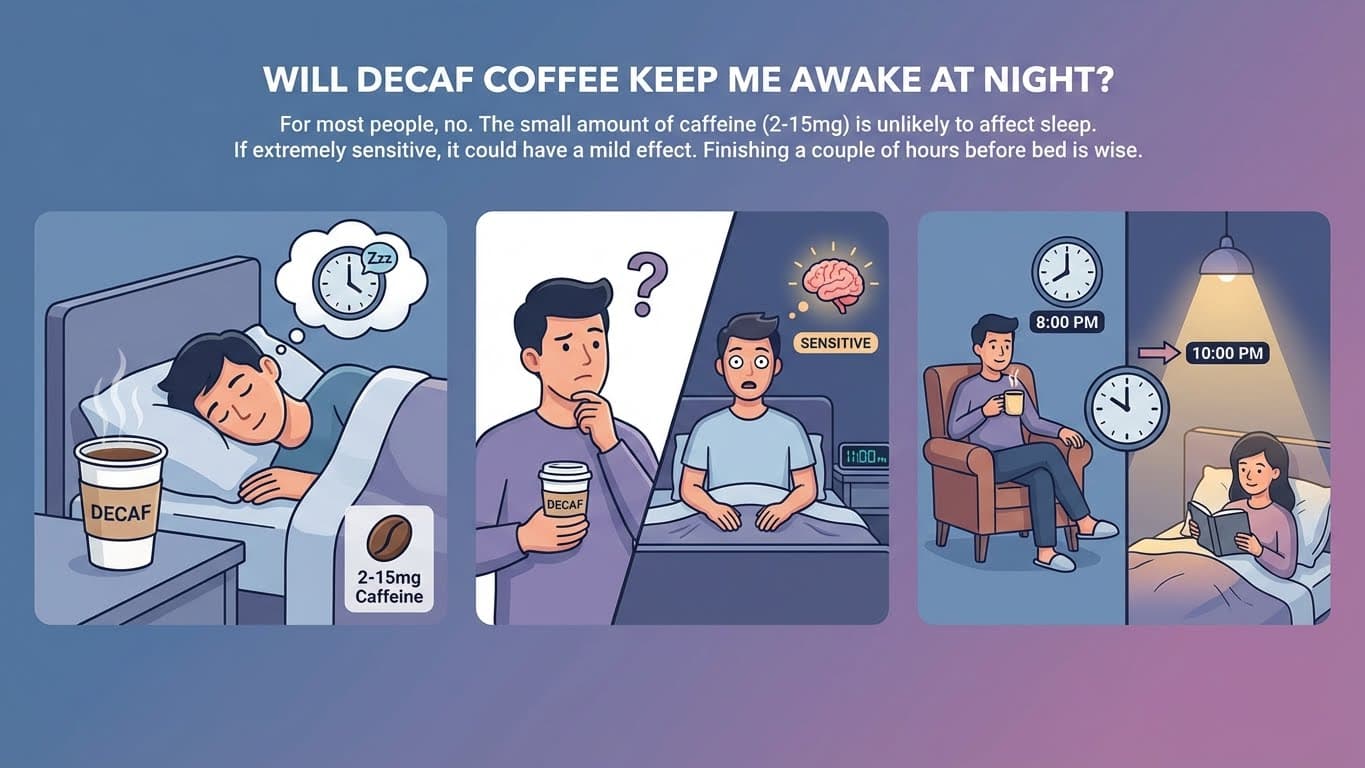
For most people, no. The small amount of caffeine in decaf (2-15mg) is unlikely to affect sleep. However, if you’re extremely caffeine-sensitive, even this trace amount could have a mild effect. The ritual of drinking coffee and its warmth can also be mildly stimulating for some individuals, so finishing your cup a couple of hours before bed is wise.
Does decaf coffee taste different from regular?
Quality decaf can taste remarkably similar to regular coffee. The decaffeination process does remove some flavor compounds along with caffeine, so very cheap decaf may taste flat or stale. Investing in fresh, specialty-grade decaf from reputable roasters makes a significant difference. Swiss Water Process decaf tends to preserve the most flavor.
How late can I drink regular coffee without affecting my sleep?
A general rule is to stop drinking regular coffee at least 6 hours before bedtime. If you go to bed at 10 PM, finish your last regular cup by 4 PM. However, this varies by individual—some people need an 8-hour buffer, while others can handle coffee closer to bedtime.
Is decaf coffee healthier than regular coffee?
Neither is inherently “healthier”—they’re just different tools for different situations. Both contain beneficial antioxidants and are linked to similar health benefits. Decaf is the better choice if you’re sensitive to caffeine, pregnant, or managing conditions like anxiety or heart issues. Regular coffee is fine for most healthy adults during daytime hours.
Can I drink decaf coffee every night?
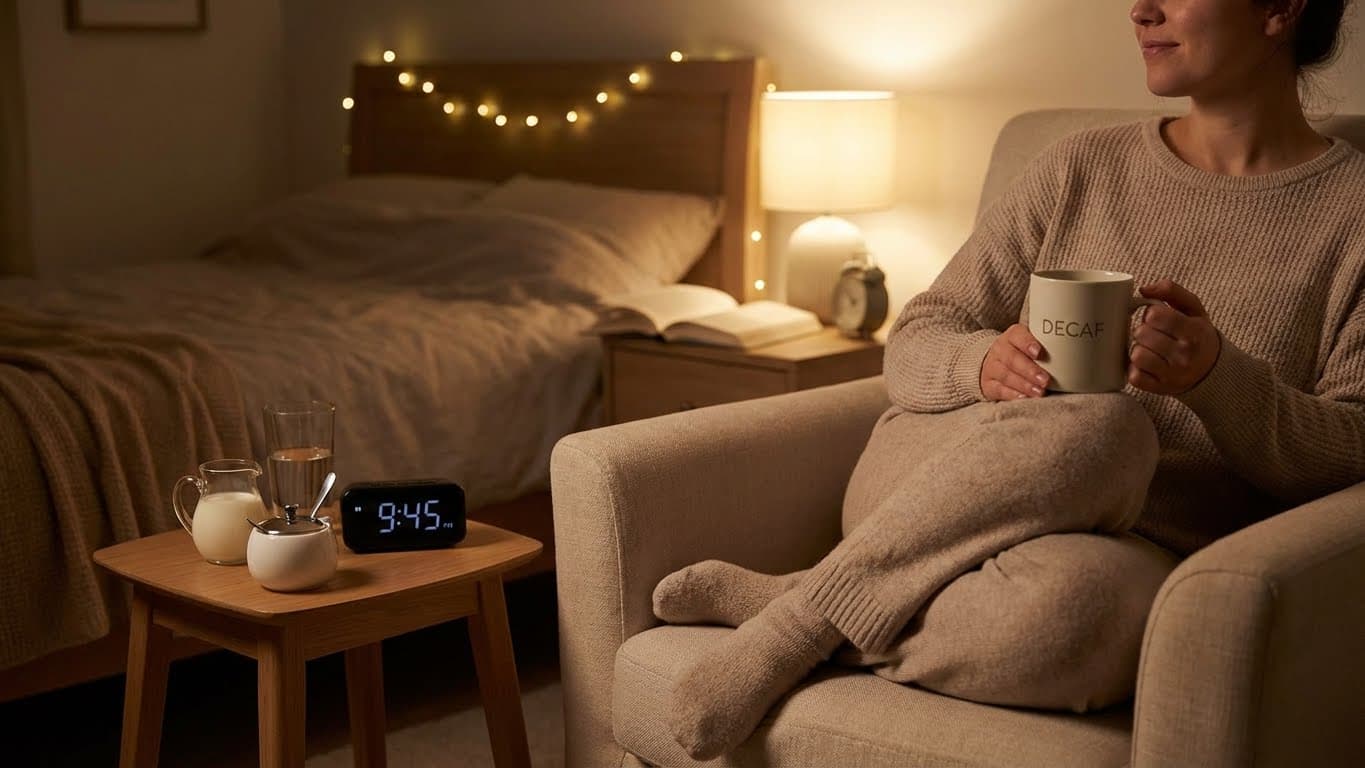
Yes, for most people, drinking decaf coffee nightly is perfectly safe. There’s no evidence that moderate decaf consumption causes health problems. Just be mindful of what you add to it—heavy cream and sugar every night can add up. Also, avoid drinking any liquids too close to bedtime to prevent sleep disruptions from bathroom trips.
Conclusion: Making the Right Choice for Your Evening Cup
When it comes to the decaf vs regular coffee debate for nighttime drinking at home, there’s no universal right answer—but there is a right answer for you. If sleep quality matters to you (and it should), decaf is the safer bet for evening enjoyment. Modern decaf has evolved dramatically, offering genuine flavor satisfaction without the stimulant effects that can sabotage your rest.
That said, know yourself. If you’re one of those lucky fast metabolizers who can drink espresso at 9 PM and still sleep soundly, there’s no reason to change what works. The goal is to enjoy your coffee ritual while also getting the restorative sleep your body needs.
Start by paying attention to how your body responds. Try switching to decaf for your evening cup for a week and note any changes in your sleep quality. You might be surprised at the difference—or you might confirm that regular coffee was never the problem. Either way, you’ll have valuable information about your own caffeine tolerance. Life’s too short for bad sleep or bad coffee, so find the balance that gives you both.

Comments