


Table of Contents
- What Is Coffee Processing and Why Does It Matter?
- The Two Main Processing Methods
- Washed Process Coffee: Clean, Bright, and Bean-Forward
- How Washed Processing Works
- Flavor Profile of Washed Coffees
- Natural Process Coffee: Wild, Fruity, and Full-Bodied
- How Natural Processing Works
- Flavor Profile of Natural Coffees
- Washed vs Natural: Side-by-Side Comparison
- How Processing Affects Your Brewing Choices
- Best Brewing Methods for Washed Coffees
- Best Brewing Methods for Natural Coffees
- Frequently Asked Questions
- Is washed or natural coffee better?
- Why are natural coffees more expensive sometimes?
- Can the same coffee bean taste different with each process?
- What about honey processed coffee?
- How can I tell if a coffee is washed or natural from the bag?
- Conclusion and Your Next Step
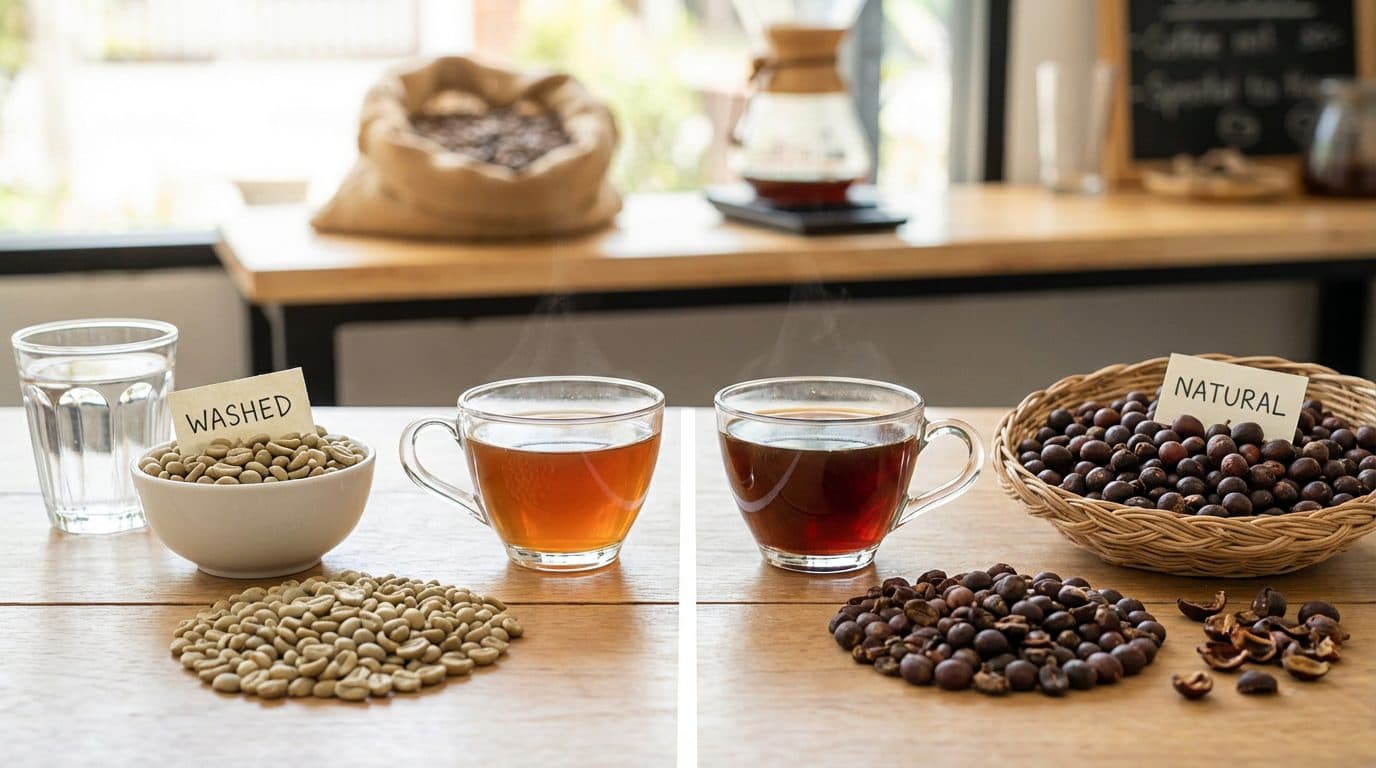
Ever wonder why two bags of Ethiopian coffee can taste completely different—one bursting with bright citrus notes while the other tastes like a blueberry smoothie? The secret often isn’t the bean itself but what happened to it right after harvest. Understanding the difference between washed and natural process coffee opens up a whole new world of flavor exploration, and I’m here to guide you through it.
In this guide, you’ll discover exactly what happens during each processing method, how it transforms the flavor in your cup, and most importantly—which one might become your new obsession. Life is too short for bad coffee, so let’s make sure you’re picking the right beans for your palate.
What Is Coffee Processing and Why Does It Matter?
Before we dive into the washed vs natural debate, let’s get clear on what coffee processing actually means. When coffee cherries are picked from the tree, there’s a fruit surrounding the bean we eventually roast and brew. Processing is simply the method used to remove that fruit and dry the bean.
Think of coffee cherries like, well, actual cherries. There’s the outer skin, a layer of sweet mucilage (fruit flesh), parchment, and finally the seed—our beloved coffee bean. How you remove these layers and when you dry the bean dramatically affects the final flavor.
In my experience, understanding processing has been a game-changer for selecting beans. Once you know your preference, you can walk into any specialty coffee shop and confidently choose something you’ll actually love.
The Two Main Processing Methods
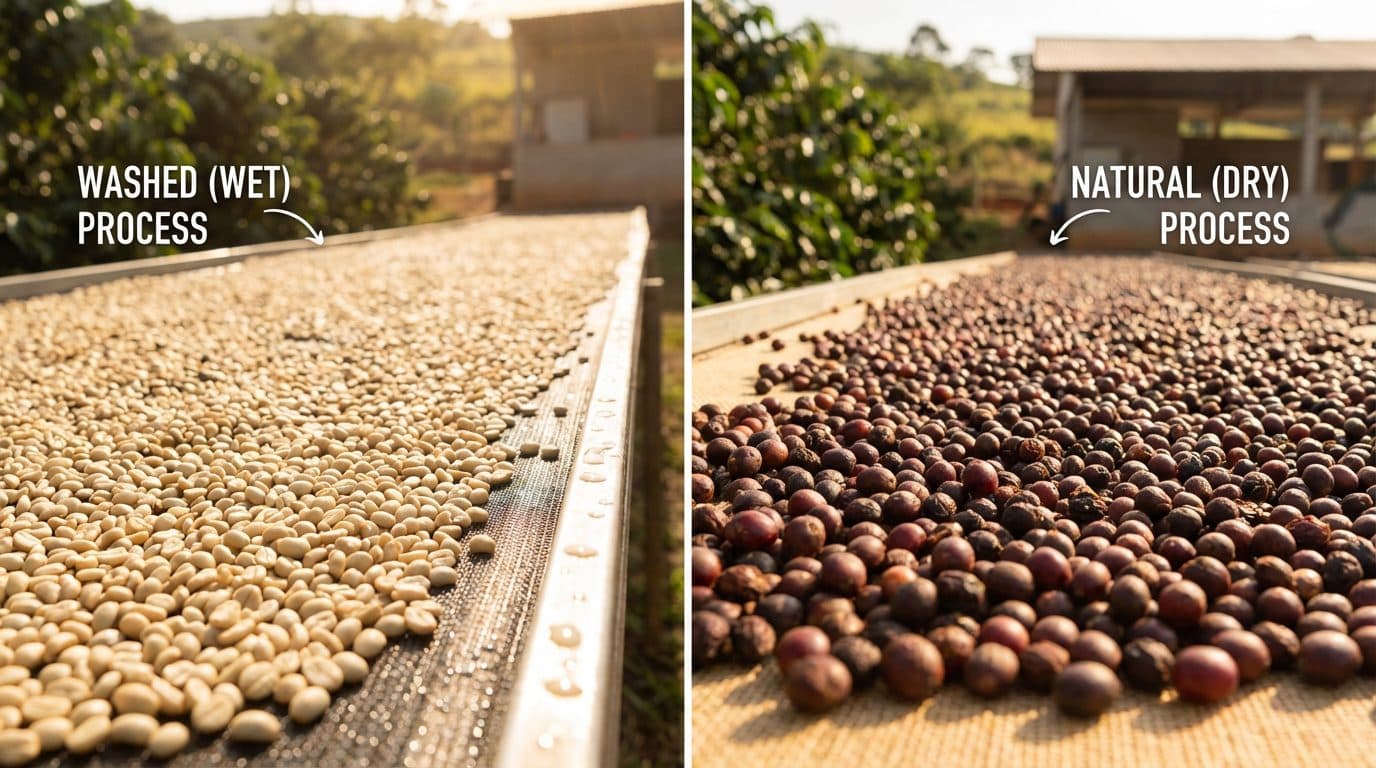
While there are several processing methods (including honey process, wet-hulled, and experimental anaerobic fermentation), washed and natural remain the two most common approaches you’ll encounter. They represent opposite ends of the processing spectrum:
- Washed (Wet) Process: The fruit is removed before drying
- Natural (Dry) Process: The fruit stays on during drying
This fundamental difference creates two distinct flavor profiles, even from identical coffee varieties grown on the same farm.
Washed Process Coffee: Clean, Bright, and Bean-Forward
Washed processing is the more modern and controlled method, favored by many specialty roasters for its consistency and clarity. Here’s exactly what happens to your coffee when it’s washed processed.
How Washed Processing Works
After harvesting, the coffee cherries are quickly depulped using a machine that strips away the outer skin and most of the fruit. However, some sticky mucilage remains attached to the bean. To remove it, the beans are placed in fermentation tanks filled with water for 12-72 hours.
During fermentation, naturally occurring microbes break down the sugary mucilage. Once it’s dissolved, the beans are thoroughly washed with clean water (hence the name) and then dried on raised beds or patios until they reach the ideal moisture content of around 10-12%.
- Depulping happens within 24 hours of harvest
- Fermentation typically takes 12-72 hours
- Requires significant water resources
- Drying takes 7-14 days depending on conditions
- Results in very consistent, uniform beans
Flavor Profile of Washed Coffees
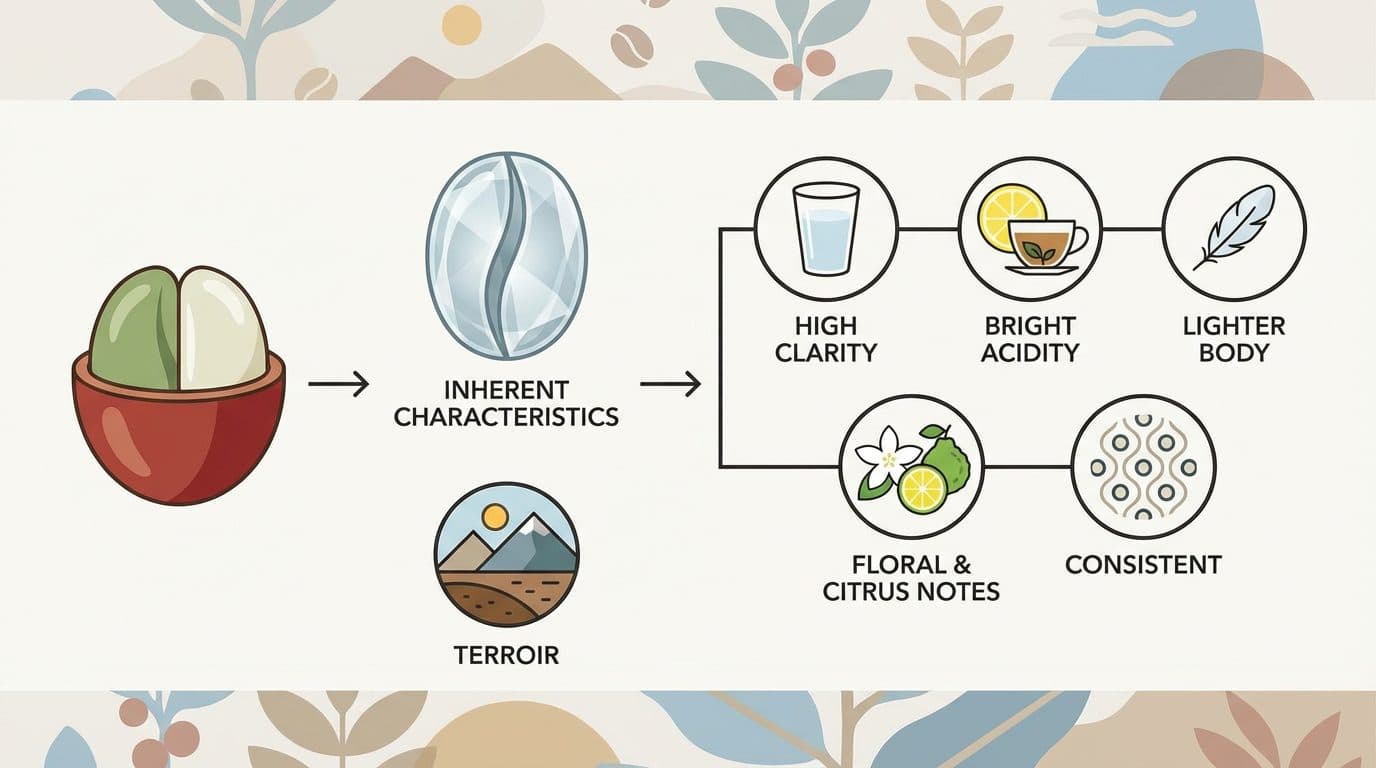
Because the fruit is removed early, washed coffees showcase the bean’s inherent characteristics without fruity interference. I’ve found that washed process tends to highlight terroir—the unique environmental factors of where the coffee was grown.
Expect these flavor characteristics from washed coffees:
- High clarity: Clean, well-defined flavors
- Bright acidity: Crisp, citrusy, sometimes tea-like
- Lighter body: More delicate mouthfeel
- Floral and citrus notes: Jasmine, bergamot, lemon
- Consistent cup quality: Less variation batch to batch
A classic example is a washed Ethiopian Yirgacheffe. In my experience, a well-roasted washed Yirgacheffe tastes like Earl Grey tea with hints of lemon and honey—elegant, refined, and incredibly refreshing as a pour-over.
Natural Process Coffee: Wild, Fruity, and Full-Bodied
Natural processing is the oldest method of processing coffee, dating back centuries. It’s simpler in concept but requires careful attention to prevent defects. The results, when done right, are absolutely spectacular.
How Natural Processing Works
With natural processing, freshly picked coffee cherries are spread out to dry with the entire fruit still intact. The cherries are laid on raised drying beds or patios and regularly turned to prevent mold and ensure even drying.
Here’s where the magic happens: as the fruit dries around the bean over 3-6 weeks, the sugars and flavors from the cherry ferment and infuse into the bean. It’s like the bean is marinating in fruit juice under the sun.
- No water required for processing
- Cherries dry for 3-6 weeks
- Requires constant monitoring and turning
- Higher risk of defects if not carefully managed
- Once dried, the fruit husk is mechanically removed
Flavor Profile of Natural Coffees

Natural coffees are the wild cards of the coffee world. They’re bold, fruity, and sometimes polarizing. Some coffee lovers become obsessed with naturals, while others find them too intense.
Typical flavor characteristics include:
- Heavy fruit notes: Blueberry, strawberry, tropical fruits
- Wine-like qualities: Fermented, boozy undertones
- Fuller body: Syrupy, creamy mouthfeel
- Lower acidity: Rounder, smoother taste
- Complex sweetness: Brown sugar, molasses, chocolate
A natural Ethiopian Sidamo, for instance, might taste like you’re drinking a blueberry pie in liquid form. I’ve served natural process coffees to friends who were convinced I added flavor syrup—the fruit notes can be that pronounced.
Washed vs Natural: Side-by-Side Comparison
Let’s break down the key differences in a clear format so you can quickly understand what sets these methods apart.
| Factor | Washed Process | Natural Process |
|---|---|---|
| Fruit Removal | Before drying | After drying |
| Water Usage | High | Minimal |
| Drying Time | 7-14 days | 3-6 weeks |
| Flavor Profile | Clean, bright, acidic | Fruity, sweet, full-bodied |
| Body | Light to medium | Medium to heavy |
| Consistency | Very consistent | More variable |
| Common Origins | Colombia, Kenya, Central America | Ethiopia, Brazil, Yemen |
Key Takeaway: Neither method is objectively “better.” Washed coffees let you taste the bean’s origin clearly, while naturals add a layer of fruit-forward complexity. Your preference depends entirely on what flavors excite your palate.
How Processing Affects Your Brewing Choices
Understanding processing isn’t just coffee nerd trivia—it actually helps you brew better coffee at home. Different processing methods shine with different brewing approaches.
Best Brewing Methods for Washed Coffees

Washed coffees, with their clarity and bright acidity, perform beautifully with pour-over methods. The V60, Chemex, and Kalita Wave all highlight those delicate floral and citrus notes.
- Pour-over: Ideal for showcasing clarity
- Aeropress: Great for a clean, concentrated cup
- Drip coffee: Consistent extraction works well
Barista Tip: For washed coffees, I typically use a slightly finer grind and water temperature around 200-205°F to extract those bright, high notes without over-extracting bitterness.
Best Brewing Methods for Natural Coffees
Natural coffees have more oils and sugars, making them fantastic for immersion brewing where those heavier compounds can fully extract into your cup.
- French press: Amplifies the heavy body and fruit
- Cold brew: Creates an incredibly sweet, fruity concentrate
- Espresso: Naturals make stunning, fruit-bomb shots
Barista Tip: Natural coffees can sometimes overwhelm as espresso if you’re not ready for the intensity. Try them first as a pourover before pulling shots—or embrace the wild ride and enjoy an espresso that tastes like fermented berries.
Frequently Asked Questions
Is washed or natural coffee better?
Neither is inherently better—it depends on your taste preferences. If you love clean, tea-like coffee with bright acidity, try washed. If you prefer fruity, wine-like coffee with a heavy body, natural is your friend. Many coffee lovers enjoy both depending on their mood.
Why are natural coffees more expensive sometimes?
Natural processing requires more labor-intensive monitoring over a longer drying period. The risk of defects is also higher, meaning more cherries may be discarded. Additionally, high-quality naturals from renowned origins like Ethiopia command premium prices due to demand.
Can the same coffee bean taste different with each process?
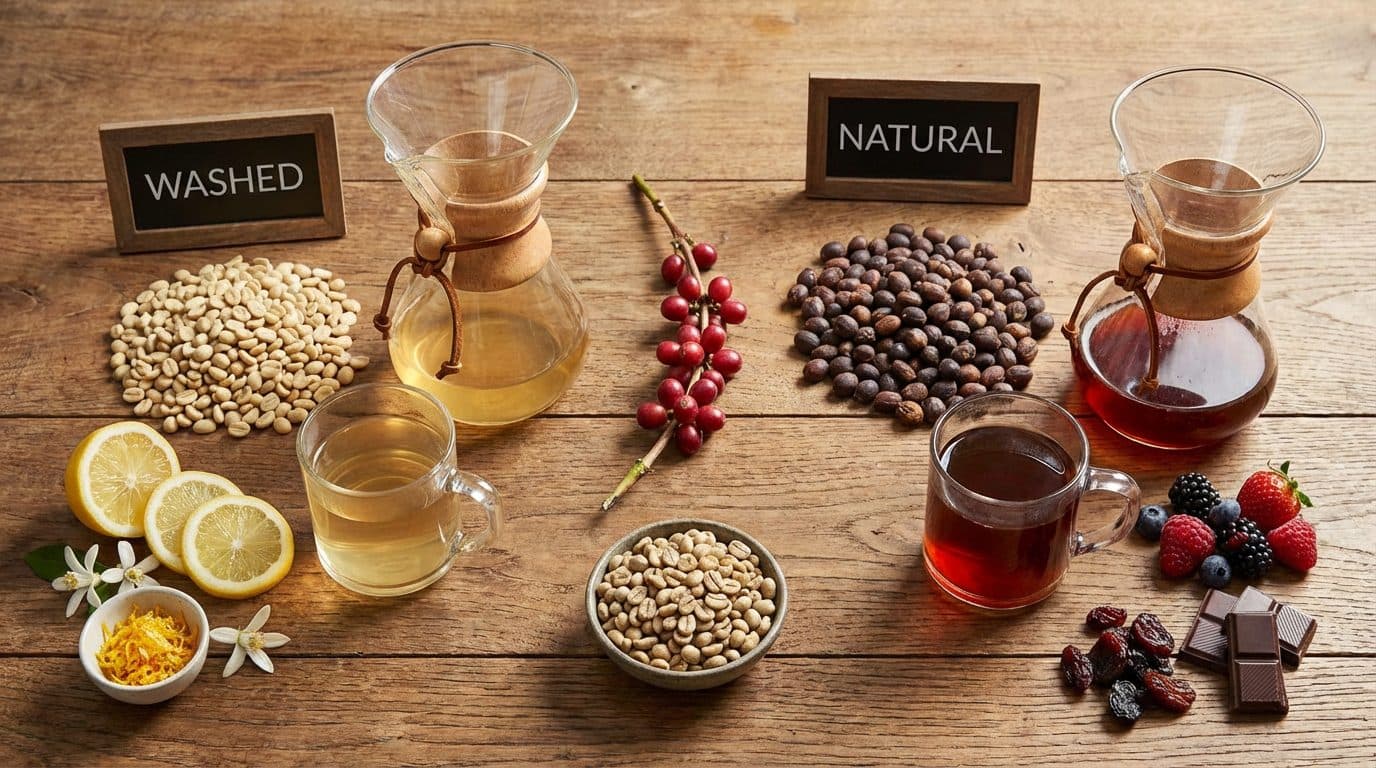
Absolutely. Many farms produce both washed and natural versions of the same variety grown in the same area. Tasting them side by side is a fantastic way to understand how much processing impacts flavor. The washed version might taste like citrus and flowers while the natural tastes like berries and chocolate.
What about honey processed coffee?
Honey process is a hybrid method where some mucilage remains on the bean during drying—but not the entire fruit like natural processing. It creates flavors somewhere between washed and natural, often described as sweet with moderate acidity and body. The name refers to the sticky, honey-like mucilage, not actual honey.
How can I tell if a coffee is washed or natural from the bag?
Quality specialty roasters always list the processing method on the bag. Look for terms like “washed,” “wet process,” “natural,” “dry process,” or “sun-dried.” If the bag doesn’t specify, the roaster’s website often provides detailed tasting notes that include processing information.
Conclusion and Your Next Step
Understanding washed versus natural processing transforms you from a casual coffee drinker into someone who can intentionally choose beans that match your flavor preferences. Washed coffees offer clarity, brightness, and terroir expression, while naturals deliver bold fruitiness, heavier body, and wine-like complexity.
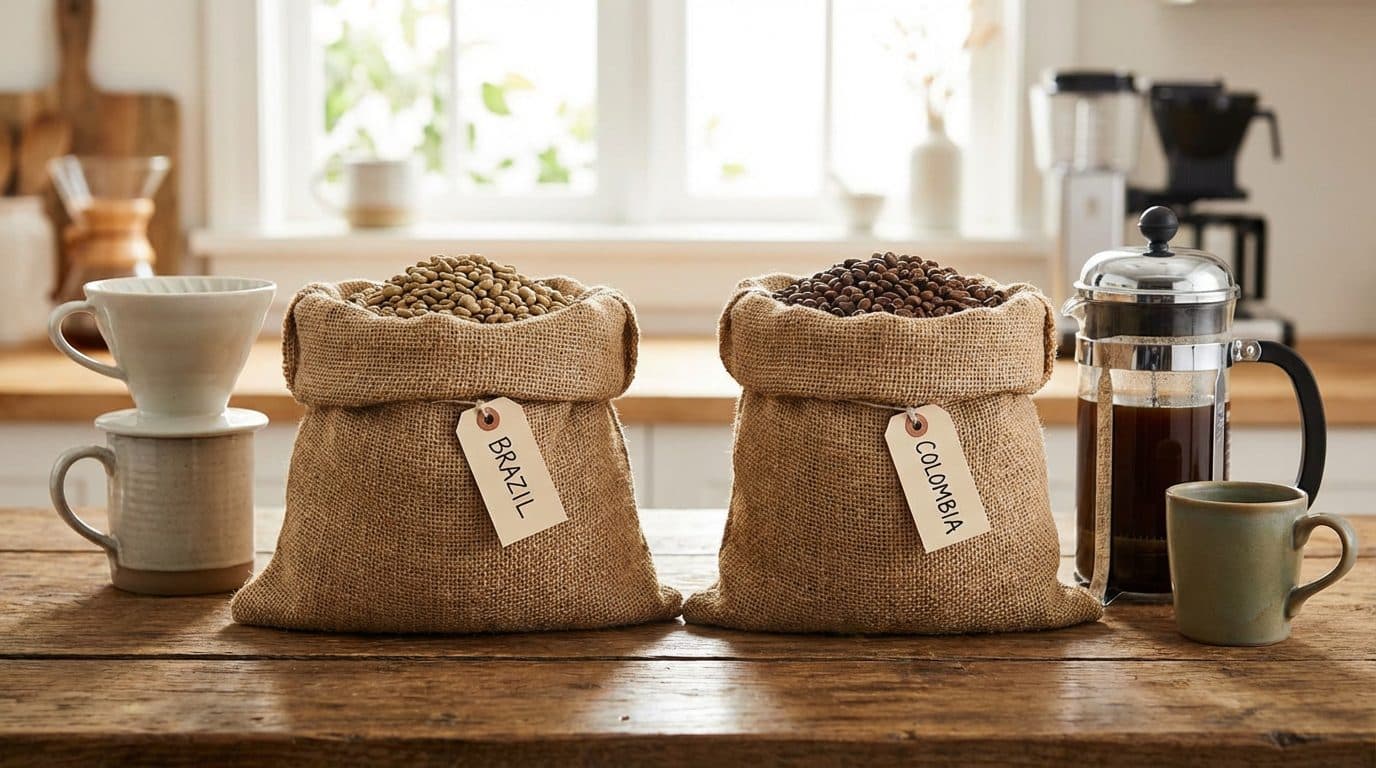
My recommendation? Buy two bags from the same origin—one washed and one natural—and taste them side by side. This single experiment will teach you more about coffee processing than any article ever could. Pay attention to which one makes you close your eyes and smile. That’s your winner.
Once you know your processing preference, you’ll never randomly grab beans off the shelf again. You’ll confidently select coffees you actually love, and every morning cup will be exactly what you’re craving. Now go forth and explore—your perfect cup is waiting.



Comments