


Table of Contents
- Why Brew Filter Coffee Without Papers?
- Environmental Benefits
- Flavor Differences
- What You'll Need
- Method 1: The Cloth Filter Technique
- Step-by-Step Instructions
- Taste Profile
- Method 2: The Metal Strainer Approach
- Step-by-Step Instructions
- Taste Profile
- Method 3: The Makeshift French Press (No Press Required)
- Step-by-Step Instructions
- Method 4: Invest in a Reusable Metal Filter
- Benefits of Metal Filters
- Taste Profile
- Comparison: Paper vs. Paperless Methods
- Common Mistakes to Avoid
- Frequently Asked Questions
- Can I use a paper towel as a coffee filter?
- Will my coffee taste different without paper filters?
- How do I clean and maintain cloth filters?
- Is paperless brewing healthier?
- What's the best grind size for brewing without papers?
- Conclusion: Your Coffee, Your Way
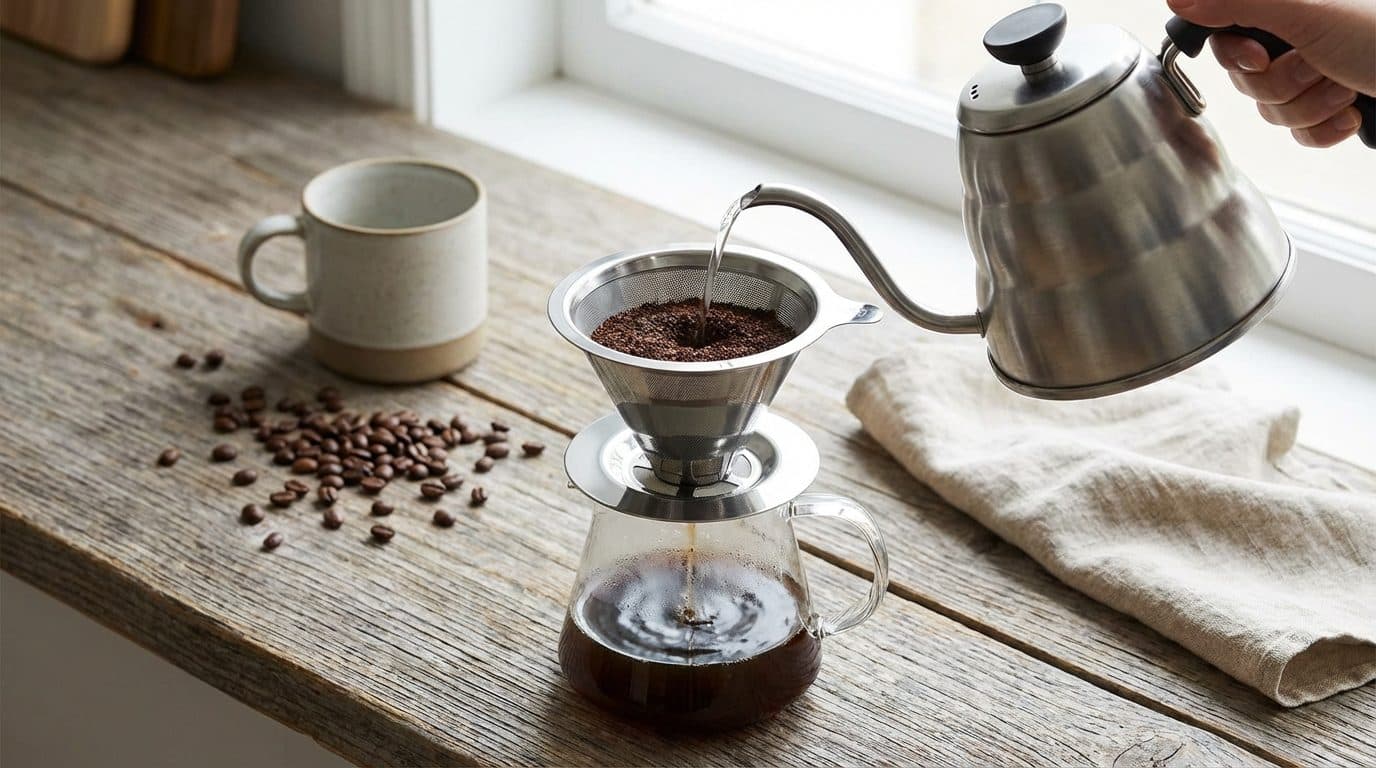
You’ve just woken up, craving that perfect cup of pour-over coffee, and then it hits you—you’re completely out of filter papers. We’ve all been there. The good news? Your morning coffee isn’t ruined. In fact, learning how to make filter coffee without papers opens up a world of brewing possibilities that can actually produce a richer, more full-bodied cup than you’re used to.
In this guide, I’ll walk you through several tried-and-true methods to brew delicious filter coffee without papers. Whether you’re in a pinch or looking to reduce waste permanently, these techniques will keep your coffee game strong. Let’s dive in.
Why Brew Filter Coffee Without Papers?
Before we get into the methods, let’s talk about why you might want to ditch those paper filters altogether. Beyond the obvious emergency situations, there are some compelling reasons to explore paperless brewing.
Environmental Benefits
Paper filters, while convenient, create daily waste. If you’re brewing one or two cups a day, that’s 365–730 filters heading to the landfill annually. Switching to reusable methods significantly reduces your environmental footprint—and your wallet will thank you too.
Flavor Differences
Here’s something many coffee lovers don’t realize: paper filters absorb some of the natural oils in coffee. These oils carry flavor compounds and contribute to that silky mouthfeel. When you make filter coffee without papers, you often get:
- Fuller body and richer texture
- More complex flavors from retained coffee oils
- Bolder taste that highlights the bean’s natural characteristics
In my experience, once people try paperless brewing methods, many actually prefer the resulting cup. It’s not just a backup plan—it’s a legitimate brewing choice.
What You’ll Need
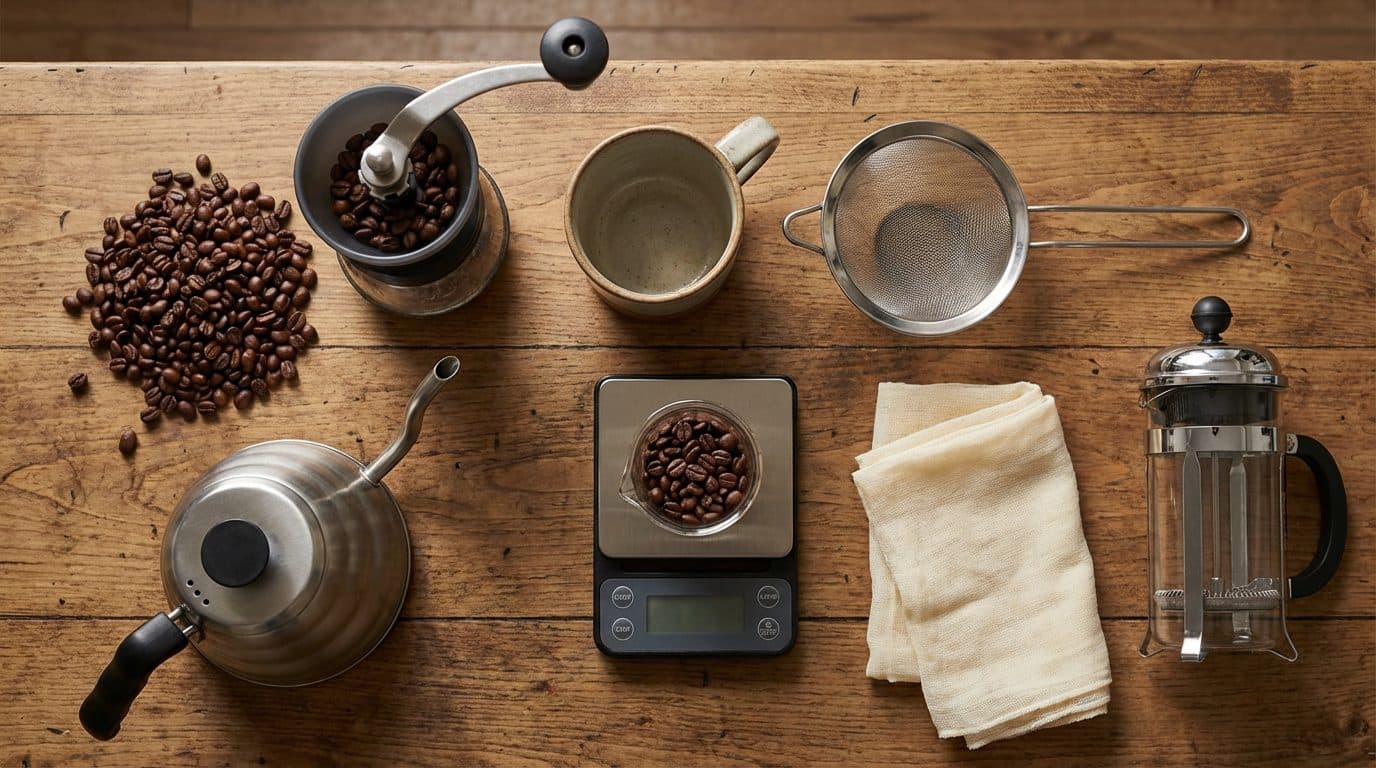
The beauty of brewing without papers is that you likely have most of these items at home already. Here’s a general list to get started:
Basic Gear:
- Fresh coffee beans (whole bean preferred)
- Grinder (burr grinder ideal, blade grinder works)
- Kettle (gooseneck preferred for pour-over style)
- Your chosen filter alternative (more on this below)
- Mug or carafe
- Scale or measuring spoon
Possible Filter Alternatives:
- Fine mesh metal strainer
- Clean cloth (cheesecloth, cotton napkin, or tea towel)
- French press
- Metal mesh reusable filter
- Fine-weave dish towel
Method 1: The Cloth Filter Technique
Cloth filtering is actually one of the oldest coffee brewing methods, predating paper filters by centuries. It produces a beautifully clean cup while letting those precious oils through.
Step-by-Step Instructions
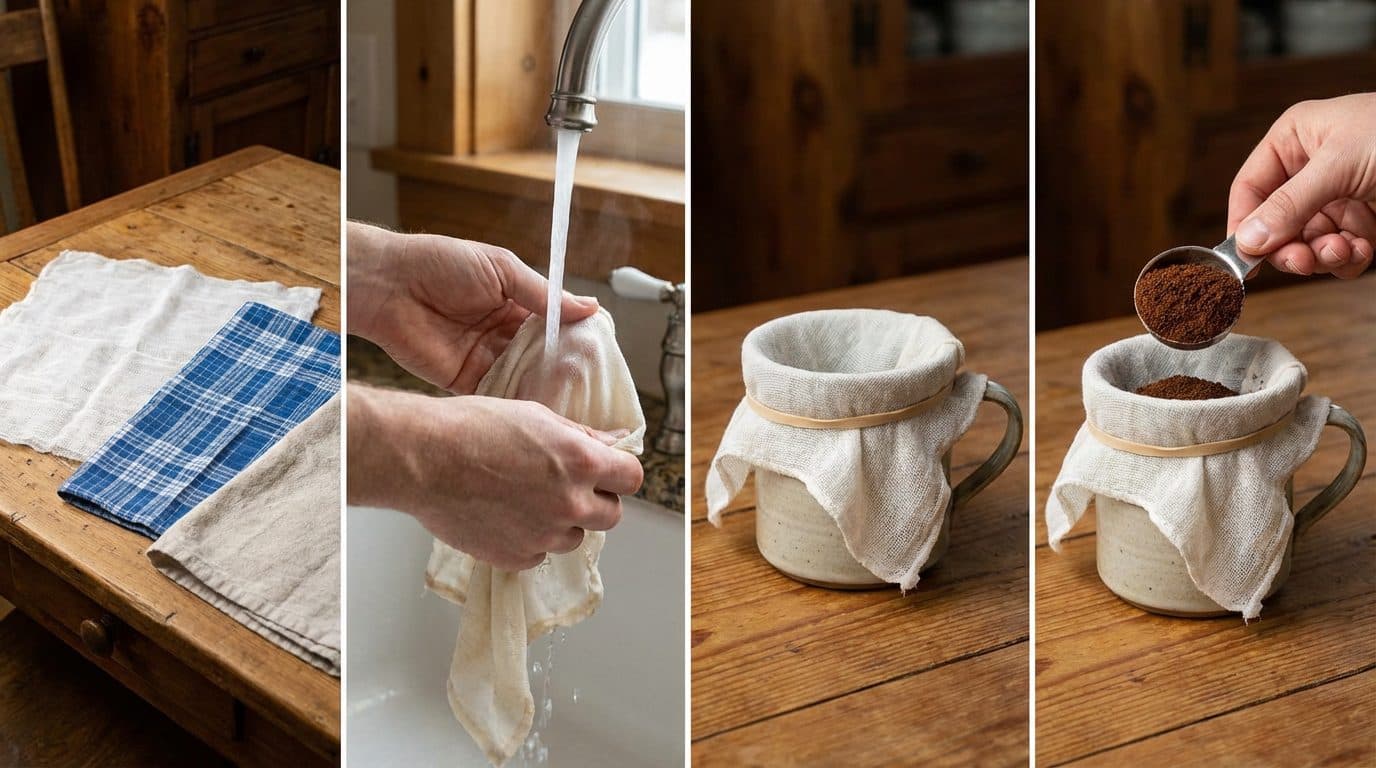
- Choose your cloth—cheesecloth works well, but a clean cotton handkerchief or thin dish towel also does the job. Avoid fabrics with strong detergent smells.
- Rinse the cloth thoroughly with hot water to remove any lint or residue.
- Drape the cloth over your mug or carafe, creating a pocket that dips down in the middle. Secure it with a rubber band or simply hold it in place.
- Add your ground coffee to the cloth pocket. Use a medium-fine grind, similar to what you’d use for pour-over. About 15–18 grams per 250ml of water works well.
- Slowly pour hot water (around 93–96°C) over the grounds in a circular motion, starting from the center.
- Allow the coffee to drip through. This takes about 3–4 minutes depending on your cloth’s thickness.
- Carefully remove the cloth, compost the grounds, and rinse the cloth for reuse.
Barista Tip: Double-layer thin cloths like cheesecloth for better filtration. Single layers can let too many fines through, resulting in a silty cup.
Taste Profile
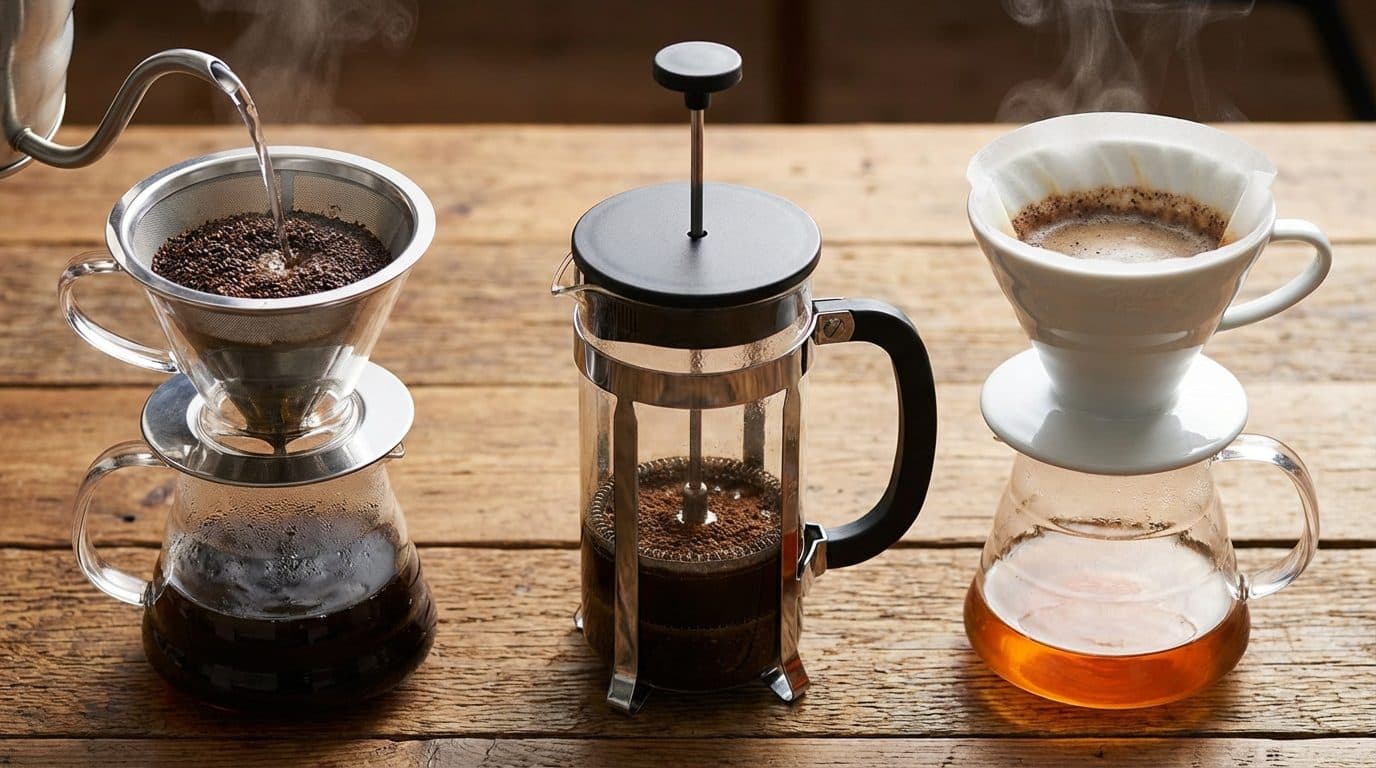
Expect a smooth, medium-bodied cup with noticeable sweetness. The cloth catches most sediment while allowing oils to pass through. It’s cleaner than French press but more full-bodied than paper-filtered coffee.
Method 2: The Metal Strainer Approach
Got a fine mesh strainer in your kitchen? You’re already equipped for this method. It’s quick, easy, and requires zero preparation beyond heating water.
Step-by-Step Instructions
- Boil water and let it cool for about 30 seconds off the boil.
- Add coarsely ground coffee to a heat-safe container or directly into your mug. Use about 2 tablespoons per 200ml of water.
- Pour the hot water over the grounds and stir gently.
- Let the coffee steep for 4 minutes. This is crucial—too short and you’ll under-extract, too long and bitterness creeps in.
- Hold the fine mesh strainer over your cup and pour the coffee through slowly.
- For extra clarity, strain a second time or line the strainer with a paper towel if you have one available.
I’ve found this method particularly useful when camping or visiting places with limited coffee equipment. As long as there’s a strainer in the kitchen, you’re set.
Taste Profile
This produces a bold, robust cup similar to French press. You’ll likely notice some fine sediment at the bottom of your mug—this is normal and actually a sign of good oil extraction. Just don’t drink that last sip.
Method 3: The Makeshift French Press (No Press Required)
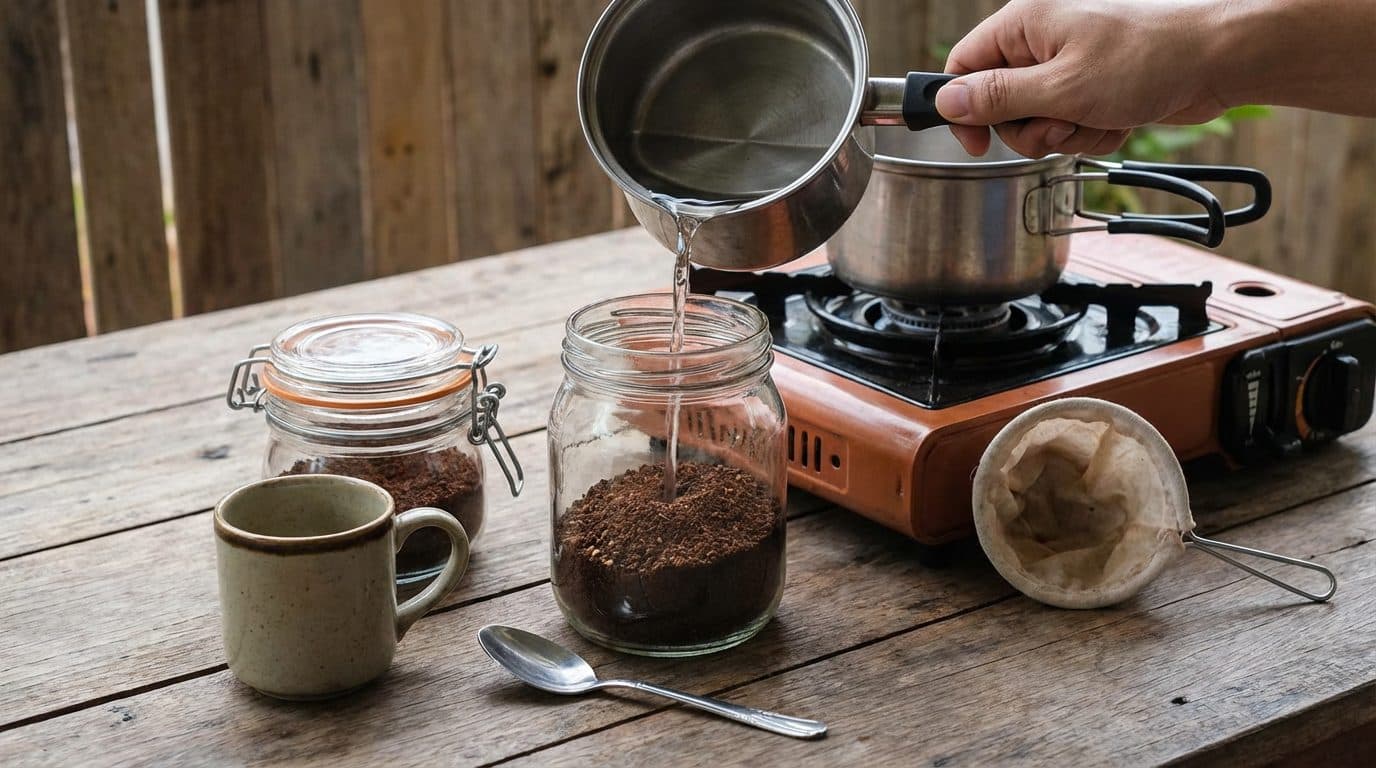
No French press? No problem. You can replicate the immersion brewing method using items you already have. This technique is sometimes called “cowboy coffee” with a refined twist.
Step-by-Step Instructions
- Add coarsely ground coffee to a pot or heat-safe jar. Use a 1:15 ratio (coffee to water).
- Pour hot water over the grounds and stir once.
- Cover and let steep for 4 minutes.
- Here’s the key step: gently tap the side of the container. Most grounds will sink to the bottom.
- Wait another minute for the grounds to fully settle.
- Slowly pour the coffee into your mug, stopping before the sediment reaches the rim. Alternatively, use a ladle to scoop from the top.
This method requires a bit of patience and a steady hand, but it works remarkably well. The natural settling of grounds acts as its own filtration system.
Method 4: Invest in a Reusable Metal Filter
If you regularly want to make filter coffee without papers, a reusable metal filter is a worthwhile investment. These mesh filters fit most standard pour-over brewers and cost between $10–25.
Benefits of Metal Filters
- Zero ongoing costs—buy once, use indefinitely
- Eco-friendly—no waste at all
- Enhanced flavor—oils pass through completely
- Easy cleaning—rinse under water, occasional deep clean with baking soda
Popular options include gold-tone filters and stainless steel mesh filters. They fit Chemex, Hario V60, and many drip machines. In my experience, they pay for themselves within a month or two of regular use.
Taste Profile
Metal-filtered coffee delivers a full body with pronounced richness. It’s noticeably different from paper-filtered coffee—think of it as the middle ground between French press and traditional pour-over.
Comparison: Paper vs. Paperless Methods
| Method | Body | Clarity | Oils Retained | Cleanup |
|---|---|---|---|---|
| Paper Filter | Light | Very High | Low | Easy |
| Cloth Filter | Medium | High | Medium | Moderate |
| Metal Strainer | Full | Low | High | Easy |
| Reusable Metal | Medium-Full | Medium | High | Easy |
| Cowboy Style | Full | Low | Very High | Easy |
Common Mistakes to Avoid
When brewing without paper filters, a few pitfalls can turn your cup from delicious to disappointing. Here’s what to watch out for:
- Grinding too fine: Finer grinds lead to over-extraction and excessive sediment. Stick to medium or medium-coarse.
- Using dirty cloths: Reused cloth filters can harbor stale coffee oils. Rinse thoroughly after each use and wash weekly.
- Rushing the process: Give the coffee time to properly steep or drip. Patience is key to balanced extraction.
- Water too hot: Boiling water scorches grounds. Aim for 93–96°C (let it sit 30 seconds after boiling).
- Ignoring ratios: Without proper measurement, your coffee will be either weak or unbearably strong. Start with 1:15 and adjust to taste.
Frequently Asked Questions
Can I use a paper towel as a coffee filter?
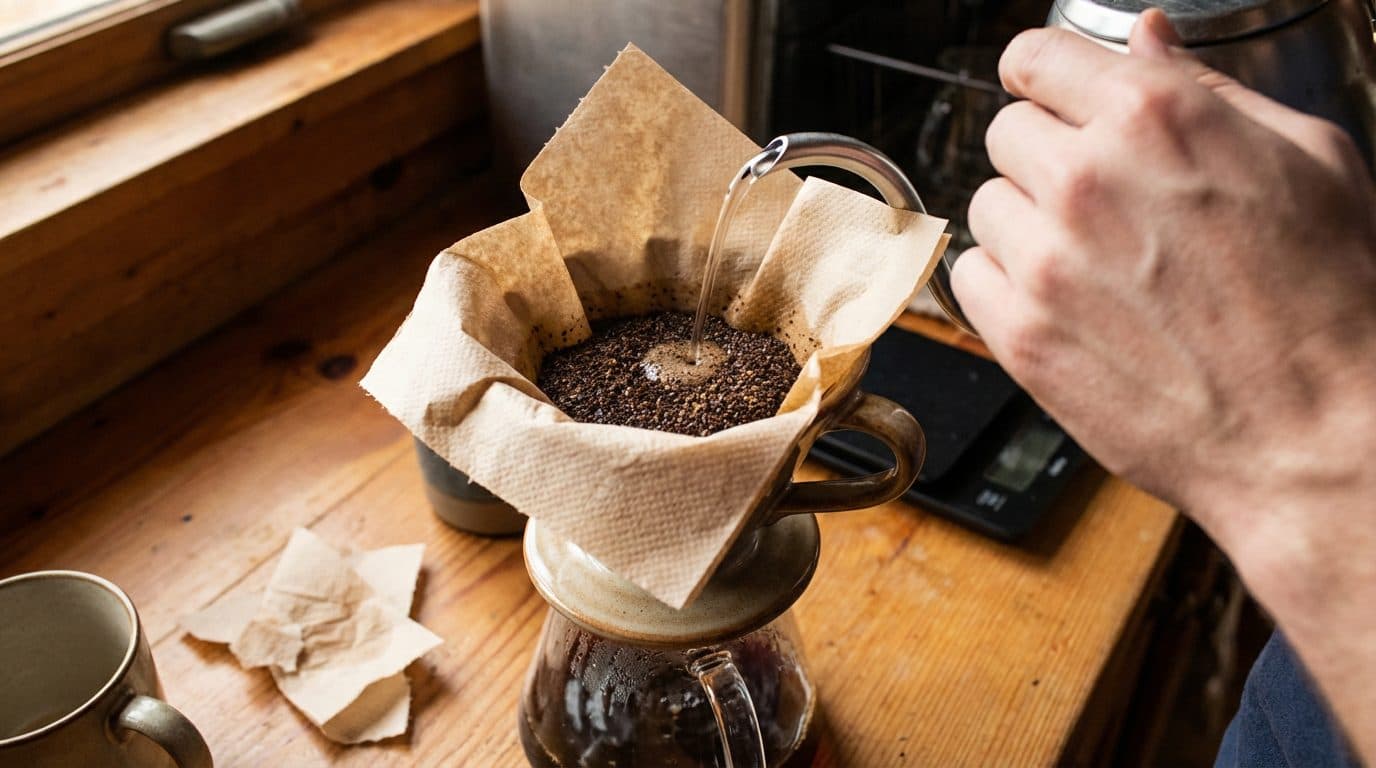
In a pinch, yes—but it’s not ideal. Paper towels can break down when wet and may impart a papery taste. They also contain bleach in some cases. If you must use one, choose an unbleached, sturdy variety and be gentle with your pour.
Will my coffee taste different without paper filters?
Yes, and many people prefer it. Without paper absorbing oils, your coffee will have a fuller body and more complex flavor. You might notice a slight increase in sediment, but this is normal and harmless.
How do I clean and maintain cloth filters?
Rinse immediately after each use under hot water. Weekly, soak the cloth in a mixture of water and baking soda for 30 minutes, then rinse thoroughly. Never use soap—it leaves residue that affects taste. Store cloth filters in the refrigerator between uses to prevent mold.
Is paperless brewing healthier?
It depends on your perspective. Unfiltered coffee contains cafestol and kahweol, compounds that can slightly raise cholesterol levels. However, moderate consumption (1–2 cups daily) is generally considered safe for most people. If you have cholesterol concerns, consult your doctor.
What’s the best grind size for brewing without papers?
Medium to medium-coarse works best for most paperless methods. Finer grinds will over-extract and create excessive sediment. When in doubt, go coarser—you can always adjust finer if the coffee tastes weak.
Conclusion: Your Coffee, Your Way
Running out of filter papers doesn’t mean settling for instant coffee or skipping your morning ritual entirely. With a cloth, strainer, or even just patience and gravity, you can make excellent filter coffee without papers. Each method brings its own character to the cup, and you might discover you prefer the fuller, richer taste of paperless brewing.
Start with whatever materials you have on hand today. Try the cloth method for a cleaner cup or embrace the bold simplicity of the strainer technique. Life is too short for bad coffee—and now, it’s also too short to let missing filter papers stand in your way. Happy brewing!



Comments