


Table of Contents
- What Are Single Serve Pour Over Bags?
- How Do Single Serve Pour Over Bags Work?
- Are Single Serve Pour Over Bags Good? The Honest Verdict
- The Pros
- The Cons
- Who Is This For?
- Who Is This NOT For?
- Single Serve Pour Over Bags vs Other Portable Coffee Options
- How to Get the Best Results from Pour Over Bags
- Water Temperature Matters
- Pour Slowly and in Stages
- Choose Quality Brands
- Preheat Your Mug
- Frequently Asked Questions
- Do single serve pour over bags taste better than instant coffee?
- How long do single serve pour over bags stay fresh?
- Can I reuse a pour over bag for a second cup?
- Are pour over bags environmentally friendly?
- What's the best single serve pour over bag brand?
- Final Thoughts: Should You Try Single Serve Pour Over Bags?
You’re standing in a hotel room, staring at that sad little sachet of instant coffee, wondering why you ever left home. Or maybe you’re camping, hiking, or just rushing through a Monday morning with zero time to spare. Single serve pour over bags promise real, freshly brewed coffee without the gear, the grind, or the guilt of drinking something that tastes like regret. But here’s the million-dollar question: are they actually any good?
In this post, I’ll break down exactly what single serve pour over bags are, how they work, their strengths and weaknesses, and whether they deserve a spot in your coffee routine. If you’ve been curious about these convenient little packets, you’re in the right place.
What Are Single Serve Pour Over Bags?
Single serve pour over bags are exactly what they sound like: pre-ground coffee sealed inside a filter bag with built-in hangers that hook onto your mug. Think of them as the love child of a tea bag and a pour over dripper. You tear open the packet, hang the filter on your cup, pour hot water through, and you’ve got fresh coffee in under three minutes.
These clever little packets originated in Japan, where convenience and quality often go hand in hand. Brands like Kuju, Copper Cow, and even specialty roasters now offer their own versions. The coffee inside is typically ground specifically for this brewing method and nitrogen-flushed to preserve freshness.
Key Takeaway: Single serve pour over bags aren’t instant coffee. They’re real ground coffee brewed fresh, just in a more portable format.
How Do Single Serve Pour Over Bags Work?
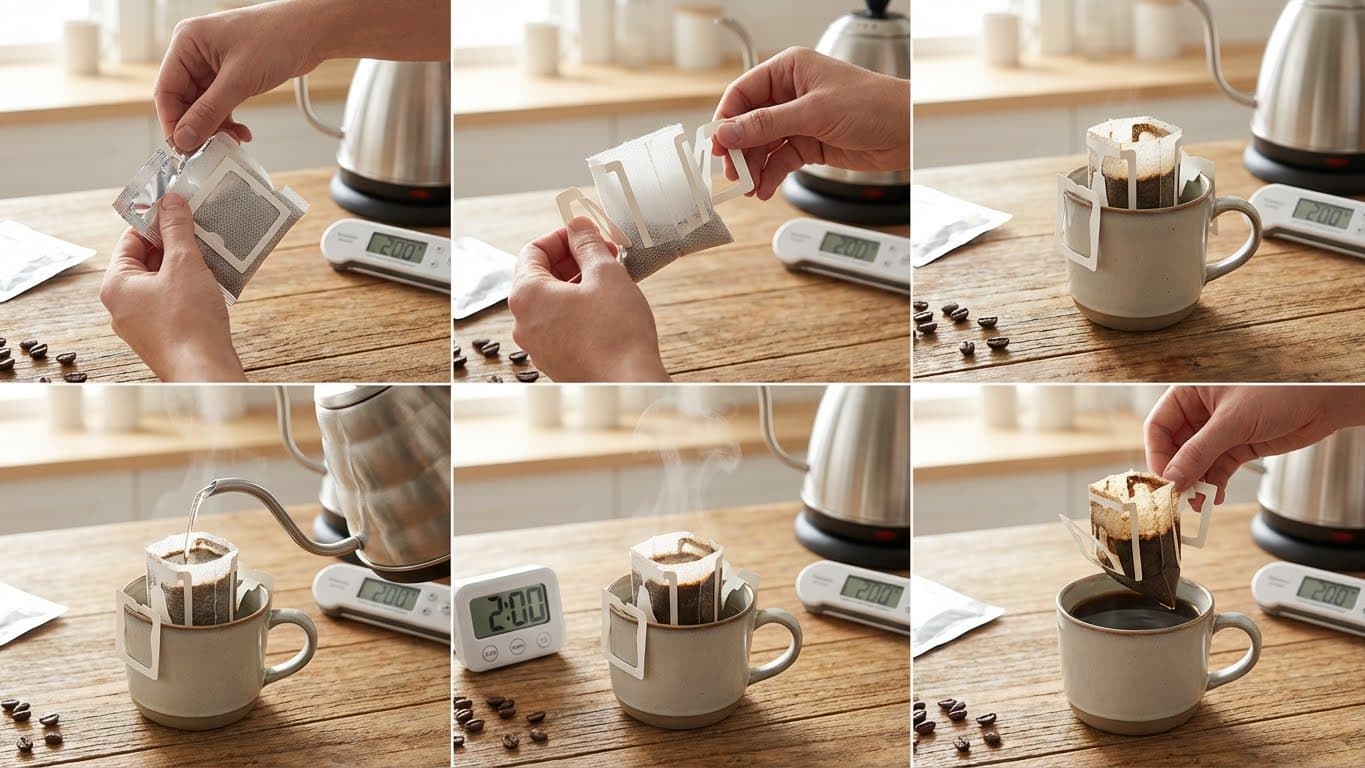
The brewing process is refreshingly simple. In my experience, even complete coffee beginners can nail this on the first try. Here’s the step-by-step breakdown:
- Tear open the outer packaging and unfold the filter bag.
- Pull apart the paper or cardboard hangers on the sides.
- Hook the hangers over the rim of your mug so the filter bag sits inside.
- Slowly pour hot water (around 200°F or just off the boil) over the grounds.
- Let it drip through completely, which usually takes 2-3 minutes.
- Remove the filter bag, toss it, and enjoy your coffee.
Barista Tip: Pour in small circles and in stages rather than dumping all the water at once. This mimics proper pour over technique and helps extract more flavor from the grounds.
The whole process feels almost meditative, even when you’re short on time. You get that ritual of brewing without needing a gooseneck kettle, a scale, or any cleanup beyond throwing away a filter.
Are Single Serve Pour Over Bags Good? The Honest Verdict
Here’s where I’ll give you the straight answer: yes, single serve pour over bags can be genuinely good. But they come with some important caveats. Let me break it down honestly.
The Pros
- Convenience is unbeatable: No equipment, no cleanup, no measuring. Just add hot water.
- Portability: They’re flat, lightweight, and perfect for travel, camping, office drawers, or emergency stashes.
- Freshness over instant: You’re brewing real coffee, which means actual flavor notes and aromatics that instant can never replicate.
- Consistency: The dose is pre-measured, so you get the same result every time.
- Specialty options exist: Many craft roasters now offer pour over bags with single-origin, ethically sourced beans.
The Cons
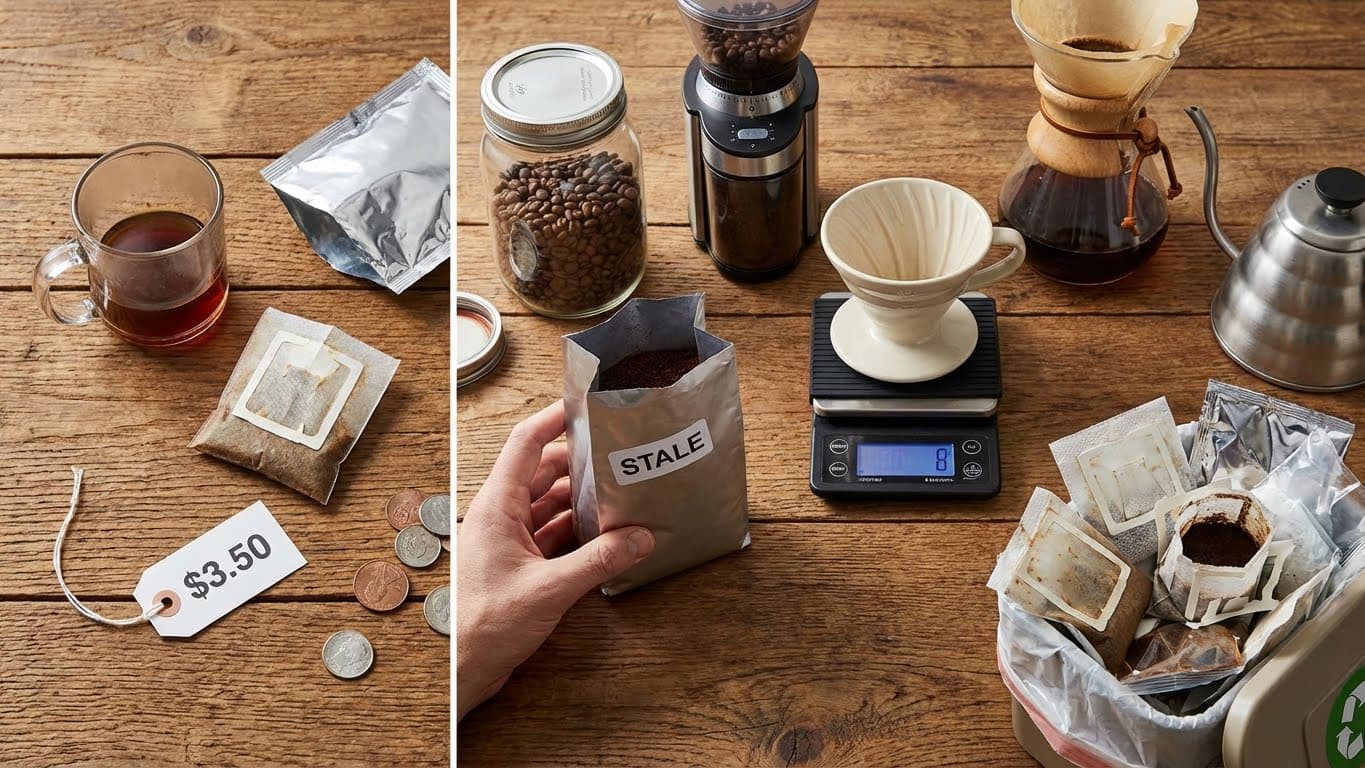
- Cost per cup is higher: You’re paying for convenience. Expect anywhere from $1.50 to $4per bag depending on the brand.
- Limited grind freshness: Pre-ground coffee, even when nitrogen-sealed, won’t match beans you grind yourself moments before brewing.
- Less control: You can’t adjust the grind size, dose, or water ratio like you can with a standard pour over setup.
- Environmental considerations: More packaging waste than brewing from a bag of whole beans.
- Smaller serving size: Most bags make8-10 oz of coffee, which might not satisfy those who need a bigger cup.
Who Is This For?
- Travelers who refuse to suffer through hotel room coffee.
- Campers and hikers who want quality without the weight of brewing gear.
- Office workers stuck with terrible communal coffee machines.
- Anyone curious about pour over but not ready to invest in equipment.
- People who want a backup option when they’re out of beans at home.
Who Is This NOT For?
- Home baristas who already have a pour over setup and freshly roasted beans.
- Budget-conscious coffee drinkers who brew multiple cups daily.
- Those seeking maximum control over every brewing variable.
- Anyone prioritizing minimal packaging waste.
Single Serve Pour Over Bags vs Other Portable Coffee Options
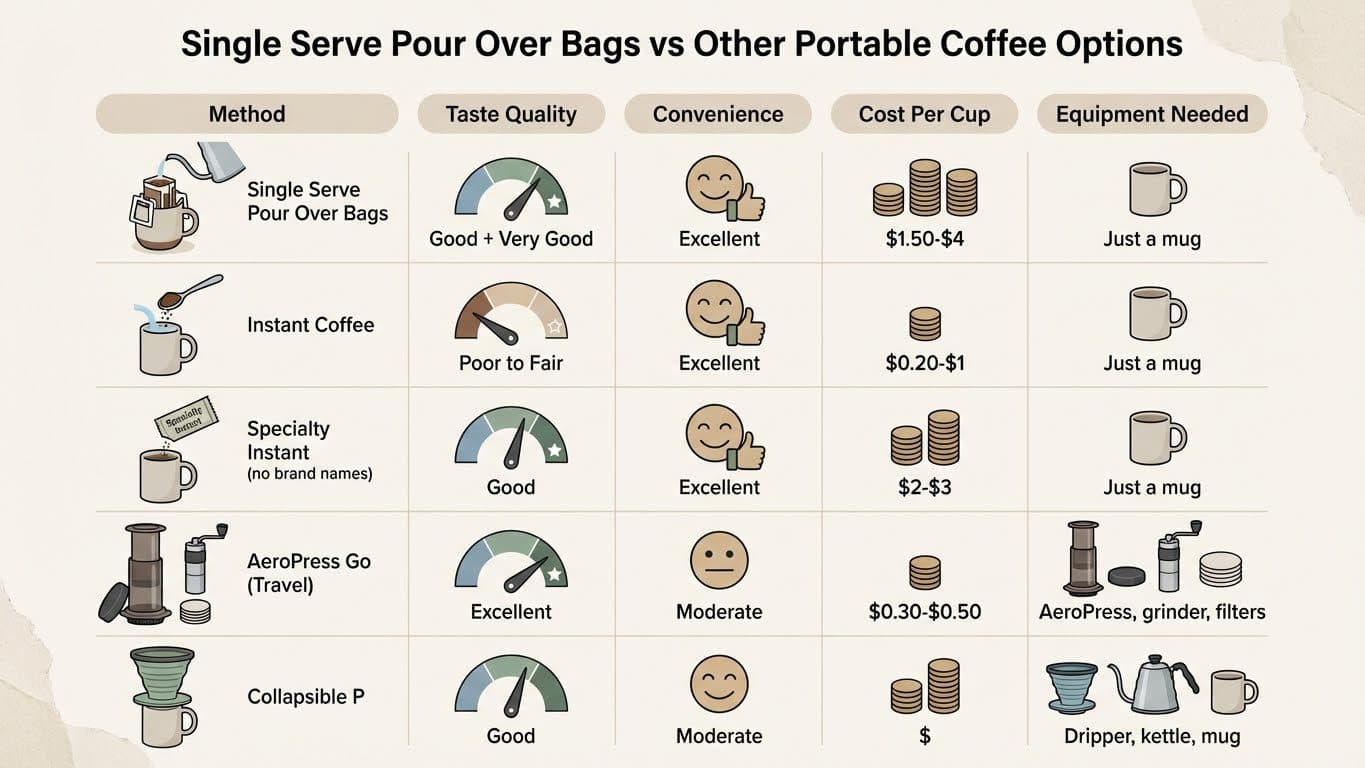
To give you some perspective, here’s how pour over bags stack up against other options you might consider for on-the-go brewing:
| Method | Taste Quality | Convenience | Cost Per Cup | Equipment Needed |
|---|---|---|---|---|
| Single Serve Pour Over Bags | Good to Very Good | Excellent | $1.50-$4 | Just a mug |
| Instant Coffee | Poor to Fair | Excellent | $0.20-$1 | Just a mug |
| Specialty Instant (e.g., Swift Cup) | Good | Excellent | $2-$3 | Just a mug |
| AeroPress Go (Travel) | Excellent | Moderate | $0.30-$0.50 | AeroPress, grinder, filters |
| Collapsible Pour Over Dripper | Excellent | Moderate | $0.30-$0.50 | Dripper, filters, grinder |
As you can see, pour over bags occupy a sweet spot. They deliver better flavor than standard instant coffee while requiring almost nothing in terms of equipment. If you’re willing to sacrifice a bit of taste perfection for major convenience gains, they make a lot of sense.
How to Get the Best Results from Pour Over Bags
Even though pour over bags are designed to be foolproof, a few small tweaks can elevate your cup significantly. I’ve found that these tips make a noticeable difference:
Water Temperature Matters
Don’t pour boiling water directly onto the grounds. Let your kettle sit for about 30 seconds after boiling, or aim for around 195-205°F. Too hot and you risk over-extraction and bitterness. Too cool and the coffee tastes flat and underwhelming.
Pour Slowly and in Stages
Resist the urge to dump all the water in at once. Pour a small amount first (just enough to wet the grounds), wait20-30 seconds for the coffee to bloom, then continue pouring slowly. This technique helps release trapped CO2 and leads to more even extraction.
Choose Quality Brands
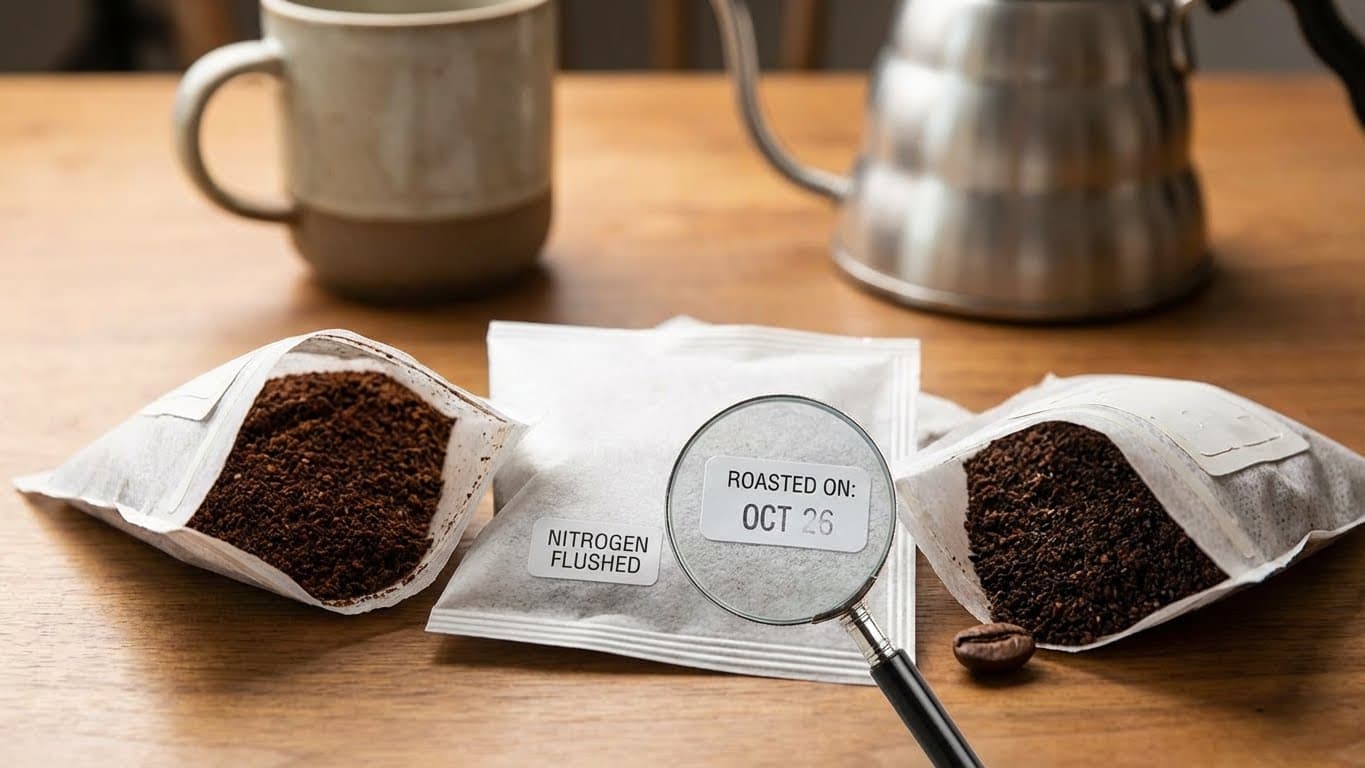
Not all pour over bags are created equal. Look for brands that use specialty-grade coffee, nitrogen-flush their packaging, and roast relatively recently. Check roast dates when possible. Stale coffee in a convenient format is still stale coffee.
Preheat Your Mug
This might sound fussy, but pouring a bit of hot water into your mug first (then discarding it) keeps your coffee hotter longer. Cold ceramic sucks heat right out of your brew.
Barista Tip: If your pour over bag coffee tastes weak, try using slightly less water than recommended. Many bags are designed for a full10oz, but8 oz often produces a stronger, more satisfying cup.
Frequently Asked Questions
Do single serve pour over bags taste better than instant coffee?
In almost every case, yes. Pour over bags contain real ground coffee that’s brewed fresh, which means you get actual flavor complexity, aroma, and body that instant coffee simply cannot replicate. The difference is noticeable even to casual coffee drinkers.
How long do single serve pour over bags stay fresh?
Most quality pour over bags are nitrogen-flushed and sealed, giving them a shelf life of 6-12 months. However, for the best flavor, I’d recommend using them within a few months of the roast date. Fresher is always better with coffee.
Can I reuse a pour over bag for a second cup?
Technically you can, but I wouldn’t recommend it. The grounds are already extracted during the first brew, so a second pass will taste weak, sour, and generally unpleasant. One bag equals one cup.
Are pour over bags environmentally friendly?
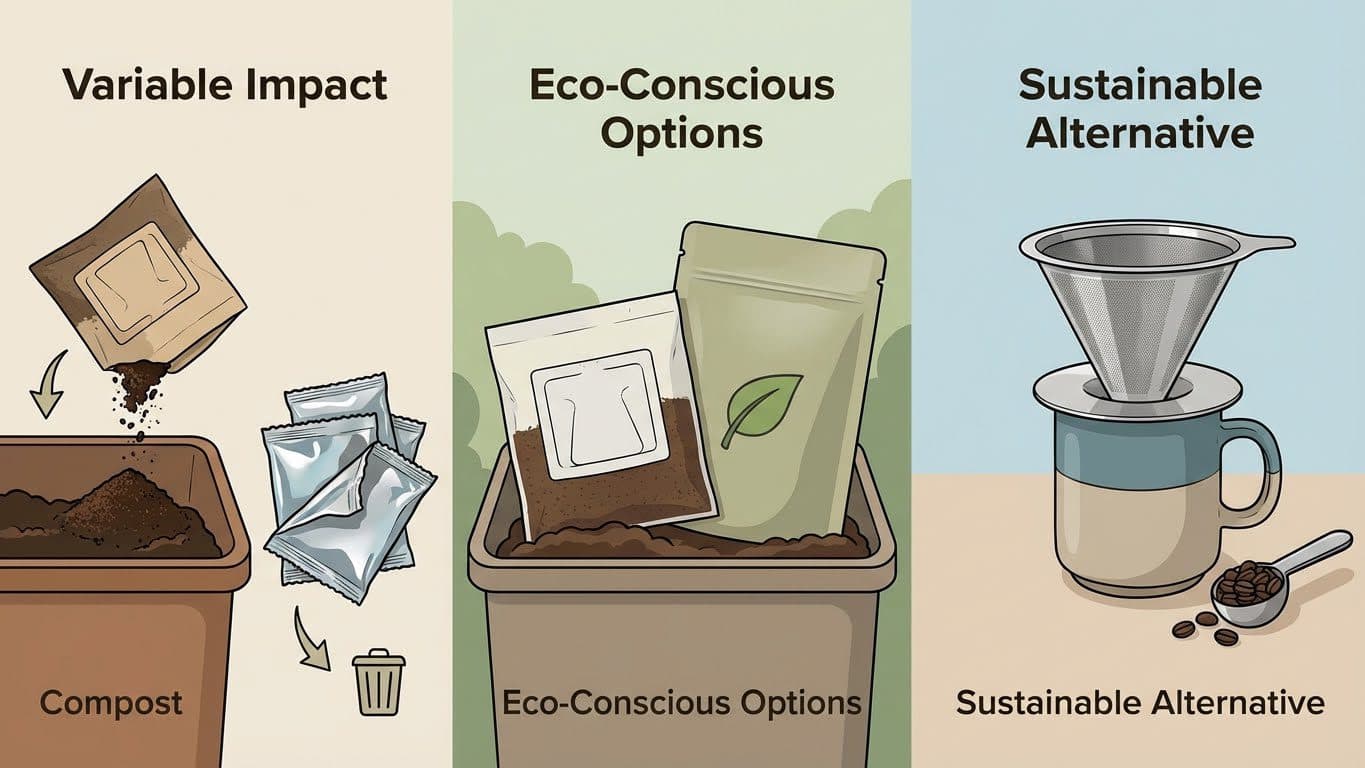
This depends on the brand. The filter material is usually compostable paper, but the outer packaging is often plastic or foil-lined. Some brands are moving toward fully compostable packaging. If sustainability is a priority, look for eco-conscious brands or consider a reusable travel pour over dripper instead.
What’s the best single serve pour over bag brand?
Popular options include Kuju Coffee (great for outdoors), Copper Cow Coffee (Vietnamese-style options), and Canyon Coffee. Many specialty roasters also offer their own versions. Experiment with a few to find your favorite flavor profile.
Final Thoughts: Should You Try Single Serve Pour Over Bags?
Life is too short for bad coffee, especially when you’re traveling, camping, or stuck somewhere with terrible brewing options. Single serve pour over bags won’t replace your carefully dialed-in home setup, but that’s not their job. They exist to give you a genuinely good cup of coffee when convenience matters most.
If you’ve been skeptical, I’d encourage you to grab a pack from a reputable brand and try them on your next trip. You might be surprised at how satisfying that little paper filter can be when the alternative is gas station coffee or sad hotel room packets. For the price of a mediocre café latte, you can have specialty-grade coffee anywhere hot water exists.
Give them a shot, experiment with your pouring technique, and see if they earn a permanent spot in your travel bag. Your future self, standing in an airport or a campsite, will thank you.



Comments