


Table of Contents
- Quick Verdict: Primula Burke Cold Brew Maker
- What Makes the Primula Burke Stand Out?
- Design and Build Quality
- Capacity Considerations
- Primula Burke Cold Brew Maker: Pros and Cons
- Pros
- Cons
- How to Use the Primula Burke Cold Brew Maker
- What You'll Need
- Brewing Steps
- Expected Taste Profile
- Primula Burke vs. Other Budget Cold Brew Makers
- Who Is the Primula Burke Cold Brew Maker For?
- Who Is This For?
- Who Is This NOT For?
- Common Mistakes to Avoid
- Grind Size Matters
- Steeping Time Sweet Spot
- Water Quality Counts
- Frequently Asked Questions
- How long does cold brew last in the Primula Burke pitcher?
- Can I make hot coffee with the Primula Burke?
- Why does my cold brew have sediment at the bottom?
- Is the Primula Burke dishwasher safe?
- What coffee-to-water ratio should I use?
- Final Verdict and Recommendations
Quick Verdict: Primula Burke Cold Brew Maker
After testing dozens of budget cold brew makers, the Primula Burke Cold Brew Maker earns its spot as one of the best value options for home baristas on a budget. For under $25, you get a reliable, no-fuss pitcher that produces smooth, delicious cold brew concentrate without any fancy gadgets or complicated setups.
If you’re tired of spending $5 per cup at coffee shops and want a simple entry point into homemade cold brew, this pitcher delivers exactly what it promises. Life is too short for bad coffee—and it’s definitely too short to overpay for it.
So, is the Primula Burke actually the best budget cold brew pitcher? Let’s break down everything you need to know before you buy, including who should grab one and who might want to look elsewhere.
What Makes the Primula Burke Stand Out?
The cold brew maker market is flooded with options ranging from $15 mason jar setups to $200 automated systems. The Primula Burke sits comfortably in the budget-friendly category while offering features you’d expect from pricier models.
Design and Build Quality
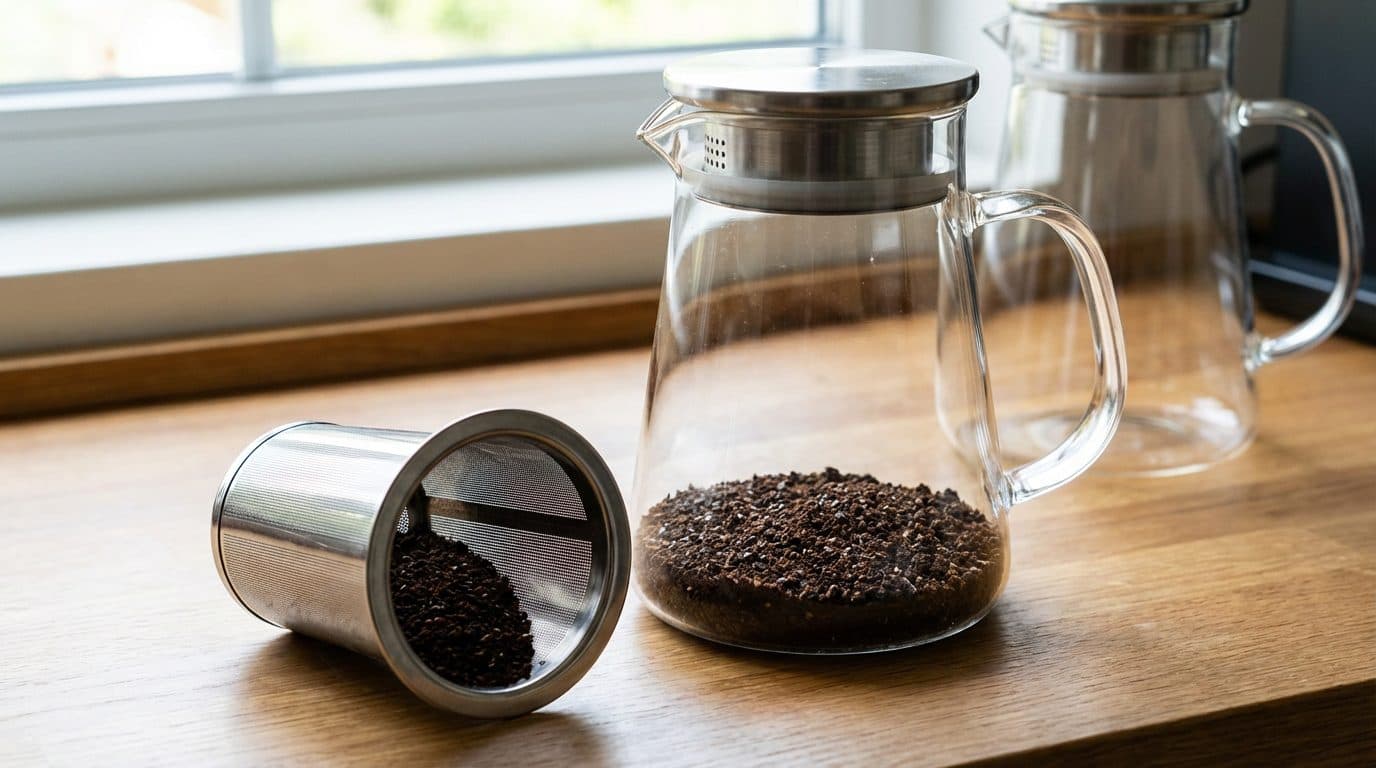
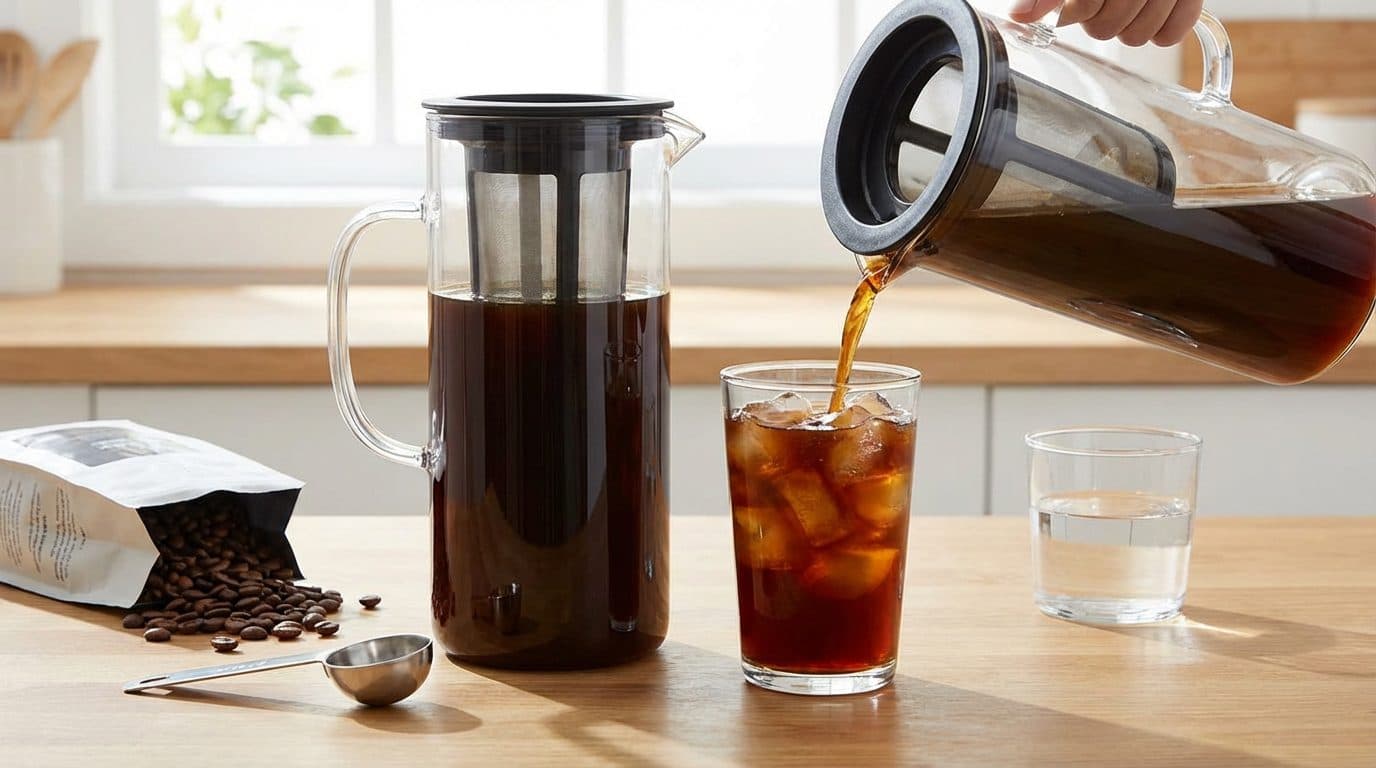
The Primula Burke features a classic pitcher design made from borosilicate glass, which is the same durable material used in laboratory equipment. In my experience, this glass handles temperature changes well and doesn’t retain odors or flavors between batches.
The removable mesh filter is made from fine stainless steel, which does a solid job of keeping grounds out of your final brew. The lid seals tightly enough to prevent spills during refrigerator storage, though I wouldn’t recommend shaking it vigorously.
Here’s what the build includes:
- 1.6-quart (approximately 6-cup) borosilicate glass pitcher
- Removable stainless steel mesh filter
- Plastic lid with silicone seal
- Comfortable handle for easy pouring
Capacity Considerations
The 1.6-quart capacity produces roughly 4-5 servings of diluted cold brew coffee. If you’re a solo cold brew drinker, one batch easily lasts a week in the fridge. For households with multiple coffee lovers, you might find yourself making batches every few days.
Barista Tip: Cold brew concentrate keeps well for up to two weeks refrigerated, so you can always make a larger batch if you have a second pitcher on hand.
Primula Burke Cold Brew Maker: Pros and Cons
Every product has its strengths and weaknesses. Here’s my honest assessment after putting the Primula Burke through its paces.
Pros
- Exceptional value: At under $25, it’s one of the most affordable dedicated cold brew makers available
- Simple operation: No complicated parts, electronics, or learning curve required
- Easy cleanup: The mesh filter rinses clean quickly, and the glass pitcher is dishwasher safe
- Compact design: Fits easily in most refrigerator doors
- Durable glass: Borosilicate construction resists cracking and staining
- Versatile use: Works great for cold brew tea and infused water too
Cons
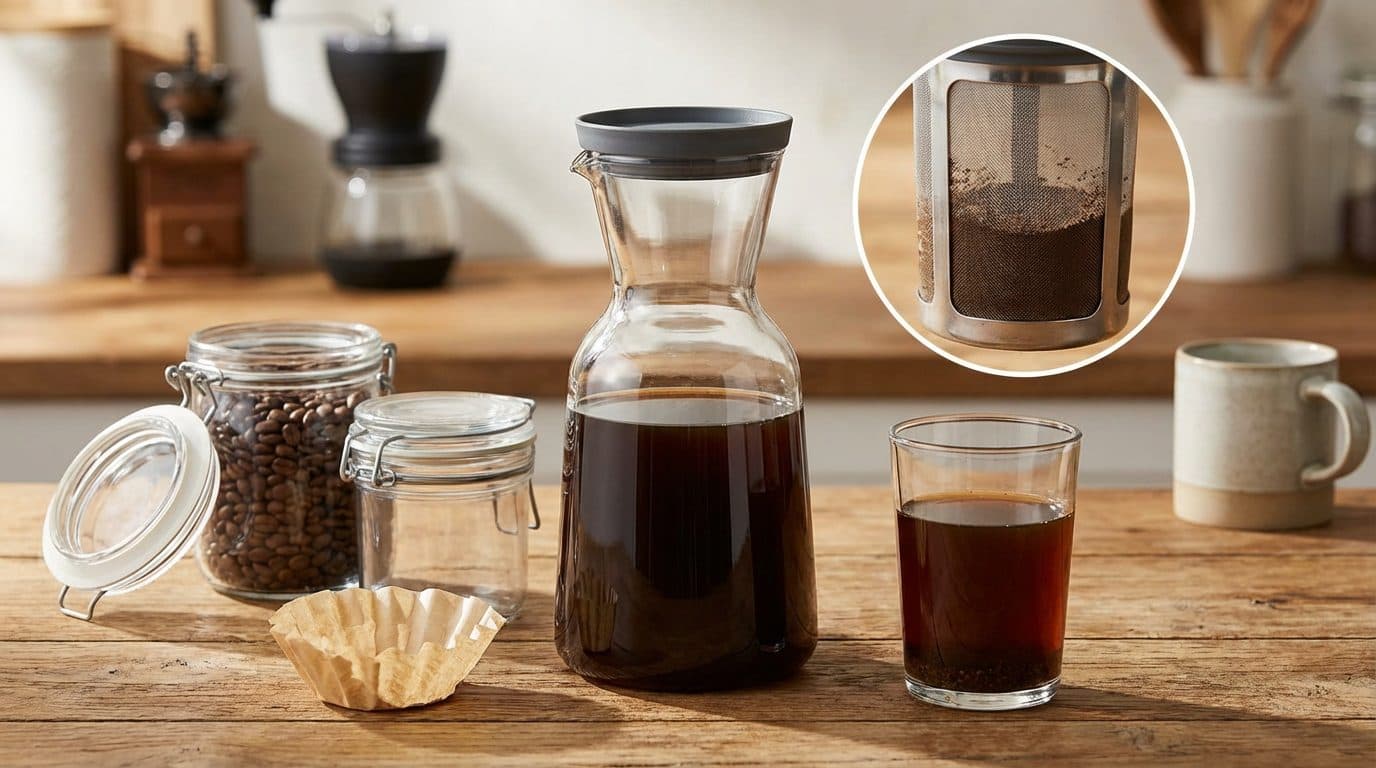
- Mesh filter limitations: Very fine coffee particles occasionally slip through, resulting in slight sediment
- Plastic lid: While functional, the plastic components feel less premium than the glass body
- No airtight seal: The lid keeps things covered but isn’t truly airtight for long-term storage
- Limited capacity: Heavy cold brew households may need to brew more frequently
- Basic filtration: Paper filter users might miss the ultra-clean brew from dual filtration systems
How to Use the Primula Burke Cold Brew Maker
One of the biggest advantages of this pitcher is its simplicity. You don’t need any barista training to make excellent cold brew at home. Here’s my tried-and-true method for getting the best results.
What You’ll Need
Ingredients:
- 3/4 cup coarsely ground coffee (about 85 grams)
- 4 cups cold filtered water
Gear:
- Primula Burke Cold Brew Maker
- Burr grinder (or pre-ground coarse coffee)
- Measuring cups
Brewing Steps
- Remove the mesh filter from the pitcher and add your coarsely ground coffee directly into the filter basket
- Place the filter back into the pitcher, ensuring it sits securely at the bottom
- Slowly pour cold filtered water over the grounds, making sure all the coffee gets saturated
- Give the grounds a gentle stir with a long spoon to eliminate any dry pockets
- Secure the lid and place the pitcher in your refrigerator
- Steep for 12-24 hours depending on your strength preference
- Remove the filter basket and discard the grounds
- Dilute your concentrate with water or milk at a 1:1 or 1:2 ratio to taste
Barista Tip: I’ve found that 18-20 hours hits the sweet spot for most people—long enough to extract rich flavors without crossing into bitter territory.
Expected Taste Profile
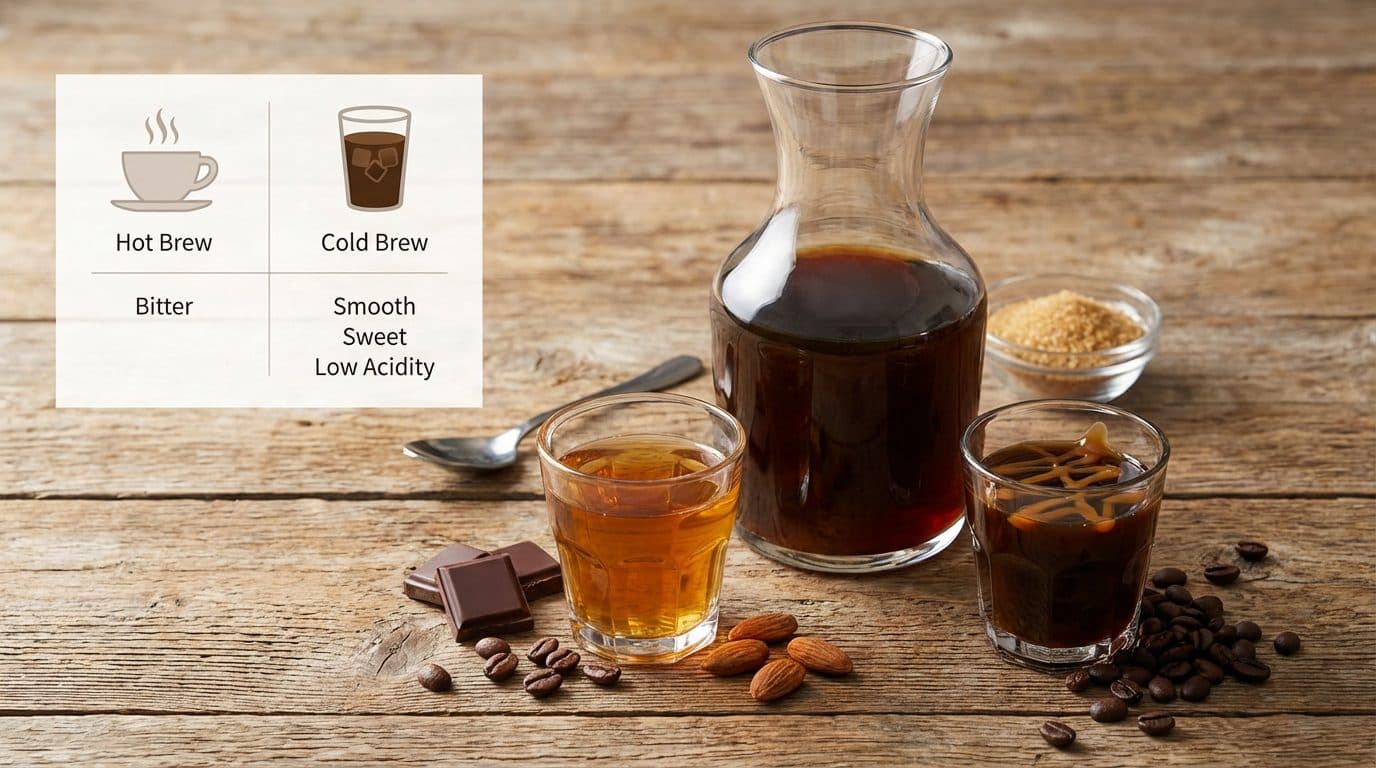
When brewed correctly, the Primula Burke produces a smooth, naturally sweet cold brew with low acidity. You’ll notice chocolate and nutty undertones with most medium roasts, while darker roasts bring out more caramel and roasted flavors. The cold brewing process reduces bitterness significantly compared to hot-brewed coffee that’s been cooled down.
Primula Burke vs. Other Budget Cold Brew Makers
How does the Primula Burke stack up against its competition? Here’s a quick comparison with other popular budget options.
| Feature | Primula Burke | County Line Kitchen | Takeya Deluxe |
|---|---|---|---|
| Price Range | $20-25 | $25-30 | $25-35 |
| Capacity | 1.6 quarts | 2 quarts | 2 quarts |
| Material | Borosilicate glass | Borosilicate glass | BPA-free plastic |
| Filter Type | Stainless steel mesh | Stainless steel mesh | Stainless steel mesh |
| Dishwasher Safe | Yes (except lid) | Yes | Yes |
| Airtight Seal | No | No | Yes |
The Primula Burke wins on pure value, especially if you prefer glass construction. The Takeya offers a true airtight seal and slightly larger capacity but uses plastic instead of glass. County Line Kitchen splits the difference with more capacity in glass, but at a higher price point.
Who Is the Primula Burke Cold Brew Maker For?
After spending time with this pitcher, I have a clear picture of who will love it and who might want to explore other options.
Who Is This For?
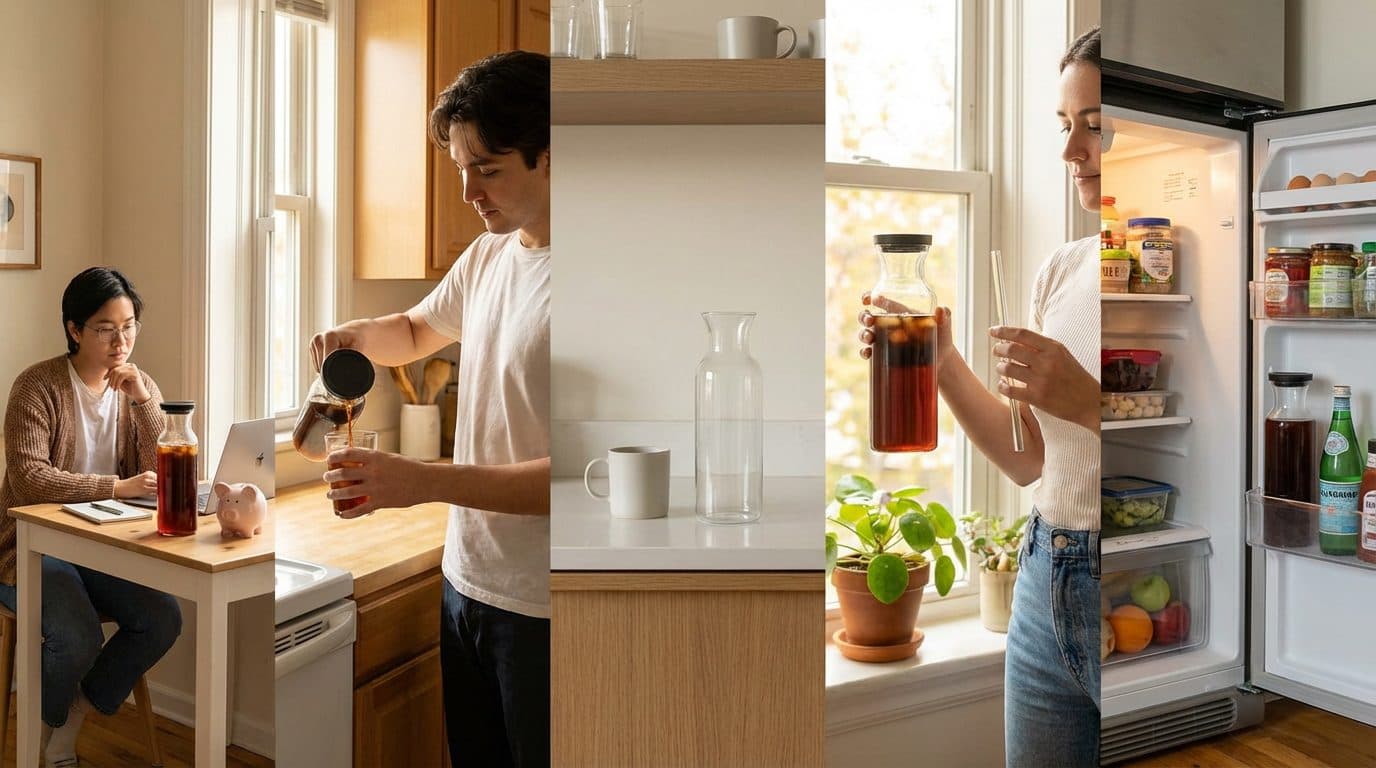
- Budget-conscious beginners: If you’re curious about cold brew but don’t want to invest heavily before knowing if you’ll stick with it
- Solo coffee drinkers: The 1.6-quart capacity is perfect for individuals or couples
- Minimalists: Those who appreciate simple, no-nonsense kitchen tools without extra features
- Glass enthusiasts: Anyone who prefers glass over plastic for taste and environmental reasons
- Small kitchen owners: The compact design fits easily in cramped refrigerators
Who Is This NOT For?
- Large households: Families of four or more cold brew drinkers will find the capacity limiting
- Sediment-sensitive drinkers: If even tiny particles bother you, look for dual-filtration systems
- Travel needs: The glass construction makes this a stay-at-home solution only
- Those wanting concentrate storage: Without a truly airtight seal, long-term storage isn’t ideal
- Tech lovers: If you want programmable features or pressure brewing, this isn’t your match
Common Mistakes to Avoid
Even with a simple device like the Primula Burke, a few common errors can sabotage your cold brew. Here’s what to watch out for.
Grind Size Matters
The most frequent mistake I see is using too fine a grind. Fine grounds lead to over-extraction (bitter, harsh flavors) and clog the mesh filter. Aim for a coarse grind similar to raw sugar or sea salt. If you’re buying pre-ground, look for coffee specifically labeled for cold brew or French press.
Steeping Time Sweet Spot
Under-steeping produces weak, watery cold brew, while over-steeping creates bitter, astringent concentrate. Start with 18 hours and adjust from there. If your brew tastes sour, steep longer. If it’s bitter, pull it earlier next time.
Water Quality Counts
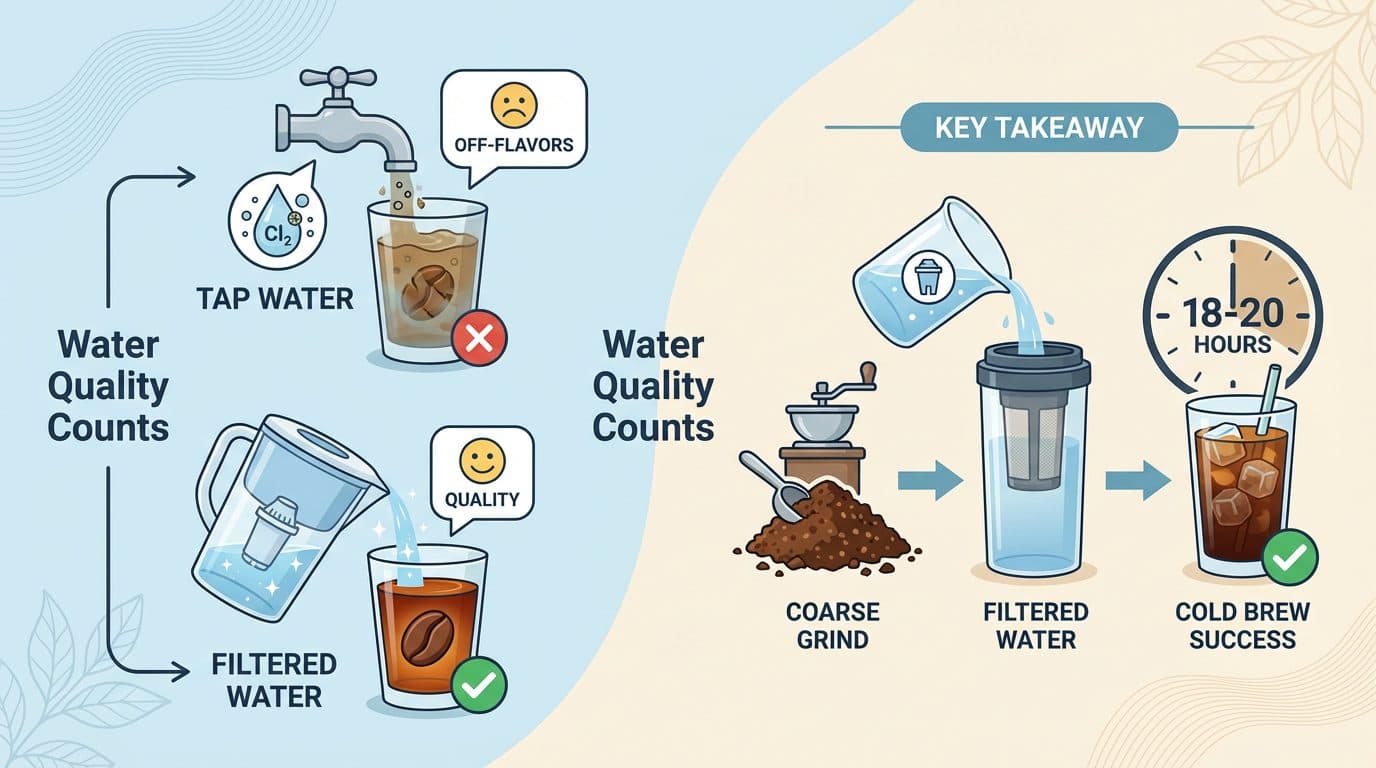
Since cold brew is essentially coffee-infused water, the water quality directly impacts your final cup. Tap water with chlorine or mineral content can introduce off-flavors. Filtered water makes a noticeable difference.
Key Takeaway: Coarse grind + filtered water + 18-20 hours = cold brew success with the Primula Burke.
Frequently Asked Questions
How long does cold brew last in the Primula Burke pitcher?
Once you remove the filter and grounds, your cold brew concentrate stays fresh for up to two weeks in the refrigerator. However, for the best flavor, I recommend consuming it within 7-10 days. The brew won’t spoil after two weeks, but the flavors start to dull.
Can I make hot coffee with the Primula Burke?
While the borosilicate glass can technically handle hot liquids, this pitcher is specifically designed for cold brewing. The mesh filter and steeping method work best with cold water extraction. For hot coffee, you’re better off with a traditional brewing method.
Why does my cold brew have sediment at the bottom?
Some fine particles slipping through the mesh filter is normal with the Primula Burke. Using a coarser grind minimizes this issue. If sediment really bothers you, pour your finished brew through a paper coffee filter for crystal-clear results.
Is the Primula Burke dishwasher safe?
The glass pitcher and stainless steel filter are dishwasher safe. However, the plastic lid should be hand washed to preserve the silicone seal and prevent warping.
What coffee-to-water ratio should I use?
For concentrate that you’ll dilute later, use a 1:5 ratio (1 part coffee to 5 parts water). For ready-to-drink strength, try 1:8. Start with these baselines and adjust based on your taste preferences.
Final Verdict and Recommendations
The Primula Burke Cold Brew Maker earns its reputation as one of the best budget-friendly options for home cold brew enthusiasts. It won’t win awards for innovation or premium materials, but it does exactly what it promises at a price that’s hard to argue with.
For beginners testing the cold brew waters or solo drinkers wanting a simple solution, the Primula Burke delivers excellent value. The glass construction, easy cleanup, and consistent results make it a reliable kitchen companion. Yes, you might get occasional sediment, and the capacity limits larger households, but these are minor trade-offs at this price point.
If you’ve been spending $4-6 per cold brew at coffee shops, the Primula Burke pays for itself within a few batches. That’s money back in your pocket and delicious cold brew waiting in your fridge whenever you want it.
Ready to start your cold brew journey? Check the latest price on Amazon and join the home barista movement. Your wallet—and your taste buds—will thank you.

Comments